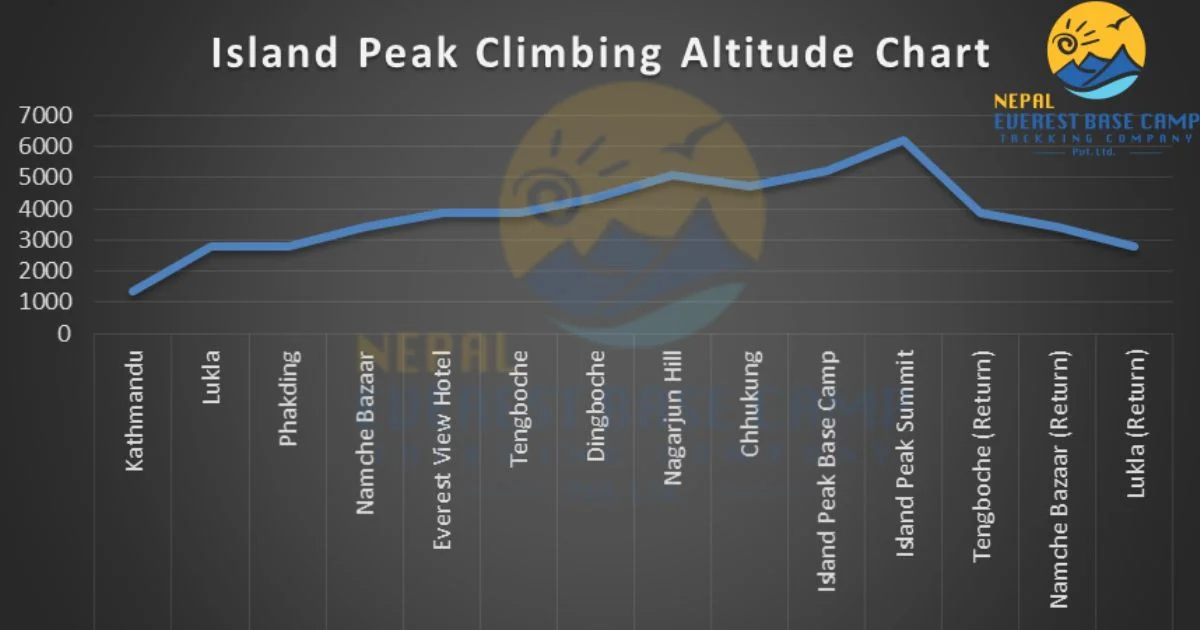
Island Peak climbing is a 15-day expedition to the 6,189 m summit (Imja Tse) in the Khumbu region. The route passes through Namche Bazaar, Tengboche and Chhukung before a pre-dawn summit push involving crampons, fixed ropes and glacier travel. Best climbed in spring or autumn, it serves as an ideal training peak with panoramic Mount Everest views for those preparing for higher Himalayan ascents.
Duration15 Days
Difficulty Level Moderate/Technical
Max Altitude 6165 M
Group Size 20
Starts Kathmandu
Ends Kathmandu
Island Peak Climbing Highlights
The Island Peak sits at an altitude of 6,165 m / 20,026 ft. in the famous Khumbu region.
Amazing, the mountain views from Island Peak Summit.
View the wide areas of glaciers, and ice, and be face to face with mountain peaks.
Gain the necessary experience in a real mountain climbing environment.
The extremely unique adventure and experience of camping which is at Island Peak Base camp.
Safe and healthy food.
Island Peak Climbing Overview
Island Peak Climbing (Imja Tse) ranks among Nepal's most achievable six-thousand-metre summits, and this 15-day trip gets you there without demanding years of technical climbing behind you. Sherpa guides fix the ropes and lead the glacier crossing on summit day, so a fit trekker with basic training can reach the top. The result is a genuine mountaineering summit built into a standard trekking holiday.
How hard the climb feels depends on your acclimatisation, your fitness before you arrive, and the weather window you get on summit morning. Some climbers clear the headwall in under three hours; others need every bit of the rest day at Chhukung. The season shifts things too, since spring and autumn bring the most stable ice conditions on the glacier.
This content covers the full itinerary, the acclimatisation stops through Namche and Dingboche, and what the technical stretch on summit day actually involves. By the end, you'll know whether Island Peak suits your experience level, what gear to hire in Kathmandu, and how it stacks up against other Nepal trekking peaks like Mera Peak and Lobuche East. Nepal Everest Base Camp provides expert guidance and support throughout the journey.
Why Choose Island Peak Climbing in Nepal?
Island Peak is classified as a trekking peak that sits perfectly positioned in the heart of the Khumbu region, making it an ideal stepping stone to higher Himalayan peaks like Mt. Everest and Mt. Lhotse. The name Island Peak was given by British explorer Eric Shipton, who earned the mountain its name due to its resemblance to an island in a sea of ice – truly like an island – visible from Dingboche.
Unmatched Views of Mt. Everest, Mt. Lhotse, and Mt. Makalu
From the summit of Island Peak, you'll experience breathtaking views of the surrounding peaks in a 360-degree panorama. Mount Everest dominates the northern horizon, while Lhotse, Makalu, and Ama Dablam create a stunning backdrop. These spectacular mountain views alone make the challenging ascent of Island Peak a truly rewarding climbing experience in Nepal, offering adventurers the chance to see some of the world's highest peaks up close.
Perfect Training Ground for Everest and Beyond
Although it provides an incredible training ground for climbers preparing for Everest or other eight-thousand-meter peaks, it stands as an incredible achievement in its own right. The technical climbing skills are required, including glacier travel, steep snow slopes, and fixed rope sections, providing essential mountaineering experience without the extreme commitment required for higher peaks like Mount Everest or Mount K2.
Climbing with Expert Guides
Climbing the Island Peak with Nepal Everest Base Camp Co. means you're guided by experienced climbing Sherpa guides who are intimately familiar with the mountain's terrain. Having summited Island Peak multiple times, our guides know every crevasse, weather pattern, and safe route from base camp and high camp, ensuring that your ascent is both safe and successful.
Essential Mountaineering Skills
While climbing Island Peak requires climbers to have basic mountaineering skills, you'll need to use climbing gear such as crampons, ice axes, and ropes during your summit push. With proper preparation and the support of our expert guides, climbers with good fitness and some experience in high-altitude climbing can successfully reach the summit of Island Peak.
Ready to book your Island Peak trekking trip? Contact us today for personalised costs and a detailed itinerary for 2025 and 2026. We'll guide you through every aspect of your journey, ensuring you're fully prepared for the climb of a lifetime.
Island Peak Climbing Itinerary
Outline Itinerary
Day 01:Arrival in Kathmandu (1,350 m / 4,429 ft)
Day 02:Fly to Lukla & Trek to Phakding (2,800 m / 9,186 ft)
Day 03:Phakding to Namche Bazaar (3,440 m / 11,286 ft)
Day 04:Acclimatisation Day in Namche Bazaar
Day 05:Namche Bazaar to Tengboche (3,860 m / 12,664 ft)
Day 06:Tengboche to Dingboche (4,360 m / 14,300 ft)
Day 07:Acclimatisation Day in Dingboche
Day 08:Dingboche to Chhukung & preparation day for Summit Push (4,730m / 15,518 ft)
Day 09:Chhukung to Island Peak Base Camp (5,200 m / 17,060 ft)
Day 10:Island Peak Summit Day (6,165 m / 20,026 ft)
Day 11:Chhukung to Tengboche (3,870m / 12,697ft)
Day 12:Tengboche to Namche Bazaar (3,438m / 11,280 ft)
Day 13:Day 13: Namche Bazaar to Lukla (2,800m / 9,187ft)
Day 14:Day 14: Fly to Kathmandu (1,350m / 4,429ft)
Day 15:Day 15: Final Departure
Your Island Peak climbing expedition begins the moment you land in Kathmandu. Subsequently, we'll collect you from Tribhuvan International Airport and transfer you to your hotel in Thamel, Kathmandu's vibrant trekking district.
During the evening, you'll meet your climbing guide for a comprehensive briefing about the climb ahead. Additionally, we'll conduct a climbing equipment check, ensuring you have all necessary gear or arranging rentals for missing items.
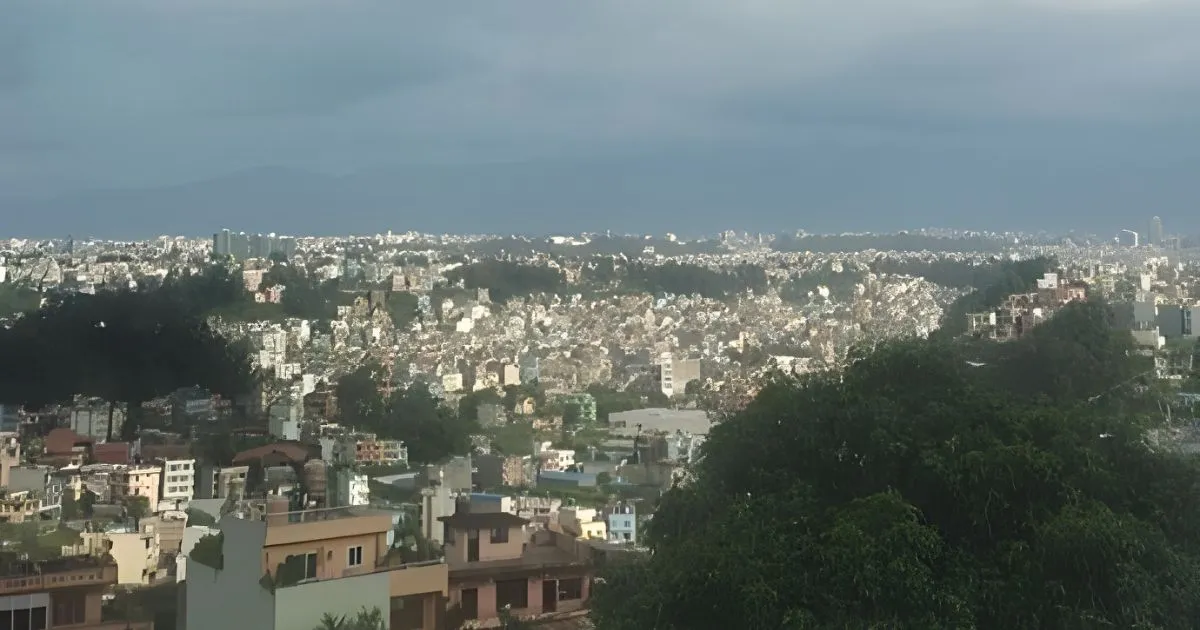
Kathmandu Valley View
Accommodation:Hotel in Thamel
Max Altitude:1320 M
Time:30 Min Drive to Hotel
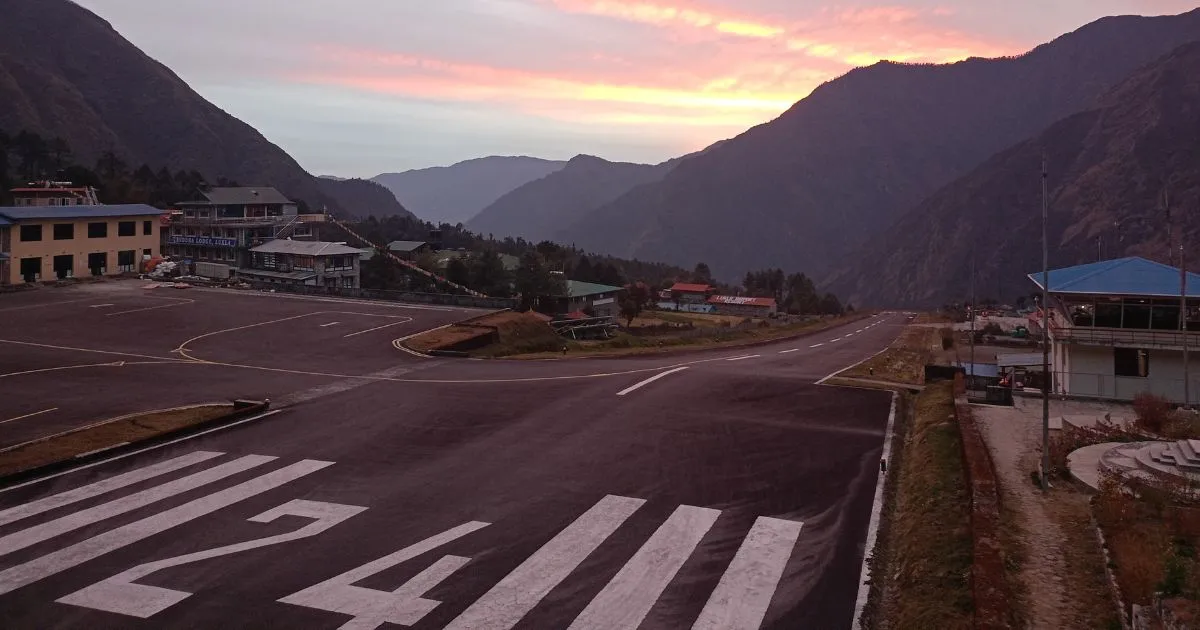
The adventure truly begins with the scenic flight to Lukla, often called the world's most adventurous airport. Therefore, the 35-minute flight offers spectacular mountain views and gets your heart racing before you even start walking.
From Lukla, our journey begins as we make our way into the Everest region, following the Dudh Koshi River valley. Meanwhile, the trail starts with a gentle descent, winding through small Sherpa villages and crossing numerous suspension bridges along the way.
Consequently, Phakding sits beside the rushing river, providing a gentle introduction to mountain life.
Altitude Loss: 250 m / 820 ft from Lukla to Phakding
Lukla Airport
Accommodation:Lodge/Teahouse
Meals:Breakfast, Lunch, Dinner
Max Altitude:2,800m / 9,187ft
Time:30 min Fly and 3-4 hours Trek
Today brings the famous climb to Namche Bazaar, gateway to the Everest region. Subsequently, we'll cross the Hillary Suspension Bridge and begin the steep ascent through pine forests and rhododendron groves.
The climb to Namche is challenging but rewarding. Therefore, as you round the final corner, the first views of Everest appear, providing motivation for the final push. Furthermore, Namche Bazaar itself is a fascinating mountain town, complete with shops, bakeries, and internet cafes.
Altitude gain: 830 m / 2,723 ft
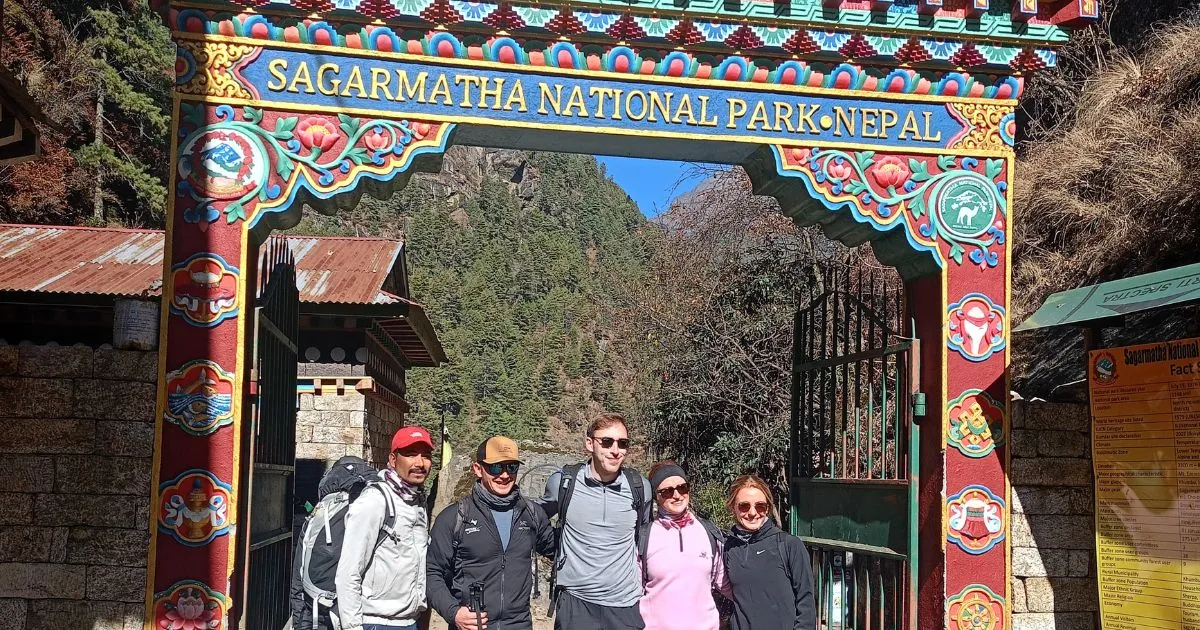
Sagarmatha National Park Entrance Gate
Accommodation:Teahouse
Meals:Breakfast, Lunch, Dinner
Max Altitude:3,440 m / 11,286 ft
Time:5-6 Hours Trek
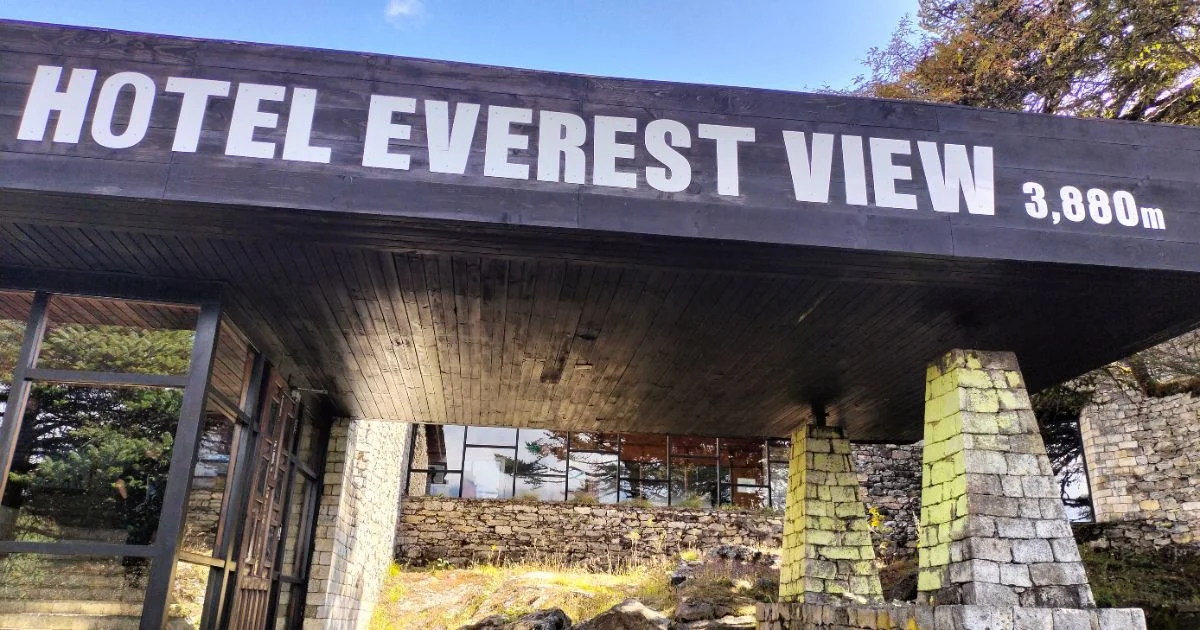
Rest day doesn't mean sitting still at altitude. Therefore, today's acclimatisation hike takes you to the famous Everest View Hotel, perched at 3,880 metres. Meanwhile, the trail winds through beautiful forests and offers stunning views of Mt. Everest, Lhotse, and Ama Dablam.
We'll also visit the Sherpa Cultural Museum and the weekly market (if it's Saturday). Consequently, these activities help your body adjust to the thinner air whilst keeping you active and engaged. This extra day ensures proper acclimatization for the higher altitudes ahead.
Activities: Day hike to Everest View Hotel
Everest View Hotel
Accommodation:Teahouses
Meals:Breakfast, Lunch, Dinner
Max Altitude:3,880m/12720 ft
Time:2-3 hours hike
The trail to Tengboche is considered one of the most beautiful in the Himalayas. Therefore, we'll traverse through rhododendron forests, cross the Dudh Koshi River, and climb steadily to the famous Tengboche Monastery.
The monastery sits on a ridge surrounded by towering peaks. Additionally, if you time it right, you can witness the evening prayers, a deeply moving experience that connects you with the spiritual side of the mountains.
Altitude gain: 420 m / 1,378 ft
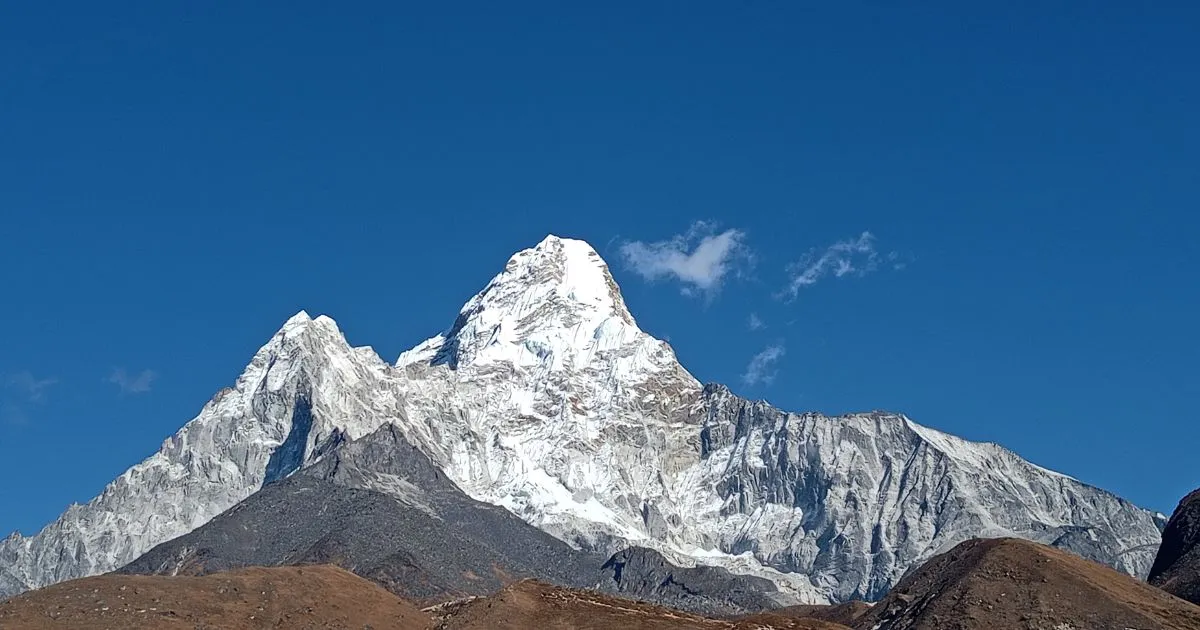
View of Mt. Amadablam
Accommodation:Teahouse
Meals:Breakfast, Lunch, Dinner
Max Altitude:3,860 m / 12,664 ft
Time:5-6 hours Trek
Leaving Tengboche, we descend through birch and rhododendron forests before crossing the Imja Khola River. Subsequently, the valley opens up as we approach Dingboche, revealing spectacular views of Lhotse and Ama Dablam.
Dingboche is a picturesque village surrounded by stone walls that protect barley fields from the harsh mountain winds. Furthermore, the village offers stunning sunset views and marks another important step in your acclimatization journey.
Altitude gain: 500 m / 1,640 ft
Accommodation:Teahouse
Meals:Breakfast, Lunch, Dinner
Max Altitude:4360 M/14305
Time:5-6 hours walk
Another crucial acclimatisation day includes a hike to Nagarjun Hill, which offers panoramic views of Makalu and Lhotse. Therefore, this extra day helps your body adjust to the thin air whilst providing excellent views of your climbing objective.
The afternoon is perfect for rest, gear organisation, and mental preparation for the higher altitudes ahead. Meanwhile, many climbers find this day particularly enjoyable as they start to feel more comfortable at altitude.
Activities: Hike to Nagarjun Hill (5,100m)
Dingboche Valley
Accommodation:Teahouse
Meals:Breakfast, Lunch, Dinner
Max Altitude:5,100m/16732 ft
Time:3-4 hours Hike
The short trek to Chhukung follows the Imja Khola valley, passing through alpine meadows and yak pastures. The village sits in a dramatic cirque, surrounded by towering peaks like Lhotse and Ama Dablam. Chhukung marks the end of regular teahouse accommodation and the beginning of the more remote sections of your climbing journey. The village offers stunning views of Island Peak, allowing you to study the climbing route in preparation for your upcoming peak climbing.
Today is dedicated to final preparations for your summit attempt. We’ll conduct a comprehensive climbing permit check with the Nepal Mountaineering Association, practice using crampons and ice axes, and review the climbing techniques necessary for summit day. Your climbing guide will also go over the summit day timeline, weather conditions, and emergency procedures. For those who need to rent climbing gear, this is the ideal time to finalise equipment arrangements. This preparation day is crucial in increasing your chances of summit success and ensuring you’re confident with the technical aspects of climbing this peak.
Altitude gain: 320 m / 1,049 ft
Accommodation:Lodge
Meals:Breakfast, Lunch, Dinner
Max Altitude:4,730m / 15,518 ft
Time:3-4 hours Trek
The trek to Island Base Camp takes you across glacial moraines and rocky terrain. Meanwhile, the trail becomes more challenging as you gain altitude, but the excitement of reaching the Island Peak base camp keeps spirits elevated.
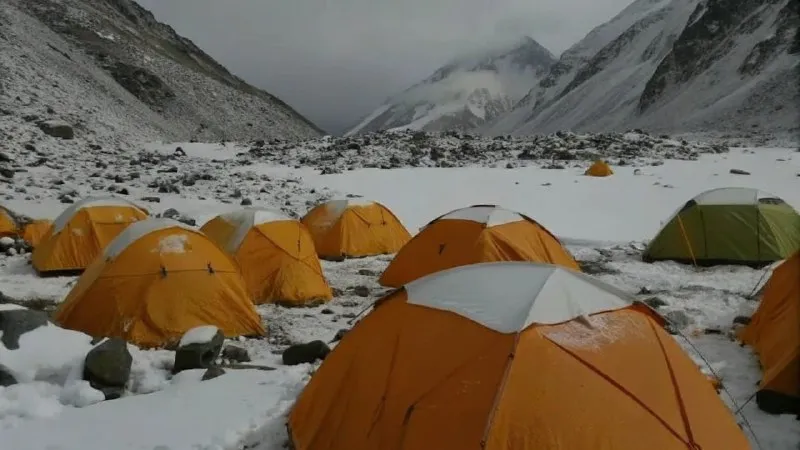
Base camp sits on a flat area surrounded by dramatic ice formations and towering peaks. Subsequently, we'll set up camp, prepare equipment for the summit push, and enjoy an early dinner before tomorrow's pre-dawn start. Per the itinerary, this marks the beginning of the technical climbing phase.
Altitude gain: 470 m / 1,540 ft
Island Peak Base Camp
Accommodation:Tented Camp
Meals:Breakfast, Lunch, Dinner
Max Altitude:5,200 m / 17,060 ft
Time:4-5 hours Trek
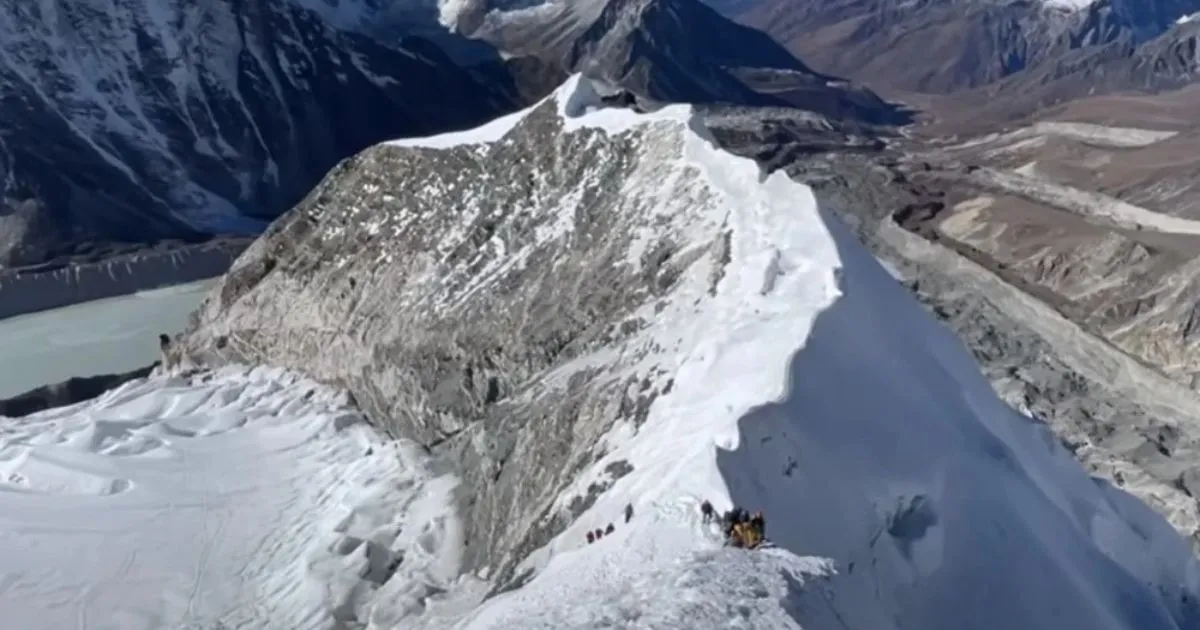
Summit day begins around 2 AM with a light breakfast and final gear check. Therefore, we'll move from the base of Island Peak towards high camp positions, initially following a rocky ridge before transitioning to snow and ice. Subsequently, you'll navigate crevasses, climb fixed ropes, and tackle a steep headwall before reaching the summit of Island Peak.
The final push requires stamina and determination, but the views from the summit are absolutely spectacular. Furthermore, you'll see Mt. Everest, Lhotse, Makalu, and dozens of other peaks stretching to the horizon as you achieve your summit goal. Island Peak is suitable for those who have prepared adequately and possess the necessary fitness levels.
After celebrating on the summit and taking photographs, we'll begin the long descent back to Chhukung, where warm meals and comfortable beds await your climbing team. The Island Peak climb via this route provides an unforgettable experience.
Altitude gain: 1,102 m / 3,615 ft
Altitude loss: 989 m / 3,245 ft
Summit to Island Peak
Accommodation:Teahouses
Meals:Breakfast, Lunch, Dinner
Max Altitude:6,165 m / 20,026 ft
Time:9-11 hours walk
From Island Base Camp, we begin our descent to Pangboche, following the familiar trail back through rocky moraines and alpine meadows. Therefore, this easier trek allows you to appreciate the incredible climbing adventure you've completed whilst enjoying the richer air at lower altitudes.
The descent brings a sense of accomplishment as you reflect on your summit achievement. Meanwhile, Pangboche village offers a warm welcome with its ancient monastery and stunning mountain views.
Altitude Loss: 860 m / 2,823 ft
Accommodation:Lodge
Meals:Breakfast, Lunch, Dinner
Max Altitude:4,730m / 15,518 ft
Time:5-6 Hours Trek
Duration: 4-5 hours | Accommodation: Teahouse | Meals: All meals | Altitude Loss: 432 m / 1,417 ft
After a restful night in Pangboche, we continue our descent back to Namche Bazaar, retracing our steps through familiar Sherpa villages. Therefore, the trail takes you through Tengboche, where you might revisit the monastery, and down through the rhododendron forests.
The return to Namche feels like coming home after your high-altitude adventure. Furthermore, the bustling mountain town offers hot showers, internet cafes, and bakeries – luxuries that feel extraordinary after your time in the mountains.
Accommodation:Lodge
Meals:Breakfast, Lunch, Dinner
Max Altitude:3,860 m / 12,664 ft
Time:5-6 Hours walk
Duration: 6-7 hours | Accommodation: Teahouse | Meals: All meals | Altitude Loss: 640 m / 2,100 ft
Our final trekking day brings us back to Lukla, completing the circle of your incredible mountain journey. Therefore, the trail descends through pine forests and crosses the familiar suspension bridges that marked your first days in the mountains.
Take time to reflect on your journey and personal achievement as you walk. Meanwhile, the lower altitude makes this final day feel almost effortless compared to your summit push.
Accommodation:Teahouse
Meals:Breakfast, Lunch, Dinner
Max Altitude:3,438m/11,280ft
Time:6-7 Hours Trek
Today brings the scenic flight back to Kathmandu or Ramechap, marking the end of your mountain adventure. Therefore, the 35-minute flight offers one final opportunity to see the peaks you've conquered from the air.
Subsequently, we'll transfer you to your hotel in Thamel, where hot showers, comfortable beds, and restaurants await. Meanwhile, this is the perfect time to purchase souvenirs, upload photos, and share your achievement with friends and family.
Altitude Loss: 1,510 m / 4,954 ft
Ramechap: During the peak season, flights will divert to Ramechap.
Accommodation:Hotel in Kathmandu
Meals:Breakfast
Max Altitude:2,800m / 9,187ft
Time:30 min fly or 15 min fly and drive.
Meals: Breakfast | Time:
Our airport representative will collect you from your hotel and transfer you to Tribhuvan International Airport for your departure from Nepal. Therefore, this marks the official end of your peak climbing from the Chhukung package adventure.
Meals:Breakfast
Time:Drive to Airport
Island Peak Climbing Itinerary - 15Days of Adventure
This carefully crafted peak climbing from the Chhukung itinerary includes essential acclimatisation days, technical training, and buffer time for weather. Meanwhile, each day is designed to build your fitness and confidence whilst ensuring proper altitude adjustment for your Island Peak trekking trip.
Cost Details
What is Included
Airport Pickup and Drop: Transportation to and from the airport
Accommodation: Tent and teahouse stay during the trek
Conservation Permit: Required permits for trekking in National Park areas
Peak Climbing Royalty: Fees for climbing {Nepal Mountaineering Association (NMA) fees are included}
Hotel in Kathmandu: 2-night stay at a hotel on a Bed and Breakfast (BB) plan
Climbing/Trekking Guide and Porters: An experienced, licensed, English-speaking guide and necessary porters
Guide and Porter Expenses: Food, drinks, salary, insurance, equipment, transportation, accommodation, and local taxes
First Aid Kit: Essential medical supplies for the trek
Transportation: Includes transportation by bus, car, or flight as required
Climbing Equipment: Group climbing equipment (ropes, anchors, snow bars)
Road Transportation: All necessary road transportation for the trek
Government Fees: All required government-related fees for permits and services
What is not Included
Personal Climbing Equipment: Any personal climbing gear you may need (available for rent) - this represents an additional cost
Meals in Kathmandu: Except for the welcome dinner
Travel Insurance: Highly recommended but not included
Extra Night Accommodation: In case of delayed departure or early arrival, this is an extra cost
Personal Expenses: Any personal nature expenses
Nepal Visa Fees: Nepal entry visa (USD $40 for 30 days, USD $25 for 15 days)
Drinks: Any kind of drinks, including bar bills, water, tea, coffee, etc.
Tips and Donations: Not included, but appreciated
Add-Ons & Options
Island Peak Climbing Optional Add-Ons:
Additional Nights in Kathmandu: Extra nights before or after the trek (Tourist Standard Hotel in Thamel)
Helicopter Return from Lukla: If you prefer a quicker return journey
Extra Porter Services: For carrying additional personal luggage
Extended Acclimatisation Days: Additional days for safer altitude adaptation
Island Peak Climbing Photos
Good to Know
Island Peak Climbing Difficulty & Preparation
This climbing presents a moderate to challenging mountain climbing experience. Therefore, understanding the requirements and preparing accordingly will significantly increase your chances of success on this climbing peak.
Technical and Physical Requirements
The climb involves glacier travel, fixed rope sections, and steep snow slopes. Furthermore, you'll need to be comfortable using climbing boots, crampons, ice axes, and climbing harnesses. The technical sections aren't extremely difficult, but they require confidence and basic mountaineering skills.
Physical fitness is crucial for climbing a peak at this altitude. Additionally, you'll be walking for up to 14 hours on summit day at altitudes where oxygen levels are half those at sea level. Weather conditions can make climbing more challenging, so proper preparation is essential.
Acclimatisation Strategy
Our itinerary includes multiple acclimatisation days and follows the "climb high, sleep low" principle. Therefore, this approach allows your body to gradually adjust to the decreased oxygen levels, reducing the risk of altitude sickness.
Essential Climbing Gear
Before attempting it, you should be familiar with basic mountaineering techniques. Meanwhile, we provide training during the expedition, but prior climbing experience with crampons, ice axes, and rope work is highly beneficial. Those who prepare for Island Peak trekking should invest in quality gear and training.
Exceptional Value with Full Climbing Support
Our peak climbing from the Chhukung cost package offers excellent value for a fully supported expedition. The cost of climbing includes everything from expert guidance to safety equipment and logistical support throughout your journey.
Investment in Safety
Safety is our priority. Your Island peak climbing cost covers emergency communication equipment, first aid supplies, and evacuation insurance to ensure peace of mind throughout your climb. The trip cost reflects our commitment to providing comprehensive safety measures.
Value for Money
Compared to organising the climb independently, our package saves you time and stress, handling all logistical arrangements, including climbing permit processing through the Nepal Mountaineering Association. The cost of the package includes all essential services for a successful expedition.
Best Time to Climb Island Peak
The optimal peak trekking seasons are spring and autumn, offering stable weather and clear mountain views. Time for climbing is crucial, as the region experiences distinct seasonal patterns.
Spring (March-May) provides warmer temperatures and longer daylight hours, while autumn (September-November) offers crystal-clear views and stable weather conditions. However, some experienced climbers still attempt it in winter, despite the significantly increased challenges.
Similar Pass Treks and Expeditions in Nepal
Mera Peak Climbing
At 6,476 metres, Mera Peak offers a slightly higher but less technical alternative to Island Peak. Therefore, the climb provides excellent training for higher peaks and spectacular views of five eight-thousand-metre peaks.
Lobuche Peak Climbing
Lobuche Peak is a challenging climbing peak in Nepal that combines perfectly with the Everest Base Camp trek. Meanwhile, the technical climbing sections are similar to Island Peak, but the approach follows the classic route to Everest Base Camp.
Everest Base Camp with Island Peak Climb
If you’re dreaming of the ultimate Himalayan adventure, this one’s got your name on it. Trekking to Everest Base Camp is a once-in-a-lifetime experience - but adding the Island Peak climb? That takes it to a whole new level. You’ll hike the legendary EBC trail, soak in the mountain culture, and then gear up for a thrilling summit at over 6,000 meters. It’s the perfect blend of scenic trekking and real-deal mountaineering - an adventure you’ll never forget.
Book and Customise Your Island Peak Climb Today!
Per the Island Peak climbing experience, this adventure represents the ultimate blend of challenge and reward, set in the awe-inspiring beauty of the Himalayas. With expert guides leading you safely to the summit, you'll create lasting memories as you conquer one of Nepal's most iconic peaks.
At Nepal Everest Base Camp Co., we understand every climber's journey is unique. Whether you're looking for a tailored climbing itinerary from Chhukung with an extra day for acclimatisation or additional peaks to conquer, we customise every aspect to suit your needs
Ready for the challenge? Our 15-day Island Peak climbing itinerary includes all permits, logistics, and expert guidance. Discover why climbers choose this Nepal trekking peak as their first real mountaineering goal. Get your personalised Island Peak cost estimate now and make 2025 the year you summit.
Your goal is simple - to climb with confidence, enjoy the journey, and feel safe every step of the way. And our goal? To make that happen.
Why Choose Us?
We handle everything – from climbing permit processing to logistics, ensuring a seamless experience. Our expert guides are trained in wilderness first aid and high camp rescue techniques, putting your safety first. Island Peak's challenging terrain requires experienced guidance.
Ready for your peak climbing trip from Chhukung? Summit Island Peak today by contacting us to book or schedule your climbing adventure. Don't miss out – secure your spot and embark on the ultimate Himalayan adventure with Nepal Everest Base Camp Co.!
Island Peak Climbing FAQs
How challenging is the Island Peak trekking journey compared to other peaks?
This climbing journey is moderately to highly demanding, requiring good cardio fitness and basic mountaineering skills. You’ll cross glaciers, negotiate crevasses, and tackle steep snow slopes with crampons and an ice axe.
What essential gear should I bring for my Island Peak expedition?
Pack insulated climbing boots, crampons, an ice axe, a harness, a helmet, and layered cold-weather clothing. We send a full gear checklist after booking and offer rentals for any technical kit you’re missing.
What affects your chances of summiting Island Peak?
Success hinges on fitness, weather, and thorough preparation, with rates averaging 60% to 85%. Our Island Peak expedition itinerary builds in acclimatisation days and expert guidance to boost your odds while keeping you safe.
Which climbing season offers the best conditions for Island Peak?
Spring (Mar-May) and autumn (Sep-Nov) deliver the most stable weather and clear views. Booking early for these peak trekking seasons secures permits and spots without affecting the climb’s base cost.
What climbing background do I need for this expedition?
You need basic mountaineering know-how and solid fitness, not elite climbing credentials. Our guides refresh essential rope-work skills on the trail, so determination matters more than experience.
Are all permits and fees included in the package cost?
Yes, all mandatory permits and government fees are covered in the package price. Only personal gear rentals and optional add-ons (e.g., porter upgrades) cost extra.
Which is harder to climb: Lobuche Peak or Island Peak?
Island Peak is more technical – with ropes, steep headwalls, and crevasse crossings. Lobuche Peak is more about endurance – higher altitude and a longer summit day. Choose Island Peak if you’re into rope work and technical climbs. Go for Lobuche if you prefer a stamina-driven, high-altitude challenge.
How long does it take to reach Island Peak base camp?
You’ll arrive at Island Peak Base Camp on Day 9 of our 15-day itinerary. The route includes acclimatisation stops in Namche Bazaar and Dingboche to prep you for the climb. This gradual approach ensures proper altitude adjustment before attempting the technical climbing sections of your Island Peak expedition.
Our trip to Island Peak was full of fun and excitement. Our team guide and experienced trekkers and potters made the trip worthwhile. Our journey to the Island Peak was a memorable and an awe inspiring one.
The team of the Nepal Everest base camp trekking company was friendly, happy, and courteous. They are hardworking and well disciplined. You will not go wrong with them. The trip made to Island Peak is highly recommendable to all those in experienced hikers who come to Nepal.

 based on 1 review