Lobuche Peak Climbing (6,119 m) offers a challenging 18-day climb, blending the classic Everest Base Camp trek with a technical summit attempt. Furthermore, along the way, climbers cross ridges with crampons and ice axes, which is ideal for mountaineers seeking to build skills. Finally, the summit rewards panoramic views of Everest, Lhotse, Nuptse, and Ama Dablam.
Duration18 Days
Difficulty Level Moderate/Technical
Max Altitude 6119 M
Group Size 20
Starts Kathmandu
Ends Kathmandu
Lobuche Peak Climbing Highlights
Witness stunning sunrise views from Kala Patthar, with Mount Everest dominating the horizon.
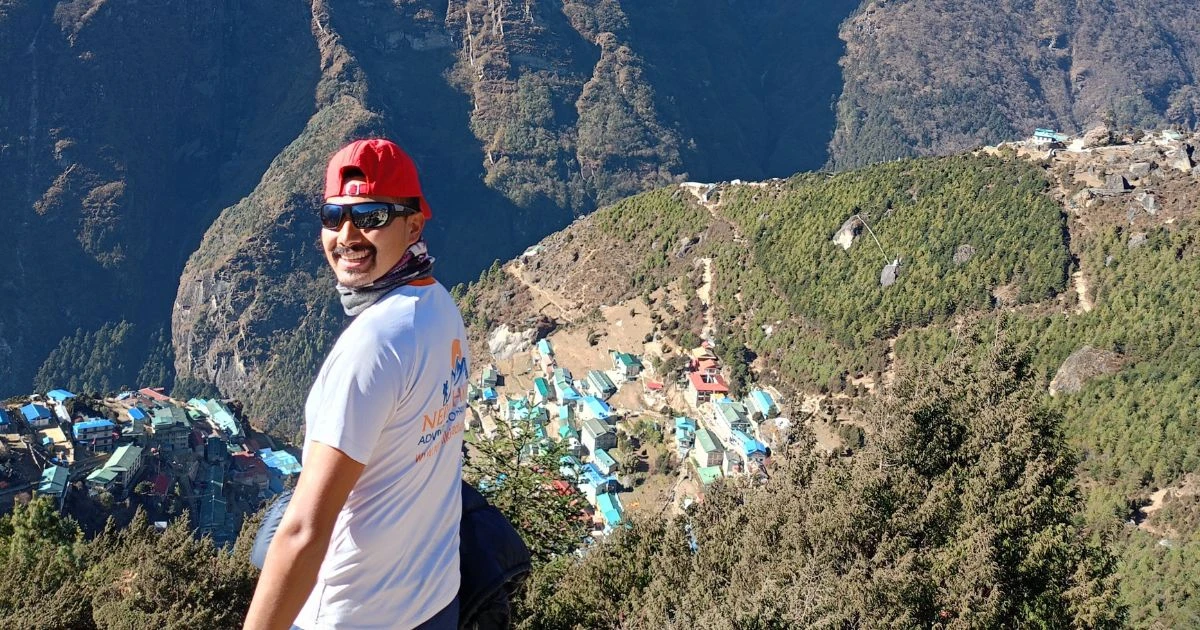
Trek through traditional Sherpa villages including Namche Bazaar, Tengboche, and Pangboche, offering authentic cultural encounters.
Summit day challenge: Navigate the technical ridge using mountaineering equipment.
Enjoy panoramic views from Lobuche East Peak, encompassing the entire Everest massif, Lhotse's south face, and the Nuptse wall.
Explore cultural highlights such as ancient monasteries at Tengboche and experience Sherpa hospitality in mountain villages.
Acclimatization days provide opportunities to explore local markets and interact with fellow adventurers from around the world.
Lobuche Peak Climbing Overview
Lobuche Peak is situated in the Khumbu region above the Lobuche village. This peak is very near to the world’s highest mountain, Mount Everest. It has two summits - East and west. Lobuche East is an attractive summit with obtainable routes and new opportunities. We will also follow the Lobuche east route so this is also known as Lobuche Peak Climbing As the climb includes some technical difficulties on quite steep snow slopes and requires the use of fixed ropes is considered one of the difficult peaks in Nepal for climbing. Because of rocky ascent with snow, this peak demands very good experience in snowy peak climbing. Lobuche Peak climbing is suitable to collect necessary experience for those who plan to go on high mountain expedition in the future. As it is located in the Everest region, which is also known as Khumbu region attracts the climbers and trekkers from all around the world by its natural beauty.
The Everest region offers the panoramic views of beautiful mountains such as Everest (8848 m), Shishapangma (8035 m), Gosainthan (8013 m), Cho Oyu (8201 m), Lhotse (8516 m), Makalu (843 m), Mera Peak (6476 m), Island Peak (6189 m), Nuptse Peak (7855 m), and Amadablam (6812 m), which give the eye pleasing and heart taking pleasure to every climber. The route of this peak goes through the beautiful forest of pine, juniper and rhododendron, which makes their journey untried. On the way trekkers crosses the beautiful falls, calm lakes, immaculate rivers and sacred monasteries which mark this journey as an unforgettable moment of their life.
Sherpa ethnic people are the main inhabitants of this region the route goes through their villages and these people are very humble and helpful. Modest Sherpa people make warm welcome to their guests with their ever smiling face. Sherpa ethnic people are very rich in their culture and festivals if the climbers are interested about their culture and festivals they can easily participate with them in their culture this remarkable events knocks you all over your life. To triumph Lobuche summit trek starts from Lukla and reachesLobuche base camp through the adventurous journey of beautiful places such as Phakding, Namche Bazaar, Tehgboche, and Periche. From its base camp we will finally ascend to its summit. After admiring the beautiful views of Khumbu region from its summit, we will return to Lukla via Pangboche.
Lobuche Peak Climbing Itinerary
Outline Itinerary
Day 01:Day 01: Arrive in Kathmandu (1,400m)
Day 02:Pre-trip Meeting and Preparation Day
Day 03:Kathmandu to Lukla (2,840 m). Start the Trek to Phakding (2,610 m).
Day 04:Phakding to Namche Bazaar (3,440m)
Day 05:Rest Day at Namche Bazaar - Acclimatisation
Day 06:Namche Bazaar to Tengboche (3,860m)
Day 07:Tengboche to Dingboche (4,410m)
Day 08:Rest Day at Dingboche - Acclimatisation
Day 09:Dingboche to Lobuche (4,940m)
Day 10:Trek Towards Everest Base Camp via Gorakshep (5,364m)
Day 11:Kala Patthar Sunrise, Return to Lobuche Base Camp (4,950m)
Day 12:Lobuche Base Camp to Reach High Camp (5,400m)
Day 13:Summit of Lobuche East Peak (6,119m), Descend to Base Camp(4950 M)
Day 14:Lobuche Base Camp to Pangboche (3,985m)
Day 15:Pangboche to Namche Bazaar (3,440m)
Day 16:Namche Bazaar to Lukla (2,840m)
Day 17:Lukla to Kathmandu Flight and transfer to hotel.
Day 18:Final Departure
Your trek with Lobuche Peak climbing itinerary begins with arrival at Tribhuvan International Airport in Kathmandu. Subsequently, our representative meets you at the airport and transfers you to your hotel in Thamel. During the evening briefing, we cover detailed itinerary details, equipment checks, and final preparations.(depend on arrival time)
Moreover, the day includes permit processing and last-minute gear purchases if needed. Therefore, Kathmandu's bustling streets offer excellent opportunities for purchasing quality trekking and climbing equipment at competitive prices.
Activities: Airport transfer, hotel check-in, and free time.
Accommodation:Hotel
Max Altitude:1400 M
Time:30 min drive to hotel
The morning briefing with your climbing Sherpa guide covers safety protocols, weather conditions, and equipment distribution. Accordingly, this day serves as a contingency for delayed flights or additional preparation time.
Meanwhile, visit Kathmandu's UNESCO World Heritage sites, including Swayambhunath (Monkey Temple) and Kathmandu Durbar Square. Finally, gear checks ensure all climbers have appropriate equipment for high-altitude conditions, including proper climbing boots.
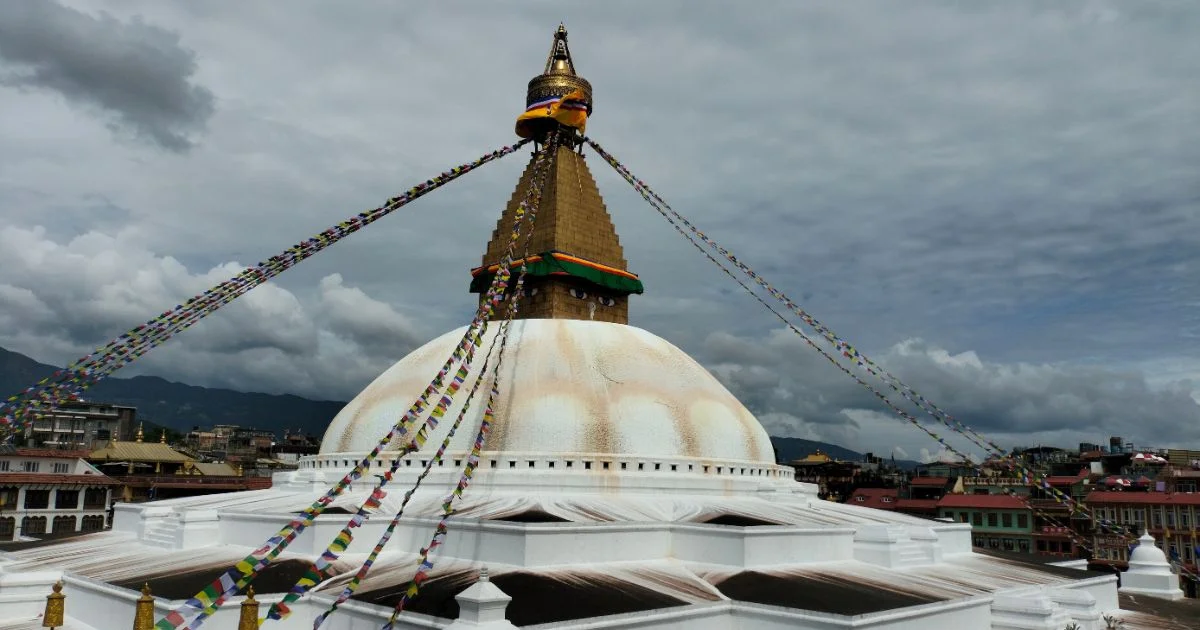
Bouddhanath Stupa an UNESCO world heritage site
Accommodation:Hotel
Meals:Breakfast Included
Max Altitude:1320 M
Time:4-5 Days Sightseeing Tour
The adventure begins with a spectacular 35-minute flight from Kathmandu to Lukla airport. However, weather conditions often affect this flight, so flexibility remains essential. Upon landing at Tenzing-Hillary Airport, meet your trekking crew and begin the gentle descent to Phakding.
Furthermore, the trail follows the Dudh Kosi River through pine forests and traditional Sherpa settlements. Along the way, cross several suspension bridges decorated with colourful prayer flags fluttering in the mountain breeze.
Altitude Gain: 1,440m (flight), then altitude loss: 230m
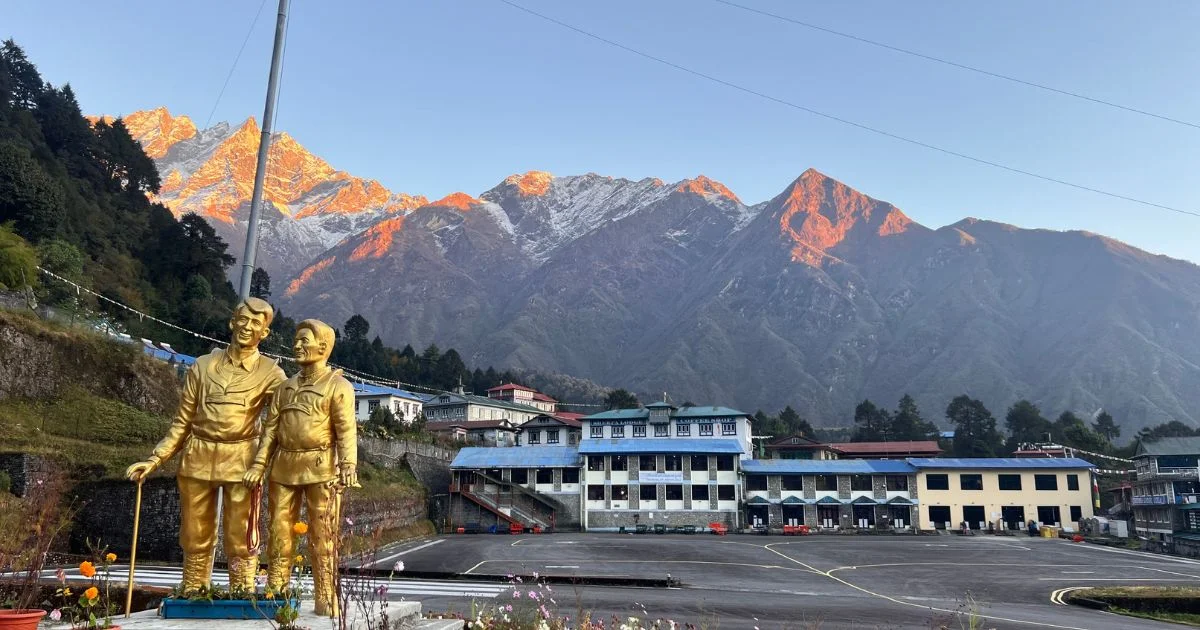
Lukla airport which is gateway to Mt. Everest
Accommodation:Lodge
Meals:Breakfast, Lunch, Dinner included
Max Altitude:2610 M
Time:30 min fly and 2-3 hours walk
Today presents the first significant altitude gain as we trek along the trail that climbs steadily toward Namche Bazaar, the unofficial capital of the Khumbu region. First, cross the famous Hillary Suspension Bridge before beginning the steep ascent through rhododendron and pine forests.
Additionally, the final approach to Namche Bazaar offers the first glimpse of Mount Everest's summit pyramid, weather permitting. Furthermore, Namche's Saturday market attracts Tibetan traders selling traditional crafts and yak cheese.
Activities: Trek through forests to Namche Bazaar
Altitude Gain: 830m
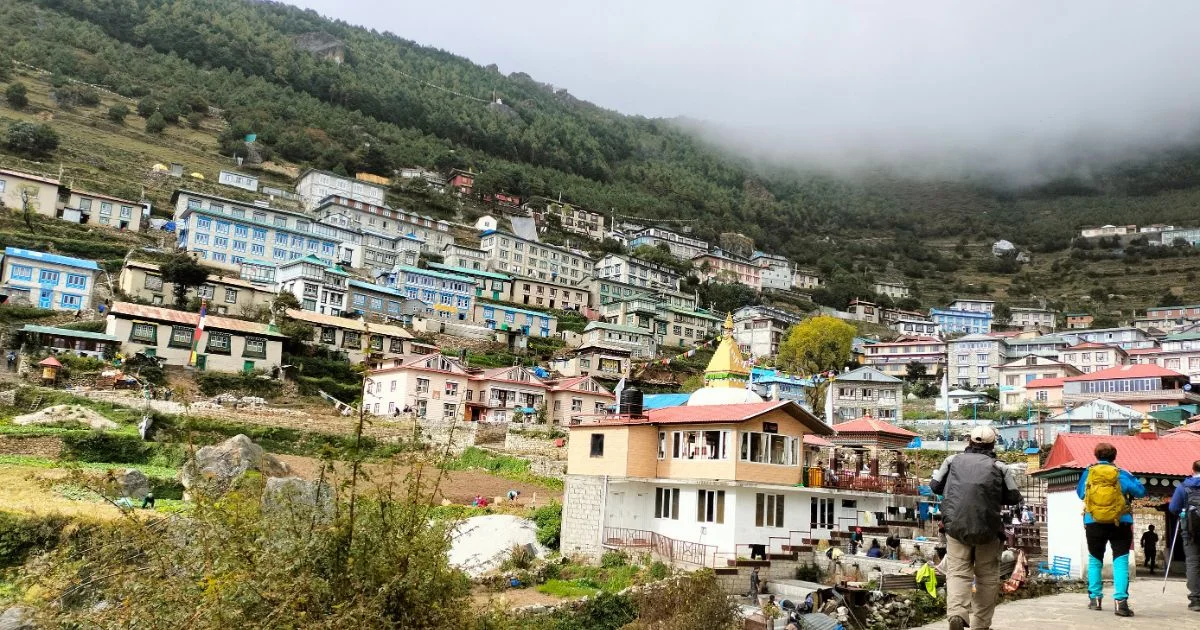
Namche Bazzar
Accommodation:Lodge
Meals:Breakfast, Lunch, Dinner included
Max Altitude:3440 M
Time:5-6 hours walk
Proper acclimatisation remains crucial for successful high-altitude climbing. Consequently, today includes a hike to the Everest View Hotel (3,880 m) for spectacular mountain panoramas offering magnificent views of Mount Everest. Alternative options include visiting Khumjung village or exploring Namche's museums and markets.
Moreover, the Sherpa Culture Museum provides fascinating insights into local traditions and mountaineering history. Meanwhile, internet cafes and bakeries offer modern comforts before heading into more remote regions.
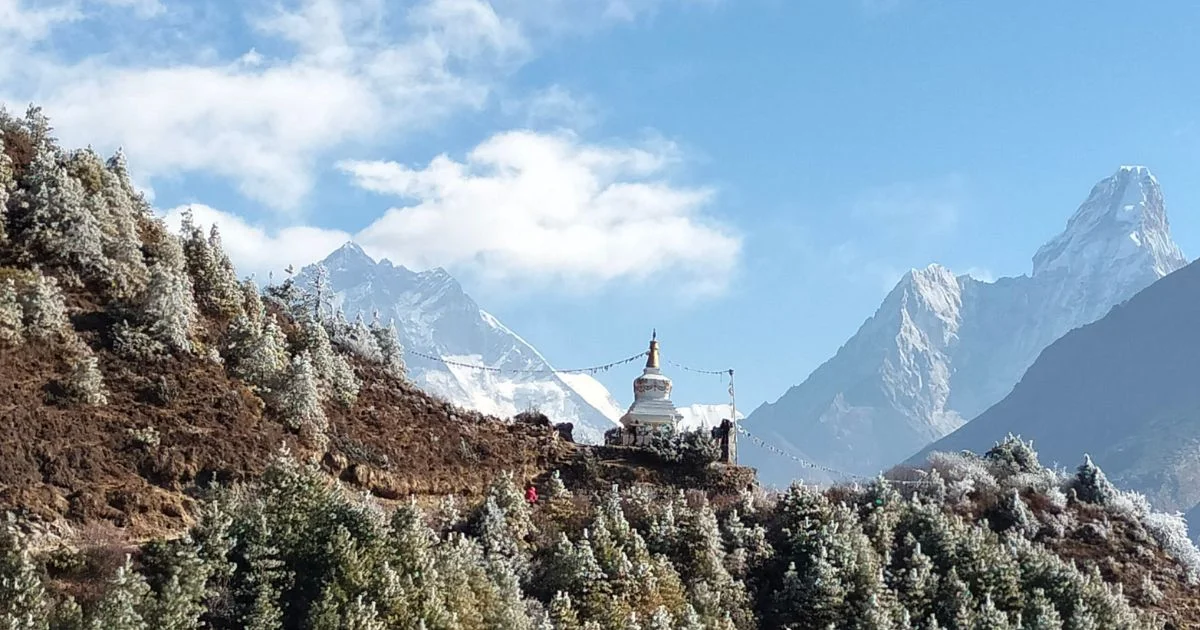
The trail contours around the mountainside with spectacular views of Everest, Ama Dablam, Lhotse, and Everest. Subsequently, descend to the Dudh Kosi River before climbing steeply through rhododendron forests to reach Tengboche Monastery.
Furthermore, Tengboche Monastery, perched dramatically on a ridge, serves as the spiritual centre of the Khumbu region. If timing permits, attend evening prayers, surrounded by towering Himalayan peaks.
Activities: Trek to Tengboche Monastery
Altitude Gain: 420 m
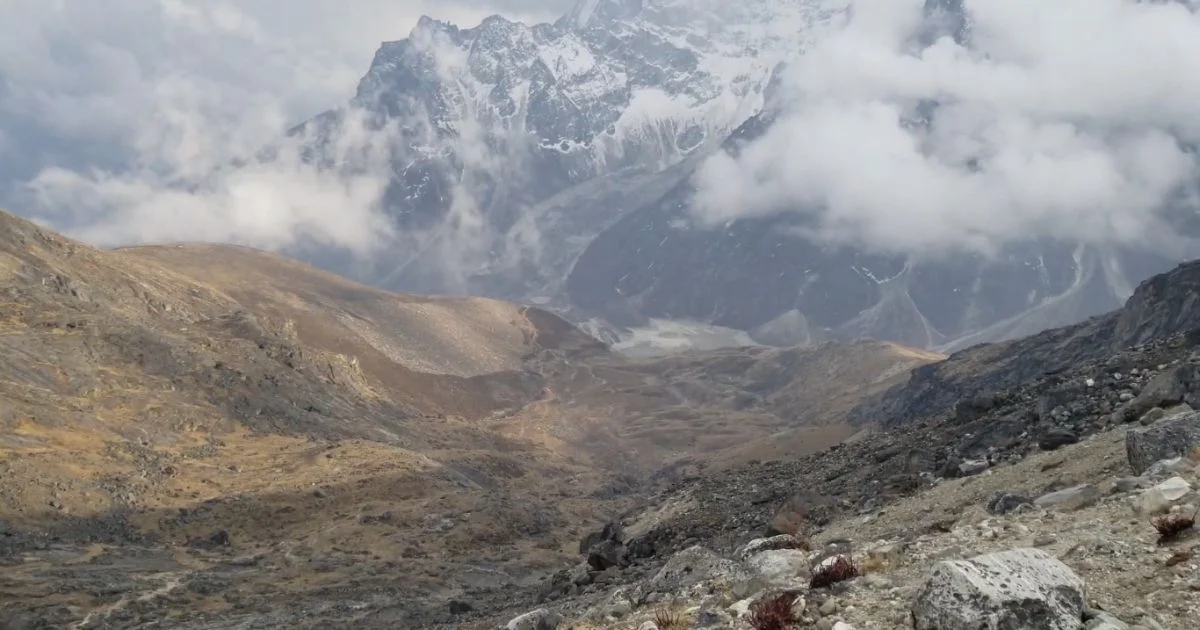
On the way to Tengbohe
Accommodation:Lodge
Meals:Breakfast, Lunch, Dinner Included
Max Altitude:3860 M
Time:5-6 hours walk
Continue our high-altitude trek, gradually climbing through alpine meadows with increasingly spectacular mountain views. As we progress, the landscape becomes more arid as vegetation thins at higher elevations. Along the way, pass through Pangboche village with its ancient monastery.
Meanwhile, Dingboche sits in a broad valley surrounded by stone-walled fields where hardy barley grows during short summer seasons. From here, magnificent views of Island Peak, Lhotse, and Ama Dablam dominate the horizon.
Activities: Trek through alpine meadows to Dingboche
Altitude Gain: 550 M
Accommodation:Lodge
Meals:Breakfast, Lunch, Dinner included
Max Altitude:4410 M
Time:4-5 hours walk
Another crucial acclimatisation rest day includes a hike to Nagarjun Hill (5,083 m) for panoramic views of Makalu, Lhotse, Chalotse, and Tawache Peak. Alternatively, the afternoon hike to Chhukung village (4,730 m) offers additional acclimatisation benefits for high-altitude adaptation.
Subsequently, rest and prepare for higher altitudes ahead. Additionally, check climbing equipment and discuss technical aspects of the upcoming summit attempt with your Sherpa guide, particularly climbing training requirements.
Activities: Day hike to Nagarjun Hill or Chhukung village
Altitude gain/loss: ± 673 M
Dingboche Valley
Accommodation:camp
Meals:Breakfast, Lunch, Dinner Included
Max Altitude:5083 M
Time:4-5 hours Hike
The trail climbs steadily across the terminal moraine of the Khumbu Glacier. During this section, pass memorials to climbers who perished on Everest expeditions, serving as sobering reminders of mountain dangers.
Meanwhile, Lobuche village offers basic accommodation with stunning views of Nuptse's massive south face. Notably, the air becomes noticeably thinner as oxygen levels drop significantly at this high altitude.
Activities: Trek across terminal moraine to Lobuche
Altitude Gain: 530m
Accommodation:Lodge
Meals:Breakfast, Lunch, Dinner Included
Max Altitude:4940 M
Time:7-8 hours walk
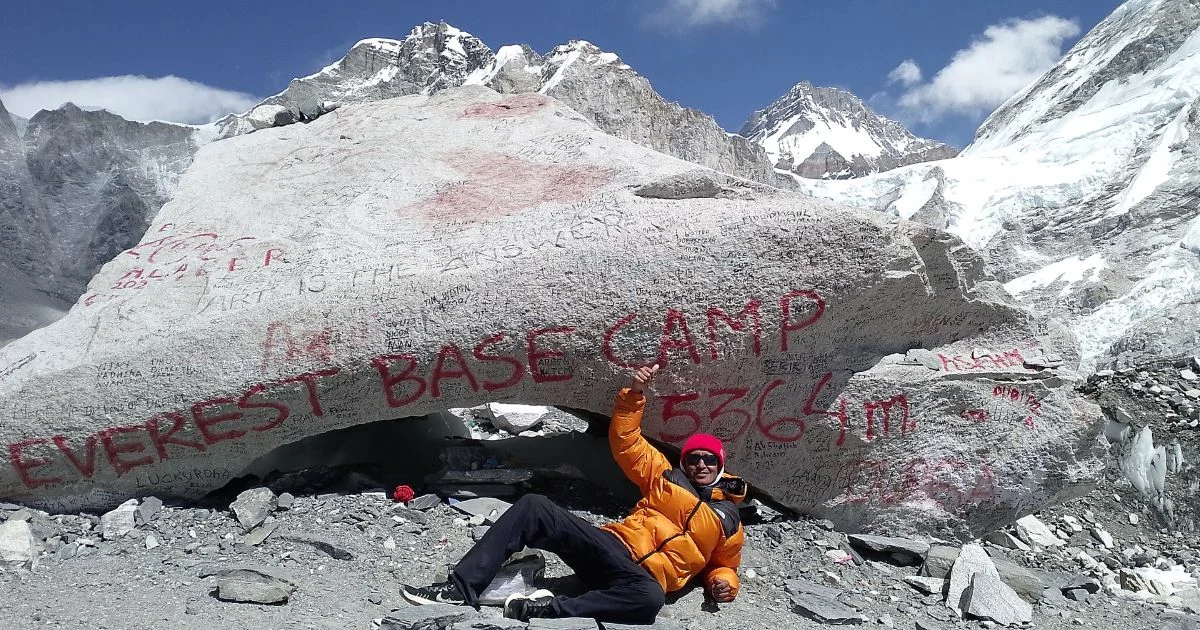
Early morning departure for Gorakshep across rocky moraine and seasonal lakes. Subsequently, we trek to Everest Base Camp, the legendary staging point for Everest expeditions. Experience the bustling atmosphere of climbing teams preparing for summit attempts on this hike to Everest Base Camp.
Therefore, return to Gorakshep for overnight accommodation. However, the altitude affects sleep patterns, so expect restless nights and mild headaches at this high altitude
Activities: Trek to Gorakshep, continue to Everest Base Camp
Altitude Gain: 424m
Hike to Everest base camp which is one of the highlights
Accommodation:Lodge
Meals:Breakfast, Lunch, Dinner Included
Max Altitude:5364 M
Time:6-7 hours walk
Pre-dawn ascent of Kala Patthar (5,545 m) for a spectacular sunrise offering incredible views of Everest. This represents the highest trekking point before technical climbing begins. From here, panoramic views include Everest, Lhotse, Nuptse, and Pumori, creating unforgettable Everest Base Camp and Kala Patthar experiences.
Subsequently, return to Gorakshep for breakfast before trekking to establish Lobuche base camp and Lobuche operations. Meanwhile, prepare technical climbing equipment for tomorrow's ascent of Lobuche.
Activities: Pre-dawn ascent of Kala Patthar and back to Lobuche Base Camp.
Altitude Gain: +391 M (Kala Pathar)
Altitude Loss: -414m (from Gorakshep)
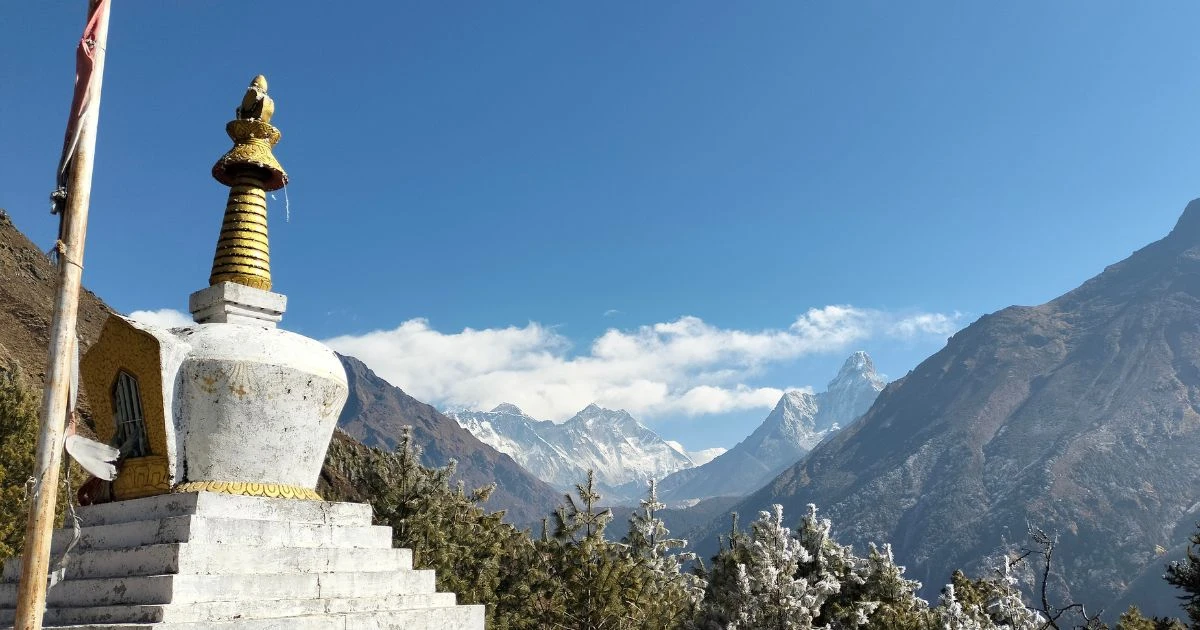
Mt Everest and mountain view from kalapathar
Accommodation:Camp
Meals:Breakfast, Lunch, Dinner Included
Max Altitude:5545 M
Time:6-7 hours walk
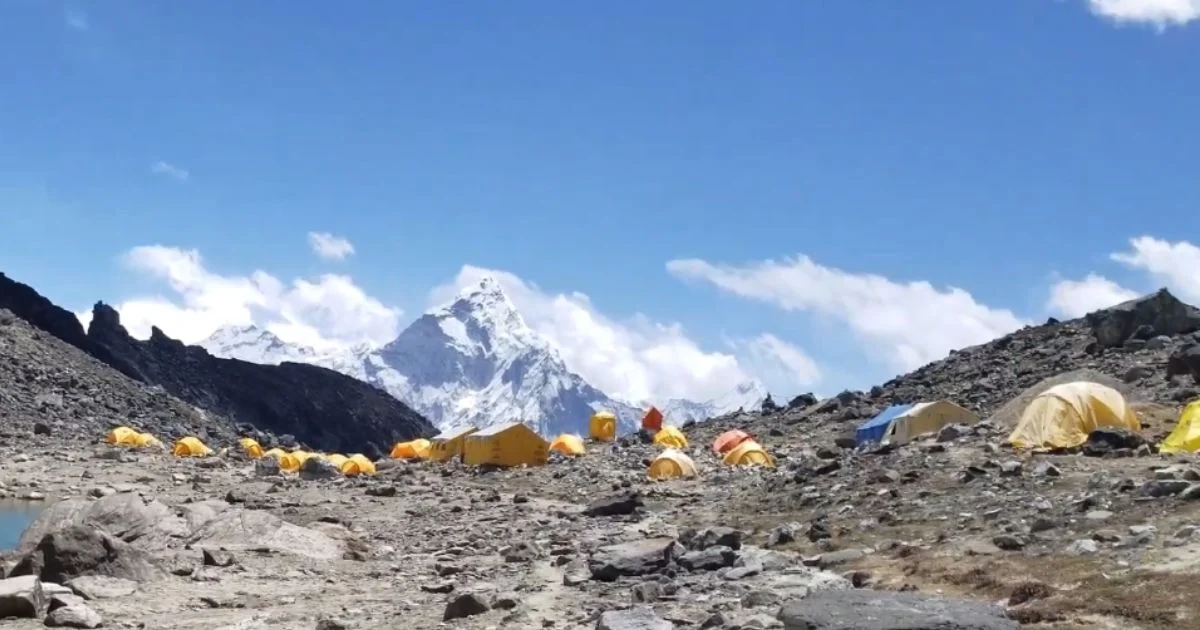
Begin technical climbing with crampons and climbing harness as we climb Lobuche Peak, requiring advanced mountaineering techniques. The route ascends steep scree slopes before reaching glacier sections requiring rope work. Therefore, climb fixed ropes to reach high camp on a narrow ridge.
Furthermore, weather conditions become critical at this altitude in Lobuche High Camp. Additionally, strong winds and rapidly changing conditions require constant vigilance and proper layering systems.
Activities: Climbing to High Camp
Altitude Gain: 450m
Lobuche Base camp covered by colorful tents
Accommodation:Camp
Meals:Breakfast, Lunch, Dinner
Max Altitude:5400
Time:5-6 hours walk
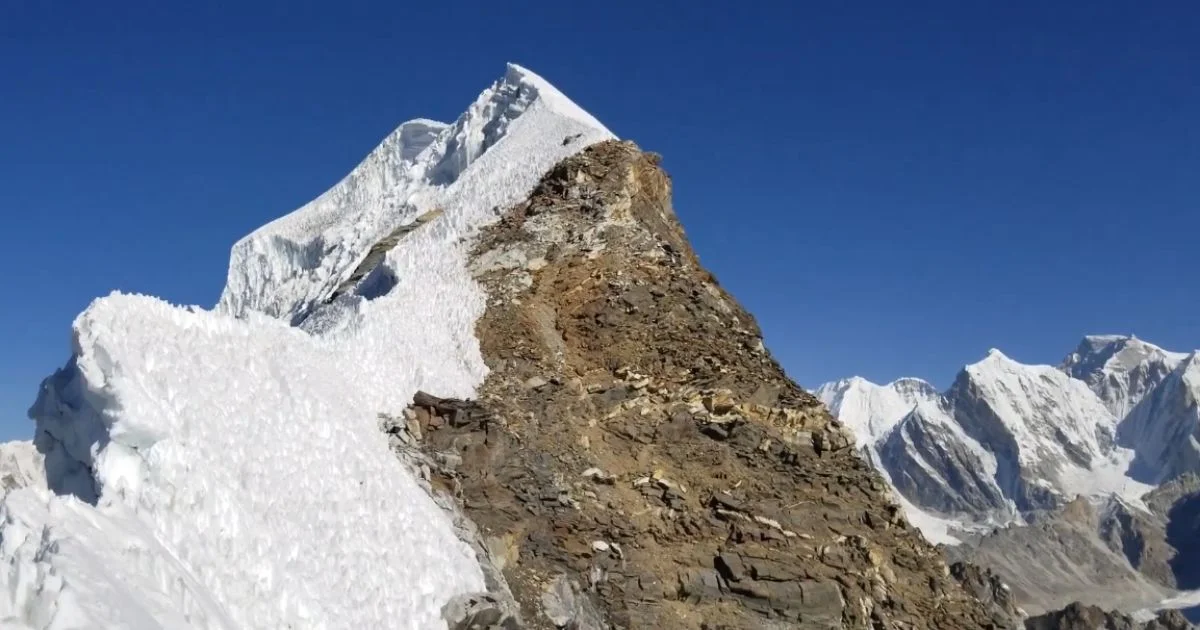
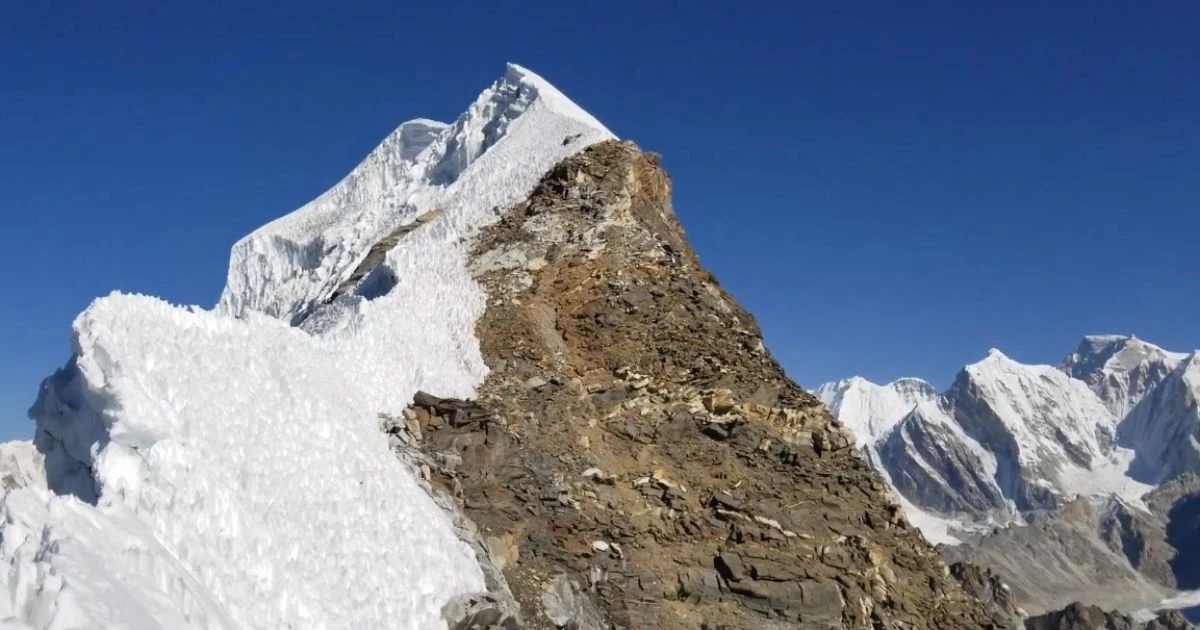
Summit day begins at 2:00 AM with headlamp climbing across technical rock and ice sections as we climb to Lobuche East Peak. Navigate the summit ridge using fixed ropes while managing exposure to steep drop-offs on both sides towards the peak summit.
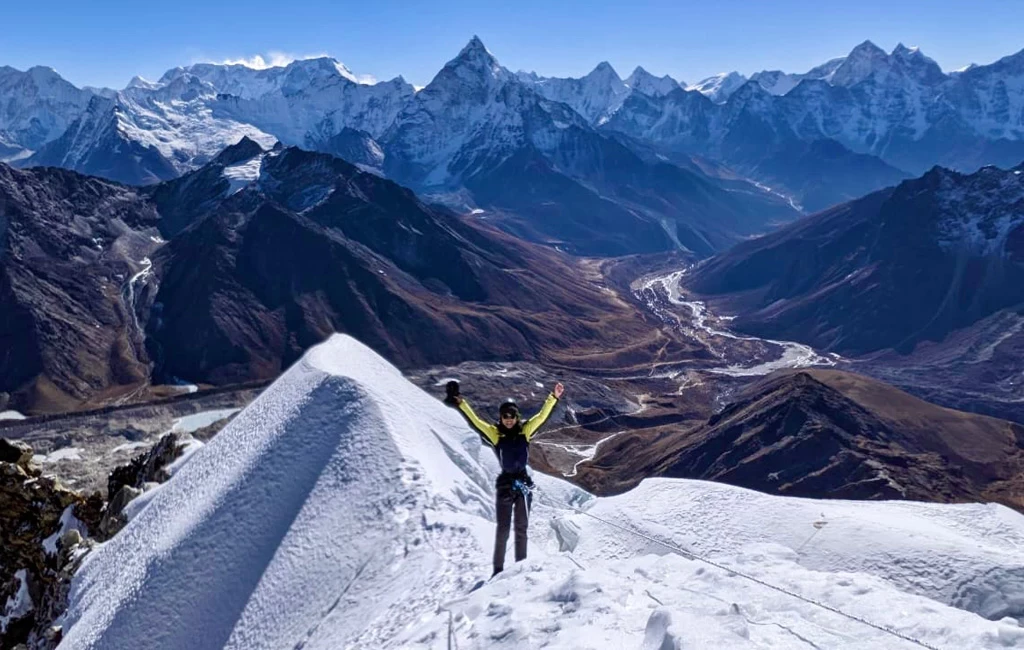
Upon reaching the top of Lobuche Peak, enjoy spectacular 360-degree views of the world's highest mountains from the summit of Lobuche Peak. Subsequently, descend carefully to Lobuche High Camp before continuing back to the base camp. Finally, celebrate a successful summit with a team dinner during this climb to Lobuche East.
Activities: Summit attempt, descend to Lobuche Base Camp
Altitude Gain: 719m, then
Altitude loss: 1,169m
Lobuche peak Summit
Accommodation:Camp
Meals:Breakfast, lunch, dinner included
Max Altitude:6119 M
Time:10-12 hour walk
Descend from camp and Lobuche East peak operations with pack-up of technical climbing equipment. Trek through Dughla and continue to Pangboche village. Notably, enjoy oxygen-rich air and an improved appetite at lower elevations after days of hiking at high altitude.
Additionally, visit Pangboche Monastery, one of the oldest in the Khumbu region. Moreover, warm hospitality from Sherpa families provides welcome comfort after challenging high-altitude days.
Activities: Descend through Dughla to Pangboche village
Altitude Loss: 965m
Returning from Lobuche peak Climbing
Accommodation:Lodge
Meals:Breakfast, lunch, dinner included
Max Altitude:4950 M
Time:6-7 hour walk
Retrace the route through Tengboche and descend toward Namche Bazaar. Significantly, improved oxygen levels and warmer temperatures boost energy levels. Therefore, celebrate the successful summit attempt with a team dinner, reflecting on climbing the peak achievement.
Meanwhile, evening exploration of Namche's restaurants and shops provides welcome relaxation. Purchase souvenirs and reflect on the incredible mountain experiences of recent days.
Activities: Trek through Tengboche back to Namche
Altitude Loss: 545m
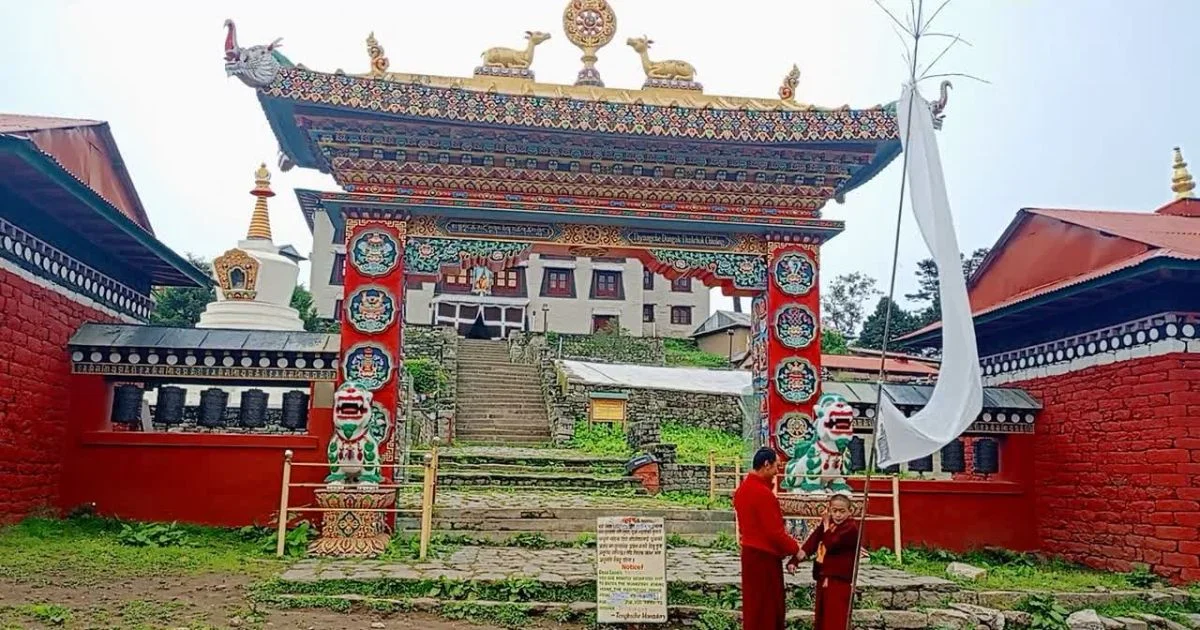
Tengboche Monasteries
Accommodation:Lodge
Meals:Breakfast, lunch, dinner included
Max Altitude:3985 M
Time:6-7 hour walk
The final trekking day descends gradually toward Lukla airport along the familiar way to the Everest Base Camp route. Additionally, pass through familiar villages and cross suspension bridges over rushing glacier-fed rivers. Weather permitting, an evening celebration with the Sherpa crew concludes the trekking portion.
Furthermore, prepare for early morning flight departure with gear packing and final equipment checks. However, weather delays remain possible, so maintain flexibility in departure plans.
Activities: Final trek day to Lukla airport
Altitude Loss: 600m
Helary Bridge on the way to lukla from Namche
Accommodation:Lodge
Meals:Breakfast, lunch, dinner included
Max Altitude:3440 M
Time:6-7-hour walk
Morning flights from Lukla to Kathmandu depend entirely on weather conditions. An alternative route via Ramechhap may be necessary during peak seasons. Subsequently, transfer to a hotel in Kathmandu for hot showers and comfortable beds.
Moreover, the afternoon is free for souvenir shopping in Thamel or relaxation. Finally, an evening farewell dinner with the climbing team and Sherpa guides celebrates the successful climb to Lobuche East Peak.
Activities: Flight to Kathmandu, transfer to hotel
Altitude Loss: 1,440m
Note: Alternative route via Ramechhap may be necessary during peak seasons
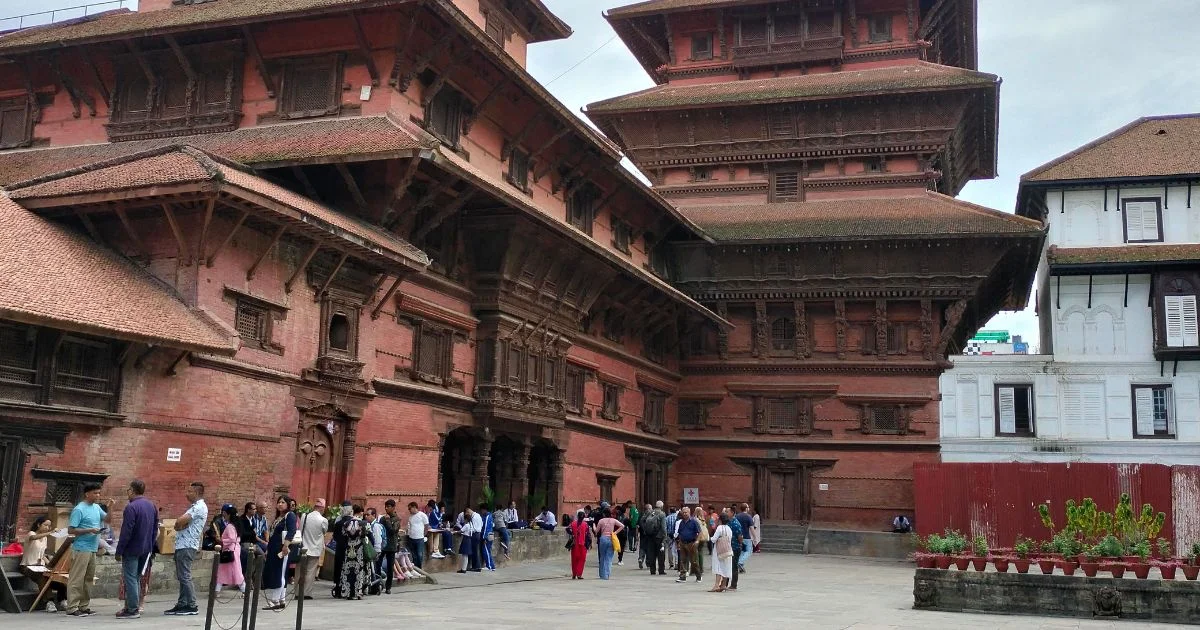
Kathmandu Durbar Square, which represents the Kathmandu Valley
Accommodation:Hotel
Meals:Breakfast Included
Max Altitude:2840 M
Time:Time: 35-minute flight, 30-minute drive
Transfer to Tribhuvan International Airport for international departure. Additionally, extra days may be necessary due to weather delays or additional summit attempts if the initial attempt fails.
Activities: Airport transfer for international departure.
Meals:Breakfast included
Time:30 min drive.
Cost Details
What is Included
Airport pickup and drop
Tent and teahouse stay in trek
Conservation permit
Royality of Peak
Hotel in Kathmandu as your requirements.
An experienced licensed holder Guide and required porters
Food, drinks, salary, insurance, equipment, transportation, accommodation, and local tax for guide and porters
First Aid kit.
Transpotation by bus, car or by flight,
Climbing Equipments
Guided sightseeing tour in Kathmandu and entry fees
All necessary transportation while sightseeing
All needed Government fees.
What is not Included
Personal climbing equipment
Lunch and dinner in Kathmandu
Your travel insurance.
International flight and departure tax)
Any expense of personal nature Nepal entry Visa fee (USD $40 for 30 days and USD 25 for 15 days Visa, You will get a visa open your arrival.
Any kind of Bar bills
Tips and Donations
Lobuche Peak Climbing Photos
Good to Know
Lobuche Peak Climbing Cost Breakdown 2025
The complete 18-day climbing Lobuche East package costs $2,850 USD per person for groups of 4 to 6 climbers, reflecting the standard Lobuche Peak climbing cost based on group size. However, solo climbers pay a supplement of $450 USD, while groups of 8 or more receive discounts of $150 USD per person, as Lobuche Peak varies with group size.
Required Permits & Climbing Documentation
Nepal Mountaineering Association (NMA) peak climbing permit is mandatory for all climbers
Regional and conservation area permits may be required based on your selected route
Sagarmatha National Park permit is necessary for access to the climbing area
TIMS (Trekkers' Information Management System) registration must be completed
Passport photographs and copies of passport pages are required for all permit applications
Permit processing requires several days in Kathmandu, so plan your arrival accordingly
Our team manages all permit arrangements after your booking confirmation
Who Can Participate? Fitness & Experience Requirements
Climbing Lobuche East Peak offers experienced trekkers ready to advance into technical mountaineering an exceptional opportunity. Previous high-altitude trekking experience above 4,000 metres is essential, with Everest Base Camp or similar treks providing ideal preparation.
Additionally, physical fitness requirements include the ability to walk 6-8 hours daily carrying a 12-15 kg backpack. Furthermore, cardiovascular endurance, leg strength, and mental resilience become crucial during summit attempts.
Meanwhile, previous climbing experience using crampons and an ice axe is beneficial but not mandatory. Pre-expedition training sessions teach essential technical skills, though comfort with exposure and steep terrain remains important.
Therefore, the minimum age is 16 years with guardian consent, while the maximum age depends on fitness levels rather than chronological age. Medical clearance is recommended for participants over 60 years.
Training, Gear & Preparation
Physical Training Programme
Begin training 3-4 months before departure with gradual fitness building. Furthermore, focus on cardiovascular endurance through running, cycling, or stair climbing for 45-60 minutes daily. Additionally, include hiking with a weighted backpack to simulate mountain conditions required for Lobuche Peak climbing.
Moreover, strength training should target leg muscles, core stability, and upper body strength needed for technical climbing sections. Therefore, yoga and flexibility exercises improve balance and reduce injury risk during high-altitude activities.
Essential Climbing Equipment
Technical Gear: Mountaineering climbing boots, crampons, ice axe, climbing harness, helmet, headlamp with extra batteries
Clothing System: Base layers, insulation layers, waterproof shell jacket and trousers, warm mountaineering gloves, balaclava
Sleeping System: Four-season sleeping bag rated to -20°C, insulated sleeping pad
Personal Items: Sunglasses (glacier category), high-SPF sunscreen, personal first aid kit, water bottles, headlamp
Altitude Acclimatisation Tips
Follow gradual ascent profiles built into the climbing Lobuche East Peak Climbing Itinerary. Additionally, avoid alcohol and sleeping pills, which impair acclimatisation at high altitude. Moreover, maintain hydration by drinking 3-4 litres of water daily throughout the trek to Lobuche and beyond.
Furthermore, recognise altitude sickness symptoms, including headaches, nausea, and insomnia. Most importantly, communicate symptoms immediately to guides who monitor all climbers carefully during high-altitude exposure.
Difficulty Level & Technical Climbing Insights
Peak climbing is the best way to transition from trekking to technical mountaineering, presenting moderate-to-strenuous difficulty with technical sections requiring mountaineering climbing skills. Additionally, the approach trek follows well-established trails with teahouse accommodation, similar to Everest Base Camp trekking. Consequently, peak climbing is a challenging adventure that demands both physical and technical preparation, clearly reflected in the overall Lobuche Peak climbing difficulty level.
Summit Day Technical Challenges
The summit ridge requires competent crampon technique on steep ice slopes, as this challenging climb demands technical proficiency. Furthermore, fixed rope sections help navigate exposed areas, but climbers must maintain three points of contact constantly.
Moreover, weather window timing becomes crucial as afternoon storms frequently develop. Consequently, summit attempts begin at 2:00 AM to reach the peak summit by 10:00 AM before deteriorating conditions.
Additionally, route finding on glacier sections requires guide expertise, especially in poor visibility. Therefore, crevasse danger exists throughout the climbing route, making rope team travel essential for safety.
Key Technical Skills Required for Lobuche Peak Climbing
Crampon Technique: Confident walking on steep snow and ice slopes without catching crampon points
Ice Axe Use: Self-arrest techniques and using axe for balance and security
Rope Work: Following on fixed ropes and short rope team travel on glaciers
Expedition Camping: Setting up tents on steep terrain and cooking at extreme altitude
Scenic Highlights & Cultural Experiences
The climb of the Lobuche Peak route provides unparalleled access to the world's most spectacular mountain scenery. Furthermore, summit views encompass Mount Everest, Lhotse, Nuptse, Ama Dablam, Cholatse, and dozens of lesser peaks stretching to the horizon.
Mountain Photography Opportunities
Early morning light on Everest from Kala Patthar creates legendary photographic conditions. Additionally, summit day sunrise from 6,119 metres offers unique perspectives impossible from trekking routes, providing exceptional views of Everest.
Meanwhile, traditional Sherpa villages provide cultural contrast to stark high-altitude landscapes. Prayer flags, mani walls, and ancient monasteries add spiritual dimensions to the mountain experience throughout the trek.
Sherpa Culture & Hospitality
Interactions with Sherpa families reveal centuries-old mountain traditions during meals during the trek. Furthermore, learn about Buddhist practices, yak herding, and traditional mountain survival techniques from local communities.
Additionally, Tengboche Monastery ceremonies offer insights into spiritual practices sustaining mountain communities. Moreover, local festivals and celebrations may coincide with expedition timing, enriching the cultural experience.
Safety, Support & Emergency Plans
Professional Sherpa guides trained in high-altitude rescue techniques lead all climbing sections. Furthermore, comprehensive safety equipment includes satellite communication, oxygen supplies, and medical kits appropriate for remote mountain conditions.
Guide Qualifications
Lead climbing Sherpa guides hold government licences and have extensive Himalayan experience. Additionally, many have summited major peaks, including Everest, Cho Oyu, and other 8,000-metre mountains, bringing valuable expertise to climb to Lobuche.
Meanwhile, assistant guides provide additional safety margins for larger groups. All guides receive annual safety training and wilderness first aid certification for high-altitude conditions.
Emergency Protocols
Helicopter evacuation from Lobuche Base Camp (4,950 m) is possible in suitable weather conditions. Furthermore, evacuation insurance covering helicopter rescue up to $100,000 USD is mandatory for all participants.
Additionally, communication systems include satellite phones and emergency beacons for remote area safety. Daily weather briefings help anticipate dangerous conditions and modify plans accordingly.
Therefore, medical evacuation procedures cover altitude sickness, trauma injuries, and other emergency conditions. The nearest medical facilities are located in Lukla and Kathmandu for serious emergencies.
Comparison with Other Peaks
Lobuche East peak climbing offers exceptional high-altitude mountaineering training that bridges the gap between trekking and technical climbing. This peak climbing offers moderate technical challenges while providing authentic Himalayan summit experiences comparable to Nepal's most popular climbing destinations, especially when considering the practical differences highlighted in the Island Peak vs Lobuche East comparison.
Lobuche East requires advanced crampon technique and exposed ridge climbing
Island Peak features sustained ice climbing on the famous Headwall section
Mera Peak offers non-technical high-altitude experience without ropes
Pisang Peak provides beginner-friendly introduction to mountaineering skills
The journey from base camp to Lobuche East requires advanced mountaineering skills that distinguish it from simpler trekking peaks. Unlike Mera Peak's non-technical snow dome summit, the route towards the summit of Lobuche demands competent crampon technique and rope work on exposed ridges.
Island Peak vs Lobuche East provide excellent comparison points for technical difficulty. While each peak is a well-known trekking destination in Nepal, they offer vastly different mountaineering experiences. Many experienced climbers who climb the Lobuche choose to combine it with other objectives during extended expeditions.
The peak climbing package for Lobuche East includes comprehensive technical instruction that prepares mountaineers for more challenging objectives. This makes it an ideal stepping stone before attempting major Himalayan summits requiring expedition-style climbing techniques.
Reaching the summit of Lobuche provides unparalleled views of the Everest massif that surpass perspectives from other trekking peaks. The technical sections and sustained high-altitude exposure create genuine mountaineering challenges without the extreme logistics of major expedition climbing.
Embarking on Your Lobuche Peak Journey
Lobuche Peak climbing represents an extraordinary achievement that combines trekking adventure with technical mountaineering challenges. Standing atop this magnificent summit provides perspectives on the world's highest mountains that few people ever experience.
Success requires thorough preparation, including physical training, equipment selection, and mental readiness for extreme conditions. The rewards justify every challenging moment as summit views encompass the entire Everest massif in a breathtaking panorama.
Professional Sherpa guidance ensures safety while sharing generations of mountain wisdom throughout your journey. Cultural encounters add profound dimensions beyond pure adventure during this remarkable climbing experience.
Book your Lobuche Peak adventure now and join the select group of climbers who have stood on one of Nepal's most spectacular summits. Contact Nepal Everest Base Camp Co. today to begin planning your Himalayan mountaineering journey.
Mountain see from Lobuche peak summit
Lobuche Peak Climbing FAQs
How difficult is Lobuche East Peak climbing?
Lobuche Peak Climbing presents moderate to strenuous difficulty, requiring basic mountaineering climbing skills. Furthermore, previous high-altitude trekking experience is essential, while technical climbing sections demand competent use of crampons and ice axes with proper climbing boots. Additionally, the summit ridge involves exposed climbing with significant drop-offs on both sides.
Does Lobuche Peak require prior climbing experience?
Previous climbing experience is beneficial but not mandatory for this popular trekking peak. Moreover, essential requirements include high-altitude trekking experience above 4,000 metres and comfort with exposure to steep terrain. Therefore, pre-expedition training covers technical climbing skills, including crampon use, ice axe techniques, and rope work.
When is the ideal time to climb Lobuche Peak?
Prime climbing seasons are pre-monsoon (March-May) and post-monsoon (September-November), making this period the best time for Lobuche Peak climbing due to stable weather and clear views. However, winter climbing is possible but requires extreme cold-weather preparation.
How much does Lobuche Peak climbing cost?
The complete 18-day climb Lobuche Peak package costs $2,850 USD per person, including permits, accommodation, meals during the trek, guide services, and group equipment. Furthermore, additional costs include personal climbing gear including climbing boots, insurance, tips, and emergency expenses. Additionally, international flights and Nepal visa fees are excluded from the package.
What permits are required for Lobuche East Peak?
Required permits include the Nepal Mountaineering Association peak climbing permit ($350 USD peak season), the Sagarmatha National Park permit ($30 USD), and TIMS card registration ($20 USD). Additionally, all permits require passport photographs and documentation. Therefore, processing takes 2-3 working days in Kathmandu before starting the trek.
Is altitude sickness a concern during Lobuche Peak climbing?
Altitude sickness affects most climbers above 3,000 metres elevation during high-altitude exposure. Furthermore, the itinerary includes proper acclimatisation rest days to minimise risks throughout the trek. Additionally, symptoms include headaches, nausea, and sleep disturbance. However, severe altitude sickness requires immediate descent and possible evacuation.
What physical fitness level is required?
Excellent cardiovascular fitness and leg strength are essential for 6-8 hour daily trekking carrying 12-15 kg backpacks at high altitude. Moreover, training should begin 3-4 months before departure, focusing on endurance activities, strength training, and hiking practice with proper climbing boots.
Can beginners attempt Lobuche Peak climbing?
Absolute beginners should gain high-altitude trekking experience before attempting this trekking peak in Nepal. Furthermore, recommended preparation includes completing the Everest Base Camp trek or similar high-altitude routes. Additionally, basic mountaineering courses provide valuable technical skill foundations for developing essential climbing skills needed for the ascent of Lobuche East Peak.
A special thank you to Nepal Everest Base Camp Teams. We had a wonderful time at Nepal and a successful trip to Lobuche East Peak. The journey to Lobuche Peak was quite memorable, with fun moments with our guide and porters friends and wonderful views. All these memories I will take as a gift from Nepal and embrace it for a lifetime. Again great thank you to Nepal Everest base camp Team.

 based on 1 review