Is November a Suitable Month to Trek to Everest Base Camp?
Yes, for fit walkers who pack properly for the cold. November sits at the end of the autumntrekking season in the Everest region, and the Nepal Tourism Board names October and November as the months with the clearest post-monsoon sky. What changes through the month is the temperature, which drops week by week.
What Makes November Different From October?
Both months share the same dry, settled pattern. The real difference comes down to temperature, daylight and how many people you share the trail with.
Colder nights: Lodges above Dingboche regularly fall well below freezing, and water left in a bedroom can freeze by morning.
Shorter days: Daylight in the Khumbu shrinks from about 11 hours to about 10.5 hours, and deep valleys lose the sun even earlier.
Thinner crowds: Numbers usually fall after the first week, although early November can still feel busy.
Crisper air: With the last monsoon moisture gone, distant peaks often look sharper than they do in early October.
What Are the Principal Benefits of November Trekking?
The calmness of the days is one of the finest aspects of hiking in November. Rain is rare, and most mornings open with a cloudless view of the high peaks.
Stable weather for most of the month, with long runs of dry days
Good visibility of the big summits from Namche Bazaar onwards
Quieter lodges and dining rooms from mid-month
Rooms are easier to find at short notice than in October, although not guaranteed
Firm, dry trails with very little mud
What Are the Main Challenges?
The cold is the main cost, and it catches people who pack for October conditions.
Night temperatures at Lobuche and Gorak Shep often fall to between -10°C and -15°C
Bedrooms are unheated, so your sleeping bag does most of the work
Short afternoons leave less margin if you walk slowly
Wind picks up after midday at the higher villages
Who Is November Best Suited For?
November suits you if you value sharp mountain scenery and quiet trails more than warm afternoons. On the other hand, it can be a pretty hard month for people who struggle in the cold.
Suits November well | May struggle in November |
Photographers chasing sharp mountain light | People who sleep cold or have poor circulation |
Walkers with a four-season sleeping bag | Anyone with no room in their schedule for a flight delay |
People who dislike crowded lodges | Walkers who want warm, lazy afternoons at camp |
Fit hikers are happy to start walking by 7:30 a.m. | People whose medical issues are exacerbated by chilly air |
Early, Mid or Late November: When Should You Trek?
The right time to trek to Everest within November depends on how you handle cold and crowds. What makes this month unusual is how much it changes from start to finish. The first week feels like peak season, while the last week behaves more like early winter.
Week | Night temp. at Dingboche (approx.) | Daylight in the Khumbu | Crowd level | Flight outlook | Tea house availability |
1 to 7 November | -5°C to -9°C | About 11 hours | High | Good morning, windows, busy schedules. | Almost all open, popular lodges fill |
8 to 15 November | -7°C to -11°C | About 10 hr 50 min | Moderate | Generally good | Almost all open |
16 to 23 November | -9°C to -13°C | About 10 hr 40 min | Low to moderate | Good, with the odd cloudy morning | Most open |
24 to 30 November | -10°C to -15°C | About 10 hr 30 min | Low | Higher chance of wind and cloud delays | Most open, fewer choices up high |
These figures are approximate ranges based on typical seasonal readings. In fact, a clear and windless night can run colder than the table shows.
Early November
Early November gives you the mildest conditions of the month, along with the busiest trails.
Sunny afternoons in Namche can feel close to 10°C
Popular lodges in Namche, Dingboche and Gorak Shep still fill up
Tihar, Nepal's festival of lights, falls in the first half of November, so check dates because some lodge staff travel home for it
Tengboche's Mani Rimdu festival follows the Tibetan lunar calendar and sometimes lands in this window, so confirm dates or see ourMani Rimdu Festival Trek
Mid-November
While the weather typically remains stable, mid-November brings chilly mornings and visibly fewer visitors.
Frost coats the trail above Pheriche most mornings
Clear weather often holds for several days in a row
Dining rooms have space around the stove again
Many walkers find it a fair balance between cold and quiet
Late November
Late November is the coldest and quietest part of the month.
Water bottles freeze overnight unless they sleep inside your bag
The sun drops behind the ridges earlier, so you need to walk earlier
Snow flurries are possible above 4,500 m
Rooms are easy to find, although a few owners in the upper villages start winding down
The Ramechhap flight diversion runs until about 30 November, so return flights in early December may use Kathmandu instead
Which Part of November Suits Different Trekkers?
As a result of these shifts, the best week depends on your priorities.
Your priority | Best window | Why it fits |
Mildest temperatures | 1 to 10 November | Warmer nights and longer daylight |
Good visibility with fewer people | 10 to 22 November | Settled weather and thinning crowds |
The quietest trails | 20 to 30 November | Lowest numbers of the season |
First trip above 5,000 m | Early to mid-November | More comfortable margin for cold and fatigue |
Tight schedule | First half of the month | Lower chance of late-season delays |
Everest Base Camp Weather in November
Expect dry, sunny mornings, colder wind in the afternoons and freezing nights. November in the Everest region brings some of the most consistent weather of the year. Even so, conditions at 5,000 m can still turn quickly, especially towards the end of the month.
What Is the Weather Like in Early November?
Early November usually feels like a continuation of October, with bright mornings and very little rain.
Clear mornings, with light cloud building in the lower valleys by early afternoon
Pleasant weather for walking below Namche, often in a light fleece
Rain is rare, and most days stay completely dry
Temperatures drop fast once you move into shade
What Changes by Late November?
By late November, the first signs of winter start to show, particularly at the higher villages.
Stronger westerly winds, especially on exposed ground above Lobuche
Ice forms around the borders of streams during colder nights.
Occasional bands of high cloud that can bring snow flurries
Frozen puddles on the trail until mid-morning
Rain, Snow, Wind and Cloud Cover
November is the driest part of the year's second half, but dry weather does not mean calm weather. Wind and cold are far more likely to affect your day than rain.
Condition | How common in November | What it means for you |
Rain | Rare | A light waterproof shell is enough. |
Snow | Occasional light falls, more likely late and above 4,500 m | Carry microspikes in late November. |
Wind | Common after midday at higher villages | Pack a windproof layer and a neck gaiter. |
Cloud | Afternoon build-up in lower valleys | Plan viewpoints for early morning. |
Typical weather patterns follow a daily rhythm. Mornings are the clearest, and afternoons bring cloud and wind.
Daylight and Walking Conditions
Short days shape your November walking schedule more than any other factor. In Namche, the sun rises around 6:10 to 6:35 a.m. and sets around 5:00 to 5:10 p.m.
High ridges put villages like Dingboche into shade by mid-afternoon
Aim to start walking between 7:30 and 8:00 a.m.
Carry a head torch for sunrise viewpoints and late arrivals
Dry trails turn dusty, so a buff helps protect your throat
Everest Base Camp Trek Temperature in November
The higher you climb, the colder it gets, and the drop is steep above 4,000 m. Published figures vary a lot between sources. For that reason, the table below gives approximate ranges rather than exact readings.
Temperature From Lukla to Everest Base Camp
Location | Approx. elevation | Daytime (in sun) | Night | November conditions |
Lukla | 2,860 m | 10°C to 15°C | -2°C to 3°C | Cool days, cold mornings and nights |
Namche Bazaar | 3,440 m | 6°C to 12°C | -6°C to -1°C | Colder, especially after sunset |
Tengboche | 3,860 m | 4°C to 10°C | -9°C to -3°C | Cold mornings, freezing nights possible |
Dingboche | 4,410 m | 2°C to 8°C | -13°C to -5°C | Noticeably colder, sub-zero nights |
Lobuche | 4,940 m | -2°C to 5°C | -15°C to -8°C | Freezing conditions are common. |
Gorak Shep | 5,164 m | -4°C to 3°C | -18°C to -10°C | Very cold, especially overnight |
EBC | 5,364 m | -5°C to 3°C | -20°C to -12°C | Freezing conditions likely |
Kala Patthar | 5,545 m | -8°C to 0°C at sunrise | Not visited at night | Extremely cold around sunrise |
Late November sits at the colder end of each range
Wind chill can make it feel 5°C to 10°C colder on exposed ground
Direct sun makes daytime feel much warmer than the air temperature suggests
Dining room stoves lift evenings a little, while bedrooms stay close to the outside temperature
What Are the Views Like on the EBC Trek in November?
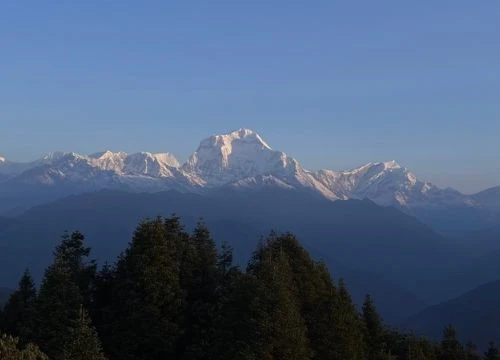
November gives you some of the sharpest summit views of the year. The post-monsoon air is dry and clean, so the big summits stand out clearly on most mornings.
Everest, Lhotse, Nuptse and Ama Dablam
What makes this route special is how the peaks reveal themselves one by one as you climb higher.
Mount Everest (8,849 m) first shows itself on the steep climb to Namche Bazaar on a clear morning
Ama Dablam (6,812 m) dominates the skyline from Tengboche to Pheriche
Lhotse (8,516 m) and Nuptse (7,861 m) form a huge wall above Dingboche and Lobuche
Everest's summit is hidden from Base Camp itself, so the viewpoint above Gorak Shep gives the best views of Everest
Sunrise and Sunset Views
Sunrise and sunset are short, cold and well worth the effort in November.
The top of Everest receives the first light at daybreak over Gorak Shep
Nuptse turns gold, then pink, at sunset from Gorak Shep
Ama Dablam glows at dawn from the grounds of Tengboche Monastery
After dark, the night sky above Lobuche fills with stars on most clear nights
Why November Is Good for Photography
Many photographers argue that November is the best time for sharp summit shots, and the light backs them up.
Low haze gives clear views across long distances
A lower sun angle creates longer shadows and side light for much of the day
Frost, ice and frozen streams add interest to the foreground
Cold drains camera batteries fast, so keep spares warm in an inside pocket
What Changes in the Landscape Towards Late November?
Towards late November, the valleys lose their October colour and take on a winter look.
Birch and rhododendron slopes below Namche fades to brown
Grassland around Pheriche turns a pale, tawny gold
Streams freeze at the edges, and the sandy flat at Gorak Shep can hold ice
Light dustings of snow appear on the lower ridges after cold nights
Acclimatisation and Altitude Sickness in November
Height, not cold, is the bigger danger on this route. The trail climbs from 2,860 m to 5,545 m in about eight days. As a result, a steady pace and proper rest days matter more than the season you choose.
Why Altitude Matters More Than the November Weather
At 5,364 m, each breath carries only about 50% of the oxygen you get at sea level. The cold adds extra strain on top of that.
Cold air makes you breathe faster, so you lose more water through your breath
Early warning symptoms can be concealed by thick clothes and a cold body
Poor sleep in cold rooms adds to your fatigue
The fast gain in height makes acclimatisation essential in every month
Acclimatisation Days at Namche and Dingboche
The rule is simple. Sleep low after climbing high during the day.
Village | Suggested day hike | Highest point reached | Time needed |
Namche Bazaar | Syangboche and Khumjung village | About 3,800 m | 3 to 4 hours |
Dingboche | Nangkartshang viewpoint | About 5,080 m (turn back sooner if needed) | 3 to 5 hours |
Symptoms of Altitude Sickness
Most walkers feel some effects above 4,000 m. The skill lies in spotting when mild symptoms become serious ones.
Mild signs: headache, loss of appetite, nausea, poor sleep and unusual tiredness
Serious signs: include disorientation, loss of balance or tripping, and dyspnoea when at rest
Lung warning: Gurgling breath or a wet cough may indicate fluid in the lungs (HAPE)
Brain warning: severe headache with confusion can point to swelling of the brain (HACE)
What to Do if Symptoms Get Worse
If symptoms worsen, going higher is never the answer. Instead, descend straight away.
Stop climbing and tell your guide as soon as you feel worse
Descend 300 to 500 m, even at night, if serious signs appear
Helicopter evacuation from the upper Khumbu costs several thousand US dollars
Check that your insurance covers rescue up to 6,000 m before you leave home
Discuss preventive medicine with your own doctor before the trip
How to Pace the Trek
Slow walkers often reach Base Camp more comfortably than fast ones. Therefore, pace yourself from the first day.
Keep your sleeping height gain to about 300 to 500 m per day above 3,000 m
Walk at a pace that still lets you hold a conversation
Drink 3 to 4 litres of fluid a day, including hot drinks
Avoid alcohol until you are back below Namche
If a headache doesn't go away by morning, stay overnight
Lukla Flights in November
Flights run daily in November, but all peak-season departures leave from Ramechhap rather than Kathmandu. Mountain weather can still delay them, even in a dry month.
Do flights to Lukla operate in November?
Yes, the trip is flown every morning in November by a number of small airlines. That said, no mountain flight is ever guaranteed.
Tara Air, Summit Air and Sita Air operate the route
Flights run in the morning only, when visibility is at its best
November is usually one of the more reliable months for this route
High wind or low cloud can still halt flights for hours or days
Kathmandu or Ramechhap for Lukla Flights
During the busy post-monsoon months, the Civil Aviation Authority of Nepal moves these flights to Manthali Airport in Ramechhap. For 2026, the diversion is expected to run from about 25 September to 30 November.
Detail | From Ramechhap (Manthali) | From Kathmandu |
When it applies | Seasonal diversion, including all of November | Outside the diversion dates |
Road transfer | 4 to 5 hours from Kathmandu, leaving around 1:00 to 2:00 a.m. | None |
Flight time | 15 to 20 minutes | About 35 minutes |
Approx. one-way fare (foreign nationals) | USD 175 to 190 | USD 215 to 240 |
Diversion dates and fares change from season to season. Therefore, confirm them with your trekking company before you book.
Why Early Morning Flights Matter
Pilots fly into Tenzing-Hillary Airport under visual flight rules, so they need a clear view of its short, sloping runway.
Wind usually picks up by late morning
The first flights have the best chance of leaving on time
A delay to the first wave pushes back every later flight
Weather conditions at both ends must be clear before take-off
What Happens if Your Flight Is Delayed?
Delays are part of mountain travel, so plan for them from the start.
The airline moves you to the next available flight, often the following morning
From Manthali, a shared helicopter seat costs about $500 USD per person
Check that your insurance covers trip delay and missed connections
Your guide will handle rebooking and keep you updated
How Many Buffer Days Should You Keep?
Keep at least one buffer day and two in late November. After all, bad weather at the end of the trip is the most common reason people miss their international flights.
Your situation | Suggested buffer |
Early or mid-November departure | 1 day minimum |
Late November departure | 2 days |
The international flight was booked the day after landing in Kathmandu. | Rebook it for later. |
No flexibility at all | Consider ahelicopter return option |
Crowds and Accommodation on the Everest Base Camp Trek in November
Early November is still busy, while the second half of the month is noticeably quieter. However, a quiet trail does not mean every lodge will have a free room. Booking ahead remains wise, especially in the first two weeks.
Is November Crowded?
November is busy at the start and calm by the end, so your experience depends on your dates.
The first week still carries the tail end of October's peak
Traffic on the trail drops clearly after about 10 November
By late November, you may walk for an hour or more without passing another group
How November Compares With October
In short, October is the busier month, and November is the calmer one.
Factor | October | November |
Trail traffic | Very busy, queues on narrow sections | Busy early, then steadily quieter |
Dining rooms | Full most evenings | Space by the stove from mid-month |
Room availability | Tight in popular villages | Easier, though not guaranteed |
Flight seats | Heavily booked | Still busy early, easier later |
Are tea houses open in November?
Yes. Practically every lodge on the main route stays open throughout November.
All major villages have several lodges operating
A few owners in the upper villages start winding down near the end of the month
Lobuche and Gorak Shep keep lodges open for late-season walkers
Should You Book Accommodation in Advance?
We recommend booking ahead for the first half of November. Lobuche and Gorak Shep have only a handful of lodges, and these fill quickly.
Early November can still leave late arrivals without a bed
Walkers without a booking sometimes sleep on dining room benches
Guides usually secure rooms through their own lodge contacts
What Is Accommodation Like Above 4,000 m?
Rooms above 4,000 m are simple and cold, and it helps to know what to expect before you arrive.
Twin rooms with plywood walls, thin mattresses and no heating
One stove in the dining room, often fuelled by dried yak dung and lit in late afternoon
Shared toilets that are often squat style, and the flush water can freeze overnight
See our guide toaccommodation and food for more detail
What to Pack for Everest Base Camp in November
Pack for nights of -15°C, not for mild October afternoons. The most common mistake we see is a three-season sleeping bag, which leaves walkers shivering from Lobuche onwards. Use this section alongside our fullpacking list for Everest Base Camp.
Clothing and Layering System
When the temperature fluctuates between sun and shade, layering allows you to swiftly adapt.
Layer | What to bring | Why it matters in November |
Base layer | Merino or synthetic top and leggings | Moves sweat away so you stay dry |
Mid-layer | Fleece jacket or grid fleece | Adds warmth on cold mornings |
Insulation | Down jacket with a hood | Essential at sunrise and in the evening |
Shell | Windproof and waterproof jacket | Blocks the afternoon wind |
Legs | Trekking trousers and insulated trousers | Keeps you warm around the lodge |
Thermal Base Layers and Insulation
Good base layers and a proper down jacket matter more in November than in October.
Pack two sets of base layers, one for walking and one for sleeping
Choose a down jacket with at least 650 fill power and a hood
Bring insulated trousers for evenings in cold dining rooms
Sleeping Bag for Freezing Nights
Your sleeping bag is the single most important item on a November trip.
Choose a four-season bag with a comfort rating of around -15°C
A fleece or silk liner adds a few extra degrees of warmth
Sleep with your water bottle, phone and batteries inside the bag
You can rent bags in Thamel, but check the loft and the zip before you pay
Footwear and Trekking Socks
Warm, dry feet make every day easier.
Broken-in waterproof boots with good ankle support
Three or four pairs of wool trekking socks, plus thin liner socks
Microspikes for icy steps in late November
Gloves, Hat and Neck Protection
Your hands, head and neck lose heat fast in the wind.
Thin liner gloves plus insulated gloves or mittens
A warm wool hat and a sun hat with a brim
A buff or neck gaiter to warm the air you breathe
Sun Protection
The sun at 5,000 m is fierce, even on the coldest days.
Category 3 or 4 sunglasses with side protection
Sunscreen with SPF 50 or higher, applied several times a day
Lip balm with SPF, since cold wind cracks lips quickly
Trekking and Safety Equipment
These items keep you safe when conditions turn.
Trekking poles to ease the load on your knees during descents
A head torch with spare batteries
A personal first aid kit and water purification tablets
November-Specific Items
A few small extras make a big difference in cold weather.
An insulated cover or thermos for hot water
Chemical hand warmers for sunrise at the viewpoint
A wide-mouth bottle to fill with hot water as a bed warmer
Food, Water and Tea Houses in November
You will eat well enough on this route, although choice shrinks as you climb higher. Water needs treating everywhere, and the cold makes it easy to drink too little.
What Food Is Available?
Lodges serve simple, filling meals made for long days of walking.
Dal bhat, the rice and lentil staple, usually with free refills
Noodle soups, fried rice, potatoes and momos
Garlic soup, which many local guides swear by at height
Meat is best avoided above Namche, as it is carried up unrefrigerated, and slaughter is discouraged in the Khumbu
Is Drinking Water Available Along the Route?
Yes, but you should never drink it untreated.
Lodges sell boiled water, and the price rises with height
Carry a reusable bottle and a filter or purification tablets
Avoid buying plastic bottles, which add to waste in the national park
How Cold Affects Hydration
Your body still loses water quickly in the cold, but you don't feel as thirsty.
Aim for 3 to 4 litres a day, even when you are not thirsty
Soup, hot lemon, and ginger tea all count towards your intake
Keep bottles inside your pack by day and inside your sleeping bag at night
What Are Tea Houses Like at High Altitude?
Tea houses get simpler and more expensive as you gain height. Still, the dining room stove becomes the warm heart of every evening.
Village | Heating | Hot shower | Charging |
Namche Bazaar | Dining room stove, some heated lodges | Usually available | Easy, sometimes free |
Dingboche | Dining room stove | Available but costly | Paid by the hour |
Lobuche | Dining room stove in the evening | Rarely worth it | Paid, often slow |
Gorak Shep | Dining room stove in the evening | Usually not available | Paid and limited |
How Tough Is the November Trek to Everest Base Camp?
The trek is non-technical, yet it is still hard work. Long days at height, repeated climbs and cold nights are the main challenges. November does not make the route more technical. It simply makes pacing, clothing and sleep more important.
Daily Walking Hours
Most days involve five to seven hours of walking, including rest stops.
Type of day | Typical walking time |
Standard trekking day | 5 to 7 hours |
Acclimatisation day hike | 3 to 5 hours |
Base Camp day | 7 to 8 hours |
Sunrise viewpoint and descent | 7 to 8 hours |
Elevation Gain
The route climbs steadily, with a few steep sections along the way.
The largest single climb to Namche is about 600 metres
Most days gain 300 to 500 m in sleeping height
The final push reaches 5,545 m above Gorak Shep
Cold-Weather Difficulty
The cold makes everything a bit slower and more tiring.
Frozen water bottles can leave you under-hydrated
Poor sleep in cold rooms reduces your energy the next day
Frostbite risk rises on the sunrise climb, especially for fingers and toes
Fitness Level Required
You do not need to be an athlete, but you do need a solid base of fitness.
You should be able to walk six hours on hilly ground with a daypack
At least eight to twelve weeks prior to your trip, begin your training
Your trekking experience is greatly enhanced by a prior multi-day walk
Can First-Time Trekkers Do It?
Yes, first-time walkers complete this route every November. However, they need realistic expectations and good preparation.
Choose an itinerary with two proper acclimatisation days
Start in early or mid-November for milder temperatures
Use a guide and a porter to reduce the strain
OurEverest Trek for Seniors offers a gentler pace for those who want it
Everest Base Camp in November vs. October
October and November are the prime autumn months for the Everest Base Camp route. Both offer sharp visibility, but they suit different walkers. For a full month profile, read ourOctober guide.
Factor | October | November |
Season | Autumn | Late autumn |
Weather | Generally stable | Generally stable, progressively colder |
Skies | Very clear | Very clear |
Crowds | Very busy | Usually declining |
Temperature | Milder | Colder |
Accommodation | High demand | Demand generally eases |
Snow and frost | Less common on the lower route | More likely at higher elevations later in the month |
Daylight | Longer | Shorter |
What Are the Main Challenges of Trekking to EBC in November?
The main risks are cold, short days and altitude. Understanding them before you leave home protects both your health and your plans.
Freezing Temperatures at High Altitude
Nights above 4,900 m regularly fall below -10°C, and they can go much lower.
Hypothermia is a real risk if you get wet or stay still for too long
Frostbite can affect fingers and toes during the sunrise climb
Wind chill on exposed ridges makes the cold feel far worse
Shorter Daylight Hours
Short days leave less margin for slow walking or late starts.
The sun drops behind the ridges by mid-afternoon in many villages
A late start can mean the final hour of walking in the cold shade
Walking after dark on rocky ground raises the risk of falls
Frost and Possible Snowfall
Late November can bring light snow and icy trails.
Frost makes stone steps and bridges slippery in the morning
Snow can cover the trail markers above Lobuche
Heavy snow is uncommon, but it can close the high passes for a few days
Flight Delays
Delays are less frequent than in spring, but they still happen.
Wind or cloud can ground flights for a day or more
Missed connections can cost you your international flight
Extra hotel nights and rebooking fees quickly add up
Altitude Sickness
Acute mountain sickness affects walkers in every season.
The cold can mask early symptoms under heavy layers
Descent is the most reliable treatment
Evacuation by helicopter costs thousands of US dollars without insurance
Cold Nights in Tea Houses
Unheated rooms make sleep harder, and poor sleep affects your recovery.
Bedroom temperatures often match the outside air
Toilets and taps can freeze overnight
Before going to bed, put on a hat and dry base layers
What Can You See and Experience in the Everest Region in November?
Beyond the mountains, the beauty of the Everest region lies in its villages, monasteries and wildlife. November's clear, quiet days make them easier to enjoy without the October crowds.
Namche Bazaar and the Khumbu Villages
Namche Bazaar is the trading hub of the Khumbu, set in a horseshoe-shaped bowl at 3,440 m.
The Saturday market brings traders up from lower valleys
The Sherpa Culture Museum explains local life and mountaineering history
Khumjung and Khunde sit above Namche, and each is worth an acclimatisation walk
Tengboche Monastery
Tengboche Monastery is the largest monastery in the Khumbu and one of its spiritual centres.
It sits on a forested ridge at 3,860 m, facing Ama Dablam
Monks usually hold afternoon prayers that visitors can quietly watch
Remove your shoes and avoid flash photography inside
Everest View Hotel
This Japanese-built hotel above Namche opened in the early 1970s, and it stands at about 3,880 m.
It makes a good acclimatisation walk from Namche
The terrace gives wide panoramas of Everest, Lhotse and Ama Dablam
Clear November mornings give the best chance of seeing the peaks
Khumbu Glacier and Everest Base Camp
From Lobuche onwards, the route follows the rubble-covered edge of the Khumbu Glacier.
The glacier looks like a sea of rock and ice from the moraine
The Khumbu Icefall tumbles down from above Base Camp
In November, few or no expedition tents stand at Base Camp
Sherpa Culture and Mountain Communities
Sherpa culture shapes every village along the route, and a little respect goes a long way.
Steer clear of mani walls and chortens at all times
Spin prayer wheels clockwise
Ask before you photograph people, especially monks
Learn more in our guide topeople and culture
Wildlife and Autumn Landscapes
Sagarmatha National Park is home to a surprising range of wildlife for such a harsh place.
Himalayan tahr often graze on the slopes near Namche and Tengboche
Musk deer, ghoral and pika live along the route
More than 100 bird species are recorded, including the Himalayan monal and blood pheasant
Low November light turns the grassland gold and the birch woods brown
Alternative Everest Treks to Consider in November
If you want quieter trails or a bigger challenge, several other routes offer strong options for trekking in the Everest region this month. Still, the high passes need more experience and closer attention to snow.
Gokyo Lakes Trek
This route leads to a chain of turquoise lakes below Cho Oyu.
Gokyo Ri (5,357 m) offers some of the Khumbu's widest vistas
The lakes may begin to freeze at the edges in late November
See ourEverest Gokyo Lake Trek
Gokyo Cho La Pass and EBC Trek
This route links Gokyo with Base Camp by crossing the Cho La (5,420 m).
The Cho La Pass trek crosses a small glacier on the eastern side
Ice on the pass makes microspikes essential in November
It suits fit walkers with some previous high-altitude experience
See ourEverest Base Camp Chola Pass Gokyo Trek
Everest Three Passes Trek
The Three High Passes Trek crosses Kongma La, Cho La and Renjo La, and each pass sits above 5,300 m.
It is the most demanding route in the Khumbu, normally lasting 18 to 21 days
Early November gives the best conditions for the crossings
A pass may be blocked for a day or two by fresh snow
See ourEverest Three Passes itinerary
Which Routes Require More Experience?
If this is your first Himalayan trek, start with the standard route and keep the passes for a later visit.
Route | Experience needed | Highest point | November notes |
Gokyo Lakes | Moderate | 5,357 m | Quiet, with lakes freezing late in the month |
Cho La and Base Camp | Good | 5,545 m | Icy glacier section on the pass |
Three Passes | Strong and experienced | 5,535 m | Best attempted early in the month |
Practical Tips for an Everest Base Camp Trek in November
November is a good time for Everest Base Camp, but small habits make a big difference in the cold. If you are planning to trek this month, these tips will help you stay warm, healthy and on schedule.
Start Walking Early
Early starts give you the best light and the most time before the shade arrives.
Aim to leave between 7:30 and 8:00 a.m.
Morning skies are usually clearer
Arrive before 3:00 p.m. to warm up by the stove
Dress in Layers
Layers let you react quickly to changes between sun and shade.
Start cold, since you warm up within minutes of walking
Add your down jacket at every long stop
Remove your layers before you begin to perspire
Keep Your Water Intake Consistent
Steady drinking works better than drinking large amounts at once.
Sip regularly rather than waiting for thirst
Fill bottles with hot water in the morning
Carry bottles upside down so ice forms away from the lid
Protect Yourself From the Sun
Cold air hides how strong the sun really is at this height.
Reapply sunscreen every two to three hours
Wear sunglasses even on cloudy days
Use lip balm with SPF throughout the day
Carry Spare Batteries and Power Banks
The cold drains batteries far faster than you might expect.
Keep phones and batteries in an inside pocket by day
At night, put them in your sleeping bag
Carry a power bank of at least 10,000 mAh
Keep Buffer Days for Flights
A November trek to Everest Base Camp needs flexibility at both ends. A quiet day in Kathmandu is far better than a missed flight home.
Plan one buffer day for early November and two for late November
Avoid booking international flights too close to your return
Ask aboutlast-minute departures if your dates are flexible
Check Conditions Before Crossing Higher Passes
After snowfall, the high passes quickly alter, so make sure to check before you go.
Ask lodge owners and guides about recent crossings
Turn back if fresh snow hides the trail
Never cross a pass alone in late November
Who Should Make the November Trek to Everest Base Camp?
November is a great time for walkers who want clear mountain scenes and quieter trails and who are ready for real cold. Before you commit to a trek to EBC in November, think about which month to trek suits your cold tolerance, schedule, fitness and past experience at height.
Good Fit for Trekkers Who Want Clear Mountain Views
November rewards anyone who puts views first.
Dry air gives a sharp outline of Everest, Lhotse and Ama Dablam
Throughout the whole month, clear mornings are typical
Sunrise from the viewpoint above Gorak Shep is often cloudless
Good Fit for Trekkers, Comfortable With Cold
November may seem like the perfect month if you can withstand the cold.
You will enjoy quieter trails without the hardships of winter
Good gear makes cold nights quite manageable
Late November suits cold-hardy walkers who want solitude
What First-Time Trekkers Should Know
First-timers can do well in November, but preparation matters.
Choose early or mid-November for a gentler introduction
Hire a guide to handle logistics and altitude decisions
Invest in a proper four-season sleeping bag
Who May Prefer October or Spring?
There is no single best time to visit Everest Base Camp for everyone. Some walkers will simply be happier in a milder month.
People who sleep cold may prefer October
Those who want rhododendron blooms should consider April
Travellers with no flexibility for delays may prefer early October
Anyone with circulation problems should think carefully before a late November trip
Everest Base Camp Trek in November: Final Takeaway
The Everest Base Camp trek in November offers dry trails, clear skies and some of the sharpest mountain views of the year. The main trade-off is the cold, which deepens with each week of the month. With the right gear and sensible pacing, it remains a strong choice for most fit walkers.
November suits walkers who value crisp visibility and quieter lodges over warm afternoons. Early to mid-November fits first-timers best, while late November rewards cold-hardy walkers who want solitude. If you sleep cold or cannot absorb a flight delay, October or spring may suit you better.
Your next step is to choose your week, then build in buffer days and two acclimatisation stops. After that, invest in a four-season sleeping bag and confirm your permits and insurance. When you are ready,contact our team to plan a November departure that fits your pace.
Everest Base Camp Trek in November: FAQs
Is November a Suitable Month to Trek to Everest Base Camp?
Indeed, November is a great month to walk because of the dry trails and clear mountain light. The main drawback is the cold, which grows steadily through the month.
In November, how cold is Everest Base Camp?
Nights near Base Camp usually fall between -12°C and -20°C. While wind makes it feel considerably colder, daytime temperatures in direct sunlight can be close to freezing or slightly above.
Does the November Everest Base Camp Trek have snow?
Light snow is possible, mostly above 4,500 m and in late November. Heavy snowfall is uncommon, but frost and icy patches are normal on most mornings.
Are Lukla Flights Available in November?
Yes, flights run daily in November from Manthali Airport in Ramechhap. Weather can still cause delays, so keep at least one buffer day in your plans.
Is Everest Base Camp crowded in November?
It is busy in the first week and quieter from mid-month onwards. Lodges in Lobuche and Gorak Shep can still fill up, so booking ahead is wise.
What Should I Bring to November's Everest Base Camp?
Pack a four-season sleeping bag, a hooded down jacket and warm layers. Nights fall well below freezing, so gear rated for mild weather will not be enough.
Is it possible for novices to reach Everest Base Camp in November?
Yes, beginners can complete it with good fitness and a sensible itinerary. Early or mid-November is gentler, and a guide adds valuable support with altitude decisions.
Do I Need a Guide for the Everest Base Camp Trek in November?
A guide is not strictly enforced in the Khumbu at present, although national rules may change. In November, lodging reservations, travel delays, and cold-weather safety are all made much easier with a guide.
Are tea houses open in November?
Yes, almost all tea houses on the main route stay open throughout November. A few upper-village lodges may start closing near the end of the month, so late walkers have fewer choices.
Is October or November better for Everest Base Camp?
October is milder and busier, while November is colder and quieter. Both have clear skies, so the choice comes down to your cold tolerance and preference for crowds.