Summary: The Manaslu Circuit Trek difficulty rates as Strenuous to Grade B+/A, requiring 14-18 days to cover 177km and cross Larkya La Pass at 5,160m. Key challenges include steep daily elevation gains, remote terrain with limited teahouse facilities, and unreliable mobile signal beyond Samagaon. A mandatory guide, restricted area permit, and prior high-altitude trekking experience are essential, with spring and autumn offering the most stable conditions for this route often compared to a harder version of Everest Base Camp.
1. Manaslu Circuit Trek Difficulty Explained
The Manaslu Circuit trek difficulty sits at Grade B+ to Grade A, making it one of the hardest multi-day trekking routes in Nepal. It crosses Larkya La Pass at 5,160 metres, passes through genuinely remote Himalayan terrain, and requires two to three weeks of sustained physical effort. It is not the right choice for first-time trekkers or those without prior high-altitude trekking experience.
This guide covers every factor that shapes the difficulty of this route, from altitude gain and terrain to logistics and trek fitness requirements. You will find sections on Larkya La Pass, seasonal conditions, acclimatisation planning, and how this route compares to the Annapurna Circuit and Everest Base Camp trek. Each section is built to help you make a grounded decision, not just a wishful one.
Nepal Everest Base Camp Co. has guided hundreds of trekkers through the Manaslu Circuit trekking route. The information here reflects real conditions, real terrain, and real altitude. Read it carefully before you commit.
2. Manaslu Circuit Trek at a Glance
Circuit trekking around Mount Manaslu gives you a full loop through one of Nepal's most restricted and least-crowded regions. Here is a quick-reference overview.
Detail
Information
Manaslu circuit trek distance
Approximately 177 km
Standard duration
14 to 18 days
Maximum elevation
5,160 m (Larkya La Pass)
Difficulty rating
Strenuous
Best seasons
March to May, September to November
Permit required
Yes (restricted area)
Guide required
Yes (mandatory)
The trekking distance of the Manaslu Circuit makes it longer than many comparable routes. Combined with the altitude and remoteness, that distance matters more here than it would on a lower-level trail.
3. How Trek Difficulty Is Measured
Understanding difficulty level requires looking at several factors together, not just elevation alone. A trek rated strenuous in one system may be rated challenging in another, depending on what the rating accounts for. To appreciate how hard is the Manaslu Circuit in practical terms, you need to look beyond the altitude figure and assess what the terrain actually demands each day.
The main measures used across the trekking industry include:
Daily walking hours: most days on this trek run 5 to 8 hours
Elevation gain per day: some sections climb over 1,000 m in a single stage
Trail surface: rocky paths, river crossings, loose scree, and narrow ridges
Altitude exposure: days spent above 3,500 m affect energy and recovery
Remoteness: distance from medical care and evacuation options
Together, these factors place Manaslu Circuit trekking firmly in the strenuous category. The overall difficulty is comparable to the upper sections of the Annapurna Circuit, but the remoteness of the Manaslu adds a layer of seriousness that most other Nepal treks do not carry. Taken as a whole, the Manaslu circuit trek difficulty level reflects a route that rewards preparation and punishes complacency. The level of the Manaslu Circuit is best described as strenuous, consistently, from the approach stages to the final descent.
4. Key Factors That Affect Manaslu Circuit Trek Difficulty
4.1 Altitude and Acclimatisation Challenges
The altitudes in Manaslu trek rise steadily from Soti Khola at around 700 m to Larkya La Pass at 5,160 m. That is a gain of more than 4,400 m over the course of the trek route. The body needs time to adjust at each stage. Without proper acclimatisation day planning, altitude sickness becomes a real risk.
4.2 Steep Ascents and Descents
Several sections of the Manaslu trek involve sharp elevation changes within a single day. The climb from Samdo to Dharamsala, and the pass crossing itself, are the most demanding. Descents into river valleys are equally steep and hard on the knees.
4.3 Trail Conditions and River Crossings
The trek route passes through narrow gorges, crosses suspension bridges over glacial rivers, and follows trails that can shift after rain or snowmelt. Some crossings have no bridge. Conditions along the Manaslu region change with the season.
4.4 Weather and Temperature Variations
Temperatures drop sharply above 4,000 m. At Larkya La Pass, pre-dawn temperatures on the crossing day can fall to minus 10 to minus 15 degrees Celsius. Rain during the approach stages and snow near the pass are both common, even in peak season.
4.5 Remoteness and Limited Facilities
The remoteness of the Manaslu is one of the defining features of this circuit trekking route. Villages in the Nubri Valley have limited supplies. Teahouses exist, but they are basic. Mobile signal is unreliable for long stretches. If something goes wrong above Samagaon, evacuation is neither quick nor simple.
4.6 Daily Walking Hours and Trekking Route Length
Stages on the Manaslu Circuit trekking route range from 4 to 5 hours on the lower trail and stretch to 6 to 8 hours across the high altitude sections. The longer days are partly due to limited teahouse facilities along the upper route. When stopping points are fixed and spread far apart, trekkers have no choice but to push through regardless of fatigue. This makes daily walking hours one of the more underestimated challenges on the Manaslu Circuit trek.
5. Fitness Level Required for Manaslu Circuit Trek
5.1 Who Can Do the Manaslu Circuit Trek
Manaslu circuit trekking is not designed for casual walkers. But it is not reserved for mountaineers either. Trekkers who want to trek the Manaslu Circuit with confidence need consistent cardio fitness, good endurance on hills, and prior multi-day hiking experience to complete the trek with proper preparation and training. Age is less of a barrier than fitness level.
5.2 Recommended Fitness Preparation
Training for the Manaslu should begin at least 8 to 12 weeks before departure. The goal is building aerobic capacity and leg strength for sustained daily effort.
Cardio base: run, cycle, or swim for 45 to 60 minutes, four times per week
Hill work: hike with a loaded pack on uneven terrain at least once a week
Stair climbing: 20 to 30 minutes with a daypack two to three times per week
Long days: practice back-to-back hiking days to simulate the trekking days on route
5.3 Training Focus Areas
Focus Area
Why It Matters
Cardiovascular endurance
Sustains output at altitude over 6 to 8 hours daily
Leg strength
Handles steep descents without knee strain
Core stability
Reduces fatigue on uneven and rocky trails
Pack weight tolerance
Prepares the body for carrying 8 to 12 kg daily
5.4 Mental Readiness and Trek Pace
Mental resilience is underrated on long circuit trekking routes. Some days are dull. Some are hard and cold and dull. Going slow is not a sign of failure. Trekkers who pace themselves consistently outperform those who push hard early and struggle later. A guide familiar with the trek in the Manaslu region will always tell you the same thing: slow is safe.
6. Altitude and Acclimatisation on the Manaslu Circuit
6.1 How Altitude Impacts the Body
Above 3,000 m, oxygen level in the air begins to drop noticeably. The body responds by increasing the breathing rate and, over time, producing more red blood cells. But this adaptation takes days, not hours. Pushing too high too fast is the most common cause of serious problems on any high-altitude trek.
6.2 Common Altitude Symptoms
Altitude sickness in the Manaslu region ranges from mild to severe. Trekkers should know the signs.
Moderate AMS: persistent headache unresponsive to paracetamol, nausea, dizziness
Severe AMS / HACE / HAPE: confusion, loss of coordination, wet cough, and gurgling breath. Descend immediately.
Sickness in the Manaslu circuit is manageable when recognised early. It becomes dangerous when ignored.
6.3 Acclimatisation Strategy
A sound acclimatisation day plan follows the standard rule: climb high, sleep low. On the Manaslu circuit itinerary, the key rest stops for acclimatisation are Samagaon and Samdo. These villages sit at 3,530 m and 3,860 m, respectively. Trekkers spend an extra day at each before continuing higher.
Samagaon rest day: Trek to Manaslu Base Camp or Pungyen Gompa and return
Samdo rest day: Short hike toward the Tibetan border and back
6.4 When Extra Rest Days Are Necessary
High-altitude sickness on the Manaslu Circuit is the main reason guides extend itineraries. If any trekker shows moderate AMS symptoms, the group stops. No summit, pass, or schedule is worth ascending with a sick trekker. Most reputable operators, including Nepal Everest Base Camp Co., build flexibility into their itineraries for exactly this reason.
7. Larkya La Pass Difficulty Explained
7.1 Elevation and Exposure
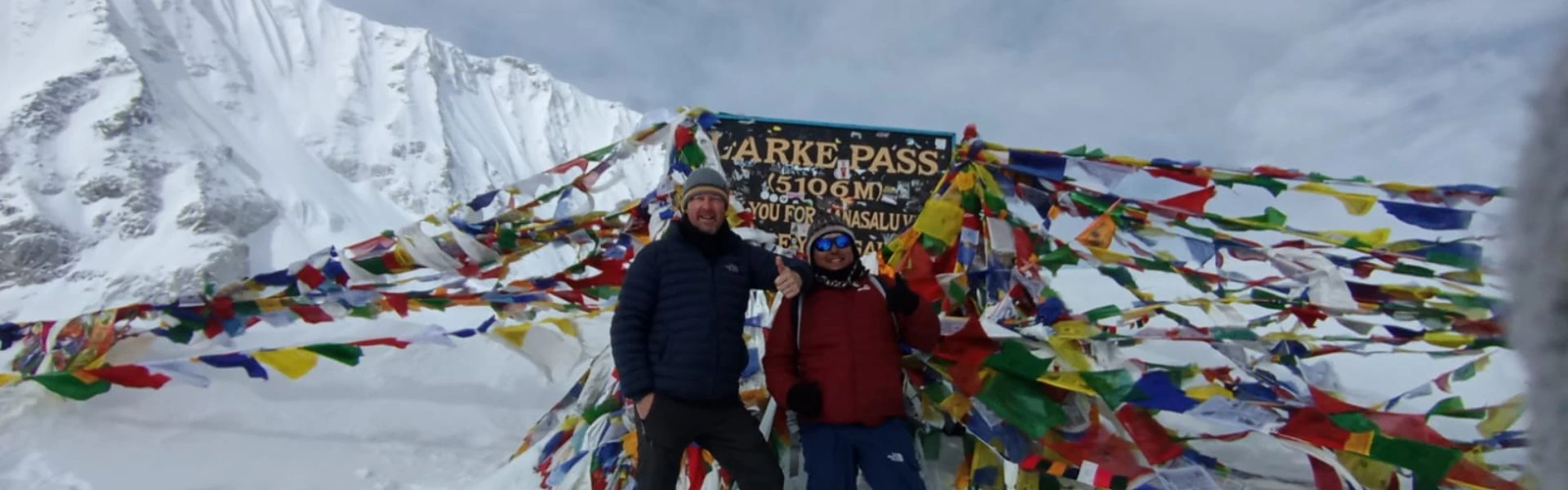
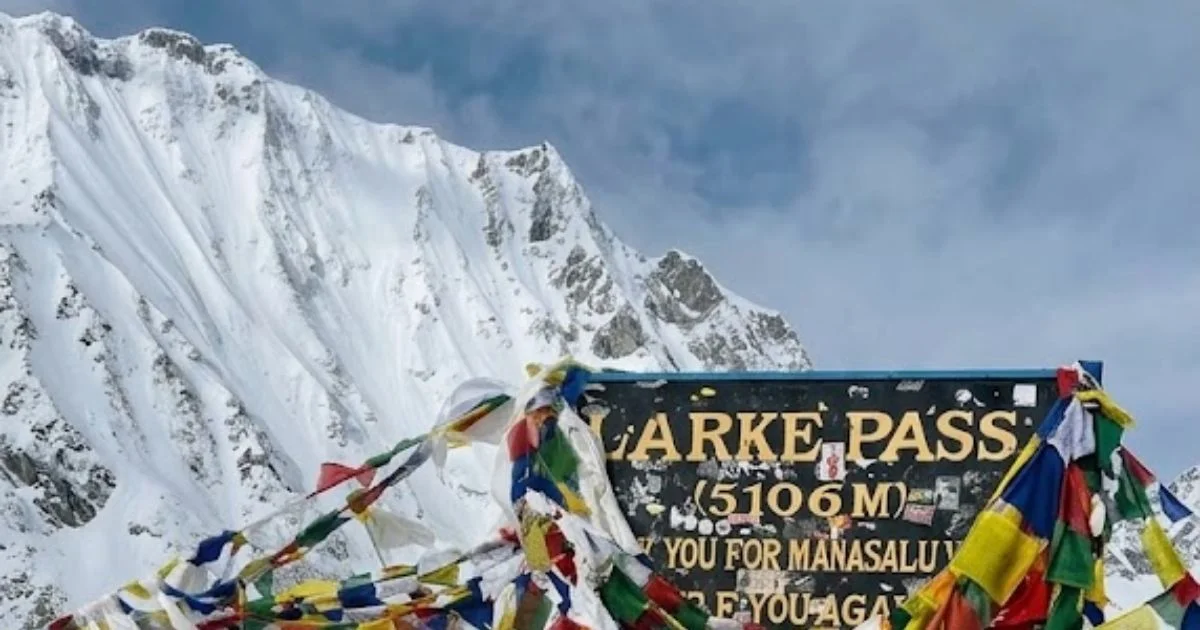
Larkya La Pass sits at 5,160 m and is the highest point of the Manaslu Circuit route. It is the day most trekkers plan for, worry about, and remember most. The crossing typically begins at 3 to 4 AM from Dharamsala (4,460 m) to reach the pass by mid-morning before afternoon weather sets in.
7.2 Trail Conditions and Weather Risk
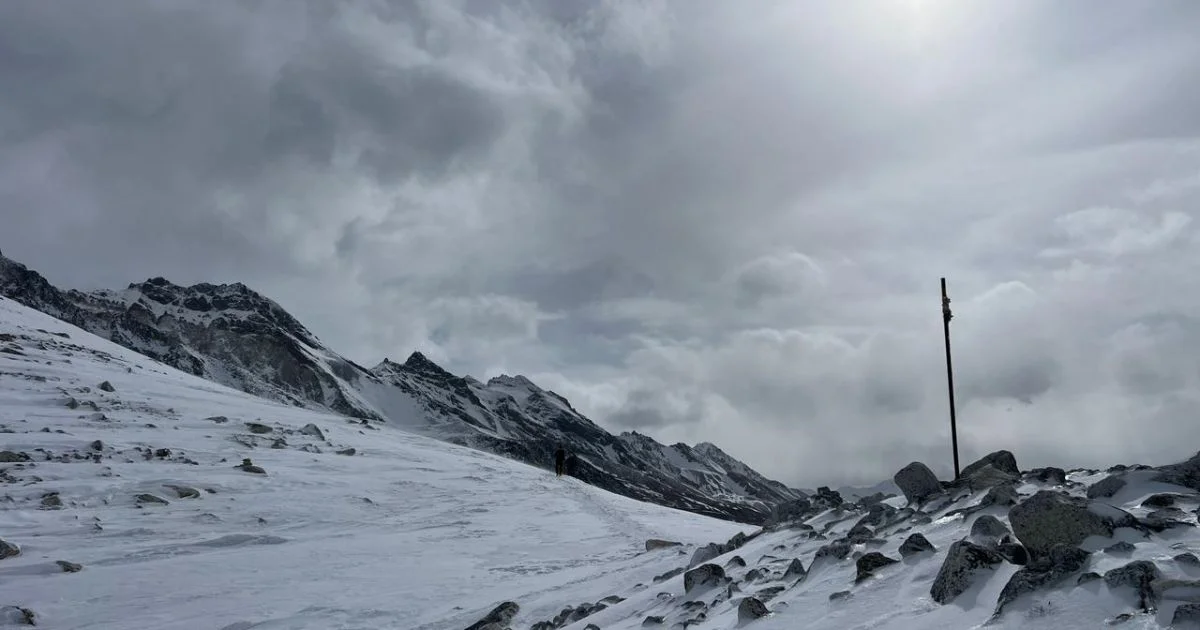
The trail to Larkya La Pass crosses glacial moraine, loose rock, and often snow. The path is not technical in the mountaineering sense, but it is exposed, steep in sections, and physically draining at that altitude. Wind on the pass can be severe. Cloud builds fast in the afternoon. Timing the crossing is as important as fitness.
7.3 Why This Is the Hardest Section
Larkya La Pass combines everything that makes the Manaslu trek difficult into a single day: high altitude, early start, cold temperatures, technical footing, and a long descent to Bimthang on the far side. The descent drops around 1,600 m and is hard on tired legs. The Manaslu trek is one of the few routes in Nepal where a single day carries this level of cumulative demand. This is the day that tests even a seasoned, difficult trekker most directly. Most trekkers describe it as the hardest day they have ever walked.
8. Seasonal Difficulty Breakdown
The season you choose has a direct effect on the trek's difficulty. Each season on the Manaslu trek presents a different set of conditions.
Season
Conditions
Difficulty Impact
Spring (Mar–May)
Stable weather, clear skies, warmer days
Best overall conditions
Autumn (Sep–Nov)
Post-monsoon clarity, cool nights
Equally good, busier at teahouses
Monsoon (Jun–Aug)
Heavy rain, leeches, trail damage, landslide risk
Significantly harder and riskier
Winter (Dec–Feb)
Heavy snow, closed passes, extreme cold
Larkya La Pass often impassable
Spring and autumn are the only seasons most operators run the full circuit trekking route. Monsoon and winter treks are possible in theory but carry risk that most trekkers should not take on without specialist support.
Syala during the Manaslu Circuit Trek
9. Logistics That Influence Trek Difficulty
9.1 Getting to the Trailhead
The location of the Manaslu Circuit puts the trailhead at Soti Khola, roughly 7 to 8 hours by road from Kathmandu. The drive through Arughat is long and the road is rough in sections. Some operators offer jeep transport. Others use local buses. Either way, factor in a full day of travel before the trek begins.
9.2 Permits and Restricted Area Regulations
The Nepal Manaslu Circuit trek requires two separate permits. Trekking without them is not permitted, and checkpoints along the route verify compliance.
Manaslu Restricted Area Permit (MRAP): USD 100 per week in peak season (Mar–Nov), USD 75 off-season
Manaslu Conservation Area Permit (MCAP): NPR 3,000 per person
TIMS card: required for most foreign trekkers in Nepal
Annapurna Conservation Area Permit (ACAP): NPR 3,000 per person
A licensed guide is mandatory for the Manaslu restricted area permit zone. Solo trekking is not allowed.
9.3 Guide and Porter Support
A guide familiar with the trek in Nepal conditions along this route does more than navigate. They monitor trekkers for altitude symptoms, manage pace, communicate with teahouse owners, and make evacuation calls if needed. Porters reduce the physical load and directly lower the difficulty of the trek for most people. Nepal Everest Base Camp Co. assigns one porter per two trekkers as standard practice.
9.4 Accommodation and Facilities
Teahouses along the Manaslu region are simpler than those on the Everest or Annapurna Circuit routes. Rooms are basic. Hot showers are limited. Wi-Fi is patchy or absent beyond Samagaon. Meals are available, but the menu narrows the higher you go. Trekkers who need creature comforts will find the difficulty of the Manaslu circuit extends beyond the physical into the logistical.
10. Packing and Gear That Reduce Difficulty
10.1 Clothing and Footwear Essentials
Good gear reduces the physical cost of the Manaslu trek. Poor gear adds to it. The priority items are:
Waterproof trekking boots: with ankle support and Vibram soles
Layered clothing system: base layer, insulating mid-layer, waterproof shell
Down jacket: rated to at least minus 10 degrees Celsius
Trekking poles: reduce knee strain on descents significantly
Warm hat, gloves, and balaclava for the Larkya La Pass crossing day
10.2 Trekking Equipment
Item
Purpose
55 to 65 L trekking pack
Carry daily items and emergency gear
Sleeping bag (rated to -15°C)
Teahouse blankets are insufficient above 4,000 m
Headlamp with spare batteries
Essential for the 3 AM pass start
Trekking poles (collapsible)
Critical for ascent and descent stability
Water purification tablets or filter
Water sources above Samagaon are glacial
10.3 Health and Safety Items
Diamox (acetazolamide) - consult a doctor before departure; used for AMS prevention
Basic first aid kit with blister treatment, antiseptic, and bandages
Pulse oximeter - lets you track blood oxygen on the trek route
Rehydration salts
Sunscreen SPF 50+ and UV-protective sunglasses
10.4 Optional Gear for High Pass Crossing
Microspikes or crampons are worth carrying for the Larkya La Pass crossing, especially in early spring when snow remains hard and icy. Not every trekker will need them, but they weigh little and remove a real risk.
11. Health and Safety Considerations
11.1 Hydration and Nutrition
Trekkers lose more fluid at altitude than they realise. Aim for 3 to 4 litres of water daily on the Manaslu circuit trekking route. Appetite often drops above 3,500 m. Eat anyway. The body burns significantly more calories at altitude, and under-fuelling slows recovery between trekking days.
11.2 Injury Prevention
Warm up before each morning's start. Five minutes of light movement matters.
Use poles on all steep descents to protect the knees.
Change socks daily and check feet for blisters early, before they deepen.
Tape known blister points before they form, not after.
11.3 Altitude Sickness Management
Altitude sickness on the Manaslu route is manageable with early recognition and a willingness to stop. The rules are simple:
Never ascend with a headache that does not clear after rest and fluids.
If symptoms worsen overnight, descend in the morning without debate.
The guide's assessment overrides the trekker's desire to push on.
Sickness on the Manaslu circuit that is caught early results in descent and recovery. Left untreated, it can be fatal.
11.4 Emergency Evacuation Planning
The Manaslu region is remote. Helicopter evacuation is the only realistic option above Samagaon if a trekker cannot walk down. A helicopter from Kathmandu takes 45 to 90 minutes to arrive, weather permitting. Comprehensive trekking insurance that covers helicopter evacuation is not optional on this route. It is a basic requirement.
12. Manaslu Circuit Trek Itinerary and Difficulty
12.1 Standard Manaslu Circuit Itinerary
The 13-day Manaslu Circuit trek is the most common format, though 14 to 16 days is more realistic for average fitness levels. The Manaslu circuit trek standard itinerary runs as follows:
Day
Stage
Altitude
1
Kathmandu to Soti Khola
700 m
2
Soti Khola to Machha Khola
869 m
3
Machha Khola to Jagat
1,340 m
4
Jagat to Deng
1,804 m
5
Deng to Namrung
2,630 m
6
Namrung to Samagaon
3,530 m
7
Samagaon Acclimatisation Day
3,530 m
8
Samagaon to Samdo
3,860 m
9
Samdo Acclimatisation Day
3,860 m
10
Samdo to Dharamsala
4,460 m
11
Dharamsala to Bimthang via Larkya La
3,590 m
12
Bimthang to Dharapani
1,860 m
13
Dharapani to Kathmandu
-
12.2 Section-Based Difficulty Breakdown
Days 1 to 4: Moderate. Long road approach days and low-altitude trail walking. The biggest challenge is the heat and river crossings.
Days 5 to 7: Strenuous. Altitude begins to affect sleep and appetite. The acclimatisation day at Samagaon often includes a side trip to Manaslu Base Camp or Pungyen Gompa.
Days 8 to 11: Very strenuous. This is the core of the high-altitude trek. Cold nights, reduced appetite, and the physical toll of the pass crossing define these days.
Days 12 to 13: Moderate. Long descents on tired legs.
12.3 Acclimatisation Days and Adjustments
Twoacclimatisation days are built into the standard plan. Some trekkers need a third, usually added at Samagaon. The overall difficulty of the trek drops meaningfully when the body has time to adjust at each elevation band.
12.4 Customising the Trek for Fitness Levels
The trek route can be adjusted to suit different fitness levels. Operators can add days at Namrung or Lho. Trekkers who arrive unfit can also shorten their trip by exiting at Dharapani rather than completing the full circuit trekking loop. Nepal Everest Base Camp Co. can adapt any itinerary to match your actual condition on the ground.
Mt Manaslu
13. Manaslu Circuit Trek Difficulty Compared to Other Treks
The Everest Base Camp trek has better infrastructure, more teahouses, helicopter access from multiple points, and a well-worn trail. Since the Manaslu route operates under restricted area rules with far fewer teahouses and no road access beyond the trailhead, the logistical burden is considerably higher. The difficulty of the Manaslu trek is comparable in altitude, but the remoteness and limited facilities add a significant layer of complexity. Trekkers who have done EBC and want something harder are the ideal audience for Manaslu circuit trekking.
13.3 Manaslu vs Annapurna Circuit
The Annapurna Circuit trek is longer and reaches a higher pass, but it is far more developed. Jeep roads now cut through large sections of the original route. The difficulty of the Manaslu remains higher in practical terms because of the permit restrictions, mandatory guide rule, and genuine remoteness. If you value a more raw trek experience, the Manaslu wins.
13.4 Is Manaslu Suitable for First-Time Trekkers
The Manaslu Circuit trek is one of the routes best suited to trekkers with at least one prior multi-day, high-altitude experience. The Manaslu Circuit trek in Nepal is not the right starting point for someone with no mountain background. A first-time trekker who has done Annapurna Base Camp or a Himalayan trek above 4,000 m is a reasonable candidate. A trekker with no mountain experience should build up first.
14. Common Mistakes That Increase Trek Difficulty
Trek challenges on this route are often self-inflicted. To understand how difficult is Manaslu Circuit trek in practice, it helps to look at the decisions trekkers make that add unnecessary risk and effort.
Rushing acclimatisation. Skipping the rest day at Samagaon or Samdo is the single fastest way to develop AMS. It turns a strenuous trek into a dangerous one.
Inadequate physical preparation. Trekkers who arrive without a cardio base feel the gap within two days of the approach. The trek requires real fitness, not just walking fitness.
Wrong season. Monsoon treks through the Manaslu region involve trail washouts, leeches, and flood risk. Winter makes Larkya La Pass impassable or extremely dangerous.
Overpacking. A heavy pack above 4,000 m becomes a liability. Hire a porter and carry only what you need on your person each day.
15. Practical Tips to Make the Trek Easier
The following habits directly reduce the trek's difficulty without shortening the route or lowering the ambition.
Start each day early. Afternoon weather deteriorates fast in the mountains. Morning starts also mean cooler air on steep climbs.
Rest step technique. On steep ascents, pause briefly at each upward step. This slows the heart rate and prevents the breathless panic that burns energy fast.
Drink before you are thirsty. Thirst at altitude is a late signal. Sip water consistently across each day.
Sleep in layers. Above 3,500 metres, nighttime temperatures drop dramatically. A good sleeping bag paired with teahouse blankets is the minimum.
Let the guide set the pace. This is the single most effective thing you can do to make the Manaslu Circuit trek more manageable. Guides walk at the altitude pace, not the ego pace.
16. Costs, Permits, and Regulations
16.1 Permit Costs and Requirements
Trekking in Manaslu requires two permits. Both are mandatory and enforced at multiple checkpoints along the trek route.
Permit
Cost
Notes
Manaslu Restricted Area Permit
USD 100/week (peak), USD 75/week (off-peak)
Per person, per week
Manaslu Conservation Area Permit
NPR 3,000 (~USD 22)
Per person, one-time
TIMS Card
NPR 2,000 (individual)
Required for foreign trekkers
Annapurna Conservation Area Permit
NPR 3,000 (~USD 22)
Per person, one-time
The Manaslu Conservation Area covers entry into the protected zone. The Manaslu Restricted Area Permit is the more expensive of the two and requires booking through a registered agency.
16.2 Guide Rules for Restricted Areas
A solo trek to Manaslu is allowed, but a licensed trekking guide from a registered Nepal trekking agency is legally required. This is not just a regulation. In a region this remote, it is also common sense.
16.3 Budget Factors Linked to Trek Difficulty
Experienced guides, quality teahouses, and proper evacuation insurance cost more. But they also lower the difficulty level of the Manaslu route in practical terms. Cutting costs here does not make the Manaslu trek cheaper overall. It makes it riskier and less supported when conditions deteriorate.
The Manaslu Circuit trek difficulty is real, and the route earns its strenuous rating. But trekkers who arrive fit, well-prepared, and properly guided will find the circuit trekking experience deeply rewarding in ways that easier, more crowded routes rarely deliver. The altitude is manageable with good acclimatisation. The terrain is hard but not technical. The logistics are demanding but handled effectively through a registered operator like Nepal Everest Base Camp Co.
What sets this Manaslu circuit trekking route apart is the combination of challenge and remoteness. You will cross a 5,160 m pass through glacial terrain. You will spend days in Tibetan-influenced villages with no mobile signal. You will earn every step of the descent into Bimthang. That combination is exactly what makes the Manaslu trek experience unlike anything else in Nepal.
If you are weighing whether this trek in Nepal is right for you, the honest answer is this: if you are fit, experienced at altitude, and willing to go slow, you can do it. Nepal Everest Base Camp Co. is here to help you assess your readiness, plan your acclimatisation, and guide you through every stage of this exceptional route. Do contact and begin the dialogue right now.
Larke-la pass during the manaslu circuit trek
18. Manaslu Circuit Trek Difficulty: FAQs
18.1 How difficult is the Manaslu Circuit Trek really?
The Manaslu trek difficulty places it firmly in the strenuous category, primarily due to altitude, remoteness, and the Larkya La Pass crossing at 5,160 m. It is harder than Annapurna Base Camp and comparable to the Everest Base Camp route in physical demand but significantly more remote than both.
18.2 Can beginners complete the Manaslu Circuit Trek?
Trekkers should have reasonable physical fitness for trekking and some prior high-altitude trek experience before attempting this route. Complete beginners without multi-day trekking experience or consistent fitness preparation will find the Manaslu Circuit trek a serious challenge.
18.3 What is the hardest part of the trek?
Larkya La Pass is the hardest single section. The crossing starts at 3 to 4 AM from 4,460 m, crosses glacial terrain at 5,160 m, and descends 1,600 m to Bimthang on the far side. The combination of altitude, cold, and physical length makes it the most demanding day on the Manaslu trek.
18.4 How much training is needed?
Training for the Manaslu should begin 8 to 12 weeks before the trek. Focus on cardiovascular endurance, hill walking with a loaded pack, and back-to-back hiking days. The goal is being able to walk 6 to 8 hours daily on uneven terrain without significant fatigue.
18.5 What is the best season to reduce difficulty?
The most stable seasons are spring (March to May) and autumn (September to November). Both seasons give clear skies, manageable temperatures, and lower risk at Larkya La Pass. Autumn is marginally cooler, which some trekkers prefer for the upper sections.
18.6 What happens if altitude sickness occurs?
The guide will assess altitude sickness in the Manaslu region and decide whether to rest, descend, or call for evacuation. Mild AMS often resolves with a rest day and fluids. Moderate to severe AMS requires immediate descent. Travel insurance with high-altitude coverage, including helicopter evacuation insurance, is mandatory for this trek and must be arranged before departing Kathmandu.
Blending digital strategy with mountain passion, I help adventurers find their way to the Himalayas online. With hands-on experience in Nepal’s trekking trails and a role at Nepal Everest Base Camp Trekking Co., Thamel, I combine SEO expertise with true trail insight.