Everest Base Tips for Beginners and Seniors
Acclimatize Properly
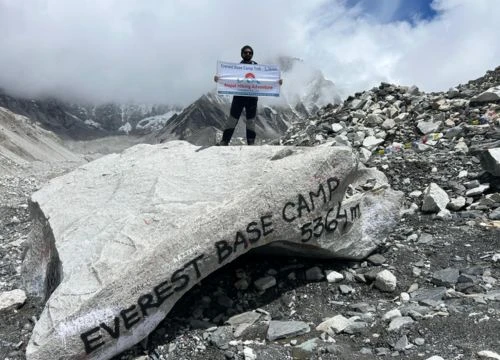
During the Everest base camp trek, the lowest elevation gain is at 2610m in Phakding, and the highest is 5545m is at Kalapathar. And people living in relatively lower elevations could have different problems with the rising altitude. As the altitude level increases, the oxygen level and temperature decrease, making trekkers prone to be at the altitude sickness with symptoms like headache, nausea, dizziness, lethargy, disturbed sleep and dehydration.
Steady Pace to the Camp
Many trekkers also think making it to the base camp in the shortest time which is a real achievement, but the truth is being at the base camp perfectly healthy is the main goal and objective. Slow walking, taking breaks, and hydrating are crucial to avoid health hazards. Hence, listen to your body and let your muscles heal from the strain which is caused by the previous day's walk.
Sleep well and eat healthy
At your Everest Base Camp trek, you will also be walking continuously for 6-7 hours for 12-14 days, which means your body will ache in the worst possible way, making it hard to sleep. While body pain is one of for the reasons, the unheated rooms of the teahouses can be another cause for sleep deprivation. Since the temperature is low at higher altitudes, you must be careful about layering even when being in bed. The teahouses only provide a single blanket during the peak season., so sleep in your sleeping bags and layer it with blankets to keep your body warm. Drinking warm herbal tea can also work if you have the trouble of sleeping. we will suggest skipping meat items during your trekking period. because it is not a hygienic item. They will store for a long time period.
`Train your Body
When you are planning for the Everest base camp trek, the first thing you have to do is train your body intensively. You must be physically and mentally prepared for the challenges you could face at the trials. Hence, we recommend building your upper and lower body strength, endurance, and flexibility. The main thing to consider is increasing your cardiovascular condition, which can also tolerate the thin air of a higher altitude. For this, trekkers can go on long and short hikes with uphill, and downhill routes and also the rough terrains. Trekkers can try push-ups, lunges, and squats which also involve their whole body parts.
Pack your essentials only
Instead of packing random and unnecessary things that you might not use on the trail, always pack smart and light. The best way to do this is by following the packing checklist which is prepared by the trekking companies, which also includes toiletries, layerings, trekking equipment, snacks, personal medication, and other medications for headaches, fever, stomachache, diarrhoea, a first aid kit, pain killers, and a packet of diamox tablet.