The luxury Everest Base Camp trek cost usually runs between $3,500 and $8,500 per person, depending on your itinerary length and how much comfort you add along the way. That price typically covers private lodges, better food, and often a helicopter return from Gorak Shep. This guide breaks down exactly where that money goes.
You will find a tier-by-tier pricing overview, a full cost breakdown of accommodation, staffing, food, and logistics, and a side-by-side comparison of standard versus luxury Everest Base Camp trekking. Each section builds on the last, so you can see how small upgrades add up across a two-week trek. By the end, you will know what actually separates a $3,500 package from an $8,500 one.
This guide draws on real pricing from Nepal Everest Base Camp Pvt. Ltd and years of running premium treks through the Khumbu region. You get straight answers on accommodation, staffing, food quality, and logistics, not vague ranges. Use it to compare packages properly and pick one that matches what you actually want from the trail.
1. What Defines a Luxury Everest Base Camp Trek
Not every operator uses the word "luxury" the same way. On the Everest Base Camp trekking route, the term covers a wide range of experiences. Understanding the differences saves you from paying a premium price for a standard product with a fancier name.
Key differences between standard, premium, and luxury treks:
Standard trek: Shared teahouse rooms, set meals from a fixed menu, group guide, basic facilities
Premium trek: Upgraded teahouses or lodges, better meal options, smaller groups, more experienced guides
Luxury trek: Private or en-suite rooms in dedicated lodges, menus, private guide and porter ratios, helicopter options, concierge-style support
What luxury actually means in the Khumbu today:
Private heated rooms with attached bathrooms where available
Hot showers included in the room rate, not charged separately
Set menus with wider choices, including fresh ingredients flown in from Kathmandu
Certified, experienced Sherpa guides with strong altitude safety knowledge
Seamless logistics from Kathmandu to the trailhead and back
Optional helicopter return or full helicopter itinerary
One thing worth knowing: true luxury gets harder to deliver above 4,500 metres. The lodges at Lobuche and Gorak Shep are solid and comfortable, but they operate at extreme altitude. Expect strong effort and good service rather than resort-level finishes at those elevations. Lower on the route, particularly in Namche Bazaar and Phakding or Manjo, the luxury lodge experience is genuinely impressive.
2. Luxury Everest Base Camp Trek Cost Overview (2026)
The base camp trek cost of 2026 at the luxury level covers a wide range depending on what is included, how the itinerary is structured, and whether you are trekking privately or in a small group. Below is a realistic pricing overview per person.
Trek Tier
Cost Per Person (USD)
What It Covers
Budget Luxury
$2,800 – $3,500
Upgraded teahouses, shared guide, basic upgrades
High-End Luxury
$3,500 – $5,500
Dedicated lodges, private guide, better food and logistics
Ultra-Luxury
$5,500 – $8,000+
Full private service, helicopter options, premium lodges end-to-end
The trek cost in 2026 reflects several real cost pressures. Lukla flight prices have risen. Skilled guide salaries have gone up. And the better lodges have invested in infrastructure, which shows up in their room rates. A luxury Everest Base Camp trek is not cheap, but when you look at the daily cost spread across a 14-day itinerary, the per person figure becomes easier to contextualise.
How group size affects the price:
Solo private trek: Highest cost per person. Full staff allocated to one trekker.
Small group (2–4 people): Costs share more efficiently. Best value in the luxury tier.
Larger groups (5–10): Package cost drops further per person, but customisation is limited.
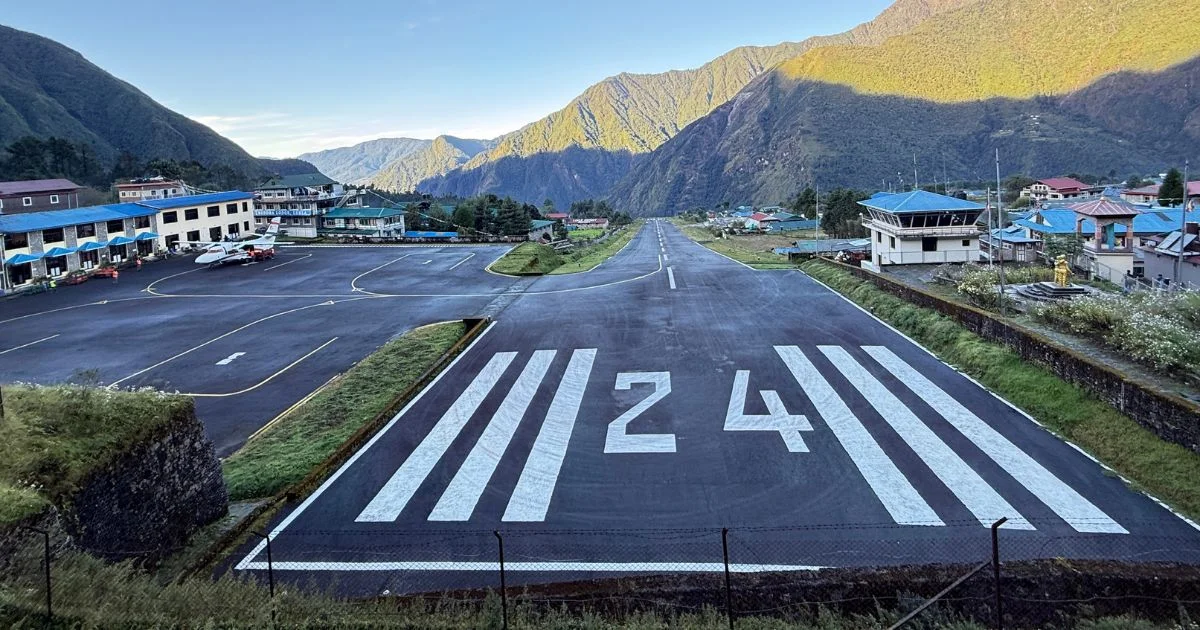
Lukla Airport Runway
3. Detailed Cost Breakdown
This is where the cost of trekking becomes clearer. Every major expense category is listed below with realistic 2026 figures.
3.1 Accommodation Costs
Luxury lodges charge significantly more than standard teahouses. The gap is largest in Namche Bazaar, Tengboche, and Dingboche, where established lodges have made real investments in comfort.
The accommodation cost at the luxury end adds up to roughly $700 – $1,200 for a 12 to 14-day trek. That figure is already bundled into most luxury packages with premium lodges, so check carefully what your operator includes in the base price.
3.2 Food and Dining Standards
Meals during the trek at the luxury level go beyond the standard dal bhat and pasta menu. Better lodges offer freshly prepared dishes, imported coffee, and dietary options not available at standard teahouses. Budget around $35 – $60 per person per day for food at the luxury tier, including breakfast, lunch, and dinner. Most luxury Everest Base Camp trek packages include meals as standard.
3.3 Guide, Porter, and Private Staff Costs
The cost of the guide is one of the most important line items. A certified, English-speaking Sherpa guide with altitude rescue training earns between $35 to $60 per day. Porters typically earn $25 to $35 per day. On a private luxury trek, you can expect:
1 dedicated head guide
1 assistant guide for groups over 4 people
1 porter per 2 trekkers (carrying up to 12-15 kg each)
Experienced guides from reputable trek operators cost more. That cost is worth it. Guide quality directly affects safety and the depth of your trekking experience on the route.
3.4 Kathmandu to Lukla Flight Options
The flight cost from Kathmandu to Lukla is a major variable. A standard Lukla flight costs $220 – $280 one way per person. A helicopter charter from Kathmandu runs $600 – $900 per person depending on the aircraft and group size. Some trekkers also choose the base camp trek by road to Phaplu or Surke and walk from there, which lowers the Kathmandu cost but adds days to the itinerary. Most luxury packages include Kathmandu to Lukla flights in both directions.
3.5 Permits and Entry Fees
Permits are non-negotiable. Every trekker needs:
Permit
Cost (USD)
Sagarmatha National Park Entry Permit
$30 per person
TIMS Card (Trekkers' Information Management System)
$30 per person
Khumbu Pasang Lhamu Rural Municipality Entry Fee
$30 per person
The permit cost is typically included in your package. Double-check this before signing. The $30 per day national park fee reference is sometimes quoted separately, but the correct one-time entry fee is listed above.
3.6 Ground Transport and Transfers
Kathmandu airport transfers, domestic terminal transfers, and any road transport to trailheads are usually included in a luxury package. If you are booking independently, budget $10 – $30 per transfer inside Kathmandu.
3.7 Gear, Equipment, and Rentals
Most trekkers bring their own gear. If you need rentals, the cost of trekking equipment in Kathmandu is reasonable. Down jackets rent for $3 – $6 per day. Sleeping bags rent for $3 – $6 per day. The gear for the Everest trek at the luxury level tends to be personal and well-fitted, since reputable luxury operators often advise on kit lists in advance. Budget $100 – $300 if renting key pieces in Kathmandu.
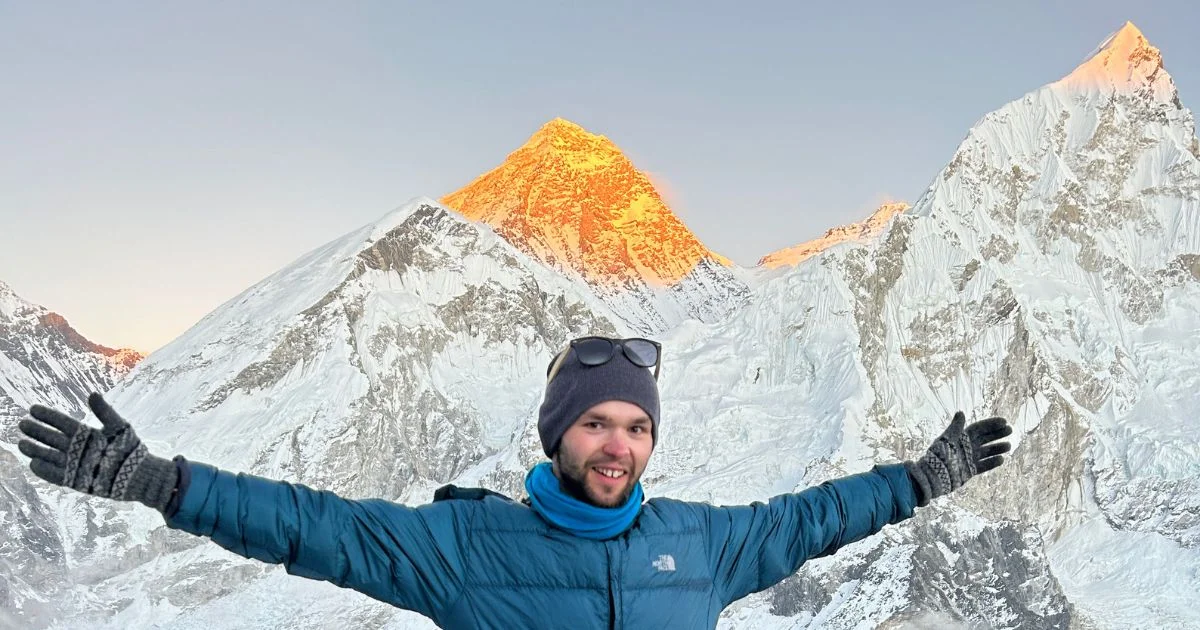
Mt. Everest from Kalapatthar
4. What's Included in a Luxury Trek Package
A well-structured Everest Base Camp trek package at the luxury level should include most of the following. Use this as a checklist when comparing operators.
Standard inclusions across premium operators:
Return Kathmandu to Lukla flights
All accommodation in the best available lodges along the route
All meals (breakfast, lunch, dinner) throughout the trek
Certified head Sherpa guide and assistant guide (for groups)
Porters (1 per 2 trekkers, standard luggage limit 15 kg)
All permits (National Park, TIMS, municipality fee)
Arrival and departure transfers in Kathmandu
Kathmandu hotel (1–2 nights pre-trek and 1 night post-trek)
First aid kit and basic altitude medication (Diamox provided on request)
Welcome and farewell dinners in Kathmandu
All government taxes and service charges
The Everest Base Camp trek includes these items in a well-packaged offer. If any of the above are listed as optional extras, factor in the real cost before comparing total prices across operators.
5. What's Not Included and Hidden Costs
Even the best all-inclusive Everest Base Camp trek packages leave some costs outside the package price. Budget surprises can be avoided by being aware of these beforehand.
What you typically pay separately:
International flights to and from Kathmandu
Nepal visa fee ($25 – $100 depending on duration)
Travel insurance (mandatory, and a serious cost worth understanding separately)
Tips for guides, porters, and lodge staff
Personal snacks, soft drinks, and alcoholic beverages
WiFi and device charging at lodges (usually $2 – $5 per session)
Hot showers at some higher-altitude lodges (charged separately at basic lodges)
Personal clothing, footwear, and trekking gear
Any medical evacuation costs beyond what travel insurance covers
The cost of travel insurance for an Everest trek deserves its own attention. Standard travel policies do not cover high-altitude trekking above 4,000 metres. You need a specialist policy that covers helicopter evacuation, altitude illness, and trip cancellation. The Everest Base Camp trek insurance cost runs from $100 to $300 depending on your age, country of origin, and the level of coverage. The base camp trek insurance cost varies, and the camp trek insurance cost varies further based on whether you add adventure sports riders. Do not cut corners here.
Additional costs to budget per person:
Item
Estimated Cost (USD)
International flights
$600 – $1,500
Nepal visa
$25 – $100
Travel insurance
$100 – $300
Tips (guides and porters)
$150 – $300+
Personal expenses
$100 – $200
WiFi and charging
$30 – $60
6. Key Factors That Influence Luxury Trek Cost
The base camp trek cost depends on more than just the lodges you choose. Several factors move the price up or down significantly.
Season: Peak season (March to May and September to November) pushes prices up by 15–25%. Lodge availability is tighter, and flights fill faster.
Private vs. group trekking: A private luxury Everest Base Camp trek costs more per person than joining a small group departure. The experience is different too. Private treks allow full flexibility on pace and itinerary.
Itinerary length: A short Everest Base Camp trek costs less overall but compresses acclimatisation. Luxury trekkers generally benefit from a longer itinerary, with extra nights built in.
Lodge availability at altitude: Not every section of the route has luxury-tier lodges. Cost varies by elevation, with the best facilities concentrated in Namche Bazaar and Tengboche.
Level of customisation: Custom Everest Base Camp trek itineraries cost more than fixed departures. If you want a specific lodge, a specific pace, or a specific side trip like the Everest Three Passes Trek, expect a higher package price.
Helicopter options: Adding a helicopter return or upgrading the approach changes the price significantly. This is covered in detail in Section 8.
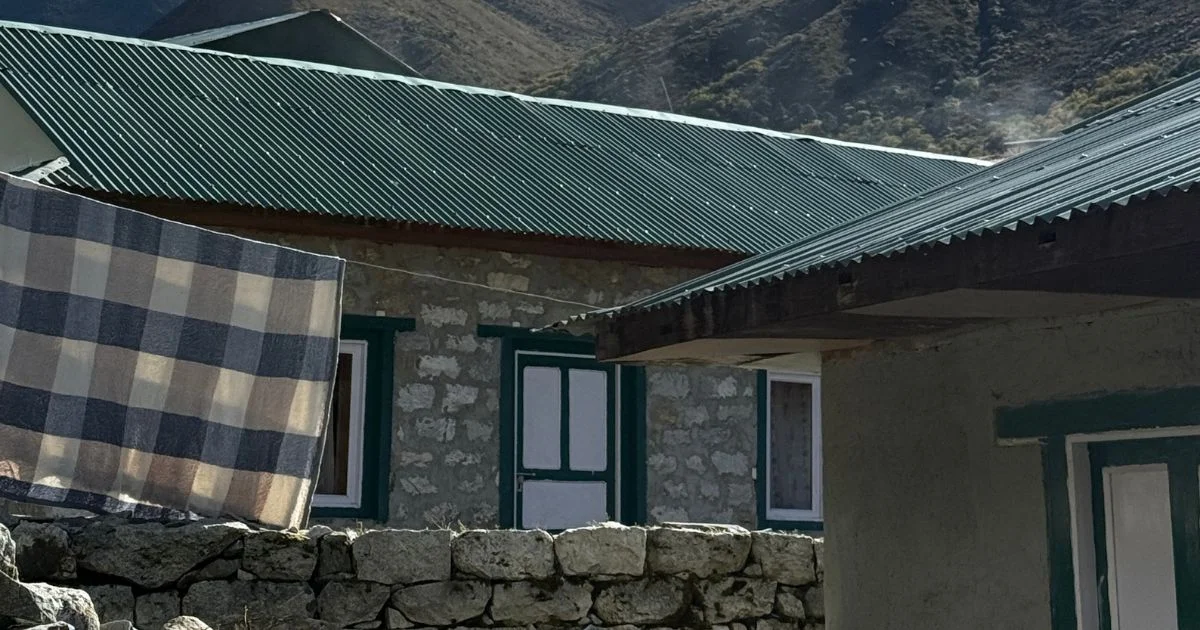
Lodges in the Everest region
7. Luxury vs Standard Everest Base Camp Trek Cost
The standard Everest Base Camp trek typically costs between $1200 and $2,000 per person for a guided group trek, including permits and basic teahouse accommodation. At the other end, a different Everest Base Camp trek at the luxury level runs two to five times that figure. This is a straight comparison of the two.
Category
Standard Trek
Luxury Trek
Accommodation
Shared teahouse rooms
Private lodge rooms
Food
Fixed teahouse menu
Curated menus, wider choice
Guide ratio
1 guide per 8–12 trekkers
1 guide per 1–4 trekkers
Porter service
Shared
Dedicated
Per person total cost
$1,200 – $2,000
$3,000 – $8,000+
Flexibility
Fixed group schedule
Custom pace and itinerary
Comfort during the trek
Basic
Significantly higher
A cheap Everest Base Camp trek is a real option for budget trekkers, and there is nothing wrong with that choice. The standard route is the same. The mountain views are identical. But the trekking experience is different in ways that matter to different people. Luxury trekking is not about avoiding hardship. The altitude is the same, the distance is the same, and the physical challenge does not change. What changes is how you recover each evening, and how much energy you have the next morning.
The standard Everest Base Camp experience is right for trekkers who are comfortable with shared spaces, set menus, and group schedules. The luxury end is better suited to those who want control over their pace, better sleep, and food that supports performance at altitude.
8. Luxury Everest Base Camp Trek with Helicopter Return Cost
Adding a helicopter return to your Everest Base Camp trekking itinerary is one of the most popular upgrades. It saves two to three days of trekking on the descent. It also means you finish the journey with energy rather than tired legs, and you get an aerial view of the Khumbu that you simply cannot get on foot.
Helicopter return cost breakdown:
Option
Cost Per Person (USD)
Notes
From Gorak Shep to Lukla via shared helicopter (4–5 seats)
$600 – $1,000
Most common option
Private helicopter charter Gorak Shep to Kathmandu
$1500 – $2,100
Direct, via Lukla
Full helicopter EBC tour (no trekking) (sharing)
$1,300 – $2,100
Day trip from Kathmandu
The Everest Base Camp trek with helicopter return option is often added to standard or luxury packages as an upgrade. The base camp helicopter flight from Gorak Shep takes about 45 minutes to Lukla and under two hours direct to Kathmandu. The base camp helicopter tour costs vary by season and operator. April and October are peak seasons, and prices are at their highest.
The Everest Base Camp helicopter tour as a standalone product is a different thing entirely. It is a day excursion from Kathmandu, not a trekking product. The helicopter flight lands briefly near base camp and returns. It gives you the view but not the experience of reaching Everest Base Camp on foot. A base camp trek with helicopter return gives you both.
Is the helicopter return worth the extra cost? For most trekkers on a schedule, yes. The descent takes three to four days by foot. A helicopter saves that time and often costs less than the extra lodge nights, guide days, and flight rebooking that a longer return requires. The helicopter flight upgrade is one of the clearest value-for-money decisions on the luxury trek.
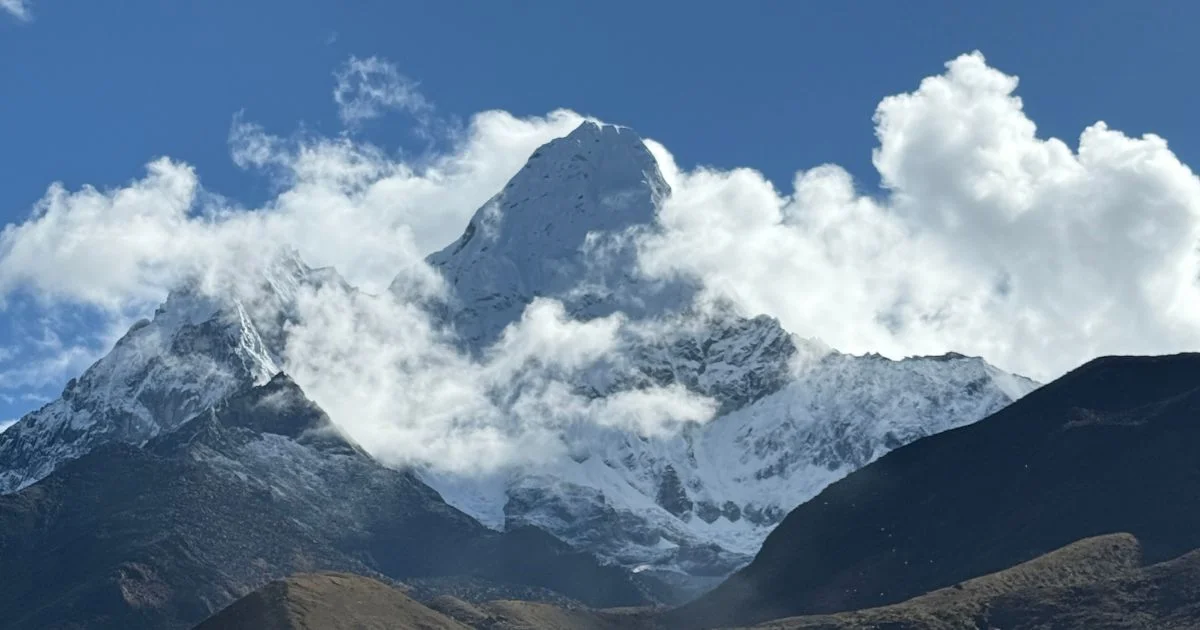
Mt. Amadablam
9. Sample Luxury Itinerary with Cost Insights (14 Days)
This sample itinerary is based on a typical luxury Everest Base Camp trek with acclimatisation throughout the trek built in and a helicopter return from Gorak Shep. The trek begins in Kathmandu and follows the classic Khumbu route.
Day
Route
Overnight
Approx. Lodge Cost
1
Arrive Kathmandu
Kathmandu (luxury hotel)
Included
2
Fly Kathmandu to Lukla. Trek to Phakding
Phakding
$60-$200
3
Trek Phakding to Namche Bazaar
Namche Bazaar
$80 – $200
4
Rest day Namche (acclimatisation)
Namche Bazaar
$80 – $200
5
Trek Namche to Tengboche
Tengboche
$60 – $200
6
Trek Tengboche to Dingboche
Dingboche
$50 – $90
7
Rest day Dingboche (acclimatisation)
Dingboche
$50 – $90
8
Trek Dingboche to Lobuche
Lobuche
$40 – $70
9
Trek Lobuche to Gorak Shep. Visit EBC
Gorak Shep
$35 – $60
10
Hike Kala Patthar. Helicopter to Lukla or Kathmandu
Kathmandu
Helicopter cost separate
11–12
Buffer day / rest in Kathmandu
Kathmandu hotel
Included
The Everest Base Camp trek experience is built around two key acclimatisation days in Namche and Dingboche. These are not optional extras. They are essential for altitude safety and are a core part of what makes this itinerary work. The rest day in Namche also gives you time to hike to the Everest View Hotel for one of the best Everest view points on the entire route.
The total cost for this 14-day private luxury trek to Everest Base Camp, including flights, permits, accommodation, meals, a guide, a porter, and a helicopter return (share), runs approximately $4,500 – $6,500 per person. The cost USD figure will shift based on group size, season, and the specific lodges your operator uses.
10. Best Time for a Luxury Everest Base Camp Trek
Timing affects price, availability, and the quality of the experience. The Everest Base Camp trekking route has two clear peak seasons and two shoulder periods.
Season
Months
Trek Conditions
Price Level
Spring Peak
March – May
Best weather, busiest trail, full lodge availability
High
Pre-monsoon
Late May – June
Warming, some cloud, fewer trekkers
Moderate
Monsoon
July – August
Heavy rain below, snow risk above, limited views
Low
Autumn Peak
September – November
Clear skies, cool air, strong trekking conditions
High
Winter
December – February
Cold but clear, very few trekkers, some lodges closed
Low to Moderate
For the luxury Everest Base Camp trek, spring and autumn are the best choices. Lodges are fully staffed, kitchen quality is at its peak, and the trail conditions are at their most predictable. Book at least three to four months in advance for peak season departures. Winter trekking is possible and less crowded, but some premium lodges operate on reduced service in December and January.
11. Luxury Accommodation Guide in the Everest Region
The Everest region has several lodges that deliver a genuinely high standard of comfort. The best ones are concentrated in the lower and middle sections of the route.
Key luxury lodges along the route:
Lukla: The best place to enjoy hotel-style comfort before or after the trek. Expect spacious rooms, attached bathrooms, comfortable beds, quality restaurants, reliable WiFi, and hot showers.
Phakding: Several excellent riverside lodges offer comfortable rooms, attached bathrooms, good dining options, heated dining areas, and dependable hot showers, making it one of the most comfortable overnight stops on the route.
Monjo: A quieter alternative to Phakding with a handful of well-maintained lodges. Rooms are comfortable, food quality is consistently good, and the peaceful setting near Sagarmatha National Park makes it ideal for a relaxed overnight stay.
Namche Bazaar: The highest concentration of quality lodges on the EBC trek. Heated rooms, attached bathrooms, espresso coffee, and solid WiFi are standard at the top properties.
Tengboche: Smaller selection but well-run lodges with good food and strong views of Ama Dablam and Lhotse.
Dingboche: A step down in finish quality but reliable lodges with decent heating and solid menus.
Lobuche and Gorak Shep: Solid but limited. The altitude makes full luxury impractical. Expect warm rooms and good service rather than hotel-level amenities.
Above 4,500 metres, the experience of a luxury lodge changes significantly. The operators are not to blame for this. It is a function of altitude. Carrying building materials, fuel, and fresh food above 4,000 metres is expensive and logistically demanding. The best lodges at this elevation do an impressive job given the conditions.
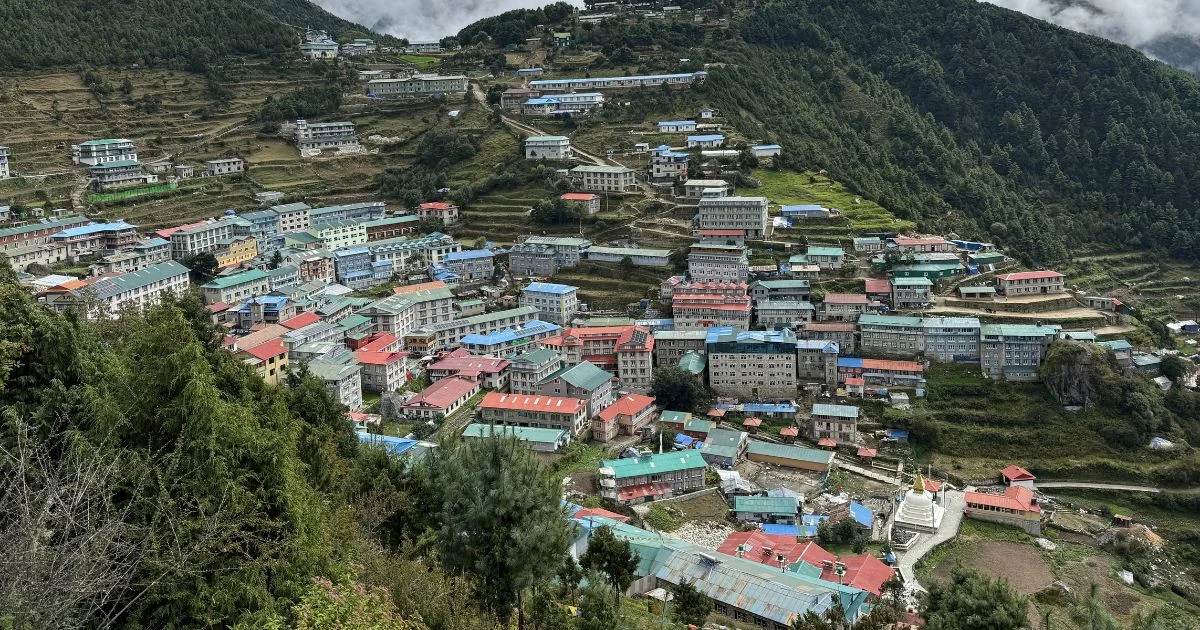
Namche Bazzar
12. Is a Luxury Everest Base Camp Trek Worth the Cost?
This comes down to what you value and how you travel. For many trekkers who take the trek to Everest, the answer is yes. Here is a straight-line comparison of what you gain and what you trade.
The case for luxury:
Better sleep at altitude improves acclimatisation and reduces the risk of altitude sickness
Nutritious, well-prepared food keeps your energy levels higher throughout the EBC trek
A dedicated guide improves both safety and the cultural depth of the experience
Flexible pacing allows you to change the schedule without having to renegotiate with the group
Helicopter options save time and add a dimension to the journey that foot trekking cannot replicate
Who benefits most from the luxury approach:
Trekkers over 45 who want strong support and better recovery
First-time high-altitude trekkers who want reliable safety infrastructure
Professionals with limited time who cannot afford extra days for recovery
Anyone with a specific medical history who needs closer monitoring
Small groups of friends or couples who want a private, customised everest base camp trip
Where the standard approach holds up:
Younger trekkers comfortable with shared spaces and group dynamics
Experienced high-altitude trekkers who know their bodies well
Budget-conscious trekkers for whom the mountain matters more than the mattress
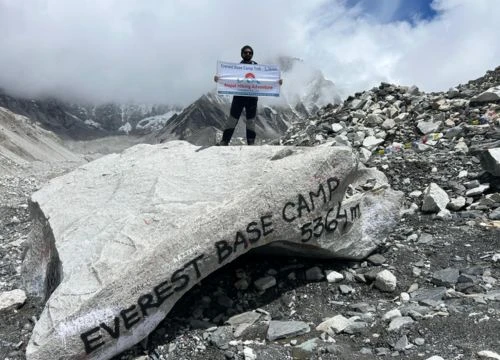
The cost of Everest Base Camp at the luxury tier is real. However, the disparity in experience is also significant. The Everest Base Camp luxury option does not make the trek easier. What it does is reduce the friction that accumulates over 12 to 14 days. Additionally, less friction is important at 5,364 metres.
13. Tips to Plan a Luxury Trek Without Overpaying
Smart planning saves money without dropping the quality. These tips apply whether you are booking a full luxury package or building a custom Everest Base Camp trekking experience from the ground up.
Book early for peak season. The best lodges fill months in advance. Late bookings in spring and autumn often mean second-tier options at the same or higher price.
Travel in a small group. A group of two or four shares fixed costs (guide, porter, and logistics) and brings the per-person figure down without losing any luxury features.
Compare what is actually included. Two packages with similar headline prices can differ by $1,500 in real package cost once you account for permit inclusions, meals, and flights.
Ask about fixed vs. custom departures. Fixed group departures cost less. A custom private trek costs more but gives full control over pace and itinerary.
Choose upgrades that matter at altitude. Spending more on a good guide and a heated room matters far more than paying for a prestige lodge name in Kathmandu.
Do not skip travel insurance. The Everest Base Camp trek insurance is not optional. An uninsured helicopter evacuation from altitude can cost $5,000 – $15,000 out of pocket.
Check the operator's guide credentials. Reputable luxury operators employ certified Sherpa guides with Wilderness First Responder or equivalent training. Ask directly before booking.
14. How to Choose the Right Luxury Trek Package
Choosing between operators takes more than comparing prices. A strong trek package from a reputable company is worth more than a cheaper option that cuts corners on staffing or lodge selection.
What to check before booking:
Factor
What to Look For
Guide qualifications
Certified, English-speaking Sherpa with altitude rescue training
Lodge confirmations
Named lodges on the route, not just "best available"
Permit inclusions
All three permits listed and included in the trek price
Group size cap
Maximum trekkers per guide clearly stated
Evacuation plan
Clear protocol and travel insurance coordination
Trek operators registration
Licensed with the Nepal Tourism Board
Cancellation policy
Clear terms for weather, illness, or flight disruption
Red flags to watch for:
Vague descriptions like "luxury accommodation where available"
No named guide assigned before departure
Trek package prices significantly below the market range (below $1,000 for a "luxury" 14-day trek)
No mention of altitude sickness protocol
Unclear policy on helicopter evacuation and medical emergencies
A local trek operator based in Nepal and licensed by the Nepal Tourism Board will almost always outperform a Western reseller on local knowledge, guide quality, and real-time problem-solving on the trail. Many luxury tour companies in Western markets book through Nepal-based operators anyway. Going direct often saves 15–25% on the same Everest Base Camp trek package.
The all-inclusive Everest Base Camp trek model works well for trekkers who want a single point of contact and no variables to manage. If that is your preference, look for an operator who owns their logistics rather than subcontracting. The quality difference shows clearly on the trail.
Luxury Everest Base Camp Trek Cost: Final Insights
The luxury Everest Base Camp trekcost more than the standard route, and for clear reasons. Logistics at altitude are expensive. Good guides command strong salaries. The greatest lodges invest considerably in infrastructure to give comfort where comfort is actually hard to obtain. When you look at the total cost across 12 to 14 days, the per person daily rate is often lower than what you would pay for a mid-range city hotel in Europe or North America. The value is real, but only if you choose the right operator and understand exactly what the package covers.
The decision between a standard Everest Base Camp trek and a premium experience comes down to what you need from the journey. If better sleep, stronger food, a dedicated guide, and flexible pacing matter to your performance at altitude, then the luxury Everest Base Camp trek cost is a practical investment. The Everest Base Camp trek difficulty does not change at the high end. The mountain remains exactly as demanding. What changes is the quality of your recovery between days.
Plan with a clear checklist, compare operators honestly, and ask the questions that matter before you sign anything. The trek to Everest Base Camp is one of the great walks on earth. Getting the logistics right from the start means you arrive at Mount Everest Base Camp with your full energy intact, not worn down by poor sleep and questionable meals. That is ultimately what the Luxury Everest Base Camp Trek delivers and why the Everest Base Camp trek price at this level is increasingly hard to argue with. For a personalised itinerary or quote, contactNepal Everest Base Camp Pvt. Ltd., and let our team help you plan your Everest Base Camp trek.
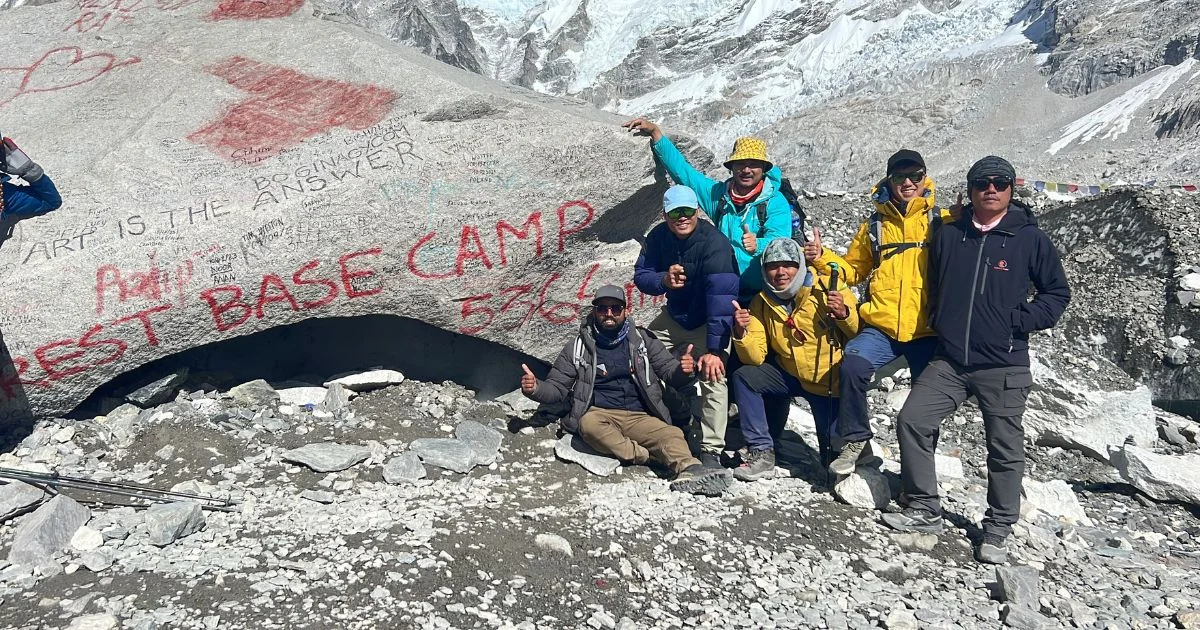
Everest base camp
Luxury Everest Base Camp Trek Cost: FAQs
How Much Does a Luxury Everest Base Camp Trek Cost in 2026?
A luxury Everest Base Camp trek cost in 2026 runs from $3,000 to $8,000 or more per person depending on group size, itinerary length, and inclusions. The Everest Base Camp trek price at the high end reflects private guiding, premium lodges, flights, permits, and meals throughout the trek. Private custom treks sit at the upper end, while small group luxury departures bring the package cost down to the $3,000 to $4,500 range.
Are Luxury Lodges Available All the Way to Base Camp?
Quality lodges are available along most of the route, with the best options in Lukla, Phakding, Namche Bazaar, Tengboche, and Dingboche. Above 4,500 metres, at Dingboche, Lobuche and Gorak Shep, the luxury lodge options are more limited by altitude and logistics. Operators offering luxury packages with premium lodges will use the best available properties at each elevation, which means the experience at higher camps is strong but different from the lower-altitude lodges.
Is Helicopter Return Included in Most Luxury Packages?
Most standard luxury Everest Base Camp trek packages do not include helicopter return by default. It is offered as a paid upgrade, typically adding $1500 to $2500 per person depending on the route. The camp trek with helicopter return is worth asking about during the booking process, since some operators include it in upper-tier packages. The base camp helicopter tour costs can be lower when booked as part of a package rather than independently.
Can Beginners Choose a Luxury Everest Trek?
Yes, and the luxury format is often a better fit for first-time high-altitude trekkers. The dedicated guide, slower pace options, and better food make acclimatisation throughout the trek more manageable. Everest Base Camp trek difficulty is real regardless of the tier you choose, but the support structure of a luxury trek reduces the risks that catch inexperienced trekkers off guard. A good operator will assess your fitness and experience before departure and build the itinerary accordingly.
How Reliable Are WiFi and Charging Services on the Route?
WiFi and device charging improve significantly in luxury lodges compared to basic teahouses, but reliability drops above 4,000 metres. Namche Bazaar has the strongest connectivity on the entire trek. Higher up, expect slower speeds, session-based charging (usually $2 – $5 per device), and occasional outages. Most luxury operators advise downloading offline maps and entertainment before leaving Namche. A solar charging device is worth carrying for the upper sections of the route.
Blending digital strategy with mountain passion, I help adventurers find their way to the Himalayas online. With hands-on experience in Nepal’s trekking trails and a role at Nepal Everest Base Camp Trekking Co., Thamel, I combine SEO expertise with true trail insight.