Most people planning an Island Peak climb start with one question: how much will this actually cost? The number they find online ranges from USD 1,500 to USD 6,000, and none of those figures come with much explanation. That gap is not misleading by accident. The Island Peak climbing cost depends on choices you have not made yet, and understanding those choices is the only way to budget accurately.
Trekking in Nepal and peak climbing in Nepal are not the same thing financially. A standard Everest Base Camp trek involves teahouse stays, a guide, and a park fee. An Island Peak climb, however, adds a climbing permit, technical gear, a licensed climbing guide or climbing sherpa, and insurance that actually covers a helicopter evacuation at altitude. These are not small additions. They change the cost structure entirely.
This guide by Nepal Everest Base Camp Co. covers every cost category from permits to porters, from Kathmandu logistics to teahouse meals in Chhukung. Whether you are joining a group expedition or travelling solo, the figures here will help you set a realistic budget and avoid surprises on the trail. The goal is to give you a clear guide for Island Peak climbing costs before you commit to anything.
2. What Is the Total Cost of Climbing Island Peak in 2026?
Most 2026 climbing trips for Island Peak now price between USD 2,200 and USD 4,500 per person, shifting based on your group size and choice of peak climbing seasons. If you are an experienced climber handling your own logistics, you might push the budget down toward USD 2,200. However, most climbers opt for premium, private expeditions with a dedicated climbing sherpa and flexible itinerary, which can reach USD 6,000 or more.
The table below gives a practical overview of the three main budget tiers. So, how much does it cost to climb to Island Peak in real terms? Here is the clearest summary available for 2026.
Budget Tier
Estimated Cost Per Person
What It Typically Includes
Budget
USD 1900 – USD 2,400
Group package, basic teahouses, shared guide
Standard
USD 2,500 – USD 3,500
Semi-private guide, standard - accommodation, full permit support
Premium
USD 4,500 – USD 6,000+
Private climbing sherpa, flexible itinerary, single rooms, Better accommodation.
The cost for 2026 and 2027 has seen modest increases compared to previous years, mainly due to the Nepal Mountaineering Association (NMA) permit fee revision and rising teahouse costs above Namche Bazaar.
3. Island Peak Climbing Cost Breakdown
3.1 Permits and Government Fees
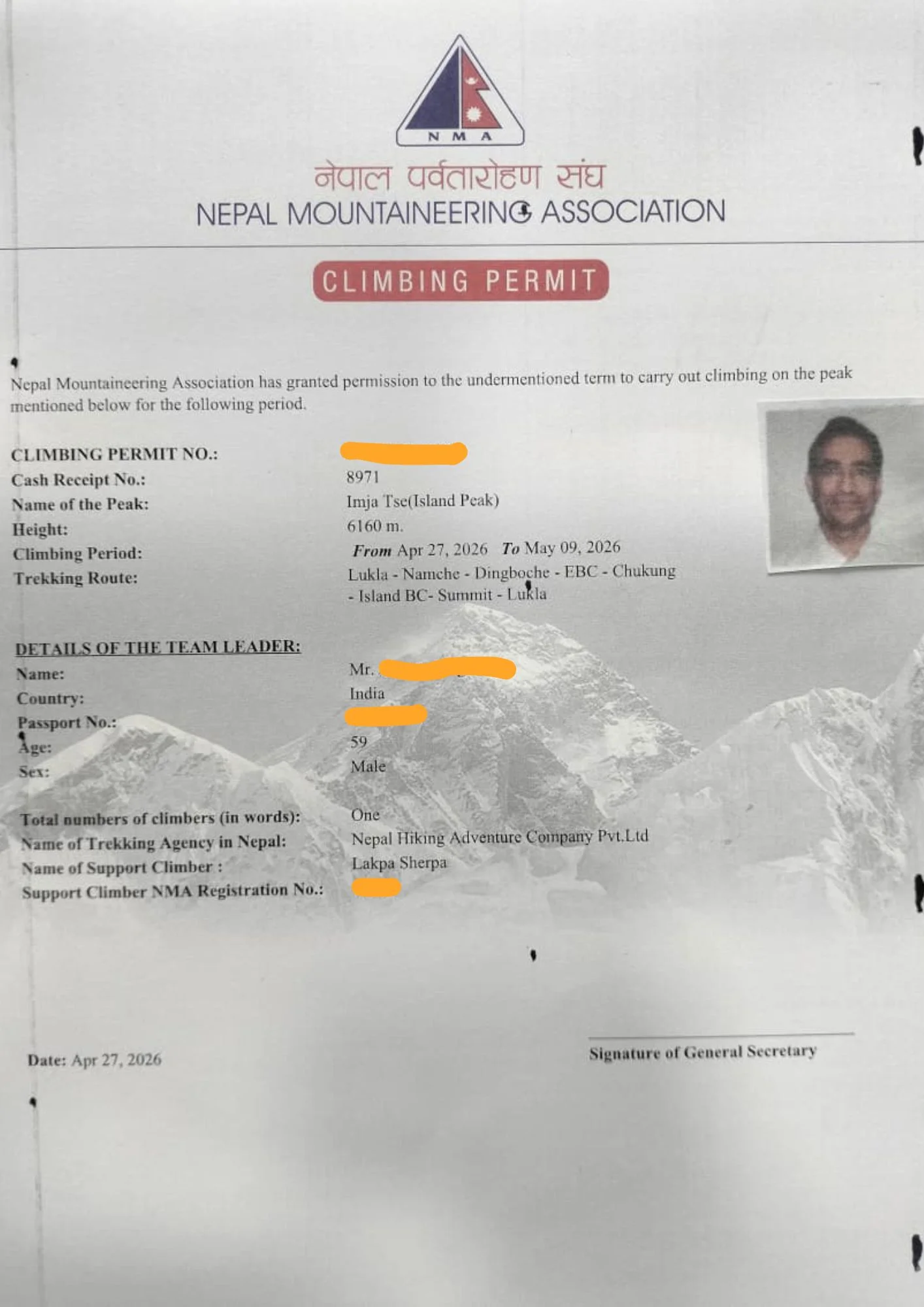
Three separate fees are required before you can legally climb Island Peak:
Island Peak climbing permit (NMA): USD 250 in spring and autumn, USD 125 in winter
Sagarmatha National Park entry fee: USD 30 per person
Khumbu Rural Municipality fee: USD 2 per person
The Island Peak climbing permit cost accounts for a significant share of your fixed government costs, and it must be processed through a registered trekking agency. You cannot obtain it independently at the trailhead. Furthermore, the different Island Peak climbing permit fees by season are worth factoring early in your planning, since spring and autumn are when most people climb.
3.2 Guide and Porter Costs
A licensed climbing guide is not optional for Island Peak climbing. It is a legal requirement under Nepal's current regulations. The cost varies by arrangement:
Climbing guide (licensed): USD 35 – USD 60 per day
Sherpa climbing guide (with high-altitude experience): USD 50 – USD 80 per day
Porter (up to Chhukung): USD 30 – USD 40 per day
For a 16-day Island Peak climbing trip, guide costs alone can run between USD 560 and USD 960. If you hire a separate porter for the lower sections of the trek, expect to add USD 380 to USD 550 on top of that.
3.3 Accommodation and Food Expenses
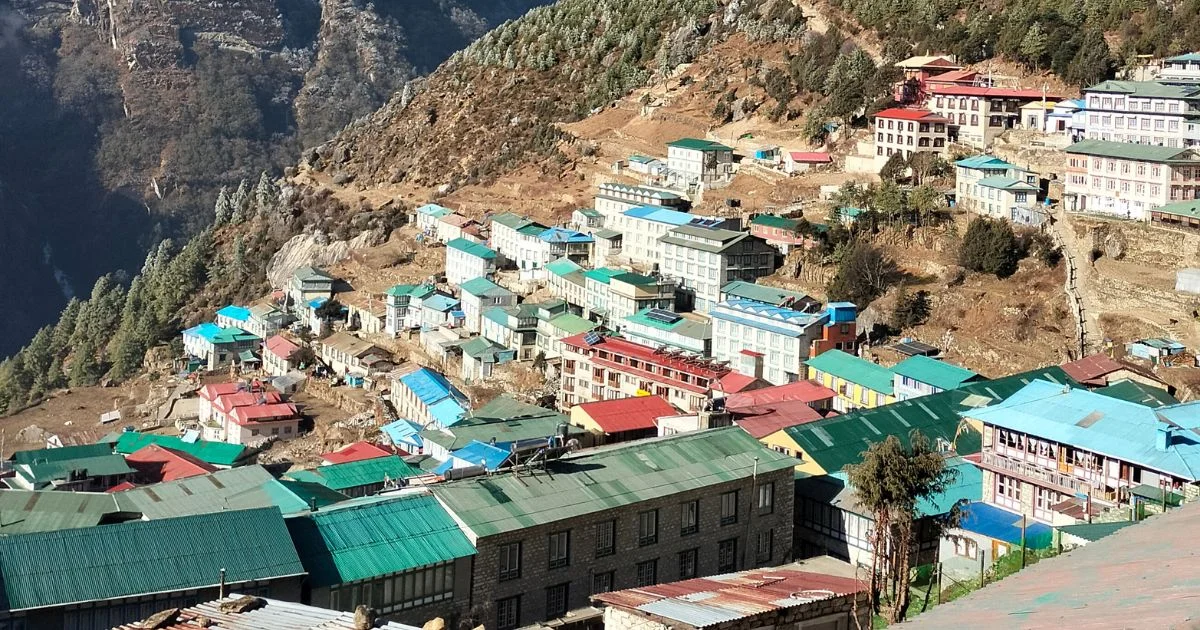
The teahouse system works well throughout the trek route, but pricing increases with altitude. In Namche Bazaar, a basic room costs around USD 10 to USD 20 per night. By the time you reach Chhukung, however, the same standard of room costs USD 15 to USD 30. Meals cost around USD 30 to USD 50 per day in lower villages, and it increases in higher camps.
Over a 16-day itinerary, accommodation and food combined typically run USD 600 to USD 800 for a budget traveller, and USD 900 to USD 1,1500 for someone choosing better options at each stop.
3.4 Transportation (Kathmandu to Lukla Flights)
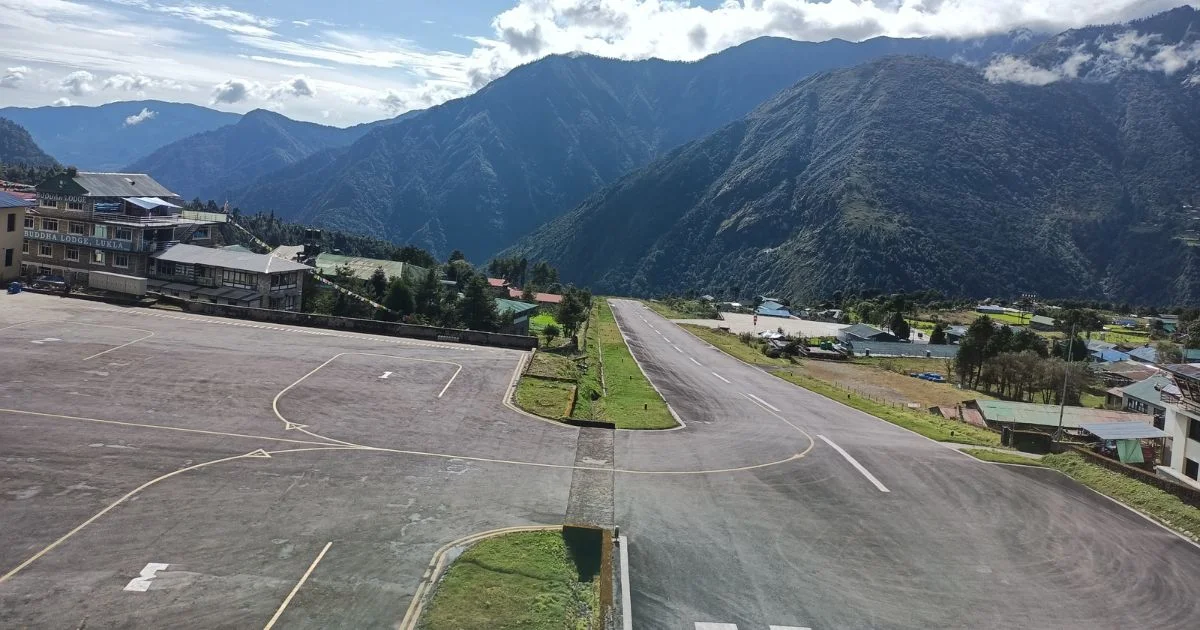
The Kathmandu to Lukla flight remains the most unpredictable variable in any Island Peak climbing itinerary. While a standard return ticket typically costs USD 250 - USD 300, the real "cost" often includes weather delays. If you are stuck for three days in Lukla, your accommodation and food expenses will spike unexpectedly.
3.5 Climbing Gear (Renting vs Buying)
Climbing gear for climbing the Island Peak includes technical items most trekkers do not already own. If you need to rent climbing equipment, Kathmandu is the cheaper option. Gear available in Chhukung or at Island Peak base camp costs 25% to 40% more due to transport logistics. Key items to budget:
Climbing harness: USD 3 – USD 7 per day (rental)
Climbing boots (double boots): USD 5 – USD 10 per day (rental)
Crampons: USD 3 – USD 5 per day
Ice axe: USD 3 – USD 5 per day
If you choose to buy rather than rent climbing gear, quality used equipment from Kathmandu shops costs USD 500 to USD 1000 for a full technical kit.
3.6 Travel Insurance and Emergency Coverage
High-altitude helicopter evacuation is not covered by standard travel insurance. For an Island Peak climb, you need a policy that explicitly covers rescue above 6,000 metres. Policies from reputable providers cost USD 150 to USD 350 for a three-week trip. Without this, a single helicopter evacuation from the upper mountain can cost USD 6,000 to USD 10,000 out of pocket.
3.7 Tips and Miscellaneous Expenses
Tips are customary and expected. A fair guideline is USD 150 to USD 250 for a climbing guide over a 16-day trip, and USD 100 to USD 200 for a porter. In addition, set aside USD 30 to USD 60 for charging, Wi-Fi, and hot shower fees at teahouses above Namche. Also budget USD 100 to USD 200 for personal expenses in Kathmandu before and after the climb.
Mt. Everest view from Everest view hotel
4. How Much Does an Island Peak Climbing Package Cost?
An Island Peak climbing package from a Nepal-based operator typically includes permits, a licensed climbing guide, accommodation, meals, and airport transfers. The cost of the package varies by group size and what is included. As a result, it is worth comparing options carefully before committing to any single operator.
Package Type
Price Per Person
Duration
Group package (8–12 pax)
USD 2,200 – USD 2,800
16–18 days
Semi-private (3–5 pax)
USD 3,000 – USD 3,800
16–18 days
Private expedition
USD 4,500 – USD 6,500
16–22 days
What is typically included:
All permits (climbing, park entry, municipality)
Domestic flights (Kathmandu to Lukla, return)
Teahouse accommodation throughout the trek
Three meals per day during the trek
Climbing sherpa or licensed climbing guide
Basic group camping gear at high camp
What is typically excluded:
International flights
Travel insurance
Personal climbing gear and clothing
Tips for guides and porters
Extras at teahouses (Any kind of drinks, hot showers, charging, Wi-Fi)
Additional cost for acclimatization extensions
Nepal Everest Base Camp Co. offers transparent Island Peak climbing packages with clear inclusions so you know exactly where your money goes before you book.
5. Is It Cheaper to Climb Island Peak Independently or with a Guide?
Attempting an independent climbing route sounds like a money-saver, but the logistics in 2026 tell a different story. Per Nepal's safety regulations, your Island Peak climbing permit must be issued through a registered trekking agency. This means you can never truly "bypass" the system. Even if you go solo, you are still legally required to hire a licensed climbing guide to step foot on the glacier.
Here is a realistic cost comparison:
Approach
Estimated Total Cost
Key Considerations
Independent (agency permit, and guide only)
USD 1,600 – USD 2,200
You source your own any kind of transport, flight, gear, and logistics
Guided group expedition
USD 2,200 – USD 3,500
Logistics handled, group dynamics, shared costs
Private guided expedition
USD 4,000 – USD 6,500
Full support, flexibility, dedicated expert climbing staff
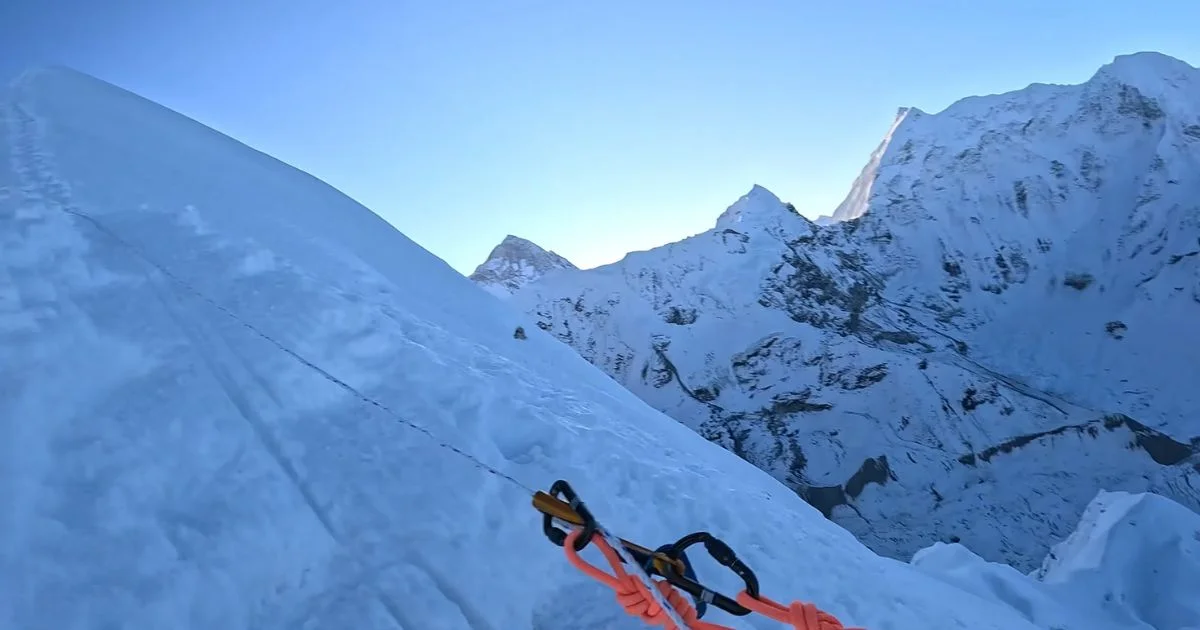
The independent route saves money on paper but shifts all risk and logistics to you. Island Peak is a challenging technical climb with glacier travel, fixed ropes, and a long summit day that begins before midnight. If you are new to climbing at altitude or lack climbing skills and climbing techniques for steep ice, a guided expedition is the practical choice, not just the expensive one. The cost for Island Peak climbing independently is also worth weighing against the safety trade-off in poor weather.
6. Island Peak Permit Costs Explained
Island Peak Climbing Permit
The permit structure for Island Peak climbing involves three separate fees, each paid to a different authority. Understanding this matters because the climbing permit cost is only one part of the equation.
The Island Peak climbing permit cost must be arranged before you leave Kathmandu. There is no permit office at Island Peak base camp or in Chhukung. Seasonal variations in the different island peak climbing permit fees make winter and monsoon climbs cheaper on paper, but the weather trade-off is significant.
7. Cost by Route Variation
There are two main approaches to reach Island Peak: via the Everest Base Camp route through the Khumbu Valley or directly via Chhukung on a shorter route. Each has its own cost profile.
Everest Base Camp Route Cost
The Everest Base Camp trek variant adds roughly six to eight extra trek days compared to the direct route. However, it is also the better acclimatization path and suits climbers who want to see EBC as part of the Island Peak climbing journey. The additional accommodation and food costs for those extra days add USD 400 to USD 800 to your budget. ThisEBCtrek with Island Peak climbing combination is the most popular itinerary structure overall.
Direct Chhukung Route Cost
The direct route from Kathmandu via Lukla, Namche Bazaar, and straight to Chhukung is shorter and costs less in accommodation and food. However, the compressed timeline increases the risk of altitude sickness, which can force a descent and cost you the island summit entirely. The acclimatization days saved are not always a saving in real terms.
Route
Additional Days vs Base Cost
Extra Cost Estimate
EBC + Island Peak
+6 to +8 days
+USD 400 to +USD 800
Direct Chhukung
0 extra days
The base cost applies
8. How Much Does Island Peak Gear Cost?
Island Peak climbing requires a full technical kit beyond standard trekking equipment. You can cover most of your needs by choosing to rent climbing equipment in Kathmandu before departure.
If you need to rent climbing gear and you will be away for 18 days, renting in Kathmandu typically saves USD 80 to USD 150 compared to sourcing it higher on the mountain. In addition, the climbing equipment selection is better in Kathmandu, where multiple shops compete on price. But you need to pay for more days in kathmandu.
9. Best Time to Climb Island Peak and Its Impact on Cost
The best time to climb IslandPeak falls in two windows: spring (March to May) and autumn (September to November). These are also the most expensive periods for climbing trips in Nepal.
Spring and autumn pricing applies for permits (USD 250), and teahouse costs are higher due to peak demand. However, the weather window for a safe Island Peak summit attempt is much wider in these seasons. The peak climbing seasons also coincide with the busiest weeks on the Khumbu trails, which means book-out risk for popular teahouses.
Season
Permit Cost
Avg. Teahouse Cost
Summit Success Rate
Notes
Spring (Mar–May)
USD 250
Higher
High
Best weather window
Autumn (Sep–Nov)
USD 250
Higher
High
Clear skies, stable conditions
Winter (Dec–Feb)
USD 125
Lower
Moderate
Extreme cold, quiet trails
Monsoon (Jun–Aug)
USD 125
Lower
Low
Poor visibility, trail risk
The climbing season choice directly affects your trip cost. A winter Island Peak climb saves on permits and accommodation, but the physical demands of the climb in sub-zero conditions are considerably greater. For most people, therefore, spring or autumn justifies the higher cost.
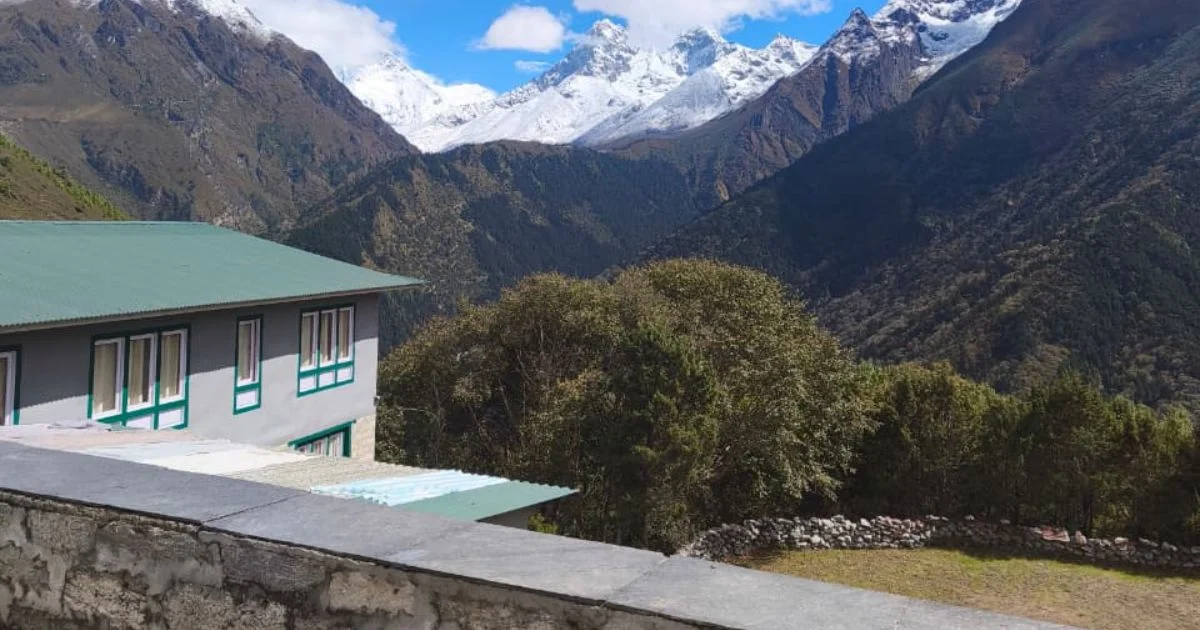
Mountain view from Tengboche
10. Hidden Costs Most Trekkers Overlook
Extra Acclimatization Days
A standard 16-day Island Peak climbing itinerary assumes perfect health, but reality often requires more acclimatization days. If you feel the altitude between Namche Bazaar and Chhukung, taking an extra rest day is vital for a safe summit attempt. Each extra day adds roughly USD 25 - USD 50 for your teahouse stay. These small extensions, while necessary for safety, can impact your total budget and your scheduled Lukla flights.
Flight Delays and Buffer Costs
Lukla flights cancel or delay regularly, especially in spring. A two-day weather delay strands you in either Kathmandu or Lukla with no income and full expenses. Budget USD 100 to USD 150 per day for a Kathmandu hotel and meals as a buffer. This is one of the most common sources of unplanned spending on any Climb Island peak trip, yet it rarely appears in package fine print.
Lukla Airport
Charging, Wi-Fi, and Hot Showers
Above Namche Bazaar, basic amenities cost extra. A phone charge runs USD 1 to USD 2. A hot shower is USD 3 to USD 5. Wi-Fi access costs USD 3 to USD 5 per session at most teahouses in Chhukung. Over 10 days on the upper trek, these small costs add up to USD 60 to USD 120 without much effort.
Emergency Evacuation Expenses
Without adequate insurance, a helicopter evacuation from altitude is the single largest financial risk on this peak climbing adventure. Evacuations from above 5,000 metres typically cost USD 6,000 to USD 10,000. Some operators include basic rescue coordination in their packages, but few cover the full evacuation cost. This is not a hidden cost you can skip. It is a non-negotiable part of planning an Island Peak climb responsibly.
11. Sample Budget for Island Peak Climbing
The figures below represent realistic estimates for three types of climbers on a 16 to 18-day Island Peak climbing trip. All costs are per person in USD.
Expense Category
Budget Climber
Mid-Range Climber
Premium Expedition
Permits (all three)
USD 282
USD 282
USD 282
Domestic flights
USD 500
USD 500
USD 500
Accommodation (full trip)
USD 300
USD 500
USD 1000
Meals (full trip)
USD 400
USD 600
USD 1000
Climbing guide
USD 560
USD 700
USD 1,100
Porter
USD 280
USD 320
USD 400
Climbing gear rental
USD 300
USD 500
USD 1000 (mostly owned)
Travel insurance
USD 160
USD 220
USD 300
Tips
USD 150
USD 200
USD 300
Miscellaneous/buffer
USD 150
USD 300
USD 800
Estimated Total
USD 3,082
USD 4,122
USD 6,682
These figures represent the total cost of Island Peak climbing under realistic conditions. The budget tier assumes group travel with shared guides and no private services. The premium tier, meanwhile, reflects a private expedition with a dedicated sherpa climbing guide and single-occupancy rooms throughout.
12. How to Reduce Your Island Peak Climbing Cost
The cost of Island Peak climbing can be managed without cutting corners on safety. These strategies work:
Travel in a group. Most operators price group packages with 6 to 12 climbers at a significantly lower per person rate than private expeditions. Joining a fixed departure saves USD 500 to USD 1,000 compared to a private climbing tour.
Renting gear in Kathmandu costs USD 80 to USD 150 less than renting on the mountain, so sort your climbing equipment before you leave the capital.
Book early.Peak season slots at good operators fill up fast. Early booking locks in current prices and avoids surge pricing closer to your dates.
Choose autumn over spring. Autumn and spring have identical permit costs, but autumn teahouses are marginally cheaper and less congested. The weather window is comparable.
Carry your own snacks. Teahouse snack prices triple above Namche Bazaar. Chocolate bars, nuts, and energy gels from Kathmandu supermarkets cost a fraction of the trail price.
Skip unnecessary extras. Daily hot showers, constant Wi-Fi, and premium meal options add up to USD 100 to USD 200 over a long trek. Prioritise acclimatization rest, not comfort spending.
The island peak climbing cost ranges vary considerably depending on these choices. A disciplined budget climber and a premium client can have entirely different experiences at the same price point, depending on where they spend and where they do not.
Namche Bazzar
13. Is Island Peak Worth the Cost?
Value vs Experience
A standard 16-day Island Peak climbing itinerary assumes perfect health, but reality often requires more acclimatization days. If you feel the altitude between Namche Bazaar and Chhukung, taking an extra rest day is vital for a safe summit attempt. Each extra day adds roughly USD 25 - USD 50 for your teahouse stay. These small extensions, while necessary for safety, can impact your total budget and your scheduled Lukla flights.
For that reason, comparatively affordable climbing expenses compared to other Himalayan objectives of similar altitude make this one of the best-value high-altitude climbs available. It is a genuine peak in Nepal that rewards climbers who put in the preparation.
Who Should Consider It
Attempting Island Peak makes sense if you have solid trekking fitness, some prior climbing experience on snow or glacier terrain, and a genuine appetite for technical ground. You do not need to be a professional mountaineer, but the physical demands of the climb are real. The summit push is long and steep. Fixed ropes and a climbing harness are required on the headwall. If hiking and climbing on moderate technical ground appeals to you, this is the right objective.
If, however, you are entirely new to climbing and the main draw is the altitude rather than the technical challenge, trekking and climbing to Everest Base Camp or Mera Peak might be a better starting point. Mera Peak is lower, less technical, and costs less. Imja Peak, which shares the same base, is a less committed alternative for those uncertain about the summit push.
Alternative Peaks or Treks
Mera Peak (6,476m): Higher than Island Peak but less technical. Good for first-time peak climbing in Nepal.
Lobuche East (6,119m): More technical, similar cost, fewer crowds.
Everest Base Camp Trek: No summit, but unmatched Khumbu immersion at lower overall cost.
Island Peak is a challenging but achievable trekking peak for motivated climbers who prepare properly. The cost to climb Island Peak is reasonable for what it delivers. The ascent of Island Peak takes you to genuine high-altitude terrain with a technical island summit that most people, once they reach the Island Peak summit, describe as the most demanding and most rewarding day of their trekking lives. That combination of climbing experience and elevation is difficult to find at this price anywhere else in the Himalayas.
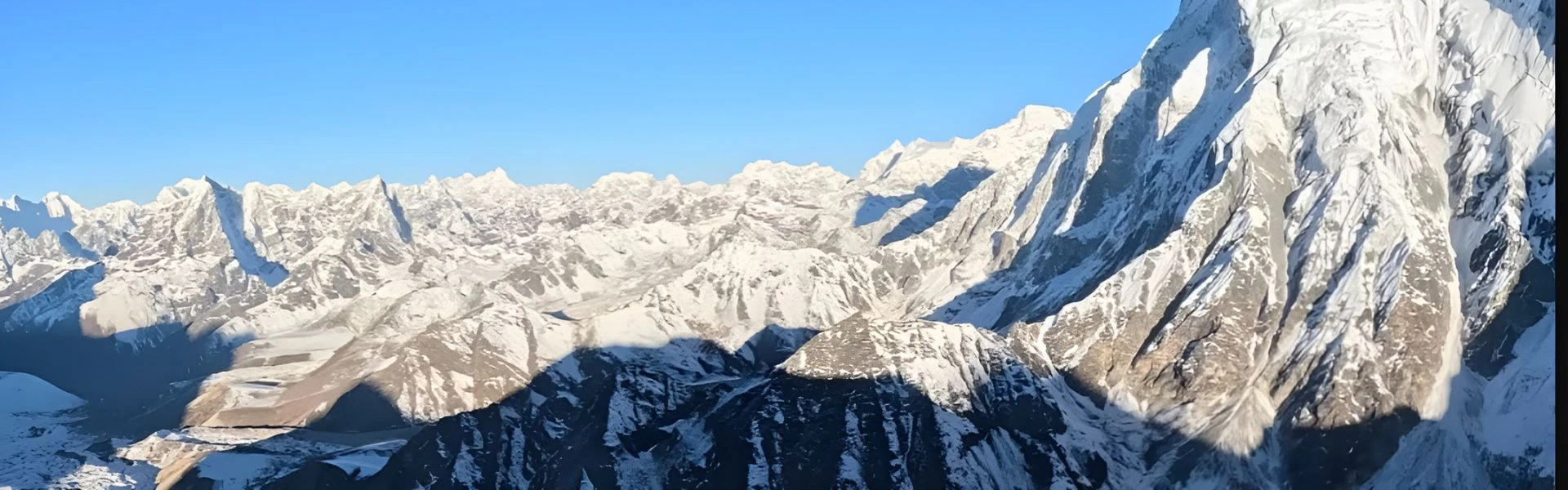
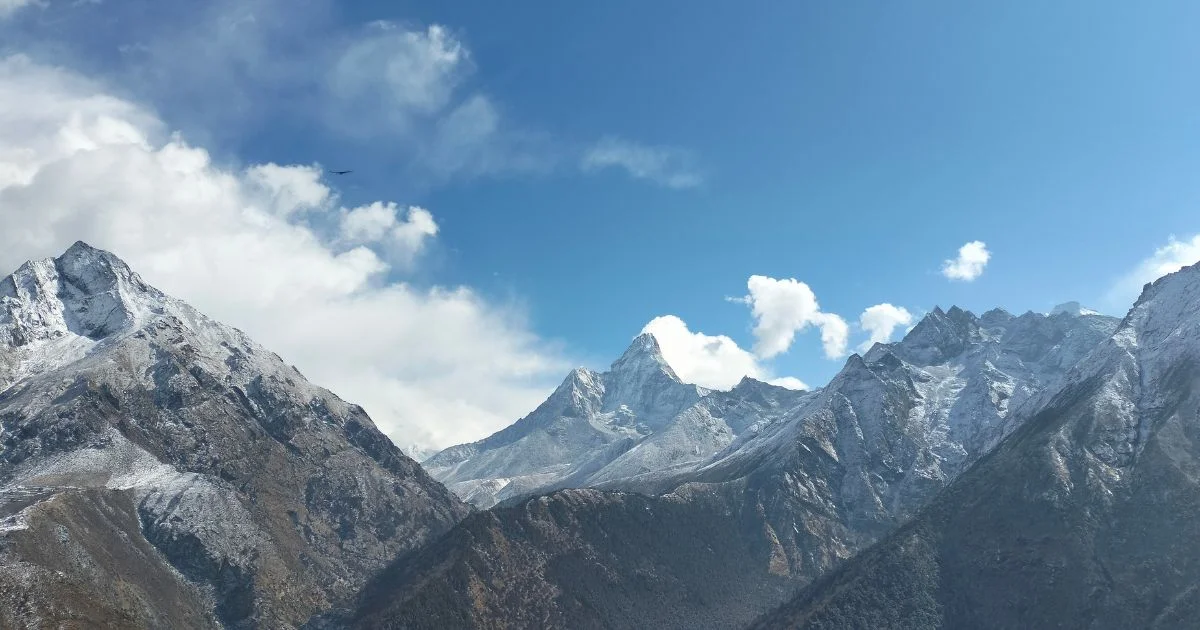
Island Peak is located in the Khumbu region of Nepal, and Island Peak includes access to some of the finest mountain scenery on earth. Get to Island Peak once, and the climbing adventure tends to stay with people for years.
14. Island Peak Climbing Cost: Final Verdict
The cost to climb Island Peak in 2026 is USD 2,200 to USD 6,600 for most guided climbers, and the variation between those numbers comes down to choices you make before you book. Permits are fixed. The guide is non-negotiable. The remaining costs, from gear to teahouses to buffer days, are where your decisions shape the final bill. A well-planned Island Peak climbing trip does not have to land at the expensive end of the range.
The factors that matter most are group size, season, and how much of your climbing equipment you already own or can rent climbing gear for in Kathmandu. Joining a fixed-departure group in autumn, renting gear before the trek, and building a genuine weather buffer into your itinerary are the three decisions that separate climbers who come in on budget from those who do not. The peak climbers who struggle with costs are usually those who underestimated the logistical variables, not the permit fees.
Nepal Everest Base Camp Co. can help you build a realistic Island Peak climbing budget from day one, with transparent package pricing and honest advice on what to expect. Whether you are looking for a day's Island Peak climbing group departure or a fully private expedition, the team can match you to the right option. Contact us before you commit to a figure, and we will make sure your budget reflects the actual cost during Island Peak season, not a number pulled from an outdated blog.
Island peak summit push
15. Island Peak Climbing Cost: FAQs
How long does it take to climb Island Peak, including acclimatisation?
Most Island Peak climbingitineraries run 16 to 18 days from Kathmandu and back, including the necessary acclimatisation days at Namche Bazaar, Chhukung, and Island Peak base camp before the summit Island Peak attempt. This schedule gives your body enough time to adjust to the altitude without rushing the ascent.
Do I need prior climbing experience for Island Peak?
Island peak climbing requires at least basic familiarity with crampons, ice axes, and fixed ropes. Your chances of successfully reaching the summit of Island Peak are greatly increased by prior climbing experience on snow or glacier terrain, which also lessens the strain on your climbing guide during the summit push.
Is Island Peak harder than the Everest Base Camp trek?
Yes, the Island Peak climb is technically harder than the Everest Base Camp trek. The time to climb Island Peak on summit day alone is 10 to 14 hours round trip from high camp, and the trek route to EBC involves no glacier travel or technical climbing at all.
What kind of travel insurance is required for Island Peak climbing?
You need a policy that explicitly covers helicopter evacuation above 6,000 metres, since standard travel insurance does not cover this. Island peak climbing insurance from reputable providers costs USD 150 to USD 350 and is a non-negotiable part of any responsible Island Peak expedition budget.
Are there ATM facilities available during the Island Peak trek?
ATMs are available in Kathmandu and Namche Bazaar, but beyond Namche there are no reliable banking facilities. Withdraw enough cash in Namche to cover your meals cost, teahouse extras, and tips for the rest of the trek, as USD is also accepted at most teahouses above Namche Bazaar.
Prabesh Shrestha
Blending digital strategy with mountain passion, I help adventurers find their way to the Himalayas online. With hands-on experience in Nepal’s trekking trails and a role at Nepal Everest Base Camp Trekking Co., Thamel, I combine SEO expertise with true trail insight.