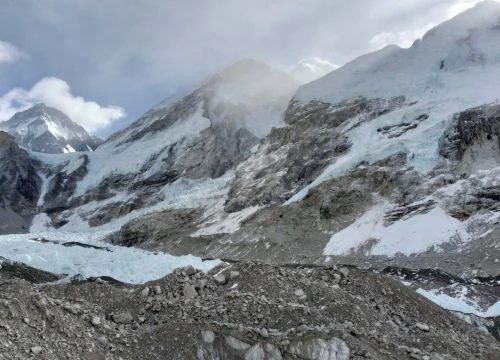
Mardi Himal Overview
Where Mardi Himal is Located
Mardi Himal sits in the Annapurna Conservation Area of central Nepal, rising to 5,587 metres above sea level. Notably, the trek to Mardi Himal region begins from Kande, just 45 minutes by road from Pokhara, making it incredibly accessible for international trekkers who visit Nepal.
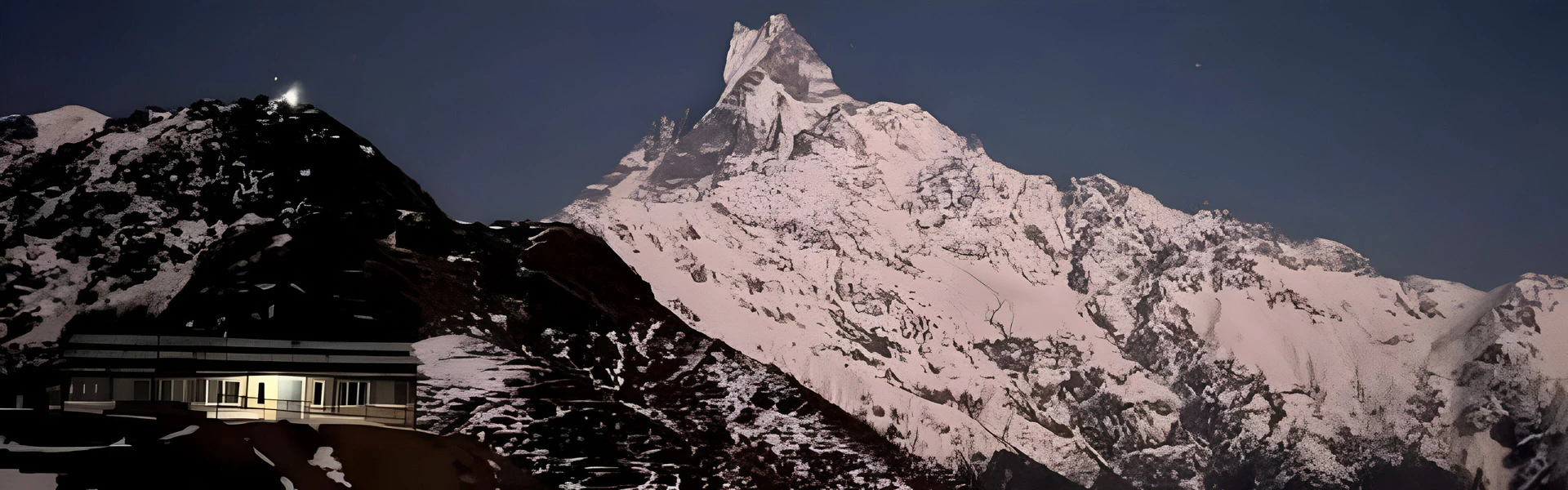
Furthermore, the mountain forms part of the Annapurna massif, positioned southeast of the main Annapurna peaks. Its location provides unparalleled views of Annapurna South, Hiunchuli, and the famous Fishtail peak, Machhapuchhre.
Altitude Profile (Base Camp ~4,500 m)
The trek's altitude profile requires careful planning:
Kande (1,770m) - Starting point
Forest Camp (2,520m) - First night in the forest area
High Camp (3,580m) - Key acclimatisation stop
Base Camp (4,500m) - Highest point reached
Its Place in the Annapurna Region of Nepal
Within Nepal's trekking landscape, Mardi Himal represents the perfect middle ground. Similarly, it sits between the challenging Annapurna Circuit and the gentler Ghorepani Poon Hill trek, offering moderate difficulty with maximum reward.
In addition, the trail passes through traditional Gurung and Magar villages, ancient rhododendron forests, and high-altitude meadows. Consequently, you'll experience Nepal's diverse ecosystems as you climb from subtropical valleys to alpine terrain.
Ready to explore this incredible region? [Book your Mardi Himal adventure today]
Why Visit Mardi Himal
Highlights & Scenic Views
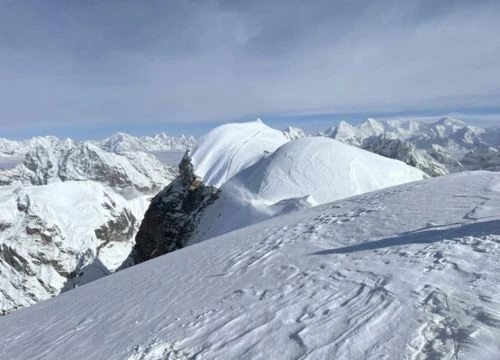
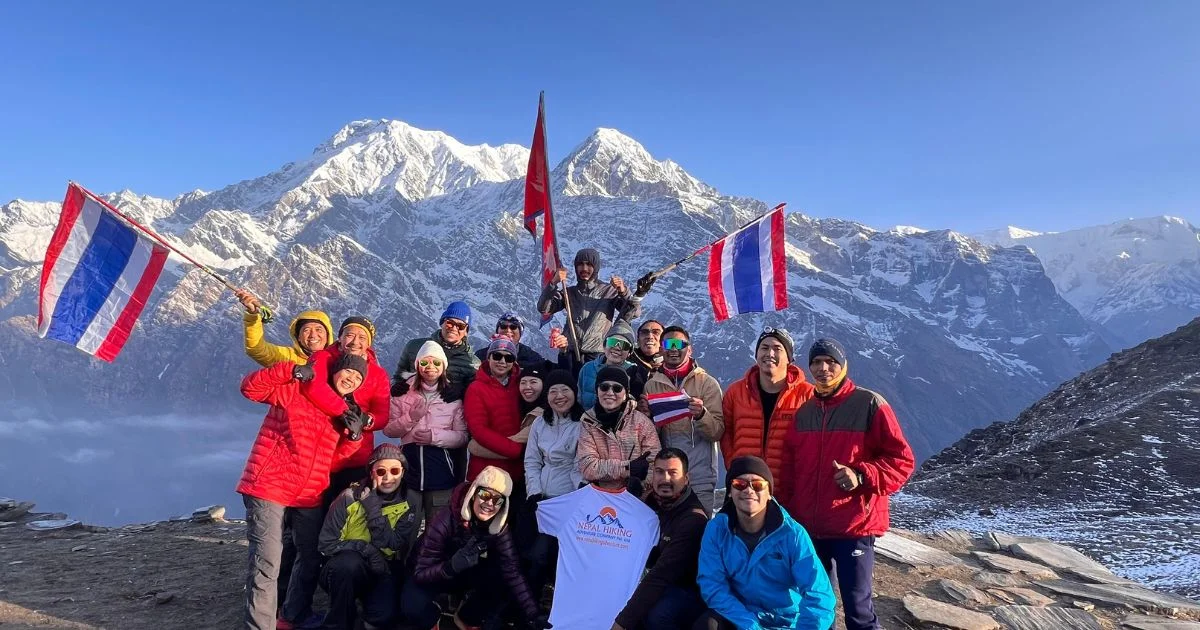
Mountain Panoramas: The Base Camp viewpoint delivers 360-degree Himalayan views that rival any trek in Nepal. Specifically, Annapurna South dominates the skyline, while Machhapuchhre's distinctive peak creates an unforgettable backdrop for sunrise photography. Indeed, the breathtaking view from Mardi base camp showcases the stunning beauty of Mardi Himal and Mount Machhapuchhre.
Pristine Wilderness: Unlike busier trekking routes, Mardi Himal maintains its wild character. Therefore, you'll often have entire sections of trail to yourself, particularly during shoulder seasons. Even though Mardi Himal is becoming more popular, it still offers remarkable solitude.
Cultural Immersion: The route passes through authentic mountain communities where traditional lifestyles continue unchanged. Furthermore, local teahouses serve dal bhat prepared by families who've called these mountains home for generations.
How It Compares to Other Nepal Treks
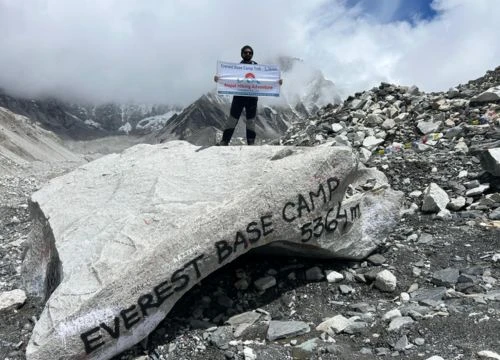
Compared to the Everest Base Camp trek, Mardi trek requires less time and acclimatisation while delivering equally spectacular mountain views. Specifically, the trek takes 5-7 days versus EBC's 12-14 days, making it perfect for trekkers with limited holiday time.
Against the Annapurna Base Camp trek, Mardi Himal offers more solitude and wilderness experience. While ABC attracts larger groups and has more developed infrastructure, Mardi Himal retains its authentic mountain character.
Additionally, the difficulty level sits between Ghorepani Poon Hill (easy) and Annapurna Circuit Short Trek (moderate-challenging), making it ideal for intermediate trekkers seeking their first high-altitude experience.
Mardi Himal Difficulty & Preparation
Trek Grade and Fitness Level Needed
The Mardi Himal trek is a relatively moderate difficulty rating that demands good cardiovascular fitness but doesn't require technical mountaineering skills. Furthermore, daily hiking distances range from 4-6 hours over varied terrain.
Most challenging aspects include:
Altitude gain from 1,500m to 4,500m
Steep ascents between High Camp and Base Camp
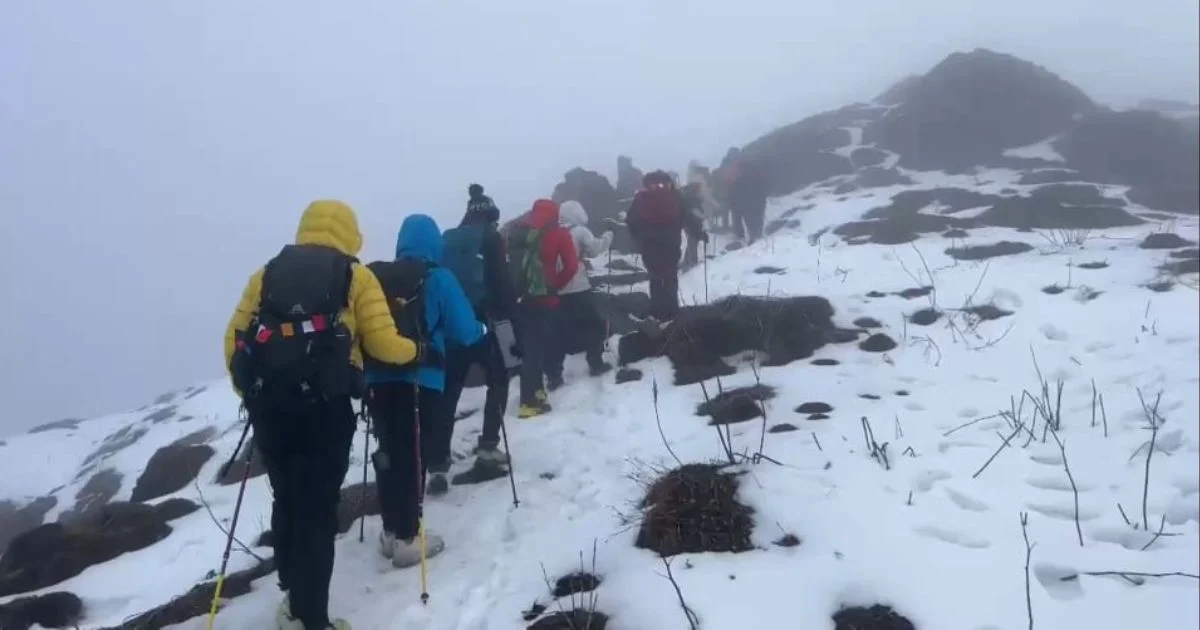
Potentially icy conditions above 4,000m during winter months
Recommended fitness level: Regular hiking or cardio exercise 3-4 times weekly for at least 6 weeks before departure.
Altitude Profile and Acclimatisation Tips
The trek's altitude profile requires careful planning:
Kande (1,770m) - Starting point
Forest Camp (2,520m) - First night
High Camp (3,580m) - Key acclimatisation stop
Base Camp (4,500m) - Highest point reached
Acclimatisation strategy: Spend two nights at High Camp or add a rest day to prevent altitude sickness. Additionally, ascend slowly, stay hydrated, and recognize early symptoms like headaches or nausea.
Planning your high-altitude adventure? Contact our certified guides for personalized itinerary advice.
Best Time to Visit Mardi Himal
Spring, Autumn, Winter, and Monsoon Conditions
Autumn (September-November): Peak season with crystal-clear mountain views and stable weather. The best time to trek Mardi offers daytime temperatures ranging from 15-20°C at lower elevations, dropping to -10°C at Base Camp. This period offers the best visibility but attracts the most trekkers.
Spring (March-May): Rhododendron blooms transform the forest into a carpet of red and pink flowers. Moreover, weather remains stable with gradually warming temperatures. This represents an excellent alternative to busy autumn months and is considered the best time to trek Mardi Himal for flower enthusiasts.
Winter (December-February): Advanced trekkers can experience Mardi Himal's snow-covered beauty. However, higher elevations require winter gear and experience with icy conditions. Consequently, teahouses may close above High Camp.
Monsoon (June-August): Not recommended due to heavy rainfall, leeches, and cloudy mountain views. Nevertheless, the landscape becomes incredibly lush and green.
Pros and Cons of Each Season
Autumn Advantages: Perfect weather, clear views, full teahouse operations Autumn Drawbacks: Crowds, higher prices, busy trails
Spring Advantages: Blooming flowers, warming weather, fewer crowds Spring Drawbacks: Afternoon clouds can obscure mountain views
Winter Advantages: Snow-covered landscapes, solitude, unique photography Winter Drawbacks: Cold temperatures, limited teahouse availability, icy trails
Permits and Insurance for Mardi Himal
Annapurna Conservation Area Permit (ACAP)
Required for all trekkers:
Cost: NPR 3,000 for foreigners, NPR 1,000 for SAARC nationals
Can be obtained in Kathmandu or Pokhara
Bring passport photos and copies of your passport
Processing takes 30 minutes with proper documentation
TIMS Card
Trekkers' Information Management System: Mandatory registration
New Guide Requirement for Foreign Nationals
As of 2023, foreign trekkers must hire licensed guides for all trekking activities in Nepal. This regulation significantly impacts independent trekking plans:
Guides must be registered with the Nepal Tourism Board
A trek guide fee typically ranges from $25-35 USD per day
Includes navigation, cultural interpretation, and emergency response
Exception: SAARC nationals can still trek independently in some areas
Travel Insurance Essentials
Comprehensive travel insurance with mandatory coverage requirements:
Medical evacuation up to 6,000m altitude
Emergency helicopter rescue coverage
Medical treatment for altitude-related illness
Adventure sports coverage including trekking
Popular insurance providers for Nepal trekking include World Nomads, Global Rescue, and Allianz. Specifically, verify coverage before departure as some policies exclude high-altitude activities.
Need help with permit processing? Our team handles all paperwork for hassle-free trekking.
Guided vs Independent Trekking
Benefits of a Guided Trek
Local Knowledge and Safety:
Weather pattern expertise and trail condition updates
Emergency response procedures and evacuation coordination
Cultural interpretation and language assistance
Access to porter services for gear carrying
Logistical Support:
Permit processing assistance and documentation handling
Accommodation booking during peak seasons
Menu translation and meal recommendations
Equipment advice and local gear rental coordination
Challenges of Trekking Independently
Navigation and Communication:
Trail marking can be unclear during poor weather conditions
Limited cultural interaction without language skills
Solo emergency response responsibility in remote areas
Higher individual costs for permits and logistics
Legal & Safety Considerations
The new guide requirement addresses safety concerns in Nepal's remote trekking regions. Furthermore, an experienced guide provides crucial emergency response capabilities including helicopter evacuation coordination, medical assistance, and communication with rescue services. Additionally, insurance companies increasingly require guided treks for coverage validation.
Mardi Himal Route and Itinerary Options
Short, Standard, and Extended Itineraries
5-Day Express Route:
Day 1: Pokhara to Forest Camp
Day 2: Forest Camp to High Camp
Day 3: High Camp to Base Camp, return to High Camp
Day 4: High Camp to Siding Village
Day 5: Siding to Pokhara
7-Day Standard Itinerary:
Days 1-3: Same as express route
Day 4: Rest day at High Camp for acclimatisation
Day 5: High Camp to Low Camp
Day 6: Low Camp to Siding Village
Day 7: Siding to Pokhara
Extended 9-Day Adventure:
The comprehensive 9-day Mardi Himal trek itinerary offers the perfect balance of acclimatisation and exploration. This itinerary includes gradual altitude gain through diverse landscapes, from Pokhara's lakeside setting to the pristine wilderness of Mardi Himal Base Camp. Moreover, the extended route allows proper acclimatisation while exploring traditional Gurung villages, ancient rhododendron forests, and high-altitude meadows.
Key Stops: Pokhara, Pothana, Deurali, Forest Camp, Low Camp, High Camp, Base Camp, Siding
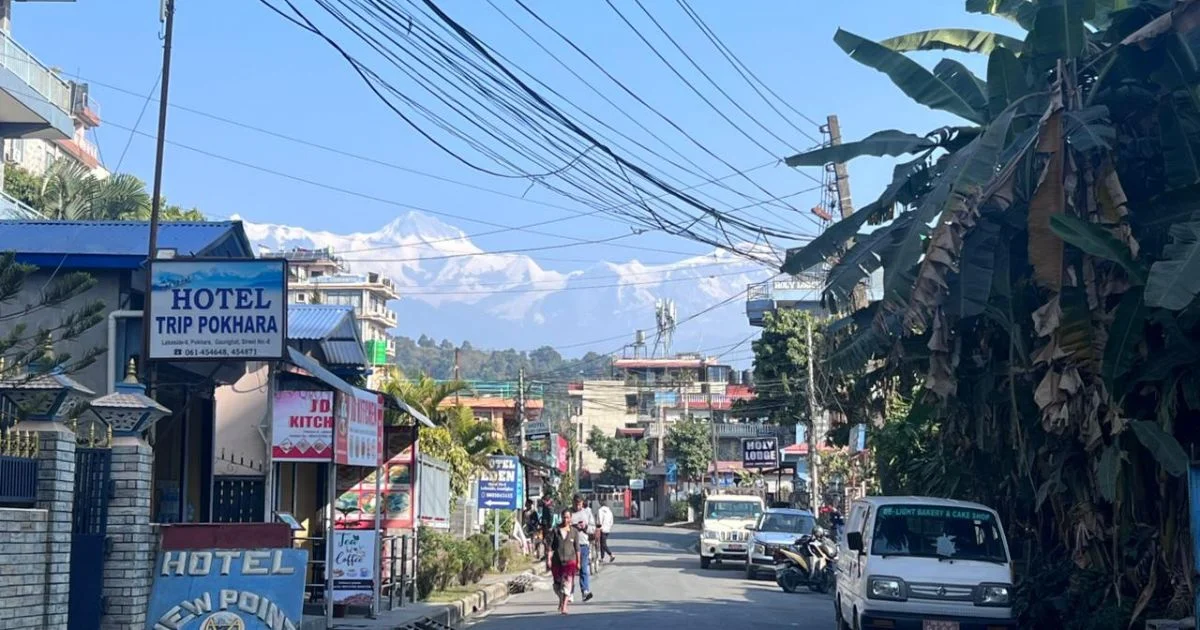
Pokhara (820m): Starting point with full facilities, lakeside accommodation, and equipment rental shops in the Lakeside area.
Pothana (1,890m): First village stop with traditional Gurung community, offering spectacular Annapurna and Machhapuchhre views. Additionally, well-established teahouses with private rooms and varied menu options.
Deurali (2,100m): Ridge-top settlement providing panoramic mountain vistas and comfortable lodge accommodation with hot showers and charging facilities.
Forest Camp (2,520m): Overnight stop surrounded by dense rhododendron and oak forests. Basic teahouse accommodation with shared bathrooms, perfect for wildlife spotting.
Low Camp (3,150m): Critical acclimatisation point with stunning mountain views emerging above the treeline. More basic facilities with wood-burning stoves for warmth.
High Camp (3,700m): Remote mountain lodge with spectacular 360-degree Himalayan panoramas. Basic facilities with limited amenities but unparalleled sunrise and sunset views.
Base Camp (4,500m): Ultimate destination with close-up views of Machhapuchhre, Annapurna South, and Hiunchuli. Day hike only - no overnight accommodation available.
Siding Village (1,700m): Descent endpoint with road connections back to Pokhara. Traditional Gurung community offering authentic cultural experiences and final glimpse of mountain life.
What to Expect on the Mardi Himal Trail
Accommodation and Food
Teahouse Standards: Basic but clean mountain lodges with twin-bed rooms and shared bathrooms. Furthermore, higher elevations offer private rooms with attached bathrooms for additional cost.
Menu Options: Traditional dal bhat (rice and lentils) provides excellent value and unlimited refills. While Western dishes are available, expect limited variety above 3,000m. Notably, vegetarian options are abundant throughout the trek.
Pricing: Accommodation costs increase with altitude. Therefore, expect NPR 500-1,000 per night for rooms, NPR 800-1,500 for main meals.
Electricity, Internet, and Budgeting
Power Access: Solar panels and small hydroelectric generators provide electricity at most teahouses. However, charging devices costs NPR 200-500 per hour above High Camp.
Internet Connectivity: WiFi available at major stops for NPR 300-500 daily. Additionally, connection speed decreases with altitude. Consider purchasing local SIM cards in Pokhara for backup communication.
Daily Budget Estimates:
Budget trekkers: $25-35 USD daily
Mid-range comfort: $40-60 USD daily
Premium experience: $70-100 USD daily
Want a detailed cost breakdown for your specific travel dates? Request our current pricing guide.
Packing List for Mardi Himal
Essential Clothing and Gear
Base Layers:
Merino wool or synthetic moisture-wicking shirts (2-3)
Thermal underwear for high-altitude sections
Quick-dry trekking trousers (2 pairs)
Insulation:
Shell Layers:
Footwear:
Broken-in trekking boots with ankle support
Gaiters for snow and debris protection
Camp shoes for teahouse comfort
Technical Gear:
Four-season sleeping bag (rated to -15°C)
Trekking poles for stability and joint protection
Headlamp with extra batteries
Water purification tablets or UV sterilizer
Health and Safety Advice
Altitude Sickness Prevention:
Ascend gradually above 3,000m
Stay hydrated with 3-4 liters daily
Avoid alcohol at high elevations
Recognize symptoms early
First Aid Essentials:
Diamox for altitude sickness prevention
Ibuprofen for inflammation and headaches
Antiseptic wipes and bandages
Personal prescription medications
Water Safety: Use purification tablets or UV sterilizers rather than purchasing bottled water. This reduces plastic waste and ensures safe drinking water throughout the trek.
Culture and Nature Around Mardi Himal
Local Communities and Traditions
The Mardi Himal area is home to Gurung and Magar ethnic groups, both renowned for their mountaineering heritage and warm hospitality. Notably, many Sherpa families who support Everest expeditions originate from these communities.
Traditional Practices: Villages maintain traditional farming methods, cultivating terraced fields of millet, barley, and potatoes. Furthermore, Buddhist prayer flags flutter from homes and monasteries, creating colorful displays against mountain backdrops.
Cultural Etiquette: Greet locals with "Namaste" while pressing palms together. Additionally, remove shoes before entering homes or religious sites. Ask permission before photographing people or cultural ceremonies.
Seasonal Festivals & Traditions
Major Celebrations:
Dashain Festival (September/October): Major Hindu celebration with family gatherings
Tihar Festival (October/November): Festival of lights honoring different animals and relationships
Maghe Sankranti (January): Traditional harvest celebration with special foods
Holi Festival (March): Spring color festival with community participation
Local Gurung and Magar communities celebrate additional festivals based on lunar calendar and agricultural cycles.
Flora, Fauna, and Environmental Care
Plant Life: The trek passes through distinct vegetation zones from subtropical forests to alpine meadows. Furthermore, spring brings rhododendron blooms in shades of red, pink, and white. Ancient oak and pine forests provide habitat for diverse wildlife.
Wildlife Spotting: Keep watch for Himalayan tahr, Blue sheep, and various pheasant species. Additionally, red pandas occasionally appear in bamboo thickets around Forest Camp elevation.
Conservation Efforts: Follow Leave No Trace principles. Pack out all waste, use designated bathroom facilities, and avoid single-use plastics. Moreover, support local communities by purchasing supplies in villages rather than bringing everything from Kathmandu.
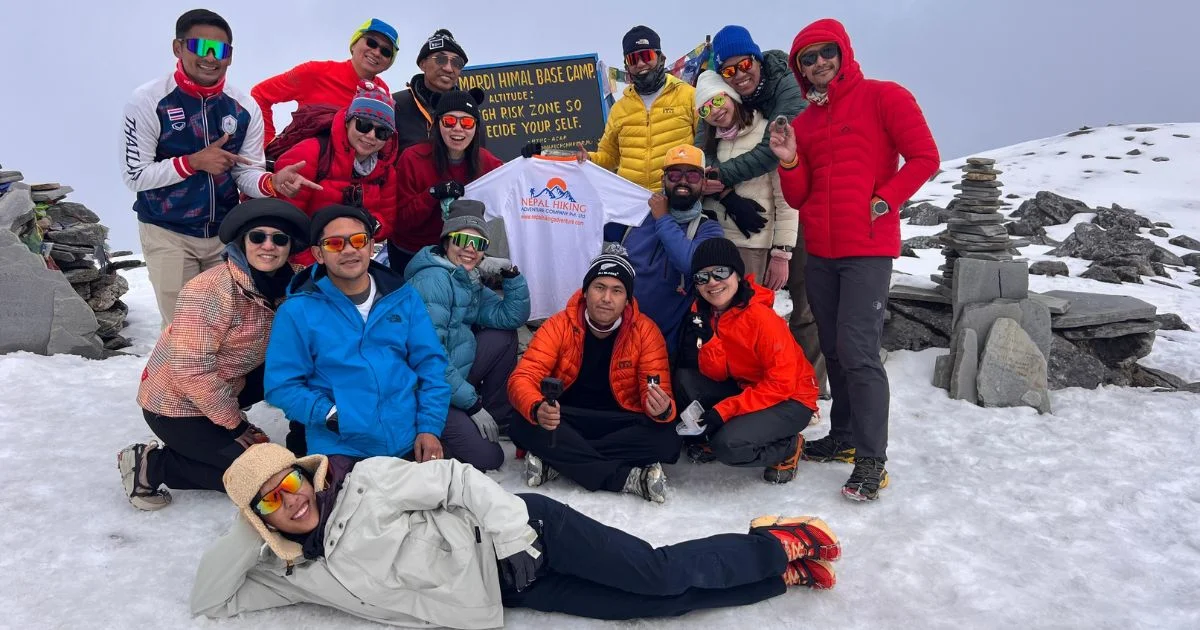
Join our eco-friendly trekking initiatives and help preserve the Himalayas for future generations.
Mardi Himal vs Other Top Treks in Nepal
Trek | Distance | Duration | Difficulty | Best Season | Highlights |
Mardi Himal | 35km | 5-9 days | Moderate | Oct-Nov, Mar-May | Pristine wilderness, Annapurna views, fewer crowds |
Annapurna Base Camp | 70km | 6-12 days | Moderate | Oct-Nov, Mar-May | Amphitheatre setting, diverse landscapes, established route |
Everest Base Camp | 130km | 12-14 days | Challenging | Oct-Nov, Mar-May | World's highest peak, Sherpa culture, iconic achievement |
Ghorepani Poon Hill | 25km | 3-5 days | Easy | Year-round | Sunrise views, rhododendron forests, beginner-friendly |
Langtang Valley | 65km | 5-10 days | Moderate | Oct-Nov, Mar-May | Tibetan culture, glacier views, peaceful valleys |
Detailed Comparison Analysis
Mardi Himal's Unique Advantages:
Requires minimal time commitment while delivering maximum mountain views
Less crowded trails provide authentic wilderness experience
Perfect stepping stone to more challenging Nepal treks
Excellent value for money with lower overall costs
When to Choose Alternatives:
ABC: If you prefer well-established infrastructure and don't mind larger groups
EBC: For the ultimate mountaineering achievement and don't mind longer commitment
Poon Hill: If you're new to high-altitude trekking or have limited fitness
Langtang: For cultural immersion and slightly more challenging terrain
Mardi Himal Extensions and Alternatives
Combining with Annapurna Base Camp or Poon Hill
Mardi Himal + ABC Combination (14-16 days): This extended route offers the best of both worlds. Start with Mardi Himal's solitude, then continue to ABC's classic amphitheatre setting. Consequently, the combination provides diverse landscapes and maximum mountain exposure.
Mardi Himal + Poon Hill Circuit (8-10 days): Perfect for photographers wanting sunrise views from multiple vantage points. Begin with Mardi Himal's pristine wilderness, then finish with Poon Hill's famous sunrise panorama and cultural village experiences.
Alternative Routes:
Mardi Himal via Dhampus: Add cultural village experiences
Australian Camp Extension: Include additional viewpoints and shorter day hikes
Sarangkot Sunrise: Finish your trek with paragliding and sunrise views over Pokhara valley
Looking for a custom itinerary combining multiple destinations? Our expert guides create personalized trekking experiences.
Cost Overview
Daily Budget Estimates
Budget trekkers: $25-35 USD daily
Basic teahouse accommodation in shared rooms
Local meals primarily dal bhat
Minimal device charging and WiFi usage
Mid-range comfort: $40-60 USD daily
Private rooms where available
Varied menu including Western dishes
Regular charging and internet access
Premium experience: $70-100 USD daily
Best available accommodations
Full meal variety and services
Complete guide and porter support
Package Price Ranges
Budget guided treks: $300-500 USD (5-7 days, basic accommodations)
Mid-range packages: $600-900 USD (includes better meals, private rooms)
Premium experiences: $1,200-1,800 USD (helicopter transfers, luxury lodges)
Additional Expenses to Consider
Hot showers: $2-5 USD per use at higher elevations
Device charging: $3-8 USD per charge above 3,500m
WiFi access: $5-10 USD per day
Porter tips: $8-12 USD per day (standard practice)
Extra meals and snacks: $15-25 USD daily
Gear purchase/rental: $50-150 USD total
Planning Tips
Booking Accommodation in Advance
Peak season (October-November) requires advance booking, particularly for High Camp accommodation with limited bed capacity. Therefore, contact teahouses directly or through local agencies. Additionally, backup accommodation options are essential during busy periods.
Choosing the Right Gear & Clothing
Test all gear before departure, especially footwear and sleep systems. Furthermore, high-quality rental options available in Pokhara reduce luggage weight and costs. Consider mixing rental and personal items based on preferences and budget.
Optimizing Acclimatisation Schedule
Spend minimum two nights at High Camp (3,700m). Additionally, add rest day if experiencing any altitude symptoms. Hydrate with 4-5 liters daily above 3,000m. Moreover, avoid rapid ascent from Low Camp to Base Camp in single day.
Case Study: Robert's Mardi Himal Adventure with Nepal Everest Base Camp Co.
Robert from the UK discovered that the Mardi Himal trek is one of Nepal's most rewarding adventures when he completed his 5-day journey in August 2025 with Nepal Everest Base Camp Co. Trekking in Mardi Himal allowed him to experience how the Himal trek is a comparatively accessible route, with his expert guide enriching the journey through insights into Gurung culture and local flora while navigating rhododendron forests and traditional villages.
"My guide navigated trails with skill, sharing Gurung culture, local plants, and weather patterns, enriching each day," Robert noted. He praised the well-chosen teahouses offering clean lodging and hearty dal bhat, plus their cheerful Sherpa porter who "carried heavy loads, his cheer uplifting us on tough paths."
Robert described sunrise at Base Camp as transformative, with golden views of Mardi Himal and the Annapurna range stretching before him. Understanding that Mardi Himal is a mountain offering unparalleled access to pristine wilderness, he appreciated getting closer to Mardi Himal's summit than most trekkers experience. The Mardi Himal trek is one of those rare adventures that delivers authentic experiences like Mardi Himal's untouched beauty, leading Robert to wholeheartedly recommend Nepal Everest Base Camp Co. for their exceptional service and responsible tourism practices.
Why Mardi Himal Deserves Your Next Adventure
The Mardi Himal trek is the best introduction to Nepal's high-altitude trekking, combining spectacular mountain vistas with manageable challenges that suit intermediate adventurers. Furthermore, this short trek in the Annapurna region delivers world-class Himalayan panoramas while maintaining the authentic wilderness character that makes Nepal's mountains so captivating. Its strategic location in the Annapurna Conservation Area provides unparalleled access to diverse ecosystems, from subtropical forests to alpine meadows.
Additionally, the combination of accessibility and reward sets trekking Mardi Himal apart from other Nepal treks, requiring minimal time commitment while delivering maximum mountain exposure. Unlike busier routes that suffer from overcrowding, this hidden gem preserves the solitude and pristine beauty that originally drew mountaineers to the Himalayas. Whether you're building toward more challenging expeditions or seeking a standalone adventure, the experience creates lasting memories and genuine personal achievement.
For adventure travelers seeking authentic cultural encounters alongside breathtaking scenery, Mardi Himal offers the complete Nepal trekking experience. The reasonable difficulty level, excellent value, and flexible itinerary options make it an ideal choice for anyone wanting to experience the magic of the Himalayas without extreme time or fitness demands. Ready to explore this hidden Himalayan gem? Contact Nepal Everest Base Camp Co. today to start planning your Mardi Himal adventure and discover why this trek represents everything extraordinary about Nepal's mountains.
Frequently Asked Questions
What is the difficulty level of Mardi Himal?
Mardi Himal is a comparatively moderate difficulty, suitable for trekkers with good cardiovascular fitness and some hiking experience. The main challenges include altitude gain to 4,500 metres and potentially icy conditions above 4,000 metres during winter months. Though Mardi Himal is considered moderate, proper preparation is essential.
How many days does the Mardi Himal hike take?
The Mardi Himal trek is a short adventure requiring 5-7 days to complete safely with proper acclimatisation. Express routes can be finished in 5 days, while extended itineraries allowing better altitude adjustment take 7 days or longer. The time to trek depends on your fitness level and acclimatisation needs.
What is the highest altitude reached in Mardi Himal?
The trek's highest point is reaching the Mardi Himal Base Camp trek destination at 4,500 metres (14,764 feet) above sea level. This elevation requires careful acclimatisation but remains accessible to most fit trekkers with adequate preparation and gradual ascent. The day hike to Mardi Himal Base provides stunning views of the surrounding mountains.
Can Mardi Himal be done without a guide?
Though independent trekking was possible previously, new regulations require hiring a local guide for foreign nationals. A Mardi Himal trek guide enhances safety, cultural understanding, and navigation, especially during adverse weather conditions. Consider hiring a local guide or porter for the best experience, as the guide team provides valuable support along the trek.
Which is better: Mardi Himal or Annapurna Base Camp?
The Mardi Himal trek as well as ABC both offer unique advantages. Choose the hike to Mardi for pristine nature, quicker completion, and views of the Annapurna range in solitude. Select ABC for established infrastructure and the classic amphitheatre mountain setting. The beauty of Mardi Himal lies in its untouched wilderness, while ABC offers more developed facilities.
What should I expect from the Mardi Himal trek cost?
The Mardi Himal trek cost varies based on services and season. Budget options range from $300-500 USD for basic guided treks, while premium experiences can cost $1,200-1,800 USD. Factors affecting cost include guide services, accommodation quality, and seasonal pricing. Planning ahead helps manage the Mardi Himal trek cost effectively.
When is the best time to trek to Mardi Himal?
The best time to trek Mardi Himal is during autumn (October-November) and spring (March-May) seasons. Autumn offers crystal-clear mountain views and stable weather, while spring brings rhododendron blooms. The time to trek Mardi Himal depends on your preferences for weather, crowds, and flowering seasons.
What permits are required for the trek?
To start the Mardi Himal trek, you need an Annapurna Conservation Area Permit (ACAP) costing NPR 3,000 for foreigners and a TIMS card. Additionally, foreign trekkers must hire licensed guides as per 2023 regulations. Permits can be obtained in Kathmandu or Pokhara with proper documentation.
What views can I expect along the trek?
Along the trek, you'll experience breathtaking views of Machhapuchhre (Fishtail), Annapurna South, and Hiunchuli. The views of Mardi Himal from Base Camp are particularly spectacular, offering 360-degree Himalayan panoramas. Views of the surrounding peaks create an unforgettable mountain experience that showcases why Mardi Himal is famous.
How do I prepare for the trek?
To prepare for the trek, focus on cardiovascular fitness with regular hiking or cardio exercise 3-4 times weekly for at least 6 weeks. Additionally, ensure you have comprehensive travel insurance covering high-altitude activities. The way to Mardi Himal base requires good preparation, proper gear, and gradual acclimatisation for a safe and enjoyable experience.