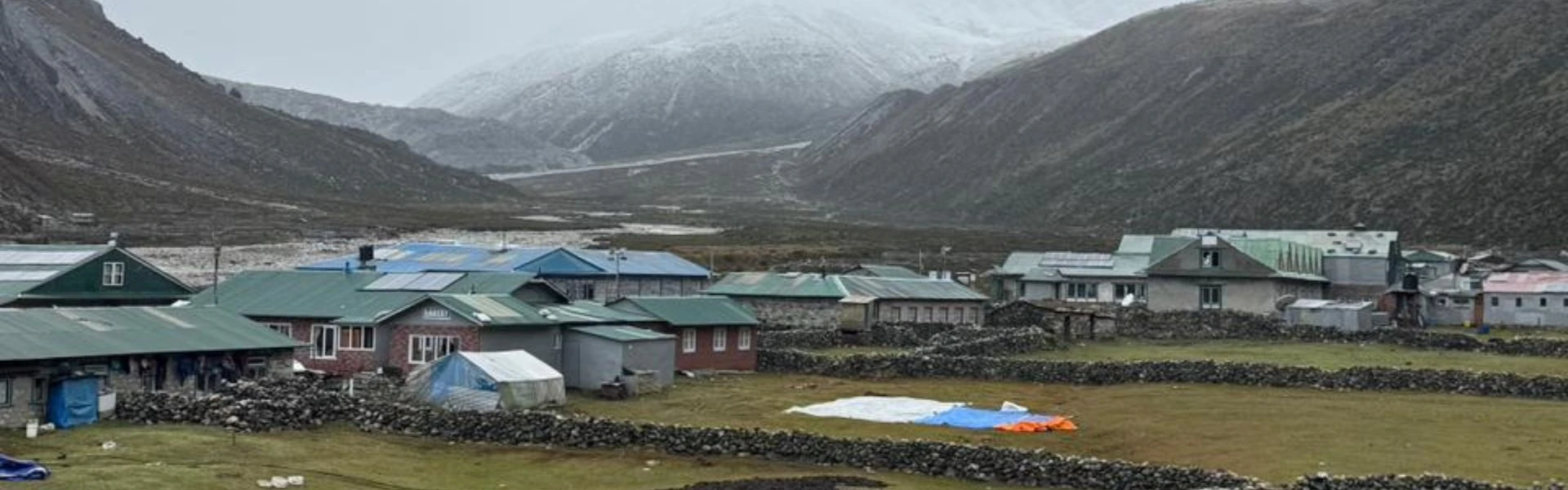
Pheriche is a small village positioned at 4,240 metres (13,910 feet) in the Khumbu region of Nepal, serving as a critical stop for trekkers on the Everest Base Camp trail. Furthermore, this strategic location between Namche Bazaar and Lobuche makes it an essential rest point where trekkers on the Everest Base Camp journey adjust to thinning air before pushing higher. Meanwhile, Pheriche stands out among villages in the Everest region due to its renowned Himalayan Rescue Association (HRA) aid post, which specialises in preventing and treating altitude sickness.
Moreover, trekking to Everest Base Camp requires careful planning around altitude exposure, and Pheriche serves this need perfectly by offering adequate lodging, medical support, and rest opportunities. Consequently, most trekkers in the Everest region spend at least one night here, allowing their bodies to adapt before continuing toward Everest Base Camp. Additionally, Pheriche is located within Sagarmatha National Park, surrounded by dramatic peaks including Ama Dablam and offering access to popular acclimatization hikes.
This comprehensive Pheriche travel guide by Nepal Everest Base Camp Co. covers everything you need, from altitude safety protocols and medical clinic services to teahouse costs, walking times, weather patterns, and practical tips for making your stay in Pheriche safe and successful. Whether you're deciding between Dingboche and Pheriche or planning your Everest trek itinerary, this guide provides trail-tested advice for your Himalayan journey.
4,240 m (13,910 ft) to 4,371m (14,340 ft) depending on specific location
Population
Approximately 150 Sherpas practicing Tibetan Buddhism
Primary Function
Stop on the Everest trek route, medical hub, teahouse village
Distance from Lukla
Approximately 25-30 km trekking distance, 3-4 days walking
Distance from Namche Bazaar
Approximately 15 km, typically 2 days of trekking towards Everest Base Camp.
Distance from Gorakshep
Approximately 16 km, 1 - 2 days walking back from Gorakshep towards Namche
Key Facility
Pheriche aid post (HRA medical clinic) operating during trek seasons
Teahouse Count
25+ lodges offering accommodation and meals
Best Seasons
Spring (March-May) and Autumn (September-November) for optimal trekking in the Everest region
Notable Features
Pheriche monastery & stunning mountain views
How to Get to Pheriche
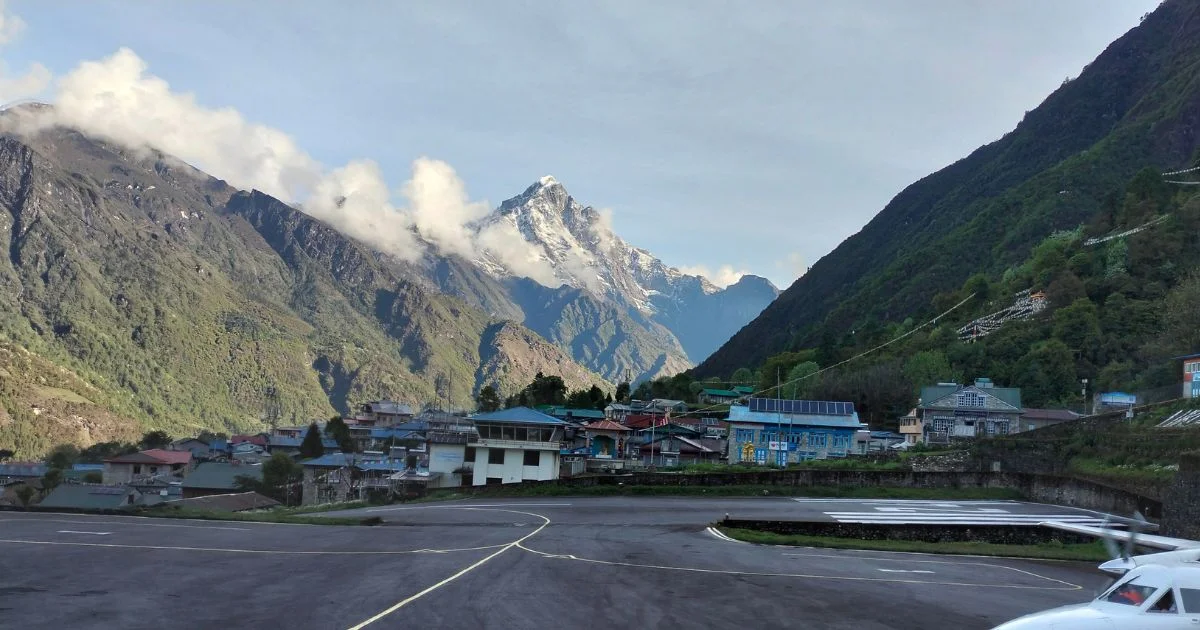
Reaching Pheriche involves a multi-day trek through the Everest region beginning with a flight from Kathmandu to Lukla, followed by progressive trekking stages. Initially, travellers fly approximately 35 minutes from Kathmandu to Tenzing-Hillary Airport in Lukla, experiencing spectacular Himalayan views before landing at one of the world's most challenging airstrips. Subsequently, the trek to Pheriche typically spans 3-4 days with proper acclimatization stops.
Helicopter Flights to Pheriche: Fast and Scenic Access
For trekkers looking to save time or bypass the initial trekking stages, helicopter flights to Pheriche offer a convenient alternative. Helicopters can depart from Kathmandu or Lukla, providing a scenic aerial route over the Himalayan mountains and Everest region. This option allows travellers to reach Pheriche quickly while enjoying breathtaking mountain views and bypassing the standard multi-day trek. It is particularly useful for those with limited time, for emergency situations, or for high-altitude acclimatization management, as the Pheriche aid post and teahouse facilities are immediately accessible upon arrival.
Lukla Airport: Gateway to Everest Region
Standard Route Breakdown
Day 1: Lukla (2,840m) to Phakding (2,610 m), 3-4 hours walking, gentle descent and flat trail
Day 2: Phakding to Namche Bazaar (3,440 m), 5-6 hours, significant ascent crossing suspension bridges over Dudh Koshi River
Day 3:Namche Bazaar acclimatization day with optional hike to Everest View Hotel or Khumjung village
Day 4:Namche Bazaar to Tengboche (3,860 m), 5-6 hours trekking through rhododendron forests, visiting famous monastery
Day 5: Tengboche to Pheriche (4,240 m), 4.5 hours descending then ascending through alpine terrain.
Road and Trek to Pheriche via Salleri and Surke
An alternative route to Pheriche involves a combination of road travel and trekking. Travellers can drive from Kathmandu to Salleri, a scenic journey through the Everest region valleys, and then continue by vehicle or on foot to Surke. From Surke, the trek to Pheriche begins, passing through traditional Sherpa villages, rhododendron forests, and Himalayan landscapes. This route offers a unique perspective on the Everest trekking trail, combining local road access with gradual acclimatization stops before reaching the Pheriche teahouses and aid post, making it an engaging alternative for those who prefer less flight time and more on-ground adventure.
Alternative Route via Dingboche
Alternatively, some itineraries route through Dingboche (4,410 m) before crossing to Pheriche, which takes approximately 30 minutes of relatively flat walking. This flexibility allows trekkers to choose their preferred acclimatization stop on the Everest trail based on lodge availability, weather conditions, or personal comfort preferences.
Navigation and Permits
To begin with, you'll need the following permits for your trek:
TIMS Card (Trekkers' Information Management System) required for all trekkers
Khumbu Gaupalika permit is also required for trekking within the local administrative area, ensuring compliance with local regulations.
The trail is well-marked with stone cairns, prayer flags, and frequent signage
Checkpoints at Monjo, Namche Bazaar, and Tengboche verify permits
Best Time to Visit & Weather
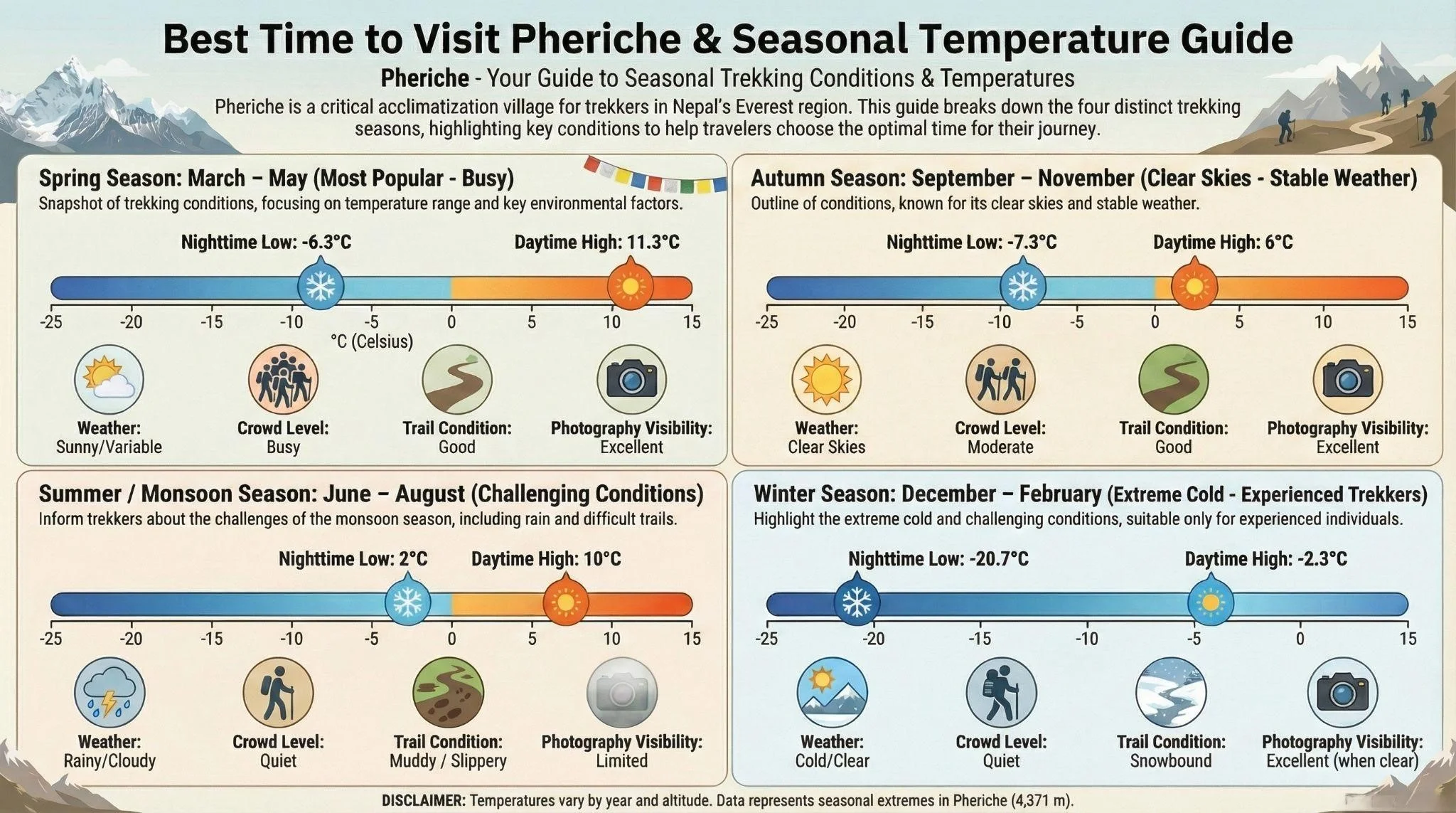
Best time to visit Pheriche significantly impacts your trekking experience, with distinct seasons offering different advantages and challenges. Generally, spring and autumn provide optimal conditions, while summer monsoon and winter present considerable difficulties for most trekkers.
Spring Season (March-May)
Temperature Range: Daytime maximum averaging 3.67°C, nighttime minimum -6.33°C, with hot days reaching 11.33°C
Most popular trekking season with clear skies, moderate temperatures, and rhododendron blooms at lower elevations
Tea houses in Pheriche operate at full capacity with lively atmosphere and plentiful supplies
Higher likelihood of crowds on trail and potentially limited lodge availability without advance booking
Excellent visibility for mountain photography, particularly of Mount Everest, Ama Dablam, and Lhotse
Autumn Season (September-November)
Temperature Range: Daytime maximum averaging 6°C, nighttime minimum -2.67°C, with cold nights at -7.33°C
The second most popular season, offering crystal-clear post-monsoon air and exceptional mountain views
Less crowded than spring, providing more peaceful trekking in Pheriche and surrounding areas
Stable weather patterns with minimal precipitation risk
Ideal for photographers seeking sharp visibility and golden afternoon light on peaks
Summer/Monsoon Season (June-August)
Temperature Range: Average maximum 10°C, minimum 4.67°C with relatively mild nights at 2°C
Warmest season, but frequent clouds, rain, and leeches at lower elevations reduce appeal
Trek trails become muddy and slippery, increasing difficulty and accident risk
Limited visibility of mountains due to persistent cloud cover
Significantly fewer trekkers, resulting in quiet trails and potential teahouse closures
Winter Season (December-February)
Temperature Range: Average maximum -2.33°C, minimum -14.33°C, with brutal cold nights averaging -20.67°C
Extremely challenging season suitable only for experienced winter trekkers with proper equipment
Pheriche can be cold beyond most trekkers' comfort levels, requiring expedition-grade sleeping bags
Many teahouses in Pheriche close during this period due to harsh conditions and lack of visitors
Pristine snow-covered landscapes offer stunning photography but limited daylight hours restrict trekking time
Caption
What to Pack for Pheriche Conditions
Make sure you bring all your essential trekking gear to handle Pheriche’s high-altitude conditions safely and comfortably.
Layering System (Essential for All Seasons)
Base layers: Merino wool or synthetic moisture-wicking thermal tops and bottoms
Mid layers: Fleece jacket and insulated down jacket rated for -10°C minimum
Outer shell: Windproof and waterproof pants and jacket (Gore-Tex or similar)
Trekking pants: Quick-dry, convertible options for variable conditions
UV-protection sunglasses: Category 4 rated for glacier environments
High-SPF sunscreen: 50+ rating applied frequently throughout day in Pheriche
Lip balm: With UV protection to prevent severe chapping
Wide-brimmed hat: For sun protection during midday trekking
Sleeping Gear
Sleeping bag: Rated to at least -15°C (0°F) for spring/autumn, -25°C (-13°F) for winter
Sleeping bag liner: Adds warmth and hygiene in teahouse beds
Inflatable pillow: Optional comfort item for better sleep quality
Acclimatisation & Altitude Safety
Pheriche is a high-altitude hub where trekkers must take altitude adaptation seriously to prevent potentially life-threatening complications. Situated at approximately 4,240 metres, atmospheric oxygen levels drop to around 60% of sea-level concentration, requiring the body to adjust before ascending further. Proper acclimatization strategies are therefore essential for anyone trekking the Everest Base Camp route.
While most trekkers pass through Pheriche during the descent from Everest Base Camp, completing their trek, some local people and a few adventurous travellers also use this route for the ascent, making it a key point for both upward and downward Everest trekking journeys. Understanding the altitude risks and pacing time in Pheriche ensures a safer and more enjoyable experience in the Everest region.
Why Is Acclimatisation Critical Here?
Pheriche represents a crucial threshold in altitude exposure where Acute Mountain Sickness (AMS) risk increases dramatically without adequate adaptation time. Consequently, most expedition companies and guide services mandate at least one full rest day here, allowing bodies to produce additional red blood cells and adjust to oxygen scarcity.
Moreover, Pheriche serves as an important acclimatization stop on the Everest Base Camp route, positioned approximately 1,700 metres below Everest Base Camp. In fact, Pheriche is an important acclimatization point that can make or break your trek success.
AMS Symptoms Checklist
Mild Symptoms (Common, Manageable)
Headaches ranging from dull to moderate intensity
Nausea or loss of appetite affecting meal enjoyment
Dizziness or lightheadedness when standing quickly
Fatigue beyond normal trek exertion levels
Difficulty sleeping despite tiredness
Shortness of breath during physical activity
Moderate Symptoms (Require Immediate Attention)
Persistent headache unrelieved by standard pain medications
Vomiting preventing hydration and nutrition
Severe fatigue limiting ability to perform basic tasks
Decreased urine output indicating dehydration
Rapid heartbeat even at rest
Severe Symptoms (Medical Emergency - Descend Immediately)
HACE (High Altitude Cerebral Edema): Confusion, difficulty walking straight, severe headache, hallucinations
HAPE (High Altitude Pulmonary Edema): Extreme shortness of breath at rest, coughing pink frothy sputum, chest tightness, blue lips
Loss of consciousness or extreme disorientation
Inability to walk independently
Hotels in Pheriche
Best Practice Acclimatization Day Plan
Morning (8:00 AM – 12:00 PM) Begin the day with a light breakfast focusing on high-carbohydrate foods and warm beverages to fuel your high-altitude trek. After breakfast, embark on a short acclimatization hike around Pheriche, gaining 200–400 metres in elevation. This gentle walk allows your body to adjust to the thin air while taking in stunning Himalayan views.
Options for a morning acclimatization walk include:
Strolling along nearby ridge viewpoints for a moderate climb and panoramic scenery.
Exploring the surrounding Sherpa villages and stone trails to combine light activity with cultural immersion.
Afternoon (12:00 PM - 5:00 PM)
Return to Pheriche village, descending to sleeping altitude (implementing the "climb high, sleep low" principle). Next, enjoy a substantial lunch focusing on Dal Bhat or carbohydrate-rich meals.
Attend the afternoon presentation on altitude sickness prevention and identification at the HRA clinic (usually around 3:00 PM). Afterward, rest in the teahouse common area, avoiding strenuous activity.
Evening (5:00 PM - 10:00 PM)
Early dinner with continued focus on hydration (minimum 3-4 litres of water daily)
Avoid alcohol completely as it impairs acclimatization and causes dehydration
Limit caffeine intake which can interfere with sleep and hydration
Retire early (by 9:00 PM) to maximize rest and recovery
Hydration, Pacing, and Medication Basics
Hydration Strategies
Consume 3-4 liters of water daily, monitoring urine color (should be clear to pale yellow)
Drink warm beverages like ginger-lemon tea, hot water, or garlic soup throughout day
Avoid waiting until thirsty - maintain consistent fluid intake
Consider electrolyte supplements to replace minerals lost through increased respiration
Pacing Guidelines
Walk slowly and deliberately - "pole pole" (slowly slowly in Swahili) is the mantra
Maintain conversational pace where you can speak complete sentences without gasping
Take frequent short breaks rather than infrequent long stops
Never rush or race other trekkers - individual acclimatization rates vary significantly
Medication Options (Consult Doctor Before Trek)
Acetazolamide (Diamox): 125-250mg twice daily, starts 1-2 days before reaching high altitude, aids acclimatization
Ibuprofen: 200-400mg for headache relief; take with food to protect stomach
Dexamethasone: Emergency medication for severe altitude sickness, administered only under medical supervision at clinic in Pheriche
Nifedipine: HAPE treatment medication available at HRA facility
HRA Clinic & Emergency Support
What the Pheriche Aid Post/Clinic Does
The Pheriche aid post, officially operated by the Himalayan Rescue Association, serves as the primary medical clinic facility in the upper Khumbu region, providing critical healthcare services to trekkers and local communities. Established in 1973, this facility has evolved from a basic yak hut into a modern medical centre equipped with essential diagnostic and treatment capabilities.
Trekkers typically visit the Pheriche aid post while trekking from nearby stops such as Dingboche, Lobuche, Gorakshep, and even Everest Base Camp, either for routine health checks, altitude-related concerns, or emergency care. Its strategic location on the Everest Base Camp trail makes it a vital high-altitude medical hub, ensuring timely assistance for altitude sickness, injuries, and other trekking health issues in the Everest region.
Specifically, the clinic in Pheriche specialises in preventing, diagnosing, and treating altitude sickness and related high-altitude medical emergencies. Furthermore, this makes Pheriche an essential safety net for anyone heading to Everest Base Camp.
Medical Services Available in Pheriche Clinic
Comprehensive altitude sickness assessment and treatment protocols
Oxygen therapy for HAPE and severe AMS cases
Medications including dexamethasone, nifedipine, and antibiotics
Basic wound care, fracture stabilization, and injury treatment
Telemedicine consultation capabilities via satellite communication
Health monitoring for trekkers with pre-existing conditions
Free medical care for local Sherpa community members
Staffing and Expertise
Two full-time doctors specializing in high-altitude medicine
One medical assistant providing support services
Volunteer physicians from international medical institutions during peak seasons
Experienced staff familiar with unique challenges of trekking in Nepal environments
Daily Briefing/Talk: What to Learn and Why It Helps
The HRA clinic conducts daily educational sessions typically held at 3:00 PM during trek seasons (March-May and October-December). These presentations provide invaluable information that can literally save lives by educating trekkers about altitude dangers and prevention strategies.
Attendance is voluntary but strongly recommended for anyone continuing toward Everest Base Camp or higher elevations. In addition, these talks represent a key reason why Pheriche is an important acclimatization hub.
Topics Covered in Daily Talks
Physiological changes occurring at high altitude and how bodies adapt
Detailed AMS symptom recognition across mild, moderate, and severe categories
Proper acclimatization strategies including "climb high, sleep low" principle
When to descend versus when symptoms can be managed at current altitude
Hydration requirements and nutritional considerations for high-altitude trekking
Common mistakes trekkers make that increase altitude sickness risk
Emergency protocols and evacuation procedures
Why Attendance Matters
Studies show educated trekkers experience significantly lower AMS incidence rates
Understanding symptoms helps differentiate normal trek discomfort from dangerous conditions
Learning buddy-system monitoring enables group members to identify problems in others
Knowledge of clinic capabilities reduces anxiety and improves decision-making
Free service included on no-cost basis (donations welcomed to support operations)
When to Seek Help (Red Flags)
Visit the clinic immediately if experiencing:
Persistent headache unrelieved after 12 hours of rest and medication
Vomiting more than twice in 24-hour period
Extreme fatigue preventing walking or basic self-care activities
Mental confusion, disorientation, or personality changes
Severe shortness of breath at rest or during minimal exertion
Helicopter evacuation from Pheriche to Kathmandu costs typically range from 6000 to 10000 USD depending on weather conditions, time of day, and specific landing challenges. However, several critical factors determine whether helicopter rescue is possible or advisable.
Weather Limitations
Helicopters cannot fly in poor visibility, heavy clouds, or strong winds common in mornings
Afternoon flights generally more reliable due to clearer conditions
Winter evacuations particularly challenging due to extreme cold affecting helicopter performance
Monsoon season evacuations may be delayed days due to persistent bad weather
Insurance Requirements
Essential: Purchase trekking insurance specifically covering helicopter evacuation from 6,000+ meter altitudes
Policy must explicitly state coverage for Nepal Himalayan trekking activities
Standard travel insurance typically excludes high-altitude adventure activities
Pre-approval from insurance company may be required before helicopter dispatch
Keep policy details and emergency contact numbers accessible at all times
Evacuation Process
Note: The exact procedure for medical evacuation and coordination will depend on your insurance policy and the provider’s specific procedures.
HRA clinic staff coordinate with helicopter companies and insurance providers in case of medical evacuation.
Normally, trekkers should email or call their insurance company and designated emergency contact immediately when an issue arises.
HRA clinic staff coordinates with helicopter companies and insurance providers
The HRA clinic coordinates with trekking guides, travel agencies, and trek operators to manage emergencies, ensuring timely medical evacuation, advice, or assistance when needed.
The patient stabilised at clinic while awaiting helicopter arrival
Evacuation typically to Kathmandu hospitals specializing in altitude-related conditions
Family members or trek partners usually cannot accompany patient due to weight restrictions
Where to Stay in Pheriche
Teahouses/Lodges: What Rooms Are Like
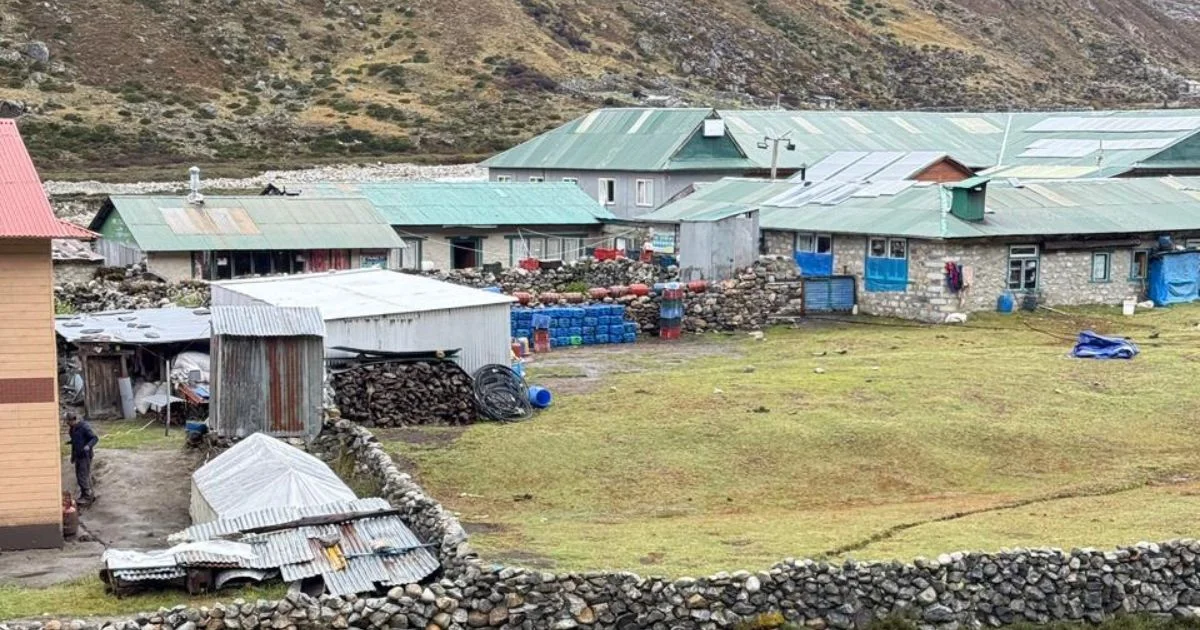
Lodges in Pheriche provide basic but functional accommodation designed specifically for high-altitude trekking conditions, with approximately 25+ teahouses competing for business during peak seasons. Typically, rooms measure 2x2.5 metres (roughly 6.5x8 feet) with twin beds featuring thin foam mattresses, basic wooden furniture, and minimal decoration reflecting the austere mountain environment.
Generally, walls consist of uninsulated wood or stone construction allowing cold penetration, though some newer lodges in Pheriche have improved insulation standards.
Standard Room Features
Twin beds with 3-4 inch foam mattresses on wooden platforms
Single small window with simple glass pane (no double glazing)
Wooden door with basic latch lock (limited security - keep valuables on person)
Bare walls with occasional poster or Tibetan decoration
No heating in sleeping rooms (heating limited to dining areas only)
Shared bathroom facilities located outside main building
Bedding Provided
One thin blanket or quilt per bed (insufficient warmth alone)
Pillow with basic pillowcase (cleanliness varies by lodge)
Bottom sheet covering mattress (sometimes absent)
A personal sleeping bag rated -15°C minimum absolutely essential
Heating, Dining Rooms, Blankets, Bathrooms
Heating Systems
Pheriche teahouses concentrate heating exclusively in communal dining rooms using yak-dung or wood-burning stoves (bukhari) that create focal gathering points for trekkers. Consequently, these spaces become social hubs where guests spend evenings sharing stories, playing cards, and warming themselves before retiring to frigid sleeping quarters.
However, heating typically operates only during evening hours (roughly 6:00 PM - 10:00 PM) to conserve expensive fuel supplies carried from lower elevations.
Additional Warmth Options
Extra blankets available for rental (approximately 200-500 NPR per night)
Hot water bottles filled upon request (100-300 NPR)
Wear all clothing layers to bed for maximum warmth retention
Bathroom Facilities
Shared squat toilets: Most common style, located in separate outbuildings
Shared western toilets: Available at some upgraded lodges, often frozen in winter
Attached bathrooms: Rare and significantly more expensive premium options
Toilet paper typically not provided - bring personal supply
Flushing with bucket water system due to frozen pipes in Pheriche
Hygiene standards variable - hand sanitiser is essential
Shower Availability
Hot showers offered at most teahouses in Pheriche for 300-500 NPR per use
Solar-heated water systems dependent on sunny weather (unreliable during clouds)
Extremely cold experience when water runs out mid-shower
Many trekkers skip showering at this altitude to conserve energy and avoid illness risk
Baby wipes or wet towels preferred for basic hygiene maintenance
Wi-Fi, Charging, Showers: What to Expect
Internet Connectivity
Everest Link WiFi services operate in Pheriche through satellite-based systems, providing limited bandwidth connections. Typically, lodges charge 500-1000 NPR per day for WiFi access cards, though connection speeds barely support basic messaging apps and struggle with photo uploads or video calls.
Moreover, weather conditions significantly impact satellite signal quality, causing frequent disconnections and frustration.
Charging Facilities
Electrical charging costs 300-600 NPR per device per charge
Limited electrical outlets in dining rooms create competition during peak hours
Solar panel systems supplement unreliable grid electricity
Power outages common - bring backup power banks (minimum 20,000 mAh capacity)
USB charging generally cheaper than camera battery charging
How to Choose a Good Lodge
Hygiene Indicators
Clean dining room with swept floors and wiped tables
Kitchen visible through doorway showing organized food preparation
Fresh-smelling bathrooms without overwhelming odor
Staff washing hands and using clean utensils
Recent positive reviews from other trekkers (check guidebook or ask passing hikers)
Comfort Factors
Newer building construction with better insulation
Sufficient blankets available in Pheriche lodge without excessive rental fees
Friendly, responsive staff willing to accommodate reasonable requests
The lodge is located slightly away from main trail, reducing nighttime noise
Booking Strategy
Early afternoon arrival (by 2:00 PM) ensures better room selection
Peak season (April, October-November) may require guide pre-booking
Solo trekkers often share rooms to reduce costs
Negotiation possible during low-occupancy periods
Loyalty to single lodge chain (Himalayan Lodge, Peaceful Lodge, etc.) may yield discounts
Food, Water & Costs
Typical Menu at This Altitude
Pheriche offers surprisingly diverse menus considering its remote high-altitude location, though food quality and variety decrease compared to lower elevations like Namche Bazaar. Primarily, teahouse kitchens focus on high-carbohydrate meals, providing sustained energy for trekkers facing oxygen-depleted environments and cold temperatures.
Additionally, Sherpa cooks adapt traditional Nepali dishes alongside Western comfort foods catering to international trekker preferences.
Best Food Choices for Acclimatization
Meal Type
Recommended Options
Why It Helps
Approximate Cost
Breakfast
Porridge with honey, Tibetan bread, eggs
Warm, digestible, high carbohydrates
400-700 NPR
Lunch
Dal Bhat (unlimited refills), vegetable fried rice
Complex carbs, hydration through soup
800-1,200 NPR
Dinner
Dal Bhat, Sherpa stew, pasta
Warming, filling, aids sleep preparation
900-1,500 NPR
Snacks
Garlic soup, ginger tea, chocolate bars
Garlic aids circulation, and ginger settles the stomach.
200-400 NPR
Beverages
Hot lemon, herbal tea, hot water
Maintains hydration, provides warmth
150-350 NPR
Foods to Prioritize
Dal Bhat: Lentil soup with rice, vegetables, and pickle - considered ideal trek fuel with free refills
Garlic soup: Traditional remedy believed to improve circulation and prevent altitude sickness
Carbohydrate-heavy options: Pasta, fried rice, potatoes provide sustained energy
Warm beverages: Continuous hot liquid intake supports hydration and comfort
Foods to Avoid
Alcohol: Dehydrates body and impairs acclimatization significantly
Heavy meats: Difficult to digest at altitude, diverts blood flow from acclimatization
Dairy products: Higher food poisoning risk due to limited refrigeration
Raw vegetables: Washing water quality questionable; cooked options safer
Pizza: Popular but often undercooked due to high-altitude baking challenges
Safe Drinking Water Options
Water safety becomes paramount in Pheriche, where gastrointestinal illness can derail entire treks and complicate altitude adaptation. Consequently, trekkers must implement reliable water purification strategies, avoiding single-use plastic bottles that contribute to environmental damage in the Everest region.
Recommended Water Solutions
Boiled water: Available at all teahouses in Pheriche for 100-200 NPR per litre; safest option
Water purification tablets: Chlorine dioxide or iodine tablets treat 1-2 liters per tablet
SteriPEN UV purifier: Electronic device killing bacteria/viruses in 90 seconds
Filter bottles: LifeStraw or Grayl systems removing 99.9% pathogens
Safe Water Stations: Refill stations around Pheriche offering filtered water (minimal cost)
Water Sources to Avoid
Stream water directly from rivers without treatment (contains parasites, bacteria)
Melted snow or ice without boiling (appears clean but harbors contaminants)
Lodge tap water not specifically designated as drinking water
Expected Costs and Budgeting Tips
Daily Budget Breakdown for Pheriche Stay
Expense Category
Cost Range (NPR)
Budget Tips
Accommodation
500-1,000
Often free if ordering meals; higher in peak season
Breakfast
400-700
Porridge cheaper than egg dishes
Lunch
800-1,200
Dal Bhat provides best value with refills
Dinner
900-1,500
Dal Bhat again most economical choice
Hot Beverages (3-4 daily)
600-1,400
Order hot water (cheapest) and add own tea bags
Snacks
300-600
Bring energy bars from Kathmandu (cheaper than buying on the trek).
WiFi (per day)
400-800
Share login with trek partners to split cost
Charging (2-3 devices)
600-1,200
Bring power bank charged from lower elevations
Hot Shower
300-500
Skip at this altitude to save money and avoid cold exposure
Miscellaneous
300-500
Blanket rental, toiletries, tips
TOTAL DAILY COST
5,100-9,400 NPR
Approximately $38-70 USD per person per day
Money-Saving Strategies
Order Dal Bhat twice daily (breakfast and dinner) maximizing refill value
Carry high-calorie snacks from Kathmandu where prices dramatically lower
Share accommodation with trek partner, reducing per-person costs
Bring sufficient cash from Namche Bazaar ATM (Pheriche has no banking services)
Avoid impulse purchases of branded gear at inflated mountain prices
Negotiate group discounts if trekking with an organised tour
Payment Methods
Cash only (Nepali Rupees) - no credit cards, no ATMs in Pheriche
The nearest ATM located in Namche Bazaar (2 days walking distance)
Carry sufficient cash for entire upper trek segment
Small denominations (100 and 500 NPR notes) facilitate easier transactions
Things to Do in and Around Pheriche
Best Acclimatization Hikes and Viewpoints
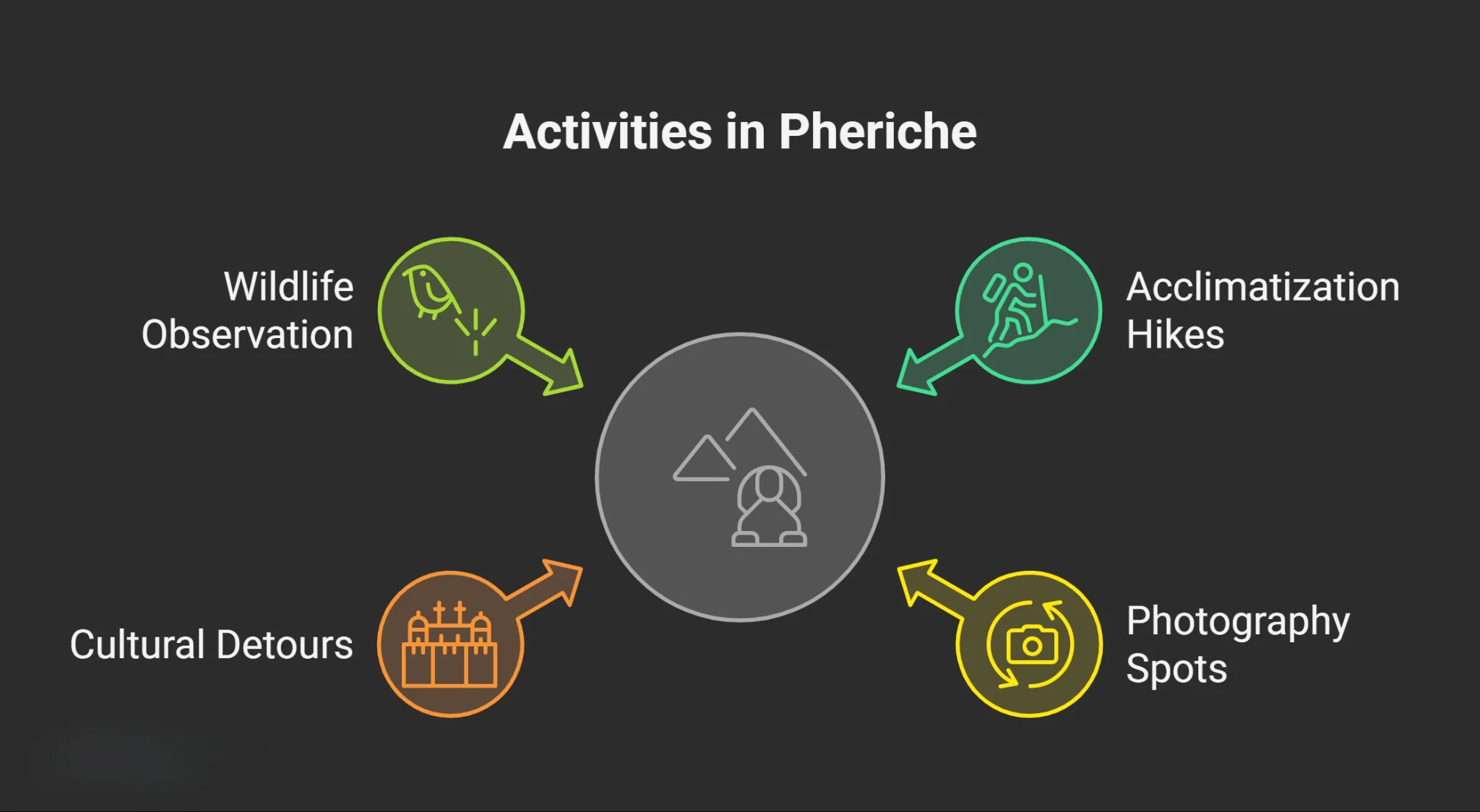
Pheriche is a paradise for acclimatization hikes offering spectacular mountain panoramas while enabling gradual altitude adaptation essential for safe progression toward Everest Base Camp. Specifically, the surrounding terrain provides multiple hiking options ranging from gentle ridge walks to challenging peak climbs, all serving the critical "climb high, sleep low" acclimatization principle. Indeed, things to do in Pheriche revolve primarily around these essential adaptation activities.
Pheriche Ridge Walk
Distance: 2-3 km variable route
Duration: 1-2 hours
Elevation Gain: 200-300 meters
Difficulty: Easy to moderate
Highlights: Close-up views of Taboche Peak, gentle introduction to high-altitude hiking
Elevation Gain: Variable depending on distance covered
Difficulty: Moderate
Highlights: Closer perspectives of iconic Ama Dablam, valley exploration
Considerations: Full base camp requires full-day commitment; partial hike provides excellent acclimatization benefit
Short Walks for Recovery Day
Village Exploration Walk
Duration: 30-60 minutes at leisurely pace
Route: Circular path through Pheriche village visiting teahouses, Pheriche monastery, and residential areas
Purpose: Gentle movement preventing complete inactivity while resting
Cultural Element: Observe Sherpa daily life, stone-wall construction techniques, yak grazing patterns
Photography Spots and Sunrise/Sunset Ideas
Pheriche is an amazing photography destination offering dramatic mountain backdrops, traditional Sherpa architecture, and constantly changing light conditions that challenge and reward trekkers carrying cameras.
Sunrise Locations
East-facing ridge above village: Captures first light hitting Ama Dablam (golden hour approximately 6:30-7:00 AM in autumn)
Lodge rooftops: Some teahouses permit roof access for elevated perspectives (ask permission respectfully)
Sunset Opportunities
West-facing village edge: Warm light illuminating Pheriche structures with shadow drama (approximately 5:00-5:30 PM)
Trail toward Dingboche: Backlighting creates silhouettes of trekkers and yaks against mountain profiles
Monastery vicinity: Prayer flags catching golden light with spiritual atmosphere
Photography Technical Tips
Batteries drain rapidly in the cold – carry spares inside warm jacket layers
Condensation forms on lenses when entering warm teahouses from outside cold
UV filters essential protecting lenses from intense high-altitude radiation
Tripods are useful for long exposures during blue hour and star photography
Respect local culture - always ask permission before photographing Sherpa people, religious sites, or monastery interiors
Nearby Cultural/Nature Detours Worth Considering
Pheriche Monastery
Pheriche monastery serves as a spiritual centre for village residents practising Tibetan Buddhism, welcoming respectful visitors interested in Himalayan religious traditions. Specifically, this modest but significant structure contains traditional thangka paintings, butter lamps, and prayer wheels maintained by local lamas.
Additionally, attending morning or evening prayers (puja) provides authentic cultural immersion, though photography restrictions typically apply during ceremonies.
Local Sherpa Homes
Some families welcome trekkers for tea and conversation about life in the Khumbu region.
Opportunity to learn about high-altitude agriculture, yak herding, and seasonal migration patterns.
Purchase locally made handicrafts directly supporting the community economy.
Respectful cultural exchange enriches the trek experience beyond mountain scenery.
Wildlife Observation
Himalayan tahr (mountain goats) frequently visible on surrounding slopes
Golden eagles and Himalayan griffon vultures soaring overhead
Yak and dzo (yak-cow hybrid) herds grazing valley pastures
High-altitude flora, including dwarf rhododendron and alpine wildflowers (seasonal)
Activities in Pheriche
Pheriche vs Dingboche (Where to Sleep?)
Dingboche and Pheriche represent the two primary acclimatization village options on the Everest Base Camp trail, separated by only 1.4 km of relatively flat terrain but offering distinct advantages depending on trekker priorities and itinerary design. Consequently, choosing between these villages in the Everest region requires evaluating multiple factors, including altitude, comfort, medical access, and onwards route logistics.
Altitude and Comfort Comparison
Factor
Pheriche
Dingboche
Altitude
4,240 m (13,910 ft)
4,410 m (14,470 ft)
Altitude Advantage
170 m lower - gentler acclimatization
Higher - potentially faster adaptation
Number of Lodges
25+ teahouses
30-40 lodges
Lodge Quality
Basic, functional
Slightly better variety, some upgraded options
Heating
Standard bukhari stoves in dining rooms
Similar heating systems
Food Variety
Good menu selection
Wider variety due to larger village size
Crowd Levels
Less crowded during peak seasons
More popular, busier atmosphere
Medical Facilities
HRA aid post (major advantage)
No medical clinic - must walk to Pheriche for treatment
Scenery
Excellent mountain views
Superior panoramic views of Lhotse, Island Peak, Ama Dablam
Connectivity
Limited WiFi
Slightly better internet (still limited)
Which is Better for Acclimatisation?
Choose Pheriche If
Altitude concerns rank as top priority - 170 m lower elevation reduces AMS risk significantly
You're experiencing mild altitude sickness symptoms and want immediate medical clinic access
Your trek itinerary includes attending HRA clinic educational talks
You prefer quieter, less commercialized village atmosphere
Conservative acclimatization strategy appeals to your trek philosophy
Previous high-altitude experience limited or first time trekking in Nepal
Choose Dingboche If
You're acclimatizing well and confident in body's adaptation progress
Superior mountain photography opportunities motivate your decision
Wider teahouse selection and lodge quality matter significantly
Your itinerary routes directly from Dingboche toward Lobuche without backtracking
You're following classic Everest Base Camp route through Dingboche
Slightly higher altitude exposure acceptable for faster acclimatization
Quick Decision Guide
Medical History Considerations
Previous AMS episodes: Choose Pheriche for lower altitude and clinic proximity
Pre-existing conditions:Pheriche provides better medical consultation access
Strong acclimatization history: Either village acceptable based on preference
Time and Itinerary Factors
Adding an extra acclimatization night:Pheriche ideal due to clinic resources and lower sleeping altitude
Faster trek schedule: Both villages work, though Dingboche, being slightly higher, provides quicker adaptation
Three Passes Trek: Route typically goes through Dingboche rather than Pheriche
Comfort and Experience Preferences
Safety-first mindset:Pheriche due to medical clinic
Social atmosphere:Dingboche busier; Pheriche more peaceful
Practical Solution: Many trekkers split time between both villages – sleeping one night in Pheriche, accessing clinic services, then moving to Dingboche for the second acclimatization night enjoying different perspectives and lodge variety.
Practical Trekking Tips (High Altitude)
Staying Warm at Night
Pheriche can be colder than most people's prior camping or hotel experiences, with nighttime temperatures regularly plunging to -10°C to -20°C depending on the season. Therefore, implementing effective cold-management strategies determines whether you sleep restfully or shiver miserably through long Himalayan nights.
Sleeping System Optimization
Wear clean, dry thermal base layers dedicated exclusively to sleeping (never trek in sleeping clothes)
Add fleece mid-layer if temperatures particularly frigid
Wear a warm hat or balaclava - significant heat loss occurs through the head.
Keep water bottle filled with hot water inside sleeping bag as personal heater (ensure the cap is tightly sealed)
Place tomorrow's clothes inside sleeping bag bottom warming for morning dressing
Use sleeping bag liner adding 5-10°C warmth and protecting bag from body oils
Maintain social distance from obviously ill trekkers (common colds spread rapidly in crowded teahouse conditions)
Don't share water bottles, utensils, or food with others
Keep hydrated preventing immune system compromise
Adequate sleep supports immune function, which is critical at high altitude
Consider vitamin C supplements supporting immune health
Responsible Travel
Trekking in the Everest region carries significant environmental responsibilities as fragile alpine ecosystems struggle under increasing tourist pressure surrounding Pheriche and throughout the Khumbu region.
Waste Management
Carry reusable water bottles refusing single-use plastic bottles
Bring garbage bags packing out all personal trash to lower elevations
Use designated toilets exclusively - never defecate outdoors, contaminating water sources
Burn nothing - wood and fuel extremely scarce at high altitude
Choose lodges with solar panels and environmental consciousness
Cultural Respect
Pheriche is home to Sherpa Buddhist communities deserving cultural sensitivity
Remove shoes before entering monasteries, homes, or designated teahouse areas
Walk clockwise around stupas, mani walls, and religious monuments
Never touch prayer flags, religious artifacts, or sacred objects without permission
Dress modestly avoiding revealing clothing offensive to conservative communities
Ask permission before photographing people, religious ceremonies, or monastery interiors
Learn basic Nepali phrases (Namaste, Dhanyabad), showing respect for local culture
Economic Fairness
Pay fair prices without aggressive bargaining on essential services (food, accommodation)
Tip guides and porters fairly, recognising their hard work and expertise
Purchase local handicrafts supporting community economy
Eat locally-sourced foods (Dal Bhat) rather than imported Western options
Respect that prices increase with altitude due to legitimate transportation costs when hiking to Pheriche.
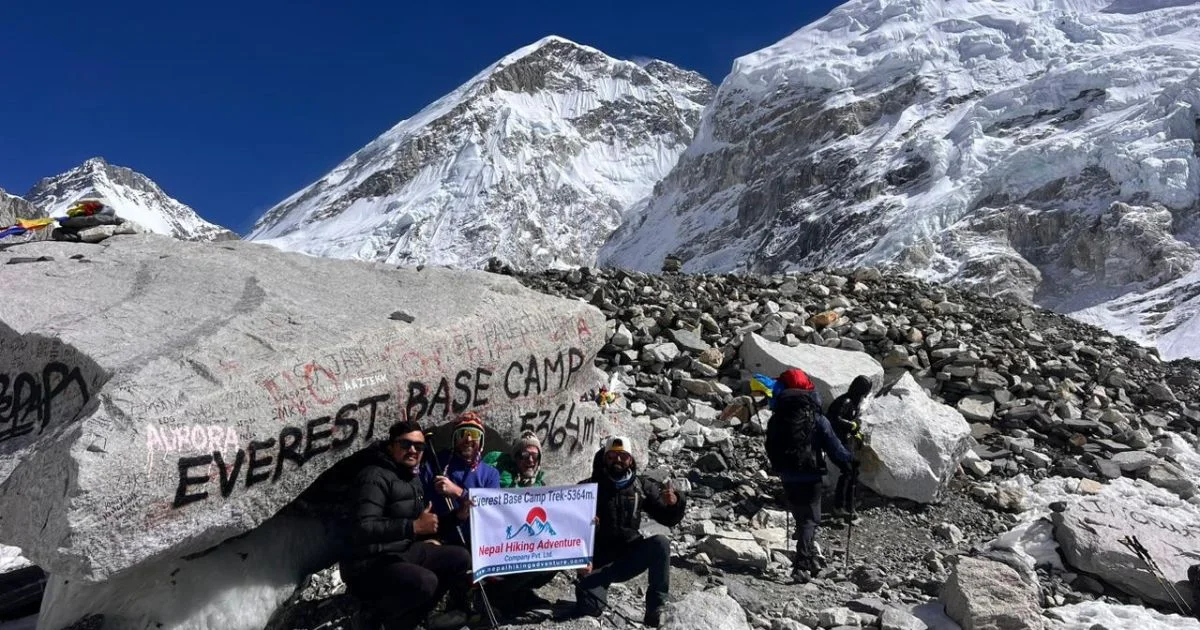
Everest base camp
Sample Itineraries That Include Pheriche
Typical EBC Segment
Most trek itineraries incorporate Pheriche as a strategic midpoint stop on the Everest Base Camp route between Namche Bazaar and Everest Base Camp, typically appearing on Day 5-6 of standard schedules.
Classic 14-Day EBC Itinerary (Pheriche Focus)
Day 01: Arriving in Kathmandu (1,400m) – no trekking
Day 02: Fly to Lukla & Trek to Phakding (2,610m), 3 hours, gentle trek
Day 03: Phakding to Namche Bazaar (3,440m), 5–6 hours, significant altitude gain
Day 04: Acclimatization in Namche (3,440m), optional short hikes
Day 05: Trek to Tengboche Monastery (3,860m), 5–6 hours, moderate ascent
Day 06: Trek to Dingboche (4,410m), 5 hours, steady climb
Day 07: Acclimatization Day in Dingboche (4,410m), 2–3 hours short hikes
Day 08: Trek to Lobuche (4,940m), 5 hours, high-altitude challenge
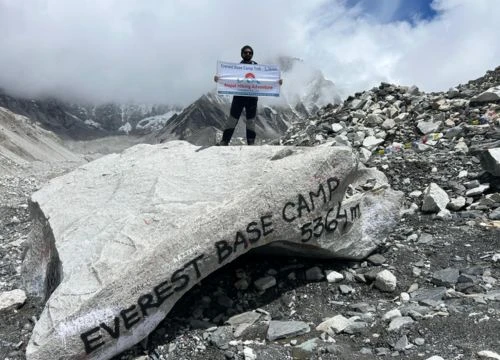
Day 09: Trek to Gorak Shep and Visit Everest Base Camp (5,365m), a challenging 6-hour walk
Day 10: Trek to Pheriche (4,120m) and Sunrise Hike to Kala Patthar, 6 hours, mixed ascent/descent
Day 11: Trek Back to Namche Bazaar (3,440m), 5 hours, long descent
Day 12: Trek from Namche to Lukla (2,840m), 7 hours, downhill trek
Day 13: Flight Back to Kathmandu (1,400m) – no trekking
Day 14: Final Departure – end of journey
Why This Itinerary Works
Spending two nights in Pheriche (Days 6 and 10) allows for proper acclimatization and recovery.
Sleeping in Pheriche after Gorak Shep ensures access to the HRA medical clinic if any altitude-related issues arise.
Attending the HRA clinic talk on the acclimatization day provides essential safety education for high-altitude trekking.
Gradual altitude exposure combined with adequate rest periods supports safer progression on the Everest Base Camp trail.
Conservative Acclimatization Plan
Extended 15-Day Itinerary with Extra Pheriche Night
This schedule prioritises safety over speed, ideal for trekkers with limited high-altitude experience, older adults, or those particularly concerned about altitude sickness. Consequently, this demonstrates how Pheriche is an important acclimatization hub for cautious trekkers.
Key Modifications
Day 3: Additional acclimatization day in Namche Bazaar with optional longer hikes for gradual altitude adjustment.
Day 5: Overnight in Pangboche (3,930 m) instead of trekking directly to Pheriche, allowing a steadier ascent.
Day 6: Trek from Pangboche to Pheriche, a shorter walking day for gentle altitude gain.
Day 7: Full rest day in Pheriche – attend the HRA clinic talk and explore the village at a relaxed pace.
Day 8: Acclimatization hike around Pheriche or another activity with mild elevation gain.
Day 9: Trek from Pheriche to Lobuche, well-rested and prepared for continued high-altitude ascent.
Advantages
Three nights total in Pheriche area (including Pangboche) dramatically reduces AMS risk
Extra rest days improve enjoyment quality versus rushed schedule
Better energy reserves for reaching Everest Base Camp safely
Increased success rate with lower emergency evacuation likelihood
Who Should Choose This
First-time Himalayan trekkers
Ages 50+ or with pre-existing medical conditions
Anyone who experienced AMS on previous high-altitude adventures
Trekkers prioritizing safety and experience over speed
Faster Itinerary: Risks and Who Should Avoid It
Aggressive 10-Day Schedule
Some commercial operators offer shortened itineraries, reducing trek duration but significantly increasing altitude sickness risk.
Compressed Timeline
Day 1: Kathmandu to Lukla, trek to Phakding
Day 2: Phakding to Namche Bazaar
Day 3:Namche Bazaar to Dingboche (4,410m), skipping Tengboche night, major altitude jump
Day 4:Dingboche to Lobuche (4,940m), no acclimatization day, dangerous progression
Day 5: Lobuche to Gorak Shep, Everest Base Camp
Day 6-10: Rapid descent
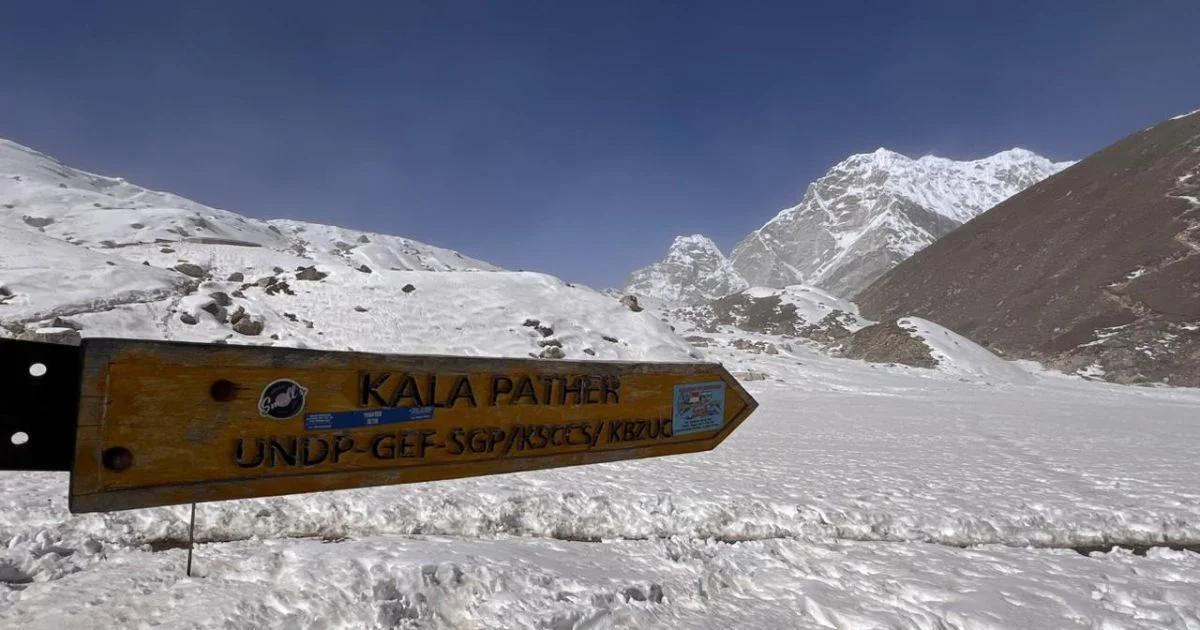
Way to Kalapatther from Gorakshep
Critical Risks
Skipping Pheriche entirely eliminates HRA clinic access and lower sleeping altitude options.
No acclimatization days dramatically increases HACE/HAPE risk
Success rate drops significantly with high abandonment rates
Miserable experience even if successful - no time to enjoy surroundings
Who Must Avoid Fast Itineraries
Anyone without extensive high-altitude experience above 4,500m
Trekkers over 45 years old (age correlates with increased AMS susceptibility)
Those with respiratory conditions, heart conditions, or high blood pressure
Budget-conscious trekkers (evacuation costs thousands of dollars)
Anyone valuing experience quality over bragging rights
Expert Recommendation: Always choose itineraries including an overnight stay in Pheriche with a dedicated acclimatization day. The modest time savings never justify increased health risks along the Everest Base Camp trek. Moreover, for those heading to Everest Base Camp, proper acclimatization in Pheriche represents the single most important safety investment.
Pheriche: Where Preparation Matters More Than Pace
Pheriche is a village that serves as far more than just another teahouse stop on your Everest Base Camp trek. At 4,240 metres, it offers the perfect combination of strategic altitude positioning, expert Himalayan Rescue Association medical clinic services, and comfortable facilities that separate well-planned adventures from dangerous rushes. Pheriche is also part of the Everest trekking experience, where spending two nights provides your body the adaptation period essential for safely reaching the base camp of Mount Everest while actually enjoying the journey.
Before you reach Pheriche, ensure your sleeping bag is rated to at least -15°C and withdraw 5,000-10,000 NPR from the Namche Bazaar ATM since no banking services exist at this altitude. Plan to attend the HRA clinic afternoon talk at 3:00 PM, carry a fully charged power bank, and prepare to walk slowly while maintaining a 3-4 litre daily water intake. Pack your headlamp for nighttime bathroom trips, bring personal toilet paper and hand sanitiser, and book lodges in Pheriche early during peak seasons when teahouses in Pheriche fill quickly.
Explore Pheriche with flexibility, listen to your body's altitude signals rather than following rigid schedules, and add an extra night if experiencing headaches or nausea. Trust the HRA aid post medical staff's assessments, as their decades of high-altitude medicine experience save lives each trek season through early intervention. Trekkers who invest proper attention in their Pheriche acclimatization phase, attending clinic talks, completing hikes around Pheriche, and prioritising rest, report better experiences and fewer altitude sickness complications throughout their Everest trekking experience on the trekking route to Everest Base Camp. For personalised guidance or planning your trek, contact us at Nepal Everest Base Camp Co.
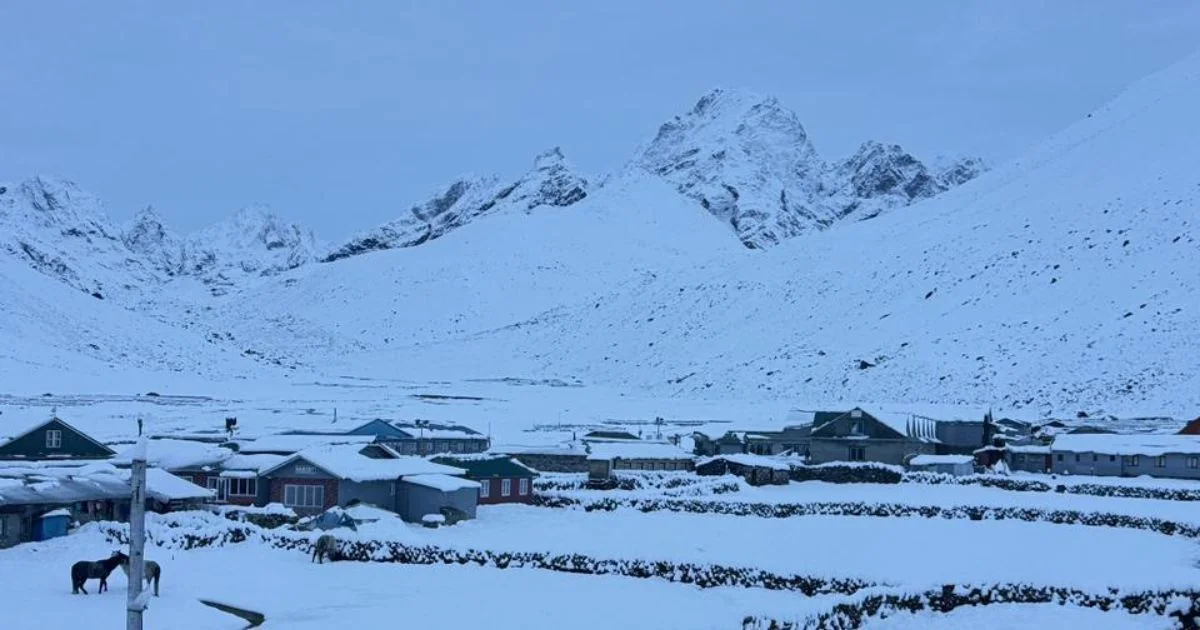
Snow Covered Pheriche
Frequently Asked Questions About Pheriche
Is Pheriche worth staying overnight?
Absolutely. Pheriche is a popular stop offering critical acclimatization benefits at 4,240 m with access to the HRA medical clinic, making overnight stays essential for safe trek progression toward Everest Base Camp. Specifically, spending at least one night here dramatically reduces altitude sickness risk while providing comfortable teahouse lodging and daily clinic talks that improve your Everest trekking experience.
How high is Pheriche?
Pheriche altitude measures 4,240 metres (13,910 feet) in the upper Khumbu region, positioned approximately halfway between Namche Bazaar and Everest Base Camp. This elevation places Pheriche in the high-altitude zone, where atmospheric oxygen drops to 60% of sea level, requiring proper acclimatization before ascending higher on the way to Everest Base Camp.
Can you get altitude sickness in Pheriche?
Yes, altitude sickness can occur in Pheriche at 4,240 m, where reduced oxygen triggers AMS, particularly for those ascending too rapidly without adequate acclimatization days. However, Pheriche's lower elevation versus Dingboche and the HRA aid post presence make it ideal to recognise symptoms early and adjust to the high altitude safely.
Is there a medical clinic in Pheriche?
Yes. Pheriche operates the Himalayan Rescue Association aid post, staffed by doctors specialising in high-altitude medicine who treat altitude sickness and coordinate evacuations during trek seasons. The clinic in Pheriche provides oxygen therapy, essential medications, and daily educational talks, making it the most important medical resource trekkers in the Everest region can access above Namche Bazaar.
How long is the walk from Gorak Shep to Pheriche?
The trek from Gorak Shep to Pheriche covers approximately 16 km and typically takes 5–6 hours. This descent allows trekkers to gradually lose altitude while enjoying breathtaking Himalayan views. Many hikers stop in Pheriche for rest, lodging, and access to the HRA medical clinic after completing the high-altitude sections of the Everest Base Camp trail.
How long is the walk from Pheriche to Lobuche?
The trek from Pheriche to Lobuche covers 7-8 km, requiring 5-6 hours with 700 m elevation gain through barren, rocky terrain. This challenging segment features thinning air, dropping temperatures, and spectacular views of Khumbu peaks on the way to Everest Base Camp.
What is the best season to stay in Pheriche?
Spring (March-May) and autumn (September-November) offer optimal conditions with moderate temperatures, clear visibility, and full teahouse operations. Particularly, April and October-November provide peak conditions when all lodges in Pheriche operate at capacity and mountain views appear spectacularly sharp in the Everest region of Nepal.
Do teahouses have Wi-Fi and charging?
Most teahouses in Pheriche provide Everest Link WiFi for 500-1000 NPR per day, though bandwidth is extremely limited with slow speeds and frequent disconnections. Meanwhile, charging costs 300-600 NPR per device with limited outlets, making portable power banks essential for your trekking to Everest Base Camp journey on the route to Everest Base Camp.
Blending digital strategy with mountain passion, I help adventurers find their way to the Himalayas online. With hands-on experience in Nepal’s trekking trails and a role at Nepal Everest Base Camp Trekking Co., Thamel, I combine SEO expertise with true trail insight.