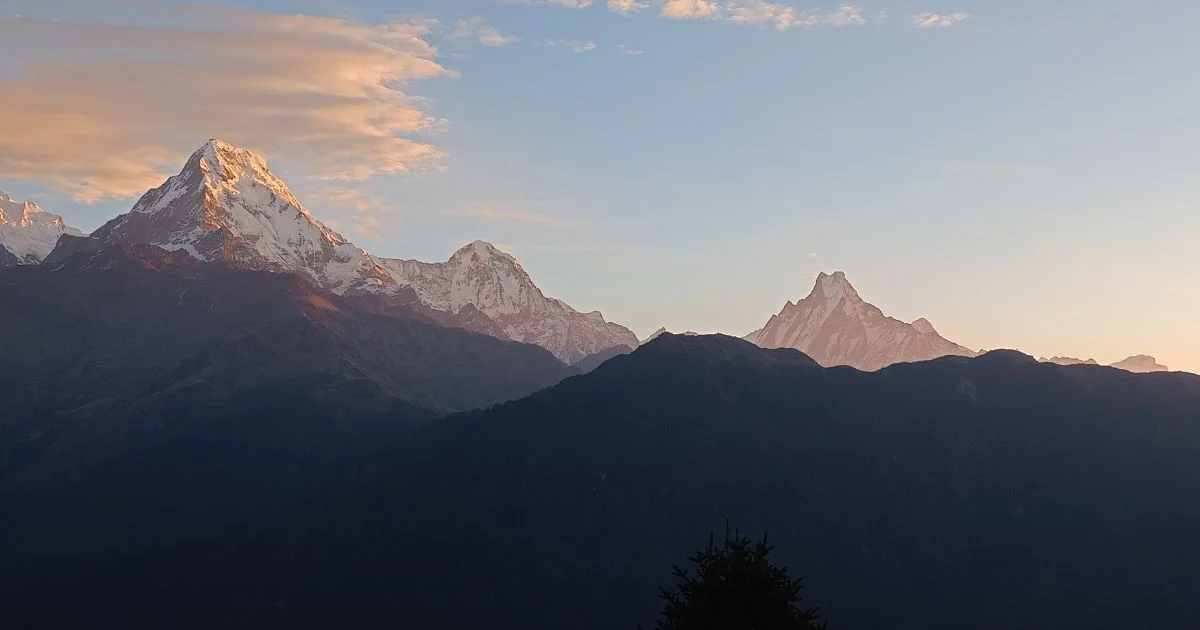
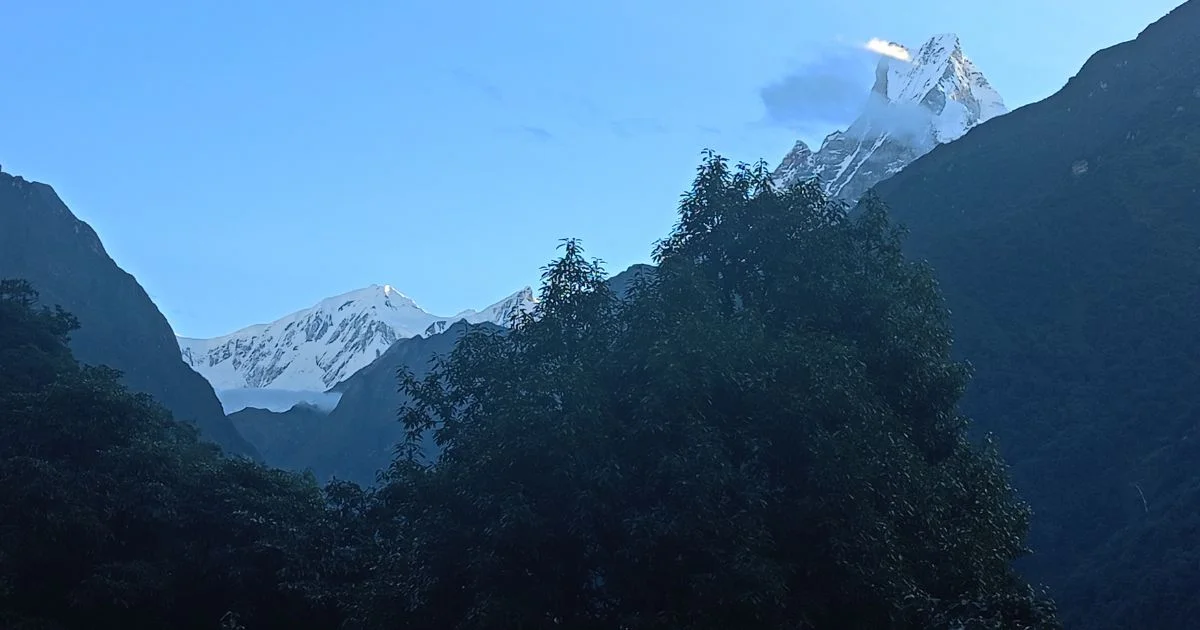
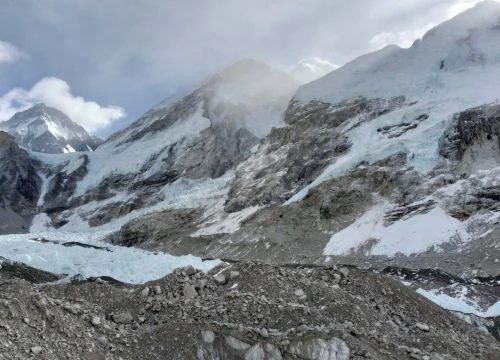
Imagine standing on a mountaintop at dawn, watching the first golden rays transform towering Himalayan peaks from shadowy profiles into brilliant white giants. At Poon Hill, I've witnessed this breathtaking moment countless times, and what makes it truly special is that, unlike other high-altitude viewpoints, you don't need weeks of preparation or extreme fitness to experience it yourself.
Throughout my years exploring the region of Nepal, I've found that Poon Hill represents the country's most accessible gateway to world-class Himalayan sunrise views. Consequently, this trek in the Himalayas positions you at 3,210 metres where the Annapurna range and Dhaulagiri massif create an unforgettable mountain amphitheatre. Furthermore, the Ghorepani Poon Hill trek itinerary offers something remarkable that makes it perfect for both seasoned adventurers and those seeking their first trek in Nepal.
In the following sections, I'll walk you through the complete Poon Hill experience, from the best approach routes to optimal timing across seasons. Additionally, you'll discover everything you need to know about this trekking journey, including essential preparation steps and insider tips Nepal Everest Base Camp Co. has gathered throughout the trek to maximise your mountain adventure. Moreover, you'll learn about the cultural richness of local Gurung and Magar villages, along with practical trek cost information and photography techniques to capture those magical sunrise moments
Quick Reference: Poon Hill at a Glance
Detail
Information
Elevation
3,210 m (10,531 ft)
Trek Duration
2-5 days
Difficulty Level
Easy to Moderate
Best Seasons
September-December, Feb-May
Starting Point
Nayapul(Birethanti) (1.5 hours from Pokhara)
Permits Required
ACAP, TIMS
Average Cost
$290-700 USD per person(varies on duration and services)
Essential Pre-Trip Information
Know Before You Go: Best Time to Visit Poon Hill
The timing of your Poon Hill trek in Nepal significantly impacts your experience. Here's what each season offers for this day trek destination:
Season
Weather
Visibility
Crowds
Advantages
Autumn (Oct-Dec)
Clear, crisp
Excellent
High
Perfect visibility, stable weather
Spring (Mar-May)
Mild, blooming
Very good
Medium
Rhododendron flowers, warmer temps
Summer (Jun-Aug)
Monsoon season rains
avrage
Very low
Green landscapes, fewer crowds,
Winter (Jan)
Cold, occasional snow
Good
Low
Snow-capped views, clear skies
October through December represents the peak season for those who visit Nepal to trek Poon Hill, when crystal-clear mornings reveal the entire Annapurna and Dhaulagiri ranges in stunning detail. Similarly, March to May brings the added beauty of blooming rhododendrons painting the hillsides in vibrant reds and pinks.
Travel Insurance and Safety Requirements
Before you start the trek, securing comprehensive travel insurance remains essential for any trek in Nepal. Specifically, your policy should cover:
High-altitude trekking up to 4,000m
Emergency helicopter evacuation
Medical treatment in remote areas
Trip cancellation and delays
Equipment loss or damage
Therefore, the Trekking Agencies Association of Nepal recommends all international trekkers carry valid insurance documentation throughout their stay in Nepal.
Permits and Documentation (Updated 2025)
Two permits are mandatory for the Poon Hill trek to be perfect:
Annapurna Conservation Area Permit (ACAP)
Cost: NPR 3,000 (Approximately $23 USD)
Valid for the entire Annapurna region (single entry)
Available in Kathmandu or Pokhara
Trekkers' Information Management System (TIMS)
Cost: NPR 3,000 for independent trekkers (Single Entry)
Required for safety and tracking purposes
Most trekking agencies handle permit arrangements, but independent travellers can obtain them at the Nepal Tourism Board office in Pokhara.
ACAP Permit
Cost Breakdown by Budget Category
Budget Trekking ($150-400 USD)
Basic teahouses accommodation
Simple dal bhat meals
Self-guided with porter
Local bus transport
Mid-Range Experience ($290-700 USD)
Comfortable teahouses with private rooms
Varied meal options
Licensed guide and porter
Private vehicle to trailhead
Luxury Package ($700+ USD)
Premium lodges where available
Full-service guided experience
Helicopter return option
All meals and permits included
Physical Fitness Requirements
The level of fitness required for Poon Hill allows most healthy individuals to complete the Poon Hill trek perfectly. Specifically, the trek involves:
Daily walking: 4-6 hours
Total ascent: approximately 1,200m over two days
Stone steps: thousands throughout the route
Altitude: maximum 3,210m (minimal altitude sickness risk)
Regular cardio exercise for 4-6 weeks before departure provides adequate preparation. Focus on stair climbing, hiking with a weighted pack, and building leg strength to complete the Poon Hill trek successfully.
Spectacular Mountain Views from Poon Hill
From the summit of Poon Hill at 3,210 metres, trekkers are rewarded with one of the most comprehensive panoramic views in the entire Annapurna range. Consequently, the viewing platform offers breathtaking 360-degree vistas of some of Nepal's most iconic peaks.
Dhaulagiri (8,167m)
Mount Dhaulagiri stands as the seventh highest mountain in the world, rising dramatically from the Kali Gandaki River valley. The name "Dhaulagiri" derives from Sanskrit, meaning "beautiful white mountain". Moreover, this massive peak creates a striking wall-like formation and offers some of the steepest faces in the Himalayas. The summit consists of limestone and dolomite formations, evidence of its ancient oceanic origins.
Annapurna South (7,219m)
Annapurna South serves as a prominent sentinel in the Annapurna range, standing at 7,219 metres as the fifth highest peak in the Annapurna massif. Furthermore, this technically challenging mountain features steep icy ridges and glaciated slopes. Sacred to local Gurung and Magar communities, Annapurna South represents the divine power of the mountains and remains a constant companion throughout the trekking experience.
Nilgiri (7,061m)
Known as the "blue mountain" for its distinctive bluish haze that often shrouds its slopes, Nilgiri creates a mesmerising sight against the clear Himalayan sky. Located near Jomsom, this peak offers various climbing routes for different skill levels and provides spectacular views of the surrounding Dhaulagiri and Annapurna peaks from its summit.
Barashikhar (7,647m)
Barashikhar, meaning "Twelve Peaks" in Nepali, features multiple summit clusters that create a dramatic skyline. Located within the Annapurna Conservation Area, this peak stands among giants, including Annapurna I and the iconic Machhapuchhre, offering technical climbing challenges and panoramic rewards for experienced mountaineers.
Dhampus Peak (6,012m)
Also known as Thapa Peak, Dhampus offers a more accessible climbing experience while still providing stunning panoramic views. Named after the nearby Dhampus village, this peak serves as an excellent extension option for trekkers looking to combine their Poon Hill experience with moderate peak climbing adventures.
Additional Notable Peaks Visible
Machhapuchhre (Fishtail) (6,993m): The distinctive sacred peak that dominates the Annapurna skyline
Hiunchuli (6,441m): A prominent pyramid-shaped peak
Annapurna I (8,091m): The tenth highest mountain in the world (visible on clear days)
Mountain see from Poon hill
Day-by-Day Experience: Poon Hill Trek Itinerary 5-Day
Day 1: Pokhara to Nayapul, trek to Ulleri (2,050m)
First, drive from Pokhara (1.5 hours) to Nayapul and start trekking along the Modi Khola valley. Along the way, pass Birethanti and follow village trails through terraced fields and forests. You will cross suspension bridges before reaching Tikhedhunga, then climb the famous stone steps to Ulleri for your first overnight stay. Overall, this day of trekking offers a gradual introduction to the Annapurna region with scenic views throughout.
Day 2: Ulleri to Ghorepani (2,874m)
Next, continue the steady ascent through rhododendron and oak forests, while catching glimpses of Annapurna South and Hiunchuli. Here, you will ascend Poon Hill in preparation for the next day. Although the climb is challenging, it is rewarding, and eventually, you reach Ghorepani, a vibrant village known for its panoramic mountain setting.
Day 3: Sunrise at Poon Hill (3,210m), trek to Tadapani (2,630m)
Early in the morning, make a pre-dawn hike to Poon Hill for sunrise, where the peaks of the Annapurna and Dhaulagiri ranges are illuminated by the first light. After enjoying the views from the top of the hill, head back to Ghorepani for breakfast. Then, the trek continues through forested ridges and valleys to reach Tadapani. Poon Hill is located at the perfect elevation to offer one of Nepal’s most iconic panoramic mountain vistas, making this a highlight of the Poon Hill trek with Nepal.
Day 4: Tadapani to Ghandruk (1,940m)
After breakfast, descend through rhododendron and oak forests to Ghandruk, a traditional Gurung village. Along the way, you can explore the stone-paved lanes, visit the local museum, and enjoy cultural insights together with fine views of Annapurna South, Machapuchare, and Hiunchuli.
Day 5: Ghandruk to Syauli Bazaar, return to Pokhara
Finally, make your descent through terraced hillsides and small villages to reach Syauli Bazaar. From there, drive back to Pokhara, completing your 5-day trek and allowing time to relax by Phewa Lake after an unforgettable Himalayan adventure.
Ulleri On the way to Poon hill
Alternative Routes and Extensions
Ghandruk Extension (3-4 days total)
Traditional Gurung village experience
Mountain museum and cultural center
Alternative return route to Nayapul
Perfect for those seeking deeper cultural connection
Tadapani-Ghorepani Loop (4-5 days)
Less crowded rhododendron forests
Additional mountain viewpoints
Wildlife spotting opportunities
More challenging navigation
Mohare Danda Trek Alternative
The Mohare Danda trek offers a less crowded alternative to the traditional Poon Hill route, featuring community-run lodges and equally spectacular mountain views. This circular trek can be combined with the Poon Hill experience for those with extra time.
Connection to Annapurna Base Camp
Advanced trekkers can connect their Poon Hill experience to the famous Annapurna Base Camp, creating an extended Himalayan adventure. This combination typically requires 14-21 days and offers the ultimate Nepal trekking experience.
Route Planning and Logistics
Starting Points and Transportation
From Kathmandu to Pokhara
Distance: 200km (6-8 hours by road)
Tourist bus: NPR 1,000-25,000(one way)
Private car: NPR 12,000-20,000(one way)
Domestic flight: 25 minutes $110 one way/person (when available)
From Pokhara to Nayapul (Trek Starting Point)
Distance: 42km (1.5 hours by road)
Private taxi: NPR 3,500-5,000(one way)
Shared jeep: NPR 1,000-1,500 per person (depend upon availability)
You can take the bus from Kathmandu to Pokhara or fly directly to get to Pokhara before beginning your trek to Poon Hill. Subsequently, most trekkers begin the actual walk from Nayapul, though some start from Birethanti to save 30 minutes of road walking.
Accommodation Strategy
Ghorepani Village (Main overnight stop)
15+ teahouses ranging from basic to comfortable
Book ahead during peak season
Rooms: NPR 1,000-1,500 per night
Popular choices: Poon Hill Lodge, Sunny Guest House
Visitor Enjoying the mountain view from poon hill
Tikhedhunga/Ulleri (Alternative stop)
Fewer options but less crowded
Good for acclimatization
Rooms: NPR 1,000-1,500 per night
Teahouse owners typically offer accommodation at minimal cost if you eat meals there. This arrangement works well for budget travellers, but book separately during busy periods.
Guided vs Independent Trekking
Independent Advantages:
Lower cost (save $30-50 per day on guide fees)
Flexible schedule and route choices
Direct interaction with local communities
Well-marked trails require minimal navigation
Guided Benefits:
Cultural insights and language assistance
Safety support and emergency procedures
Porter arrangements and logistics
Enhanced local knowledge and connections
The hike to the Poon Hill route is well-established and safe for independent trekkers with basic mountain experience, making it an excellent choice for a private trek experience.
Cultural Context and Local Communities
Gurung and Magar Village Traditions
The trail passes through traditional villages where Gurung and Magar communities have lived for generations around Nepal. These ethnic groups maintain distinct cultural practices:
Gurung Culture:
Renowned for their mountaineering skills
Traditional round houses with slate roofs
Buddhist and Hindu religious practices
Famous for their hospitality and guide services
Magar Heritage:
Historical warriors and traders
Skilled in terraced agriculture
Rich oral traditions and folk music
Traditional crafts including weaving and metalwork
Local Etiquette and Respectful Travel
Cultural Guidelines:
Remove shoes before entering homes or religious sites
Use both hands when receiving items or money
Dress modestly, particularly around religious areas
Ask permission before photographing people
Supporting Local Economies:
Purchase meals and accommodation from local teahouses
Buy handicrafts directly from village artisans
Hire local guides and porters through registered agencies
Respect pricing without excessive bargaining
Language Basics and Cultural Insights
Essential Nepali Phrases:
Namaste - Hello/Goodbye (with palms together)
Dhanyabad - Thank you
Kati ho? - How much?
Mitho cha - It's delicious
Ramro cha - It's good/beautiful
Many locals speak basic English, but attempting Nepali creates genuine connections and shows cultural respect throughout your entire trek.
The Poon Hill Experience: Maximizing Your Visit
Sunrise Photography Guide
Technical Camera Settings:
ISO: Start at 400-800, adjust as light increases
Aperture: f/8-f/11 for landscape sharpness
Shutter Speed: Use tripod for longer exposures
White Balance: Daylight or custom for warm tones
Composition Tips:
Arrive 30 minutes early for setup and position selection
Use foreground elements (prayer flags, trekkers) for depth
Bracket exposures for HDR processing
Capture the progression from blue hour through golden hour
Essential Gear:
Sturdy tripod (carbon fiber for weight savings)
Extra batteries (cold weather drains power quickly)
Lens cleaning cloth for condensation
Headtorch with red filter to preserve night vision
Best Photo Spots:
Main viewing platform: Classic panoramic shots
Prayer flag area: Cultural elements with mountain backdrop
Eastern edge: Machapuchare close-up opportunities
Western viewpoint: Dhaulagiri range focus
Flora and Fauna Identification
Rhododendron Varieties:
Tree Rhododendron (Rhododendron arboreum): Nepal's national flower
White Rhododendron: High-altitude variety
Pink varieties: Most common along the trail
Blooming season: March-May depending on elevation
Wildlife Spotting:
Langur monkeys: Common in forest sections
Himalayan tahr: Rare sightings on higher slopes
Bird species: Over 100 recorded, including Himalayan monal
Butterflies: Abundant during spring months
Forest Ecosystems: The trail passes through distinct vegetation zones from subtropical forests near Nayapul to temperate oak and rhododendron forests at higher elevations. This diversity supports rich wildlife populations and offers botanical enthusiasts countless species to observe throughout their trekking journey.
Practical Survival Guide: On-Trail Information
Seasonal Packing Checklist
Autumn/Winter Essentials:
Insulated jacket rated to -10°C
Warm sleeping bag (teahouses provide blankets)
Insulated water bottles to prevent freezing
Microspikes or crampons for icy sections
Warm hat and insulated gloves
Multiple clothing layers
Spring/Summer Additions:
Rain gear and waterproof pack cover
Lighter insulation layers
Insect repellent and sunscreen
Quick-dry clothing materials
Extra socks for muddy conditions during monsoon season
Year-Round Necessities:
Comfortable, broken-in trekking boots
Trekking poles for steep descents
First aid kit with altitude sickness medication
Water purification tablets or UV sterilizer
Headtorch with spare batteries
Power bank for electronic devices
Food and Water Along the Trail
Tea House Menus:
Dal Bhat: Traditional lentil curry with rice (₹400-800)
Momos: Himalayan dumplings (₹300-500)
Noodle soups: Thukpa and instant varieties (₹400-600)
Western options: Pancakes, pasta, pizza (₹500-1,000)
Hot drinks: Tea, coffee, hot chocolate (₹100-300)
Water Safety:
Bottled water available but environmentally problematic
Boiled water from teahouses (₹100-200 per liter)
Water purification tablets effective and lightweight
UV sterilizers work well for clear water sources
Dietary Considerations: Most teahouses accommodate vegetarian requirements easily. Vegan options exist but require advance communication. Those with food allergies should carry emergency supplies and communicate clearly with teahouse operators during each night of the trek.
Communication and Connectivity
Mobile Network Coverage:
Ncell and NTC: Coverage available in most villages
Internet Access: Wi-Fi in major teahouses (Rs 500-1,000 per day)
Emergency Communication: Satellite phones recommended for serious trekkers
Connectivity Tips:
Download offline maps before departure
Inform family of planned itinerary and check-in schedule
Consider portable solar chargers for extended trips
Purchase local SIM cards for better rates
Family-Friendly Trekking: Poon Hill with Kids
Poon Hill with kids represents one of Nepal's most family-friendly trekking options. The moderate difficulty level and excellent teahouse infrastructure make it suitable for children aged 8 and above with reasonable fitness levels. Key considerations include:
Child-friendly food options available at teahouses
Cultural learning opportunities in villages
Professional guide recommended for families
The slow and steady approach works best when trekking with children, allowing time to appreciate both the natural beauty and cultural richness of the region.
The Poon Hill trek perfectly balances accessibility, spectacular views, and cultural immersion for most travellers to Nepal. Those seeking additional challenges might consider extending to the Annapurna Base Camp trek or exploring the Annapurna sanctuary region. For a detailed comparison, see Poon Hill vs Mardi Himal Trek.
Beyond Poon Hill: Extending Your Himalayan Adventure
Combining with Annapurna Region Highlights
Annapurna Base Camp Extension:
An additional 7-10 days from Ghandruk
Ultimate high-altitude Himalayan experience
Requires higher fitness levels and cold weather gear
Best combined as 12-15 day comprehensive trek
Connection to Annapurna Base Camp:
World-famous trekking route with Thorong La Pass
14-21 day commitment for full circuit
Requires careful acclimatization planning
Can incorporate Poon Hill as side trip
Mardi Himal Trek Combination:
5-7 day alternative from Pokhara
Less crowded with pristine mountain views
Can be combined with Poon Hill for 8-10 day adventure
Recently developed trail with improving infrastructure
Pokhara Activities Before and After
Pre-Trek Preparation:
Gear shopping: Thamel area equipment rental and purchase
Cultural sites: Bindyabasini Temple, Gupteshwor Cave
Relaxation: Lakeside restaurants and boat trips on Phewa Lake
Post-Trek Recovery in the Heart of Pokhara:
Spa treatments: Traditional massage and wellness centers
Cultural performances: Traditional dance and music shows
Local cuisine exploration: Newari and Thakali restaurants
Shopping: Local handicrafts and trekking souvenirs
Many trekkers spend 2-3 days in Kathmandu before or after their trek, combining the mountain experience with cultural exploration of Nepal's capital city.
Sustainable Travel Recommendations
Environmental Responsibility:
Carry reusable water bottles and avoid single-use plastics
Pack out all non-biodegradable waste
Stay on designated trails to prevent erosion
Respect wildlife and maintain safe distances
Community Impact:
Choose locally-owned teahouses and guide services
Purchase handicrafts directly from artisan communities
Learn about and respect local customs and traditions
Contribute to community development projects where appropriate
Carbon Footprint Considerations:
Offset flight emissions through verified carbon programmes.
Choose overland transport within Nepal where possible
Support eco-friendly accommodation options
Participate in trail maintenance or conservation activities
Access to the Annapurna National Park requires following Leave No Trace principles to preserve this pristine environment for future generations.
Embrace the Beauty of Poon Hill: Your Himalayan Journey Awaits
Throughout this guide, I've shown you that the trek to Poon Hill offers one of Nepal's most accessible yet rewarding Himalayan experiences. In just 2–3 days, you can witness world-class sunrise views over the Annapurna II and Dhaulagiri ranges while immersing yourself in authentic mountain culture, all without the extreme challenges of high-altitude expeditions.
With proper planning and the insights I've shared, you're now equipped to make the most of this extraordinary journey when you embark on a Poon Hill trek with Nepal's most experienced local guides. The combination of breathtaking natural beauty, warm cultural encounters, and personal achievement makes this day's trekking perfect for adventurers of all experience levels. Whether you choose a 2-day sprint or extend your adventure with connections to other trails, there are even two Poon Hill viewpoints (the main summit and a secondary viewing area) that offer slightly different perspectives of the mountain panorama.
If you're ready to experience those golden sunrise moments for yourself, start planning your Poon Hill adventure today with Nepal Everest Base Camp Co. Remember to respect the mountain environment and local communities as you prepare for this unforgettable journey. Whether you're a first-time visitor to the Himalayas or a seasoned traveller, this trek awaits with its promise of authentic mountain magic and memories that will last a lifetime. Contact us to begin your Himalayan adventure.
Poon hill View point
Essential FAQs About Visiting Poon Hill
What is the best time to visit Poon Hill?
The optimal months for Poon Hill are October through December and March through May. October and November provide the clearest mountain views with stable weather, while March through May offers the added beauty of blooming rhododendrons. Winter months (December-February) can be very cold but offer excellent visibility, while summer months (June-September) bring monsoon season rains that obscure mountain views.
How accessible is Poon Hill for casual travellers?
Poon Hill is considered one of Nepal's most accessible major viewpoints. The trek requires moderate fitness but no technical climbing skills. Most healthy individuals can complete the journey with proper preparation. The well-developed trail system, numerous teahouses, and established infrastructure make it suitable for first-time trekkers to the Himalayas.
Are teahouses available near Poon Hill?
Yes, Ghorepani village (the closest overnight stop to Poon Hill) offers over 15 teahouses ranging from basic accommodation to comfortable lodges. These provide beds, meals, and basic amenities. Teahouses are also available in Tikhedhunga, Ulleri, and other villages along the route. Booking ahead is recommended during peak seasons (October-November and March-April).
What can visitors expect in terms of weather and wildlife?
Weather varies significantly by season and elevation. Mornings at Poon Hill are typically cold (often below freezing in winter), while daytime temperatures in lower villages remain comfortable. Wildlife includes langur monkeys, various bird species (over 100 recorded), and occasional sightings of Himalayan tahr. The rhododendron forests support rich biodiversity, with peak flowering occurring from March through May.
How long does it take to complete the standard Poon Hill trek?
The classic Poon Hill trek takes 2-3 days minimum: Day 1 from Nayapul to Ghorepani (6-7 hours); Day 2 sunrise at Poon Hill followed by descent to Nayapul (6-8 hours total). Many trekkers prefer a 3-day itinerary with the descent split over two days for a more relaxed pace. Extensions to Ghandruk or other villages can extend the trek to 4-5 days total.
What is the trek cost for Poon Hill?
Trek costs vary significantly based on your chosen level of service. Budget options range from $40 to $70 USD per person for basic teahouses and self-guided trekking. Mid-range experiences cost $80-140 USD, including comfortable accommodation and guide services. Luxury packages start at $180+ USD with premium lodges and full-service support. Additional costs include permits (approximately $50 USD), meals, and transportation from Pokhara.
Can I do the Poon Hill trek independently?
Yes, the Poon Hill trek is well-suited for independent trekkers with basic mountain experience. The trail is well-marked, teahouses provide accommodation and meals, and the route is considered safe. However, hiring a local guide enhances the cultural experience and provides valuable safety support, particularly for first-time trekkers in Nepal.
Which permits are required for the journey up Poon Hill?
Two permits are required: the Annapurna Conservation Area Permit (ACAP) costing NPR 3,000 (approximately $23 USD) and the Trekkers' Information Management System permit (TIMS) costing Rs. 3000 You may get these in Pokhara or Kathmandu.
Is travel insurance required for the hike up Poon Hill?
Yes, comprehensive travel insurance is strongly recommended for any trek in Nepal. Your policy should cover high-altitude trekking up to 4,000 m, emergency helicopter evacuation, medical treatment in remote areas, and trip cancellation. The Trekking Agencies Association of Nepal requires all international trekkers to carry valid insurance documentation.
How do I get from Kathmandu to the Poon Hill starting point?
From Kathmandu, you'll first travel to Pokhara (6-8 hours by bus, 25 minutes by flight when available), then continue to Nayapul (1.5 hours by road). You can take the bus from Kathmandu to Pokhara for NPR 800-1,200 or hire a private vehicle for NPR 8,000-12,000. From Pokhara to Nayapul, options include local buses, shared jeeps, or private taxis.
Blending digital strategy with mountain passion, I help adventurers find their way to the Himalayas online. With hands-on experience in Nepal’s trekking trails and a role at Nepal Everest Base Camp Trekking Co., Thamel, I combine SEO expertise with true trail insight.