Summary: The Everest Base Camp trek has changed. More travellers now choose heated private rooms, sit-down dinners, and helicopter options over cold teahouses and shared dormitories. The best time for luxury Everest Base Camp trek is not just about weather. It is about flight reliability, lodge availability, crowd levels, and the overall quality of your experience. This is a genuinely different product from a standard trek, and it deserves a different conversation about timing. Choosing the right season is one of the most important decisions you will make before you book.
Seasonal conditions shape far more than the weather. Trekking conditions, Lukla flight reliability, accommodation quality, crowd density, and service standards all shift significantly across the year. A luxury lodge that delivers a five-star experience in October can feel like a very different place in January. Understanding those shifts is what separates a smooth trekking experience from an expensive disappointment.
This guide gives you a clear, honest breakdown of every season so you can match your travel window to your expectations. Whether you are looking for the best time to trek, clear mountain views, quieter trails, or the most reliable logistics, you will find a direct answer here. Read on, and you will leave knowing exactly when to go. If you need personalised advice or want to plan your journey, Nepal Everest Base Camp Pvt Ltd can help you choose the right season for your Everest trek and travel plans.
1. Luxury Everest Base Camp Trek: Best Time Simplified
The best time for Everest Base Camp trekking falls in two windows. March to May (spring) and September to November (autumn) are the standout seasons for comfort, visibility, and reliable logistics. For most luxury trekkers, October is the single strongest month overall.
Best months at a glance:
October: Peak mountain clarity, stable weather, and full luxury lodge services in operation
Early November: Quieter trails, still excellent views, and slightly lower lodge rates
April: Rhododendron season, mild temperatures, and good visibility before afternoon cloud builds
Late March: Fewer crowds, comfortable daytime temperature, and a calm trekking route
Spring vs Autumn: Quick Comparison
Factor
Spring (Mar–May)
Autumn (Sep–Nov)
Mountain visibility
Good, some afternoon cloud
Excellent and consistent
Crowd levels
High, especially April–May
Very high in October
Lodge availability
Book 3–4 months ahead
Book 4–6 months ahead
Flight reliability from Lukla
Good
Very good
Daytime temperature at altitude
Mild to warm
Mild, cooling in November
Rhododendron colour
Yes, below Namche
No
Overall luxury experience
Strong
Outstanding
Months to avoid even with premium services: June through August (monsoon season) and late December through January (extreme cold, possible snow above 4,000 m).
2. What "Best Time" Means for a Luxury Trek
Choosing the right time matters more for a luxury Everest Base Camp trek than it does for a standard one. Budget trekkers adapt. They sleep in whatever teahouses are available and adjust their itinerary when weather shifts. Luxury trekkers arrive with a different set of expectations, and rightly so.
What timing actually controls:
Whether your premium accommodation is available when you arrive
Whether Luklaflights run on schedule or push you into helicopter contingency costs
Whether altitude conditions allow a full itinerary to run without compression
Whether trail congestion undercuts the private, unhurried experience you paid for
When weather, logistics, and lodge availability align, the EBC trek delivers everything it promises. When they do not, even the best operator struggles to compensate. Timing is part of what you are actually buying.
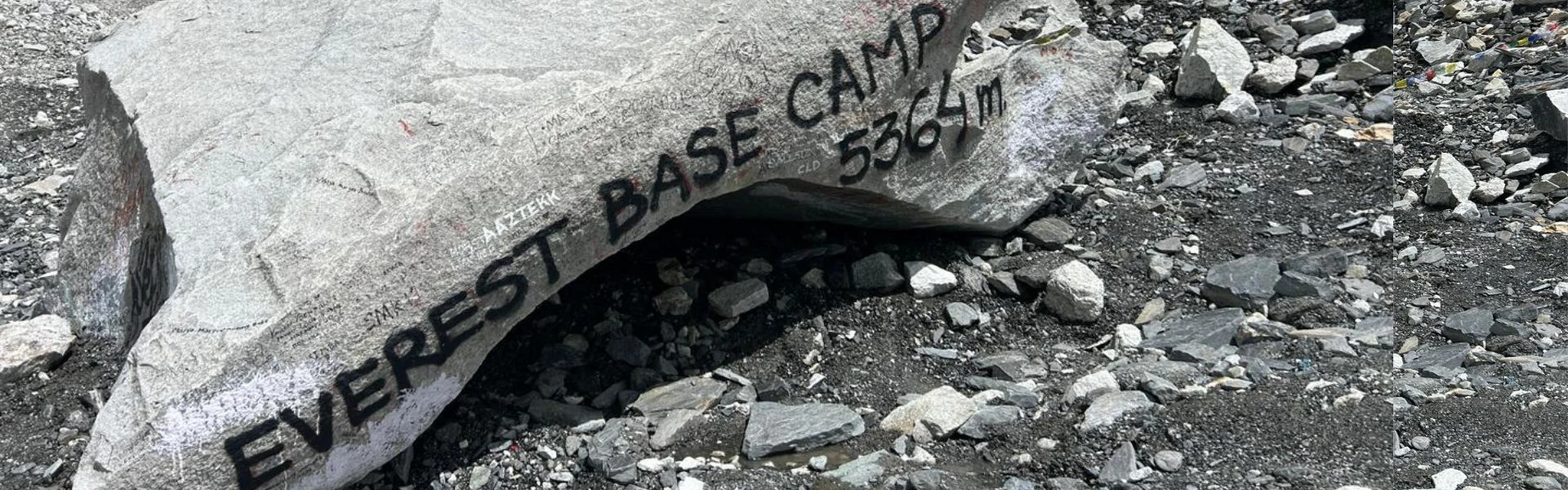
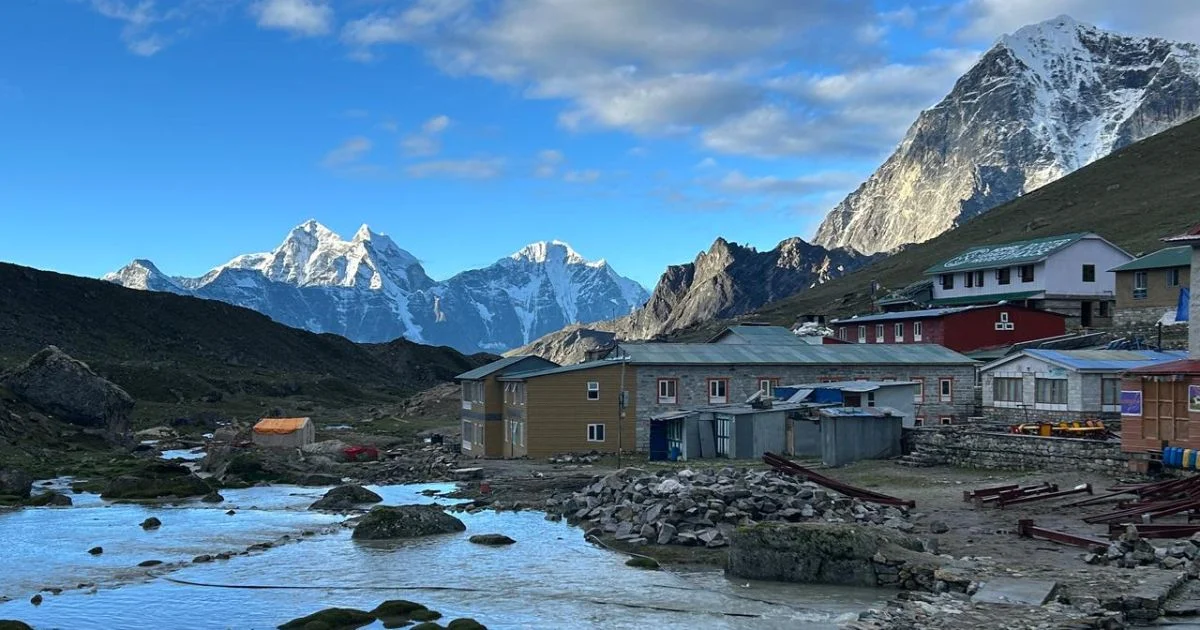
Tea houses during the everest base camp
3. Seasons for the EBC Trek Explained
Spring (March to May)
The spring season brings warming temperatures, flowering rhododendron forests on the lower trail, and a steady return of visibility after winter. The Himalayan landscape feels lush and colourful below Namche Bazaar, and the trails are busy but manageable in late March and early April.
Key spring conditions:
Daytime temperatures at Base Camp sit around 0°C to 5°C in April
Afternoon cloud builds progressively through May, reducing afternoon visibility
April and May bring heavy Everest expedition traffic through the Khumbu Valley.
Rhododendron forests bloom fully from mid-March through April below 4,000 m
Best spring window for luxury trekkers: Late March to mid-April. Trails are active but not overrun. Visibility is strong in the mornings. Luxury lodges along the route still have availability if you book three to four months ahead.
May is worth a note. The summit push period fills the upper Everest region with expedition teams and support staff. The atmosphere shifts. For a first-time luxury Everest Base Camp trek, late April is usually the better choice over May.
Autumn (September to November)
Autumn trekking is widely regarded as the best overall season for the EBC trek, and for good reason. The monsoon rains clear by mid-September, leaving behind exceptional weather and excellent visibility across the Himalayas. Clear skies are the norm, not the exception, through October and into early November.
Key autumn conditions:
Post-monsoon air is clean and dry, delivering the sharpest views of the Himalayan peaks
October delivers consistent sunny days and stable weather from Lukla to base camp.
Late September is an underrated entry point. Trails are quieter and conditions are already strong
Early September marks the tail end of the monsoon. It is worth monitoring, but conditions improve rapidly from mid-month onwards
Early November extends the season with fewer crowds and lower peak trekking pressure
Autumn trekking season highlights:
Month
Conditions
Crowd Level
Notes
Early September
Improving
Very low
Monsoon clearing: monitor conditions
Late September
Very good
Low to moderate
Underrated window for luxury trekkers
October
Outstanding
High
Book accommodation 4–6 months ahead
Early November
Excellent
Moderate
Quieter trails, cold nights setting in
Mid-Late November
Cooling fast
Low
Risk of early snow above 4,500 m
This is the optimal time to stand at Kala Patthar for uninterrupted views of Everest. Ama Dablam appears at its sharpest in October light. If you have one season to choose, autumn is the answer for most luxury trekkers.
Winter (December to February)
December and January bring the Everest region to its quietest point. Temperatures drop sharply at altitude, often reaching -10°C or colder overnight above Dingboche. The trails above Namche carry far fewer people, and some teahouses on the upper route close entirely.
Winter conditions for luxury trekkers:
Premium accommodation remains open in most key stops, but heating quality varies
Lukla flights operate more predictably than during monsoon season, but snow can delay them
The winter season suits experienced trekkers who want near-empty trails and dramatic light
Build extra days into the itinerary for weather contingency above 4,500 m
The challenging trekking conditions of winter are not a deal-breaker for the right traveller. Cold, clear mornings produce extraordinary photography conditions. However, the risk of disruption to the upper trekking route is real, and even premium services cannot always recover a compressed schedule.
Monsoon (June to August)
The monsoon season is the one window to avoid entirely for a luxury Everest Base Camp trek. Monsoon rains dominate from June through August. Cloud cover eliminates views of Everest on most days. Trail erosion, leeches on the lower sections, and persistent humidity make comfortable trekking close to impossible.
Why Monsoon does not work for luxury travel:
Flight disruptions from Lukla are frequent and unpredictable
Premium accommodation is largely available, but the overall experience cannot compensate
Clear skies are rare. Photography and mountain views are almost entirely lost
The upper trekking route can become genuinely hazardous after heavy rain
No tour operator can engineer a luxury experience out of monsoon conditions. Save the budget for a season that works.
4. Month-by-Month Breakdown for Luxury Travellers
All 12 months rated for the luxury EBC trek:
Month
Comfort
Visibility
Crowds
Lodge Availability
Verdict
January
Poor
Fair
Very low
Limited above Namche
Avoid unless experienced
February
Fair
Fair
Low
Limited
Marginal
March
Good
Good
Moderate
Good
Strong shoulder entry
April
Very good
Very good
High
Book early
Excellent
May
Good
Fair (afternoon cloud)
Very high
Book very early
Busy, manageable
June
Poor
Poor
Low
Available
Avoid
July
Poor
Poor
Very low
Available
Avoid
August
Poor
Poor
Low
Available
Avoid
September
Good–very good
Very good
Low–moderate
Good
Underrated
October
Outstanding
Outstanding
Very high
Book 4–6 months ahead
Best overall
November
Very good
Very good
Moderate
Good
Strong choice
December
Fair
Good
Low
Limited above 4,500 m
Cold, experienced only
The trekking months of October and April sit at the top for the luxury Everest Base Camp trek. Late September and early November offer comparable conditions with a fraction of the crowd pressure. If you are planning the months to trek to Everest, use this table as your starting point.
5. Weather and Temperature by Season
Weather conditions vary sharply with altitude along the trekking route. The temperature at Lukla (2,860 m) tells you very little about what awaits at Base Camp (5,364 m). Here is what to expect at each key stop.
A quality luxury lodge makes a real difference above 4,000 m. Heated rooms, hot showers, and insulated dining areas are not indulgences at that altitude. They are practical necessities that directly affect your recovery and acclimatisation days.
Acclimatisation days at Namche and Dingboche are built into every well-structured itinerary. The right season makes those rest days more comfortable and more effective. Cold and disrupted sleep slow acclimatisation. Stable, moderate conditions help it.
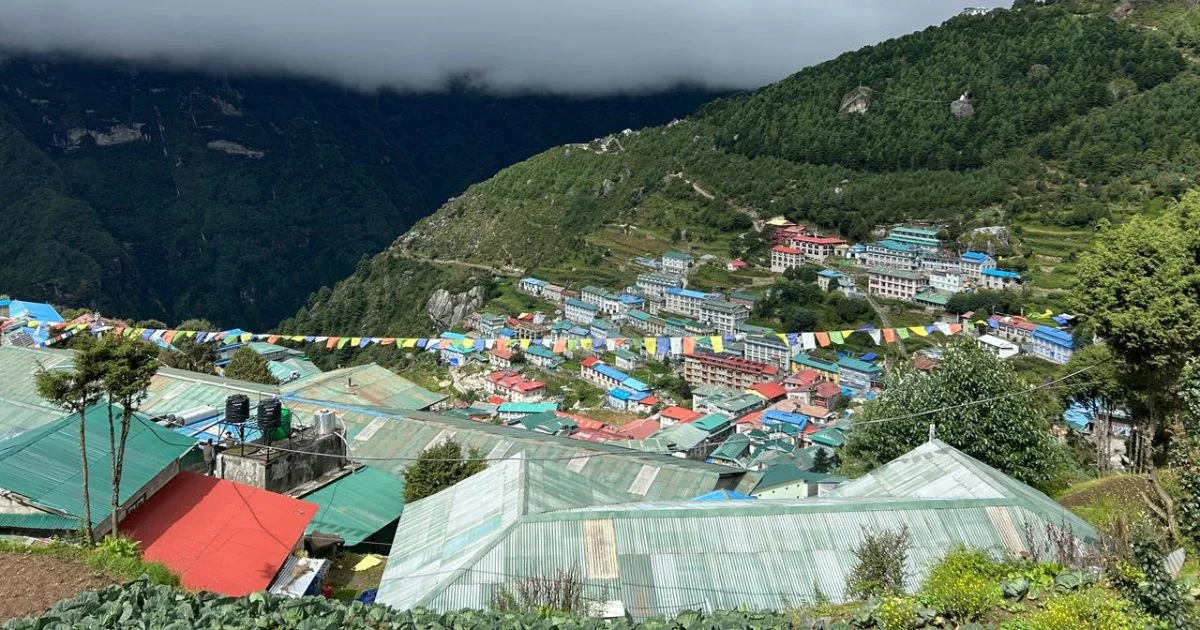
Namche Bazzar view
6. Luxury vs Standard Trek: Why Timing Matters More
Standard trekkers are flexible by habit. They sleep in basic teahouses, adjust their trekking journey when weather changes, and treat delays as part of the adventure. Luxury trekkers arrive with a different contract in mind, and that changes how much timing matters.
Where the gap shows:
Accommodation: Premium rooms at top luxury lodges along the route are limited. In October, they fill months in advance. A late booking at a luxury price does not guarantee a luxury room
Itinerary: A compressed schedule from a Lukla delay or bad weather cuts acclimatisation days and pushes the entire programme. That affects both safety and the quality of the experience(recomend to add few extra days)
Service standards: Lodge staff, kitchen quality, and guiding services all perform best when occupancy is managed. Peak season congestion stretches every resource
The base camp trek offers a genuinely premium experience when the season and logistics align. When they do not, even the most experienced operator has limited room to recover the situation. Timing is not a minor detail in a luxury Everest Base Camp trek. It is a structural decision.
7. Crowds, Exclusivity, and Trail Experience
The peak season in October draws the largest number of trekkers of any month in the Everest region. The Namche to Tengboche section, in particular, can feel congested on mid-morning departures. So what does that mean for a luxury trekking experience?
Managing crowds on a premium trek:
Experienced guides use early morning starts to move ahead of the main traffic on key trail sections
Late September and early November deliver comparable conditions with noticeably fewer people on the trail
Namche Bazaar and Dingboche feel less pressured outside of the October peak, giving your acclimatization days a calmer rhythm
Booking private rooms and dedicated lodge space through your tour operator separates the experience from the standard flow
The trail itself is wide enough and the trekking route varied enough that a well-managed itinerary rarely feels truly crowded. Still, if exclusivity matters to you, late September or early November are worth serious consideration. You get the clear skies and weather conditions of peak season with a fraction of the trail traffic.
8. Flights, Helicopters, and Seasonal Reliability
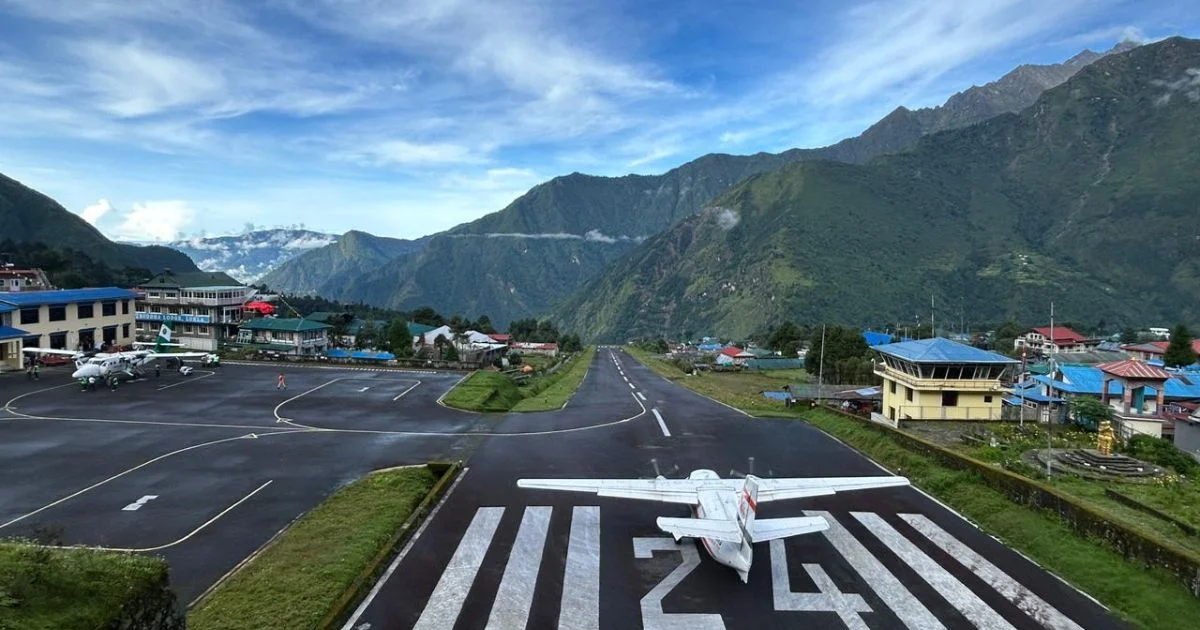
Lukla is one of the most dramatic airports in the world. It is also one of the most weather-dependent. Flight reliability varies considerably across the year, and for a luxury Everest Base Camp trek, that variability has real cost implications.
Lukla flight reliability by season:
Season
Flight Reliability
Common Issues
Helicopter Viability
Spring (Mar–May)
Good
Afternoon cloud disruptions in May
Strong
Autumn (Sep–Nov)
Very good
Occasional morning fog in September
Excellent
Winter (Dec–Feb)
Variable
Snow and ice at altitude
Possible, weather-dependent
Monsoon (Jun–Aug)
Poor
Frequent cancellations, days-long delays
Limited and risky
A quality itinerary for the EBC trek always builds buffer time at Lukla, regardless of season. Even in October, morning fog can delay the first flight by several hours. Extra days in Kathmandu at the start or end of the trekking journey protect the programme from last-minute disruption.
Helicopter options are most reliable in spring and autumn. For luxury trekkers with tight schedules, a helicopter return from Base Camp or Kala Patthar is worth planning in advance. In autumn, helicopter bookings fill quickly. Confirm with your trekking guide and operator before the season opens.
lukla airport plane takeoff
9. Best Time for Views and Photography
The views of Everest and the surrounding peaks are the central draw of the trek to Everest Base Camp. Timing your visit to match the best visibility windows makes a significant difference to what you actually see. If you want to visit EBC with the greatest chance of clear, unobstructed panoramas, autumn is where to focus.
Best visibility windows:
Autumn (October–early November): Post-monsoon air is exceptionally clear. Everest and the surrounding peaks appear at their sharpest. Kala Patthar sunrise in October gives the cleanest, most consistent results
Spring (late March–April): Good morning clarity before afternoon clouds develop. Rhododendron colour on the lower trail adds foreground interest for photography
Winter: Cold, dry air can produce very clear conditions, but low sun angles and extreme cold at higher stops limit practical shooting windows
Monsoon: Cloud cover is almost total above 4,000 m. Not a viable photography window
For photographers and content creators, autumn is the clear leader. The weather and excellent visibility from late September through early November produce the most reliable results for views of the Himalayan range. The light quality in the Himalayas during this period is genuinely special.
10. Best Time Based on Traveller Type
10.1 First-Time Luxury Trekkers
October is the straightforward recommendation. Weather conditions are stable, Lukla flights run reliably, luxury lodges are fully staffed, and the Himalayan scenery is at its peak. Book at least four to six months ahead and confirm your accommodation for every night of the itinerary.
10.2 Couples and Honeymoon Travellers
Late September or early November offers the best balance of conditions and atmosphere. Trails are quieter, lodge dining rooms are less crowded, and the experience feels more private. The clear skies and strong trekking conditions of this window rival October without the congestion.
10.3 Senior Travellers
Late March to mid-April is the most comfortable entry point. Daytime temperatures are mild, the trekking route is active without being overwhelming, and acclimatisation days at Namche and Dingboche are easier in moderate conditions. The spring season suits a measured pace well.
10.4 Photographers and Content Creators
October for clarity and consistent mountain light. Late March to April is for rhododendron foreground, valley colours, and moody cloud formations on the upper trail. The Mount Everest panorama from Kala Patthar is most reliably clear in October and early November.
December and early January offer a unique winter trekking experience with crystal-clear skies, fresh snow, and excellent visibility across the Everest mountain range. Photographers can capture snow-covered Himalayas, quiet trails, and sharp views from Kala Patthar under crisp winter light.
11. When to Book a Luxury Everest Base Camp Trek
Booking timelines matter significantly for premium trekking in Nepal. Luxury lodges along the route have a small number of high-end rooms. When those fill, your operator has no equivalent alternative to offer.
Booking timeline by season:
October departure: Confirm by April. Some luxury lodge allocations are held by operators who release them if unconfirmed by mid-year
April departure: Confirm by December of the previous year
Late September: Confirm by May or June. This window is growing in popularity over time; status and availability is tightening
Early November: Confirm by July. A quieter booking window, but accommodation above 4,000 m is still limited
Lukla flight seats and helicopter bookings follow a similar curve. Your tour operator should hold confirmed seat allocations, not simply a wait-list position. Ask specifically before you pay a deposit.
Late booking in peak season is the most common cause of luxury trekking experience disappointment. The headline price may still be available. The actual premium room often is not.
12. Cost Variation by Season
The luxury Everest Base Camp trek does not come at a flat rate. Pricing shifts across the year, though the variation is less dramatic than in standard trekking packages because premium accommodation and guiding costs form the base.
Seasonal cost patterns:
Season
Price Level
Value Notes
October (peak)
Highest
Full-service experience, maximum visibility
April–May
High
Strong experience, some afternoon cloud in May
Late September
Moderate–high
Near-peak conditions, slightly lower rates
Early November
Moderate–high
Excellent conditions, quieter trails
March
Moderate
Good value, fewer crowds, mild weather
December–January
Lower rack rates
Extra contingency days add back cost
Monsoon
—--------
Not recommended regardless of price
The best experiences rarely come from chasing the lowest rate. Late September and early November are the strongest value windows in the Everest region. You pay near-peak prices for near-peak conditions but with meaningfully fewer people sharing the trail.
13. Final Recommendation: Choosing Your Best Time
Choosing the right time comes down to three questions: What matters most to you? How flexible is your schedule, and how early can you book?
Quick decision guide:
Best for comfort and reliability: October. Full services, outstanding visibility, strong trekking conditions from Lukla to Base Camp
Best for exclusivity:Late September or early November. The autumn trekking season at its edges offers the same conditions with a quieter trail
Best for value: Late March to mid-April. Strong Himalayan scenery, mild temperatures, and slightly lower pressure on accommodation
Best for experienced trekkers seeking solitude: December, with extra days built in and realistic expectations about cold and challenging trekking conditions
Avoid: June through August (monsoon season) and late December through January for all but the most prepared trekkers
The ideal time to trek to Everest Base Camp in Nepal is the window that aligns your comfort expectations with realistic conditions. Most luxury trekkers find that October gives them everything the Himalayan experience promises. But the best trekking time is ultimately personal.
May and September to November form the two best seasons to trek in the Everest region. Within that range, March to May and September through November offer the best months for a premium trekking experience. Plan early, book confirmed, and the time for Everest Base Camp becomes one of the best decisions you will make.
Best Time for Luxury Everest Base Camp Trek: Final Thoughts
The best time for luxury Everest Base Camp trek is not a single answer. It is a range of windows, each with its own strengths, and each shaped by what you want from the experience. Autumn delivers the sharpest mountain views and the most reliable logistics. Spring offers colour, warmth, and a more relaxed early-season atmosphere. Both work well when the itinerary is planned and accommodation is confirmed well in advance.
Choosing the right time ultimately determines what version of the Everest region you encounter. The trail, the lodges, the light on the peaks, and the rhythm of the journey all shift with the season. A well-timed luxury Everest Base Camp trek is not just more comfortable. It is a more complete and more memorable experience from the first flight into Lukla to the last morning at Base Camp.
Plan your trekking journey early, confirm every detail with a trusted tour operator, and align your travel window with your expectations. The Himalayas reward careful preparation, and the best time to trek to Everest will shape your entire experience, from mountain views to trail conditions. Make it count by planning with Nepal Everest Base Camp Pvt Ltd. If you have any questions or need help choosing the right season for your Everest Base Camp trek, contact us, and our local team will be happy to assist you.
On the way to Phakding
Best Time for Luxury Everest Base Camp Trek: FAQs
What is the Best Month for a Luxury Everest Base Camp Trek?
October is the strongest single month for the luxury Everest Base Camp trek. Clear skies, stable weather, fully operational luxury lodges, and peak Himalayan visibility combine to deliver the best overall experience. Book at least four to six months ahead to secure premium accommodation.
Is Autumn Better Than Spring for Luxury Trekking?
Autumn trekking generally edges ahead of spring for luxury trekkers due to its superior post-monsoon visibility. Spring is excellent, particularly late March and April, but afternoon cloud in May and Everest expedition congestion make autumn the more consistent choice for a luxury Everest Base Camp trek.
Can You Do a Luxury EBC Trek in Winter Comfortably?
A luxury Everest Base Camp trek in winter is possible but demands realistic expectations. Temperatures at altitude regularly fall below -10°C overnight, and some upper-route accommodation is limited. For experienced trekkers who want empty trails and dramatic cold-weather conditions, the winter season has genuine appeal. Build extra days into the itinerary for contingency.
How Far in Advance Should I Book a Luxury Trek to EBC?
For peak season departures in October, confirm with your tour operator by April at the latest. Luxury lodges along the route hold a small number of premium rooms. For spring departures in April and May, book by December of the prior year. Waiting until two or three months before departure risks downgrade or unavailability.
What is the best time to visit EBC on a luxury trek?
The best time to visit Everest Base Camp on a luxury trek to the Everest region is October, followed closely by late September and early November. These months give you stable weather conditions, reliable Lukla flights, and Everest Base Camp luxury lodge availability at its peak. Mt Everest and the surrounding peaks are at their most visible during the post-monsoon window, making this the most rewarding time to go.
Are Helicopter Returns More Reliable in Certain Seasons?
Helicopter transfers are most reliable during the spring and autumn seasons when weather conditions over the Everest region are stable and predictable. Autumn is the strongest window overall. Monsoon rains make helicopter operations unreliable and sometimes dangerous from June through August. Confirm helicopter bookings well in advance through your trekking guide and operator, especially for October departures.
Blending digital strategy with mountain passion, I help adventurers find their way to the Himalayas online. With hands-on experience in Nepal’s trekking trails and a role at Nepal Everest Base Camp Trekking Co., Thamel, I combine SEO expertise with true trail insight.