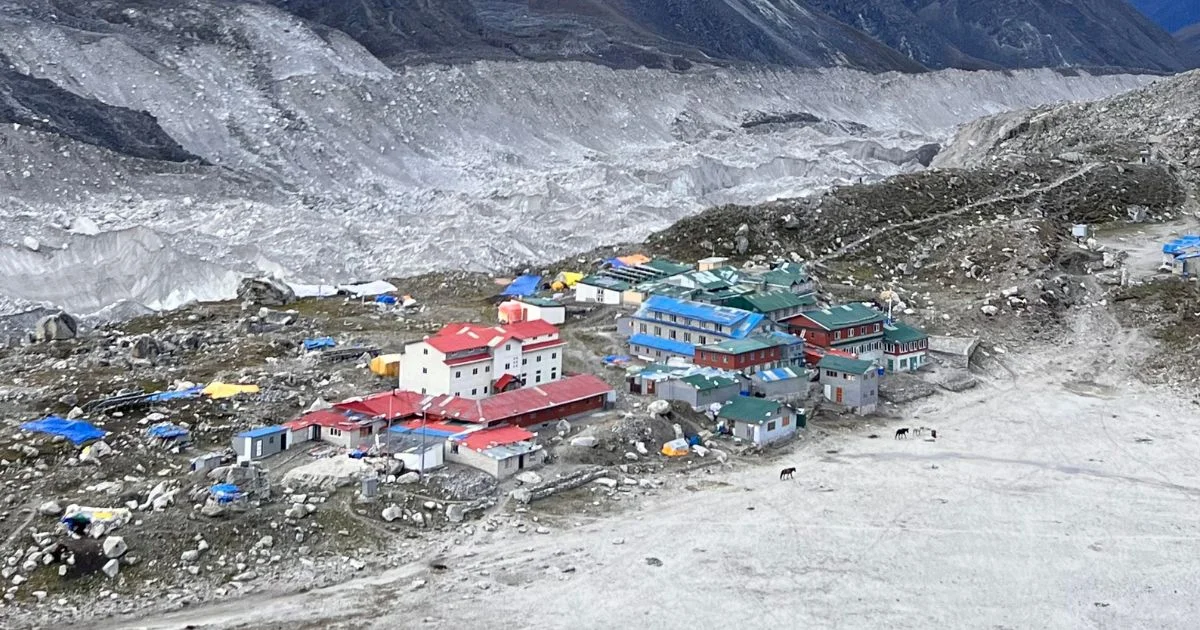
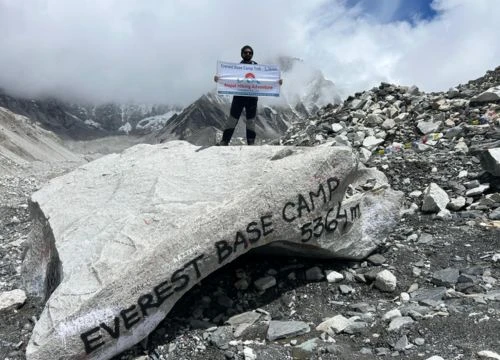
Gorakshep is a small village that serves as much more than just a last stop before Everest Base Camp in Nepal. Located at 5,164 metres, this remote settlement has evolved into an essential hub for mountaineers, photographers, and high-altitude trekkers. Gorakshep stands as one of the most significant locations on the legendary Everest journey. Gorakshep is important because it marks the final settlement on the classic route in Nepal.
Having trekked to Gorakshep multiple times, both independently and as a guide with clients, I can personally attest to its transformative power. Each visit offered different challenges, from harsh winds to heavy snowfall. Firsthand experience has given me insight into how altitude affects trekkers physically and mentally, due to the high altitude. The site carries profound historical weight as the original Everest Base Camp, serving expeditions decades before the current base camp location higher up in the Everest region. In fact, Gorakshep was the base camp for early climbs, and later the base camp moved farther up the glacier in Nepal. Trekkers often reflect on their time here as transformative. Many describe standing in thin air, surrounded by peaks, as the moment their journey crystallises into genuine understanding.
Moreover, Gorakshep is the last permanent settlement most visitors reach before pushing higher. Positioned strategically along the Everest Base Camp route, Gorakshep is the final stop on the Everest base and the final stop before EBC itself. Most trekkers cannot proceed directly to higher elevations without adequate acclimatisation. Staying in Gorakshep has become the standard approach for this reason. From here, climbers reach EBC in two to three hours, while others ascend nearby Kala Patthar for unobstructed views of Mount Everest. Thus, the village serves both as refuge and staging ground for EBC or Kala Pathhar attempts.
This article from Nepal Everest Base Camp Co. examines Gorakshep across multiple dimensions. Geography, facts, history, climate patterns, accommodation standards, and practical trekking advice are all explored. We address altitude sickness concerns, nearby attractions, and the cultural significance of this high-altitude settlement. Whether you are planning your first visit or seeking deeper knowledge, this guide provides comprehensive information for your famous Everest Base Camp experience.
Gorakshep is located at geographic coordinates 27.9881° N latitude and 86.8597° E longitude. Several key characteristics define its location.
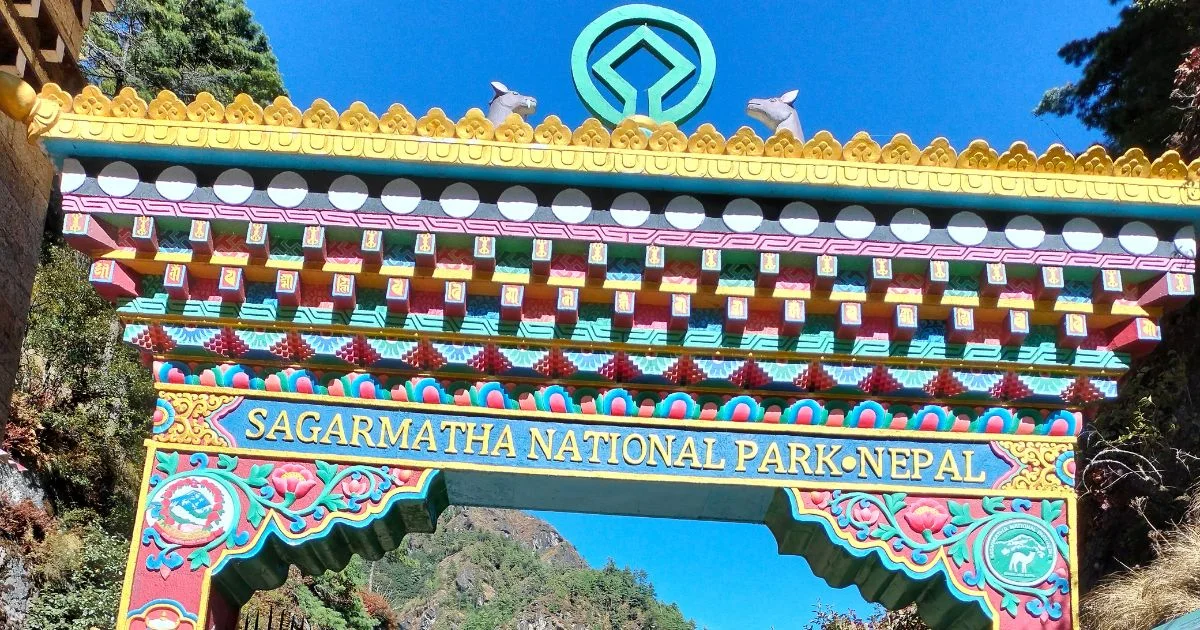
Gorakshep village is a small frozen settlement within Sagarmatha National Park, a UNESCO World Heritage Site and the final stop on the main Everest Base Camp route for trekking access. It serves as a critical waypoint for mountaineers and high-altitude trekkers. Gorakshep village is the last place with teahouses on the trail, and Gorakshep is the last true village before the glacier.
Elevation and Terrain
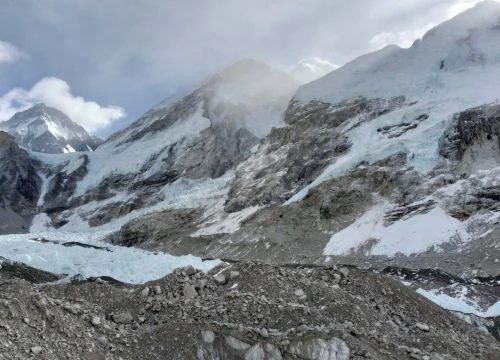
At 5,164 metres, Gorakshep is the highest inhabited waypoint on the high-altitude trekking circuit and the highest point on the Everest Base Camp Trek itinerary where overnight stays in buildings are common. It sits on a high plateau with distinct environmental features. The high altitude creates terrain consisting of barren rock, sparse vegetation, and permanently frozen ground. This harsh environment creates unique challenges for visitors due to the high altitude.
I have spent nights in Gorakshep teahouses, including the Everest Inn and others, witnessing the village's stark beauty and its unique sense of isolation. The winds here are relentless, and the cold penetrates even the best equipment.
Feature
Details
Terrain Type
Barren rock, sparse vegetation, permanently frozen ground
Wind Speed
40-60 km/h (gusts exceeding 100 km/h)
Vegetation
Minimal insulation, few surviving trees
Environmental Zone
Lunar-like landscape, high-altitude exposure
Surrounding Peaks and Panorama
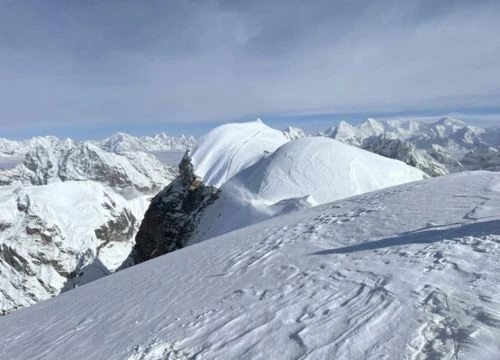
Major peaks are seen from Gorakshep, Nepal, including Everest and Lhotse. Several summits can be seen under favourable conditions.
Mount Everest (8,849 metres) appears partially obscured by intervening ridges. Lhotse (8,516 metres) presents an eastern wall prominent in views. Nuptse (7,861 metres) displays a formidable eastern face. Pumori (7,145 metres) offers a distinctive western pyramid shape. Ama Dablam (6,812 metres) stands as a distinctive spire on the horizon.
As a guide with Nepal Everest Base Camp Co., I recommend staying near the western edge of Gorakshep for the best unobstructed views of Everest and Lhotse. This positioning makes a significant difference in your photographic opportunities. Additionally, Gorakshep is also closer to the base camp than any previous stop.
Landmark
Distance
Notes
Kala Patthar
1,000m ascent
Closer to base camp than any other settlement
Everest Base Camp
3 kilometres
Shortest approach among settlements
Kathmandu from Gorakshep
12-14 days descent
Return to capital
Gorakhsep Location Board
Etymology and Cultural Significance
Name Meaning
The Sherpa etymology breaks down as follows. "Gora" means ridge or pass. "Kshep" means shelter or resting place. The literal translation reads: Shelter at the ridge.
Cultural and Spiritual Context
Buddhist and local significance characterises the area. Gorakshep functions as a spiritual threshold in Sherpa traditions, connecting to Buddhist cosmology. Local animistic belief systems also mark this location as a boundary between tourist infrastructure and wilderness.
Through my experiences guiding the Everest Base Camp trek, I have learnt that locally, Sherpas regard Gorakshep as a spiritual threshold. Chortens and prayer flags mark sacred boundaries throughout the settlement. Sharing these stories helps trekkers appreciate both cultural significance and mountaineering history.
Historical Context
Gorakshep as Original Base Camp
The timeline of significance demonstrates Gorakshep's role as base camp for famous Everest expeditions.
Period
Role
Key Facts
1950s
Primary staging ground
Gorakshep was the original EBC with intense mountaineering activity
1953
Hillary expedition operations
Edmund Hillary's famous ascent staged from this location
Modern era
Relocated to higher location
Expansion and technical evolution moved base camp higher
Today
Primary trekking hub
Serves as the original Everest expedition site, now acclimatisation hub
Gorakshep served as the original base camp for Everest expeditions in the 1950s, including Hillary's 1953 ascent. Understanding this historical context enriches every step you take in this remarkable location. Gorakshep is also part of the Everest base history that draws thousands each year.
Historical features include early mountaineering records documenting supply caches and porter camps from Gorakshep. The settlement became legendary for stark conditions and desolate beauty. The unchanged landscape connects trekkers to the original exploration era.
Sagarmatha National Park Protection
Environmental Framework
Sagarmatha National Park was established in 1976 and covers a total area of 1,148 square kilometres. Its status as a UNESCO World Heritage Site brings significant protection benefits. The park preserves authentic environmental character and limits commercialisation. Stable accommodation standards and regulated waste management practices maintain the region's integrity.
Permits and Entry Requirements
Mandatory documentation includes a TIMS (Trekking Information Management System) card and a Sagarmatha National Park permit, which costs approximately 3,000 Nepalese rupees. A valid passport and visa are also required.
Checkpoint verification locations include Tengboche (first verification point), Pheriche (altitude monitoring checkpoint), and Lobuche (final checkpoint before ascent).
At Nepal Everest Base Camp Co., we handle all permit arrangements during comprehensive pre-trek briefings, ensuring you understand every requirement before heading to Everest Base Camp.
Sagarmatha National Park Gate
How to Reach Gorakshep, Nepal
Standard Trek Route
When trekking to Gorakshep, Nepal, most visitors follow the established Everest Base Camp trail. Here is the multi-day progression.
It typically requires 12 to 14 days to reach Gorakshep from Kathmandu with proper acclimatisation. Based on my experience guiding the Everest Base Camp trek, this gradual approach with built-in rest days is essential. Reaching Gorakshep requires patience and careful preparation to ensure successful altitude adjustment.
Final Approach: Trek from Lobuche to Gorakshep
The trek from Lobuche to Gorakshep is considered the most demanding segment. Understanding the specifics proves crucial for preparation.
Distance: Approximately 5 kilometres. Duration: 5-6 hours. Altitude gain: Approximately 230 metres. Difficulty: Most demanding segment of the entire route. Common symptoms: Exhaustion and altitude sickness onset.
Alternative: Flying to Gorakshep
Helicopter options exist for reaching Gorakshep quickly, though this alternative presents both advantages and significant drawbacks.
Cost: 2,500-3,000 dollars per person. Departure: Kathmandu to Gorakshep. Availability: Limited operators. Risk factor: Minimal acclimatisation creates serious health hazards. Status: Generally discouraged by experienced guides.
As a professional guide, I strongly advise against this option unless absolutely necessary for emergency evacuation purposes.
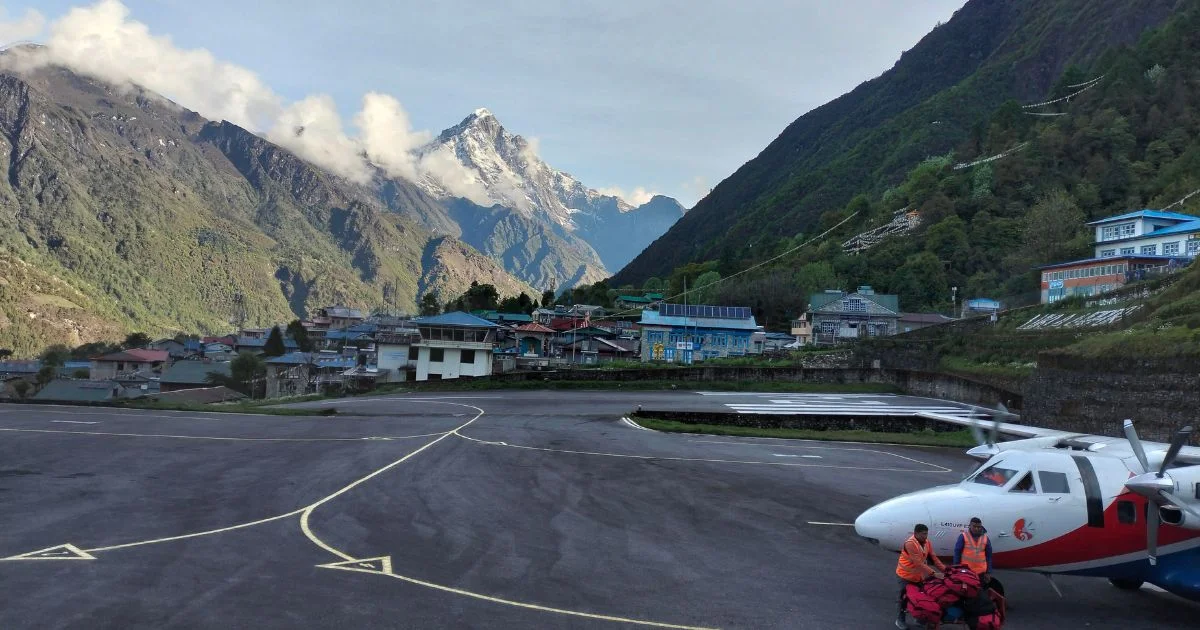
Lukla Airport
Climate and Weather Patterns
Seasonal Temperature Breakdown
Weather and temperature in Gorakshep, Nepal, vary greatly by season, and Gorakshep weather can change rapidly even within a day.
The weather in Gorakshep varies significantly throughout the year, creating distinct seasonal considerations for visitors. Understanding these patterns is essential for trip planning.
Season
Temperature
Wind Speed
Conditions
Summer (May-Sep)
-5°C to 5°C
40-60 km/h
Stable, variable cloud cover
Autumn (Sep-Nov)
-10°C to 0°C
50-80 km/h
Clear, cold conditions
Winter (Dec-Feb)
-20°C to -10°C
60-100+ km/h
Severe, likely closures
Spring (Mar-May)
-5°C to 5°C
40-70 km/h
Improving visibility
Optimal Visiting Seasons
Spring (March-May) and Autumn (September-November) represent the best windows for the Everest Base Camp trek. These seasons offer multiple advantages. Stable weather patterns prevail, and clearer skies improve visibility substantially. Spring offers longer daylight hours, while autumn provides stunning peak visibility.
Peak season implies crowded trails and full lodges, but accommodation demand and better weather reliability make these periods worthwhile.
Through my multiple visits heading to Everest Base Camp, I have experienced everything from perfect blue skies to whiteout conditions. Flexibility in your schedule is essential.
Accommodation and Facilities
Teahouse Standards
Basic facility characteristics of teahouses in Gorakshep, Nepal, reflect the extreme environment. Gorakshep village is a small cluster of lodges, including the well-known Everest Inn. Gorakshep is extremely limited in comfort amenities. Expectations should align with the extreme environment.
Stone construction with corrugated metal roofs characterises most teahouses. Minimal insulation standards mean significant cold penetration. Dormitory sleeping arrangements on simple mattresses are standard. Limited heating occurs only during afternoon and evening hours when electricity is available.
Cost ranges from 800 to 1,500 Nepalese rupees per night. Gorakshep lacks luxury accommodations due to extreme elevation. All lodges reflect harsh environment realities. Private rooms offer minimal additional comfort. Essential items include a sleeping bag and blankets. No luxury Everest Base Camp accommodations exist at this elevation.
Our guides at Nepal Everest Base Camp Co. prepare clients for these conditions during pre-trek briefings. We recommend packing a high-quality sleeping bag rated to minus 20 degrees Celsius, which makes a significant difference in comfort and safety at this extreme elevation.
Dining and Water
Food availability presents challenges at this elevation. Options include limited dietary variety, including pasta, rice, and vegetable curry. Basic teahouse kitchen operations serve these meals. High-altitude calorie requirements necessitate hearty meals.
Water access requires careful attention. Sources include glacial melt or collected snow. Water receives treatment through boiling or chemical processing. Conscious effort is required to maintain hydration. Herbal tea serves as a popular beverage, warming the body effectively.
I train clients to keep daily hydration logs, which has proven invaluable in preventing altitude-related complications.
Utilities and Technology
Electricity and charging operate on limited schedules. Solar panels provide limited power available during afternoon and evening hours only. Charging costs 100-200 Nepalese rupees per device. Battery packs are highly recommended.
WiFi connectivity exists at some lodges but remains extremely slow due to limited bandwidth. Plan accordingly for device charging.
Health and Altitude Considerations
Acute Mountain Sickness (AMS)
Primary health risk at Gorakshep occurs when trekking takes place at extreme elevations. Undeniably, AMS represents a serious concern for all visitors.
Common symptoms include headaches, nausea and dizziness, sleep disturbances, and physiological stress responses.
Trigger factors include rapid ascent without acclimatisation, dehydration, insufficient caloric intake, and individual susceptibility variation.
Over the years, I have guided trekkers who initially struggled with altitude sickness but learnt to acclimatise properly in Gorakshep, turning their journeys into personal triumphs. Recognising early symptoms and responding appropriately makes all the difference.
Acclimatisation Strategy
Critical prevention steps must be followed rigorously. These measures significantly reduce health risks.
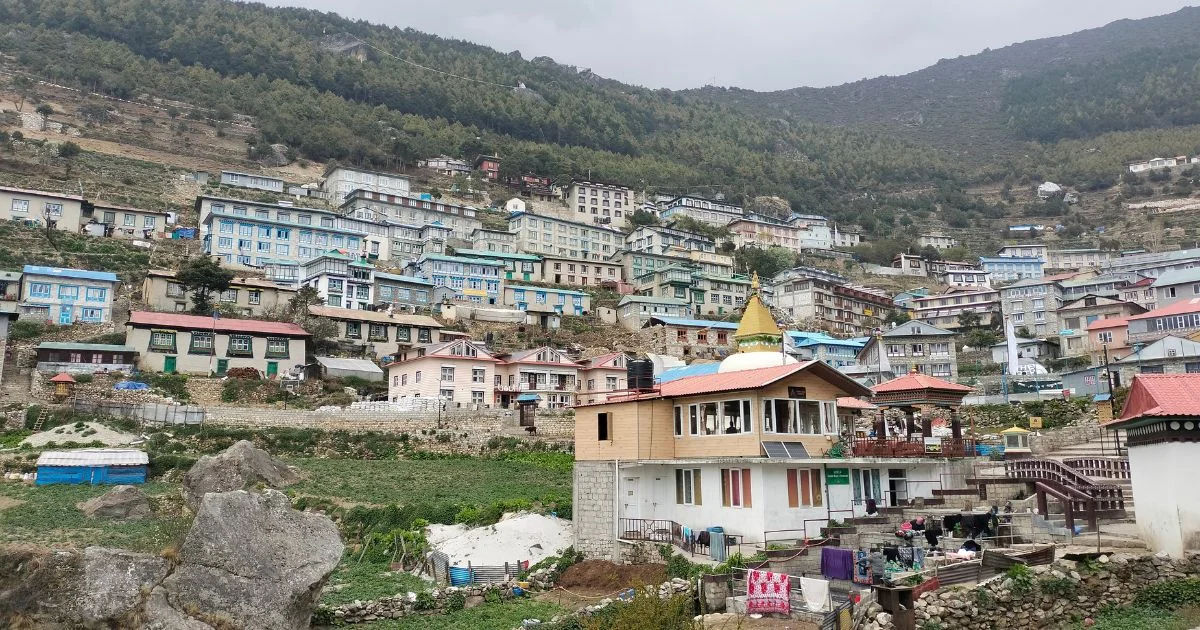
Spend 5 or more days in Nepal before trekking. Rest at Namche Bazaar (3,440 metres). Take rest days at Dingboche (4,410 metres). Engage in gentle activity during acclimatisation phases. Consume iron-rich food for red blood cell production.
I emphasise acclimatisation strategies, such as alternating light and moderate hikes at Dingboche and Lobuche, as crucial elements of the Everest Base Camp trek. I train clients on recognising early AMS symptoms and using preventive medication when needed.
Descent protocols are critical. Descend immediately if serious symptoms develop. Monitor personal warning signs vigilantly. Prioritise safety over schedule adherence.
Namche Bazzar
Activities and Exploration
Trek from Gorakshep to Everest Base Camp
The hike to Everest Base Camp from Gorakshep represents the primary objective for most visitors. This journey offers a unique experience.
Duration: 2-3 hours (normal conditions). Distance: Approximately 3 kilometres. Elevation gain: Approximately 200 metres. Route:Khumbu Glacier traversal toward iconic EBC.
Hazards and requirements include crevasse exposure, loose rock terrain, altitude-related challenges, and proper footwear. Adequate acclimatisation is required.
Most return to Gorakshep (and often back to Gorakshep) the same day for an overnight stay.
Trek from Gorakshep to Kala Patthar
For the best views of Mount Everest, consider the hike to Kala Patthar summit. This route provides superior vantage points.
Elevation: 5,545 metres. Ascent: 1,000 metres from Gorakshep. Duration: Approximately 3 hours. Optimal timing: Early morning (4 a.m. departure for sunrise over Mount Everest).
Both base camp and Kala Patthar offer distinct advantages. Unobstructed Mount Everest views appear from Kala Patthar. Legendary photography opportunities abound. Sunrise and sunset displays create superior visual experiences when comparing vantage points. Many do Everest Base Camp or Kala Patthar in one long day from Gorakshep.
One client described standing on Kala Patthar at sunrise as the moment they truly felt they had earned EBC. A memory like this transforms perspective on adventure travel. Sunrise from the Kala Patthar viewpoint is the most iconic photo opportunity. I also advise trekkers to capture Everest and Nuptse from Gorakshep itself for a unique perspective of the surrounding plateau. Few online guides highlight the moonlit glacier views. We encourage clients to experience this for a truly surreal photo opportunity.
Acclimatisation Routes
Additional exploration around Gorakshep includes various options. Multiple activities support gradual altitude adjustment.
Shorter glacier walks suitable for acclimatisation days exist nearby. Gentle approaches without extreme exertion allow body adaptation. Immediate plateau exploration for photography provides immediate engagement. Quiet reflection opportunities abound. Multiple-night stays support progressive altitude adjustment.
Gorakshep
Local Culture and Community
Sherpa Presence
Cultural characteristics define the region. These traditions enhance visitor experiences.
Centuries-long regional connections define Sherpa presence. Traditional hospitality practices remain strong. Cultural authenticity in trekking experiences matters greatly. Respectful interaction enhances journey meaning.
At Nepal Everest Base Camp Co., we emphasise not just reaching destinations but understanding the historical, environmental, and spiritual context of places like Gorakshep.
Seasonal Habitation Patterns
Population dynamics fluctuate dramatically throughout the year. These patterns reflect the harsh climate.
Period
Population
Notes
Permanent
Fewer than 50
Year-round residents
Peak season (Mar-May, Sep-Nov)
200+
Temporary residents
Winter months
Near-complete abandonment
Migration to lower elevations
Local Structures
Cultural landmarks and things to do in Gorakshep provide meaningful experiences. These sites carry spiritual and historical significance.
Buddhist chortens (shrines) mark sacred locations. Prayer flags throughout the settlement reflect spiritual devotion. Stone teahouses show impressive engineering adaptations. Occasional memorials mark tragic locations.
Major attractions around Gorakshep include photography opportunities from multiple vantage points. Striking vistas span across the Everest region. Religious and cultural landmark exploration enriches understanding. Human resilience embodied in construction inspires visitors.
Planning Your Expedition: Gorakshep, Nepal
Essential Gear and Clothing
Critical equipment must be carefully selected. Proper preparation determines success and safety.
Thermal base layers using merino wool or synthetic materials provide essential insulation. Insulated jackets in down or synthetic materials offer warmth. Windproof shell jackets protect against extreme conditions. Mountaineering boots with insulation prevent frostbite. Sleeping bags rated to minus 20 degrees Celsius ensure safe rest. High-quality sunglasses and sunscreen protect from high-altitude sun exposure. Altitude medication, including acetazolamide, manages AMS symptoms. Comprehensive first aid kits address common issues.
Simple preparation tips, like packing a high-quality sleeping bag and keeping daily hydration logs, make a significant difference in comfort and safety at this extreme elevation during the EBC trek.
Safety Guidelines
Essential priorities require strict adherence. These measures protect your wellbeing.
Begin with gradual acclimatisation over multiple days. Maintain consistent hydration and calorie intake throughout the trek. Descend immediately if serious symptoms develop. Recognise personal physical limitations honestly. Hire experienced local guides for navigation and support. Check weather forecasts regularly before departing. Avoid treks during poor conditions and unstable weather.
Significance and Impact
Role in Everest Trek Experience
The strategic importance of Gorakshep proves critical. Gorakshep stands as the highest permanent settlement for trekkers on the route. When planning your route to famous base camp destinations, Gorakshep becomes essential. Gorakshep is a small village that functions as the last major hub before the final ascents.
Gorakshep serves as a stop before reaching Everest Base Camp and major destinations. It marks a psychological threshold indicating a transition zone. The village functions as a gateway to the trek's most memorable components. It provides an essential staging ground and jumping point for Kala Patthar summit attempts.
Gorakshep and Everest Base Camp together create an unparalleled experience during the EBC trek.
Emotional and Spiritual Dimensions
When you return to Gorakshep after exploring higher elevations, the settlement becomes even more meaningful. Visitors often report transformative experiences.
A stark landscape creates psychological reflection space. Personal accomplishments reach new significance. Himalayan power generates humility and wonder. The settlement is frequently reported as the most transformative location on the trek. Ordinary concerns fade, and deeper understanding emerges. Gorakshep feels like a threshold between civilisation and wilderness.
Personal Transformation Catalyst
Experiences show that Gorakshep is one of the most significant personal growth locations. These experiences shape visitors profoundly.
Contemplation of human limitation and mountainous majesty recognition occurs naturally. Spiritual awakening and philosophical clarity are often reported. Powerful memory creation and photograph preservation take place. Friendship deepens in extreme settings. The settlement serves as more than accommodation. It functions as a transformation catalyst for every visitor.
What Gorakshep Teaches Every Trekker
Gorakshep represents an extraordinary location combining geographical significance, historical importance, and profound personal impact. The settlement serves as the stop before reaching Everest Base Camp and the staging ground for Kala Patthar ascents. Understanding the practical dimensions of this location, including altitude, accommodation, permits, and acclimatisation strategies, ensures successful visits. Appreciating historical context enriches understanding of mountaineering evolution in the Everest region. Gorakshep deserves careful planning and respectful engagement.
Arriving at Gorakshep requires patience during the entire EBC trek approach. Resist rushing the acclimatisation process. Pack conservatively to reduce porter loads. Maintain flexibility regarding weather and personal conditioning. Prioritising safety and wellbeing over schedule creates better experiences. Engaging respectfully with Sherpa communities enriches the journey. Treating the village of Gorakshep with appropriate reverence ensures memorable experiences.
Ready to discover Gorakshep firsthand? Nepal Everest Base Camp Co. offers comprehensive trekking services, experienced guides, and customised itineraries for the EBC trek. We provide detailed pre-trek briefings addressing altitude concerns and practical preparation. Our booking platform connects you with vetted teahouses and local guides. Contact our team today to begin planning your Everest trek. Explore our comprehensive trekking guides covering the entire route. Take your first step toward transforming your mountaineering aspirations into reality.
Mt Everest
Frequently Asked Questions about Gorakshep
What is the elevation of Gorakshep?
Gorakshep sits at approximately 5,164 metres (16,942 feet), making it one of the most highly elevated permanently inhabited settlements on the Everest Base Camp trail. This extreme high-altitude positioning creates the primary challenges trekkers encounter during their visit.
How far is Gorakshep from EBC?
The distance from Gorakshep to EBC measures roughly 3 kilometres, with the trek to Everest Base Camp typically requiring 2 to 3 hours depending on snow conditions and personal fitness. This hike traverses the Khumbu Glacier and gains approximately 200 metres in elevation.
Can you see Mount Everest from Gorakshep?
Mount Everest remains blocked by intervening peaks when viewing from Gorakshep itself. The best view of Everest occurs from Kala Patthar, situated 1,000 metres higher and offering unobstructed vistas when comparing EBC and Kala Patthar vantage points.
What are the accommodation and facilities like in Gorakshep?
Lodges in Gorakshep feature very basic standards, including stone teahouses with minimal insulation, simple shared dormitory bedding, limited solar-powered electricity, shared toilet facilities, and unreliable WiFi connectivity. Most accommodation in Gorakshep costs between 800 and 1,500 Nepalese rupees per night. Facilities in Gorakshep reflect the extreme mountain environment.
How risky is altitude sickness in Gorakshep?
Altitude sickness represents the primary health risk at Gorakshep due to its extreme elevation. Most trekkers experience some AMS symptoms, including headaches, nausea, and dizziness. Proper acclimatisation through gradual ascent remains essential for successful visits during the Everest Base Camp trek.
What is the best time to visit Gorakshep?
Spring (March to May) and Autumn (September to November) represent the optimal seasons for discovering Gorakshep village, offering stable weather patterns, excellent visibility of Mount Everest, and moderate temperatures. These periods coincide with peak Everest trekking season across the entire region.
How do I reach Gorakshep?
Most trekkers reach the Everest Base Camp region via the standard Everest Base Camp route, beginning from Kathmandu with flights to Lukla followed by multi-day trekking through established trail routes. The journey from Kathmandu to Gorakshep typically requires 12 to 14 days for acclimatised trekkers. A helicopter option is also possible, as you can fly directly to Gorakshep for quicker access to the area and its close mountain views, though you still need to handle the altitude with care even when the approach is shortened by air.
What permits do I need for Gorakshep?
TIMS cards, Sagarmatha National Park permits, and local Khumbu Pasang Lamhu permits, which cost about 3,000 Nepalese rupees, are required for visitors. Restricted area permits may apply for certain regions. Arrange these documents before beginning your trek from Kathmandu.
What should I pack for Gorakshep?
Essential packing includes thermal layers, insulated jackets, mountaineering boots, sleeping bags rated to minus 20 degrees Celsius, sun protection, and high-altitude specialised equipment. Medications for AMS management and comprehensive first aid supplies prove invaluable when heading to the Everest Base Camp region.
Can I sleep at Everest Base Camp?
Yes, you can sleep near Everest Base Camp, but it depends on the season. During the main trekking months, most trekkers stay at Gorakshep, the highest overnight point, and make a day trip to the Base Camp itself, as no permanent accommodation exists there. In climbing season, expedition teams may use tents at EBC, but casual trekkers generally return to Gorakshep for overnight stays.
Blending digital strategy with mountain passion, I help adventurers find their way to the Himalayas online. With hands-on experience in Nepal’s trekking trails and a role at Nepal Everest Base Camp Trekking Co., Thamel, I combine SEO expertise with true trail insight.