Choosing between an expedition guidevstrekking guide affects your safety, budget, and outcome on any Himalayan journey. The difference between these two roles involves legal responsibility, decision-making authority, and the type of terrain and risk each professional manages. Most travellers planning a trek or climb in Nepal assume all guides offer similar services, but they do not.
This guide addresses a crucial gap in how trekkers, climbers, and adventurers prepare for trips to MountEverest, Annapurna Base Camp, Mera Peak, and other destinations across the Himalayas. A trekking guide supports you on established trails where accommodation, food, and navigation follow predictable patterns. An expedition guide leads you into high-altitude, technical environments where survival depends on mountaineering skills, logistics, and handling emergencies.
The consequences of hiring the wrong type of guide range from wasted money to preventable accidents. A trekking guide cannot legally or practically lead a technical climb that requires ropes, ice axes, or high-level decision-making above 7,000 meters. An expedition guide may be overqualified and unnecessarily expensive for a standard Everest Base Camp trek, so clarity matters. This is why companies such as Nepal Everest Base Camp Co. clearly separate trekking operations from expedition leadership, matching the right guide to the actual demands of the route.
Understanding the Basics
What Is a Trekking Guide
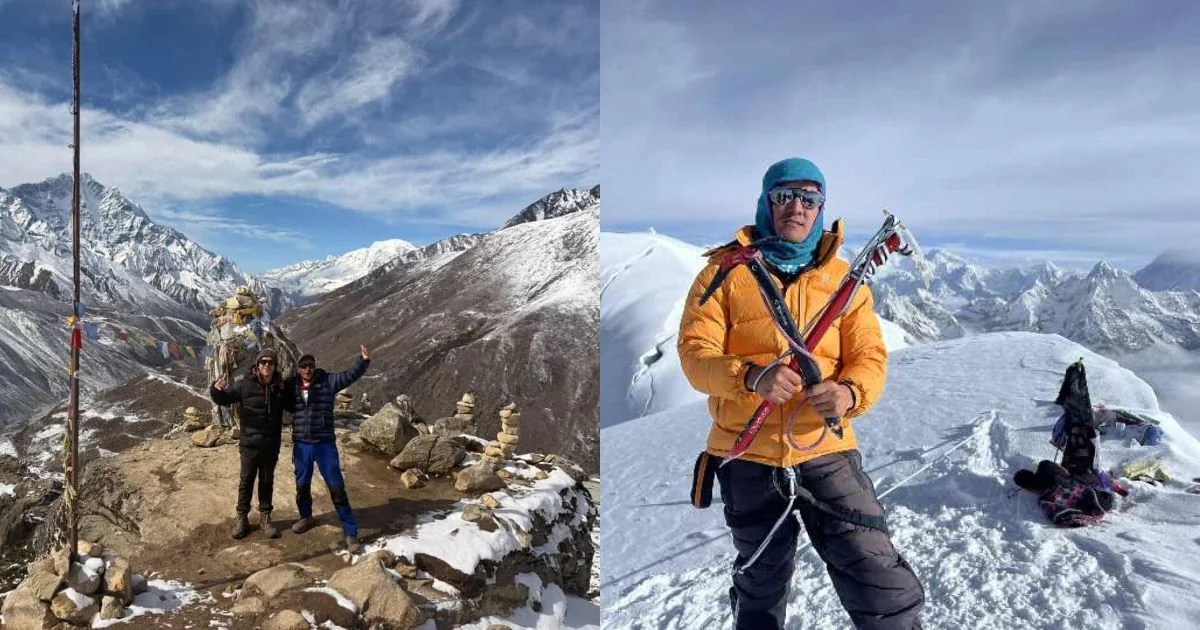
A trekking guide leads groups or individuals on established trekking routes below 7,000 metres in Nepal. These professionals operate on trails where accommodation, food, and navigation follow predictable patterns. Their role includes:
Route planning and daily itinerary management
Cultural interpretation and cultural ambassadors bridging cultural barriers
Basic first aid and altitude sickness recognition
Logistics coordination, including teahouse bookings and permit processing
Assistance with porter arrangements and meal planning
Trekking guides work primarily in regions like Everest Base Camp, Annapurna Base Camp, Langtang Valley, and Manaslu Circuit. They manage daily decisions, arrange accommodations, and assist with permit requirements. Their training focuses on navigation, altitude sickness recognition, and understanding of the local culture.
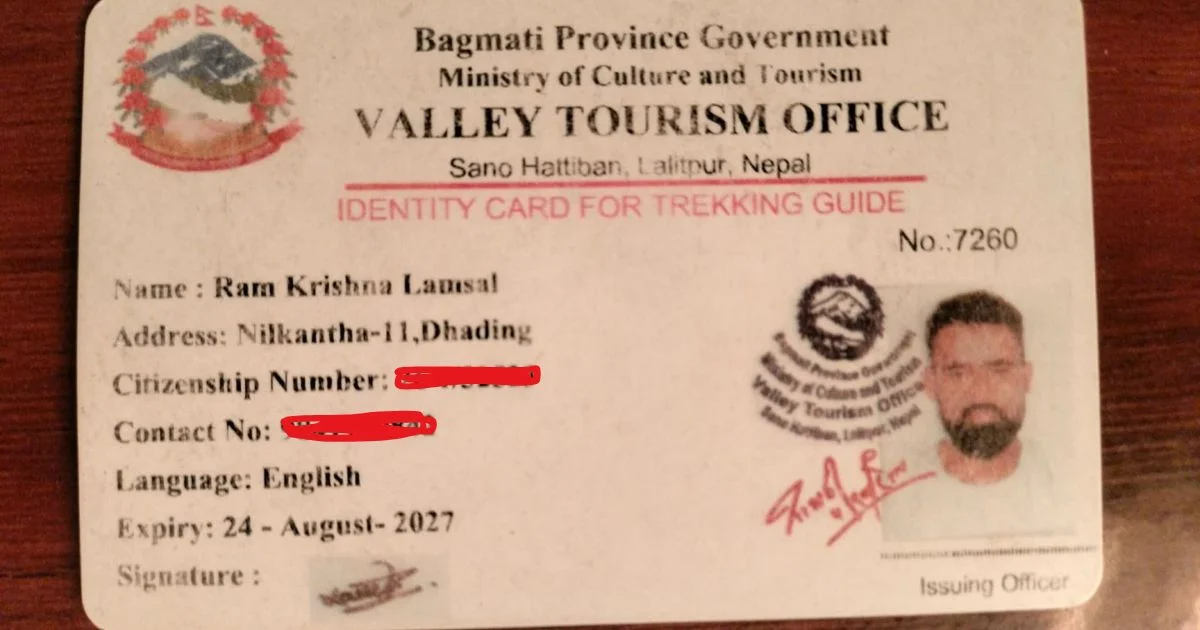
A licensed trekking guide in Nepal must complete government-approved training through organisations like TAAN (Trekking Agencies' Association of Nepal). This training covers trail knowledge, basic first aid, environmental conservation, and customer service. Most trekking guides gain experience by working as porters or assistant guides before receiving full certification.
Trekking guide licence
What Is an Expedition Guide
An expedition guide leads climbers on technical peaks above 7,000 metres where mountaineering expertise, rope work, and high-altitude decision-making are essential. These professionals manage expeditions involving glacier travel, ice climbing, fixed ropes, and camp systems at extreme altitudes. Their responsibilities extend to:
Route setting and technical decision-making
Gear management and oxygen systems coordination
Weather assessment and emergency rescue operations
Crevasse rescue and avalanche risk evaluation
Base camp setup and climbing Sherpas coordination
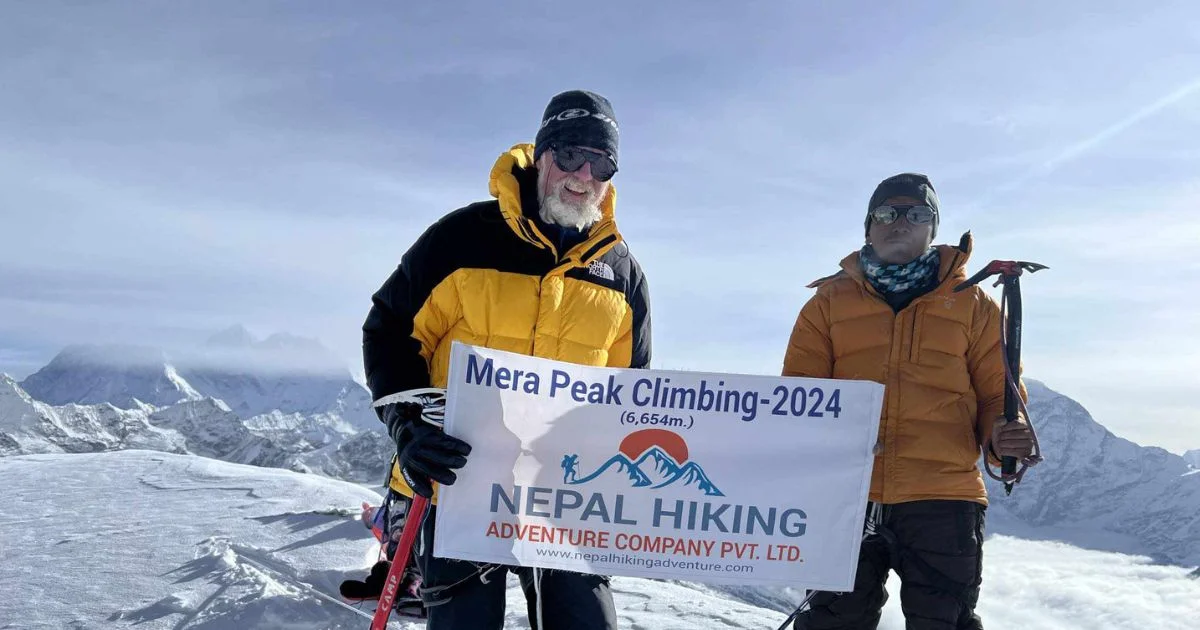
Expedition guides operate on peaks like Mera Peak, Island Peak, Lobuche East, and Mount Everest itself. They coordinate complex logistics, including base camp setup, oxygen systems, and climbing support staff. Their training includes crevasse rescue, avalanche assessment, rope fixing, and high-altitude physiology.
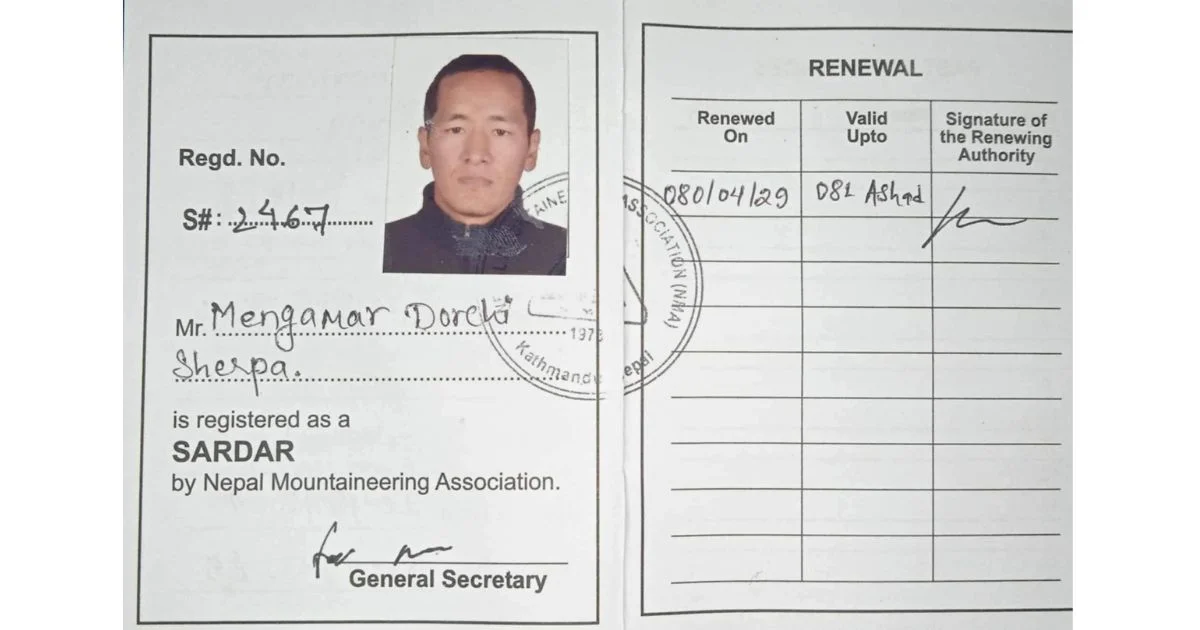
Certification for expedition guides requires years of climb experience, formal mountaineering courses, and demonstrated competence on technicalterrain. In Nepal, the Nepal Mountaineering Association and international bodies like IFMGA (International Federation of Mountain Guides Associations) set standards. Expedition guides earn higher fees due to the duration, risk, and specialised expertise required.
Why These Roles Are Often Confused
Both roles use the term "guide", which creates confusion among travellers. The difference lies in training, certification, legal authority, and operational scope. Consider these common misunderstandings:
Misconception
Reality
All guides in Nepal offer the same services
Trekking guides operate on trails with infrastructure; expedition guides work in remote regions without support systems
Everest Base Camp requires an expedition guide
Everest Base Camp is a trek, not an expedition, requiring only a trekking guide
Mera Peak is a technicalclimb requiring an expedition guide with mountaineering skills
All Sherpas are guides
Not all Sherpas are guides, and not all guides are Sherpas
Marketing language adds to the confusion. Some agencies advertise "Everest Base Camptrek" packages using terms like "expedition" to sound dramatic. However, Everest Base Camp is a trek, not an expedition. Similarly, some agencies offer "trekking to Mera Peak", which misleads clients.
Clients also confuse Sherpas with guides. Sherpa guides may work as trekking guides or expedition guides depending on their training. Sherpas working as high-altitude porters or cooks are not guides at all. Understanding these distinctions prevents hiring errors and ensures you receive the qualified professional your objective requires.
Core Responsibilities and Scope of Work
Responsibilities of a Trekking Guide
A trekking guide manages daily operations on established trails where supporting infrastructure is already in place. Their core duties include navigation along marked trails and pass crossings, handling teahouse bookings and accommodation arrangements, and making itinerary adjustments based on group pace, weather, and acclimatisation needs. They coordinate logistics with porters and lodge owners, manage permit processing and destination planning, and ensure the trek follows local regulations. Along the way, they provide cultural interpretation, explaining Gurung, Sherpa, and other community traditions encountered on the trail.
Trekking guides play a key role in health and safety management. They advise on acclimatisation schedules, hydration, and layering systems suited to changing mountain conditions. Group health is monitored daily, with close attention to altitude sickness, fatigue, and minor injuries. Guides offer basic first aid and coordinate emergency evacuations when required, while relying on external rescue services and medical facilities for advanced care.
Cultural interpretation remains a core responsibility throughout the trek. Trekking guides explain Buddhist customs, Gurung traditions, and Sherpa heritage in the Solukhumbu region, helping trekkers understand local life beyond the landscape. They act as translators, problem-solvers, and cultural ambassadors, ensuring respectful interaction with local communities. Their overall goal is to deliver a safe, meaningful, and memorable trek within established trekking systems.
Responsibilities of an Expedition Guide
An expedition guide controls all technical decisions on a climb above 6,000 metres. Their responsibilities are far more complex:
Weather assessment and route setting
Rope fixing and crevasse rescue operations
Summit timing and descent protocols
Climbing Sherpas' coordination and logistics management
Oxygen system oversight and high-altitude camp setup
Emergency medical care and evacuation planning
Avalanche risk assessment and safety briefings
Gear testing and technical training sessions
Expedition guidesmanage base camp systems, coordinate with liaison officers, and ensure compliance with Nepal Mountaineering Association regulations. They prepare climbers for high-altitude conditions, test gear, and conduct training sessions. They monitor client physical fitness, adjust plans based on acclimatisation, and halt summit attempts if conditions deteriorate.
These professionals also manage complex logistics, including food, fuel, oxygen, and communication systems. They coordinate with icefall doctors on Everest, arrange helicopter standby for emergencies, and maintain satellite communication. Their role extends from pre-climb preparation through post-summit descent, carrying legal responsibility for client safety throughout the expedition.
Decision-Making Authority on the Mountain
The authority structures differ fundamentally between the two roles:
Trekking Guide Authority:
Recommends pace and acclimatisation days
Suggests itinerary changes
Advises on health concerns
Clients often retain final say on daily plans
Limited legal authority in decision-making
Expedition Guide Authority:
Absolute authority on technical decisions
Overrides client preferences when safety is at stake
Final say on summit attempts and retreat protocols
Legal responsibility for all climbers
Binding decisions clients must follow
Legal frameworks in Nepal support this hierarchy. Expedition guides sign liability agreements and hold permits granting them operational control. The Tourism Board requires expedition guides to demonstrate competence in risk management and emergency response. Trekking guides operate under different legal structures with less formal authority.
Training, Skills, and Professional Qualifications
Training and Licensing of Trekking Guides
Trekking guides complete government-approved training programmes administered by TAAN and certified by the Nepal Tourism Board. The training structure includes:
Several weeks of classroom instruction
Trail knowledge covering major trekking routes
Altitude sickness recognition and response
Basic first aid certification
Cultural awareness and environmental conservation
Navigation skills and map reading
Customer service and communication training
Licensing requirements include passing written exams, demonstrating navigation skills, and completing supervised treks. Most trekking guides begin as porters or assistant guides, gaining experience over several years before obtaining full certification. They must renew licences periodically and attend refresher courses.
Trekking guides do not receive technical mountaineering training. They learn trailnavigation, not rope systems. They study altitude sickness, not crevasse rescue. Their expertise focuses on logistics, cultural interpretation, and non-technical environments.
Mountaineering Training and Certification for Expedition Guides
Expedition guides complete rigorous mountaineering courses through institutions like the Nepal Mountaineering Instructors Association and international bodies such as IFMGA. Training components include:
Wilderness first aid, high-altitude medical care, evacuation
Certification involves both theoretical exams and practical assessments. Candidates must prove proficiency in rope systems, emergency rescue, weather interpretation, and expeditionlogistics. They complete supervised climbs on peaks above 7,000 metres and demonstrate leadership under extreme conditions.
Most expedition guides have climbed multiple peaks, including Everest, Cho Oyu, or other highest peaks in the Himalayas. Their expertise comes from years of experience in remote regions where rescue is uncertain. This depth of training justifies their higher fees and legal authority on expeditions.
Experience Requirements and Career Progression
The career paths for both roles differ significantly in duration and requirements:
Trekking Guide Progression:
Start as porter (1-2 years)
Progress to assistant guide (2-3 years)
Complete certification training
Lead independent treks (3-5 years total experience)
Build reputation through customer service and local knowledge
Expedition Guide Progression:
Extensive climbing experience (5-7 years)
Multiple high-altitude summits
Assistant expedition guide role (3-5 years)
Advanced mountaineering certifications
Lead expedition guide (10-15 years total experience)
Demonstrated decision-making under extreme stress
Career progression for both roles depends on reputation, client feedback, and safety records. However, expedition guides face stricter scrutiny. A single poor decision can end a career. Trekking guides build reputations through customer service and repeat bookings.
Safety, Risk, and Technical Demands
Risk Levels on Trekking Routes
Trekking routes in Nepal carry moderate risks that are predictable and manageable with proper preparation:
Primary Risks:
Altitude sickness above 3,000 metres
Weather changes and sudden storms
Landslide risk during monsoon season
Physical exhaustion and dehydration
River crossings after heavy rain
Risk Management:
Proper acclimatisation schedules
Trekking guide monitoring symptoms
Evacuation infrastructure exists
Helicopter rescue available within 24 hours
Medical posts along major trails
Altitudesickness is the primary concern on treks above 3,000 metres. Trekkers face headaches, nausea, and fatigue as they ascend. Severe cases progress to High Altitude Pulmonary Edema (HAPE) or High Altitude Cerebral Edema (HACE), both life-threatening. Trekking guides recognise symptoms early, recommend descent, and coordinate evacuations.
Environmental risks include landslides during monsoon season and sudden weather shifts. Trekking guidesnavigate these hazards by timing treks appropriately, choosing safe routes, and monitoring conditions. The risks are real but manageable because trails avoid glaciers, ice, and vertical terrain.
High-Altitude and Technical Risks on Expeditions
Expeditions above 7,000 metres involve severe risks that cannot be fully eliminated:
Risk Category
Specific Hazards
Mitigation Strategies
Technical
Crevasse falls, ice collapse, rockfall
Rope systems, proper gear, route selection
Environmental
Avalanches, storms, extreme cold
Weather monitoring, timing, protective equipment
Medical
High-altitude pulmonary/cerebral edema, frostbite
Acclimatisation, oxygen, constant monitoring
Logistical
Equipment failure, communication breakdown
Redundant systems, backup plans, satellite phones
Technical hazards include glacier travel, where hidden crevasses threaten falls. Climbers rope together and use ice axes for self-arrest. Avalanche risk varies by weather, terrain, and season. Expedition guides assess snowpack stability, avoid high-risk slopes, and time movements to reduce exposure.
Frostbite occurs at extreme altitudes where temperatures drop below minus 30 Celsius. Guides monitor climbers for numbness and enforce layering systems. High-altitudesickness intensifies above 7,000 metres, where oxygen deprivation slows thinking and weakens the body.
Emergency Response and Rescue Capabilities
The rescue capabilities differ dramatically between the two environments:
Trekking Guide Emergency Response:
Carries radios or satellite phones
Contacts helicopter services
Provides basic first aid and stabilisation
Rescue typically occurs within 24 hours (Depend on routes)
Medical facilities in Lukla, Namche Bazaar, Pokhara
External rescue teams handle evacuations
Expedition Guide Emergency Response:
Performs rescues independently
Carries ropes, pulleys, rescue gear
Executes crevasse extractions
Provides advanced medical care
Helicopter rescue often impossible at extreme altitudes
The team must evacuate injured climbers manually
Response requires immediate action and technical skill
Expedition guides must possess expertise in handling emergencies because external help may not arrive for days. Their training in wilderness medicine, rope rescue, and emergency protocols becomes the only safety net at high altitude.
Terrain, Altitude, and Operational Environment
Typical Terrain Covered by Trekking Guides
Trekking guides operate on established trails with predictable terrain characteristics:
The terrain remains non-technical throughout. Trekkershike on paths where no ropes, ice axes, or climbing gear are needed. Trekking guidesnavigate these routes using trail markers, local knowledge, and established pathways. The environment supports infrastructure like teahouses, lodges, and community facilities.
Terrain and Altitude Managed by Expedition Guides
Expedition guides operate in technical environments above 7,000 metres where infrastructure does not exist:
Everest (8,849m) with Khumbu Icefall and high-altitude camps
The terrain requires mountaineering skills, gear, and constant risk assessment. Expedition guidesnavigate crevasse fields, fix ropes on steep sections, and manage camp setups at extreme altitudes.
Environmental and Ethical Responsibilities
Both guide types share environmental and ethical duties, but the scope differs:
Trekking Guide Responsibilities:
Leave No Trace principles
Waste management education
Supporting local communities
Respecting cultural sites and customs
Conservation awareness
Minimising environmental impact on trails
Expedition Guide Responsibilities:
Human waste removal from high-altitude camps
Oxygen bottle and gear retrieval
Minimising fixed rope abandonment
Supporting legacy projects for mountainconservation
Educating climbers on environmental ethics
Coordinating with Sherpas on waste management
The Himalayan face increased environmental pressure from tourism. Both guide types play roles in conservation, but expedition guides bear greater responsibility due to the concentrated impact of high-altitude camps and equipment on fragile mountain ecosystems.
Equipment, Logistics, and Team Management
Gear and Logistics Managed by Trekking Guides
Trekking guides coordinate relatively simple logistics compared to expeditions:
The logistics remain straightforward because infrastructure exists. Trekking guides communicate via mobile phones in most regions, book accommodations daily, and purchase meals from lodges. Porters carry client bags, but trekkers need minimal personal gear.
Technical Equipment and Camp Systems in Expeditions
Expedition guidesmanage complex gear and camp systems at multiple altitudes:
Equipment Category
Items
Purpose
Climbing Gear
Ropes, ice axes, crampons, harnesses, carabiners
Technical climbing and safety
Camp Systems
Tents, stoves, fuel, cooking equipment
Multi-week base and high camps
Safety Equipment
Avalanche beacons, probe poles, shovels
Rescue and emergency response
Medical Supplies
Advanced first aid, oxygen, altitude medications
High-altitude medical care
Communication
Satellite phones, radios, weather devices
Coordination and safety monitoring
Logistical Complexity:
Base camp setup with kitchen, dining, sleeping tents
High-altitude camp establishment at 7,000m, 7,000m, 8,000 m+
Oxygen bottle distribution and management
Food and fuel supply chains
Waste management and removal
Equipment caching and rotation
Expedition guides coordinate with multiple support staff, including climbing Sherpas, cooks, and base camp managers. The logistics span weeks or months and require precise planning to ensure adequate supplies at each camp elevation.
Team Structure and Support Staff
The team structures differ fundamentally:
Trekking Team Structure:
1 trekking guide per 5-10 clients(
Porters (1 per 2 clients typically)
Occasionally assistant guides for larger groups
Lodge owners provide meals and accommodation
Minimal formal team hierarchy
Expedition Team Structure:
Lead expedition guide (1-2 per expedition)
Climbing Sherpas (ratio varies by peak and client experience)
Base camp manager
Kitchen staff and cooks
Sirdar (head Sherpa) coordinating support staff
Liaison officer (government representative on major peaks)
Medical personnel on larger expeditions
The expedition team functions as a complex unit with defined roles, hierarchies, and responsibilities. Expedition guidesmanage this structure, coordinating between client climbers, support staff, and logistical needs across multiple camps.
Cost Differences and Value Breakdown
Cost of Hiring a Trekking Guide
Trekking guide costs are relatively affordable and transparent:
Daily Rate Structure:
$25-35 per day for licensed guides on popular routes
$30-45 for experienced guides with language skills
$20-30 for assistant guides
Rates vary by region and trek difficulty
What's Included:
Guide wages and insurance
Guide accommodation and meals
Navigation and route planning
Cultural interpretation and assistance
Basic safety monitoring
Additional Costs:
Porter hire ($25-40 per day)
Permits ($30-70 depending on region)
Accommodation ($5-25 per night)
Meals ($25-40 per day)
Travel insurance with evacuation coverage
Total trek costs for popular routes like Everest Base Camp or Annapurna Base Camp typically range from $1,200 to $2,000 for 12-16 days, depending on group size, preference for services, and tour operator quality.
Cost of Hiring an Expedition Guide
Expedition guide fees reflect the higher risk, technical demands, and duration:
Fee Structures:
$5,000-15,000 for peaks like Mera Peak or Island Peak
$15,000-30,000 for Everest and other 8,000m peaks
Fees cover guide wages, insurance, expertise, and logistics
Ratios vary (1 guide per 1-3 climbers on technical peaks)
What's Included:
Expedition guide services throughout the climb
Base camp and high-altitude camp setup
Climbing Sherpa support
Technicalgear (ropes, anchors, group equipment)
Logistics coordination and permit processing
Emergency evacuation insurance for guide and Sherpas
Additional Costs:
Peak permit ($175 to $350 for Mera Peak, $11,000 to $15,000 for Everest)
Personal climbing gear rental or purchase ($500-2,000)
Oxygen systems ($500-1,500 per person)
Travel and evacuation insurance ($300-800)
Tips for guides and Sherpas (15-20% of total cost)
Total costs for Mera Peak range from $4,000 to $7,000, while Everestexpeditions cost $50,000 to $100,000+, depending on the operator, services, and guide ratios.
What Influences Guide Fees and Pricing
Several factors determine guide costs:
For Trekking Guides:
Trekduration and difficulty
Language skills (English, French, German command premiums)
Experience level and reputation
Peak season vs off-season rates
Group size (larger groups reduce per-person cost)
Preference for private vs group treks
For Expedition Guides:
Peak altitude and technical difficulty
Guide certification and international credentials
Summit success rates and safety records
Climber-to-guide ratio
Duration and logistical complexity
Insurance and emergency coverage levels
Mountaineerexpertise and legacy
Both pricing structures reflect the fundamental difference in training, responsibility, and operational demands. Trekking guides offer affordable guidance on established routes, while expedition guides command premium fees for technicalexpertise and life-or-death decision-making.
Who Needs Which Guide
When a Trekking Guide Is Sufficient
A trekking guide meets your needs if your objective involves:
Route Characteristics:
Established trails below 7,000 metres
Teahouse or lodge accommodation available
No technical climbing or rope work required
Non-glaciated terrain
Routes like Everest Base Camp, Annapurna Base Camp trek, Langtang Valley
Client Profile:
Beginner to intermediate adventurers
First-time visitors to Nepal
Interest in culturalexploration and hiking experiences
Desire for local knowledge and cultural interpretation
Physical fitness for multi-day walking but no climbing experience
Objectives:
Experiencing Himalayanlandscapes without technicalchallenges
Cultural immersion in communities
Photography and exploration of valleys and passes
Personal reward and self-discovery through non-technicaladventure
A memorabletrip without extreme altitude or risk
Trekking guides provide sufficient guidance, safety monitoring, and logistical support for these objectives. They ensure you exploreNepal safely while experiencing the cultural richness and natural beauty of trekking routes.
When an Expedition Guide Is Essential
An expedition guide becomes essential when your objective includes:
Peaks like Mera Peak, Island Peak, Lobuche East, MountEverest
Technical Requirements:
Mountaineering skills needed
Previous climbing experience preferred
Rope management and self-arrest ability
Understanding of high-altitude risks
Willingness to follow guide authority absolutely
Risk Acceptance:
Life-threatening challenges inherent
No guaranteed rescue at extreme altitude
Multi-week duration with camp rotations
Extreme weather and physical demands
Acceptance that reach the summit is not guaranteed
Expedition guides provide the technicalexpertise, safety systems, and decision-making required to manage these risks. Without their mountaineering skills, attempting technical peaks is illegal in Nepal and potentially fatal.
Combined Itineraries: Trekking with a Summit Objective
Some journeys combine trekking and expedition elements:
Common Combined Routes:
After trekking to Everest Base Camp, ascend Island Peak
Clear transition point where expedition guide assumes control
These trips require careful planning. The trekking guide handles the approach, providing cultural guidance and acclimatisation support. The expedition guide takes over for the technical climbing phase, bringing specialised gear and mountaineering skills. Operators must clarify roles, responsibilities, and cost breakdowns for each phase.
Side-by-Side Comparison
Expedition Guide Vs Trekking Guide Comparison Table
The essential distinctions boil down to technical capability, legal authority, and operational environment:
Training and Certification:
Trekking guides complete weeks of training focused on trails, culture, and basic safety
Expedition guides undergo years of mountaineering education and demonstrate technical competence
Operational Environment:
Trekking guides work where infrastructure, accommodation, and rescue exist
Expedition guides operate in remote regions with no support systems
Legal Responsibility:
Trekking guides hold advisory roles with limited formal authority
Expedition guides carry binding legal responsibility for climber safety
Cost Justification:
Trekking guide fees reflect services on established routes with moderate risk
Expedition guide fees reflect technicalexpertise, extreme risk, and complex logistics
When Each Applies:
Hire a trekking guide for routes below 7,000m with no technical climbing
Hire an expedition guide for peaks requiring ropes, glaciers, or mountaineering skills
Understanding these differences ensures you match the guide type to your objective, avoiding both under-preparation and unnecessary expense.
Trekking gudie in nepal
Hiring the Right Guide
How to Choose the Right Guide for Your Objective
Selecting the appropriate guide requires honest assessment of your objective, experience, and risk tolerance:
Step 1: Define Your Goal
Is your destination a trek or a climb?
Does the route require technical skills?
At what altitude will you reach the summit or maximum point?
Are you comfortable with life-threatening risk?
Step 2: Assess Your Experience
Have you trekked at altitude before?
Do you have climbing experience or mountaineering skills?
What is your physical fitness level?
Are you a beginner or experienced adventurer?
Step 3: Research Route Requirements
Check Nepal Tourism Board regulations
Verify permit requirements
Understand mandatory guide rules for restricted areas
Confirm altitude and terrain type
Step 4: Match Guide to Objective
Trekking routes like Everest Base Camp: hire licensed trekking guide
Technical peaks like Mera Peak: hire certified expedition guide
Combined trips: arrange both guide types or integrated teams
Step 5: Verify Credentials
Request guide licence and certification
Check references and reviews
Confirm insurance coverage
Verify tour operator registration
Choosing correctly prevents safety gaps, legal violations, and wasted money. The wrong guide type cannot legally operate in certain environments and lacks the expertise your objective requires.
Questions to Ask Before Booking
Ask these specific questions to verify guide qualifications and services:
For All Guides:
Are you officially licensed by the Nepal Tourism Board?
How many years of experience do you have?
What is your safety record?
What insurance do you carry?
What is included in your daily rate?
How do you handle altitude sickness or emergencies?
What is your group size limit?
For Trekking Guides Specifically:
Which treks in Nepal have you led most frequently?
Do you have first aid certification?
What languages do you speak?
How do you managelogistics and bookings?
What is your navigation method?
Can you provide local knowledge of communities and culture?
For Expedition Guides Specifically:
What mountaineer certifications do you hold?
Have you summited this peak before?
What is your summit success rate?
What technical skills training have you completed?
How do you managehigh-altitude risks?
What gear and logistics are provided?
What is your crevasse rescue and emergency protocol?
How many climbers per guide on this expedition?
These questions reveal guide competence, transparency, and professionalism. Legitimate guides answer directly without evasion. Vague answers or defensive responses indicate problems.
Independent Guides Vs Agency-Led Expeditions
You can hireguides independently or through agencies, each approach having advantages:
Independent Guide Advantages:
Lower cost (no agency markup)
Direct communication and flexibility
Personal relationship with guide
Customised itinerary and preference accommodation
Independent Guide Challenges:
Requires more research and vetting
You managelogistics and bookings
Limited backup if guide becomes ill
Insurance and legal protections may be weaker
Agency-Led Advantages:
Comprehensive logistics management
Backup guides and support systems
Professional tour coordination
Clear insurance and legal frameworks
Established safety protocols
Equipment and gear provided
Agency-Led Challenges:
Higher cost due to overhead
Less flexible itinerary
Potentially larger group size
Less personal guide relationship
Recommendation:
Beginnertrekkers: use agencies for first Nepaltrip
All expeditions: agencies strongly recommended for safety and logistics
Technicalclimbs above 6,500m: agencies essential
Agencies provide critical support for expeditions where logistics, permits, and emergency systems are complex. Experienced hikers on well-traveled routes benefit greatly from independent hiking guides, but expeditions need the infrastructure that only agencies can offer.
Legal and Regional Considerations
Guide Regulations and Licensing in Nepal
Nepal enforces strict regulations governing guide licensing and operations:
Trekking Guide Requirements:
Government-issued trekking guide license from Tourism Board
Completion of TAAN-approved training programs
Minimum age 18 years
First aid certification
Periodic license renewal and refresher training
Registration with licensed tour operators for restricted areas
Expedition Guide Requirements:
Advanced mountaineer certification from recognised bodies
Nepal Mountaineering Association approval
Demonstrated technical competence and summit experience
Higher insurance coverage requirements
Registration with authorised expedition operators
Unlicensed guides operate illegally and void insurance coverage. The Tourism Board conducts inspections and can penalise illegal operations. Clients using unlicensed guides risk deportation, fines, and medical costs if accidents occur.
Mandatory Guide Rules and Restricted Areas
Nepal requires guides in specific circumstances:
Mandatory Guide Zones (as of 2023):
The entire Everestregion (Solukhumbu)
Annapurna Conservation Area
Upper Mustang
Manaslu Conservation Area
Kanchenjunga Conservation Area
Solo Trekking Prohibitions:
All restricted areas require licensed guides
Foreign trekkers cannot trek independently in these zones
Minimum 2 people in trekking party (or solo with guide)
Violations result in fines and immediate evacuation
Technical Peak Requirements:
All peaks above 7,000m require certified expedition guides
Liaison officer mandatory on peaks above 7,000m
Permit holders must use registered expedition operators
Solo climbing prohibited on most technical peaks
These regulations exist for safety, environmental protection, and supporting local communities. Breaking these rules carries legal consequences and endangers both clients and guides.
Permit Responsibilities and Compliance
Permit requirements differ between trekking and expeditions:
Trekking Permits:
TIMS card (Trekking Information Management System) for most routes
Conservation area permits (ACAP, MCAP, etc.)
Restricted area permits for Upper Mustang, Manaslu
Guides typically assist with processing
Costs range $20 to $70 per region
Expedition Permits:
Nepal Mountaineering Association permits for technical peaks
Environmental deposit (refunded if waste removal confirmed)
Costs range $400 to $11,000+ depending on the peak
Permit Processing:
Trekking guides coordinate permit applications through operators
Expedition guidesmanage complex permitting including peak fees, liaison officer coordination, and environmental compliance
All permits must be obtained before departure
Guides carry permits and present at checkpoints
Compliance is mandatory. Missing permits result in fines, trek or climb cancellation, and legal issues. Licensed guides ensure proper permit processing as part of their services.
Common Misconceptions
Trekking Guides Are Not Porters
A frequent confusion involves conflating guides with porters:
Guide Responsibilities:
Navigation and route decision-making
Safety monitoring and first aid
Cultural interpretation and assistance
Logistics coordination
Client communication and guidance
Porter Responsibilities:
Carrying client bags and equipment
Following guide instructions
No navigation or safety responsibilities
No cultural interpretation duties
Focused solely on load transport
Key Distinctions:
Guides hold licences and training; porters typically do not
Guides make decisions; porters follow instructions
Guides command higher daily rates
Some guides start careers as porters but undergo additional training
Ethical treatment requires proper porter wages, gear, and insurance
Treating guides as porters disrespects their training and professional role. Similarly, expecting porters to provide guide services creates safety gaps. Both roles deserve fair wages, proper equipment, and respectful treatment, but the positions are distinct.
Expedition Guides Are Not Only Summit Leaders
Expedition guides do far more than lead summit pushes:
Pre-Expedition Responsibilities:
Route research and planning
Gear testing and preparation
Client fitness assessment
Acclimatisation schedule design
Logistics coordination and permit processing
On-Mountain Duties:
Base camp setup and management
Weather monitoring and forecasting
Rope fixing and route preparation
High-altitude camp establishment
Daily health checks and acclimatisation monitoring
Technical training sessions
Communication with base camp and rescue services
Post-Summit Responsibilities:
Safe descent management
Equipment retrieval
Waste removal and environmental cleanup
Client care and recovery support
Permit closeout and reporting
The summit attempt represents perhaps 10-15% of an expedition guide's total workload. Their role spans weeks of preparation, camp logistics, client training, safety systems, and environmental responsibility. The transformative experience clients receive reflects this comprehensive expertise and legacy of professional mountaineering standards.
expedition guide licence
Understanding the Role of Climbing Sherpas
Sherpas occupy various roles, creating confusion about their exact functions:
Sherpa as an Ethnic Group:
Ethnic Sherpas from Solukhumbu and Himalayanregions
Not all Sherpas work in tourism or mountaineering
Rich culturalheritage and traditions
Pasang, Gurung, and other ethnic groups also work as guides
Climbing Sherpas:
High-altitude support specialists
Fix ropes, establish camps, carry supplies
May or may not hold guide licences
Work under expedition guide direction
Critical to expedition success and safety
Sherpa Guides:
Sherpas with guide or mountaineer certification
Can work as trekking guides or expedition guides
Hold same qualifications as non-Sherpa guides
May lead expeditions independently
Key Understanding:
"Sherpa" is not a job title but an ethnic identity
Sherpa guides are fully certified professionals
Climbing Sherpas are support specialists, not necessarily guides
Respect all roles as essential to Himalayan mountaineering
The distinction matters for safety, legal compliance, and respect. Sherpa guides deserve recognition for their expertise, not assumptions based on ethnicity. Similarly, climbing Sherpas perform specialised, dangerous work that merits proper compensation and acknowledgement.
Peak expedition in nepal
Real-World Scenarios
Trekking Guide Role on Popular Routes
Scenario: 14-Day Everest Base Camp Trek
A trekking guide named Pasang leads a group of six international trekkers from Lukla to Everest Base Camp and back. His daily responsibilities include:
Day 1-3 (Lukla to Namche Bazaar):
Navigate stone-paved trails through Dudh Kosi valley
Arrange teahouse bookings in Phakding and Namche
Assist with permit checks at park entrance
Explain Sherpa culture and communitycustoms
Monitor acclimatisation and adjust pace
Day 4-5 (Acclimatisation in Namche):
Lead acclimatisation hike to Everest View Hotel
Provide culturalguidance at local museums
Manage rest day itinerary
Check trekker health and altitude sickness symptoms
Coordinate with lodge owners for meals
Day 6-9 (Namche to Everest Base Camp):
Navigate increasing altitude through Tengboche, Dingboche, Lobuche
Manage slower pace as altitude increases
Provide first aid for minor headaches and nausea
Explain Himalayanlandscape features
Arrange early morning departure to Everest Base Camp
Day 10-14 (Return to Lukla):
Navigate descent route
Adjust itinerary based on group energy
Ensure safe completion and memorable experience
Assist with departure logistics
Pasang's role never includes technical decision-making, rope work, or glacier navigation. He operates entirely on established trails with infrastructure support, providing cultural expertise, safety monitoring, and logisticalassistance throughout the trek.
Expedition Guide Role on High-Altitude Peaks
Scenario: 21-Day Mera Peak Climb
An expedition guide named Dorje leads three climbers attempting Mera Peak (6,476 m), the highest trekking peak in Nepal. His responsibilities include:
Pre-Expedition (Days 1-10):
Lead trek from Lukla through Hinku Valley
Establish base camp at 5,300 m
Conduct gear checks and technical training
Set acclimatisation rotations to high camp
Monitor climber health and altitude adaptation
Fix ropes on headwall sections
Summit Push Preparation (Days 11-14):
Assess weather forecasts and summit window
Establish high camp at 5,800 m
Brief climbers on summit day protocols
Check oxygen systems (if used)
Coordinate with climbing Sherpas on rope fixing
Summit Day (Day 15):
Wake climbers at 1:00 AM
Navigate glacier approach in darkness
Manage rope teams on crevasse sections
Monitor climber pace and altitude sickness
Make real-time decisions on continuing or turning back
Lead final headwall climb to reach the summit
Control summit time and descent timing
Descent and Return (Days 16-21):
Ensure safe descent to high camp and base camp
Manage equipment retrieval
Lead trek out through Hinku Valley
Coordinate waste removal and environmental cleanup
Complete permit reporting
Dorje's role requires constant technical decision-making, rope management, weather assessment, and emergency preparedness. He holds absolute authority over summit attempts and client safety, exercising mountaineering skills gained over 15 years of Himalayan climbing experience. His expertise makes the difference between safety and success and potential disaster on technicalterrain where rescue may be impossible.
Expedition Guide Vs Trekking Guide: Final Thoughts
The distinction between an expedition guide vs trekking guide establishes who has the authority to make crucial choices when danger arises on the mountain. A trekking guide operates within systems where infrastructure, rescue, and community support exist, providing culturalguidance, navigation, and safety monitoring on established trails across Nepal's most memorabletrekking routes. An expedition guide functions in remote regions where no support exists, exercising absolute authority over technical climbing, emergency response, and life-or-death choices in high-altitude environments.
Legal frameworks, certification requirements, and operational responsibilities separate these roles together. Trekking guides complete 5 weeks of training focused on trail knowledge, altitude sickness recognition, and cultural interpretation, while expedition guides undergo years of mountaineering skills development, technical rescue training, and high-altitudeexpertise before earning certification from bodies like the Nepal Mountaineering Association. Cost structures reflect this difference, with trekking guide fees covering moderate-risk services on popular routes and expedition guide fees justifying the specialised expertise, logistics, and responsibility required to manageclimbers where mistakes prove fatal.
Hiring the wrong type of guide creates preventable danger and wastes resources on unnecessary services, so matching the guide type to your objective, experience level, and risk tolerance is essential before any trek or climb in the Himalayas. This procedure should always include verification of credentials, safety records, and legal compliance, an approach followed by Nepal Everest Base Camp Co. to ensure clarity between trekking, climbing, and expedition leadership. Contact us to plan responsibly, prepare properly, and experience true Himalayan adventure with the right expertise from the start.
Trekking vs expedition
Expedition Guide Vs Trekking Guide: FAQs
Can You Trek Without a Guide?
No, you cannot trek independently in restricted areas of Nepal as of 2023. The Tourism Board requires licensed trekking guides for regions including Everest, Annapurna, Manaslu, and Upper Mustang, with violations resulting in fines and immediate evacuation from the trail.
Do You Need an Expedition Guide for Everest Base Camp?
No, Everest Base Camp is a trek, not an expedition, requiring only a licensed trekking guide rather than an expedition guide. The route follows established trails below 5,400 metres with no technical climbing, glaciers, or rope work, though a guide is mandatory in the Everestregion under current regulations.
How Much Experience Should a Guide Have?
Trekking guides should have a minimum of three years' experience leading groups on major treks in Nepal, while expedition guides need at least 10 years of climbing experience, including multiple high-altitude summits. Verify credentials by requesting guide licences, checking references, and confirming successful trek or expedition completions on routes matching your objective.
What Happens if Conditions Change Mid-Trip?
Trekking guides adjust itineraries, arrange alternate routes, or coordinate evacuations if weather, landslides, or health issues arise, while expedition guides hold absolute authority to cancel summit attempts, alter routes, or order immediate descent. Both guide types prioritise safety over summit or completion goals, making binding decisions clients must follow.
Can One Guide Act as Both?
Certified expedition guides can legally lead treks, but trekking guides cannot lead technicalclimbs or expeditions above 7,000 metres. Some operators offer hybrid services where expedition guides handle entire trips combining trekking and climbing, though this costs more than hiring separate trekking guides for non-technical portions.
Blending digital strategy with mountain passion, I help adventurers find their way to the Himalayas online. With hands-on experience in Nepal’s trekking trails and a role at Nepal Everest Base Camp Trekking Co., Thamel, I combine SEO expertise with true trail insight.