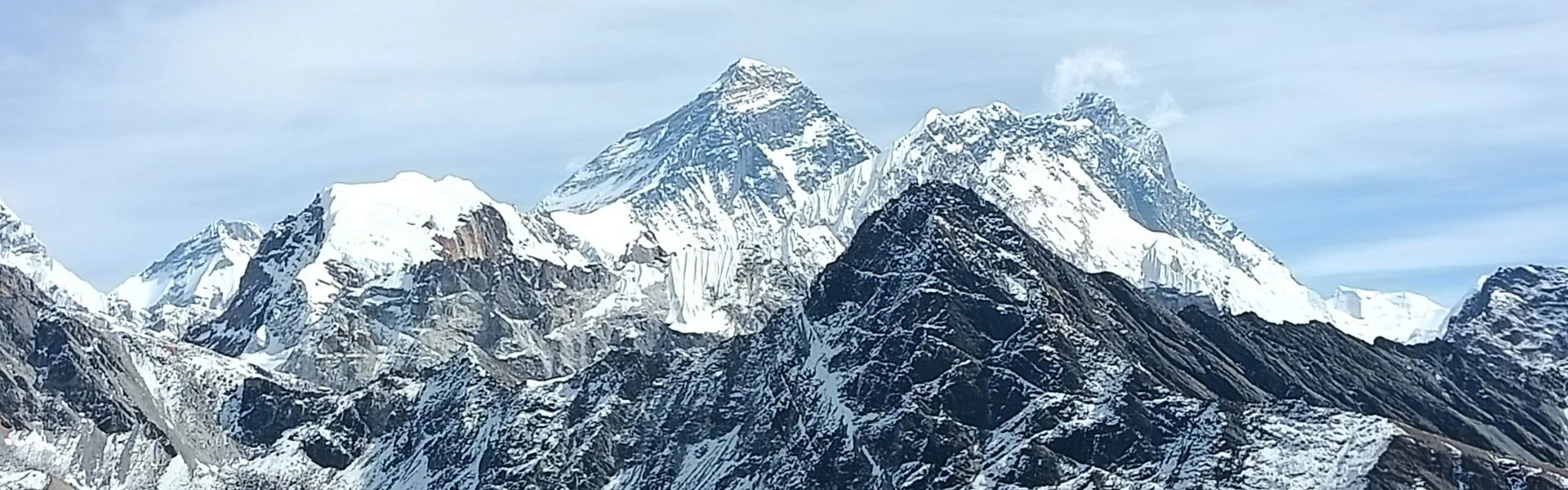
Youngest Person to Climb Mount Everest. Separating Records from Myth
Age records on Mount Everest are among the most closely scrutinised in all of mountaineering. The summit sits at 8,849 metres, and the physical and psychological demands at that altitude are extreme for any climber, regardless of age. The question of who is the youngest person to climb Mount Everest is not simply curiosity. It touches on government regulations, expedition ethics, and the limits of what the human body tolerates at extreme altitude. Official records on this topic carry real weight, because they shape the rules that all future climbers must follow.
This guide is written for researchers, students, journalists, and serious Everest enthusiasts who need accurate, verified information about age records and climbing regulations. Whether you are fact-checking a record, comparing historical claims, or trying to understand how Nepal and Tibet handle age differently, this article addresses each of those questions in a structured, evidence-based way. If you are a parent, a young climber, or a trekking professional, the later sections on training, safety, and ethics are written with your questions in mind.
The sections follow a logical sequence, from identifying the current record holder through to the rules, the history, the risks, and the practical lessons. All facts here are grounded in verified expedition records, government regulations, and named sources and are provided by Nepal Everest Base Camp Co. Where uncertainty exists, it is stated clearly, and by the end, you will have a complete picture of what it genuinely takes for a young person to stand on top of the world's tallest mountain.
Who Is the Youngest Person to Climb Mount Everest
The youngest person to climb Mount Everest is Jordan Romero, an American from Big Bear Lake, California. He reached the summit of Mount Everest on May 22, 2010, making him the most verified young summit record holder in the mountain's history. At the time, he was 13 years and 10 months old.
Jordan Romero climbed Mount Everest via the North Col route, approaching from the Tibetan side. He climbed Everest with his father, Paul Romero, and stepmother, Karen Lundgren, supported by three Sherpa guides. The ascent was planned meticulously over several years and was not a spontaneous attempt.
Name: Jordan Romero
Nationality: American
Date of birth: 12 July 1996
Summit date:Summit on May 22, 2010
Age at summit: 13 years and 10 months
Route: North Col, from the Tibetan side
Team: Father Paul Romero, stepmother Karen Lundgren, three Sherpa guides
Romero is the youngest person to have stood on the summit of Mount Everest with verified documentation. His ascent was recorded, timed, and confirmed by the Chinese Mountaineering Association, which oversees climbing permits on the northern face.
Before Everest, Romero had already worked through much of the Seven Summits list, the challenge of climbing the highest peak on each of the seven continents. He decided to climb all seven before finishing secondary school and had previously summited Mount Kilimanjaro, Mount Aconcagua, Mount Elbrus, and Antarctica's Mount Vinson, among others.
Jordan Romero is the youngest person ever to have completed that objective, and the Everest summit was the final and most demanding piece of it. He became the youngest person to climb the seven summits, and the process required years of progressive altitude training and a support structure that few young climbers have access to. To climb all seven peaks at that age remains without parallel.
Official Age Record Rules for Mount Everest
Nepal's minimum age requirement for Everest climbers has been subject to regulatory updates. The country introduced a formal age restriction of 16 years in 2014, though reports in 2025 suggest this may have been raised to 18 years. This followed a period of increasing controversy over young and very old climbers attempting the mountain. The Nepal government, through its Department of Tourism, enforces age requirements as part of the permit application process.
Nepal side minimum age: 16 years (enforced since 2014)
Tibet side (China): minimum age: 18 years, enforced by the Chinese Mountaineering Association since approximately 2010
Permit requirement: All climbers must present a valid government-issued identification document confirming date of birth at the time of permit application
No exceptions: Neither Nepal nor Tibet issues age waivers for minors, regardless of experience level
When Jordan Romero climbed Mount Everest at the age of 13, Tibet had no formal written minimum age rule in place. He was specifically permitted to climb Everest at age 13 because the northern permit system had not yet formalised an age threshold. His team chose the northern approach in part because of Nepal's then-stricter permit practices. Since 2014, both sides of the mountain have enforced minimum age rules formally.
Age records are verified through permit records, summit photographs with timestamps, GPS tracking data, and corroboration from Sherpa guides and expedition leaders. The verification process is managed by the issuing authority, either Nepal's Department of Tourism or the Chinese Mountaineering Association, depending on the route used.
Regulation
Nepal Side
Tibet Side
Minimum age
16 years
18 years
Rule introduced
2014
Post-2010
Enforced by
Nepal Dept. of Tourism
Chinese Mountaineering Association
Age waivers
Not available
Not available
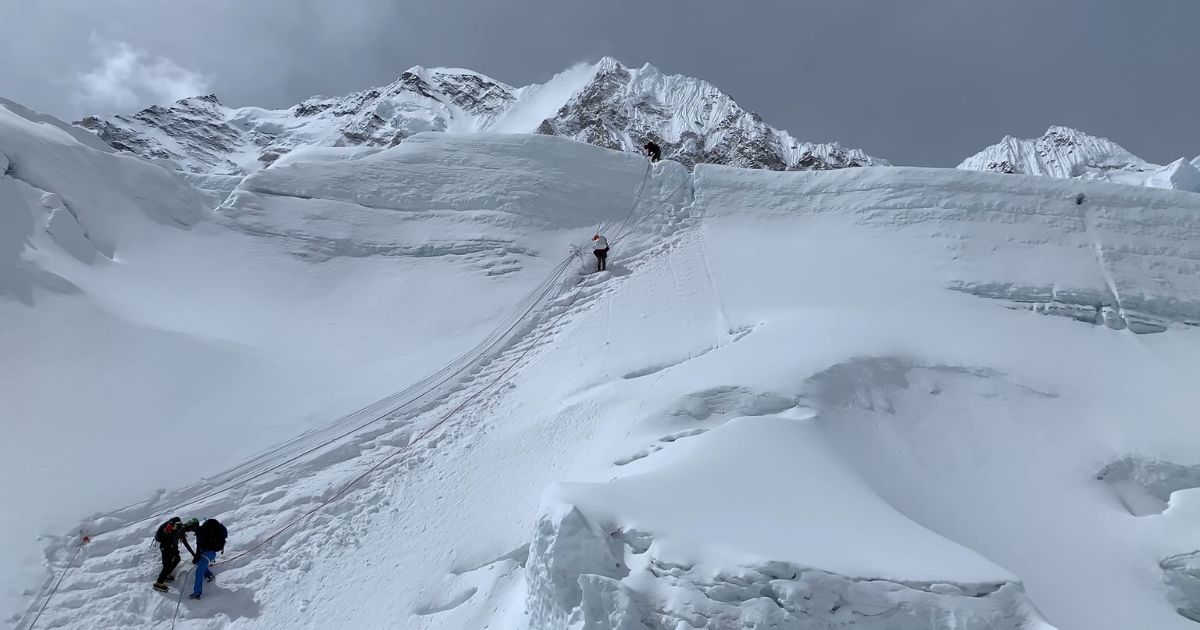
Difficult part of climbing mt everest
Timeline of the Youngest Everest Climbers
The record for the youngest person to summit Everest has changed several times since the 1990s. Each record prompted fresh debate and, eventually, regulatory responses. The table below traces the key changes.
Year
Climber
Age
Route
Note
1995
Various youth attempts begin
Multiple
South Col
No formal age rules yet
2001
Temba Tsheri Sherpa
16 years, 14 days
South Col, Nepal
Youngest Nepal-side record holder
2003
Ming Kipa Sherpa
15 years, 10 months
South Col, Nepal
Youngest female at the time via Nepal side
2010
Jordan Romero
13 years, 10 months
North Col, Tibet
Current overall record holder; youngest person ever
2014
Malavath Purna
13 years, 11 months
North Col, Tibet
Youngest Indian; climbed via Tibet side
It is worth noting that Malavath Purna's age of 13 years and 11 months makes her slightly older than Romero. But she climbed via the Nepal side and is recognised as the youngest person ever to climb Everest from that approach. Her record drew significant media attention and reignited the debate over minimum age rules.
Temba Tsheri Sherpa was the first youngest to climb Everest under the age of 16 with broad documentation
Ming Kipa Sherpa held the overall record briefly after 2003
Jordan Romero's 2010 ascent set the record that stands today
Nepal's 2014 age regulation effectively closed the door on future records from the south
Youngest Person to ascend Mount Everest from the Nepalese Side
The South Col route, approaching from Nepal through the Khumbu Icefall and up to the Southeast Ridge, is the most commonly used path to the summit. It is also the route most closely regulated by Nepal's Department of Tourism and the country's permit system.
Route name: South Col (Southeast Ridge)
Approach: Via Everest Base Camp, through the Khumbu Icefall to the Western Cwm, then up to Camps 3 and 4
Permit issued by: Nepal Department of Tourism
Minimum age: 16 years, enforced since 2014
Youngest verified Nepal-side summiter: Temba Tsheri Sherpa, 16 years old, summited 23 May 2001
Temba Tsheri's ascent in 2001 occurred well before Nepal formally introduced the minimum age rule in 2014. He remains the youngest person to climb Mount Everest from the Nepal side under verified conditions. Since the rule was implemented, the 16-year requirement has held firm without exception.
Trekking to Everest Base Camp is an entirely separate activity and carries no minimum age restriction for trekking permits. The minimum age rule applies specifically to mountaineering permits for the summit attempt, not to trekking below base camp.
Notable Young Climber
Age
Year
Outcome
Temba Tsheri Sherpa
16 years old
2001
Successful summit, youngest Nepal-side record
Ming Kipa Sherpa
15 years, 10 months
2003
Successful summit
Malavath Purna
13 years, 11 months
2014
Successful summit via Tibet side (North Ridge)
Youngest Person to Climb Mount Everest from the Tibet Side
The northern approach, Everest from the Tibetan side, follows the North Col route through the Rongbuk Glacier and up the Northeast Ridge. Permits are issued by the Chinese Mountaineering Association, and the regulations differ in meaningful ways from those on the Nepal side.
Route name: North Col (Northeast Ridge)
Approach: Via Rongbuk Glacier and North base camp
Permit issued by: Chinese Mountaineering Association (CMA)
Current minimum age: 18 years
Youngest verified Tibet-side summiter:Jordan Romero, 13 years 10 months, 22 May 2010
When Romero made his ascent in 2010, the CMA had no formal written age minimum. His Everest expedition was approved, documented, and verified through the northern permit system. The fact that Nepal's restrictions were already stricter in practice was one reason his team chose the Tibet approach.
After Romero's summit attracted global attention, the CMA moved to formalise its own age requirements. The northern route now requires climbers to be at least 18 years old, making it more restrictive than Nepal's 16-year rule. The two sides therefore offer different thresholds, but neither permits minors to attempt the summit.
Side
Minimum Age
Authority
Youngest on Record
Tibet (North Col)
16 years
Nepal Dept. of Tourism
Malavath Purna, 13y 11m (2014, pre-rule)
Tibet (North Col)
18 years
Chinese Mountaineering Assoc.
Jordan Romero, 13y 10m (2010, pre-rule)
Training and Preparation for Young Everest Climbers
Before a young climber can even consider attempting to ascend Mount Everest, preparation and training through years of progressive high-altitude mountaineering are required. The physical fitness, technical climbing skills, and mental resilience demanded by extreme altitude climbing are not compressible into a short training cycle, regardless of natural ability.
Jordan Romero's preparation to reach the summit of MtEverest began when he was nine years old. By the time he stood on the summit at 13, he had spent four years climbing progressively higher peaks across multiple continents.
Physical conditioning: Multi-year cardiovascular base, strength training, and acclimatisation through repeated exposure to altitudes above 5,000 metres
Technical skills: Crampon use, fixed rope technique, self-arrest, and glacier travel must be fully internalised before any Himalayan attempt
Altitude exposure: Successful acclimatisation on peaks such as Kilimanjaro, Aconcagua, and Elbrus provides essential physiological adaptation
Team support: A structured team with certified guides, medical support, and experienced Sherpas is non-negotiable for any young climber
Mental readiness: Decision-making under hypoxia, the ability to turn back, and emotional stability in deteriorating conditions are skills that take years to develop
There is no shortcut on Mount Everest. The climb to the summit asks for everything a climber has. For a young person, that demand is compounded by physical immaturity and the psychological weight of extreme altitude. The training records of every young summiter confirm that preparation, not ambition, is what determines survival.
Preparation Area
Minimum Standard Before Everest
Altitude experience
Multiple successful acclimatisations above 6,000m
Technical climbing
Competent on ice, mixed terrain, and fixed ropes
Physical conditioning
Years of structured aerobic and strength training
Mental readiness
Demonstrated decision-making on previous expeditions
Team structure
Experienced Sherpas, licensed guides, medical support
Safety, Ethics, and Controversy Around Young Climbers
The debate around young people attempting to climb Everest has never been straightforward. Supporters point to thorough preparation and parental supervision. Critics argue that the physiological risks at extreme altitude are simply too great for a developing body, regardless of how well-trained the climber is.
When Jordan Romero reached the top of Everest in 2010, the response from the mountaineering community was divided. Some organisations praised his team's preparation. Others called for immediate regulation. The Nepalese authorities and international mountaineering bodies both took notice, and the policy changes that followed reflected that tension.
Risk of hypoxia: Above 8,000 metres, the body's ability to process oxygen degrades rapidly. Young climbers face the same cellular oxygen deprivation as adults, but their physiological resilience is less tested in extreme conditions
Frostbite and cold injury: Temba Tsheri Sherpa lost several fingers during an earlier failed attempt at age 16. His successful summit the following year came at a documented physical cost
Altitude sickness: High-altitude cerebral oedema and pulmonary oedema are life-threatening and do not discriminate by age
Decision-making under hypoxia: At extreme altitude, cognitive function declines. Young climbers are less likely to have the experience base to make sound decisions when their reasoning is impaired
Everest without supplemental oxygen: No young climber has attempted to summit without bottled oxygen, and the use of supplemental oxygen is standard practice for all age groups in this category
The ethical concerns extend beyond physiology. There is an ongoing debate about whether parents and expedition companies bear responsibility for placing minors in lethal environments for record-setting purposes. Nepal's 2014 age regulation was a direct response to this debate. It did not resolve the ethical question, but it set a legal boundary that is now consistently enforced.
Risk Factor
Specific Concern for Young Climbers
Hypoxia
Reduced oxygen absorption at altitude; less physiological experience base
Frostbite
Documented in youth attempts, Tsheri Sherpa lost fingers aged 15
HACE / HAPE
Life-threatening altitude conditions; no age exemption
Cognitive impairment
Decision-making degrades above 8,000m for all climbers
Expedition pressure
Risk of pushing beyond safe limits to achieve records
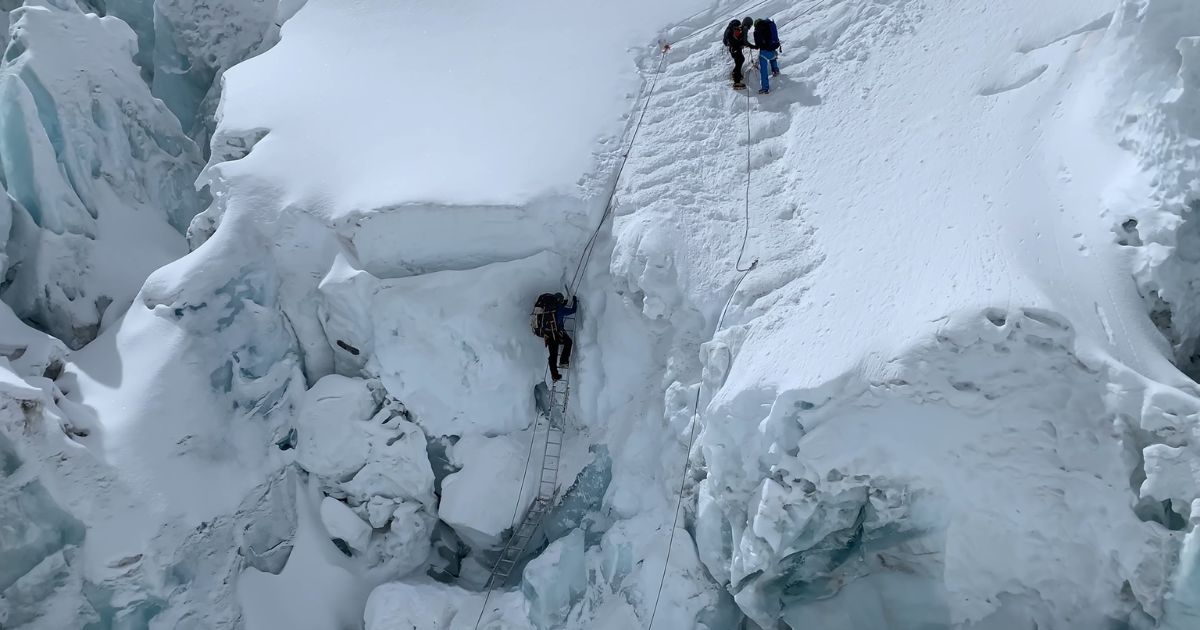
Way to Everest base Camp I
Can the Record Still Be Broken Today
The short answer is no, not under current regulations. In Nepal, climbers must be at least sixteen years old. Tibet requires 18. Both rules are enforced at the permit stage, and no exceptions have been granted since the regulations were formalised.
Nepal minimum age: 16 years, enforced since 2014, no waivers issued
Tibet minimum age: 18 years, enforced by the Chinese Mountaineering Association
Any new record holder would need to be at least 16, meaning the overall record of 13 years and 10 months is structurally protected by law
No third route: There is no alternative legal approach to the summit that bypasses either Nepal's or Tibet's jurisdiction
For a person ever to climb Everest younger than Jordan Romero's age, the regulatory framework would need to change in both countries simultaneously. That is not under consideration by either government. The record is therefore effectively permanent under existing law.
Even if regulations were hypothetically relaxed, the preparation required to climb everest safely, years of expedition experience across multiple high peaks, makes it practically impossible for a child below 13 to meet the physical and technical threshold. The record will stand.
Comparison with Other Everest Records
Age records on Mount Everest exist at both ends of the spectrum. While Jordan Romero holds the record as the youngest person ever to summit, the mountain also has records for the oldest verified summiter and for the fastest ascent.
Record Type
Record Holder
Detail
Youngest overall
Jordan Romero
13 years, 10 months (2010)
Youngest female (Nepal side)
Ming Kipa Sherpa
15 years, 10 months (2003)
Oldest person to summit
Yuichiro Miura
80 years (2013)
Oldest person to climb
Contested; multiple claims above 75
Varies by verification
Speed record
Pemba Dorje Sherpa
8 hours 10 minutes (2004)
Most summits
Kami Rita Sherpa
29-30 summits as of 2024-2025
Age-based records carry a different kind of significance from speed or endurance records. They intersect with ethics, regulation, and child welfare in ways that speed records do not. The question of who was the oldest person to summit provokes admiration. The question of who was the youngest also provokes genuine concern about risk. Both responses are valid, and both reflect the range of what Mount Everest asks of those who reach its peak.
Age vs speed: Speed records are purely technical achievements. Age records at the younger end carry regulatory and ethical implications
Age vs endurance: The oldest person record is widely celebrated as an example of lifelong fitness. The youngest record remains contested in its ethics
Why age records stand apart: They require legal frameworks to manage, not just mountaineering skill
Everest Routes Used by Record Holders
Both of the main routes to the Mount Everest summit have been used by young record holders. The choice of route is not arbitrary. It reflects permit availability, team logistics, acclimatisation strategy, and regulatory conditions at the time of the attempt.
South Col Route (Nepal side): Approaches from Everest Base Camp trek through the Khumbu Icefall. The most-used route for Everest climbing overall. Temba Tsheri used this route in 2001. Permit cost is significant, and all climbers must satisfy Nepal's Department of Tourism requirements.
North Col Route (Tibet side): Approaches via the Rongbuk Glacier and North Base Camp. Jordan Romero and Malavath Purna used this route in 2010 and 2014, respectively. Historically more accessible for climbers seeking to avoid Nepal's then-stricter practices. Now carries an 18-year minimum age requirement.
Alternative routes such as the West Ridge or the Southwest Face are technically demanding beyond what any young climber team has attempted. The ascent of Everest via these lines requires extreme technical proficiency and is outside the practical scope of record-setting in this age category.
Route
Side
Used by Young Record Holder
Current Min. Age
South Col (Southeast Ridge)
Nepal
Temba Tsheri (2001)
16 years
North Col (Northeast Ridge)
Tibet
Jordan Romero (2010), Malavath Purna (2014)
18 years
West Ridge
Nepal/Tibet
Not used by young climbers
16 years (Nepal side)
Southwest Face
Nepal
Not used by young climbers
16 years
The Everest expedition planning process involves selecting a route based on permit availability, team capability, and seasonal conditions. For young climbers with supportive teams, the two main routes are the only realistic options. Both are now closed to anyone under 16 at minimum.
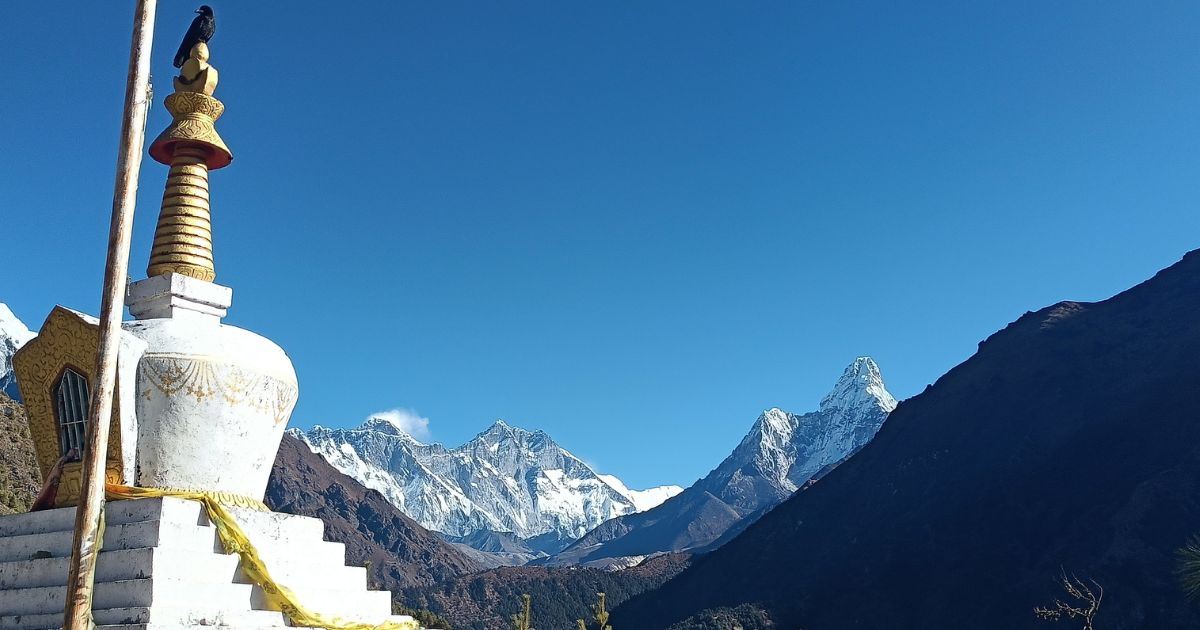
On the way to mt everest Mt. Amadablam
Lessons for Aspiring Climbers and Families
The climbs documented in this article are not templates. They are the outcomes of years of structured preparation, significant financial investment, expert team support, and, in some cases, considerable physical risk. The lesson they offer is not "start young". It is "prepare properly, whatever your age."
Realistic preparation timeline: Even the most capable young mountaineer needs at least five to eight years of progressive climbing experience before considering an everest summit attempt at the minimum legal age of 16
Start on trekking peaks: Peaks such as Island Peak (Imja Tse) and Mera Peak in Nepal are excellent first objectives. They provide genuine high-altitude experience without the commitment of an 8,000-metre summit
Acclimatisation matters more than ambition: The body's adaptation to altitude cannot be accelerated. Spending time at base camp and on lower peaks is not a shortcut. It is the process itself
Family decisions need expert input: Parents considering supporting a young climber's ambitions should consult certified expedition leaders, altitude physicians, and organisations with verifiable track records in Himalayan mountaineering
The first person to climb anything is rarely the person who rushed: The first person to climb Everest, Sir Edmund Hillary, and the first woman to climb mount Everest, Junko Tabei, both summited after years of systematic preparation. Neither achieved their objective by bypassing the process
For people to summit Everest safely, the mountain must be approached on its own terms. The age records documented here are significant partly because they represent the outer edge of what is survivable with the best possible support. They are not aspirational targets for the average young climber.
The goal to climb the highest peak in the world is not one to be rushed. It is a destination that rewards methodical, patient preparation above all else.
Youngest person to climb Mount Everest: Final Thoughts
The youngest person to climb Mount Everest is Jordan Romero, who summited Everest via the North Col on 22 May 2010 at the age of 13 years and 10 months, verified by the Chinese Mountaineering Association as the most documented youth ascent in the mountain's history. On the Nepal side, Temba Tsheri holds the record via the South Col, climbing in 2001 at 16 years and 14 days, before Nepal's formal age rule was introduced. Malavath Purna summited in 2014 at 13 years and 11 months but used the North Col route from the Tibet side, not Nepal. Both the overall record and the Nepal-side record are, in every practical sense, permanent. No one has attempted to summit Mount Everest at a younger age since, and the Mount Everest summit record is now protected by law on both sides of the mountain.
Both Nepal and Tibet enforce minimum age rules for Everest permits, at 16 and 18 years, respectively, because the risks at extreme altitude are real, well-documented, and do not diminish for a younger body. The preparation required to climb to the summit safely spans years, not months, and every young climber in this article spent a significant portion of their childhood building the experience base that made their attempt survivable. For families and aspiring climbers, the better path is progressive: start with Himalayan trekking, build altitude experience on Nepal's trekking peaks, and approach Mount Everest only when the preparation is deep enough to match its demands.
The highest peak in the world claims lives every season, and the regulations governing youth climbing are a reasonable response to that documented reality. Jordan Romero's climb remains the definitive answer to who is the youngest person to climb Everest, but the exception does not define the rule, and the rule now says 16 at the youngest. Those who approach the mountain with patience, proper preparation, and respect for its conditions are the ones most likely to return safely. Age is one factor. Preparation is the deciding one. This guidance is provided by Nepal Everest Base Camp Co. For more information or to plan your trek, contact us.
Youngest Person to Climb Mount Everest, (sources: CNN)
Youngest person to climb Mount Everest: FAQs
Who is the youngest person to climb Mount Everest?
The youngest person to climb Everest is Jordan Romero, an American climber who summited Everest on 22 May 2010 at the age of 13 years and 10 months via the North Col route from the Tibetan side. Romero is the youngest person to have done so under verified conditions, confirmed by the Chinese Mountaineering Association.
What is the minimum age to climb Mount Everest?
Nepal sets a minimum age of 16 years for all Mt Everest climb permit applications, enforced since 2014. Tibet requires climbers to be at least 18 years old, making the northern approach the more restrictive of the two.
Can a minor climb Everest today?
No. Nepal's minimum age of 16 and Tibet's minimum of 18 are both legally enforced at the permit stage with no exceptions or waivers. Any minor who wishes to climb Everest must wait until they meet the minimum age requirement for the side they intend to approach from.
Was the youngest climber fully assisted?
Yes. Jordan Romero was supported throughout his Everest expedition by his father, Paul Romero, stepmother, Karen Lundgren, and three experienced Sherpa guides. He used supplemental oxygen and fixed ropes, which is standard for all climbers on that route.
Are Everest age records officially recognised?
Records are verified by the relevant permit authority. Nepal's Department of Tourism and the Chinese Mountaineering Association both maintain official records of summit attempts, including climber age and date. There is no single global governing body for mountaineering records, but permit-issuing authorities are the accepted standard for verification.
Who is the youngest person to reach the summit of Mount Everest from Nepal?
Temba Tsheri Sherpa is the youngest person to reach the summit from the Nepal side at 16 years old when he summited Everest on 23 May 2001 via the South Col route. This occurred well before Nepal's formal minimum age rule was introduced in 2014.
Who was the youngest female to climb Everest?
Ming Kipa Sherpa is the youngest female to climb Everest from the Nepal side, summiting at 15 years and 10 months in 2003 via the South Col. Malavath Purna later became the youngest Indian woman to summit Mount Everest, climbing via the North Col route from Tibet in 2014 at 13 years and 11 months.
What is the oldest person to summit Everest on record?
Japanese mountaineer Yuichiro Miura made it to the top of Mt Everest in 2013 at the age of 80, making him the verified oldest person to summit at that time. His ascent is the bookend record to Jordan Romero's on the other end of the age spectrum, and the top of the world has been reached by climbers spanning nearly seven decades of age range.
Blending digital strategy with mountain passion, I help adventurers find their way to the Himalayas online. With hands-on experience in Nepal’s trekking trails and a role at Nepal Everest Base Camp Trekking Co., Thamel, I combine SEO expertise with true trail insight.