Trek Smart: Acclimatize Properly While Trekking in Nepal
You have trained for months, booked your flights, prepared your gear, and studied every photo of Everest Base Camp or the Annapurna Circuit you could find. Yet many trekkers overlook an invisible challenge that strikes without warning above 3,500 metres. Altitude sickness does not discriminate - it affects both the marathon runner and the weekend hiker alike.
How to acclimatize properly while trekking in Nepal's Himalayas begins with understanding the stakes. Evacuation records from Lukla reveal that rushed ascents account for nearly 60% of medical emergencies on popular trekking trails in Nepal. The difference between a transformative adventure and a medical evacuation often comes down to one crucial factor - proper altitude acclimatisation. This guide walks you through everything you need to master high-elevation adaptation in the Himalayas.
You will also learn proven strategies used by experienced guides from Nepal Hiking Adventure Co. to ensure a safe and rewarding journey. Whether you are heading for the Everest Base Camp trek, Annapurna Base Camp trek, or exploring lesser-known regions like Langtang Valley, understanding altitude acclimatisation transforms your trek from risky to rewarding. High-altitude travel demands respect for the thin air, and this knowledge allows you to embrace the mountains fully. Prepare to master the art of adaptation - from gradual ascent rules to hydration techniques - and reach your goals stronger, savouring views that few experience without distress.
What Is Acclimatization? The Science of Survival
The Physiology of Acclimatization
Acclimatization is the process through which your body adjusts to lower oxygen levels at high altitudes. At sea level, the atmosphere contains roughly 21% oxygen. However, as you ascend, the percentage stays the same, but atmospheric pressure drops. Consequently, each breath delivers less oxygen to your bloodstream.
Key Concept: At 5,500 metres (the elevation of Everest Base Camp), you are getting about half the amount of oxygen per breath compared to sea level. Therefore, your body must compensate for this deficit, and that takes time in Nepal's thin air.
How the Body Adapts to High Altitude
Your body adjusts to high altitude through several physiological responses.
Immediate Responses (Hours to Days):
Breathing rate increases to capture more oxygen
Heart rate accelerates to circulate oxygen faster
Medium-Term Adaptations (Days to Weeks):
Kidneys adjust blood pH levels
Hemoglobin concentration rises, improving oxygen transport
Your body produces more red blood cells
Critical Insight: These changes do not happen overnight. Ways to acclimatize include allowing your body time to adjust, which is a biological necessity. In other words, rush the process, and you risk developing mild symptoms of altitude sickness that can derail your entire Nepal trekking adventure.
Why Acclimatization Is Crucial for High-Altitude Trekking
Risks of Skipping Acclimatization
The consequences of inadequate acclimatization range from uncomfortable to fatal. When you ascend too quickly, your body's ability to acclimatize gets overwhelmed. As a result, oxygen at high altitude becomes insufficient for normal cellular function, triggering a cascade of problems.
Common Risks
Description
Acute Mountain Sickness (AMS)
Headaches, nausea, dizziness, fatigue
High Altitude Pulmonary Edema (HAPE)
Fluid in the lungs, breathing difficulties
High Altitude Cerebral Edema (HACE)
Brain swelling, confusion, loss of coordination
Altitude sickness can develop even in fit, experienced trekkers. Notably, physical fitness helps with endurance but offers zero protection against altitude-related illnesses.
Benefits of Proper Acclimatization
Taking time to adjust transforms your trekking experience completely. Proper acclimatization allows you to:
Enjoy stunning mountain views without debilitating headaches
Maintain energy levels throughout long trekking days
Reach your destination feeling strong
Experience local culture during acclimatization days in villages like Namche, Dingboche, and Manang
Additionally, rest days give you opportunities to explore Buddhist monasteries, interact with Gurung and Sherpa communities, and absorb the Himalayan experience.
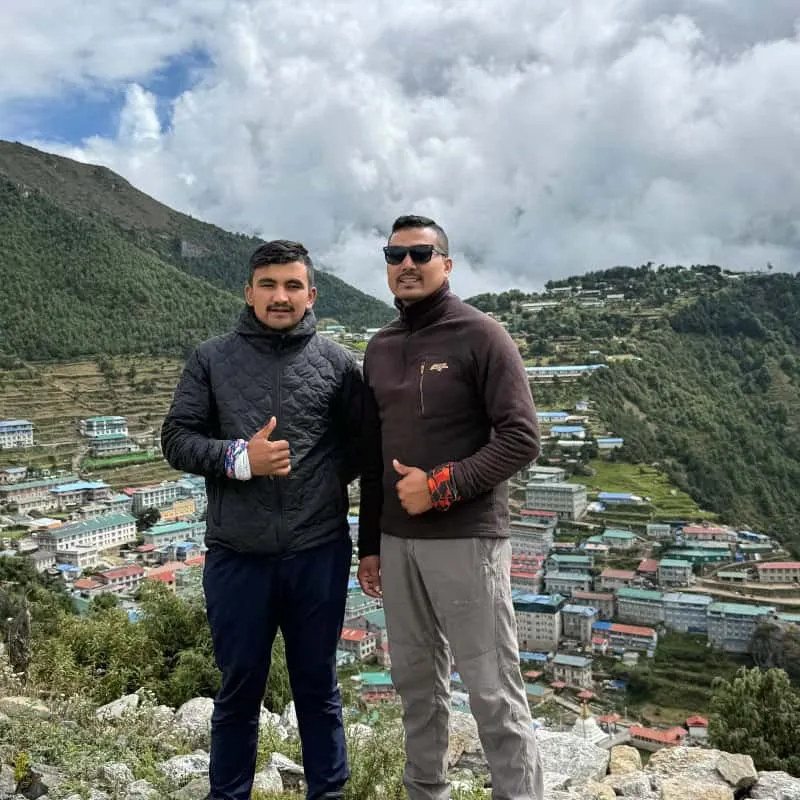
exploring local village on the day of acclimatization
Understanding Altitude Sickness: Symptoms and Risks
Acute Mountain Sickness (AMS)
Acute altitude sickness,known as acute mountain sickness, is the mildest and most common form of altitude sickness. Typically, altitude sickness occur between 2,500 and 3,500 meters but can strike at any elevation above 2,400 meters.
Signs of Altitude Sickness (AMS):
Persistent headache that worsens with activity
Nausea or vomiting
Loss of appetite (even for favorite foods)
Dizziness or lightheadedness
Fatigue despite adequate rest
Difficulty sleeping
Important: Never ascend with AMS symptoms. Instead, stay at your current altitude until symptoms resolve, or descend if they worsen.
High-Altitude Pulmonary Edema (HAPE)
High-altitude pulmonary edema represents a severe, life-threatening condition where fluid accumulates in the lungs. It is one of the serious complications like high altitude pulmonary edema that can develop when the body fails to acclimatize properly. Typically, HAPE develops 2 - 4 days after arriving at high altitude, particularly if daily altitude gain exceeds 500 meters above 3,000 meters.
HAPE Warning Signs:
Severe shortness of breath, even at rest
Persistent cough, possibly producing pink or frothy sputum
Chest tightness or congestion
Extreme fatigue and weakness
Blue or gray lips and fingernails (cyanosis)
Critical: HAPE progresses rapidly. Therefore, a trekker who feels fine at breakfast can be critically ill by evening. Immediate descent is the only effective treatment.
High-Altitude Cerebral Edema (HACE)
High-altitude cerebral edema is the rarest but most dangerous type of altitude sickness. HACE occurs when fluid accumulates in the brain, causing swelling that can lead to permanent damage or death within hours if untreated.
HACE Symptoms:
Severe headache unresponsive to medication
Confusion, irrational behavior, or altered consciousness
Loss of coordination (ataxia) - inability to walk in a straight line
Hallucinations or bizarre behavior
Drowsiness progressing to unconsciousness
Critical Action: HACE is a medical emergency. Consequently, descending to a lower altitude immediately and seeking emergency medical attention is essential. The chance of irreversible brain injury rises with each hour of delay.
How to Acclimatize Effectively: Proven Strategies
Gradual Ascent: The Golden Rule
The golden rule of acclimatization: do not climb more than 300–500 meters in sleeping elevation per day once you are above 3,000 meters. Notice the emphasis on sleeping elevation. In other words, you can trek higher during the day, but where you sleep determines how your body adjusts.
Elevation Range
Gradual Ascent Guidelines
Below 3,000m
Ascend at your preferred pace
3,000–5,000m
Limit sleeping elevation gain to 300–500m per day
Above 5,000m
No more than 300m every two days
Example: On the Everest Base Camp trek, trekkers typically spend two nights in Namche Bazaar (3,440m) before ascending to Tengboche (3,860m). That is only 420 meters of elevation gain, but it follows a rest day that helps your body adjust. Moreover, this approach reduces the risk of altitude sickness by allowing physiological adaptations to occur naturally. It might add 2–3 days to your itinerary, but it dramatically increases your chances of reaching your destination safely.
Climb High, Sleep Low Technique
This strategy forms the cornerstone of high-altitude acclimatization. The principle is simple: trek to a higher elevation during the day, then return to a lower altitude to sleep.
Why It Works:
Daytime ascents stimulate red blood cell production
Sleeping at lower elevations provides better oxygen for recovery
Your body adapts faster with repeated exposure to higher altitude
Symptoms remain milder compared to staying at higher elevations
Practical Application: On an acclimatization day in Namche Bazaar (3,440m), you might hike up to Everest View Hotel (3,880m) for tea and stunning mountain views. Then you descend back to Namche to sleep. Consequently, you have exposed your body to 3,880 meters, but you are sleeping at 3,440 meters.
Activity Pacing and Trekking Tips
How you trek matters as much as where you trek. Even on well-designed itineraries, poor pacing can trigger altitude sickness symptoms.
Essential Trekking Pace Rules:
Walk slowly and deliberately - think "tourist pace," not "hiking pace"
Take frequent breaks (5–10 minutes every hour)
Focus on increasing your breathing deeply and rhythmically, especially on steep sections
Never race or compete with other trekkers
Listen to your body's signals
What to Avoid at High Altitude:
Alcohol (suppresses respiration)
Sleeping pills (reduce oxygen intake during sleep)
What to Embrace:
Tea, soup, and water (your best companions)
Role of Rest Days in Acclimatization
Importance of Rest Days
Rest days are active acclimatization days that can make or break your trek. Many first-time trekkers in Nepal mistakenly view rest days as wasted time. In reality, these days are when the most important physiological adaptations occur.
What Happens on a Rest Day:
Red blood cell production continues at an elevated rate
Kidney adjustment adapts to altitude-related changes
Muscle recovery repairs from previous trekking days
Altitude consolidation solidifies gains without additional stress
Mental refreshment reduces psychological fatigue
Furthermore, rest days provide psychological benefits. The constant physical demand of trekking can be exhausting. Therefore, a day to explore a village, visit a monastery, or simply read in a teahouse garden refreshes your mental state for the challenges ahead.
Standard Rest Day Locations
Trek
Rest Day Locations
Everest Base Camp Trek
Namche Bazaar (3,440m) and Dingboche (4,410m)
Annapurna Circuit Trek
Manang (3,540m)
Manaslu Circuit Trek
Samagaon (3,530m)
Acclimatization day in Namche Bazaar
Optional Short Hikes During Rest Days
The best rest days include short acclimatization hikes. These 2–4 hour treks take you higher than your sleeping elevation, then bring you back down - applying the "climb high, sleep low" principle.
Popular Acclimatization Hikes
From/To
From Namche Bazaar (3,440m) to Everest View Hotel (3,880m)
Namche Bazaar
From Dingboche (4,410m) to Nagarjun Hill (5,100m)
Dingboche
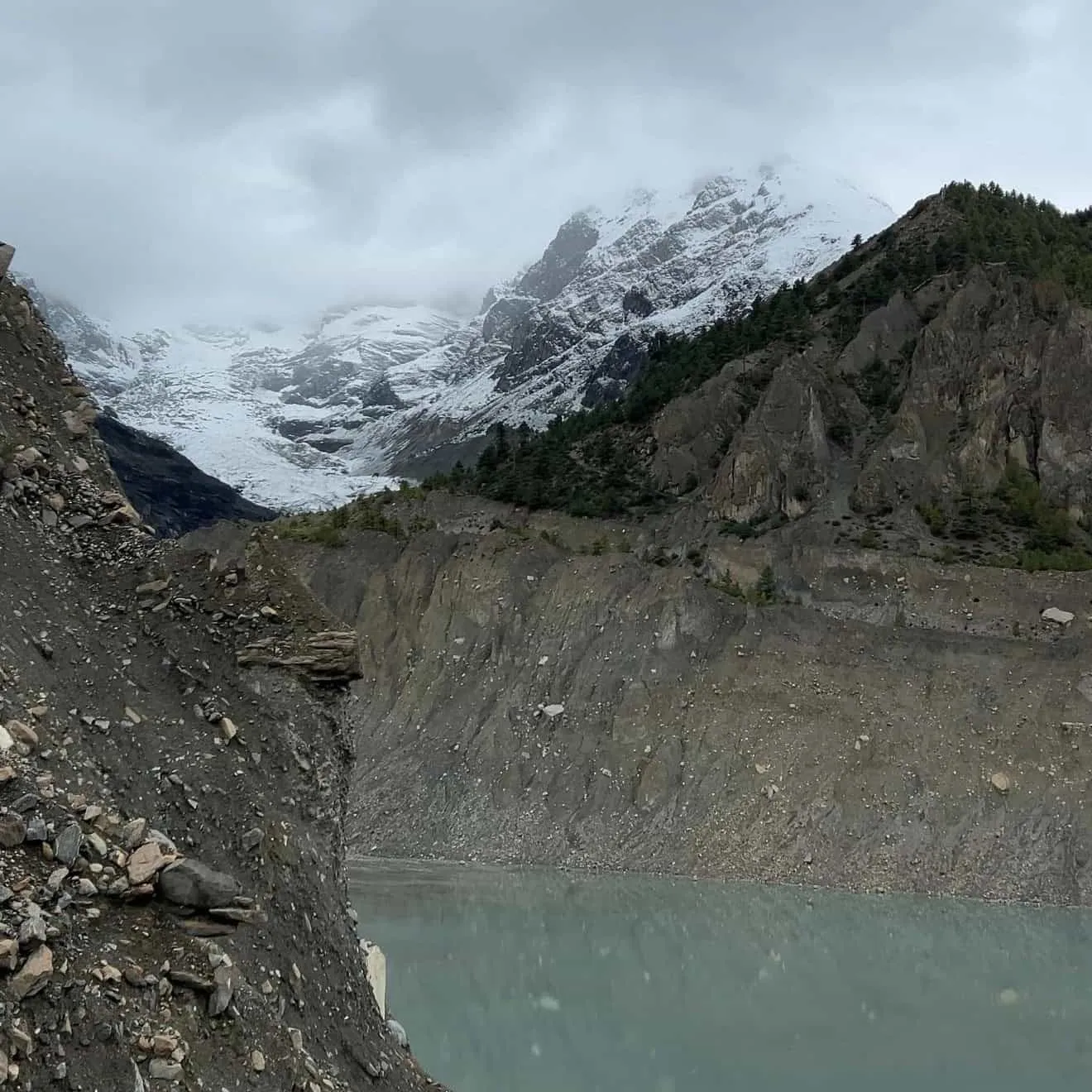
From Manang (3,540m) to Gangapurna Glacier (4,000m)
Manang
These hikes are not strenuous. Instead, you move slowly, take photos, enjoy views, and return to your teahouse for lunch. Consequently, they significantly enhance your trekking experience and improve acclimatization outcomes.
Hydration and Nutrition: Supporting Your Body at High Altitudes
Proper Hydration Practices
Dehydration worsens altitude sickness and slows acclimatization. At high altitude, you lose water faster through increasing your breathing and dry mountain air. Additionally, your kidneys work harder to regulate blood chemistry, increasing urine output.
Hydration Guidelines
Details
Daily intake
4–5 liters of water daily above 3,000 meters
Timing
Drink before you feel thirsty
Monitoring
Urine should be pale yellow
Temperature
Warm fluids absorb more readily than cold water
Practical Hydration Strategy: Carry a 1-liter water bottle and refill it 4–5 times daily. Specifically, drink a cup of tea at breakfast, water throughout the morning trek, soup at lunch, more water in the afternoon, and tea or hot lemon water in the evening.
Nutrition Tips for High-Altitude Trekking
Loss of appetite is common at high altitude, but maintaining caloric intake is crucial. Your body burns 300–500 extra calories per day just adapting to high elevations, on top of the energy expended trekking.
High-Altitude Nutrition Strategy
Percentage
Carbohydrates
60–70% (Rice, pasta, potatoes, bread)
Fats
20–30% (Nuts, cheese, cooking oils)
Proteins
10–15% (Lentils, eggs, limited meat)
Eating Pattern:
Eat small, frequent meals rather than large portions
Do not skip meals even if you lack appetite
Choose familiar, easily digestible foods
Recommended Trekking Foods:
Dal bhat: Nepal's staple dish provides carbohydrates (rice), protein (lentils), and nutrients (vegetables)
Porridge or muesli: Excellent breakfast option for sustained energy
Soups: Hydrating and warming, especially garlic soup which may help with acclimatization
Eggs: Versatile protein available at every teahouse
Medications and Supplements: When and How to Use Them
Diamox and Other Prescriptions
Acetazolamide (Diamox) is a prescription medication that aids acclimatization by speeding up physiological adjustments. It works by acidifying the blood, which stimulates increasing your breathing and improves oxygen delivery.
How Diamox Helps:
Reduces AMS symptoms by 50–75% in clinical studies
Improves sleep quality at high altitude
Accelerates acclimatization when taken preventively
Dosage and Usage
Details
Preventive
125 mg twice daily, starting 1–2 days before ascent
Treatment
250 mg twice daily when symptoms develop
Duration
Continue until descent below 3,000m or trek completion
Common Side Effects:
Tingling fingers/toes
Frequent urination
Altered taste (carbonated drinks taste flat)
Important Considerations: Diamox is not a substitute for proper acclimatization. Specifically, it helps your body adjust faster, but you still need gradual ascent and rest days.
Supplements That Support Acclimatization
While no supplement replaces proper acclimatization, some may provide modest benefits.
Reality Check: Supplements are optional extras, not essentials. Therefore, focus on hydration, nutrition, gradual ascent, and rest days first. These fundamentals provide far greater benefit than any supplement.
Acclimatization on Popular Trekking Routes
Everest Base Camp Trek
The Everest Base Camp trek remains Nepal's most famous high altitude trek destination, reaching 5,364 meters at base camp. The standard itinerary includes carefully planned acclimatization days starting with the flight from Kathmandu.
Elevation Profile and Acclimatization
Day/Elevation
Day 1: Lukla to Phakding
2,610m - descent for an easy start
Day 2: To Namche Bazaar
3,440m - +830m gain
Day 3: Acclimatization day in Namche
Hike to 3,880m
Day 6: Acclimatization day in Dingboche
4,410m - hike to 5,100m
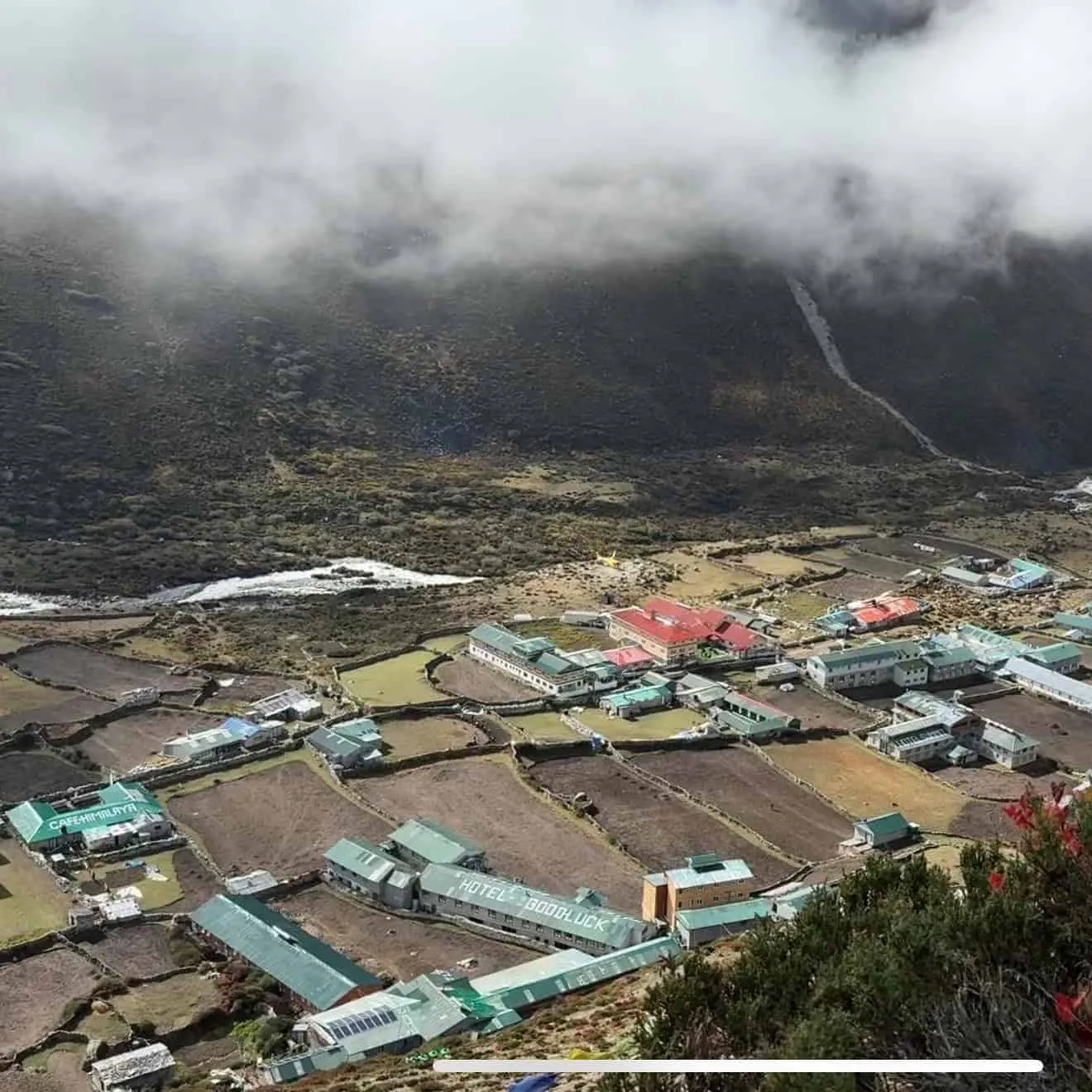
acclimatization day in Dingboche
Key Acclimatization Features:
Two dedicated rest days at Namche and Dingboche
No single day exceeds 830m elevation gain
Plenty of opportunities to descend if symptoms develop
Warning: Shorter itineraries (8–10 days) skip acclimatization days and dramatically increase altitude sickness risk. Therefore, do not be tempted by "express" treks.
Annapurna Circuit
The Annapurna Circuit trek circles the Annapurna Massif, crossing Thorong La Pass at 5,416 meters. This classic circuit trek offers diverse landscapes and exceptional acclimatization opportunities.
Acclimatization Strategy:
Gradual Start: The trek starts at 760m in Besisahar, allowing 7–8 days of gradual altitude gain
Main Acclimatization: Manang (3,540m) for 2–3 nights
Day Hikes: To Gangapurna Glacier (4,000m) or Ice Lake (4,600m)
Day Hike to Gangapurna Glacier/Lake
Advantages for Acclimatization: The Annapurna Circuit's gradual approach from lower altitude allows your body extensive time to adjust. Unlike the Everest Base Camp trek, which starts at 2,800m, the Annapurna Circuit begins near 800m.
Annapurna Base Camp Trek
The Annapurna Base Camp trek reaches 4,130 meters within the Annapurna Sanctuary, offering an accessible yet rewarding high altitude trekking experience.
Acclimatization Approach:
Starting point: Nayapul (1,070m) or Pokhara (827m)
Approach duration: 5–7 days to Annapurna Base Camp
Maximum elevation: 4,130m (Annapurna Sanctuary)
Risk level: Moderate altitude sickness risk
The Annapurna Base Camp trek allows trekkers to experience the drama of standing within a high mountain amphitheater surrounded by 7,000 and 8,000-meter peaks, while maintaining manageable altitude exposure.
Langtang Valley
The Langtang Valley trek reaches Kyanjin Gompa at 3,870m, making it an excellent choice for trekkers seeking high altitude experience with lower risk.
Acclimatization Approach:
Starting point: Syabrubesi (1,460m)
Approach duration: 3–4 days to Kyanjin Gompa
Maximum elevation: 3,870m (or 4,984m with Tserko Ri)
Risk level: Lower overall altitude sickness risk
The Langtang Valley trek serves as an ideal introduction to trekking in the Himalayas. Consequently, it provides an authentic high altitude experience without the extreme elevations of Everest or Annapurna routes.
Common Mistakes to Avoid During Acclimatization
Ascending Too Fast
The single biggest mistake on any high altitude trekking adventure is climbing too quickly. Pressure to "keep up" with faster trekkers, condensed itineraries due to limited vacation time, or simply underestimating altitude's effects leads many to ascend faster than their bodies can adapt.
Why This Is Dangerous: Your body needs time in Nepal at each elevation level to trigger physiological changes. When you rush through trekking routes in Nepal, you deny your cardiovascular system, kidneys, and respiratory system the opportunity to adjust properly. As a result, symptoms develop rapidly and can escalate from mild symptoms of altitude sickness to life-threatening conditions within hours.
The Fix: Build buffer days into your itinerary. If you feel symptoms developing, stay an extra night at your current elevation. Allowing your body time to adapt is never wasted - instead, it is an investment in completing your trek successfully.
Ignoring Early Warning Signs
Many trekkers dismiss early symptoms, thinking, "It is just a headache" or "I am just tired from the trek." This mindset can prove catastrophic when it comes to altitude-related illness. Altitude sickness does not improve with willpower - it requires action.
Common Rationalizations That Lead to Trouble:
"I trained hard; I will push through"
"Everyone else seems fine"
"We are so close to the destination"
Reality Check: Altitude sickness strikes the fittest athletes and casual hikers equally. Your marathon PR means nothing at 4,500 meters.
What You Should Do Instead:
Stop ascending immediately when symptoms appear
Rest at your current elevation for 24–48 hours
Focus on increasing your breathing and drink 4–5 liters of water daily
If symptoms worsen or do not improve within 24 hours, descend at least 500 meters
Inadequate Hydration
Dehydration compounds altitude sickness dramatically. Yet many trekkers fail to drink sufficient water during their trekking adventures, either because they do not feel thirsty, they are tired of frequent bathroom breaks, or they underestimate their fluid needs.
Why Hydration Matters More at Altitude:
Dry mountain air increases respiratory water loss
Increasing your breathing rate at altitude accelerates fluid loss
Kidneys work harder to adjust blood chemistry, producing more urine
Mild dehydration mimics and worsens altitude sickness symptoms
Proper Hydration Strategy:
Drink 4–5 liters of water daily above 3,000 meters
Start hydrating before you begin your ascent
Drink small amounts frequently throughout the day
Carry a water bottle and refill at every teahouse
Relying Solely on Medication
Diamox and other altitude medications provide valuable support, but they are not magic pills. Some trekkers make the dangerous assumption that taking medication eliminates the need for proper acclimatization practices.
The Medication Myth: "I am taking Diamox, so I can skip rest days and climb faster."
The Reality: Medications enhance your body's natural acclimatization process - they do not replace it. Even with pharmaceutical support, you must follow gradual ascent protocols, stay hydrated, rest appropriately, and listen to warning signs.
Integrated Approach: Successful avoiding altitude sickness requires combining multiple strategies: gradual ascent + proper hydration + adequate nutrition + rest days + medication support (if appropriate). Remove any single element, and your risk increases substantially.
Emergency Protocols: What to Do When Things Go Wrong
Recognizing a Medical Emergency
Not every headache requires evacuation, but certain symptoms demand immediate action. Therefore, knowing the difference between manageable discomfort and genuine medical emergency can save lives on remote trekking trails in Nepal.
Mild Altitude Sickness (Manageable)
Severe Altitude Sickness (Emergency)
Headache responsive to ibuprofen, mild nausea, slight fatigue, difficulty sleeping
HAPE: Severe breathlessness at rest, persistent cough with pink/frothy sputum, chest congestion
Action Plan: Stop ascending, rest at current elevation for 24 hours, increase hydration, monitor symptoms closely
HACE: Severe confusion, inability to walk straight line, severe headache unresponsive to medication
Emergency Action Protocol
Step 1: Immediate Descent
Descend at least 500–1,000 meters immediately - even at night if necessary. Descent is the only definitive treatment. Consequently, every hour of delay increases the risk of permanent damage or death.
Step 2: Oxygen (If Available)
Many teahouses and trekking groups carry portable oxygen. Oxygen provides temporary relief but does not substitute for descent.
Step 3: Medication
HAPE: Nifedipine (prescription medication carried by professional trekking guides)
Contact the trekking agency or call for helicopter rescue. Most comprehensive travel insurance policies cover emergency evacuation.
Critical Reminder: In emergency situations on high mountain treks, do not debate, discuss, or delay. Descend immediately. You can assess the situation at lower elevation. At altitude, every minute counts when symptoms escalate.
Real Acclimatization Experiences: Three Nepal Treks
Case 1: Everest Base Camp Success
Sarah, a 34-year-old Canadian with moderate fitness and no altitude experience, completed a 14-day Everest Base Camp trek through careful acclimatization. At Namche Bazaar (3,440m), she experienced a mild headache but recovered after a rest day and acclimatization hike. By Dingboche (4,410m), her body had adjusted completely. She reached base camp (5,364m) successfully by maintaining steady hydration (4-5 liters daily), following the recommended itinerary, and taking Diamox preventively.
Case 2: Annapurna Circuit Adaptation
British couple James and Emma tackled the 16-day Annapurna Circuit with strong fitness but no high-altitude experience. While James progressed smoothly, Emma developed acute mountain sickness symptoms at Manang (3,540m). An extra rest day allowed her body to adjust, and both successfully crossed Thorong La Pass (5,416m). Their experience showed that flexible itineraries and moving at the slower partner's pace prevent trek failure.
Case 3: Langtang Valley Introduction
David, a 52-year-old Australian teacher, chose the 8-day Langtang Valley trek for his first Himalayan experience. The lower maximum altitude (4,773m at Kyanjin Ri) allowed comfortable progression without overwhelming stress. Two nights at Kyanjin Gompa (3,870m) provided proper acclimatization, building his confidence for future high-altitude treks.
Common Success Factors: Following recommended itineraries, staying hydrated, adding rest days when needed, communicating symptoms to guides, and choosing appropriate treks for experience level all contributed to successful acclimatization and completed journeys.
Final Thoughts on Acclimatization Success
Proper acclimatization transforms high altitude treks from a risky gamble into a manageable adventure. When you learn how to acclimatize properly while trekking in Nepal's Himalayas, the strategies outlined in this guide - gradual ascent, strategic rest days, adequate hydration, proper nutrition, and careful symptom monitoring - have been proven effective through decades of trekking experience in Nepal's Himalayas.
Your journey to the spectacular landscapes of Nepal's trekking routes depends not just on physical fitness, but on respecting the physiological realities of reduced oxygen levels at high altitudes. Embrace these practices, and you unlock the true magic of the mountains.
Key Takeaways:
Altitude sickness does not discriminate - it affects everyone regardless of fitness level
Allowing your body time to adapt is non-negotiable for safe Nepal trekking
Gradual ascent (300–500m daily sleeping elevation gain) remains the cornerstone of acclimatization
Rest days and "climb high, sleep low" accelerate adaptation
Proper hydration (4–5 liters of water daily above 3,000m) supports physiological changes
Early symptom recognition and immediate response prevent emergencies
Remember: the mountains will always be there. Your health cannot be recovered once permanently damaged. If you need an extra rest day, take it. If symptoms develop, descend.
The trekking adventures that become cherished lifetime memories are those where you arrive healthy, present, and capable of absorbing the extraordinary beauty around you. Proper acclimatization makes this possible. Step into the Himalayas in Nepal with confidence, knowing you have the tools for triumph. Your epic story awaits - summit strong, return whole.
Plan your journey with Nepal Everest Base Camp Co. today and ensure a safe, unforgettable trek. Contact us to start your adventure.
Frequently Asked Questions
How Many Acclimatization Days Do I Need?
Plan for at least two to three nights at key elevations like 3,440 meters before ascending higher. This allows your body to adjust and reduces altitude sickness risk by following the guideline of gaining no more than 300–500 meters in sleeping elevation per day above 3,000 meters. Remember to listen to your body and take extra rest if needed.
Can I Acclimatize Too Fast or Too Slowly?
You can acclimatize too fast by ascending rapidly, but acclimatizing too slowly is rarely a problem if you follow standard protocols. Rapid ascent increases susceptibility to altitude sickness, while taking extra time with rest days enhances safe and enjoyable trekking and allows for side explorations without rushing. Always listen to your body to gauge when to move on.
How Much Water Should I Drink Per Day?
Drink four to five liters of water daily above 3,000 meters elevation. This counters rapid fluid loss from increasing your breathing and dry air, preventing dehydration that worsens symptoms and slows adaptation. Staying hydrated helps your body to adjust more efficiently.
Should I Take Medications Like Diamox?
Consider Diamox as a supplement to support acclimatization, but only alongside gradual ascent and hydration. It reduces symptoms by 50–75 percent yet cannot replace fundamental practices, as relying solely on medication heightens risks. Proper acclimatization always comes to altitude preparation first.
What Symptoms Require Immediate Descent?
Severe symptoms like shortness of breath at rest, confusion, or loss of coordination demand immediate descent. These indicate HAPE or HACE, which are medical emergencies needing a drop of at least 500–1,000 meters, oxygen if available, and possible evacuation.
Does Fitness Level Prevent Altitude Sickness?
Fitness level does not prevent altitude sickness, as anyone can develop it regardless of physical condition. Factors like previous history or rapid ascent influence risk more, though proper protocols work effectively for all individuals.
How to Plan Rest Days in an Itinerary?
Incorporate rest days at strategic points, such as two nights in Namche Bazaar for Everest Base Camp or Manang for Annapurna Circuit. This builds in flexibility for recovery or exploration, minimizing risks from shorter itineraries that skip necessary adaptation periods. Following these plans ensures a safe and enjoyable trek.
Blending digital strategy with mountain passion, I help adventurers find their way to the Himalayas online. With hands-on experience in Nepal’s trekking trails and a role at Nepal Everest Base Camp Trekking Co., Thamel, I combine SEO expertise with true trail insight.