The Mardi Himal trek difficulty question sits at the top of every trekker's planning list for treks in Nepal. You wonder whether this trek to Mardi matches your level of fitness and mountain experience. Most trekkers find the Mardi Himal trek challenging yet achievable, provided they prepare properly beforehand.
Grasping how difficult the Mardi Himal trek is will guide your entire preparation. Too little concern produces underpreparation and unnecessary suffering on the mountain. Too much anxiety dampens your excitement and creates doubt before you begin. Accurate difficulty assessment means matching your expectations to what you will actually experience, which determines whether your trek succeeds or fails.
This guide, provided by Nepal Everest Base Camp Co., speaks to trekkers considering their first Himalayan trek or those weighing multiple trek options in Nepal. Solo adventurers, couples, and organised groups all benefit from clear information about this itinerary. If you have hiked mountains previously or completed a short trek in the Annapurna circuits, you possess the foundation needed for success here.
Overall Difficulty Level
Trek Grading and Classification
The Mardi Himal trek is moderately rated by most authorities. This means sustained daily climbing over 5 to 7 days, reaching 4,500 metres (14,764 feet), with no technical climbing required. The level of difficulty rating holds firm because most trekkers complete it safely. Importantly, this Mardi trek represents an easy to moderate difficulty gateway into high-altitude Himalayan trek experiences on this trek in Nepal.
The Mardi Himal trek is considered more accessible than Everest Base Camp yet more demanding than a short and easy trek like Ghorepani Poon Hill. Notably, the Mardi trek offers similar altitude exposure to the Annapurna Base Camp Trek in significantly fewer days, making it efficient for time-conscious adventurers within the trek in the Nepali landscape.
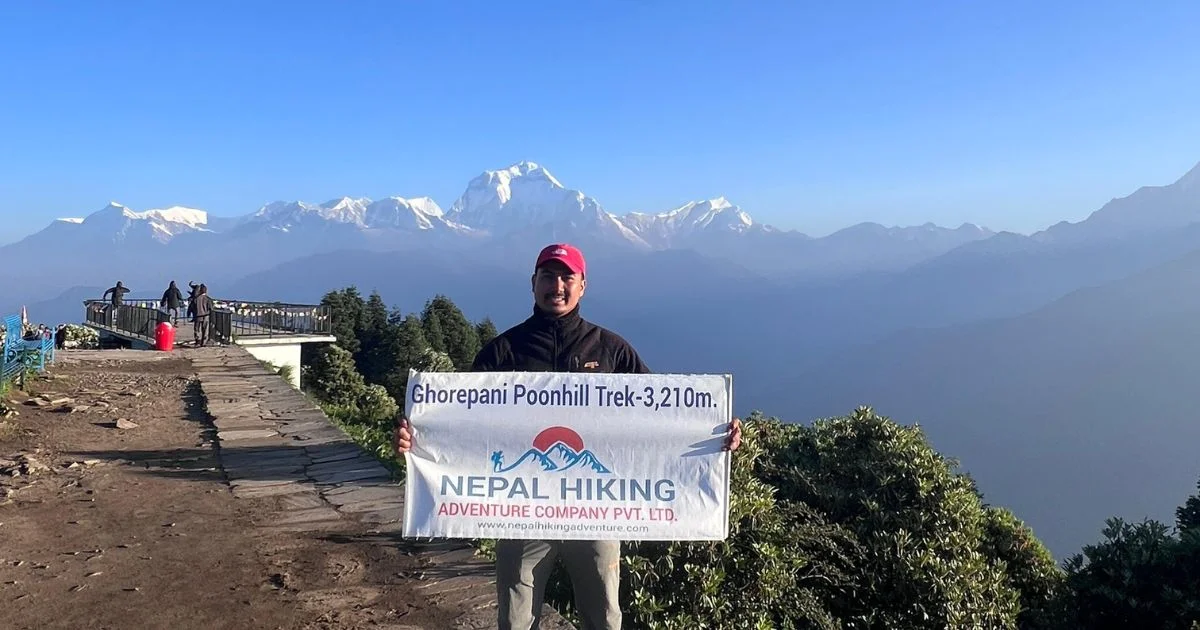
Poon hill viewpoint at Ghorepani
Altitude, Elevation Gain & Acclimatization
Altitude Profile
The trek to the Mardi Himal starts at Kande village (2,000 m) and climbs progressively to Mardi Base Camp at 4,500 metres above sea level. This phased ascent allows incremental body adaptation, the cornerstone of safe trekking throughout the Mardi region. Consequently, this trek to Mardi respects physiological limits while building acclimatisation capacity on your Mardi Himal trekitinerary.
Daily progression for your trek itinerary:
Day
Route
Altitude
Elevation Gain
Day 1
Arrival at Kathmandu
1,324 m (4,344 ft)
—
Day 2
Kathmandu to Pokhara
822 m (2,697 ft)
—
Day 3
Kande to Pitam Deurali
2,125 m (6,972 ft)
1,303 m
Day 4
Pitam Deurali to Low Camp
3,050 m (10,007 ft)
925 m
Day 5
Low Camp to High Camp
3,600 m (11,810 ft)
550 m
Day 6
High Camp to Mardi Himal Base Camp and descent to Badal Danda/Siding
4,500 m (14,764 ft) to 1,700 m (5,577 ft)
900 m up, 2,900 m down
Day 7
Badal Danda/Siding to Pokhara
822 m (2,697 ft)
878 m down
Day 8
Pokhara to Kathmandu
1,324 m (4,344 ft)
502 m up
Day 9
Final Departure from Kathmandu
1,324 m (4,344 ft)
—
The Mardi trek gains roughly 2,500 metres net elevation. This pacing respects the mountaineering axiom "climb high, sleep low", reducing altitude sickness risk significantly. Therefore, understanding this progression helps you mentally prepare for the trek journey ahead on your Mardi Himal trek, a difficult challenge.
Acclimatization Best Practices
Your lungs extract less oxygen as elevation climbs, forcing cardiovascular systems into overdrive. Therefore, even fit trekkers feel the altitude above 3,500 metres on this Mardi Himal trek difficulty level. Essential strategies include moving slowly (embracing "pole pole"), hydrating 3-4 litres daily, eating carbohydrates, and resting strategically at High Camp throughout your trek in the Himalayas.
Critical acclimatisation elements:
One full acclimatisation day at High Camp (4,100 m) helps your physiology adjust before the final push to Australian Camp and Mardi Base Camp.
Strategic water intake of 3-4 litres daily prevents dehydration-related complications.
Carbohydrate-rich meals fuel your body efficiently at altitude.
Early sleep onset maximises recovery between trekking days.
Furthermore, one full acclimatisation day at High Camp (4,100 m) helps your physiology adjust before the final push toward High Camp to Mardi Himal summit approach.
Altitude Sickness Prevention and Symptoms
Trekking difficulty for Mardi Himal centres primarily on altitude acclimatisation. Acute Mountain Sickness (AMS) ranges from minor headaches to serious conditions requiring immediate descent. Recognition of early warning signs prevents complications and ensures safe trek journey completion on your Mardi Himal trek, and thus offers experience.
Prevention strategies for this difficult trek:
Gradual ascent with proper hydration and carbohydrate meals.
Adequate sleep and avoiding alcohol before rest periods.
Strategic rest days at altitude, particularly at High Camp.
Pulse oximeter monitoring if available.
Importantly, prevention beats treatment. Gradual ascent, hydration, and psychological acceptance prevent roughly 80% of AMS cases on this Mardi trek. Hence, pre-trek preparation significantly impacts your Mardi Himal trek experience and the difficulty of the Mardi Himal.
Mardi Himal trek difficulty based on altitude remains moderate when these practices are followed.
Daily Trek Structure & Demands
Typical Itinerary (5–7 Days)
The standard trek to the Mardi Himal balances accessibility with sufficient acclimatisation time. Though Mardi Himal trek variables exist, a 6-day structure works optimally for your Mardi Himal trek itinerary:
Standard 6-Day Structure:
Day 1: Drive from Pokhara to Kande; the trek begins to Forest Camp (4-5 hours).
Day 2: Forest Camp to Low Camp (4-5 hours).
Day 3: Low Camp to High Camp (4-5 hours).
Day 4: High Camp to Mardi Himal base camp, explore, return to High Camp.
Day 5: Descent to siding (5-6 hours).
This trek starts and ends with acclimatisation physiology in mind. The summit day of the trek from High Camp to Mardi Himal base requires only 2-3 hours, preserving energy and reducing risk. Moreover, descending the same day or staying overnight depends on permit requirements and guide recommendations. Therefore, this structure maximises safety on this difficult trek within your Mardi Base Camp trek journey.
Daily Trekking Hours and Elevation Change
The day's trek commitment averages 4-6 hours of active walking daily, excluding meals and rest. Elevation gain ranges from 400 to 900 metres per day of the trek. Understanding these parameters helps you set realistic goals for daily trek journey progress on your Mardi Himal trek, which offers adventure.
Elevation change breakdown:
Segment
Duration
Elevation Gain
Difficulty
Forest Camp approach
4-5 hours
600 m
Moderate
Low Camp descent
4-5 hours
600 m
Moderate-High
High Camp push
4-5 hours
900 m
Very High
Australian Camp to Base Camp
2-3 hours
400 m
High (altitude effect)
Day 3 (Low Camp to High Camp) ranks as most demanding. The final ascent gains 900 metres with trail conditions deteriorating into rocky scree. Additionally, altitude compounds physical exertion, creating a potent difficulty spike that tests most trekkers on this Mardi Himal trek, which takes the longest to recover from within the trek in Nepal.
Trail Terrain and Navigation
Forest and Rocky Sections
The trek starts in dense forest with rhododendron and oak trees. Early terrain winds through paths thick with exposed roots, rocky patches, and occasional mud. Therefore, trekking poles prove invaluable, reducing knee stress by 25% and providing balance on uneven ground on your trek in the Himalayas.
Slippery moss and algae growth on shaded sections.
Occasional hand-over-hand scrambling over boulder obstacles.
Insect exposure (leeches during monsoon, mosquitoes year-round).
Beyond the forest, terrain transitions to alpine meadow and exposed rock. The final push toward trek to Pitam Deurali and ultimately Australian Camp follows ridge lines with spectacular views of the Mardi Himal but minimal weather cover. High-altitude sections feature loose scree, exposed ridge walking, and boulder fields demanding careful balance. Consequently, this Mardi region presents varied and technical terrain challenges throughout your trek to Mardi Himal base journey.
Trail Markings and Navigation
Increasingly reliable trailblazing guides most trekkers on this trek, Mardi. Paint marks, cairns, and signage provide clear direction, though ambiguous junctions exist near High Camp. Hence, carrying detailed trek maps or offline GPS apps (AllTrails, Maps.me) proves essential. Hiring a guide mitigates navigation risks significantly and enhances your overall trek journey experience within the trek in the Nepal framework.
Weather & Seasonal Difficulty
Spring and Autumn (Optimal Seasons)
Clear skies and stable weather are available in the spring (March–May) and fall (September–November) seasons. These seasons suit beginners and intermediate trekkers, reducing the level of difficulty compared to other periods. Clear skies bring a 70% chance of an unobstructed Mardi Himal viewpoint and views of Mardi Himal, while comfortable temperatures (15-20°C) enhance enjoyment throughout the trek to Mardi on your trek itinerary within the trek in Nepal.
Seasonal advantages:
Clear skies; 70% chance of unobstructed summit views.
Comfortable daytime temperatures (15-20°C at High Camp).
Moderate foot traffic; teahouses operate at full capacity.
Monsoon Challenges
The monsoon (June-August) transforms the trek into a slippery obstacle course. Rainfall reaches 500+ millimetres monthly. Consequently, trails turn to mud, landslide risks increase, visibility drops, and leeches emerge. Unless you embrace mud-slogging adventures, avoid monsoon trekking on this Mardi trek. The difficulty of trekking spikes beyond moderate into challenging territory during this season. Therefore, a monsoon ascent of this trek would prove substantially more arduous than optimal seasons on your Mardi base camp journey.
Monsoon-specific hazards:
Saturated trails turning to mud; slips and falls increase dramatically.
Landslide risks on exposed terrain; trails occasionally washed out entirely.
Visibility drops; clouds obscure panoramas and navigation landmarks.
Leeches emerge after rain; these blood-sucking creatures cause discomfort and infection risk.
Winter Risks
Winter (December-February) blankets high elevations in snow. Australian Camp and Mardi Base Camp receive 30-60 centimetres of snow, obscuring trail markings. Temperatures drop to -5°C to -15°C overnight. Winter ascents demand mountaineering experience, technical gear, and serious acclimatisation. This season transforms the trek that is of moderate difficulty into expert-only territory unsuitable for non-specialists attempting to camp at Mardi Himal base goals.
Physical and Mental Fitness Requirements
Fitness Level Needed
The trek to Mardi Himal does not require gymnasium conditioning. Rather, it demands aerobic fitness, leg strength, and cardiovascular stability at altitude. If you comfortably hike 10+ kilometres over uneven terrain with 500+ metres of elevation gain in your home country, you possess an adequate baseline level of fitness for the trek in Nepal objectives.
Fitness markers indicating readiness:
You can sustain a brisk pace (4-5 km/hour) for 1-2 hours without exhaustion.
Climbing stairs or hills does not leave you breathless for minutes afterward.
You have hiked mountains before, preferably reaching 3,000+ metres elevation.
Your knees and ankles handle rocky, uneven ground without chronic pain.
If you fall short on these markers, the trek is more challenging than anticipated. Honestly assessing your fitness prevents regret and injury on this Mardi Himal trek. That Mardi Himal trek is also a demanding, difficult trek requiring genuine preparation for the altitude of the Mardi Himal.
Mental Stamina and Training
Crucially, mental resilience matters more than physical fitness on extended high-altitude days. Altitude headaches, fatigue, and thin air test your patience more than leg-burning climbs. Embrace discomfort as normal. Break days into micro-goals, practise gratitude during suffering, and accept slow pacing. Therefore, mental preparation deserves equal emphasis to physical conditioning for your Mardi base camp trek success.
Training regimen for optimal trek to Mardi:
Training Type
Frequency
Details
Stair climbing
Twice weekly
500+ metre elevation gain, trek-like conditions
Long walks
Weekly
15-20 kilometres over varied terrain
Weighted pack hikes
Weekly
10-15 kilograms to simulate real load
Core strengthening
3x weekly
Planks, side planks, bird dogs
Altitude exposure
If possible
Above 2,500 m elevation before departure
Therefore, six to eight weeks of preparation transforms your trek from survival to genuine enjoyment. Consistent, intelligent preparation beats last-minute heroics. Additionally, many beginning treks can be done with modest fitness with adequate motivation and guide support. The Mardi Himal trek difficulty is not immutable; preparation lowers it substantially on your adventure trek in Nepal.
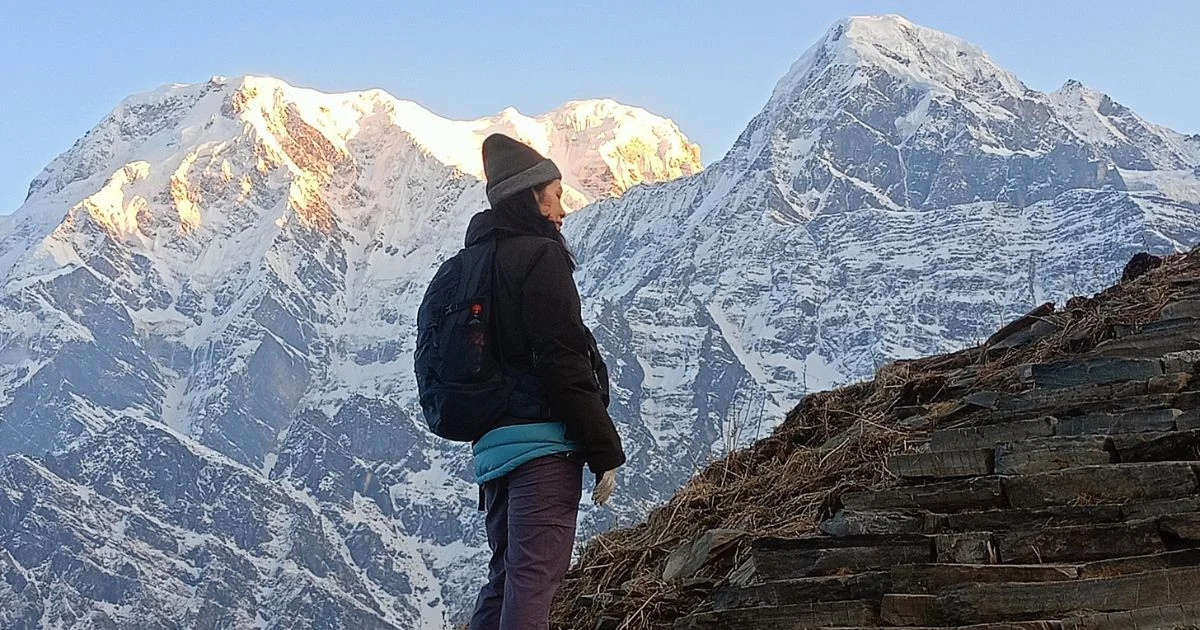
Walking Uphills during the trek
Safety, Risk Management & Logistics
Altitude Sickness Prevention
Altitude sickness prevention starts before your trek and continues throughout. Consult your doctor about acetazolamide (Diamox) if you have experienced AMS previously. Arrive in Kathmandu or Pokhara 2-3 days early for initial acclimatisation before beginning your trek to Mardi Himal base journey within the trek in the Himalayas.
On-trek mitigation strategies:
Hydrate with 3-4 litres daily; dehydration exacerbates AMS symptoms.
Eat carbohydrate-heavy meals; your body metabolises them efficiently at altitude.
Avoid alcohol and sleeping pills; these suppress respiratory drive at altitude.
Move slowly; rushing up altitude guarantees suffering.
Emergency response protocols:
If severe AMS develops (confusion, ataxia, fluid in lungs), descend immediately.
Carry a pulse oximeter; SpO2 below 80% signals an urgent descent need.
Know the closest medical facility (usually in Pokhara, 1 day's descent away).
Pacing, Poles, and Rest Strategy
Trekking poles are not optional on this Mardi Himal trek that is of moderate difficulty, requiring maximum joint protection. They reduce knee and ankle stress by 25% and improve balance on rocky terrain. Importantly, start conservatively, match pace to the slowest member, build in rest days strategically, and descend slowly throughout your trek itinerary on this trek in Nepal.
Pacing philosophy for this trek:
Start conservatively; too-fast opening days exhaust you before acclimatization kicks in.
Match pace to the slowest group member; waiting at the summit beats dragging exhausted comrades.
Build in rest days strategically; a rest day at High Camp costs one calendar day but buys immense acclimatisation benefit.
Descend quickly but not recklessly; knee-bruising speed invites injury.
Emergency Planning
Trek from High Camp or Mardi Base Camp; multiple descent options exist. Standard route descent takes 6+ hours to lower elevation. Helicopter evacuation ($2,000-5,000+) exists as a last resort for life-threatening emergencies. Most trekkers descend under their own power; serious emergencies remain rare with guide oversight. Therefore, mental preparedness for contingencies eases anxiety on your Mardi base camp trek.
Gear, Packing & Nutrition
Essential Gear
Invest in proven equipment. Hiking boots with ankle support prove essential on scree and rocky terrain of the Mardi region. Merino wool socks prevent blisters. Gaiters protect against leeches. Layer with base layers (merino wool or synthetic), insulation (down or fleece), and a waterproof shell. Include a hat, gloves, trekking poles, a 40-50 litre backpack, a headlamp, and navigation tools for your trek in the Himalayas.
Critical gear checklist:
Category
Item
Purpose
Footwear
Hiking boots (broken in)
Ankle support on rocky terrain
Footwear
Crampons
Traction on ice and snow at high altitude
Socks
Merino wool, thick gauge
Breathability and blister prevention
Legs
Gaiters
Leech and debris protection
Torso
Base layer, insulation, shell
Temperature regulation at altitude
Head/Hands
Hat, gloves
Prevent dangerous heat loss
Support
Trekking poles
25% knee stress reduction
Carrying
40-50 L backpack
Ergonomic weight distribution
Navigation
Map, GPS app, compass
Route finding in poor visibility
Lightweight Packing Principles
Every kilogram matters at altitude. Commit to 10-12 kilograms maximum pack weight. Eliminate redundancy (one pair of trousers, one pair of shoes plus camp sandals). Compress aggressively using vacuum bags. Leave luxury items at home. Use teahouse laundry services daily rather than carrying multiple outfits. Light packing directly reduces trek difficulty by lowering daily exertion on your trek to Mardi Himal base journey.
Hiring a porter carries 20-kilogram loads, transforming fatigue into cultural exchange. This support significantly impacts your trek and Annapurna base camp comparison if combining treks within your trek in your Nepal itinerary.
Nutrition and Hydration
Your body burns 3,500-4,500 calories daily on this trek to Mardi, compared to 2,000-2,500 at sea level. Consequently, eating adequate food is not indulgence. It is essential fuel management for the Mardi Himal trek experience.
Calorie breakdown:
Activity
Calories
Notes
Baseline metabolism
1,800
Daily body functions
Physical exertion (5-6 hrs, elevation)
1,500-2,000
Hiking and climbing
Altitude adaptation
200-500
Oxygen extraction effort
Total daily need
3,500-4,300
For most adults
Eat frequently rather than waiting for hunger signals. Prioritise carbohydrates (rice, noodles, bread). Include protein (dal, eggs, cheese) for satiety. Teahouse meals provide breakfast (800-1,000 cal), lunch (1,000-1,200 cal), and dinner (1,000-1,200 cal), with snacks adding 800-1,000 calories throughout your Mardi base camp adventure.
Hydration tarets:
Minimum 2-3 litres daily.
Active trekking days: 3-4 litres, more if temperatures are warm.
High-altitude days (above 4,000 m): 4-5 litres; drink even if not thirsty.
Monitor urine colour; pale urine signals adequate hydration; dark yellow signals drink more.
Real Challenges and Solutions
Ridge Exposure and Vertigo
The final approach to Mardi Base Camp follows exposed ridges with drops nearby. While not technically dangerous, exposure triggers vertigo in some trekkers on this Mardi Himal trek that is also a demanding section. Solution: Focus on the immediate ground beneath your feet, not distant drops. Recognise that exposure accompanies manageable risk. Therefore, mental preparation specifically addressing this section proves invaluable to your views of the Mardi Himal journey.
Cold Nights at High Camp
Temperatures plummet to -5°C to -10°C at High Camp. Thin bedding transmits cold directly into sleeping bags. Solution: Layer generously under your sleeping bag (thermal pants, jacket, hat). Use sleeping bag liners (add 5°C warmth). Request extra blankets; most teahouses provide them willingly. Hot water bottles placed inside sleeping bags near your core provide hours of warmth throughout the trek in the Himalayas.
Steep Descent Pain
The Day 6 descent batters knees through relentless downward pounding. Solution: Use trekking poles aggressively; take micro-steps on steeper sections; wear knee-supporting tape; descend slowly; take ibuprofen preemptively. These interventions prevent acute knee pain on this demanding day of the trek on your trek itinerary within the trek in Nepal.
Pro Tips for Success
Start each day conservatively. Most trekkers begin too fast, burning reserves by midday. Depart by 6-7 AM daily for cool temperatures, reduced crowds, and psychological advantage. On difficult afternoons, remind yourself discomfort is temporary. Short-term suffering yields permanent memories. Engage with guides and fellow trekkers for morale support. These strategies dramatically improve your trek journey experience on this Mardi trek and the altitude of the Mardi Himal challenges.
Who Should Attempt Mardi Himal
Ideal Trekkers
The Mardi Himal trek suitable profile includes first-time high-altitude trekkers, intermediate fitness levels, those with time flexibility (5 to 7 days), altitude tolerance without severe previous AMS, and budget-conscious adventurers ($500-1,500 total). The Mardi Himal trek is one of moderate difficulty, providing perfect introductory experience for, like, Annapurna Base Camp trek aspirants wanting a shorter duration on their Mardi Himal trek itinerary.
Who Might Struggle
Sedentary individuals (less than 5 hours of weekly exercise) face genuine difficulty on this Mardi Himal trek, which is also a demanding experience within the trek in Nepal. Altitude-sensitive persons with previous severe AMS should consult doctors beforehand. Pre-existing knee or ankle issues worsen on rocky terrain throughout this trek to Mardi Himal. Severe vertigo may make ridge sections miserable. Excess body weight multiplies joint stress. None absolutely prohibit the trek, but demand honest conversation with your doctor beforehand on the difficulty of the Mardi Himal.
Modifications and Alternatives
Consider extending the standard itinerary across 8-10 days, adding extra acclimatisation days. Target High Camp (4,100 m) instead of Mardi Base Camp. Try the Annapurna Base Camp Trek or Ghorepani Poon Hill Trek (5 days, 3,210 m) first for altitude testing. Hire guides and porters versus trekking independently on this difficult trek. Spend 3-5 days in Kathmandu before Pokhara for staged acclimatisation. These adjustments are not "cheating". They are intelligent strategies matching the Mardi Himal trek and Annapurna base camp demands to your capacity on the Mardi Himal trek, offering experience.
Teahouse Accommodation and Support
Teahouse Infrastructure
The Mardi Himal trek route follows a teahouse model within the Mardi Himal region. Unlike wilderness camping, you sleep indoors, eat prepared meals, and enjoy hot water. This dramatically lowers trek difficulty by reducing self-sufficiency burdens. Expect basic bedrooms with blankets, squat toilets, and variable hot water. Meals focus on dal bhat (lentil rice), noodle soups, and potatoes. Teahouse accommodation costs $10-20 USD daily, making the short trek in the Annapurna region genuinely affordable on your Mardi base camp trek budget.
Guides and Porters
Guides are not legally mandatory but prove invaluable for safety oversight, cultural translation, logistics management, and motivation on this trek to Mardi within the trek in Nepal. Guides recognise altitude sickness early, ensure appropriate pacing, and manage emergency descent if needed. Expect to pay $30-40 daily for guide services and $15-25 for porter loads. Ensure guides and porters receive fair wages, proper equipment, and respectful treatment through reputable outfitters on the Mardi Himal trek itinerary.
Permits
The Mardi Region lies within the Annapurna Conservation Area Project (ACAP). Most trekkers require ACAP ($30-50 USD) and TIMS permits ($10-20 USD). International travel insurance covering high-altitude trekking costs roughly $10-30 for 2 weeks. Licensed guides carry permits; hiring through reputable outfitters ensures compliance. Therefore, budget accordingly for permits and insurance for your trek as the planning phase begins within the trek in Nepal.
Assessing Mardi Himal Trek Difficulty
The Mardi Himal trek difficulty sits firmly in the moderate range. Not a casual walk, and not a mountaineering expedition either. Think of it as the trek in the middle, challenging enough to feel genuine, accessible enough for ordinary fitness levels to succeed. The Himal trek is a moderately difficult Himalayan trek offering perfect balance between challenge and achievement on your trek to the Mardi Himal adventure.
The trek demands respect for altitude, sustained effort across five to seven days, and mental strength during uncomfortable afternoons. Yet thousands of trekkers complete this route annually without serious incident, whether solo adventurers, couples, or families. Your fitness level, mental preparation, and acclimatisation strategy matter far more than any natural advantage. Therefore, the real question is whether you will prepare properly for this trek in Mardi within the trek in the Nepalese landscape.
Standing atop Mardi Base Camp at 4,500 metres above sea level, gazing across the Himalayan ridge with the beauty of the Mardi Himal stretching to the horizon, most trekkers find that difficulty becomes irrelevant. You realise that challenges you feared proved surmountable and mountains you thought unreachable now sit beneath your feet. This transformation, realising your capacity exceeds your assumptions, justifies the temporary discomfort entirely and offers precisely the gift this trek provides. Moreover, the Mardi Himal offers an experience that transcends mere hiking, becoming a testament to human resilience and determination when comparing Mardi Himal vs other Himalayan trek options in the trek in the Himalayas.
For personalised guidance on this trek, contact Nepal Everest Base Camp Co. today and start planning your Mardi Himal adventure. Our team ensures every detail is tailored for your safety and enjoyment.
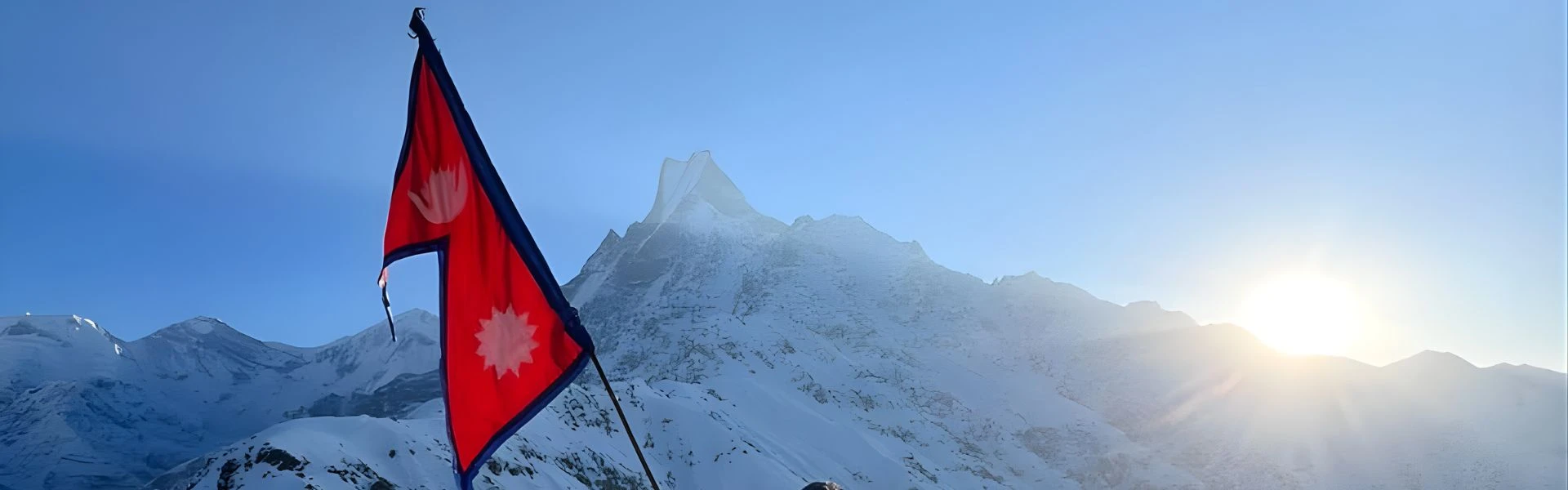
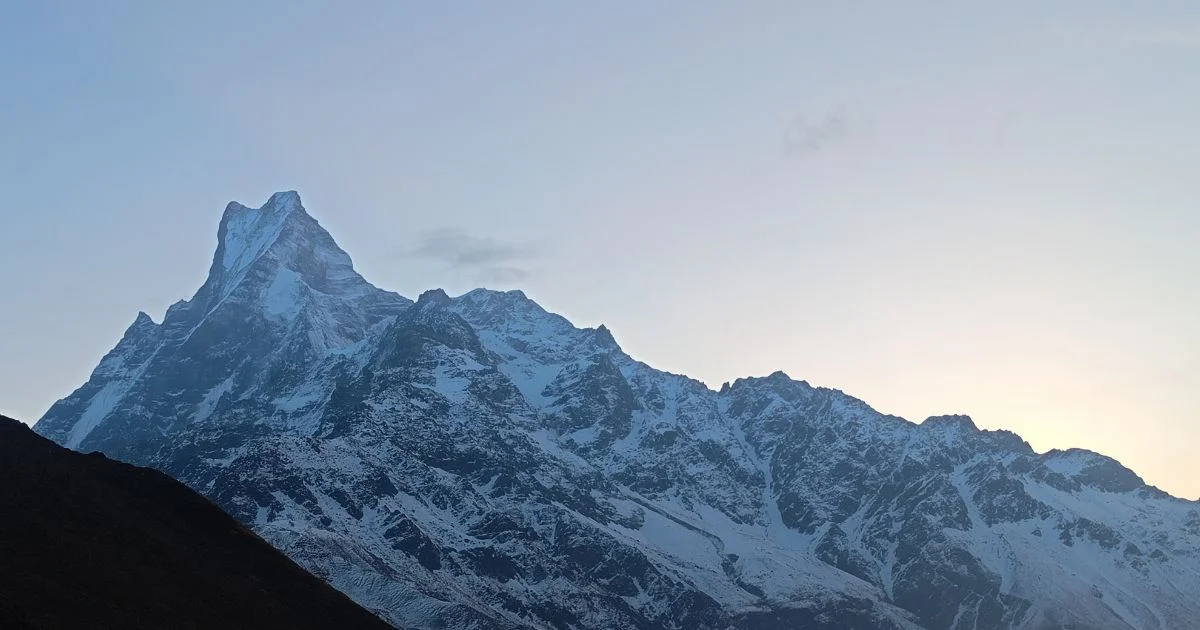
Machhapurche mountain view
Mardi Himal Trek Difficulty: FAQs
What is the maximum altitude reached on the Mardi Trek?
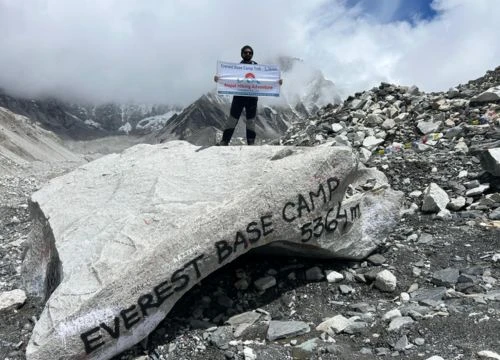
The Mardi Himal Base Camp Trek sits at approximately 4,500 metres above sea level elevation. This altitude remains lower than Everest Base Camp Trek endpoints at 5,364 metres, making it more beginner-friendly for first high-altitude trek attempts. Moreover, the altitude of the Mardi Himal provides genuine exposure without extreme mountaineering demands. Therefore, this Mardi Himal trek difficulty level suits first-time high-altitude adventurers exploring Annapurna base camp trek alternatives within the trek in Nepal. When comparing Himalayan base camp trek options, the Mardi Himal base camp trek stands out for its optimal difficulty balance and accessibility.
Can beginners with average fitness complete the Mardi Himal Trek?
Yes, the Mardi Himal trek is moderately difficult and achievable for trekkers with average fitness who possess regular hiking experience. Invest 8 weeks in consistent training beforehand, as mental determination matters more than physical talent. The duration of the trek spans 5 to 7 days, compressed enough to fit typical vacation schedules. Furthermore, the trek to Mardi combines a reasonable timeframe with a substantial altitude challenge, making it ideal for testing your high-altitude potential before committing to more demanding Annapurna circuit trek options on your trek in Nepal.
Do I need a certified guide or porter?
Guides are not legally required but prove invaluable for this trek to Mardi Himal. Porters are optional but reduce pack burden significantly. Budget $30-40 daily for guide services and $15-25 for porter loads. Reputable outfitters ensure guides carry TIMS permits and training. Therefore, hiring professional support dramatically enhances your trekking journey experience and safety on this difficult trek within the Mardi region.
What is the best season for the Mardi Trek?
Spring (March-May) and autumn (September-November) offer optimal conditions with clear skies and stable weather. Monsoon brings slippery trails and landslide risks, while winter treks introduce snow unsuitable for non-specialists. Hence, seasonal choice significantly impacts your Mardi Himal trek, which is one of the most beautiful experiences available on your Mardi Base Camp trek. Therefore, choosing optimal seasons maximises your reach to the Mardi Himal success potential and enjoyment throughout this trek journey on the trek itinerary within the trek in Nepal.
How high is the risk of altitude sickness on the trek to Mardi Himal Base?
Moderate altitude sickness affects roughly 30-40% of trekkers, though severe cases remain rare with proper acclimatisation. Risk decreases dramatically through gradual ascent, hydration, carbohydrate eating, and strategic rest days. Therefore, prevention reduces AMS incidence below 20% with intelligent preparation. Moreover, though the Mardi Himal trek presents an altitude challenge, scientific acclimatisation strategies employed on this route minimise serious complications substantially. Hence, properly prepared trekkers successfully reach Mardi Himal base camp without severe incidents on this Mardi Himal trek, a difficult experience on the camp-to-Mardi Himal base approach within the trek in the Himalayas.
Blending digital strategy with mountain passion, I help adventurers find their way to the Himalayas online. With hands-on experience in Nepal’s trekking trails and a role at Nepal Everest Base Camp Trekking Co., Thamel, I combine SEO expertise with true trail insight.