When you think of Mount Everest, you immediately picture the Sherpa guides who navigate its treacherous slopes with remarkable ease. Moreover, these resilient mountain dwellers have shaped Himalayan mountaineering history through their unmatched high-altitude expertise. Consequently, understanding the Sherpa people of Nepal means exploring a legacy built on strength, skill, and rich culture.
Throughout this guide, you'll discover the origins, traditions, and daily lives of Sherpas. Additionally, you'll learn about their physiological adaptations, mountaineering achievements, and the challenges they face today. Furthermore, we'll examine how Sherpa communities preserve their heritage while navigating modern pressures.
By the end, you will gain practical insights into Sherpa culture, appreciate their contributions to global mountaineering, and understand how ethical tourism supports their future. Therefore, whether you are planning a trek with Nepal Hiking Adventure or simply curious about Himalayan traditions, this article provides the cultural context you need.
Who Are the Sherpa People of Nepal?
The Sherpa are an ethnic group primarily inhabiting the Solu-Khumbu region of Nepal, nestled in the shadow of the world's highest peaks. Historically, the name "Sherpa" is derived from Tibetan words meaning "people from the east", reflecting their ancestral migration. Indeed, the Sherpasmigrated to Nepal from eastern Tibet around 500 years ago, seeking fertile land and spiritual refuge.
Aspect
Details
Population
The number of Sherpas in Nepal is estimated at over 150,000
Geographic Distribution
Sherpas live in Nepal, primarily in the Everest region, and also in Darjeeling, Sikkim, and parts of Nepal and China
Religion
Predominantly Tibetan Buddhist, with monasteries playing a central role in Sherpa society
Language
Although Sherpas speak Nepali fluently, the Sherpa language is a member of the Tibeto-Burman family.
Origin
Sherpas are an ethnic group that crossed from Nepal and Tibet during the 15th and 16th centuries
Subsequently, the Sherpas settled in the mountainous regions of Nepal, particularly around Namche Bazaar, Khumjung, and Tengboche. Initially, many Sherpa families practised agriculture, yak herding, and trade along trans-Himalayan routes. Over time, their geographic isolation fostered a distinct identity rooted in Tibetan Buddhism and mountain life.
The Sherpas are a unique blend of Tibetan heritage and Nepalese national identity. Furthermore, Sherpa culture is deeply intertwined with Buddhist spirituality, emphasising compassion, karma, and respect for nature. Traditional festivals like Dumji and Mani Rimdu celebrate harvests, honour deities, and strengthen community bonds. Despite modernisation, preserving their culture remains a priority for Sherpa communities across the regions of Nepal.
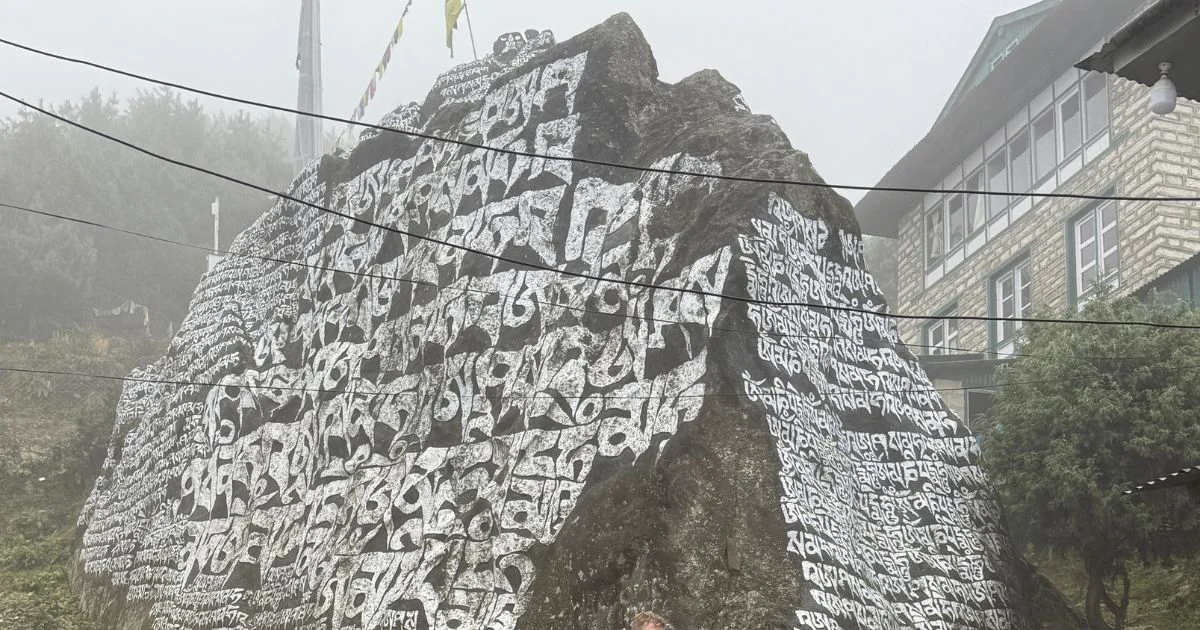
Mani Mantras
History of Sherpa People of Nepal
The Sherpa people are an ethnic group originally from Tibet who migrated to Nepal centuries ago. Their name means "people of the east" in Tibetan, and they have developed a rich cultural heritage in the Himalayan region.
Key Historical Facts
Originally of Tibetan descent
Migrated to Nepal during the 15th or 16th centuries
The name derives from Tibetan "sher-war" (people of the east)
Primarily settled in Solukhumbu district of the Everest region
Cultural Identity
Developed distinct language and traditions
Practice Tibetan Buddhism and Animism
Established numerous monasteries
Famous Sherpa Cuisines
Sherpa food is designed for high-altitude living, providing warmth and energy in cold mountain conditions. The cuisine reflects both Tibetan heritage and local ingredients.
Dish
Main Ingredients
Purpose
Thukpa
Noodles, vegetables, meat, spices
Warming comfort food
Sherpa Stew
Potatoes, vegetables, meat, thick broth
Energy for mountain work
Rildok
Boiled potatoes, cheese, butter, herbs
Simple, nourishing meal
Tsampa
Roasted barley flour, butter tea
Portable energy source
Butter Tea (Su Ja)
Tea, butter, salt
Maintains body heat
Momos
Dumplings with yak meat or vegetables
Popular Himalayan staple
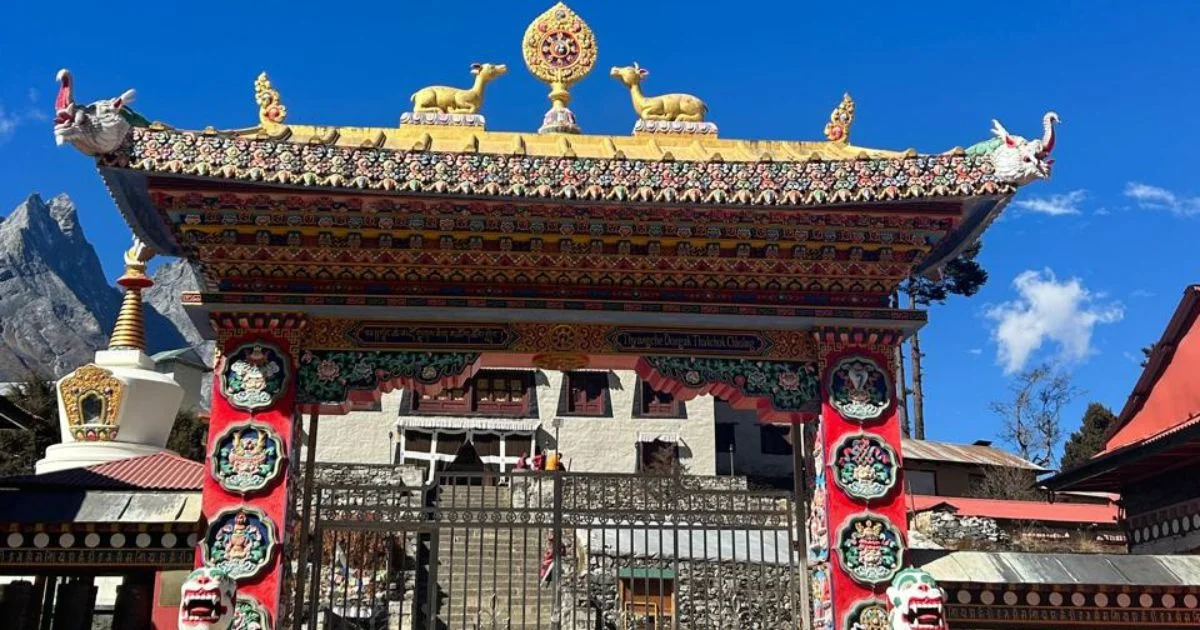
Tengboche Monastry of Solukhumbu
Core Areas Where Sherpas Thrive
Sherpas have established vibrant communities across several key regions of Nepal and neighbouring territories. Moreover, these settlements reflect both historical migration patterns and contemporary economic opportunities. Consequently, understanding where Sherpas thrive reveals the geographic diversity of this resilient ethnic group.
The Solu-Khumbu region of Nepal remains the ancestral heartland, where the majority live in the Solu-Khumbu
Namche Bazaar serves as the commercial hub and gateway to the Everest region
Sherpa villages like Khumjung, Thame, and Pangboche maintain traditional agricultural lifestyles
Darjeeling and Kalimpong in India host significant Sherpa populations engaged in tea cultivation and tourism
Sikkim's mountainous terrain provides another thriving center for Sherpa communities
Region
Characteristics
Solu-Khumbu
Ancestral homeland with highest concentration of traditional Sherpa culture
Urban Sherpas working in tourism, government, and business sectors
Darjeeling
Historic Sherpa settlement dating to British colonial tea plantation era
Sikkim
Mountain Sherpas practicing agriculture and serving Indian mountaineering expeditions
Rolwaling Valley
Remote area preserving traditional Sherpa lifestyles and Buddhist practices
Additionally, Sherpas are also increasingly present in major cities like Kathmandu, where they operate businesses, attend universities, and work in government positions. Nevertheless, the Himalayas remain the spiritual and cultural centre of Sherpa identity. Therefore, these core areas represent both geographic diversity and cultural continuity for Sherpas worldwide.
Sherpa Language and Traditions
The Sherpa language serves as a vital thread connecting generations and preserving oral histories. Furthermore, traditional Sherpa customs reflect a harmonious relationship with the mountain environment. Consequently, language and traditions together form the backbone of Sherpa identity and culture and heritage.
The Sherpa language is a tonal language closely related to Tibetan dialects
While primarily oral, efforts are underway to standardize written forms and develop educational materials
Sherpas use Nepali for official and commercial purposes, but their native tongue remains dominant in homes
Young Sherpas increasingly learn English to engage with trekkers and the global tourism industry
Cultural Element
Description
Sherpa Clothing
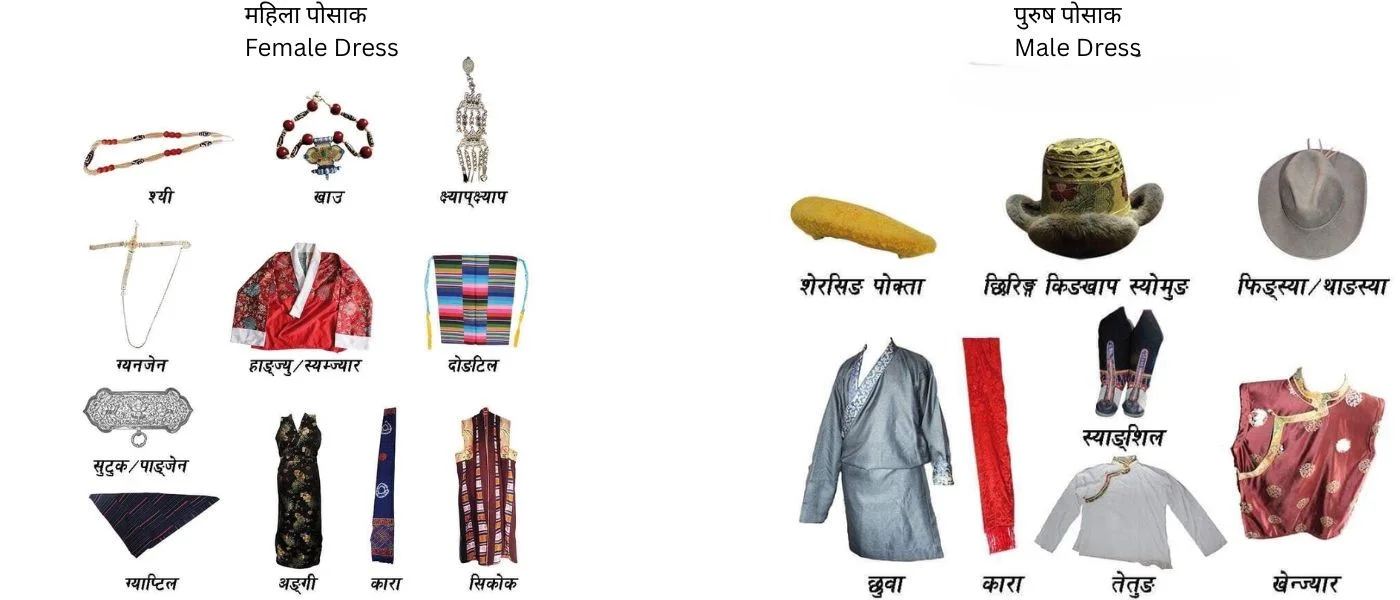
Traditional attire includes thick woolen robes called chuba, boots, and hats with colorful patterns
Prayer Flags
Strung across mountain passes and villages, carrying mantras believed to spread blessings
Mani Stones
Carved with Buddhist scriptures, lining trails and marking sacred spaces
Thangka Paintings
Intricate religious art depicting deities, mandalas, and spiritual narratives
Mani Rimdu, Dumji, and Losar celebrated with masked dances, prayers, and community feasts
Additionally, the culture and traditions emphasise respect for mountains as sacred entities, not merely physical challenges. Daily practices include spinning prayer wheels, chanting mantras, and making offerings at household altars. Therefore, the cultural heritage of Sherpas remains vibrant through continuous practice and intergenerational transmission.
Shera Language Scripts
Life in the Himalayas: Daily Life and Livelihood
The life of Sherpas unfolds in high-altitude villages where thin air and rugged terrain shape every aspect of existence. Nevertheless, Sherpa communities have developed sustainable practices that balance tradition with modern economic realities. Accordingly, understanding their daily routines reveals resilience forged over centuries in the Himalayas.
Sherpa settlements are typically located between 3,000 and 4,500 meters above sea level
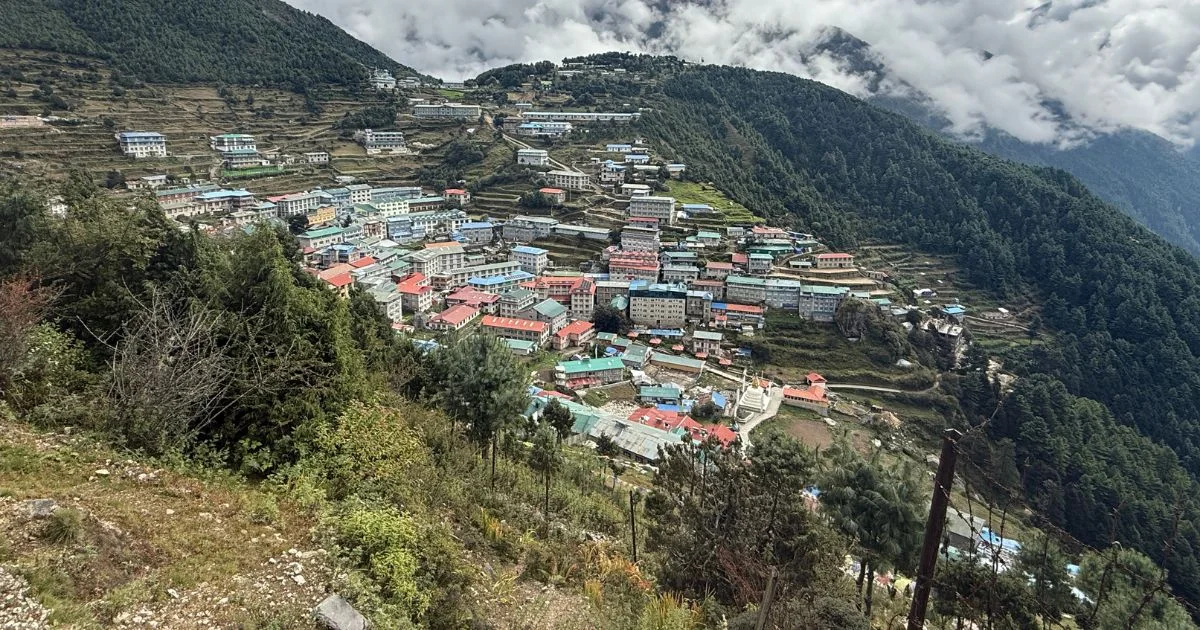
Villages like Namche Bazaar serve as trading hubs and gateways to the Everest region
Many Sherpas maintain family-run teahouses, lodges, and shops catering to trekkers
Agriculture remains important, with families cultivating potatoes, buckwheat, and vegetables in terraced fields
Yak and nak (female yak) herding provides milk, meat, wool, and transportation
Livelihood Source
Details
Tourism
Primary income through guiding, portering, lodge ownership, and expedition support
Agriculture
Subsistence farming of potatoes, barley, and vegetables
Animal Husbandry
Yak herding for dairy products, meat, and pack animals
Trade
Historical cross-border commerce, now supplemented by tourism-related businesses
Moreover, family structure in Sherpa society traditionally follows patriarchal lines, though women play crucial economic and social roles. Consequently, Sherpa women manage households and farms and increasingly operate lodges and businesses. Education has expanded dramatically, with monastery schools and government institutions now available in Sherpa villages.
Sherpa Village Namche Bazaar
Sherpa Strength and Endurance
Sherpas are renowned for their extraordinary physical capabilities at extreme altitudes where oxygen levels drop to a third of sea level. Furthermore, Sherpas have developed genetic adaptations that make them uniquely suited for high-altitude environments. Therefore, understanding these adaptations explains why Sherpas are considered elite mountaineers worldwide.
Sherpas possess genetic variations in the EPAS1 gene that regulate haemoglobin production more efficiently.
Their bodies produce more capillaries, improving oxygen delivery to muscles and organs.
Larger lung capacity and more efficient breathing patterns enable sustained exertion above 8,000 metres.
Sherpas experience less altitude sickness and recover faster than lowlanders
Studies show Sherpas burn energy more efficiently and maintain body temperature better in extreme cold.
Sherpas Who Redefined the Limits of Himalayan Mountaineering
The mountaineering achievements of Sherpas are legendary. Tenzing Norgay Sherpa, alongside Sir Edmund Hillary, became the first two people to reach the summit of Mount Everest on May 29, 1953. Subsequently, this historic ascent of Mount Everest opened the Himalayas to modern mountaineering. Apa Sherpa holds the record of reaching the summit of Everest 21 times, demonstrating unparalleled endurance. Similarly, Kami Rita Sherpa has summited Everest twice in a single season and holds the overall record with over 29 ascents.
Notable Sherpa Mountaineer
Achievement
Tenzing Norgay Sherpa
First two people to reach the top of Mount Everest with Sir Edmund Hillary in 1953
Apa Sherpa
Climbed Mount Everest 21 times, retired in 2011
Kami Rita Sherpa
Holds record with 29+ summits of Mount Everest
Pasang Lhamu Sherpa
The first Nepalese woman to climb and summit Mount Everest in 1993, Pasang Lhamu Sherpa became a national hero
Lhakpa Sherpa
Female mountaineer with multiple Everest ascents
Mingma Gyabu Sherpa
Youngest person to climb Everest without supplemental oxygen
Chhang Dawa Sherpa
Notable expedition leader and high-altitude guide
Indeed, Pasang Lhamu Sherpa became the firstwoman to summit Mount Everest from Nepal, tragically dying during descent. Her achievement on Everest on April 22, 1993, inspired women in Nepal and around the world. Moreover, Pasang Lhamu Sherpa was the first Nepali woman recognised by the King of Nepal with the highest national honours. Currently, the role Sherpas play extends beyond personal achievements to enabling thousands of climbers to reach their goals safely.
Skills and Expertise of Sherpa People
Sherpas are the backbone of Himalayan mountaineering, providing essential services that make expeditions possible. Moreover, their expertise encompasses technical climbing, route preparation, logistics, and emergency response. Consequently, hiring a Sherpa guide dramatically increases summit success rates and safety margins.
Sherpas fix ropes, establish camps, and carry supplies to extreme altitudes
They possess intimate knowledge of weather patterns, avalanche risks, and route conditions
Sherpa guides provide acclimatisation advice, medical support, and cultural interpretation
Many Sherpas work as high-altitude porters, carrying loads exceeding 30 kilograms
Sherpas also operate lodges along trekking routes, creating a hospitality infrastructure
Sherpa Skill
Application
Route Finding
Navigating icefalls, crevasses, and technical terrain
Load Carrying
Transporting equipment and supplies to high camps
Rope Fixing
Installing safety lines on dangerous sections
Weather Reading
Predicting storms and safe climbing windows
Emergency Response
Conducting high-altitude rescues and medical evacuations
Cultural Bridging
Facilitating communication between international clients and local communities
Furthermore, the contribution of Sherpas to tourism infrastructure at Everest Base Camp and throughout trekking regions cannot be overstated. Accordingly, Sherpa adventure gear companies and training programmes have emerged, professionalising the industry. Sherpas in Nepal now receive formal mountaineering certifications and safety training, raising standards across the sector.
Sherpa Social Structure and Community Life
Sherpa society was traditionally organised around clans and kinship networks that governed resource allocation and dispute resolution. Moreover, leadership roles emerged through merit, wealth accumulation, and religious devotion rather than hereditary succession. Consequently, community decision-making reflects both democratic principles and respect for elders.
Clans trace lineage through paternal lines, determining marriage eligibility and social obligations
Village assemblies gather to discuss infrastructure projects, festival preparations, and conflict resolution
Monastery lamas hold spiritual authority and often mediate community disputes
Wealthy families historically gained influence through trade success and religious patronage
Modern governance now includes elected officials working within Nepal's national framework
Social Aspect
Details
Family Structure
Extended families living in multi-generational households
Gender Roles
Sherpa women increasingly engage in business, education, and decision-making
Education
Government schools and monastery education now accessible to most Sherpa children
Religious Authority
Buddhist monks and nuns provide spiritual guidance and education
Modernisation
Young Sherpas balance traditional values with global connectivity
Additionally, the influence of modernisation has transformed Sherpa communities dramatically over the past 70 years. Education opportunities have expanded, with many young Sherpas attending universities in Kathmandu and abroad. Nevertheless, elders worry about cultural erosion as youth adopt global fashions, technology, and values. Therefore, Sherpa communities actively work to maintain culture and identity amid rapid change.
Sherpas in the Global Spotlight
The Sherpa in mountaineering gained international recognition following the 1953Everest expedition with Sir Edmund Hillary. Moreover, Tenzing Norgay Sherpa became a global celebrity, though recognition of Sherpa contributions often remained overshadowed. Consequently, efforts to properly acknowledge the people for mountaineering have intensified in recent decades.
Media coverage increasingly highlights Sherpa achievements rather than treating them as anonymous support staff
International Mountain Day on May 29 honors the Sherpa people and their sacrifices
Documentaries like "Sherpa" (2015) have brought Sherpa perspectives to global audiences
The 2014 Everest icefall tragedy that killed 16 Sherpas sparked worldwide discussions about expedition ethics
Sherpas are known for humility, resilience, and spiritual connection to mountains
Recognition
Details
Historic Achievement
Mount Everest with Sir Edmund Hillary established Sherpa climbing prowess
Cultural Documentation
Films and books now center Sherpa voices and experiences
Safety Advocacy
Sherpa unions negotiate better insurance, pay, and working conditions
Global Respect
Sherpas are considered elite mountaineers by international climbing community
However, misconceptions persist. Many outsiders use "Sherpa" generically to mean any mountain porter, erasing the specific ethnic group identity. Additionally, romanticised portrayals sometimes obscure the economic exploitation and dangers Sherpas face. Therefore, accurate representation of the history of the Sherpa people and contemporary realities remains crucial.
Moreover, Babu Chiri Sherpa was the first to spend 21 hours on the summit without supplemental oxygen, demonstrating exceptional endurance. Similarly, Kami Rita Sherpa became the first Nepali to summit Mount Everest 29 times, continuously breaking his own record. Sherpas are also prominent in international mountaineering circles, leading expeditions on peaks across the Himalayas and beyond.
Challenges Facing Sherpa Communities
Despite their global fame, Sherpas confront mounting challenges that threaten their livelihoods and culture of Sherpas. Furthermore, economic dependence on tourism creates vulnerability to global events beyond their control. Consequently, addressing these challenges requires both local action and international support.
Economic pressure forces many Sherpas into dangerous high-altitude work with inadequate compensation
Tourism revenue concentrates among lodge owners and expedition companies, leaving porters undercompensated
Climate change accelerates glacier melt, increases avalanche risks, and disrupts traditional agriculture
The Himalayas face environmental degradation from expedition waste and infrastructure development
Limited healthcare access means injuries and altitude-related illnesses often go untreated
Challenge
Impact
Tourism Dependence
Economic vulnerability during global crises (pandemics, recessions)
Safety Risks
High fatality rates among climbing Sherpas compared to clients
Youth migration, declining language use, weakening traditional practices
Economic Inequality
Wealth gap between lodge owners and porters/guides
Moreover, health and safety issues remain critical concerns for Sherpa communities. Insurance coverage has improved but remains inadequate for catastrophic injuries or long-term disabilities. Social issues including alcoholism, gambling, and domestic tensions have increased alongside tourism growth. Therefore, comprehensive development strategies must address economic, environmental, and social dimensions simultaneously.
Sherpa Cultural Dresses/Clothing
Preserving Sherpa Heritage
Protecting the cultural heritage of Sherpas requires sustained efforts combining education, cultural programmes, and sustainable development. Moreover, Sherpa communities increasingly recognise that cultural preservation strengthens tourism appeal while maintaining identity. Consequently, numerous initiatives now work to ensure the history of the Sherpa endures for future generations.
Cultural centers document oral histories, traditional crafts, and religious practices
Language preservation programs teach Sherpa language in schools alongside Nepali and English
Youth engagement initiatives connect young Sherpas with elders to transfer traditional knowledge
Monastery restoration projects maintain architectural heritage and religious continuity
Sustainable tourism guidelines promote responsible trekking that respects Sherpa culture
Preservation Initiative
Focus
Education Programs
Teaching Sherpa language, history, and traditions in schools
Cultural Centers
Documenting and displaying traditional arts, clothing, and practices
Festival Support
Funding and organizing traditional ceremonies like Mani Rimdu
Connecting young Sherpas with cultural mentors and traditional knowledge
Additionally, community empowerment through cooperative businesses ensures Sherpas retain control over tourism development. Accordingly, Sherpa-owned lodges, guide services, and equipment shops keep revenue within communities. International partnerships provide funding for schools, health clinics, and infrastructure improvements in remote places of Nepal. Therefore, comprehensive approaches addressing economic, educational, and cultural needs offer the best path forward for Sherpas of Nepal.
Sherpa People of Nepal: Strength, Skill, and Heritage
The Sherpa peopleof Nepal represent far more than skilled mountain guides. Moreover, they embody a unique culture and identity forged through centuries of adaptation to the world's harshest environments. Consequently, their contributions to mountaineering, cultural preservation, and sustainable development deserve recognition and support.
From the first two people to reach the summit of Mount Everest to the countless Sherpas who enable modern expeditions, their achievements reflect extraordinary physical and mental strength. Additionally, their rich culture, Buddhist spirituality, and deep environmental knowledge offer valuable lessons for sustainable living. Therefore, understanding Sherpas means appreciating resilience, community solidarity, and respect for nature.
Supporting Sherpa communities through ethical tourism, fair compensation, and cultural preservation ensures their legacy endures. Accordingly, travellers should hire local Sherpa guides, respect religious sites, and purchase from Sherpa-owned businesses. By protecting their culture and supporting equitable development, we honour the people of Nepal who make Himalayan exploration possible for the world. To travel responsibly and support these values on your next journey, contact us at Nepal Hiking Adventure.
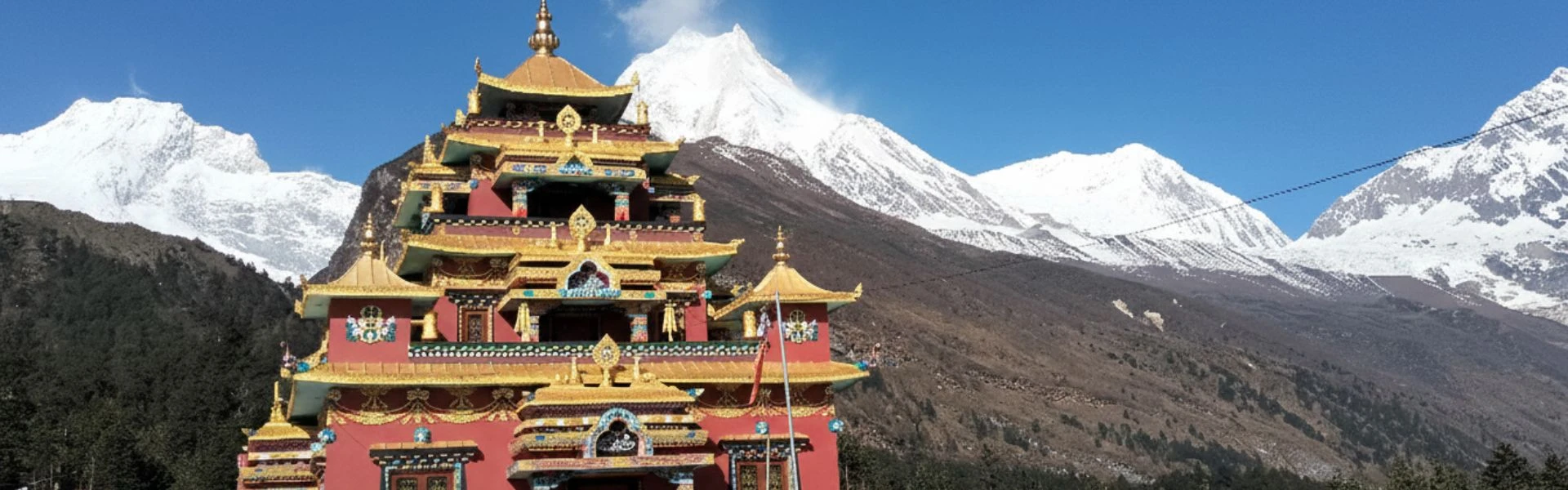
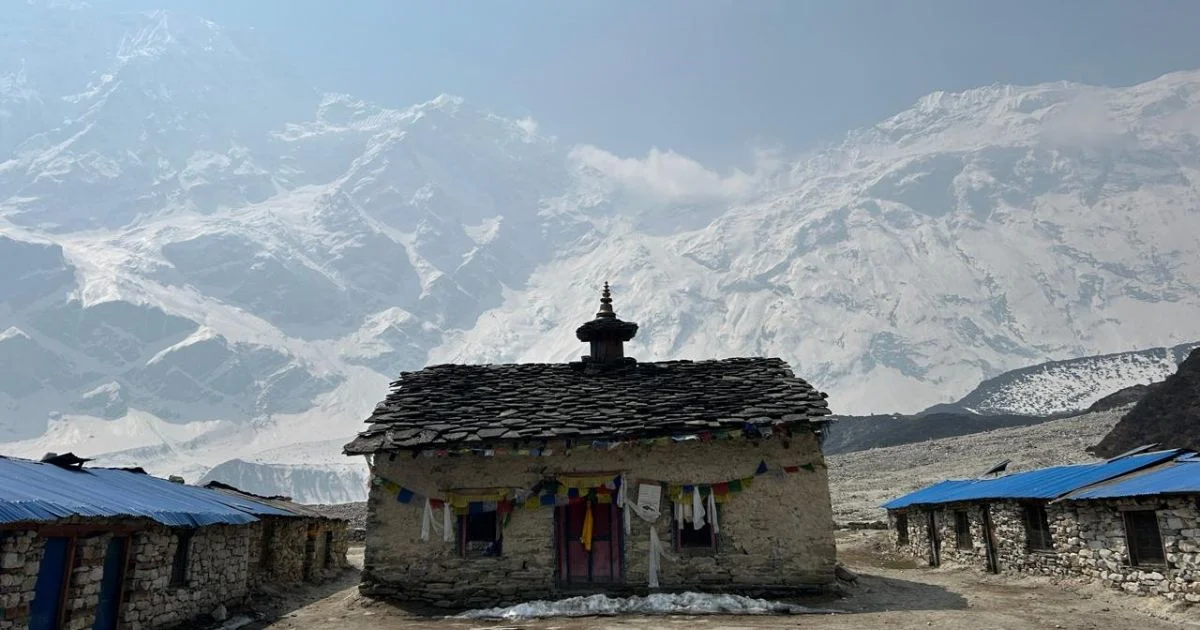
Phu Gompa (oldest Monastries in manaslu-regions)
FAQs About Sherpa People of Nepal
Who are the Sherpa people of Nepal, and where do they live?
The Sherpas are an ethnic group originally from Tibet who live in the Solu-Khumbu region of eastern Nepal. They primarily inhabit high-altitude areas in the Everest region and surrounding Himalayas, though Sherpas also reside in Darjeeling, Sikkim, Nepal and South Asian areas.
Why are Sherpas considered excellent high-altitude climbers?
Sherpas possess genetic adaptations that enhance oxygen efficiency, larger lung capacity, and superior cardiovascular systems for thin air. Furthermore, generations living above 3,000 metres have produced physiological advantages, making them naturally suited for extreme-altitude mountaineering and endurance.
What languages and traditions do Sherpas follow?
The Sherpa community speaks the Sherpa language, a Tibeto-Burman tongue related to Tibetan, while also being fluent in Nepali. Additionally, traditional Sherpa practices centre on Tibetan Buddhism, including monastery worship, festivals like Mani Rimdu, and daily rituals honouring mountain deities.
How has modern tourism affected Sherpa communities?
Tourism provides primary income for many Sherpas through guiding, lodge operation, and expedition work, yet it creates economic dependence and safety risks. Moreover, Everest Base Camp tourism brings environmental challenges, cultural changes, and wealth disparities, requiring balanced development approaches for Sherpa communities.
What can visitors do to support Sherpa culture and livelihoods?
Travellers should hire certified Sherpa guides, stay in locally owned lodges, and purchase Sherpa handicrafts and products directly from communities. Furthermore, respecting religious sites, following sustainable trekking practices, and advocating for fair wages and insurance helps ensure tourism benefits Sherpa families equitably.
Blending digital strategy with mountain passion, I help adventurers find their way to the Himalayas online. With hands-on experience in Nepal’s trekking trails and a role at Nepal Everest Base Camp Trekking Co., Thamel, I combine SEO expertise with true trail insight.