Lobuche Peak stands at 6119 meters in the Khumbu region, just south of Everest Base Camp. This Himalayan peak functions as a critical stepping stone between trekking and serious mountaineering. However, the best time for Lobuche Peak climbing depends entirely on weather stability, route conditions, and your climbing experience.
This guide addresses climbers researching when to attempt Lobuche East, comparing spring against autumn conditions. Moreover, it explains how seasonal timing affects summit success, technical difficulty, and safety margins. So, understanding these patterns helps you choose realistic departure dates and determine the time to climb Lobuche Peak that matches your schedule.
The structure covers monthly breakdowns, weather conditions, acclimatisation strategies, and cost variations by season. Still, the focus remains on practical decision-making rather than promotional language. For instance, each section provides specific altitude data, temperature ranges, and technical requirements based on actual climbing routes. This information is provided by Nepal Everest Base Camp Co. to ensure accurate guidance for climbers.
Lobuche Peak Climbing Seasons and Weather Realities
Lobuche Peak climbingdifficulty depends entirely on Himalayan weather systems. Lobuche Peak lies directly in the path of monsoon systems and jet stream winds that create narrow climbing windows. The jet stream, monsoon patterns, and post-monsoon stability determine when safe ascents become possible. Therefore, timing your peak expedition around these systems determines success probability.
The seasons for climbing divide into four distinct periods. Spring (March to May) and autumn (September to November) offer stable conditions. However, monsoon (June to August) and winter season (December to February) present extreme risks. Nevertheless, understanding why these patterns exist helps climbers plan realistic itineraries.
Jet stream positioning above 7000 metres creates high-altitude wind patterns. During spring and autumn, the jet stream moves north or south of the Everest region. So, this creates calmer summit windows. Conversely, winter brings the jet stream directly over the Khumbu, producing violent winds at Lobuche High Camp.
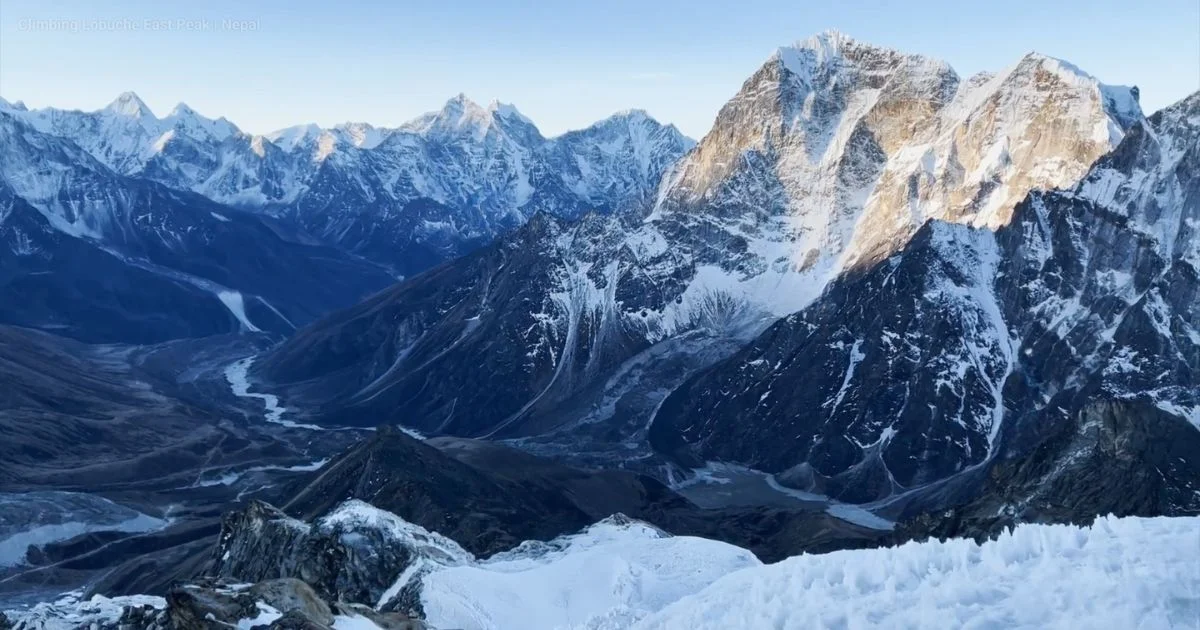
Mountain View from Lobuche Peak
Best Time for Lobuche Peak Climbing Overall
The best time for Lobuche Peak climbing falls within two primary seasons: spring (mid-April to late May) and autumn (mid-September to early November). Both seasons offer stable weather conditions, accessible climbing routes, and manageable technical challenges. Still, each season presents distinct advantages. Determining the favourable time for climbing Lobuche depends on your tolerance for cold, crowds, and technical ice conditions.
Spring provides warmer temperatures at altitude, longer daylight hours, and softer snow conditions on the summit ridge. However, this season coincides with Everest expedition traffic, creating crowded trails and teahouse pressure. Therefore, spring suits climbers prioritising comfort over solitude.
Autumn delivers excellent time for best visibility and crystal-clear skies after monsoon clears. The peak season runs shorter, but conditions remain more predictable. So, autumn works better for experienced climbers comfortable with colder nights and harder snow surfaces. Furthermore, cultural festivals add richness to the trek experience. To fully understand the best season for your abilities, consider temperature tolerance and previous high-altitude experience.
Clear skies, stable weather, quieter trails, cultural season
Colder nights, shorter windows, harder snow
Spring Season for Lobuche Peak Climbing (March to May)
Weather Conditions in Spring
Weather conditions in spring improve progressively from March through May. Temperatures at Lobuche Base Camp (4950 metres) range from -10°C to 5°C during the day. However, summit day temperatures at 6119 metres drop to -20°C to -25°C with wind chill. Therefore, proper climbing equipment remains essential.
March brings unstable conditions with residual winter storms. April offers the best weather conditions for summit attempts, with approximately 70 percent success rates. Nevertheless, May introduces pre-monsoon warming, increasing afternoon cloud build-up. So, early morning summit pushes become critical in late May.
Visibility during spring averages 15 to 20 kilometres on clear days. Still, sudden weather changes occur without warning above 5500 metres. For instance, afternoon storms can develop within two hours, requiring fast turnaround decisions.
Snow and Route Conditions
The climbing route from Lobuche High Camp (5600 metres) to the summit involves mixed terrain. Snow accumulation from winter creates softer conditions on the summit ridge. However, fixed ropes installed by expedition teams improve the safety of climbing routes. These installations focus on making the climbing routes more accessible for commercial clients with moderate technical backgrounds.
Glacier crossings between base camp and high camp require crampons and ice axes. Moreover, crevasse patterns shift throughout spring as temperatures rise. Therefore, experienced guides familiar with current route conditions prove necessary. Nevertheless, the standard route remains well-established during peak climbing in spring.
Crampon terrain: 90 percent of route above base camp
Glacier navigation: Lobuche Glacier approach requires rope teams
Advantages of Spring Climbing
Climbing in spring provides several operational advantages. Daylight extends to approximately 13 hours by May, allowing flexible summit timing. Furthermore, warmer temperatures reduce cold-related risks like frostbite. So, climbers with moderate cold tolerance find spring more manageable.
Teahouse availability along the trek to Lobuche Peak improves significantly in spring. Most lodges operate in the mountain areas. However, this also means advance booking becomes necessary during April. Still, logistical support remains reliable throughout the season.
Success rates peak in April at 70 to 75 percent for properly acclimatised climbers. Moreover, rescue helicopter access improves with better weather windows. Therefore, emergency evacuation options remain more reliable compared to autumn.
Challenges of Spring Season
The primary challenge involves expedition traffic in the Everest corridor. During April and May, the trek to Everest Base Camp attracts thousands of climbers. Consequently, trail congestion affects trekking pace and teahouse availability. So, expect crowded conditions at Namche Bazaar, Dingboche, and Lobuche village.
Permit processing through the Nepal Mountaineering Association experiences delays during peak season. Booking must occur three to four months in advance. Furthermore, guide availability tightens as experienced Sherpa teams commit to Everest expeditions. Nevertheless, reputable operators secure permits and guides early.
Trail congestion: Expect delays at narrow sections and suspension bridges
Teahouse pressure: Popular lodges fill quickly, requiring advance coordination
Guide availability: Best times require early booking with established operators
Cost increases: Spring commands premium pricing for guides and permits
Our team helps climbers choose realistic departure dates based on experience level and seasonal conditions. Contact us for personalised Lobuche Peak expedition planning.
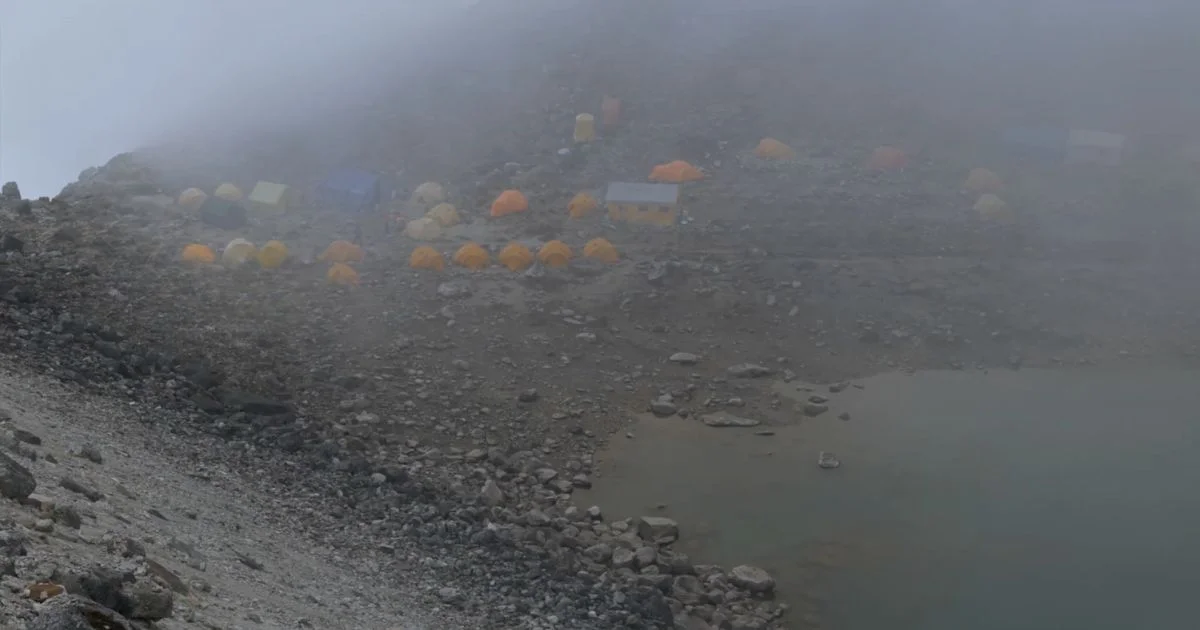
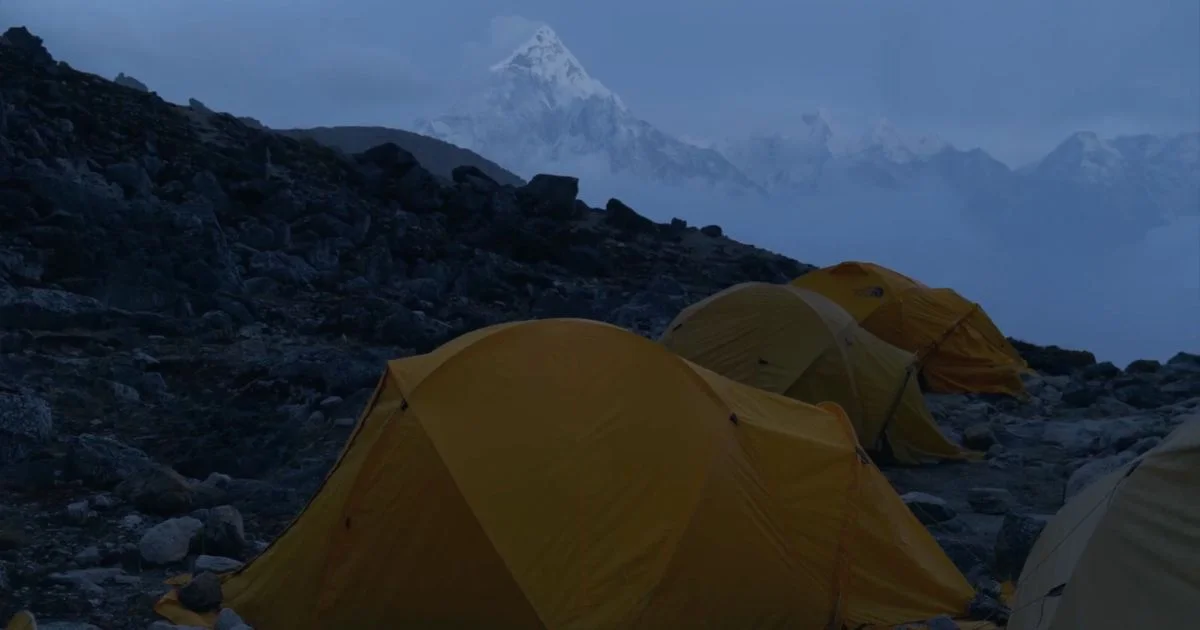
Lobuche base camp
Autumn Season for Lobuche Peak Climbing (September to November)
Post-Monsoon Weather Stability
Autumn delivers post-monsoon stability starting mid-September. The monsoon clears by early September, leaving crisp air and the best visibility across the Khumbu. However, temperatures drop faster than in spring, with November nights at base camp reaching -15°C to -20°C. Therefore, winter climbing gear becomes necessary by late autumn.
October represents the most stable month for climbing in autumn. Weather windows extend for five to seven consecutive days, allowing flexible summit timing. Moreover, precipitation remains minimal, reducing avalanche risk on approach slopes. So, overall climbing experience improves with predictable conditions.
Wind patterns stabilise as the jet stream moves southward. Still, sudden cold fronts can arrive in early November, shortening safe climbing windows. For instance, the temperature around Lobuche Peak can drop 10°C within 24 hours when fronts move through.
Route and Technical Conditions
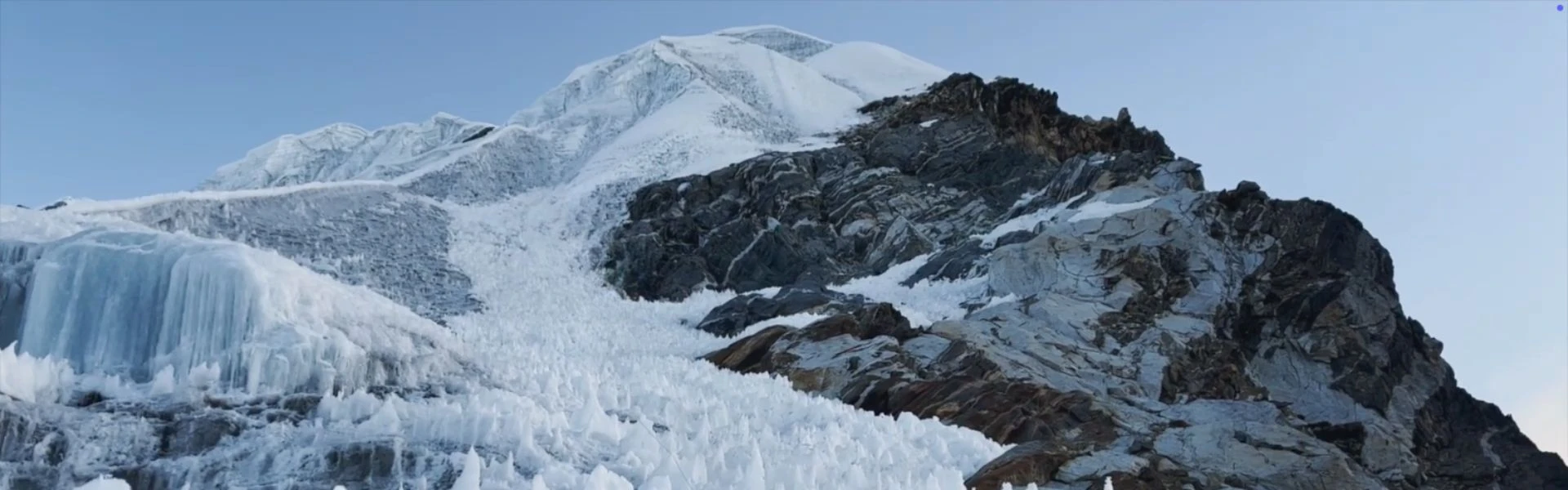
Route conditions in autumn feature harder snow surfaces compared to spring. Monsoon precipitation consolidates into ice, requiring sharper crampon technique. However, this also means more stable footing on steep sections. Therefore, experienced mountaineers often prefer autumn for technical climbing.
The summit of Lobuche Peak requires careful crampon placement on icy ridge sections. Fixed ropes remain in place from spring expeditions, though checking anchor integrity proves essential. Nevertheless, climbing routes are more accessible compared to monsoon conditions.
Route Section
Spring Conditions
Autumn Conditions
Base Camp to High Camp
Softer snow, some post-holing
Firm snow, better crampon purchase
Summit Ridge
Mixed snow and ice
Hard ice, requires confident technique
Fixed Rope Sections
Fresh ropes installed
Aged ropes, check carefully
Advantages of Autumn Climbing
Peak climbing in autumn offers exceptional visibility for navigation and photography. Clear skies persist for weeks, revealing Everest, Lhotse, and Nuptse in sharp detail. Furthermore, autumn coincides with the Dashain and Tihar festivals, enriching cultural experiences in Sherpa villages. So, the trek and climb combination provides deeper cultural immersion.
Trail traffic decreases significantly compared to spring. Teahouses operate below capacity, allowing flexible accommodation choices. Moreover, guides remain available as the Everest expedition season ends. Therefore, booking becomes easier two to three months before departure.
Visibility: 20 to 30 kilometres on clear days, superior to spring
Cultural timing: Dashain (September/October) and Tihar (October/November) festivals
Quieter trails: 40 percent less traffic compared to April/May
Stable weather: Longer predictable windows for summit attempts
Limitations of Autumn Season
The climbing window extends from October to mid-December. As November progresses, winter season conditions begin affecting the region. Temperatures drop rapidly, and teahouses start closing for winter. Therefore, October to mid-December remains the ideal time for Lobuche East Peak climbing, while later months require faster acclimatisation schedules.
Cold tolerance becomes critical during autumn ascents. Summit day temperatures at 6119 metres reach -25°C to -30°C before sunrise. Furthermore, shorter daylight (approximately 11 hours in November) compresses summit timing. Nevertheless, experienced climbers manage these conditions with proper preparation.
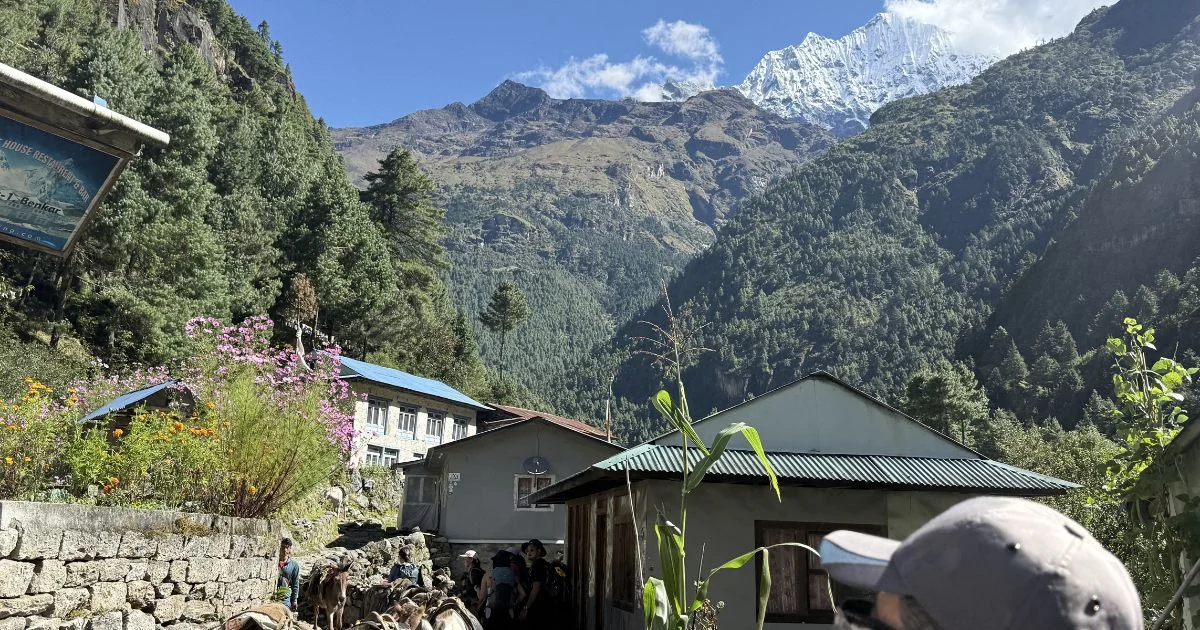
Tengboche
Month-by-Month Breakdown of the Best Time
March
March marks the transition from winter to spring conditions. Snow accumulation remains heavy above 5000 metres. However, temperatures at lower elevations begin warming, making the trek approach more comfortable. Still, summit success rates stay below 50 percent climbing due to unstable weather patterns.
Early March experiences residual winter storms with significant snowfall. Therefore, route-finding becomes challenging without recent tracks. Moreover, teahouses operate at limited capacity, with some lodges still closed. Nevertheless, experienced climbers seeking solitude find March appealing despite the challenges for climbing Lobuche Peak.
April
April represents one of the best times for Lobuche Peak climb attempts. Weather stabilises significantly, with success ratesclimbing to 70 percent. Furthermore, temperatures are moderate enough for comfortable camping at high altitude. So, most commercial expeditions schedule summit pushes in late April.
Fixed ropes get installed on the summit ridge by mid-April. Consequently, making climbing routes safer for clients with moderate technical skills. However, the peak attracts maximum traffic during this month. Therefore, coordination with guides becomes essential to avoid bottlenecks at Lobuche High Camp.
May
May continues favourable conditions through mid-month. Daytime temperatures at base camp reach 5°C to 10°C, reducing cold exposure risks. However, pre-monsoon weather patterns begin developing by late May. So, afternoon clouds and occasional storms increase above 5500 metres.
The time for climbing Lobuche Peak in May requires early morning starts. Summit pushes typically begin at 2:00 AM to avoid afternoon weather deterioration. Moreover, snow conditions soften considerably, increasing avalanche awareness on steep slopes. Still, May remains viable for properly prepared teams.
September
September functions as a transition month after monsoon clears. Early September still carries monsoon tail-end precipitation. However, by mid-September, conditions stabilise for climbing adventures. Therefore, late September offers a favourable time for expeditions targeting October summits.
Trails remain wet with occasional slippery trails at lower elevations. Nevertheless, the peak itself dries quickly once monsoon ends. Flight reliability to Lukla improves after September 15, reducing logistical uncertainties. So, teams planning October climbs often arrive in late September for acclimatisation.
October
October delivers the best conditions for autumn climbing. Weather windows extend for five to seven days consecutively. Moreover, the best visibility peaks during this month, offering spectacular mountain views, including Everest, the world's highest peak. Therefore, October ranks as the ideal time for experienced climbers prioritising stable conditions.
The summit of Lobuche East sees the highest success rates in early to mid-October. Temperatures remain cold but manageable, averaging -15°C to -20°C on summit day. Furthermore, the popular trekking peak experiences moderate traffic, balancing solitude with safety. So, October suits climbers seeking real climbing adventure without extreme crowds.
October Period
Weather Pattern
Recommended For
Early October (1-10)
Stable, clear skies
All experience levels, families
Mid-October (11-20)
Peak stability
Summit attempts, photography
Late October (21-31)
Cooling, still clear
Experienced climbers, fast schedules
November
November brings winter climbing conditions to the region. Temperatures plummet, with nights at Lobuche Base Camp dropping below -20°C. However, clear skies persist through mid-November. So, experienced mountaineers comfortable with extreme cold still attempt summiting Lobuche Peak in early November.
Teahouse availability decreases as lodges close for winter. Therefore, expeditions require full camping support above Namche Bazaar. Moreover, daylight shortens to 10 to 11 hours, compressing operational windows. Nevertheless, solitude and pristine conditions attract serious alpinists seeking winter Lobuche experiences.
Need help choosing the best time for your schedule and experience level? Our expedition planners provide month-specific advice for Lobuche Peak climbing expedition success.
Off-Season Lobuche Peak Climbing
Monsoon Season (June to August)
Monsoon season remains generally not recommended for climbing Lobuche Peak. Heavy precipitation from June through August creates dangerous conditions. Snow accumulation destabilises slopes, increasing avalanche risk significantly. Moreover, climbing during the monsoon reduces visibility to near zero during storms.
Flight cancellations to Lukla occur frequently, disrupting schedules and emergency evacuations. Trail conditions deteriorate, with landslides common on approach routes. Furthermore, leeches infest lower elevation forests below 3000 metres. So, the time in the region becomes physically uncomfortable and technically dangerous.
Avalanche risk: High on all slopes above 5000 metres
Flight reliability: 40 to 60 percent cancellation rates
Trail conditions: Muddy, landslide-prone sections
Summit success: Below 20 percent climbing due to weather
Winter Season (December to February)
Winter presents extreme conditions for attempts to climb Lobuche Peak. Temperatures at 6119 metres drop to -35°C to -40°C with wind chill. Jet stream winds create violent conditions on exposed ridges. Reaching the top of Lobuche in winter climbing requires advanced technical skills, extensive high-altitude experience, and expedition-grade equipment. Therefore, only highly experienced alpinists with proper climbing equipment should consider winter ascents.
The Lobuche Peak typically sees fewer than five summit attempts per winter season. Success rates drop below 30 percent even for experienced teams. Moreover, rescue operations become nearly impossible during storms. Nevertheless, the winter season attracts extreme mountaineers seeking solitude and technical challenges.
Weather Patterns That Affect Summit Success
Jet stream positioning determines summit window viability above 6000 metres. When the jet stream sits directly over the Khumbu, winds exceed 100 kilometres per hour at the summit of Lobuche Peak. However, when it shifts north or south, calm periods allow safe climbing conditions. Therefore, monitoring weather forecasts becomes critical.
Sudden temperature drops signal approaching storm systems. A 10°C drop within 12 hours typically precedes major weather changes. Moreover, lenticular clouds forming over Everest indicate high-altitude wind increases. So, experienced guides recognise these patterns and adjust summit timing accordingly.
Barometric pressure readings at base camp provide early warning systems. Pressure drops below 550 millibars indicate deteriorating conditions. Furthermore, wind direction shifts from south to north often precede clearing weather. Therefore, understanding these meteorological signals improve turnaround decision quality for climbing expedition in the spectacular Khumbu region.
Summit Success Rates by Season
Success rates vary significantly by season and month. Spring achieves 65 to 75 percent success during April and May. However, autumn rates range from 60 to 70 percent in October. These figures assume proper acclimatisation and reasonable weather windows. Nevertheless, individual climbing skills and fitness levels influence outcomes substantially.
Turnaround decisions account for 60 percent of failed summit attempts. Climbers pushing beyond safe return times create unnecessary risks. Therefore, establishing strict turnaround times (typically 12:00 PM) prevents dangerous descents. Moreover, altitude sickness forces 25 percent of climbers to abandon attempts regardless of season.
Season
Success Rate
Primary Failure Reasons
Spring (April-May)
65-75%
Weather, altitude sickness, turnaround timing
Autumn (October)
60-70%
Cold, altitude sickness, technical difficulty
Off-Season
20-30%
Extreme weather, equipment failure, evacuation
Acclimatisation Strategy Based on Season
Acclimatisation pacing adjusts according to seasonal temperatures and conditions. Spring allows gradual ascent profiles with comfortable rest days. However, autumn requires faster schedules due to the approaching winter. Selecting the time for the Lobuche Peak attempt also means planning adequate acclimatisation days based on seasonal constraints. Therefore, standard itineraries range from 16 to 20 days depending on the season.
Rest days typically occur at Namche Bazaar (3440 metres), Dingboche (4410 metres), and Lobuche village (4940 metres). These acclimatisation stops are also part of the Everest Base Camp Trek 14 Days route, helping climbers adapt gradually. Moreover, acclimatisation hikes to Chhukung Ri or Kala Patthar improve altitude adaptation. So, proper pacing reduces acute mountain sickness risks significantly.
Namche rest: 2 nights minimum, acclimatisation hike to Everest View Hotel
Dingboche rest: 1 to 2 nights, hike to Nangkartshang Peak (5083m)
Lobuche rest: 1 night before moving to base camp
Base camp: 2 to 3 nights before high camp rotation
Walking during the lobuche peak climbing
Permits and Seasonal Regulations
Nepal Mountaineering Association issues Lobuche East Peak climbing permits are available year-round. Permit fees are USD 400 per person during spring and autumn and USD 200 in winter and monsoon. An additional deposit of USD 500 is required. Processing times extend to three to four weeks during peak season. Therefore, early submission through registered operators is essential.
Sagarmatha National Park entry permits cost NPR 3000 for foreign nationals. These permits remain valid regardless of season. Moreover, Khumbu Pasang Lhamu Rural Municipality charges NPR 3000 entry fee. So, total permit costs range from USD 450 to USD 500 depending on exchange rates. extra $500 for garbage diposit.
Cost Variations by Climbing Season
Expedition costs increase 20 to 30 percent during the spring peak season. Guide fees, teahouse rates, and helicopter standby charges all rise in April and May. However, autumn pricing remains moderate despite good conditions. Therefore, budget-conscious climbers find October more economical than April.
Off-season attempts reduce permit fees by 50 percent. Nevertheless, additional costs for camping equipment, heating fuel, and insurance offset savings. Moreover, limited teahouse availability forces full camping logistics above Namche. So, total expedition costs remain comparable across seasons despite lower permit fees.
Cost Component
Spring
Autumn
Off-Season
NMA Permit
USD 400
USD 400
USD 200
Guide Fees
USD 2000-2500
USD 1800-2200
USD 1500-1800
Teahouse Costs
USD 30-40/day
USD 25-35/day
Full camping required
Other Permit Costs
USD 70-100
USD 70-100
USD 70-100
Flight Tickets
USD 250–300
USD 250–300
USD 250–300
Rise Off-Season Cost
N/A
N/A
Costs increase due to logistics and camping requirements
Gear Considerations for Different Seasons
Spring climbing equipment focuses on moderate cold protection and wet weather gear. Four-season sleeping bags rated to -20°C suffice for most climbers. However, autumn requires -30°C rated bags for November attempts. Therefore, gear selection adapts to seasonal temperature ranges.
Boot insulation proves critical across all seasons. Double plastic boots or insulated mountaineering boots prevent frostbite above 5500 metres. Moreover, down suits become necessary for summit day regardless of season. So, proper layering systems remain non-negotiable for tackle Lobuche Peak safely.
Gloves: Shell gloves plus expedition mitts for summit
Crampons: 12-point technical crampons, sharpened before departure
Combining Lobuche Peak With Other Treks and Peaks
Lobuche Peak and Everest Base Camp Trek
Combining Lobuche Peak climb with the Everest Base Camp trek creates a logical acclimatisation progression. The standard EBC route provides gradual altitude gain to 5364 or 5545 (Kalapatther) metres. Therefore, adding Lobuche Peak extends the itinerary by four to five days. Moreover, reaching EBC first improves altitude adaptation before technical climbing begins.
Seasonal timing aligns perfectly for combined itineraries. Spring and autumn work equally well for trek and climb combinations. However, ensure sufficient rest days between EBC and base camp establishment. So, total trip duration extends to 18 to 22 days depending on pace.
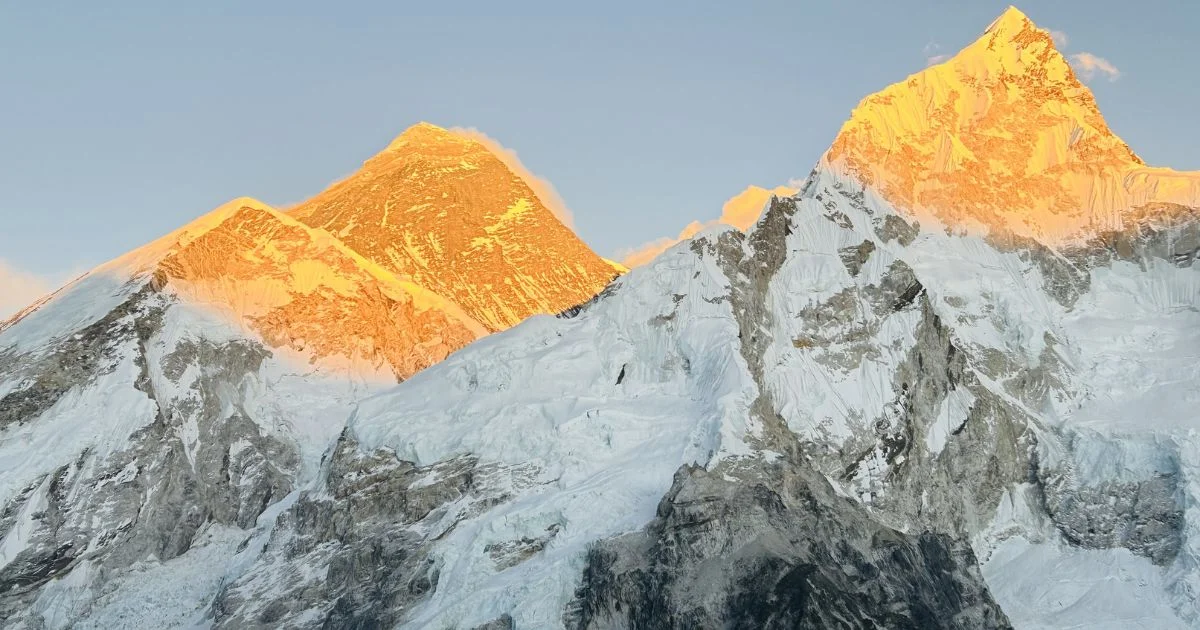
Mountain View from Kalapatthar
Lobuche Peak vs Island Peak
Lobuche Peak vs Island Peak comparison often comes down to technique rather than altitude. Island Peak (6,189 metres) reaches a similar height, but the technical focus differs. Lobuche Peak demands stronger crampon skills on steeper ice sections, while Island Peak involves a longer summit day with sustained effort. As a result, climbing experience requirements vary slightly between these two popular trekking peak options.
Seasonal considerations apply similarly to both peaks. Spring and autumn remain the best seasons for either objective. Nevertheless, Lobuche Peak sees less traffic compared to Island Peak. So, climbers seeking quieter experiences prefer Lobuche. Furthermore, Mera Peak (6476 metres) provides another alternative for those building Himalayan portfolios through Mera Peak climbing progression.
Factor
Lobuche Peak
Island Peak
Altitude
6119 m
6189 m
Technical Difficulty
Moderate to challenging
Moderate
Summit Day Duration
8-10 hours
10-12 hours
Traffic Level
Moderate
High
Climbing Lobuche Peak After Island Peak
Progression from Island Peak to Lobuche Peak builds technical confidence systematically. Island Peak introduces crampon technique on moderate slopes. However, Lobuche Peak demands more precise footwork on steeper ice. Many climbers climb the Lobuche after successfully summiting Island Peak to continue developing advanced mountaineering skills. Therefore, this progression suits climbers developing skills for climbing in Nepal objectives.
Combined expeditions attempting both peaks require 25 to 30 days total. Acclimatisation from Island Peak transfers effectively to Lobuche Peak. Moreover, technical lessons learnt improve performance on the second objective. So, double peak climbing adventure itineraries appeal to ambitious mountaineers.
Planning a progression route through Nepal's trekking peak options? Our guides help structure realistic timelines for multi-peak expedition attempts.
Common Timing Mistakes Climbers Make
Rushing acclimatisation remains the most frequent error. Climbers arriving in Kathmandu often push too fast to base camp. However, proper adaptation requires a minimum of 10 to 12 days from Lukla. Inadequate research about the time to climb Lobuche Peak leads to compressed schedules that increase altitude sickness risks. Therefore, abbreviated schedules increase altitude sickness risks substantially.
Ignoring weather forecast updates creates dangerous situations. Many teams commit to summit pushes despite deteriorating forecasts. Moreover, failure to establish strict turnaround times leads to unsafe descents. So, flexible decision-making based on current conditions proves essential.
Insufficient rest days: Skipping Namche or Dingbocheacclimatisation
Poor seasonal research: Booking monsoon departures without understanding risks
Inadequate gear: Underestimating cold requirements for autumn/winter
Unrealistic timelines: Expecting summit success on compressed 14-day itineraries
Best Time for Lobuche Peak Climbing: Final Thoughts
Lobuche Peak stands as a serious mountaineering objective requiring proper timing, preparation, and realistic expectations, and the best time for Lobuche Peak climbing plays a decisive role because the ascent demands technical climbing competence, cold tolerance, and sound high-altitude judgement above 6,000 metres, directly influencing summit success rates, weather exposure, and overall safety margins.
Spring (April-May) and autumn (October-early November) represent recommended windows for climbing Lobuche Peak. Both seasons offer distinct advantages depending on temperature preferences, crowd tolerance, and technical confidence. Moreover, proper acclimatisation pacing and equipment selection prove equally critical regardless of season. So, successful climbers combine optimal timing with thorough preparation.
The Lobuche Peak climbing experience provides essential skills for higher Himalayan objectives. The climbing adventure that leaves lasting impressions requires respect for altitude, weather patterns, and personal limitations. Furthermore, working with experienced guides familiar with seasonal nuances improves safety and success outcomes. Therefore, discover the best time for your schedule, then commit to proper training and preparation. For personalised guidance, detailed itineraries, or any questions about your Lobuche Peak trek, contact us at Nepal Everest Base Camp Co.
high camp lobuche
Best Time for Lobuche Peak Climbing: FAQs
When is the ideal time to climb Lobuche Peak?
April and October represent the best time to climb Lobuche, with optimal weather stability, manageable temperatures, and the highest success rates. April offers warmer conditions, while October provides superior visibility and quieter trails.
Is Lobuche Peak better in spring or autumn?
Spring suits climbers prioritising warmth and longer days, while autumn offers the best visibility and cultural experiences. Both seasons deliver comparable success rates, so personal preferences regarding cold tolerance and crowd levels determine the ideal time for climbing.
Can beginners climb Lobuche Peak in peak season?
Beginners with strong fitness and basic crampon skills can attempt Lobuche Peak during peak season with experienced guides. However, previous altitude experience above 5000 metres significantly improves success probability and safety margins throughout the climbing adventure.
How cold does it get on Lobuche Peak during summit day?
Summit day temperatures range from -20°C to -25°C in spring and -25°C to -30°C in autumn before sunrise. Wind chill factors can reduce effective temperatures to -35°C or lower, requiring proper insulation and climbing equipment for all exposed sections.
Is Lobuche Peak harder than Island Peak?
Lobuche Peak requires steeper ice climbing and more technical crampon work compared to Island Peak. While altitudes remain similar, the summit of Lobuche East demands greater confidence on exposed ridges and harder snow surfaces throughout the season for climbing Lobuche Peak.
Can Lobuche Peak be climbed in winter?
Winter climbing remains possible but extremely challenging, with temperatures dropping to -40°C and success rates below 30 percent. Only experienced alpinists with proper cold-weather gear and high-altitude experience should consider Lobuche Peak during the monsoon or winter periods for climbing attempts.
Blending digital strategy with mountain passion, I help adventurers find their way to the Himalayas online. With hands-on experience in Nepal’s trekking trails and a role at Nepal Everest Base Camp Trekking Co., Thamel, I combine SEO expertise with true trail insight.