Nepal's trekking landscape has shifted considerably since 2023. The government now requires most foreign trekkers to hire a licensed guide on regulated routes, a rule introduced partly because of mounting rescue incidents and poorly tracked solo travel in remote Himalayan terrain. This is not a recommendation. On the majority of major trekking routes in Nepal, it is the law, and ignoring it carries real consequences at checkpoint gates and during permit inspections, making guided vs solo trek in Nepal a key factor, as guided trekking in Nepal is now required, and solo trekking restrictions in Nepal shape how you plan your trek.
Choosing between guided vs. solo trekking is no longer a simple preference between freedom and structure. It now involves understanding which routes permit independent trekking, what local rules apply to your chosen itinerary, how costs compare in real numbers, and where your safety margin actually sits when things go wrong above 4,000 metres. The stakes are different here from a hiking trip in Europe or New Zealand.
This guide suits first-time trekkers planning a serious Himalayan journey, experienced hikers considering a return trip, and anyone still deciding between guided trekking and independent trekking approaches before committing to dates and a budget. You can read it straight through or go directly to the comparison, cost, or trekking safety sections. Either way, by the end, you will have a clear picture of what each path involves and which one suits you best. Nepal Everest Base Camp Co. is here to help you make that call with confidence.
1. Understanding Trekking Styles in Nepal
1.1 What Is a Guided Trek?
A guided trek pairs you with a registered local guide who manages your daily logistics, from trail direction and permit checks to teahouse bookings and emergency coordination. Reputable trekking agencies assign guides who are certified through the Nepal Tourism Board and trained in basic first aid and altitude response. The guide is not simply a walking companion. The guide handles route decisions, communicates with local villages, and acts as your first line of response if conditions deteriorate. In short, the guide provides a layer of support that is difficult to replicate independently.
Key features of a guided trek:
Professionally managed itinerary from Kathmandu or Lukla to trail end
Daily navigation support on marked and unmarked trails
Permit coordination, including TIMS, ACAP, and restricted area passes
Accommodation and meal logistics in remote teahouses
In case of emergencies, evacuation plans are crucial for an adventure without jeopardising safety.
Cultural insight through on-ground interpretation of Sherpa customs and trail life
Guided trek in nepal
1.2 What Is Solo Trekking?
Solo trekking in Nepal refers to trekking without a hired guide or porter, using self-guided maps, apps, and trail markers to manage your own route and logistics. Historically, trekking offers freedom and flexibility that structured group travel cannot match. You set your pace, choose your rest days, and stay or move as you like. However, since 2023, trekking without a registered guide on most popular routes puts you at odds with current regulations enforced at permit checkpoints.
What solo trekking in practice looks like:
Self-managed permits and checkpoint paperwork
Personal navigation using offline maps and trail apps
Independent accommodation bookings at teahouses
No structured emergency support beyond personal insurance
Full responsibility for altitude management and route changes
Solo Trek in nepal
1.3 Independent Trekking With Guide or Porter Support
Independent trekking does not always mean trekking completely alone. Many trekkers hire a porter for load carrying without taking a full guide service. Others join a guided tour group through an agency for the permit-heavy sections and continue independently on lower-altitude legs. This hybrid approach is common on routes like the Annapurna Circuit, where well-marked lower sections suit self-navigation while upper passes benefit from local knowledge.
Porter only: Carry your pack, no route instruction
Guide and porter: Full daily support, best for first-time or high-altitude trekkers
Agency group trek: Fixed schedule, shared costs, assigned guide
Private guided trek: Flexible pace, solo traveller or couple with dedicated guide
1.4 How Trekking Rules in Nepal Have Changed
The Nepal Tourism Board formalised mandatory guide regulations in 2023 following a series of disappearances and deaths involving unaccompanied foreign trekkers. Before that, most routes outside restricted areas were open to fully independent trekking in Nepal. Today, while some lower-altitude and day trekking routes near Pokhara and Kathmandu still allow self-guided travel, routes to Everest Base Camp, the Annapurna Circuit, Langtang, Manaslu, and all restricted areas require a licensed guide. Enforcement is active at permit checkpoints, and trekking without documentation leads to fines and forced turnaround.
2. Guided Trek in Nepal: Complete Breakdown
2.1 Key Advantages of Hiring a Guide
Hiring a guide in Nepal adds far more than company on the trail. A good professional guide brings a working knowledge of trail conditions, weather patterns, and village logistics built over years of seasonal work in the same region. On a route like Everest Base Camp, that expertise is not a luxury. It is the difference between a well-paced ascent and a rescue helicopter call.
Core advantages:
Real-time navigation through trail splits and seasonal diversions
Immediate recognition of altitude sickness symptoms before they become critical
Access to local knowledge on teahouse quality, water sources, and rest days
Seamless permit management at all checkpoints
Cultural insight into monasteries, Sherpa traditions, and mountain communities
Priority contacts for evacuation in areas with limited communication
2.2 Limitations of Guided Trekking
Guided treks provide structure, but that structure has trade-offs. You work within a schedule, which means rest days, pace, and route deviations are coordinated rather than spontaneous. Some trekkers find this limiting, especially if they prefer slow travel or want to spend extra time in villages along the route. Guide fees and agency costs also raise the overall budget compared to trekking solo, which matters for long-duration treks. That said, the right agency can build flexibility into your itinerary if you ask.
Common limitations:
Fixed daily distances may not match your preferred pace
Less room for unplanned detours or extended village stays
Guide fees add $25–$50 per day to your budget
Agency packages often include set accommodation, limiting teahouse choice
Some guides prioritise schedule over deeper cultural insight
2.3 Cost of a Guided Trek in Nepal
Guide fees in Nepal vary by region, season, and guide experience. Most registered guides charge between USD 25 and USD 50 per day. Porters charge USD 18 to USD 25 per day. Agency-managed guided treks bundle permits, transfers, and accommodation into a package that typically ranges from USD 800 to USD 2,500 for a standard Everest or Annapurna circuit.
Service
Estimated Daily Cost (USD)
Licensed guide
$25–$50
Porter
$18–$25
Teahouse accommodation
$5–$15 per night
Meals on trail
$15–$25 per day
Full agency package (14 days)
$800–$2,500 total
2.4 What Services Are Included
A standard agency guided trek package typically includes:
Airport pickup and Kathmandu hotel
All permits (TIMS, national park, restricted area if applicable)
Solo trekkers often cite pace control, cost reduction, and the quality of personal reflection as primary reasons for choosing independent trekking. There is also a particular kind of satisfaction in managing your own route in the Himalayas, from reading a trail map at a junction to finding a teahouse you were not expecting. For experienced hikers familiar with high-altitude conditions, trekking solo can deliver a more immersive, less scheduled trekking experience. For many, that independence is itself part of the adventure.
3.2 Advantages of Solo Trekking
Independent trekking offers several genuine benefits for the right trekker:
Full control over daily pace and rest schedule
Easier to have spontaneous conversations with locals without a guide intermediating
Lower overall cost when staying below guide-mandatory route thresholds
Personal satisfaction of route-finding and self-reliance
Better for solo travelers who prefer quiet, meditative trekking
3.3 Challenges and Risks of Trekking Alone
Trekking without proper support in Nepal's mountain terrain carries specific risks that are harder to manage alone. Altitude sickness can progress rapidly and impair judgement before the affected person recognises the symptoms. Trail signs are inconsistent in remote sections, and weather in the Himalayan region can shift within hours. Without a local guide, a wrong turn in poor visibility at altitude is a genuinely dangerous situation. Furthermore, solo trips to remote zones offer no buffer if conditions deteriorate overnight.
Key risks for solo trekkers:
Altitude sickness onset without a second person to assess symptoms
Trail navigation errors in remote or high-altitude sections
Delayed evacuation due to poor communication in off-grid areas
Limited help at checkpoints if permit paperwork is incomplete
No one to contact teahouses, arrange porters, or manage emergencies on your behalf
3.4 Cost of Solo Trekking
Solo trekking in Nepal is cheaper in direct daily costs, but the gap narrows when you factor in permits, transport, and personal equipment. Trekking needs proper preparation regardless of whether you have a guide.
Expense
Daily or Per-Item Cost (USD)
TIMS card
$30 (one-time)
National park permit
$30 (one-time)
Teahouse accommodation
$5–$15 per night
Meals
$30-50 per day
Transport to trailhead
Depend on trekking routes
Travel insurance
$80–$150 (full trip)
3.5 Where Solo-Style Trekking Still Exists in Practice
Independent trekking in Nepal remains legal on certain routes, mainly shorter and lower-altitude circuits closer to urban centres. A short trek around Pokhara's Poon Hill, sections of the Kathmandu Valley rim, and day hikes near Nagarkot remain open to self-guided travel. For experienced hikers, some sections of the Annapurna lower circuit still see independent trekkers moving without formal guide arrangements, though permit checkpoints can enforce the 2023 rule at any point.
Routes with more flexibility for independent travel:
4. Guided vs Solo Trek in Nepal: Direct Comparison
4.1 Safety and Risk Management
A guided trek has a structured safety layer built into every day. Your guide recognises altitude sickness signs, knows which teahouses have communication equipment, and has agency contacts for helicopter evacuation if needed. Solo trekkers carry full responsibility for their own assessment, which works well for experienced, fit trekkers but becomes a critical gap in remote sections above 4,500 metres.
4.2 Cost Comparison
Category
Solo-Style Trek
Guided Trek
Guide/porter
$0
$25–$50/day
Permits
$50–$100
Included in package
Accommodation
$5–$15/night
$5–$15/night (or included)
Meals
$15–$25/day
$15–$25/day (or included)
Emergency support
Personal insurance only
Agency + insurance
Estimated 14-day total
$600–$900
$1,100–$2,500
4.3 Flexibility and Control
Trekking solo gives you complete control over your daily schedule. Guided trekking ensures your permits, checkpoints, and teahouse bookings are managed, but the trade-off is that the guide's schedule shapes your pace. Most experienced guides adapt well to client preferences, though agency group treks offer less flexibility than private arrangements. In practice, a guide may adjust the daily plan if you communicate your needs clearly from the outset.
5.4 Cultural Experience
A knowledgeable guide from the region provides a level of cultural insight that is difficult to access independently. Sherpa guides, in particular, carry personal connections to the communities, monasteries, and festivals along the route. Local culture is more accessible with someone who speaks the language, knows the headmen, and understands the unwritten customs of mountain life.
4.5 Navigation and Logistics
Navigation on Nepal's major routes is manageable with offline maps and apps. However, seasonal trail changes, landslide diversions, and poorly marked forks in remote sections add real complexity. A guide handles these decisions daily, throughout the trek, without requiring you to consult a phone or backtrack. For first-time hikers, this alone is worth the expense.
4.6 Overall Trekking Experience
Solo vs. guided trekking in Nepal: each delivers a different quality of experience. Guided treks provide a richer cultural connection, better safety management, and a lower cognitive load on the trail. Solo trekkers gain autonomy and a personal sense of achievement. Neither is objectively superior. The right choice depends on your route, experience level, and what you actually want from the mountains. Ultimately, trekking vsstaying on the beaten tourist path is itself a decision worth making consciously.
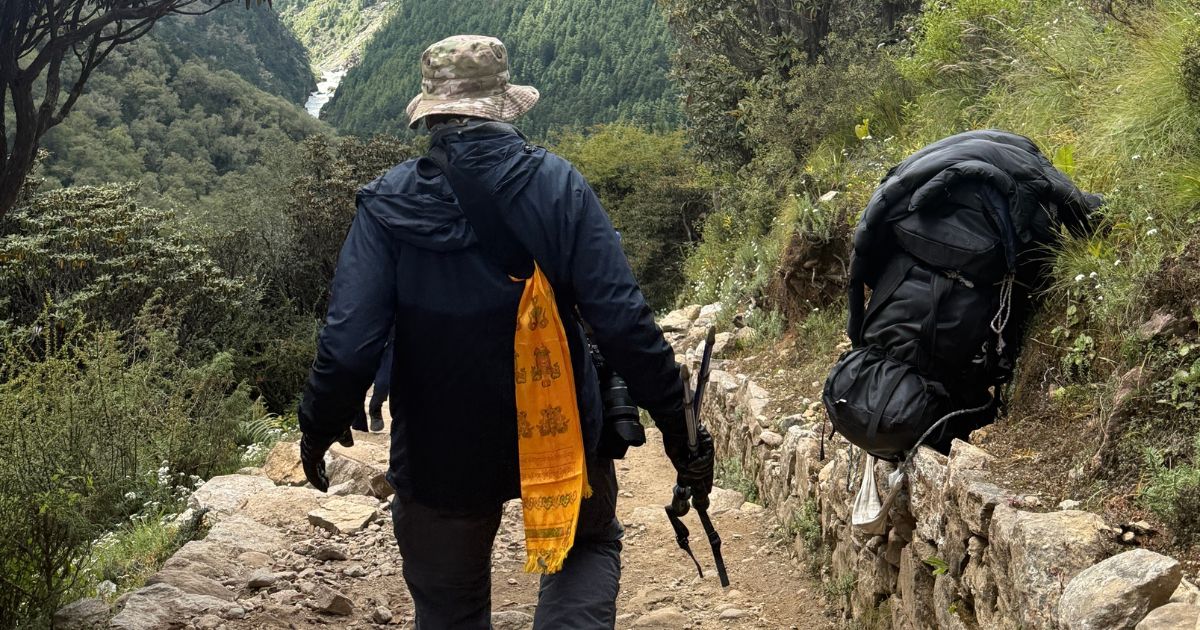
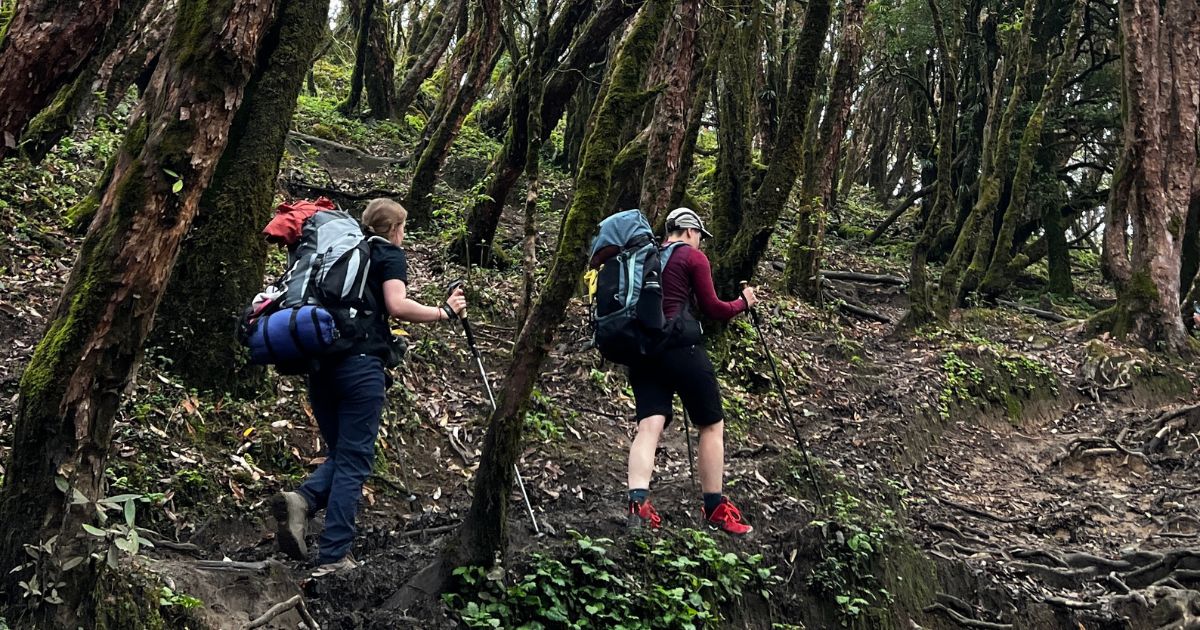
Trekkers walking through the jungle
5. Legal Rules and Permits You Must Know
5.1 TIMS Card and Permit System
Every foreign trekker in Nepal must carry a Trekkers' Information Management System (TIMS) card. This costs USD 20 for group trekkers and USD 20 for individual trekkers through a registered agency. You also need a national park or conservation area permit specific to your route. For Everest, this is the Sagarmatha National Park permit. For Annapurna, it is the ACAP permit.
Standard permits required:
TIMS card (all trekkers)
Sagarmatha National Park permit (Everest region)
ACAP permit (Annapurna region)
Langtang National Park permit (Langtang region)
Restricted area permit (Manaslu, Upper Mustang, Dolpo, etc.)
5.2 Restricted Areas and Special Permits
Nepal has designated certain places as restricted areas, requiring a special government permit, a registered guide, and a minimum party size. These include Upper Mustang, Upper Dolpo, Manaslu Circuit, Tsum Valley, and parts of the Kanchenjunga region. Trekking without the correct documentation in these zones results in fines and immediate removal from the trail by permit authorities.
5.3 Where Guides Are Mandatory
Following the 2023 regulation update, guides are mandatory on:
Trekking without a guide on mandatory routes risks fines at checkpoint gates, confiscation of permits, and forced return to the nearest trailhead. In some cases, the trekker may be required to hire a guide on the spot at above-market rates. Additionally, insurance policies may exclude incidents that occur without compliance with local rules, which has significant implications for helicopter evacuation costs.
6. Real Cost Comparison with Example Budgets
6.1 Budget Breakdown for Solo-Style Trekking
A realistic 14-day budget for independent trekking on a lower-regulation route (e.g., Poon Hill or Kathmandu Valley):
Item
Estimated Cost (USD)
Permits (TIMS + park)
$60
Domestic transport
$30–$80
Accommodation (14 nights)
$70–$210
Meals (14 days)
$210–$350
Gear and supplies
$50–$100
Travel insurance
$80–$150
Total
$490–$960
6.2 Budget Breakdown for Guided Treks
A 14-day guided trek to Everest Base Camp with a private agency:
Item
Estimated Cost (USD)
Agency package (guide, permits, accommodation)
$1,200–$2,000
International flights to Kathmandu
$500–$1,200
Kathmandu accommodation (pre/post trek)
$40–$150
Gear hire or purchase
$100–$300
Travel insurance
$80–$200
Tips (guide and porter)
$80–$150
Total
$2,000–$4,000
6.3 Hidden Costs Trekkers Often Miss
Many trekkers budget for the obvious items and overlook several costs that accumulate quickly on the trail:
Hot showers at teahouses: $2–$5 each
Wi-Fi and charging fees in remote areas: $2–$10 per use
Altitude medication (Diamox): $10–$30 for a course
Porter tips if not included in agency package
Extra rest days at altitude (teahouse costs accumulate)
Gear replacement for items that fail mid-route
6.4 How to Optimise Your Trekking Budget
Experienced trekkers manage costs without breaking the bank by following a few consistent techniques:
Book a guided trek with a local agency rather than through an international operator (savings of 20–40%)
Carry your own snacks and electrolytes to reduce teahouse food spend
Hire a guide-and-porter combo rather than separate staff
Trek in shoulder trekking seasons (March–April or October–November) when teahouse rates are more competitive
Use offline maps to reduce reliance on paid Wi-Fi for navigation
Note: Final costs will shift depending on which trekking route in Nepal you select, so treat these figures as a starting point rather than a fixed total.
7. Safety, Risks, and Rescue Reality in Nepal
7.1 Altitude Sickness and Emergency Response
Altitude sickness is the single most common reason foreign trekkers require emergency assistance in Nepal. Symptoms range from headache and nausea to more serious conditions such as High Altitude Pulmonary Edema (HAPE) and High Altitude Cerebral Edema (HACE), both of which are life-threatening without rapid descent and medical intervention. Above Namche Bazaar on the Everest route, or above manag on the Annapurna Circuit, the altitude is high enough that symptoms can progress faster than a solo trekker may anticipate.
A guided trek changes this dynamic considerably. A trained guide recognises early symptoms, enforces rest days, and makes the call to descend when a trekker themselves might push on. Solo trekkers often underestimate how quickly judgement degrades at high altitude, making that self-assessment unreliable at exactly the moment it matters most.
7.2 Navigation Challenges in Remote Regions
Navigation errors in Nepal's remote sections are more common than most pre-trip research suggests. Trail markers are inconsistent above certain elevations, seasonal snowfall erases visible paths, and multiple village trails converge in ways that do not match older printed maps. Without a local guide who knows the route by memory, a wrong turn on the way to Everest Base Camp or toward the upper Annapurna valleys can mean hours of backtracking in poor conditions.
Common navigation scenarios where a guide is critical:
Trail junctions in fog or snow above 4,000 metres
Post-monsoon landslide diversions that alter marked routes
Night arrivals at teahouses in unfamiliar village clusters
River crossings that vary by season and recent rainfall
Off-map sections in restricted areas where signage is minimal
7.3 Weather and Trail Conditions
Nepal's alpine weather is seasonal but changeable within each season. The best trekking seasons are pre-monsoon (March to May) and post-monsoon (October to November). Even during peak season, afternoon storms are prevalent above 3,500 meters, and early snowfall can restrict passes by late November. Monsoon months (June to September) bring heavy rainfall, leeches on lower trails, and landslide-prone sections that change daily. A guide who has trekked the route in multiple seasons carries practical knowledge that no guidebook fully captures.
7.4 Helicopter Rescue and Insurance
Helicopter evacuation in Nepal is expensive and not always immediate. A rescue flight from the Everest region to Kathmandu typically costs USD 4,000 to USD 6,000 or more, depending on weather and altitude. Most standard travel insurance policies cover this if arranged correctly, but trekking without compliance with current guide regulations may void certain coverage clauses. Confirm your policy's terms before departure, specifically regarding high-altitude trekking and guide requirements.
Key insurance considerations:
The cover must explicitly include high-altitude trekking above 5,000 metres
Helicopter evacuation must be included as a named benefit
Some policies require a registered guide for altitude-related claims to be valid
Declare your exact route and maximum elevation at time of purchase
7.5 Why Guides Matter in Critical Situations
A guide ensures you are not managing a mountain emergency alone. Beyond navigation and cultural translation, a local guide on routes like Everest Base Camp maintains relationships with teahouse owners, checkpoint staff, and local rescue networks. In a genuine emergency, those relationships accelerate response time. The guide also carries a basic first-aid kit, knows which teahouses have oxygen supplies, and can communicate with helicopter dispatchers in Nepali, which matters when phone connections are unreliable.
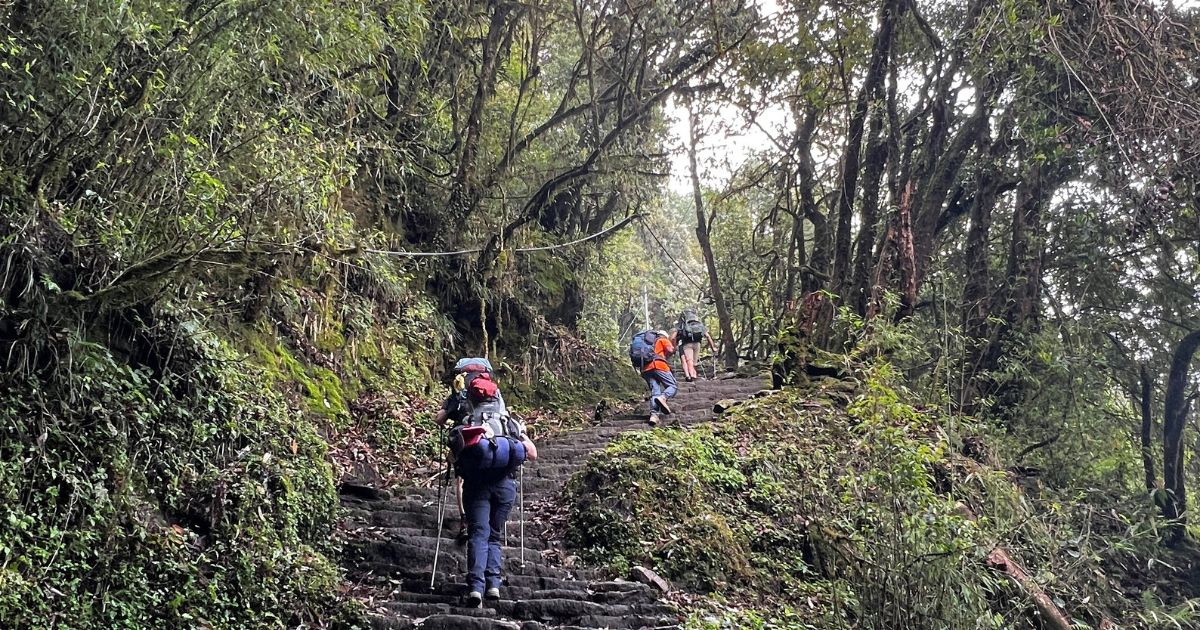
walking uphill during the trek
8. When to Choose a Guide and When to Go Solo
8.1 Best Choice for Beginners
For any trekker on their first trek in Nepal, a guided trek is the correct choice. The permit system alone is complicated enough to cause problems at checkpoints if paperwork is incomplete or incorrectly processed. Add altitude sickness awareness, navigation demands, and daily logistics, and the case for a professional guide becomes clear. Beginners who join a guided trek consistently rate the trekking experience as better managed and more culturally enriching than they expected. Moreover, trekking with a guide on your first visit means you can focus entirely on the journey rather than the paperwork.
A guided trek is the right choice if you:
Have not trekked above 3,500 metres before
Are unfamiliar with Nepal's permit and checkpoint system
Are travelling alone and have no emergency contacts on the trail
Want deeper cultural insight into Sherpa and mountain communities
Are on a schedule and cannot afford unexpected delays
8.2 Best Choice for Experienced Trekkers
Experienced trekkers with a history of high-altitude trekking in the Himalayas or similar environments have more options, but the 2023 regulations still apply to most major routes. Where independent trekking is legally permitted, experienced trekkers who know how to monitor their own symptoms, manage navigation with offline tools, and handle teahouse logistics independently can trek independently with confidence. For those drawn to a solo adventure, the lower-regulation routes offer that experience without missing the best of what Nepal's mountains deliver.
Independent trekking may suit you if you:
Have prior Himalayan or comparable high-altitude experience
Are comfortable with self-managed navigation and permit paperwork
Are trekking a lower-altitude route not covered by mandatory guide rules
Carry appropriate insurance and emergency communication devices
Know your own altitude response and have a clear descent plan
Trekking seasons affect both safety and the practical question of solo vs guided travel. During peak October and November, teahouses are full, trails are crowded, and independent trekking on open routes is logistically easier because infrastructure is at its best. In winter or post-monsoon off-peak periods, trail conditions are less predictable, and logistics become harder without a guide's network. The trekking adventure changes significantly by season, and choosing between guided and solo approaches should factor into when you plan to go.
9. Common Mistakes Trekkers Make
9.1 Underestimating Altitude and Distance
Trekking may seem manageable on paper. A 10-kilometre day covering 600 metres of elevation gain looks moderate by lowland standards. At 4,500 metres, the same distance takes longer, requires more rest, and demands more from your cardiovascular system than most trekkers anticipate. The Everest Base Camp route is not technically difficult, but the high altitude makes it significantly harder than the trail map implies.
Daily distances above 4,000 metres should be planned conservatively
Acclimatisation days are not optional on any route above 3,500 metres
Physical fitness from sea-level training does not translate directly to high altitude performance
9.2 Ignoring Permits and Regulations
Trekking without the correct permits is among the most common and avoidable mistakes foreign trekkers make. Checkpoint staff on every major route verify permits thoroughly, and fines for non-compliance are enforced. Starting the trek without all documents in order wastes time at the first checkpoint and risks removal from the route entirely.
9.3 Poor Route Planning
Trekking also suffers when trekkers do not account for realistic daily distances, altitude gain, and rest-day requirements in their planning. An itinerary that looks efficient at home often proves too aggressive on the trail. Trekking means adjusting to the mountain's pace, not forcing your schedule onto it. Indeed, insufficient trekking expertise is one of the most obvious predictors of poor route planning, so seek guidance from an agency or a local guide before deciding your itinerary.
9.4 Budget Miscalculations
Many trekkers calculate their budget based on daily expenses only, omitting permits, domestic flights, gear, tips, and contingency funds for extra rest days or equipment replacement. A realistic budget should include a 15–20% buffer for unexpected costs.
9.5 Overconfidence in Solo Trekking
Overconfidence is a specific risk for experienced hikers from other mountain environments. The Himalayas operate at a different scale and altitude. Solo trekkers who have completed long-distance routes in Europe or North America may overlook the importance of local knowledge in successfully negotiating Nepal's trails, especially in the Everest and Annapurna high-altitude zones. Going solo in Nepal without that awareness is where even experienced trekkers run into preventable trouble.
10. Practical Tips for a Better Trek
10.1 How to Choose a Reliable Guide or Agency
A reliable trekking guide or agency holds a current registration with the Nepal Tourism Board and provides verifiable documentation on request. Find the best agencies through direct reviews, Trekking Agencies' Association of Nepal (TAAN) listings, and traveller forums with dated, verified accounts. Avoid trekking agencies that cannot name their specific guide for your route or that offer unusually low quotes without a clear cost breakdown.
What to confirm before booking:
Guide's Tourism Board registration and first-aid certification
Porter insurance (mandatory for registered operators)
Clear itinerary with named teahouses or villages per day
Permit costs itemised separately from guide and porter wages
Emergency communication protocol (satellite phone or radio)
10.2 How to Plan a Flexible Trek
Even on a guided trek, flexibility improves the experience. Build one or two buffer days into your itinerary for unplanned acclimatisation rest or weather delays. Discuss this with your guide or trekking agencies before departure so contingency days are factored into their planning as well. Trekking gives you more when you are not racing the calendar. A well-planned, structured adventure allows for those buffer days without sacrificing the overall experience, and it transforms what could be a stressful journey into a stress-free adventure.
10.3 Packing and Preparation
Trekking needs the right gear, but not necessarily a lot of it. Most weight-related mistakes involve overpacking. A porter carries your main bag on most guided treks, so focus on what goes in your daypack: water, layers, snacks, first aid, and your documents. Accommodation on the trail provides blankets and basic facilities, so duplicate warm gear is usually unnecessary.
Daypack essentials:
Water (at least 2 litres; purification tablets as backup)
Snacks with slow-release carbohydrates
Lightweight waterproof jacket
Sunscreen and lip balm (UV exposure increases sharply at altitude)
Altitude medication if prescribed
Permits and ID copies in a waterproof pouch
10.4 Local Etiquette and Cultural Awareness
Local culture in Nepal's mountain communities operates on customs that are easy to respect once you know them. Walk clockwise around mani walls and stupas. Remove shoes before entering teahouse prayer rooms or monasteries. Ask before photographing people, especially monks and elderly villagers. Your local guide will point out most of these naturally during the trek, but being aware beforehand shows respect and builds rapport in ways that genuinely enrich the trekking experience.
Practical cultural tips:
Pass mani walls on your left, keeping the stones to your right
Do not point feet toward religious objects or altars
Use both hands or your right hand when giving or receiving anything
Learn a few Nepali phrases. "Namaste" and "Dhanyabad" (thank you) go a long way
Dress modestly when entering villages, especially at higher altitudes where communities are more traditional
11. Guided vs Solo Trek in Nepal: Final Verdict
Choosing between a guided vs solo trek in Nepal comes down to three factors: the route you have chosen, your experience with high-altitude terrain, and what you actually want from the time you spend in the mountains. For most international trekkers planning a route like Everest Base Camp or the Annapurna Circuit, the 2023 mandatory guide rule settles the legal side of the question. A guided trek is not simply an add-on. On regulated routes, it is the baseline requirement.
Beyond legality, the type of adventure you are after matters. Guided trekking ensures you are supported, culturally connected, and safety-managed throughout the trek. Independent trekking provides a particular type of satisfaction, based on self-reliance and own pace, although it is best suited to experienced trekkers on routes where it is still permitted. Trekking allows for both approaches, depending on where you go and how prepared you are. To make the right choice, weigh your experience level honestly against the demands of the route and the local rules that govern it.
The best way to explore Nepal's mountains is the one that keeps you safe, compliant with local trekking regulations, and genuinely present for what the trail offers. Whether you go solo on an open route or join a guided trek toward Base Camp, make the trek count by planning the logistics properly, carrying the right trekking permits, and giving the Himalayan terrain the respect it requires. That preparation, more than any other factor, is what turns a Nepal trek into an unforgettable experience. Nepal Everest Base Camp Co. is ready to help you plan every step. Get in touch with us today to begin your journey.
Note: Budget breakdowns vary by route, as costs will differ depending on the specific trekking route in Nepal you choose.
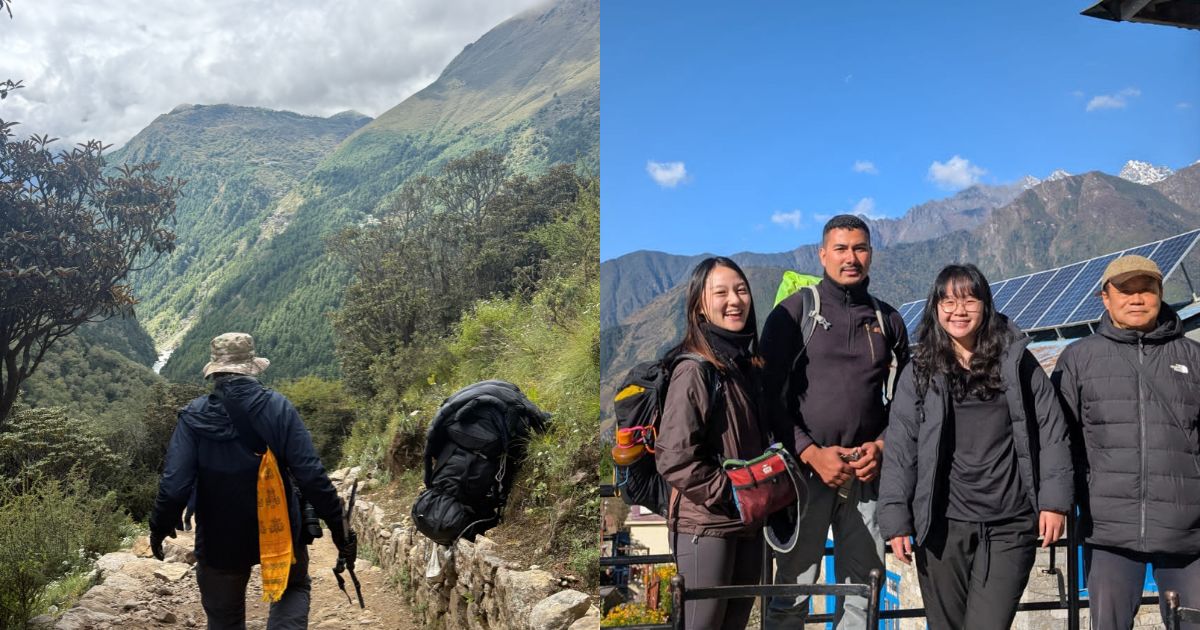
Guided vs Solo trek in Nepal
12. Guided vs Solo Trek in Nepal: FAQs
Is Solo Trekking Allowed in Nepal in 2026?
Solo trekking in Nepal is still permitted on certain lower-altitude routes near Pokhara and Kathmandu that fall outside the 2023 mandatory guide zones. However, on major routes including Everest Base Camp, Annapurna, and all restricted areas, a licensed guide is legally required and enforced at permit checkpoints.
Do I Need a Guide for Everest Base Camp?
Yes. Everest Base Camp is among the routes covered by the 2023 regulation requiring all foreign trekkers to hire a registered guide. Trekking without one on this route risks fines and turnaround at checkpoints and may affect your travel insurance coverage for evacuation.
Is Trekking Alone Safe in Nepal?
Trekking solo on lower-altitude, well-marked routes is generally manageable for experienced trekkers with proper preparation. On high-altitude routes above 4,000 metres, solo trekkers face real risks around altitude sickness, navigation, and emergency response that a guide is specifically trained to manage.
How Much Does a Guide Cost Per Day?
Guide fees range from USD 25 to USD 50 per day depending on the region, guide experience, and season. Hiring a guide through a registered trekking agency typically bundles this cost with porters, permits, and accommodation into a package, which often works out more cost-efficient than assembling each element separately.
Can I Hire a Guide During the Trek?
Yes. In most trailhead towns, including Lukla, Namche Bazaar, and Besisahar, registered guides are available for hire. However, starting the trek without one on a mandatory route and hiring partway through does not exempt you from fines at checkpoints you have already passed without documentation.
Which Trek Is Best for Independent Travellers?
The Poon Hill trek near Pokhara is widely considered the most accessible option for independent trekking in Nepal, with clear trail markers, reliable teahouses, and permit requirements that do not demand a guide. Solo travellers with some mountain experience also find the lower sections of the Annapurna Circuit and the Kathmandu Valley rim trek suitable for trekking without a guide, subject to current checkpoint enforcement. To choose the best route for a solo or guided approach, match your experience level honestly to the terrain and regulations involved.
Blending digital strategy with mountain passion, I help adventurers find their way to the Himalayas online. With hands-on experience in Nepal’s trekking trails and a role at Nepal Everest Base Camp Trekking Co., Thamel, I combine SEO expertise with true trail insight.