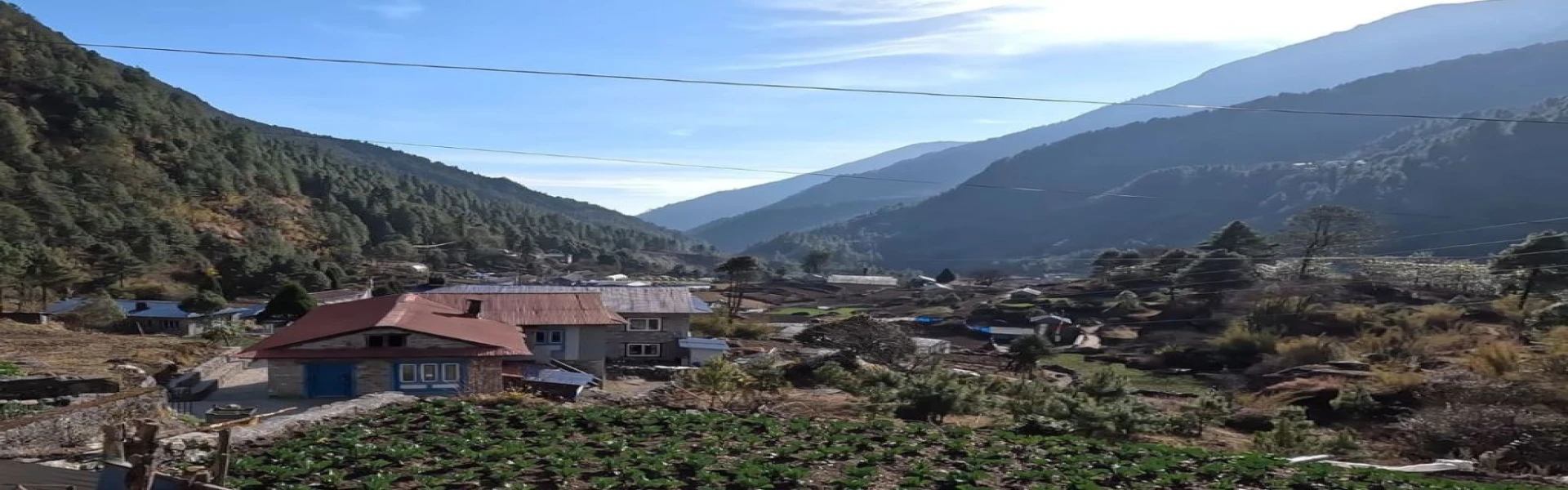
Phakding Village sits quietly along the Dudh Koshi River, marking the end of your first day of trekking after landing at Lukla Airport. Most trekkers arriving on the morning flight to Lukla find themselves here by afternoon, legs adjusting to trail rhythm and minds processing the reality that the journey to Phakding was just the beginning. This small village in the Khumbu region of Nepal becomes more than a dot on your itinerary once you understand its role.
Phakding is a small village that serves as the first overnight stop on the Everest Base Camp trek, positioned at 2,610 metres above sea level. The descent from Lukla feels deceptively easy, yet this charming village offers critical acclimatisation benefits that many trekkers overlook in their rush toward Namche Bazaar. Understanding what Phakding offers helps you pace yourself properly from day one.
This guide covers everything you need to know about Phakding Village, from practical logistics to local cultural observations. You will learn about tea houses in Phakding, trail conditions from Lukla, altitude considerations, and what makes this Sherpa village an essential part of the Everest Base Camp trek. Curated by Nepal Everest Base Camp Co., the information helps you set realistic expectations for your first night in the Everest region and begin the journey with confidence.
Phakding Village at a Glance
Phakding is located in the village in the Khumbu region, serving as a strategic overnight stop between Lukla and Namche. Consequently, understanding its position helps you plan your trek properly.
The way to Phakding from Lukla follows a gradual descent. Subsequently, the trail then climbs steeply toward Namche the following day. This positioning makes Phakding an ideal first overnight stop for altitude adjustment.
Trail Characteristics:
Generally downhill from Lukla
Follows Dudh Koshi River valley
Crosses multiple suspension bridges
Passes through smaller settlements near Phakding
Regional Context
Phakding is an important waypoint in the Sagarmatha National Park. The village serves trekkers heading both to Everest Base Camp and Gokyo Lakes. Therefore, trail traffic remains consistent throughout trekking seasons.
The Trek from Lukla to Phakding
The Lukla to Phakding trek introduces you to Himalayan trail culture. Most trekkers complete this section in 3-4 hours, though the trek from Lukla to Phakding deserves a relaxed pace.
Trail Profile
Section
Characteristics
Time
Lukla to Cheplung
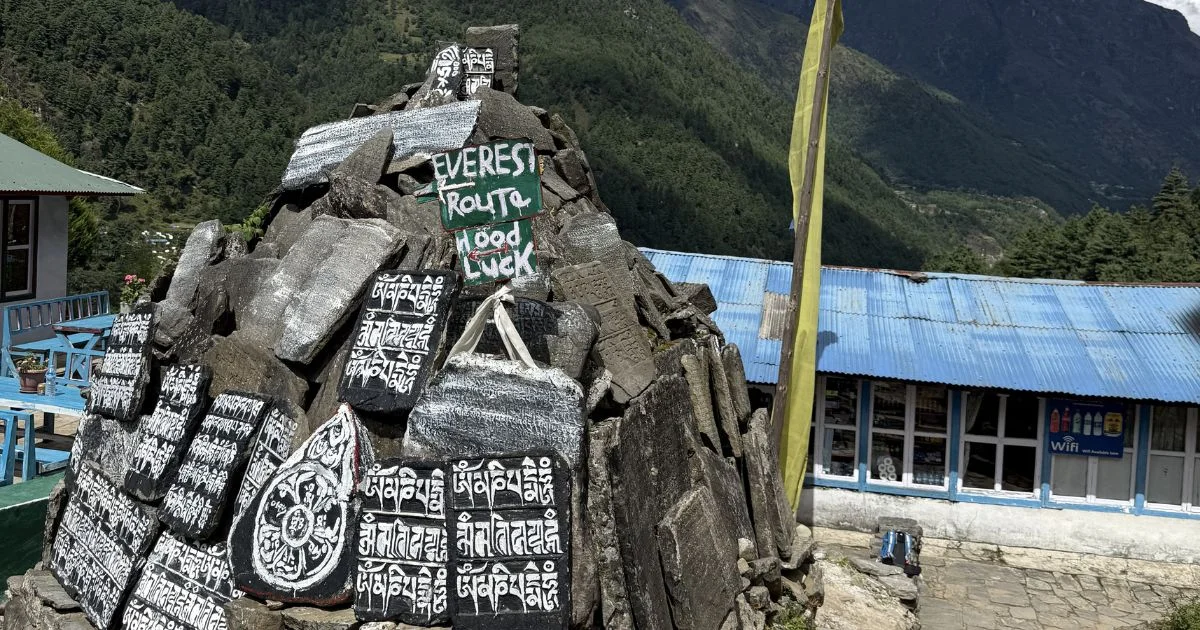
Gentle descent, prayer flags, mani stones
30-45 min
Cheplung to Thado Koshi
Steeper descent, first suspension bridge
45-60 min
Thado Koshi to Ghat
River valley trail, tea shops
30-40 min
Ghat to Phakding
Flat riverside walk
45-60 min
What to Expect
The trek from Lukla begins immediately outside the airport in Lukla. Consequently, you'll notice these features:
Trail Conditions:
Well-maintained stone paths
Occasional steep sections downhill
Multiple river crossings via suspension bridges
Potential for yak and porter traffic
Landscape Features:
Dense rhododendron and pine forests
Scenic river gorges
Terraced agricultural fields
First views of Himalayan peaks (weather permitting)
Cultural Markers
Exploring Phakding begins the moment you leave Lukla. Therefore, watch for:
Prayer flags strung across the trail
Mani walls with carved Buddhist mantras
Small chortens (Buddhist stupas)
Sherpa settlements along the route
Pacing Recommendations
Trekkers should walk slowly on this first section. Moreover, stopping frequently helps your body adjust after the Lukla flight.
Rest Points:
Cheplung (lodge and viewpoint)
Thado Koshi (bridge photo opportunity)
Ghat (lunch stop option)
Benkar (alternative overnight stop before Phakding)
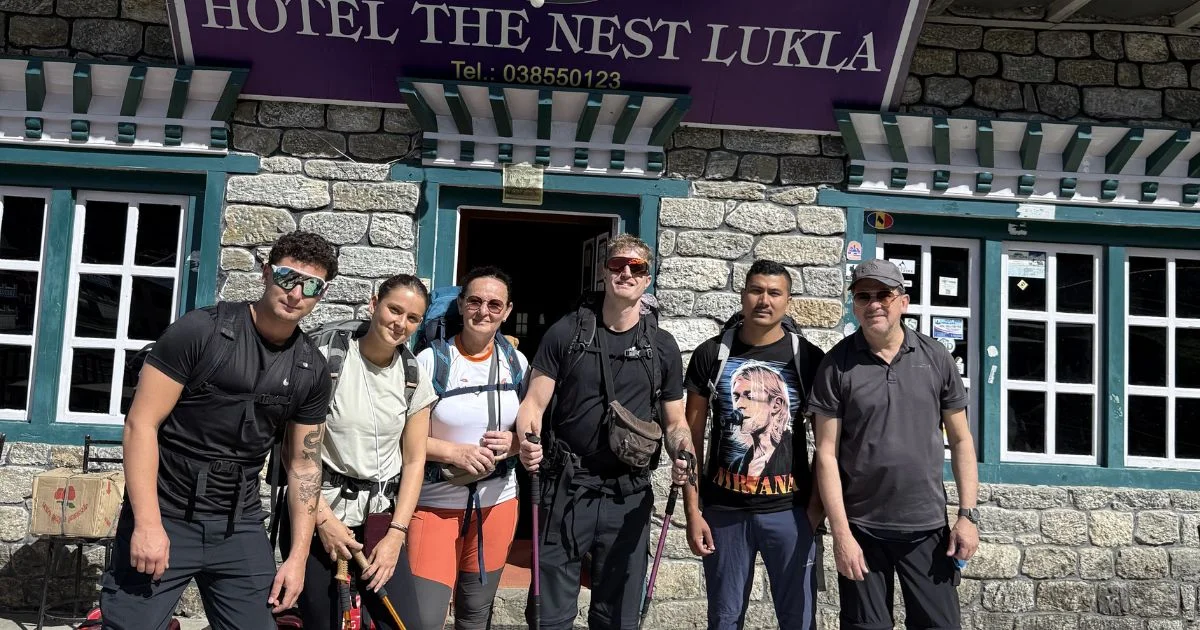
Hotel in lukla village
Phakding Altitude and Acclimatization
Altitude management begins from your first step in the Khumbu region. Phakding sits at 2,610 metres, which is actually lower than Lukla (2,860 metres).
Descending to Phakding after the Kathmandu to Lukla flight provides acclimatisation benefits. Furthermore, this altitude gives your body time to adjust before the steep climb to Namche.
A night at 2,610m prepares body for 3,440m the next day
Better sleep quality compared to Lukla
Altitude Sickness Considerations
Altitude sickness rarely affects trekkers at Phakding. However, symptoms from the rapid gain from Kathmandu to Lukla may appear.
Watch for these signs:
Mild headache
Slight nausea
Fatigue (normal after first day of trekking)
Difficulty sleeping
Prevention steps:
Drink 3-4 liters of water daily
Avoid alcohol on the first night
Eat carbohydrate-rich meals
Walk slowly between Lukla and Phakding
Accommodation: Tea Houses and Lodges in Phakding
Phakding contains approximately 15-20 lodges, ranging from basic to comfortable. Tea houses here follow standard Khumbu patterns established by Sherpa families.
Lodge Categories
Category
Features
Typical Cost (USD)
Basic Lodge
Shared bathroom, simple rooms
$3-5 per night
Standard Tea House
Mix of shared/attached bath
$5-10 per night
Comfortable Lodge
Most rooms with attached bath, hot shower
$10-15 per night
Room Standards
Trekkers should expect these conditions for a night in Phakding:
Typical Room Features:
Twin beds with mattresses and pillows
Blankets (bring sleeping bag liner)
Small window (limited heating)
Electricity (charging available, usually paid)
Basic furniture (hooks, small table)
Bathroom Facilities:
Shared squat or western toilets
Hot showers (paid, $3-10)
Sink with cold water
Limited hot water hours (evening typically)
Booking vs. Walk-In
The trek to Phakding doesn't require advance booking during most seasons. However, consider these factors:
Walk-In Advantages:
Flexibility if you walk faster or slower
Ability to inspect rooms before committing
Competition between lodges benefits trekkers
Booking Advantages (Peak Season):
Guaranteed room in October-November
Potentially better room assignment
Less stress after a long day of trekking
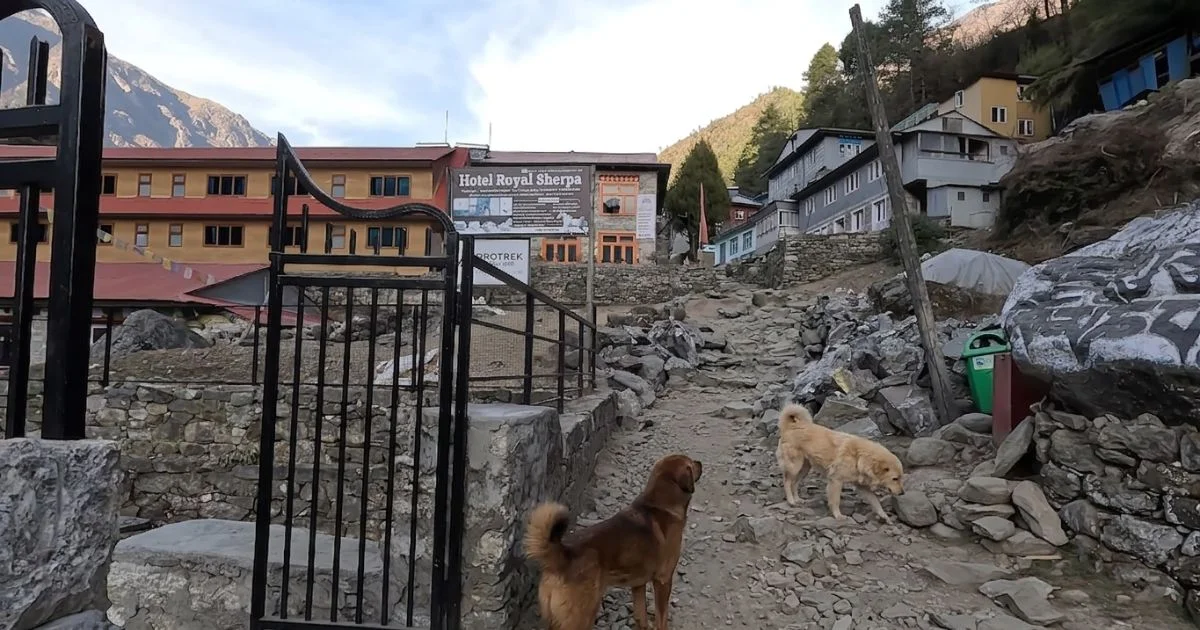
Accommodation in Phakding village
Food and Dining
Lodges in Phakding serve standard trek menus. Moreover, food quality remains consistent across most tea houses.
Typical Menu Items:
Dal bhat (unlimited refills, $8-10)
Fried rice or noodles ($5-8)
Sherpa stew ($6-8)
Eggs and toast ($4-6)
Tea and coffee ($2-5)
Dining Culture:
Meals eaten in communal dining rooms
Wood stoves provide warmth in evening
Other trekkers share experiences
Order dinner early for faster service
What to See and Do in Phakding Village
Exploring Phakding reveals more than most trekkers expect from a first overnight stop. The village offers cultural sites and natural beauty worth your afternoon hours.
Phakding Monastery
A small monastery sits on the hillside above the main trail. Consequently, visiting provides both cultural insight and light acclimatisation walking.
Monastery Details:
15-minute walk uphill from main lodge area
Active Buddhist site with resident monks
Prayer flags and mani stones surrounding grounds
Views across Dudh Koshi valley
Open to respectful visitors (small donation appreciated)
Visiting Guidelines:
Remove shoes before entering
Walk clockwise around prayer wheels
Photography permitted outside only.
Dress modestly (cover shoulders and knees)
Village Walks
Around Phakding, several short walks help pass afternoon hours. Furthermore, gentle movement aids acclimatization better than immediate rest.
Walking Options:
Riverside path along Dudh Koshi River (30 minutes)
Upper trail towards Phakdingmonastery (45 minutes)
Benkar settlement visit, 20 minutes south (30 minutes)
Agricultural terrace exploration (20 minutes)
Cultural Observations
Sherpa culture becomes visible in daily village routines. Therefore, observe these aspects:
Daily Life Elements:
Sherpa women tending fields and livestock
Porter groups organizing loads for next day
Lodge families preparing meals
Children walking to school in nearby settlements
Buddhist rituals (morning and evening)
Natural Features
The scenic beautyaround Phakding includes:
Dudh Koshi River rapids and pools
Wooded hillsides with rhododendron
Terraced barley and potato fields
Multiple suspension bridges (including Hillary Suspension Bridge further north)
Mountain glimpses between valley walls (weather dependent)
Practical Afternoon Activities
Trekkers arriving at Phakding by early afternoon should consider:
Phakding weather follows seasonal Himalayan patterns common to the Khumbu region. Understanding these patterns helps you choose the best time to visit Phakding during your trek planning.
Seasonal Breakdown
Season
Months
Temperature Range
Conditions
Spring
March-May
5°C to 20°C (day)
Stable weather, rhododendron blooms
Monsoon
June-August
10°C to 25°C (day)
Heavy rain, leeches, trail damage
Autumn
September-November
5°C to 20°C (day)
Peak season, clear skies, stable weather
Winter
December-February
-5°C to 15°C (day)
Cold nights, fewer trekkers, snow possible
Best Trekking Seasons
Trekkers generally visit Phakding during two primary windows. Moreover, these periods offer the most reliable conditions.
Autumn (September-November):
Clear mountain views post-monsoon
Stable weather patterns
Comfortable daytime temperatures
Busy tea houses (book ahead in October)
Higher lodge prices during peak weeks
Spring (March-May):
Warming temperatures
Rhododendron forests in bloom
Moderate trekker numbers
Occasional afternoon clouds
Good Mount Everest visibility
Monsoon Considerations
The trek to Phakding remains possible during monsoon, though conditions deteriorate. Nonetheless, a number of things ought to affect your choice:
Monsoon Challenges:
Daily afternoon rain (sometimes morning)
Lukla flights frequently delayed
Leeches on lower trails
Reduced mountain visibility
Wet, slippery trail sections
Lodge closures (some operate)
Monsoon Advantages:
Fewer trekkers on trails
Lower lodge prices
Green, lush landscapes
Wildflowers abundant
Discounted trek packages
Winter Trekking
Phakding becomes quieter during winter months. Consequently, the experience differs significantly from peak season.
Winter Characteristics:
Clear, crisp air
Excellent mountain views
Cold nights (warm sleeping bag essential)
Some lodges closed
Reduced menu options
Potential snow above Namche Bazaar
Daily Weather Patterns
Regardless of season, Phakding experiences typical valley weather. Therefore, expect:
Morning:
Usually clearest period
Best for photography
Calm conditions
Frost possible (winter/spring mornings)
Afternoon:
Clouds build in valleys
Wind increases
Rain possible (monsoon/spring)
Warmer temperatures
Evening/Night:
Temperature drops quickly after sunset
Clear skies common (dry season)
Lodge dining rooms are the warmest places
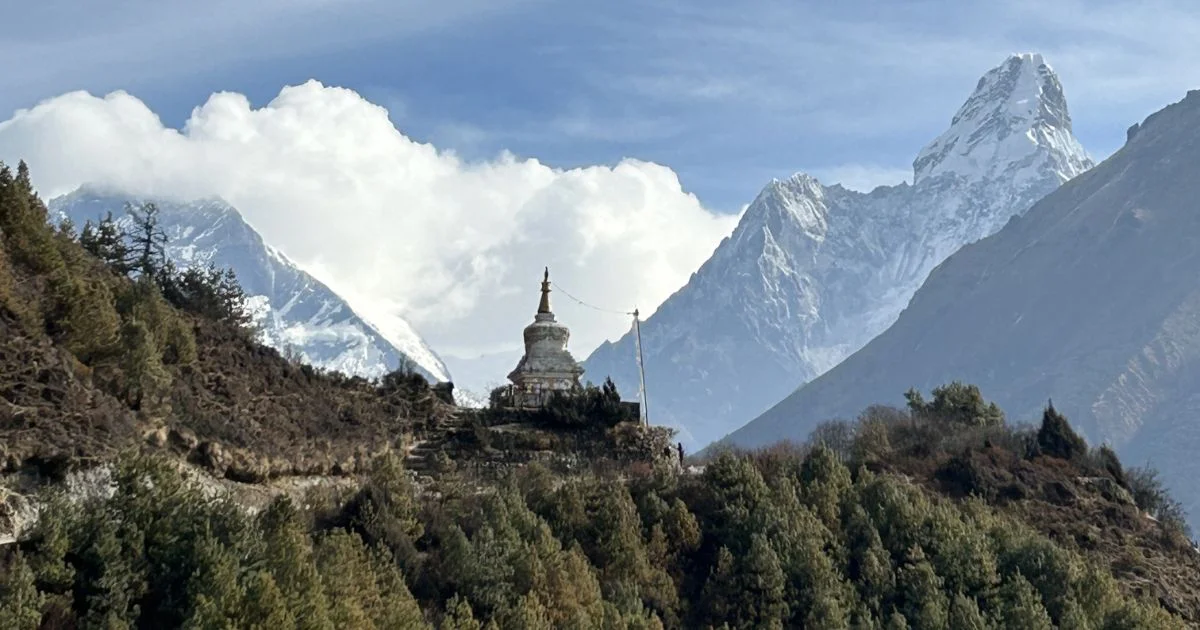
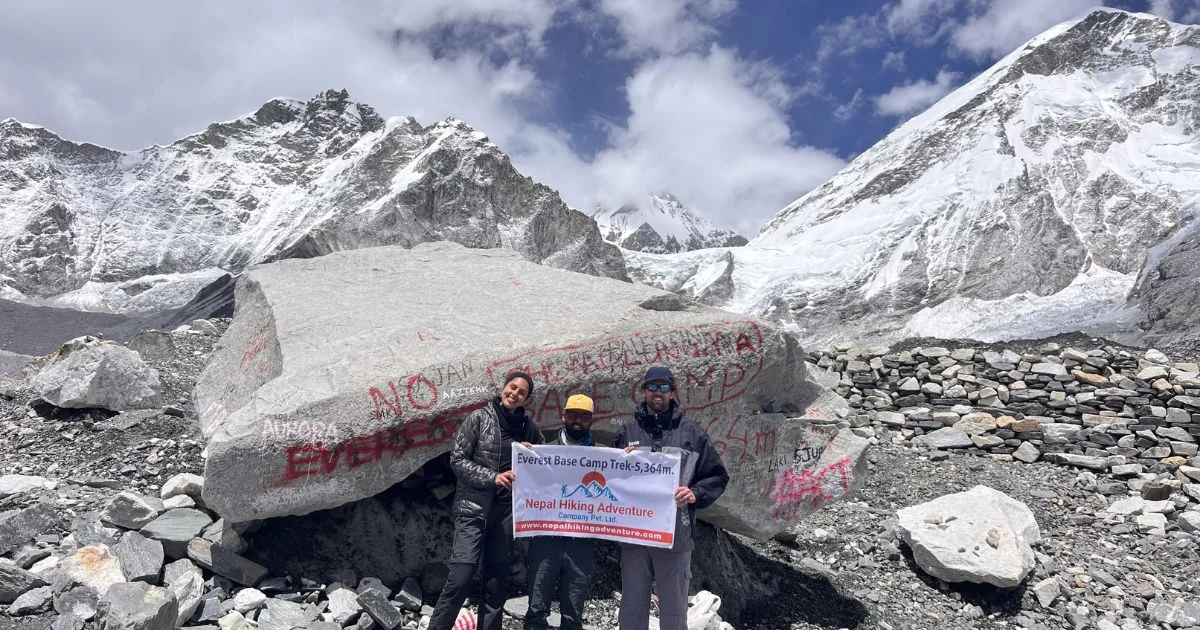
On the way to Everest Base Camp
Practical Information for Trekkers
Planning to reach Phakding requires understanding permits, connectivity, and logistical details. Furthermore, these practical elements ensure smooth travel.
Independent trekkers: obtain in Kathmandu or at checkpoints
Keep permits accessible throughout the trek.
Passport required for permit processing
Connectivity and Communication
Phakding offers basic connectivity options. However, reliability varies seasonally.
Available Services:
Mobile network (Ncell, Nepal Telecom)
WiFi at most lodges ($3-5 per day)
Charging stations ($1-2 per device)
No ATMs (the nearest is in Namche Bazaar and lukla)
Communication Tips:
Purchase Nepal SIM card in Kathmandu
Download offline maps before the trek.
Inform family of limited contact ahead
WiFi works best in the evening hours
Charging may be unreliable (bring power bank)
Porter and Guide Culture
Sherpa guides and porters dominate trekker support services. Moreover, understanding local customs helps interactions.
Standard Practices:
Porters carry a maximum of 20-30 kg
Trekkers tip at trek end (15-20% of total cost)
Respect Sherpa knowledge and pacing
Health and Safety
Phakding presents minimal health risks. However, basic precautions apply:
Water Safety:
Drink only treated or boiled water
Refill bottles at lodges (boiled water service)
Water purification tablets as backup
Avoid Dudh Koshi River water directly
Food Safety:
Stick to cooked, hot meals
Avoid raw vegetables
Peel fruits yourself
Dal bhat is the safest option (always fresh)
Medical Facilities:
Basic first aid at lodges
No clinic in Phakding
Nearest health post in Lukla
Serious issues require helicopter evacuation
Trekker insurance essential
Beyond Phakding: Next Steps on the EBC Trek
Beyond Phakding, the way to Everest Base Camp steepens considerably. The next stage, Phakding to Namche Bazaar, presents the first major altitude gain.
Trail to Namche Bazaar
The route from Phakding to Namche takes 5-7 hours. Furthermore, this section includes challenging uphill sections.
Route Highlights:
Multiple suspension bridge crossings
Hillary Suspension Bridge (photo stop)
Sagarmatha National Park entry checkpoint at Monjo
Steep zigzag climb to Namche
First possible Mount Everest views (if clear)
Elevation Gain:
Start: 2,610m (Phakding)
Finish: 3,440m (Namche Bazaar)
Total gain: 830 meters vertical
Highest point on trail: 3,440m
Pacing from Phakding
Trekkers should plan carefully for this demanding stage. Consequently, consider these strategies:
Time Management:
Leave Phakding early (7-8am)
Take frequent short breaks
Stop at Monjo for permit check
Rest before Hillary Suspension Bridge
Slow pace on final zigzag climb
Physical Preparation:
Good breakfast in Phakding
Carry snacks and water
Use trekking poles
Maintain steady breathing rhythm
Stop if headache or nausea develops
Namche Bazaar Preview
Namche represents a major milestone on the EBC trek. The Sherpa capital offers:
Facilities Upgrade:
Larger lodge selection
Restaurants and bakeries
ATMs and money exchange
Gear shops and pharmacies
Saturday market (cultural highlight)
Acclimatisation Strategy:
Spend 2 nights in Namche (recommended)
Day hikes to Everest View Hotel or Khumjung
The body adjusts to 3,440m altitude
Reduces altitude sickness risk for higher stages
Alternative Routes
Some trekkers modify the standard Lukla to Namche progression. However, Phakding remains the most common first overnight stop.
Options:
Jiri to Everest Base Camp Route: The classic Everest approach starts with a long drive from Kathmandu to Jiri, followed by a gradual trek through lower Solukhumbu villages, forests, and river valleys before reaching Lukla and Phakding.
Salleri to Everest Base Camp Route: A shorter alternative to Jiri, beginning with a drive from Kathmandu to Salleri, then trekking north through traditional settlements to connect with the main Everest trail near Lukla or Namche Bazaar, allowing steadier acclimatisation and fewer flight delays.
Long-Term Trek Perspective
Phakding is also your introduction to multi-day trekking rhythms. The village teaches important patterns:
Lessons Learnt:
Early starts become routine.
Lodge selection matters less than expected.
The social trekker community forms naturally.
The body adapts faster than mind expects.
Sherpa village hospitality proves genuine.
Everest Base Camp
Why Phakding Matters on the Everest Base Camp Trek
Phakding is an important component of successful Everest Base Camp journeys, despite its modest appearance. The charming village serves multiple functions that become clear only in hindsight.
Strategic Positioning
Phakding sits perfectly positioned for gradual acclimatisation. Moreover, the altitude profile creates ideal adaptation conditions.
Why Location Matters:
Descent from Lukla eases first-day pressure
Lower altitude improves first-night sleep
Positioned for manageable second-day climb
Splits Lukla to Namche into two stages
Reduces rush and injury risk
Acclimatization Foundation
The night in Phakding begins your body's high-altitude adaptation. Furthermore, this process requires time that many trekkers underestimate.
Physiological Benefits:
Gradual exposure to reduced oxygen
Sleep at moderate altitude aids adjustment
Prevents too-fast ascent syndrome
Establishes baseline for higher camps
Reduces overall altitude sickness incidence
Cultural Introduction
Phakding offers a gentle introduction to Sherpa culture and Himalayantrekking life. Consequently, trekkers learn essential cultural patterns in a low-pressure environment.
Cultural Learning:
Teahouse etiquette and routines
Sherpa hospitality standards
Buddhist cultural markers
Porter and guide relationships
Trekker community dynamics
Psychological Adjustment
The mental transition from Kathmandu's urban environment to Khumbu's mountain life requires adjustment. Phakding provides this buffer.
Mental Benefits:
Absorb reality of multi-day trek
Adjust expectations to lodge standards
Process Lukla flight experience
Prepare mentally for physical challenges ahead
Build confidence for remainder of the trek.
Practical Foundation
Phakding is far enough from Lukla to teach trail lessons, yet close enough to retain safety margins. This balance creates an ideal learning environment.
Skills Developed:
Pack weight and organization refinement
Walking pace establishment
Suspension bridge navigation
Altitude-appropriate breathing
Trail etiquette with porters and yaks
Common Mistakes to Avoid
Trekkers often undervalue Phakding, treating it as a mere overnight stop. However, this perspective creates problems later.
Avoid These Errors:
Rushing through the village to reach Namche faster
Phakding Village transforms from a simple waypoint to an essential foundation once you understand its role. The first overnight stop on your Everest Base Camp trek establishes patterns, rhythms, and physical adaptations that influence your entire journey. Trekkers who respect this Sherpa village as more than accommodation find their overall trek experience improves significantly.
The trek from Lukla to Phakding delivers precisely what first-day trekking requires. Gentle descent protects recently flown bodies from excessive altitude stress while introducing trail realities in manageable doses. Phakding sits at an ideal elevation for sleep, positioned strategically between the chaos of Lukla and the demands of Namche Bazaar, allowing gradual transition rather than shocking system change.
When planning your visit to Phakding Village, keep in mind its strategic role on the Everest Base Camp trek. Allow enough time for the journey to Phakding, arrive with realistic expectations about teahouse and lodge standards, and spend the afternoon on light exploration rather than collapsing from fatigue. The village provides everything a serious trekker needs on day one, supporting acclimatisation before heading further up the trail. For more information or to plan your trek, contact Nepal Everest Base Camp Co.
On the way to phakding
Phakding Village: FAQs
How long does the Lukla to Phakding trek take?
The Lukla to Phakding trek typically requires 3-4 hours for most trekkers. However, actual time varies based on fitness level, pack weight, number of rest stops, and photography pauses along the trail.
What is Phakding's altitude, and does it cause altitude sickness?
Phakding sits at 2,610 metres (8,563 feet) above sea level, which is actually lower than Lukla at 2,860 metres. Altitude sickness rarely occurs at this elevation, though some trekkers experience mild symptoms from the rapid Kathmandu to Lukla flight gain.
Can I skip Phakding village and go directly to Namche Bazaar?
While physically possible, skipping Phakding contradicts acclimatisation best practices. The first overnight stop allows your body to adjust before the steep 830-meter climb to Namche, significantly reducing altitude sickness risk on subsequent days.
What facilities do teahouses in Phakding offer?
Tea houses in Phakding provide twin-bed rooms, communal dining areas, basic bathrooms (shared or attached), hot showers (paid), charging stations (paid), and standard trek menus. Expect simple but clean accommodation managed by local Sherpa families.
When is the ideal time to travel to Phakding?
The best time to visit Phakding is during autumn (September-November) or spring (March-May). These seasons offer stable weather, clear mountain views, comfortable temperatures, and reliable trail conditions, though autumn brings more trekkers while spring features blooming rhododendrons.
Do I need permits to stay in Phakding?
Phakding Village lies within Sagarmatha National Park, requiring a Sagarmatha National Park Entry Permit (NPR 3,000) and a TIMS card (NPR 3,000 for independent trekkers), obtained in Kathmandu or at the Monjo checkpoint before Namche Bazaar. All trekkers must also purchase the Khumbu Pasang Lhamu Rural Municipality Permit (local Khumbu permit) for NPR 3,000, issued at Lukla or Monjo.
What should I do in Phakding during my afternoon there?
Exploring Phakding options includes visiting the hillside monastery, walking riverside trails along the Dudh Koshi River, observing daily Sherpa village life, washing clothes, charging devices, organising gear for the next day, and resting with proper hydration to aid acclimatization.
Blending digital strategy with mountain passion, I help adventurers find their way to the Himalayas online. With hands-on experience in Nepal’s trekking trails and a role at Nepal Everest Base Camp Trekking Co., Thamel, I combine SEO expertise with true trail insight.