Mera Peak stands at 6,476 metres in Nepal's Hinku Valley, making it the highest trekking peak in Nepal. Unlike lower treks, climbing Mera Peak involves genuine alpine exposure, where weather conditions, snow stability, and temperature directly affect summit success. For this reason, choosing the best time for Mera Peak climbing matters far more than it does on standard trekking routes.
This guide covers the seasons for climbing Mera Peak, monthly weather conditions, flight reliability, and safety considerations across all periods. Moreover, you will understand how each season for Mera Peak climbing affects acclimatisation, lodge availability, and the overall climbing experience. Consequently, the information here helps you choose the best time for your attempt with realistic expectations based on proven patterns.
This content is written for fit international climbers aged 28 to 55 researching their first Himalayan peak climb in Nepal. However, it is not designed for casual trekkers or those seeking general Nepal travel advice. Instead, decisions you make about choosing the right time will directly impact your safety, successful Mera Peak outcomes, and financial investment in this Mera Peak adventure with Nepal Everest Base Camp Co.
Overview of Mera Peak
Where Mera Peak Is Located
Mera Peak sits in the Hinku Valley, east of the main Everest region in Nepal. The peak lies within Makalu Barun National Park, requiring specific permits beyond standard trekking and climbing permissions in Nepal. Access options include:
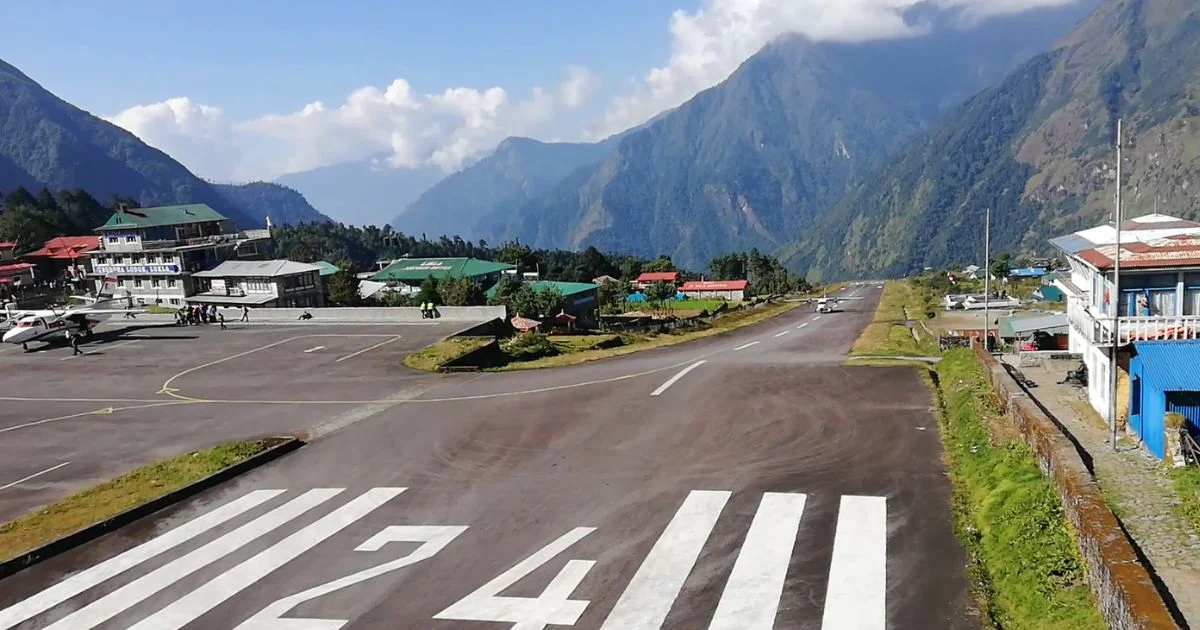
Lukla flights for standard access
Alternative routes via Phaplu and Salleri for those preferring road access
Approach trek passing through Sherpa villages including Paiya, Panggom, and Khare Base Camp
The route offers solitude compared to the crowded Everest Base Camp trek trail, particularly during off-peak season months. Around Mera Peak, you will encounter fewer lodges, which affects availability during busy periods. Therefore, advance booking proves necessary during popular climbing windows in spring and autumn.
Mera Peak at a Glance
Characteristic
Detail
Height
6,476 metres (21,247 feet), the highest trekking peak in the Himalayas
Mera Peak is one of the best climbing peaks in Nepal for those transitioning from trekking to climbing objectives. Although technically straightforward compared to Island Peak, altitude remains the primary challenge for most climbers attempting this climbing peak in Nepal. Therefore, the peak attracts both beginners with good fitness and experienced mountaineers seeking acclimatisation for higher objectives like MountEverest or Mount Cho Oyu.
Typical Climbing Experience
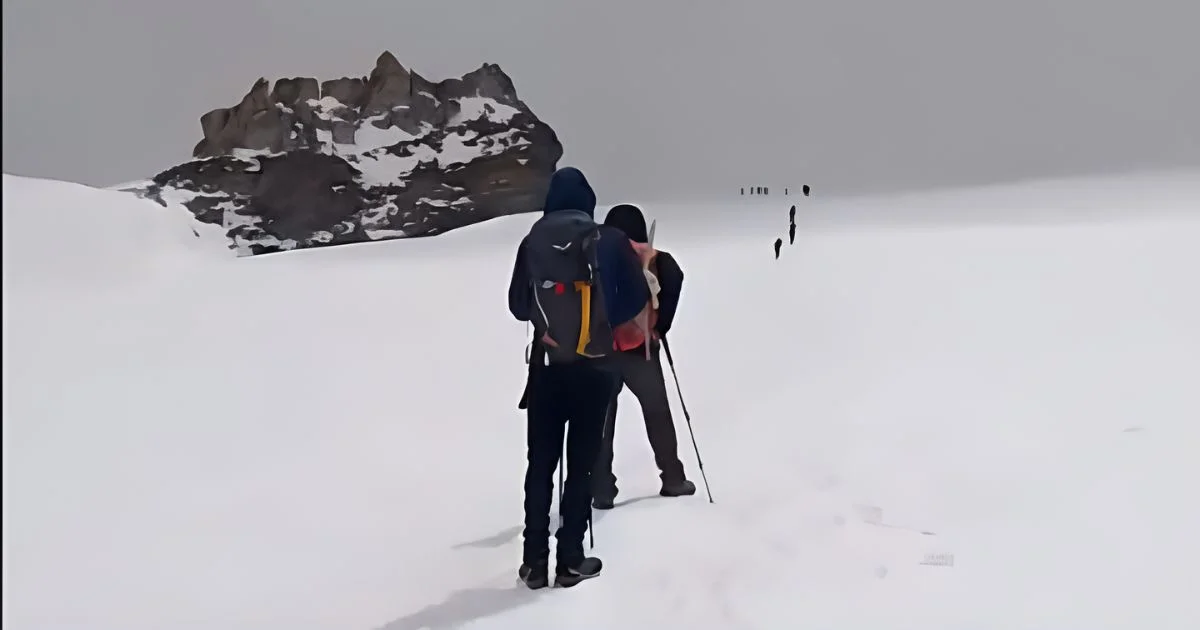
The climb to Mera Peak begins with a scenic trek through rhododendron forests and high pastures in the Hinku Valley. Subsequently, climbers establish high camp at approximately 5,800 metres on Mera La, positioning themselves for summit attempts. However, summit day involves a pre-dawn start, crossing glaciated terrain with fixed ropes on steeper sections where climbing skills become essential for safe passage.
Most teams hire a climbing guide and porters to manage logistics and safety throughout the Mera Peak expedition. Still, you need personal climbing experience at high altitudes or training before attempting this climbing peak in Nepal. Consequently, operators provide basic mountaineering instruction at base camp for those new to crampons and ice axes, ensuring adequate preparation before the ascent to Mera Peak begins.
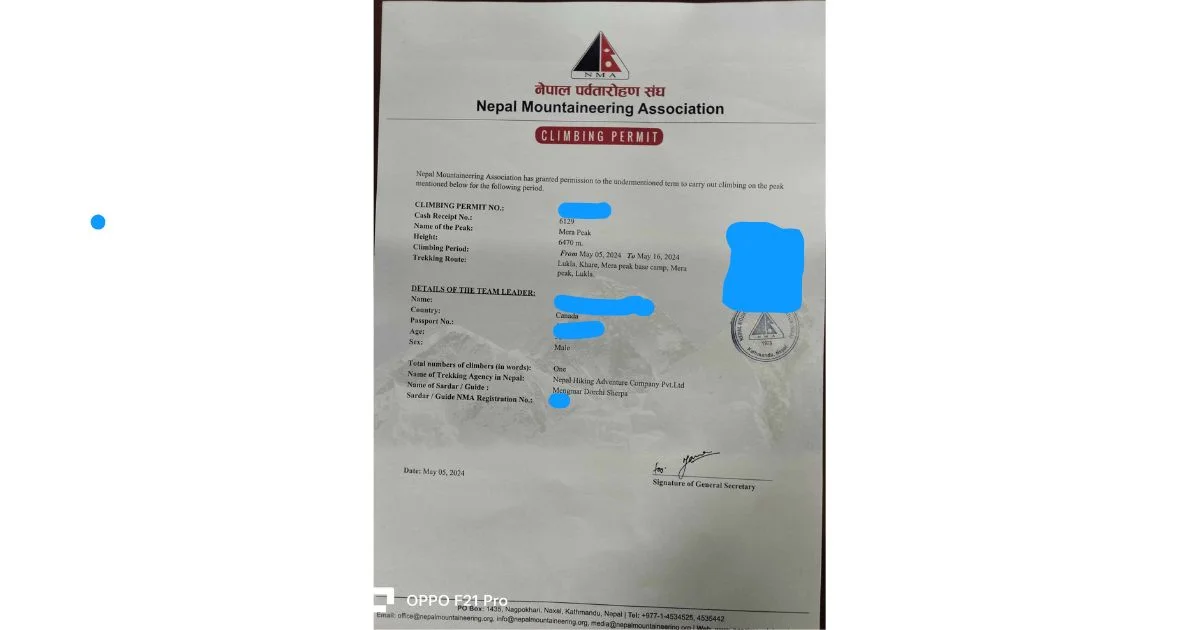
Mera peak climbing Permit
Understanding Nepal's Climbing Seasons
Spring Season (March to May)
Spring represents one of the best seasons for climbing in Nepal across all major peaks. Temperatures rise gradually, snow consolidates, and weather windows become longer throughout the season. March sees fewer climbers, while April and May attract the highest numbers.
Condition
Spring Details
Temperature range
Minus 10°C to 5°C at high camp
Snow conditions
Consolidated and stable for crampon work
Visibility
Good to very good with occasional afternoon clouds
Flight reliability
85-90% on-time departures from Lukla
April is the best month for climbing Mera Peak due to stable weather patterns and established trail conditions. Lodges open fully by late March, ensuring consistent services throughout the climb. Therefore, spring is the best month for climbers prioritising comfort over extreme cold exposure, making it the best time for Mera Peak attempts for many international visitors.
Monsoon Season (June to August)
The monsoon season brings heavy precipitation, cloud cover, and avalanche risk across the Himalayas. Climbing during the monsoon season is possible but significantly more challenging than peak season attempts. The peak during the monsoon season experiences afternoon storms, reduced visibility, and unstable snow conditions.
Conditions that make Mera Peak during the monsoon difficult include:
Daily afternoon rainfall obscuring routes and creating slippery conditions
Cloud cover eliminating mountain views entirely for days
Leeches on lower trail sections below 3,000 metres
Landslide risk on access roads delaying or preventing trekker access
Limited lodge operations as many close for the season
Nevertheless, some experienced climbers accept these risks for solitude and lower Mera Peak climbing costs during this wrong time for typical expeditions. Still, summit success rates drop below 60% during these months, making Mera Peak in the monsoon suitable only for those comfortable with uncertainty and extended weather delays.
Autumn Season (September to November)
Autumn provides the second best time for Mera Peak attempts after the monsoon season clears completely. Skies stabilise, and temperatures remain moderate throughout September, October, and November. September sees lingering moisture, while October and November offer exceptional clarity.
Key autumn advantages for the Mera Peak climb include:
Crystal-clear mountain views with minimal atmospheric haze
Stable high-pressure systems lasting 7-10 days
Dry trail conditions throughout the route to base camp
Full lodge services at all elevations along the trek
Moderate temperatures balancing cold and comfort effectively
Autumn attracts larger crowds than spring, particularly in October when peak season overlaps with other Nepal expeditions. However, this also means better trail conditions and more reliable support infrastructure across the region. Therefore, many operators consider autumn one of the best times for commercial expeditions, especially for clients seeking guaranteed mountain panoramas and stable weather conditions for their Mera Peak climbing adventure.
Winter Season (December to February)
Winter climbing on Mera Peak demands technical competence and cold-weather experience beyond typical trekking peak requirements. Temperatures plummet to minus 25°C or lower at high camp during January. Still, climbing Mera Peak in winter offers solitude, stable weather, and deep powder snow conditions.
Late February is the best transition week when temperatures begin rising gradually toward spring levels. However, Mera Peak in winter requires:
Expedition-grade clothing
Four-season tents
Extended buffer days for weather windows
Many lodges close, forcing teams to camp or arrange lodge openings in advance at additional cost. Therefore, Mera Peak climbing in winter suits only those with previous high-altitude cold-weather experience and self-sufficient expedition capabilities for challenging conditions.
Best Time to Climb Mera Peak
Primary Best Seasons Explained
Spring (March to May) and autumn (September to November) are widely considered the best times for climbing Mera Peak by experienced operators. Both best seasons offer weather stability, moderate temperatures, and high summit success rates. However, they differ in visibility, crowd levels, and specific weather conditions that affect the overall climbing experience.
Spring brings warmer temperatures and softer snow, making crampon work easier throughout the climb. Conversely, autumn delivers sharper visibility but colder mornings requiring additional insulation. Therefore, choosing the right time depends on your temperature tolerance and view priorities. Additionally, Mera Peak depends on seasonal factors more than lower treks, making this decision critical for success.
Month-by-Month Breakdown of Conditions
Month
Temperature
Snow
Visibility
Flight Risk
Recommendation
January
-20°C to -5°C
Deep powder
Excellent
Low
Expert only
February
-18°C to -3°C
Consolidated
Excellent
Low
Experienced climbers
March
-12°C to 2°C
Stable
Very good
Medium
Good choice
April
-8°C to 5°C
Optimal
Good
Medium
Best month
May
-5°C to 8°C
Soft afternoon
Fair
High
Acceptable
June
0°C to 12°C
Wet heavy
Poor
Very high
Avoid
July
2°C to 15°C
Unstable
Very poor
Very high
Avoid
August
2°C to 14°C
Unstable
Very poor
Very high
Avoid
September
-2°C to 10°C
Variable
Improving
High
Possible
October
-10°C to 6°C
Excellent
Outstanding
Medium
Best month
November
-15°C to 0°C
Hard ice
Excellent
Low
Very good
December
-18°C to -3°C
Deep cold
Excellent
Low
Expert only
Why Spring and Autumn Are Preferred
These are the best seasons to climb Mera, balancing weather predictability with reasonable temperatures for extended high-altitude exposure. Lodge operations run consistently, reducing logistical complications throughout the trek. Additionally, flight schedules from Lukla maintain higher reliability compared to monsoon season chaos and cancellations.
Most commercial operators schedule expeditions between late March and mid-May, then again from late September through mid-November. These periods are widely regarded as the best time for Mera Peak climbing, as they balance stable weather, safer mountain conditions, and a higher summit success rate. For most climbers, this window is the ideal time to climb Mera Peak, particularly when planning serious Mera Peak climb attempts with safety and logistics in mind.
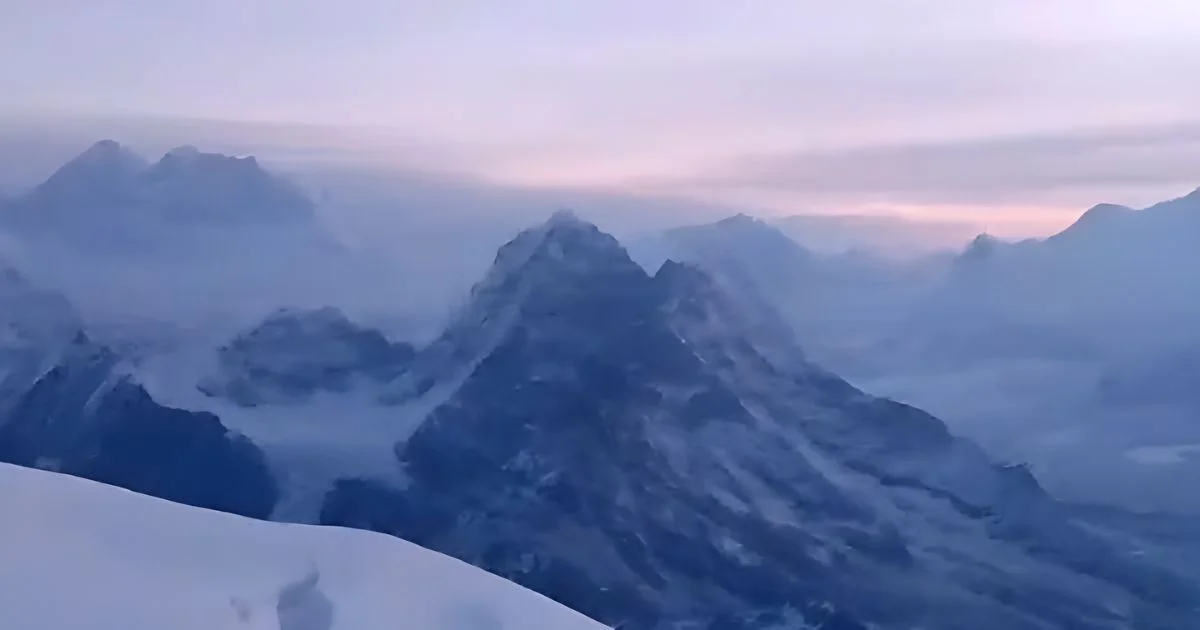
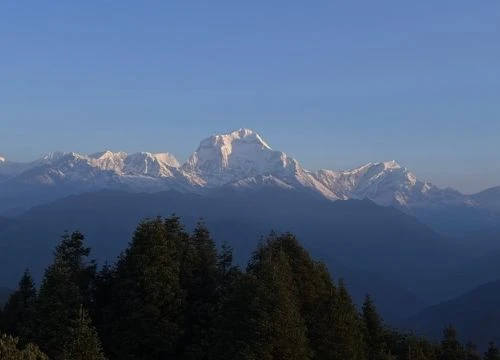
Mountain view
Detailed Seasonal Analysis
Spring Climbing, Weather, Views, Crowds
Spring offers the ideal time for climbing Mera for those prioritising comfort over solitude on this peak in Nepal. Temperatures at Khare Base Camp (5,045 m) range from minus 5°C to plus 10°C during the daytime. However, high camp remains significantly colder, requiring proper insulation systems.
Weather patterns stabilise through April as the jet stream lifts northward across the Himalayas. Weather windows extend to 4-6 consecutive clear days, allowing flexible summit timing for teams. Still, afternoon cloud build-up occurs frequently, though it rarely produces significant precipitation that would threaten attempts.
Aspect
Spring Characteristics
Views
Good but not exceptional due to atmospheric moisture in the lower atmosphere
Landscape
The lower trek showcases blooming rhododendrons, adding vibrant colour throughout the approach
Crowd levels
Peak in April when peak season overlaps with Everest expeditions; expect 50-100 climbers at Khare during busy weeks
Mountain traffic
Rarely feels crowded due to staggered summit attempts across different teams
Autumn Climbing, Weather, Views, Crowds
Autumn provides the best season for Mera Peak for photographers and those seeking exceptional visibility throughout their climb. The post-monsoon atmosphere clears completely, delivering razor-sharp mountain views from the summit of Mera Peak. High-pressure systems dominate, creating stable conditions lasting 7-10 days consistently.
Temperature profiles mirror spring but trend slightly colder in November as winter approaches. Mornings start requiring expedition-weight down layers, while afternoons warm considerably under intense sun. Therefore, clothing systems need greater versatility compared to spring's more consistent temperature patterns.
Flight reliability improves dramatically after September's variable weather settles into autumn patterns
October sees the highest passenger volumes, occasionally creating booking challenges at Lukla
Lodge availability requires advance confirmation during this peak season when many teams choose to climb Mera Peak simultaneously
Summit success rates reach 90% in October due to optimal snow conditions and stable weather systems
Monsoon: Risks and Challenges
Mera Peak in the monsoon presents serious challenges of climbing Mera Peak that only experienced teams should consider attempting. Daily precipitation patterns begin with clear mornings, followed by afternoon storms lasting 2-6 hours. Consequently, summit windows narrow to 4-5 hour pre-dawn periods before weather deteriorates, making timing critical.
Specific risks during monsoon months include:
Avalanche danger on approach slopes from wet, heavy snow accumulation
Hidden crevasses under fresh snow that obscure glacier hazards
Zero visibility during afternoon storms eliminating navigation references
Trail washouts delaying access by several days
Reduced helicopter rescue availability during active weather systems
Weather conditions change rapidly, eliminating the multi-day windows common in spring and autumn climbing season periods. Therefore, teams must move decisively when opportunities arise without extended preparation time. Mera Peak in summer requires carrying more fuel, food, and backup supplies due to extended weather delays that commonly occur.
Some operators offer monsoon season departures at reduced rates, targeting experienced climbers comfortable with uncertainty. However, summit success drops to 50-60%, and itineraries often extend by 3-5 days due to weather holds.
Winter: Pros and Cons
Mera Peak climbing in winter attracts adventurous climbers seeking solitude and testing cold-weather systems for future expeditions. Temperatures regularly reach minus 20°C to minus 25°C at high camp, demanding expedition-grade equipment throughout. Still, the weather remains remarkably stable, with clear skies lasting weeks without interruption from storms.
Winter Advantages
Winter Disadvantages
Absolute solitude on the mountain with few other teams
Extreme cold requiring specialised gear and experience
Crystal-clear visibility for photography of surrounding peaks
Most lodges closed, forcing camping throughout the trek
Stable weather patterns with predictable conditions
Excellent training for 8,000m objectives requiring cold experience
Limited rescue infrastructure and helicopter availability
Therefore, Mera Peak during winter suits only those with previous high-altitude cold-weather experience on similar objectives. Teams need self-sufficiency in equipment and medical response capabilities. However, for properly prepared climbers, January and February offer a unique climbing experience unavailable in busier seasons for climbing Mera Peak.
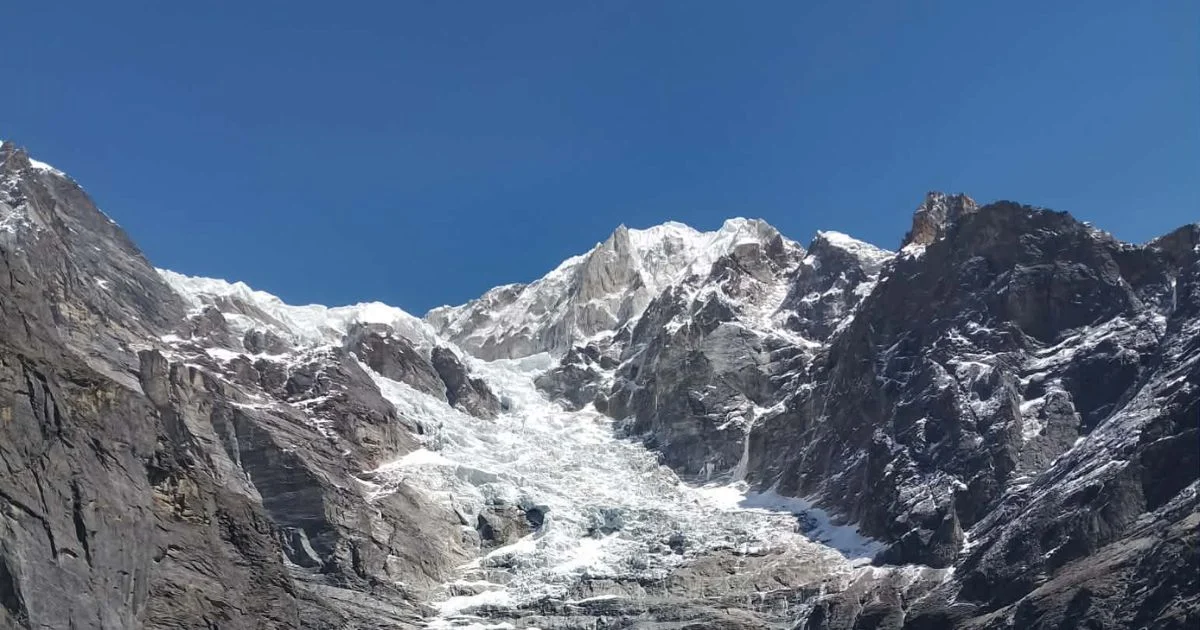
Rocky Mountain on the route of mera peak
Success Factors by Season
Weather Stability and Summit Success
Season
Summit Success Rate
Weather Window Length
Spring & Autumn
85-90%
4-7 consecutive clear days
Monsoon
50-60%
4-5 hour pre-dawn windows
Winter
Variable
10-14 day stable periods
Spring and autumn deliver 85-90% summit success when teams allow proper acclimatisation schedules. However, monsoon season success drops to 50-60% despite adequate preparation and experience. Consequently, selecting the right time directly correlates with your likelihood of successfully being able to reach the summit of Mera Peak safely.
Expeditions build flexibility into schedules, targeting optimal conditions when they arise. Winter offers longer stable periods, but extreme cold creates different challenges requiring specialised management.
Visibility and Mountain Views
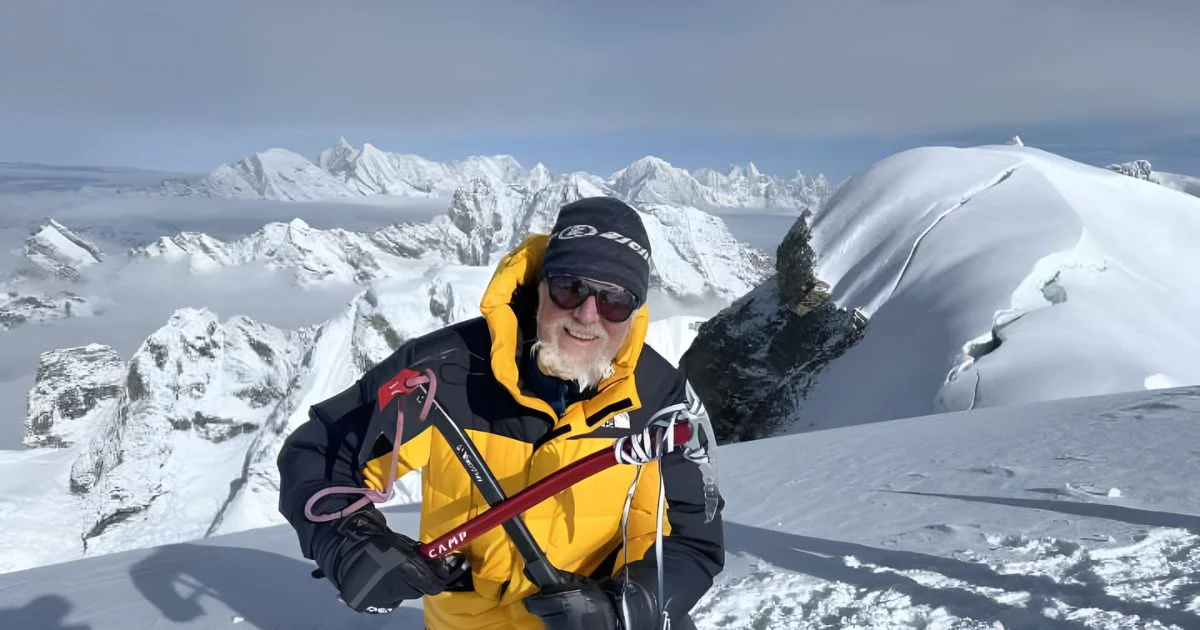
Autumn provides superior visibility for the iconic Himalayan panorama from the summit of Mera Peak. Post-monsoon clarity allows photography of Everest, Mount Makalu, Cho Oyu, Lhotse, and Kanchenjunga from the summit platform. Still, spring offers acceptable views despite atmospheric moisture reducing sharpness somewhat.
Monsoon season eliminates views entirely on most days due to persistent cloud cover throughout afternoons
Winter delivers exceptional clarity matching or exceeding autumn conditions for serious photographers
Flight and Trekking Logistics
Lukla flights operate year-round, but reliability varies significantly by season for Mera Peak climbing:
Season
Flight Reliability
Spring & Autumn
80-90% on-time performance
Monsoon
40-50% reliability
Buffer days before and after the trek prevent missed international connections in Kathmandu. Alternative access via Phaplu or Salleri eliminates flight dependency entirely but adds 4-5 trekking days. However, this option provides better acclimatisation and reduces weather-related stress throughout the approach.
Accommodation and Trail Conditions
Spring and autumn offer full lodge services from Lukla to Khare Base Camp throughout the route. Trail conditions remain dry and well-marked, with bridges intact and route-finding straightforward. Teahouse meals provide adequate nutrition, though variety decreases above 4,500 metres on the trek.
Winter: Trail conditions freeze solid, creating stable footing but requiring microspikes below high camp. Snow accumulation obscures trails, demanding local guide knowledge for safe navigation. Independent winter attempts prove significantly more challenging than guided expeditions with experienced Nepal guides.
Lukla Airport
How Season Affects Safety and Preparation
Altitude Sickness and Weather
Altitude sickness remains the primary medical concern regardless of the season for Mera Peak climbing chosen. However, rapid weather deterioration in monsoon season compounds symptoms when evacuation proves difficult. Conservative acclimatisation schedules matter even more during unstable weather periods when descent becomes challenging.
Proper acclimatisation strategy by season for Mera Peak climbing:
Spring: Standard schedule with comfortable rest days at Kothe and Khare
Winter demands expedition-level cold management beyond typical trekking peak requirements. Temperatures regularly reach minus 25°C, requiring constant vigilance on summit day when exposure lasts 8-10 hours.
Monsoon-Related Hazards
Climbing during the monsoon season introduces hazards absent in other periods throughout the year. Heavy snow loads create avalanche danger on slopes above Mera La approaching high camp. Afternoon electrical storms pose a lightning risk on exposed ridges and summit pyramids with metal equipment.
Critical monsoon considerations:
Trail washouts and landslides complicate access, occasionally trapping teams at altitude for extended periods
Carrying extra food, fuel, and emergency supplies becomes essential for self-sufficiency
Helicopter rescue faces severe limitations during active weather systems affecting the region
Waterproofing gear adequately prevents hypothermia from constant moisture exposure throughout the trek
Packing and Clothing Tips by Season
Season
Essential Gear
Spring
• Three-season sleeping bag (comfort rating minus 15°C minimum)
• Insulated down jacket (600-fill minimum for warmth)
• Midweight base layers for layering flexibility
• Waterproof shell with pit zips for temperature regulation
• Liner gloves plus insulated mittens for hand protection
Autumn
• Four-season sleeping bag (comfort rating minus 20°C recommended)
• Heavier down jacket (800-fill recommended for cold mornings)
• Expedition-weight base layers for summit day attempts
Monsoon
• Full rain gear, including waterproof pants for constant moisture
• Dry bags for electronics and documents protecting valuables
• Extra clothing for constant dampness and limited drying
• Leech protection for lower elevations below 3,500 metres
Winter
• Expedition sleeping bag (comfort rating minus 30°C essential)
• Vapour barrier liner system preventing moisture accumulation
• Expedition down suit or heavy parka for extreme cold
• Double boots or insulated mountaineering boots rated for altitude
Choosing Your Climbing Month
Best Months for a Spring Summit
Late March through mid-May represents the best time for the climb during the spring climbing season. However, April stands out as the optimal month for Mera Peak due to consolidated snow and stable weather patterns. Temperatures allow comfortable summit attempts without the extreme cold exposure that winter brings.
March: Offers solitude but colder conditions and variable snow stability early in the month. Early March suits experienced climbers comfortable with winter-like conditions and self-sufficiency. Late March bridges winter and spring, providing a sweet spot for those seeking fewer crowds while maintaining reasonable weather conditions.
May: Brings warmer temperatures but increased afternoon cloud build-up throughout the region. Pre-monsoon precipitation occasionally begins in late May, creating uncertainty for summit timing. Early May remains viable for those avoiding April's peak season crowds and seeking a warmer time for climbing Mera Peak conditions.
Best Months for an Autumn Summit
October represents the best month to climb Mera Peak during the autumn climbing season for most climbers. Weather stability peaks, visibility reaches annual maximums, and temperatures remain moderate throughout. Lodge services operate at full capacity, simplifying logistics for commercial expeditions.
Month
Characteristics
Late September
Transitional period as post-monsoon conditions stabilise across Nepal. Lingering moisture occasionally affects weather reliability in early September.
October,
Provides better certainty while avoiding the busiest crowds that arrive mid-month.
November
Delivers excellent conditions for experienced teams comfortable with colder temperatures approaching winter levels. Crowds diminish significantly after mid-November, offering relative solitude on this peak. Daylight hours shorten and some lodges begin closing for winter, requiring advance arrangements.
Climbing Mera peak
When to Avoid and Why
June through August represent the wrong time for Mera Peak attempts for most climbers seeking optimal conditions. Daily precipitation, poor visibility, and avalanche risk outweigh cost savings and solitude benefits significantly. Therefore, only teams with specific monsoon experience and flexible schedules should consider these months.
December and January demand expertise beyond typical trekking peak abilities and experience levels. Extreme cold, limited infrastructure, and serious frostbite risk make these months suitable only for expedition-level climbers. Additionally, when helicopters encounter operational constraints in the cold winter, rescue capabilities significantly decline.
Itineraries and Timing
Standard 18-Day Mera Peak Itinerary
A typical Mera Peak expedition follows this proven schedule for the time for the ascent:
This schedule allows proper acclimatisation while building buffer capacity for weather delays. The reserve day accommodates weather delays without affecting international flights home. Therefore, 18 days represents the minimum safe duration for the ascent to Mera Peak following proven protocols.
Shorter Itineraries and Seasonal Impact
Some operators offer 14-15 day itineraries by reducing acclimatisation days throughout the route. However, this increases altitude illness risk substantially, particularly for those without recent high-altitude exposure. Shorter schedules suit only climbers arriving pre-acclimatised from previous Nepal treks or expeditions.
Season affects itinerary flexibility significantly when planning your Mera Peak climb:
Spring and autumn: Stable weather allows adherence to published schedules 80-90% of the time
Monsoon season: Demands 2-3 additional buffer days to accommodate weather delays that commonly occur
Winter: Requires extra days for challenging trail conditions and slower travel through deep snow
Buffer Days and Flight Contingencies
Building 2-3 buffer days into your overall schedule prevents missed international connections in Kathmandu. Lukla weather delays occur even during optimal seasons to climb Mera Peak, requiring schedule flexibility. These contingency days allow rest if the climb proves more demanding than anticipated physically.
Alternative strategies for managing flight risk include:
Booking refundable international tickets with change flexibility
Scheduling helicopter backup from Lukla to Kathmandu
Using Phaplu access to eliminate flight dependency entirely
Allowing 4-5 days post-trek in Kathmandu for delays
Therefore, tight schedules increase stress and reduce successful Mera Peak summit likelihood significantly. Adequate buffer time supports recovery if minor illness or injury occurs during the expedition unexpectedly.
Best Time for Mera Peak Climbing: Final Thoughts
October and April represent the best time for Mera Peak climbing for most international climbers seeking stable conditions. These months offer a balance of predictable weather patterns, moderate temperatures, and consistently high summit success rates. During this period, trekking infrastructure operates fully, which simplifies logistics and improves safety margins throughout the Mera Peak climbing route. As a result, most climbers plan their ascent during these key Mera Peak climbing windows to maximise their chances of reaching the summit.
Choosing the right time requires assessing your cold tolerance, crowd preferences, and schedule flexibility honestly. Spring offers warmer conditions and blooming landscapes, while autumn delivers superior visibility and stable weather systems. Both best seasons provide excellent conditions for a successful Mera Peak attempt when proper acclimatisation protocols are followed carefully. Additionally, Mera Peak is spring and autumn's signature trekking peak, attracting those seeking the ideal time for climbing Mera without extreme conditions.
Before embarking on the Mera Peak climbing adventure, careful planning rewards you with spectacular Himalayan views and genuine mountaineering achievement. Your seasonal choice affects safety, comfort, and summit probability more than any other single decision during planning. Therefore, align your time for the ascent with proven weather windows, prepare thoroughly for the altitude and conditions you will encounter, and choose the best season matching your experience level for this, considered one of the best peaks in Nepal with Nepal Everest Base Camp Co. For personalised guidance and bookings, contact us to plan your Mera Peak expedition.
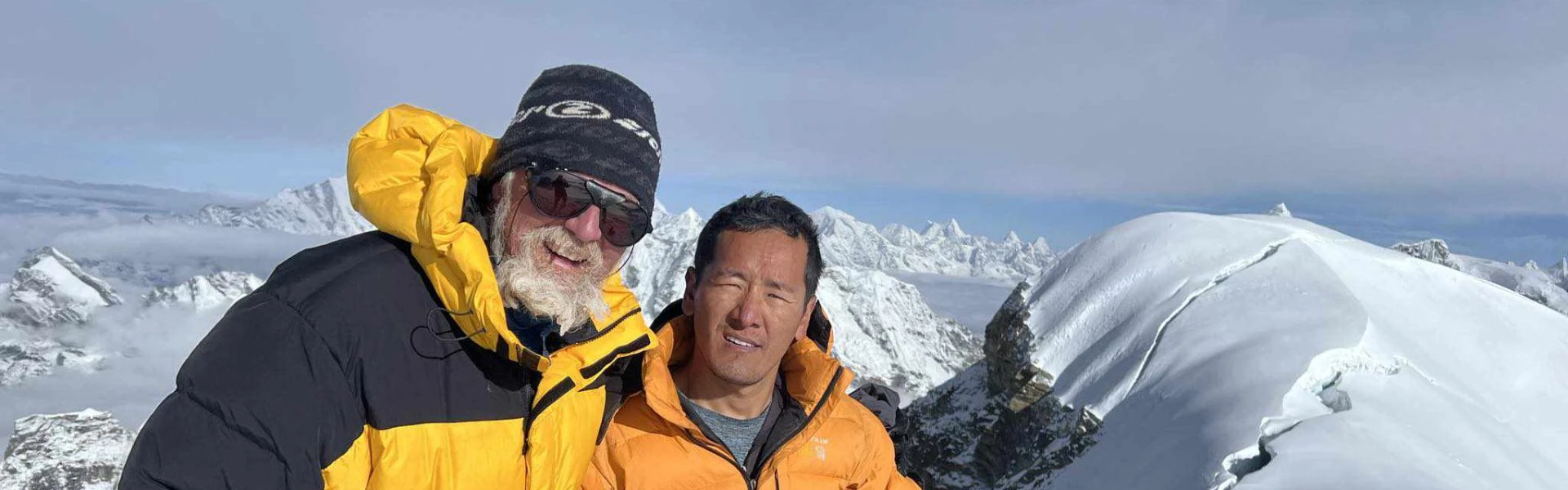
Summit of Mera peak
Best Time for Mera Peak Climbing: FAQs
Is Winter Climbing Possible on Mera Peak?
Yes, Mera Peak climbing in winter is possible for experienced mountaineers with cold-weather expertise and proper equipment. However, temperatures drop to minus 25°C, most lodges close requiring camping, and summit attempts demand expedition-grade equipment and technical competence beyond standard trekking peak requirements for safe completion.
Can Beginners Climb Mera Peak in Every Season?
Beginners with good fitness can climb the Mera Peak successfully during spring and autumn with proper guidance from experienced operators. However, winter climbing and monsoon season attempts require previous high-altitude experience, technical climbing skills, and comfort with challenging conditions that exceed beginner capabilities and training levels.
How Does Weather Affect Permits and Bookings?
Weather conditions do not affect permit issuance, as Nepal authorities issue climbing permits year-round regardless of season. Still, Mera Peak climbing cost varies by season, with discounts sometimes available during monsoon season and winter when demand decreases and operators offer promotional rates to fill expeditions.
What Happens If My Climb Is Delayed by Weather?
Commercial expeditions include buffer days for weather delays in their standard itineraries for flexibility. Moreover, teams typically wait at Khare or high camp for improved conditions, then attempt the summit when the weather clears, making time for climbing Mera Peak; flexibility is essential for successful Mera Peak summit outcomes.
Should I Choose Spring or Autumn for My First Himalayan Peak?
Both best seasons offer excellent conditions for first-time Himalayan climbers attempting a trekking peak like Mera Peak. Choose spring for warmer temperatures and rhododendron blooms, or autumn for sharper visibility and more stable weather patterns throughout your Mera Peak adventure and climbing journey in Nepal.
What Distinguishes Island Peak from Mera Peak?
Mera Peak stands 381 metres higher than Island Peak, making it the highest trekking peak in Nepal by elevation. The Mera Peak ascent requires more emphasis on altitude management and acclimatisation, while Island Peak demands stronger ice-climbing skills on steeper technical terrain throughout the route.
How Much Does Season Affect the Overall Cost?
Mera Peak climbing cost varies by 15-30% between peak season and off-season months throughout the year. Spring and autumn command premium pricing due to high demand and full services available, while monsoon season and winter offer discounts reflecting increased risk and reduced lodge availability across the region.
Is It Possible to Climb Mera Peak Without a Guide?
No climber should attempt Mera Peak alone. While legally possible, most rely on experienced guides for safety, route knowledge, and smooth permit processing. Guides ensure proper altitude illness recognition, glacier navigation, and emergency response in Nepal’s remote Hinku Valley, where self-rescue is nearly impossible.
What Is the Best Month Overall for Mera Peak?
April is the best month overall for climbing Mera Peak when balancing weather, temperature, and success rates. Alternatively, October is considered the best time for autumn attempts with exceptional visibility. Both months represent the ideal time when climbers choose to climb Mera Peak to maximise summit probability safely.
How Should I Plan for the Best Experience?
Plan your Mera Peak attempt by selecting the right time matching your preferences and experience level. Choose the best season based on cold tolerance, then climb Mera Peak with seasonal awareness of specific conditions. Additionally, build adequate buffer days and follow proper acclimatisation to ensure the best Mera Peak climbing experience throughout your expedition.
Blending digital strategy with mountain passion, I help adventurers find their way to the Himalayas online. With hands-on experience in Nepal’s trekking trails and a role at Nepal Everest Base Camp Trekking Co., Thamel, I combine SEO expertise with true trail insight.