The Everest Base Camp trek in August rewards trekkers with quiet trail conditions, lush green hillsides and far fewer crowds at teahouses along the way. Lower costs, blooming rhododendron, and a genuine chance at local festivals add to the appeal. With mild temperatures and the right preparation, this trek in August offers a peaceful, rewarding route to Everest Base Camp.
Everest Base Camp Trek in August: What to Expect
Yes, you can trek to Everest Base Camp in August, and for the right traveller, an Everest Base Camp trek in August is actually a smart choice. Heavy monsoon rain, cloudy skies, shifting weather conditions and possible flight delays out of Kathmandu put most trekkers off this month. Even so, if you value quiet trail time over guaranteed views, this trek rewards you in ways October never will.
Spring and autumn remain the busiest trek seasons in Nepal, and for good reason. Still, this Himalayan Everest region looks completely different in August, with lush green hills, far fewer trekkers on the trail and teahouses with room to spare, since many groups run smaller group departures and give each guest more attention rather than rushing you through a crowded dining hall. However, frequent rainfall and slippery trails mean you will need to prepare differently than you would for a peak season trek.
This guide covers everything you need before booking an Everest Base Camp trek in August, also known simply as an EBC trek in August, with Nepal Everest Base Camp Pvt. Ltd., from weather andtrail conditions to Lukla flights, accommodation and a packing list. Along the way, you will also find a full cost breakdown, a Mount Everest visibility outlook and a month-by-month comparison table. By the end, you will know whether trekking to EBC in August fits your experience level and your travel goals.
Weather and Temperature During the Everest Base Camp Trek in August
Weather in August Across the Everest Region
The weather of Everest Base Camp shifts a great deal by season, and August sits at the tail end of Nepal's monsoon season. So, expect wet, warm and often cloudy conditions through most of the trek. Generally, rain falls in short, heavy bursts rather than all day long. Meanwhile, mornings tend to stay clearer, while cloud cover builds through the afternoon and evening.
Indeed, the Everest region behaves differently depending on elevation. Lower villages like Phakding and Monjo sit inside thick forest and catch the brunt of the monsoon rain. Higher up, past Namche Bazaar, the terrain dries out a bit as the rain shadow effect kicks in.
Temperature from Lukla to Everest Base Camp
Despite the rain, weather in August in the Himalayas is not cold by trekking standards, so a trek during August rarely means battling the deep cold you would face in winter. Daytime average temperature at lower elevations sits between 15°C and 20°C. Meanwhile, at higher elevations near base camp, daytime readings drop toward 5°C to 10°C and can fall below freezing at night.
Rainfall, Monsoon Weather, and Mountain Visibility
Rainfall in August across the Khumbu region averages around 150mm to 200mm, concentrated mostly in the afternoon and overnight hours. This is roughly the same as July and August, since both sit deep inside the monsoon season in Nepal.
Cloud cover is the real trade-off. Mountain views of Mount Everest and Ama Dablam do happen, usually in short windows early in the morning before clouds roll in.
Early August vs Late August
Early August tends to bring steadier rain and thicker cloud. Late August starts to show early signs of the monsoon easing off. Trekkers who can shift their departure toward the final week of the month of August often get a slightly better mix of dry trail time and visibility.
Pros and Cons of Trekking to Everest Base Camp in August
Like any Everest trek, an arduous trek has its trade-offs. Here is what actually works in its favour and what does not.
Why Some Trekkers Prefer August
Fewer trekkers and less crowded teahouses, even at popular stops like Namche Bazaar and Tengboche
Lush green hillsides and blooming rhododendron along lower sections
Lower accommodation and flight prices compared with peak season
A quieter, more contemplative atmosphere at monasteries like Tengboche
A real chance to catch local festivals such as Janai Purnima and Krishna Janmashtami, both of which usually fall in August
Challenges You Should Prepare For
Daily rain and slippery trails, particularly at lower elevations
Higher risk of flight delays into Lukla due to poor visibility
Reduced odds of clear mountain views at viewpoints like Kala Patthar
Leech activity on lower forested sections of the trail
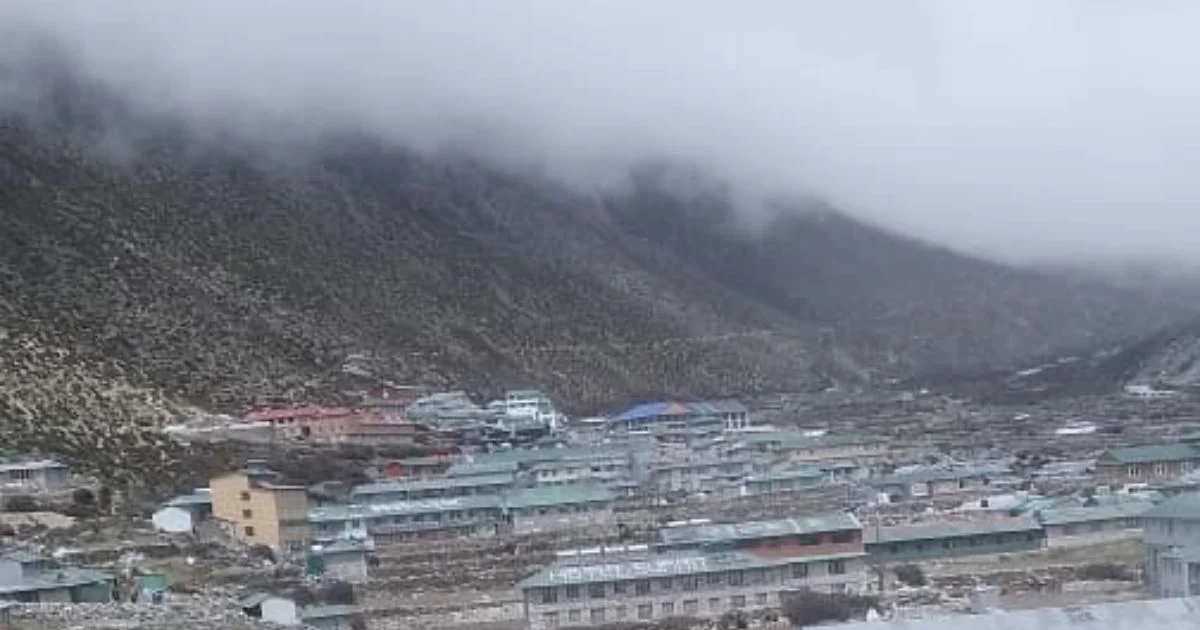
Weather condition of Pheriche village
Lukla Flights During August
Flight Delays and Weather Disruptions
Lukla flights out of Kathmandu depend entirely on clear morning visibility, and August cloud cover makes that far less reliable than in October or November. Therefore, any trek in the Everest region this month should treat flight delays as the norm rather than the exception. A day or two of delay is not unusual, and full cancellations happen when cloud sits low over the valley.
How Many Extra Days Should You Keep?
Build in at least 2 to 3 buffer days around your Lukla flights, both on arrival and departure. This single adjustment protects your trip more than any packing choice ever could.
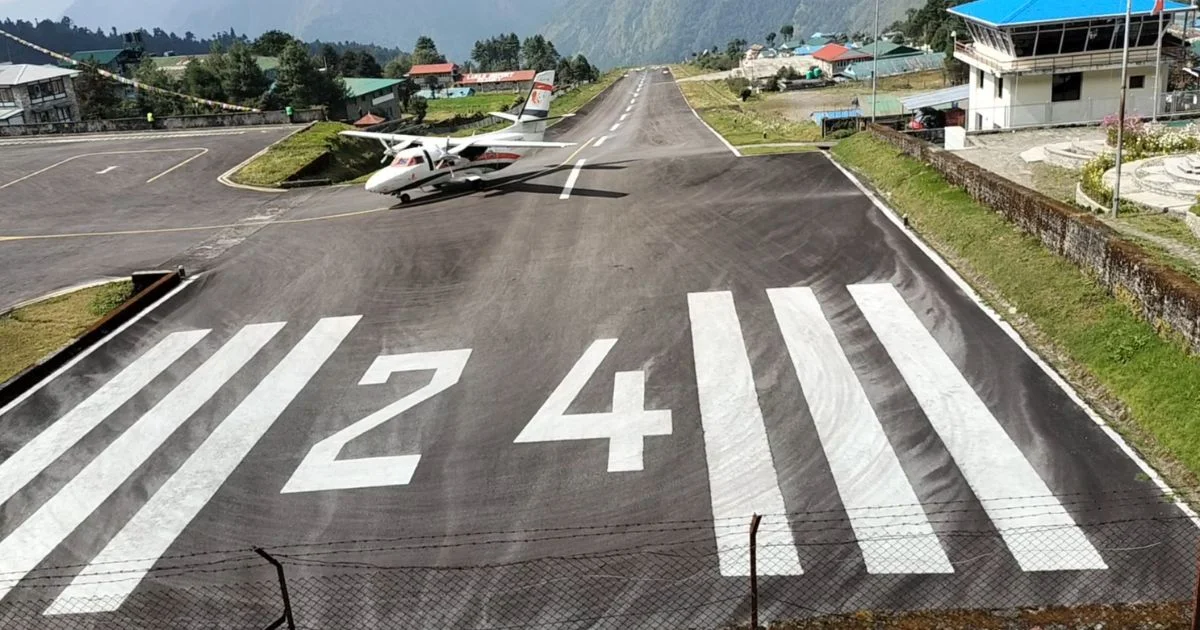
Lukla Airport
Everest Base Camp Trek Itinerary for August
Does the Standard Itinerary Change?
The core day-by-day itinerary for the Everest Base Camp trek does not really change in August. In other words, a base camp trek during August follows the same distances, overnight stops and acclimatisation days as any other season.
Recommended Buffer Days
What changes is how much slack you build around it. A standard 12 to 14 day itinerary still works, but adding 2 extra buffer days for Lukla flights and slow trail days keeps your trip realistic rather than optimistic.
Accommodation, Food, and Teahouses in August
Are tea houses open?
Yes. Most tea houses along the route stay open in August, run by the same Sherpa families who host trekkers all year, since local trekkers, porters and supply traffic keep moving regardless of rain. That said, a handful of smaller, seasonal lodges at higher altitude do close, but the main trail stays well served.
Food Availability
Food and accommodation barely change. Dal bhat, noodle soups and basic Western options remain on every teahouse menu. Fresh vegetables can get harder to source at higher elevations if a landslide briefly blocks a supply route.
Crowds During the Monsoon Season
This is where trekking in August really stands apart. Anyone who books a trek during this time will notice it immediately: teahouses that fill up fast in October often sit half empty in August, giving you more room, quicker service and a better shot at a private room instead of a shared dorm.
Everest Base Camp Trek Cost in August
Permit Fees
Permit costs for Sagarmatha National Park entry and the local Khumbu Pasang Lhamu fee stay fixed year round, so they do not change in August. Budget around $50 total for both permits combined.
Guide and Porter Costs
Guide and porter rates stay largely the same during the monsoon season, whatever the change in demand. A porter usually costs $25 to $30 per day and a guide $30 to $45 per day, though rates vary by agency.
Packing List for the Everest Base Camp Trek in August
Essential Clothing
Layering matters more than raw warmth this month. Pack quick-dry base layers, a light fleece, and a proper waterproof shell rather than the heavy insulated jacket you would need in winter.
Rain Protection
A full packing list for August needs serious rain gear, not an after-thought poncho. Bring a rain cover for your pack, waterproof trouser coverings, and a waterproof jacket with a minimum 10,000mm rating.
Trekking Equipment
Sturdy waterproof boots with solid ankle support
Trekking poles for muddy and uneven ground
Dry bags to protect electronics and documents inside your pack
A headtorch, since low cloud can bring early darkness
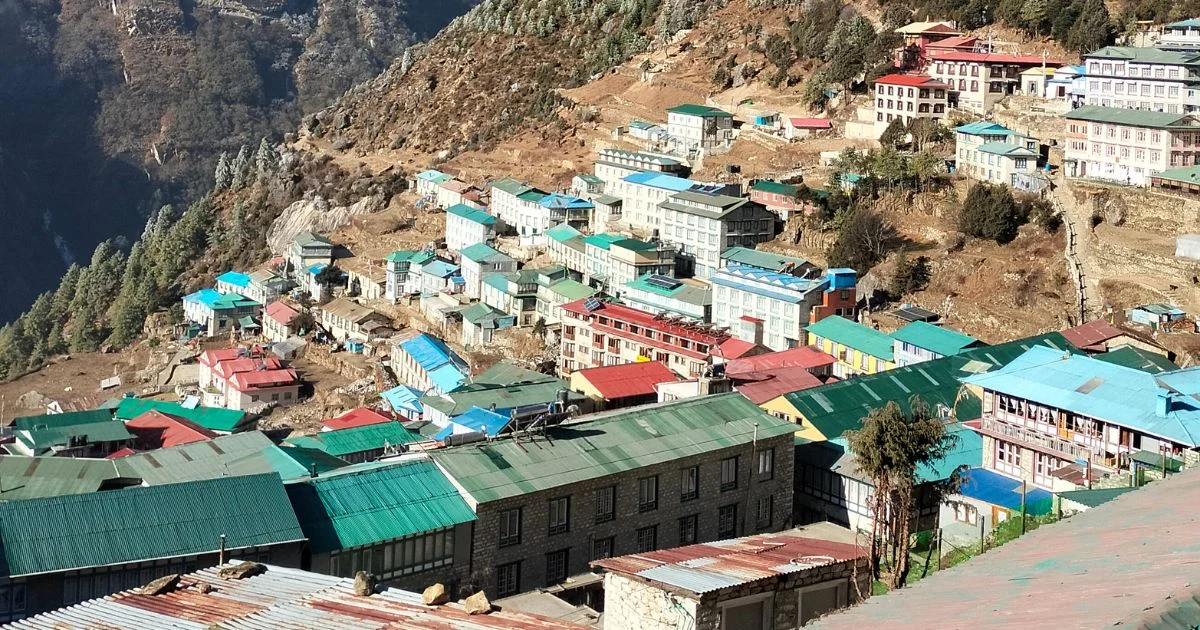
Namche Bazzar
Health and Safety Tips for Trekking in August
Altitude Sickness During the Monsoon
Altitude sickness risk does not change with the season. The same acclimatisation rules apply at high altitude in August as they do in October, so climb slowly and rest on schedule regardless of the weather.
Staying Safe on Wet Trails
Wet rock and mud raise the chance of a slip more than altitude ever does. Slow your pace on descents, use your trekking poles properly, and test your footing before shifting your full weight onto steep, wet ground.
Hiring a Guide and Porter
Hiring a guide matters more in August than in clearer months. A local guide knows which sections flood, which shortcuts turn dangerous after rain, and how to adjust pace when the trail slows you down.
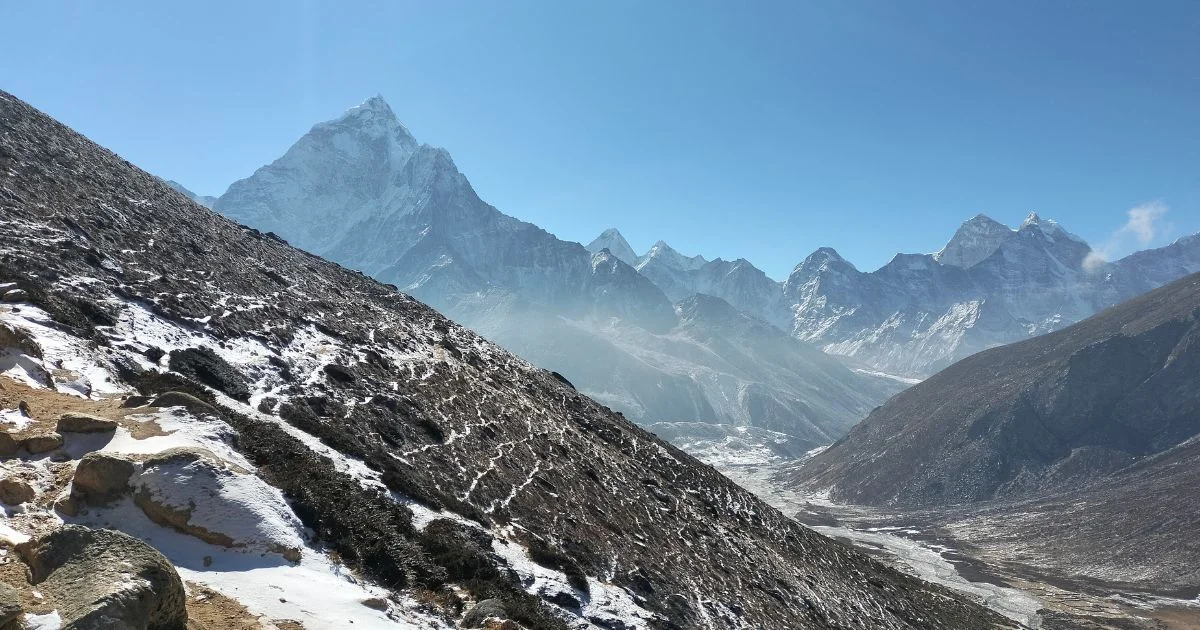
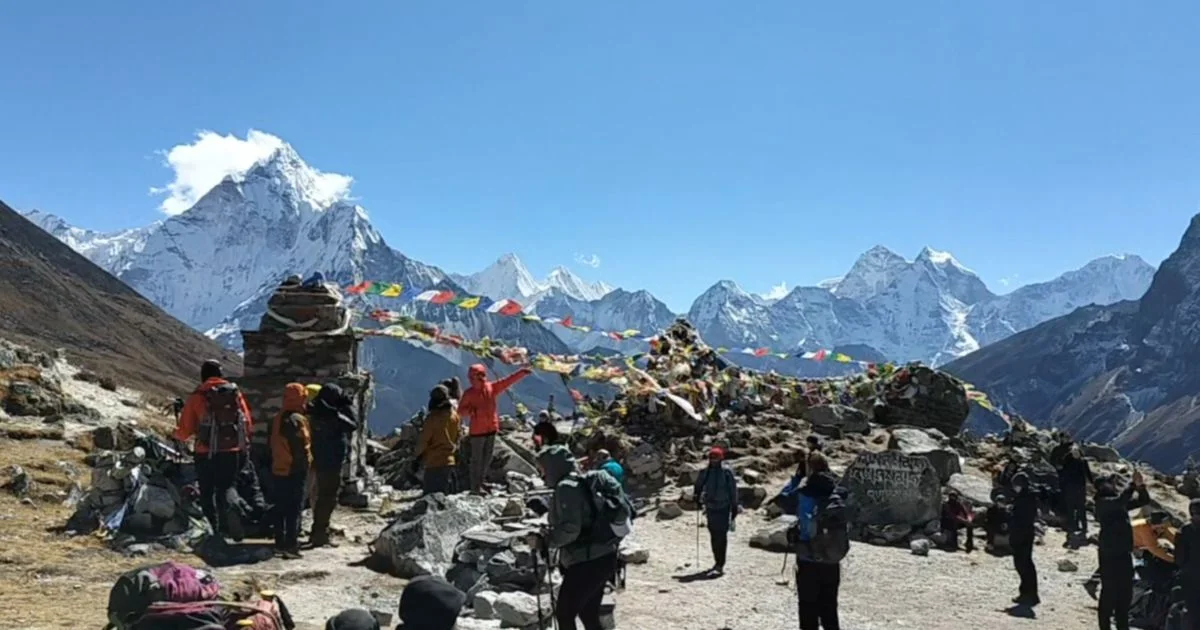
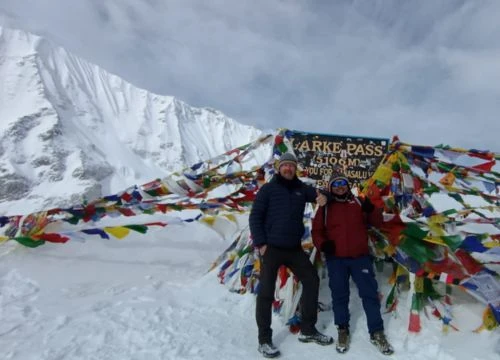
mountain view from Thukla Pass
August vs Other Months for the Everest Base Camp Trek
August vs July
August and July sit inside the same monsoon window, with nearly identical rainfall and trail conditions. There is little practical difference between booking one over the other.
August vs September
September starts to dry out as the monsoon eases, giving slightly better visibility odds while keeping some of August's quieter trails and lower prices.
August vs Spring and Autumn
Spring and autumn remain the clearest and busiest windows for mountain views, but they also bring the highest costs and the most crowded teahouses on the Everest Base Camp route.
Month
Visibility Odds
Rainfall
Crowding
Flight Reliability
March-May (Spring)
High
Low
High
Good
June-August (Monsoon)
Low-Moderate
High
Low
Moderate
Sept-Nov (Autumn)
Very High
Low
Very High
Good
Dec-Feb (Winter)
High
Very Low
Low
Moderate
Everest Base Camp Trek in August | Our Final Take
An Everest Base Camp Trek in August rewards trekkers who want quiet trails, lush scenery and a genuinely different side of the Khumbu region. Fewer trekkers on the path mean more room in teahouses, more attention from your hosts, and a trail that feels like your own rather than one shared with hundreds of others heading the same direction. If that sounds like the trip you want, this is a genuinely good month to go.
Build a few buffer days around your Lukla flights, pack proper rain gear and travel with a guide who knows the monsoon season trail well. These three choices turn the wet season into a smooth, manageable trek, and most trekkers who follow them come away glad they chose August over the crowded alternatives.
Talk to us at Nepal Everest Base Camp Pvt. Ltd., a team that runs trips through the monsoon season and knows current trail conditions firsthand. With the right team and the right expectations, August turns out to be a rewarding time to reach base camp, one built around solitude and green hillsides rather than a race for trail space. Contact us today to start planning your trek in August.
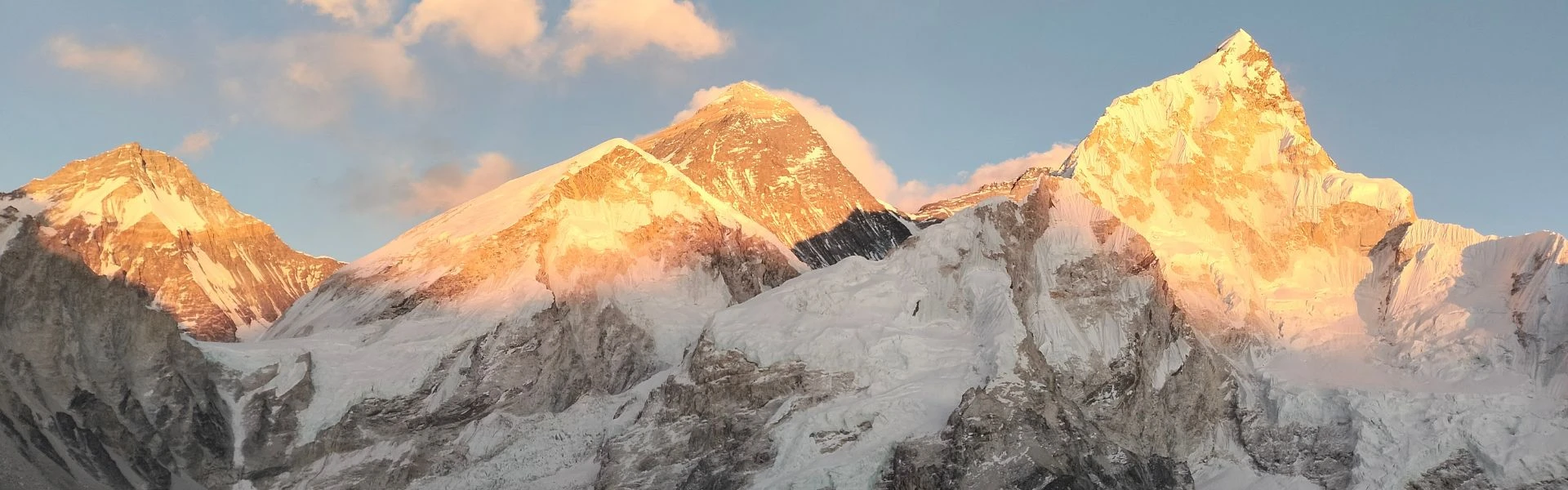
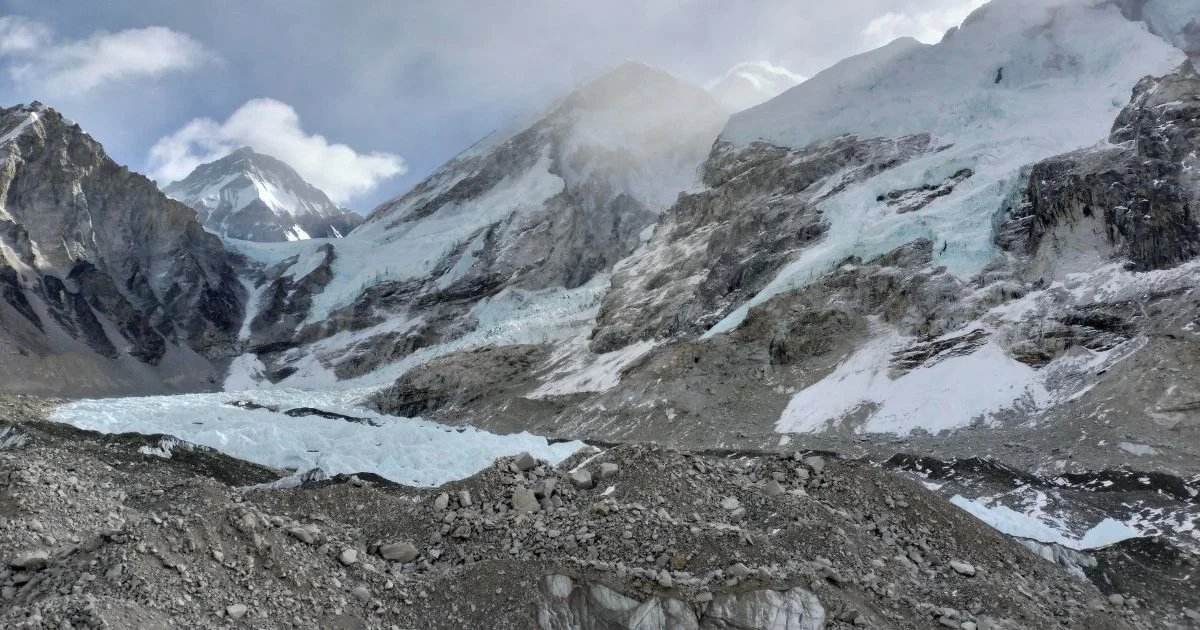
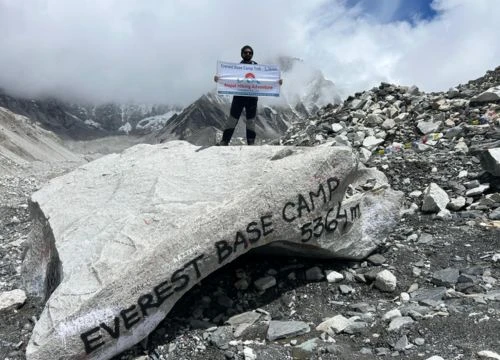
Everest base camp final destination
Everest Base Camp Trek in August: FAQs
Is August a Good Time for the Everest Base Camp Trek?
Yes, August works well if you prioritise quiet trails and lower costs over guaranteed views. Expect regular rain, but the trade-off is fewer crowds and greener scenery throughout the Everest region.
Does It Rain Every Day at Everest Base Camp in August?
Not every day, but rain is frequent, usually arriving in the afternoon or evening. Mornings tend to stay clearer, giving you a better window for walking and photos.
Are Lukla Flights Frequently Cancelled in August?
Delays and short cancellations happen more often than in autumn, mainly due to low cloud cover. Building 2 to 3 buffer days into your itinerary protects your schedule.
What Is the Temperature at Everest Base Camp in August?
Daytime temperatures at base camp sit around 8°C, dropping below freezing overnight. Lower villages like Namche Bazaar stay noticeably milder throughout the day.
Is the Everest Base Camp Trek Safe During the Monsoon Season?
Yes, with the right preparation and a guide familiar with wet season conditions. Slippery trails and leech-prone lower sections need caution, but the route itself stays open and manageable.
Blending digital strategy with mountain passion, I help adventurers find their way to the Himalayas online. With hands-on experience in Nepal’s trekking trails and a role at Nepal Everest Base Camp Trekking Co., Thamel, I combine SEO expertise with true trail insight.