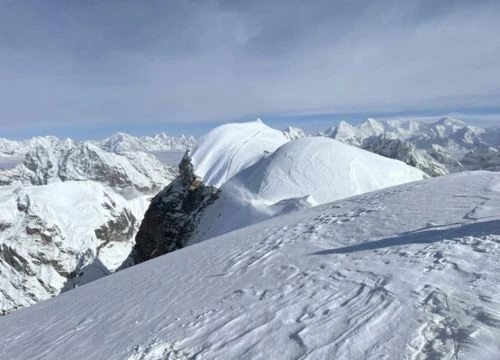
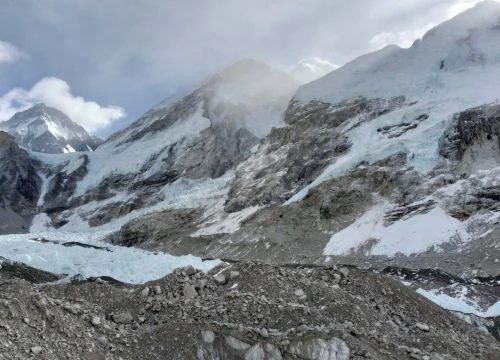
Most trekkers arrive at Monjo Village without fully knowing what to expect. They have heard of Lukla, planned around Namche Bazaar, and mapped the bigger picture of the Everest Base Camp trek. Yet this small settlement sits quietly between those two points, doing work that rarely gets credit but always gets noticed on the trail. It is the place where the forest thickens, the river roars below iron bridges, and a park official stamps your permit before the real climb begins.
Tens of thousands of tourists travel the same route from Lukla to Sagarmatha National Park on the well-known trek to Everest Base Camp in Nepal every year. Some choose Phakding as a rest point. Others push directly for Namche Bazaar. Monjo Village, however, offers a third option, one that is rarely over-explained in standard itinerary guides, yet consistently shapes how trekkers feel on Day 2 of the journey.
This guide covers everything a trekker needs to know: the location, the role as the official entry point to Sagarmatha National Park, what to expect on the trail, and how to decide whether to stay or continue. By the end, you will have a clear picture of whether this stop belongs in your plan and exactly how to use it well, with insight from Nepal Everest Base Camp Co. to support your Everest Base Camp trek planning.
Monjo Village at a Glance
Monjo Village is a small village tucked into the Khumbu region of Nepal. It stands at an altitude of approximately 2,835 meters, sitting between Phakding Village below and Namche Bazaar above on the classic Everest Base Camp trek route. In fact, this small village is one of the few stops on the trail that serves both as a practical checkpoint and a genuine rest point before the hardest climb of the lower valley.
Detail
Information
Altitude
2,835 meters
Region
Khumbu, Nepal
District
Solukhumbu
Position on Route
Between Phakding and Namche
Primary Role
Sagarmatha National Park entry gate
Trek Day
Typically Day 2 lunch stop
Trekkers stop here for three main reasons: to clear the park checkpoint and register permits, to rest before the steep Namche Bazaar climb ahead, and to eat lunch at one of the local teahouses along the trail.
The village is situated at a point where the Dudh Koshi River bends sharply through a narrow gorge. Pine forests cover the slopes above, and the sound of the river stays with you from the moment you arrive.
Geographic Setting and Trail Environment
The trail through Monjo Village follows the Dudh Koshi River Valley, one of the most recognisable stretches of the Everest Base Camp trek trail. The river runs fast and cold here, and the path crosses it on a series of suspension bridges strung between the canyon walls.
Dense forest surrounds the area. Rhododendron trees line the lower sections of the trail, and pine forests close in above. On clear mornings, peaks such as Thamserku appear above the treeline to the northeast, giving trekkers their first real sense of the mountains ahead.
Key geographic features along this stretch include the following:
The Dudh Koshi River running through the gorge below
Multiple suspension bridge crossings between Phakding and the village
Open panoramic hillsides above the tree belt near Thumbug
The terrain here is moderate. There is no serious elevation change until the trail leaves the village and begins the long ascent toward Namche Bazaar. Additionally, the setting near Monjo provides a peaceful transition before the more challenging sections ahead.
Route Position on the Everest Base Camp Trek
Monjo Village sits at a precise midpoint along the route to Everest Base Camp. Understanding its position helps you plan your daily distances and make better pacing decisions on the way to Namche.
Village
Altitude (m)
Distance from Lukla
Trek Time from Lukla
Lukla
2,860
0 km
0 hours
Phakding
2,610
~8 km
3-4 hours
Monjo Village
2,835
~13.5 km
5-6 hours
Namche Bazaar
3,440
~19 km
7-9 hours
The Phakding to Monjo Village section covers roughly 5.5 kilometres. The trail follows the river closely, crossing multiple suspension bridges before reaching the park gate. It takes most trekkers about two hours at a steady pace.
Beyond Monjo Village, the character of the trail changes completely. The path leaves the valley floor and climbs steeply through pine forest for approximately 600 meters of altitude gain before reaching Namche Bazaar. That climb is why this stop matters so much as a rest and decision point.
The climb onwards to Namche Bazaar is the most physically demanding stretch of the first two days. As a result, most guides will tell you to eat well here before attempting it.
Lukla to Monjo Village Trek Experience
The walk from Lukla to Monjo Village takes most trekkers between five and six hours. Day 1 typically ends in Phakding, which means the full distance from Monjo to Namche Bazaar is split across two mornings.
The trek from Lukla to Phakding on Day 1 is straightforward. The trail descends gently through terraced farmland and crosses several suspension bridges over the Dudh Koshi River. Trail conditions are generally excellent, and the altitude change is modest.
What to expect on this stretch:
Mixed terrain with flat river valley sections and short climbs
Several suspension bridge crossings, some very long and exposed
Yak and mule trains sharing the trail regularly
Checkpoint stops at smaller villages along the way
Increasing tree cover as you approach the park gate
Prayer flags strung across gorges and bridges throughout
The trail difficulty on this section is rated moderate. New trekkers sometimes underestimate the cumulative fatigue of the river crossings and the uneven stone path. Steady pacing matters more than speed at this stage.
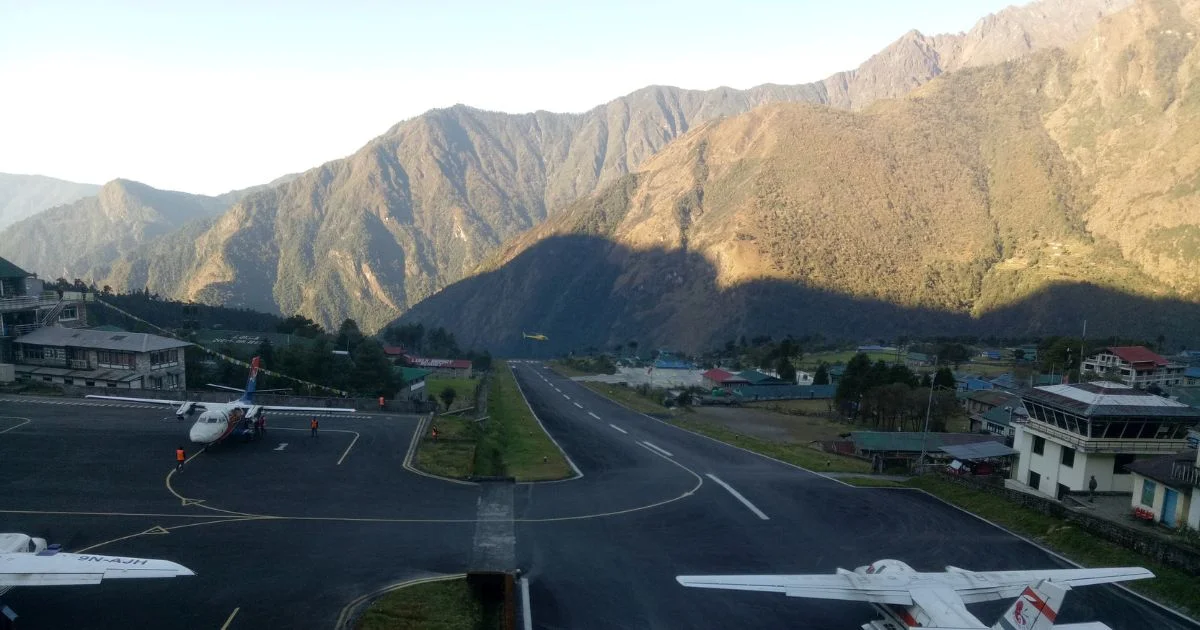
Lukla Airport
Sagarmatha National Park Entry Point
Monjo Village is the official entry point into Sagarmatha National Park, a protected area and UNESCO World Heritage Site covering the high-altitude terrain around Mount Everest. Every trekker heading to Everest Base Camp must pass through this checkpoint.
The entrance to Sagarmatha National Park sits just above the main settlement, marked by a gate, signage, and a small administrative building. Park officials check permits here and record entry details. Near the entrance, the trail narrows and the forest thickens noticeably. The process is generally quick but can take longer during peak season when queues build.
From this point onwards, camping outside designated areas is restricted, and all waste must be managed according to park regulations.
Permits required at the checkpoint:
Sagarmatha National Park permit
TIMS card (Trekkers' Information Management System)
National park permit receipt from Kathmandu or Lukla Airport
Trekkers must have all documents ready at the gate. Officials cross-check names against permit records, so make sure the spelling matches your passport exactly. If you arranged your trek through a registered agency in Kathmandu, your guide will typically handle this process.
Near the entrance of Sagarmatha National Park, the park boundary is clearly marked, and the ecological rules that apply throughout the high-altitude terrain above come into effect immediately. Trekkers entering here are moving into one of the most protected high-altitude ecosystems in the world.
Monjo Village as a Lunch Stop and Trekking Break Point
On a standard Everest Base Camp trek itinerary, most trekkers reach Monjo Village around midday on Day 2. This timing makes it a natural lunch stop before the demanding climb to Namche Bazaar that follows.
The teahouses in Monjo Village serve full hot meals throughout the day. The food is simple and reliable. A plate of dal bhat, a bowl of noodle soup, or a stack of chapati with eggs will all do the job well before the climb.
Why stopping here matters:
The ascent to Namche Bazaar gains around 600 meters in under four kilometres
Starting that climb without food and rest leads to a slower pace and early fatigue
A lunch break here gives your legs 30 to 45 minutes of rest at a critical moment
The teahouses also allow you to refill water and recharge batteries
Eating a proper meal here is not just practical. It is, in fact, one of those small decisions that separates trekkers who arrive in Namche Bazaar feeling good from those who arrive exhausted. The trail does not ease up after the park gate. The climb starts fast and stays steep.
Stay or Pass Through Monjo Village
This is the question most trekkers ask when they first study the route. The answer depends on your fitness level, your itinerary, and how you felt on Day 1.
When to stay overnight:
You left Lukla and walked all the way to the village on Day 1 (rare but possible)
You are managing early signs of altitude fatigue or headache
Your group is moving slowly and losing daylight before reaching Namche Bazaar
You prefer a quieter night before the Namche Bazaar crowds
When to continue on the way to Namche Bazaar after lunch:
You overnighted in Phakding and felt strong after the morning walk
You started early and have enough daylight remaining
Your guide confirms the Namche Bazaar climb is manageable in the time available
You want to maximise acclimatisation time in Namche Bazaar before moving to higher altitudes
Most standard itineraries treat Monjo Village as a pass-through with a lunch break. Staying overnight, however, is the right choice when your body or your clock indicates it is necessary. There is no wrong decision here, provided it is based on real conditions rather than optimism.
Scenario
Recommended Stop
Strong legs, early start, full day ahead
Continue to Namche
Mid-afternoon arrival, tired group
Stay here
Any signs of altitude symptoms
Stay here
Short itinerary, maximising time
Continue to Namche
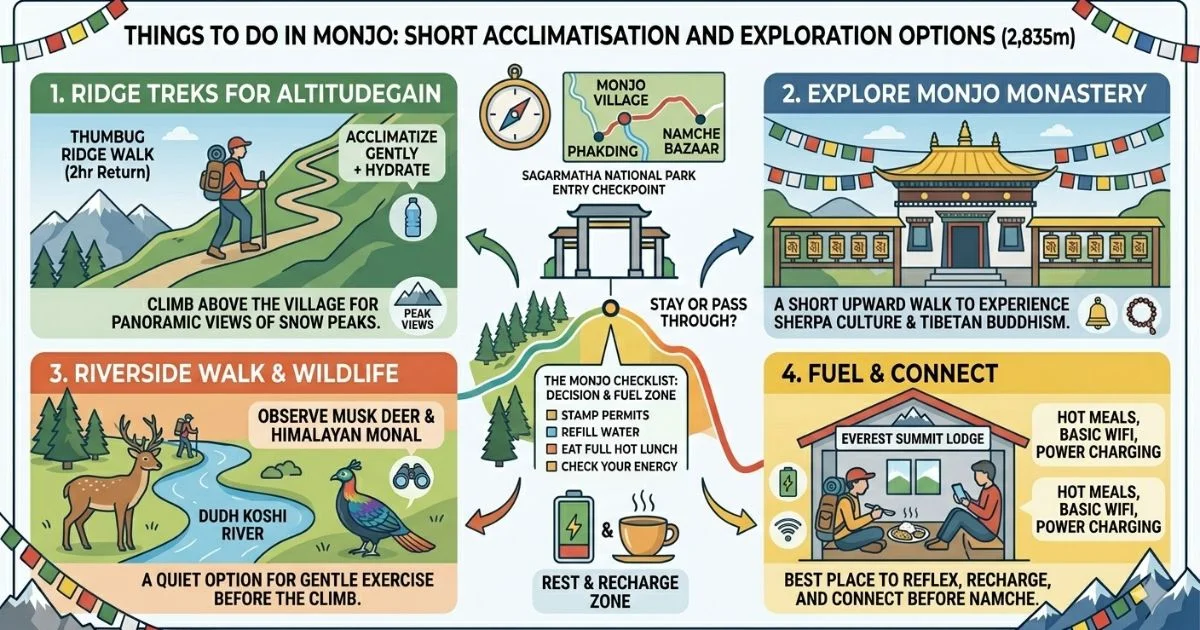
Things to Do in Monjo: Short Acclimatisation and Exploration Options
One thing to do in Monjo Village that few trekkers mention is the Thumbug Ridge walk above the village. This short trail climbs above the settlement and opens out onto a hillside with panoramic views of the surrounding peaks. The return walk takes about two hours and adds minimal altitude gain. It is an excellent option for trekkers spending a rest day or arriving early in the afternoon.
Short exploration options near Monjo:
Thumbug Ridge walk. A two-hour return trail through pine forests, offering views of the Himalayas above the tree belt. Best done in the morning when skies are clearest.
Monjo Monastery visit. The Monjo Monastery sits above the village, surrounded by prayer flags and mani walls. The walk up takes about 20 minutes from the main trail.
Riverside walk. Following the Dudh Koshi River south from the settlement gives you a quiet stretch of path away from the main trekking route.
Wildlife is also worth watching around Monjo Village. The forest above is home to musk deer, and you can regularly spot the Himalayan monal, Nepal's national bird, in this altitude band. Mornings offer the best chance of spotting both.
The Monjo Monastery is a small but well-maintained structure reflecting the Tibetan Buddhist tradition common throughout the Khumbu region. Prayer wheels line the entrance wall, and the site is open to visitors who approach respectfully.
Infography: Things to do in Manjo
Local Culture and Sherpa Life in Monjo Village
Monjo Village is a Sherpa village at its core. The families here have lived along this stretch of the Everest Base Camp trek trail for generations, and the rhythms of daily life run alongside the seasonal flow of trekkers passing through.
The Sherpa community here is small. Most residents run teahouses or work as porters and guides on the Khumbu trails. Sherpa culture is visible in the mani walls along the path, the prayer flags strung above doorways, and the Monjo Monastery on the hillside above the settlement.
Cultural elements you will notice here:
Mani walls built from carved prayer wheels and flat stones along the trail
Prayer flags in blue, white, red, green, and yellow strung across rooftops and gorges
Buddhist Tibetan-style architecture in the Monjo Monastery
Stone houses with low doorways and flat roofs common to the Khumbu region
Yak grazing on terraced land above the village
The relationship between Sherpa people and trekking tourism is most visible in this part of the valley. Unlike Namche Bazaar, which has expanded into a busy market town, the pace here is slower. Conversations between trekkers and local families are more natural and less transactional.
Nepali phrases go a long way in a settlement this size. A simple "Namaste" at the teahouse door, or a polite wait while a yak train passes through the narrow path, signals to local families that you understand where you are.
Accommodation in Monjo Village
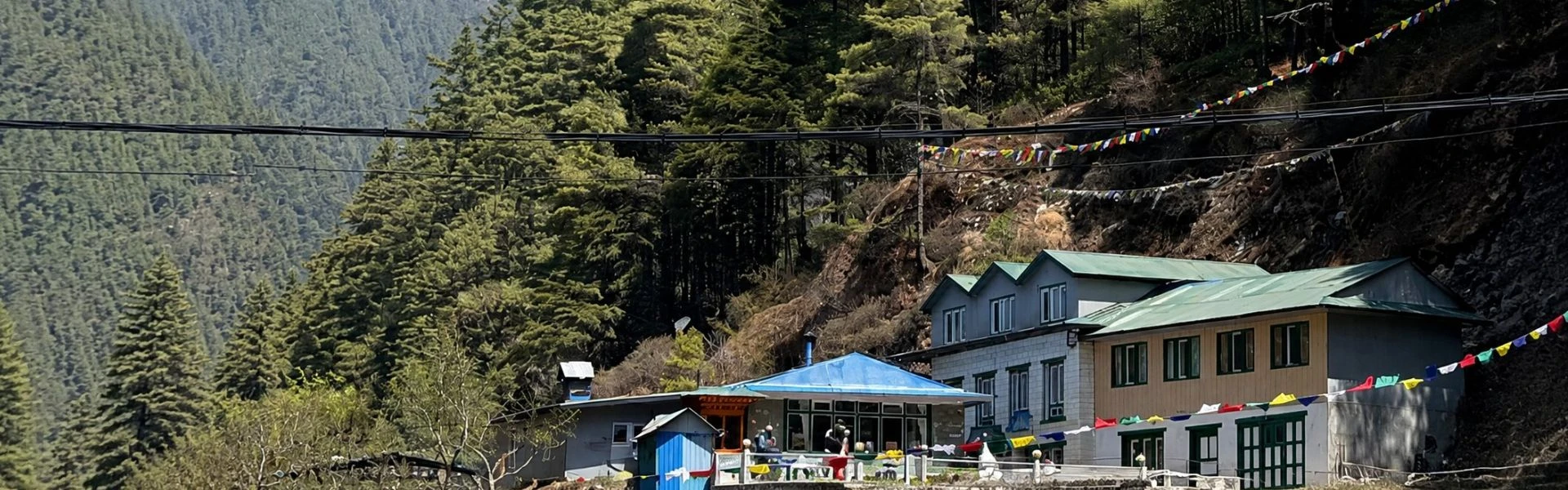
The lodges in Monjo Village are built for function, not luxury. They are clean, warm enough for the altitude, and well-suited to trekkers who need a solid night's rest before continuing along the Everest Base Camp trek route. One of the more well-known options along this section is the Everest Summit Lodge, which provides dependable rooms and a comfortable eating space for hikers arriving from Phakding.
Most lodge options here offer rooms with twin beds, a shared dining area, and basic toilet facilities. Hot showers are available in some teahouses for an additional charge. Blankets are provided, but a sleeping bag liner adds comfort at this altitude.
What to expect from lodges here:
Simple rooms with twin beds and wooden furniture
Shared bathrooms with squat and seated toilet options
Dining rooms with wood stoves for warmth in the evenings
Charging points for devices, typically in common areas
Wi-Fi available in most lodges, though speed varies significantly
Proximity to the Sagarmatha National Park gate means that lodges here fill up faster than expected during spring and autumn peak seasons. Accordingly, booking ahead is wise if you plan to overnight rather than push to Namche Bazaar.
When to choose Monjo Village over Phakding or Namche Bazaar:
Reason
Choose Here
Arrived mid-afternoon, tired
Yes
Want quiet surroundings
Yes
Need park permit sorted early
Yes
Want more facilities and food choices
No, choose Namche
Tighter budget, simpler comfort
Yes
The lodge rate here is generally lower than in Namche Bazaar. Rooms are often offered at a reduced rate when you eat dinner and breakfast in the same establishment. This is standard practice across the Khumbu region.
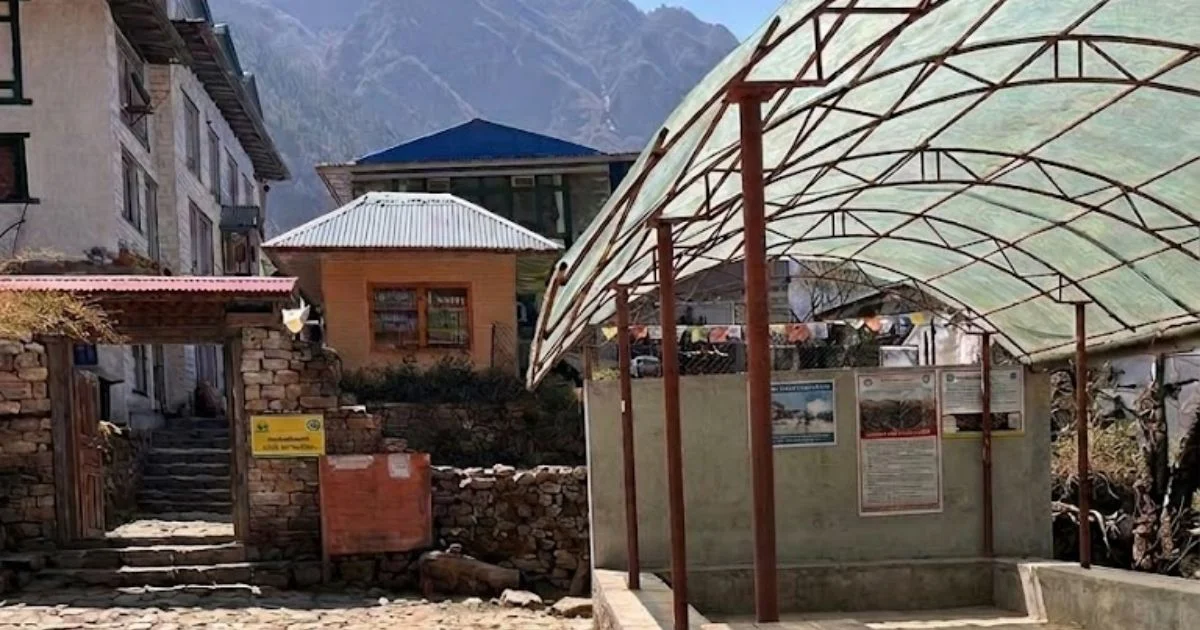
Hilly view from Manjo Village
Food and Dining in Monjo Village
The food available here covers the full range of standard trekking meals. The teahouses serve the same menu you will find across most stops on the Everest Base Camp trek, with a few local additions worth trying.
Typical meal options in the teahouses:
Dal bhat with vegetable curry and pickle. The most filling and energy-efficient meal on the trail
Pasta with tomato or garlic sauce
Egg dishes including fried, scrambled, and omelette variations
Noodle soup and Tibetan bread
Porridge, muesli, and pancakes for breakfast
Tea, coffee, hot lemon, and ginger drinks throughout the day
Hygiene standards are generally reliable. Choose teahouses that show signs of active cooking and regular guests. Avoid pre-prepared cold food. Stick to hot meals and sealed bottled drinks when water purification is not available.
The lunch stop here is particularly well-timed. Most trekkers arrive hungry after the morning walk from Phakding, and the meal fuels the climb to Namche Bazaar that follows. A hot bowl of soup or a plate of dal bhat takes about 30 minutes to prepare and another 20 to eat. Factor that into your afternoon schedule.
Prices increase slightly compared to Kathmandu and lower trail stops, but the gap is not dramatic at this altitude. Budget roughly 600 to 900 Nepali rupees per main meal.
Altitude and Acclimatisation Context
Monjo Village is located at 2,835 meters, barely above Phakding at 2,610 meters and far below Namche Bazaar at 3,440 meters. At this stage of the journey to Everest Base Camp, most trekkers are not yet dealing with serious altitude effects. Still, the body is adjusting.
Village
Altitude (meters)
Acclimatisation Risk
Lukla
2,860
Low
Phakding
2,610
Low
Monjo Village
2,835
Low-moderate
Namche Bazaar
3,440
Moderate
Everest Base Camp
5,364
High
Common symptoms trekkers report at this altitude include mild headache, slight breathlessness on climbs, and disrupted sleep. These are normal signs of adjustment and not reasons to stop unless they worsen.
How to support acclimatisation at this stop:
Drink 3 to 4 litres of water per day
Avoid alcohol on the first few nights
Walk slowly and breathe steadily on the trail
Do not push to higher altitudes if you feel unwell here
Use the short ridge walks in the area as gentle altitude-gain exposure
Ascending too fast is the primary cause of altitude sickness on the Everest Base Camp trek. Monjo Village provides a natural pause point. Even trekkers not staying overnight should slow down and rest before the steep Namche Bazaar climb begins.
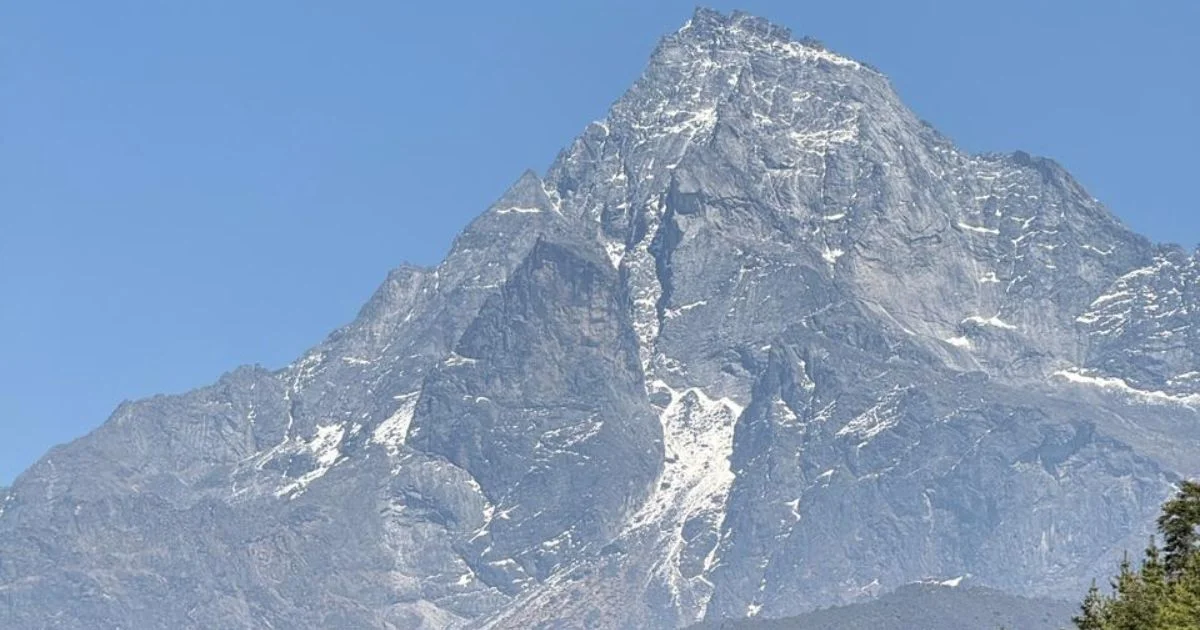
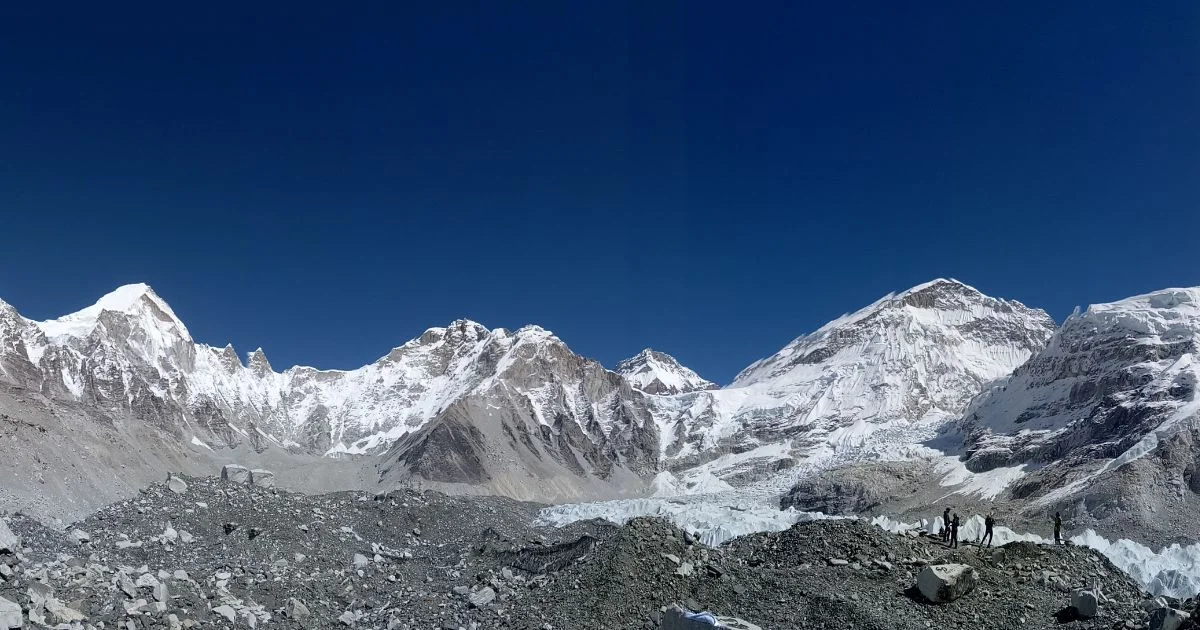
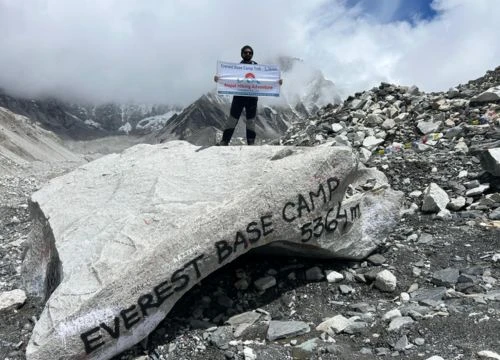
Everest base camp
Practical Information for Trekkers
Permits and documents required:
Sagarmatha National Park entry permit. Obtained in Kathmandu or at the park gate above the village
TIMS card. Issued by the Nepal Tourism Board in Kathmandu or Lukla
Passport for identity verification at the checkpoint
Trekkers must carry original documents, not photocopies. Officials cross-check all entries. Guided groups are processed together, but independent trekkers should allow extra time.
Connectivity and services in Monjo Village:
Mobile network. NTC and Ncell signals available, though patchy
Wi-Fi. Available in most lodges and main teahouses
Charging. Common area sockets in most establishments. A small fee may apply
ATM. None available. Withdraw cash in Kathmandu or Lukla before departing
Pharmacy. Basic supplies in one or two lodges. Do not rely on this for medical needs
Cash is essential throughout the Khumbu region. Card payments are not accepted here. Bring enough Nepali rupees to cover two to three days of food, accommodation, and incidentals beyond this point.
Best Time to Visit Monjo Village
The village is on the trail year-round, but the quality of the experience shifts considerably across seasons.
Season
Conditions
Recommendation
Spring (Mar-May)
Warm, rhododendron in bloom, busy
Best overall
Autumn (Sept-Nov)
Stable, clear skies, cool nights
Best overall
Winter (Dec-Feb)
Cold, quiet, high snow risk above Namche
Experienced trekkers only
Monsoon (Jun-Aug)
Wet trails, leeches, limited visibility
Not recommended
Spring and autumn are the two peak seasons for the Everest Base Camp trek. During these months, this stretch sees the highest foot traffic. Teahouses fill up by early afternoon, so arriving before 1 pm gives you the best choice of rooms and the least crowded checkpoint experience.
Clear skies are most common in October and November. Views of Kongde Ri and the surrounding peaks above the valley are sharpest on early mornings during these months. In spring, rhododendron blooms along the lower trail sections add colour to an otherwise forest-green landscape.
Winter travel through Monjo Village is possible but demands experience. The trail stays open, but nights drop well below freezing, and the Namche Bazaar climb becomes icy without the right gear.
Why Monjo Village Matters on the Everest Base Camp Trek
Monjo Village is easy to dismiss as a place you simply pass through. In practice, it is one of the more important stops along the entire Everest Base Camp trek route. Its position, its role as the gateway to Sagarmatha National Park, and its timing on Day 2 all combine to make it a genuine decision point rather than a background detail. The village also lies along a corridor used by trekkers on the Three Passes Trek, which means it serves a wider range of itineraries than most maps suggest.
The park permit process at this gate shapes the journey in ways that go beyond paperwork. Clearing the entrance to Sagarmatha National Park here means the transition from open trail to protected mountain terrain is real and immediate. Beyond the checkpoint, the rules change, the terrain changes, and the demands on your body increase steadily. Whether you are on the way to Everest Base Camp or pushing on toward Gokyo, the stop matters, especially since Monjo is a small yet significant waypoint.
The settlement offers something that higher stops cannot: a peaceful environment before the next ascent. The noise and energy of Namche Bazaar arrive fast once the ascent begins. This is the last genuinely calm stretch of the lower valley, and trekkers who recognise that tend to use it better.
Monjo Village: Final Verdict
Monjo Village is the point on the Everest Base Camp trek where the lower valley trail ends and the mountain journey properly begins. The park gate, the river crossings, and the last flat stretch before the Namche Bazaar climb are the physical realities of this settlement, and they matter to every trekker heading through this region of Nepal toward Everest.
The key takeaways are practical. Eat a full meal here before the climb. Clear your permits at the gateway to the park and check in with your body at 2,835 meters before committing to the steep ascent. If your legs feel heavy or your head is unclear, stay. If you feel strong and the afternoon is long, push on. The village gives you the information you need to make that call correctly.
For Everest Base Camp trekking that holds up across the full distance from Lukla to Base Camp, the decisions made in the lower valley set the tone. Nepal Everest Base Camp Co. works with trekkers of every pace and experience level, and our guides know this route to Everest Base Camp in full detail, so you can move with clarity from the first suspension bridge to higher sections. For steady support across your Everest Base Camp trek,contact us to plan it with care.
Manjo Village
Monjo Village: FAQs
How far is Monjo Village from Lukla?
The village sits approximately 13.5 kilometres from Lukla along the main trekking trail. Most trekkers split this distance across two days, overnighting in Phakding and completing the stretch on Day 2.
Do trekkers stay overnight here?
Some do, though most treat the village as a lunch stop and continue to Namche Bazaar the same afternoon. Staying overnight makes sense if you arrive late, feel tired, or want a quieter acclimatisation point before ascending to higher altitudes.
Where is the Sagarmatha National Park entry gate?
The entrance to Sagarmatha National Park is located just above Monjo Village, roughly five minutes from the main teahouses. All trekkers heading along the Dudh Koshi River toward Everest must pass through and present valid permits here.
How long does it take to reach Namche from Manjo?
The Monjo Village to Namche Bazaar section takes most trekkers between two and a half to three and a half hours. The trail climbs approximately 600 meters through dense pine forests and is steep in sections. Starting after a proper lunch break improves the experience considerably.
Are there good teahouses in Monjo Village?
Yes. The teahouses are clean and well-run by local Sherpa families. They serve full hot meals, provide basic lodge accommodation, and are generally quieter than those in Namche Bazaar. Rooms with twin beds and shared facilities are available at reasonable rates for trekking in theEverest region.
Blending digital strategy with mountain passion, I help adventurers find their way to the Himalayas online. With hands-on experience in Nepal’s trekking trails and a role at Nepal Everest Base Camp Trekking Co., Thamel, I combine SEO expertise with true trail insight.