The Everest Base Camp Trek in September works best if you start after the 20th, once the last of the monsoon clears and the skies open up. Trek before that date and you will meet mud below Namche, patchy views, and a higher risk of Lukla flight delays. Time your departure to the back half of the month and you get quiet trails, green valleys, and some of the clearest mountain views of the year.
Everest Base Camp Trek in September: What to Expect
September sits right at the edge of the wet season, and that single fact decides almost everything about this trip. If you are weighing an Everest Base Camp trek in September, the honest answer is that the first half of the month still carries leftover rain, while the back half often delivers some of the clearest skies of the entire trekking season. Nepal's monsoon does not switch off overnight, so the trail, the views, and the crowd levels change week by week rather than all at once.
This comprehensive guide walks through what actually happens on the ground in Nepal during a trek to Everest Base Camp in September, from the mud below Namche Bazaar to the temperature drop past Dingboche. Written for trekkers to the Everest region who are weighing September against October, it covers weather by week, trail conditions, mountain visibility, flight reliability into Lukla, packing needs, and cost. Every section is built around what trekkers and guides report from the trail itself, not generic seasonal advice.
If you want a straight answer before you read on, here it is. Early September is a gamble worth avoiding for most people, but the last ten days of the month are genuinely one of the best times to start an EBC trek with Nepal Everest Base Camp. Read on for the week-by-week breakdown, the highlights of Everest Base Camp, the safety notes, and the packing list that makes the difference between a soggy slog and a peaceful trek.
Is September a Good Time for the Everest Base Camp Trek?
September is a transition month, not a settled one. Early trekking in September still deals with monsoon leftovers, but conditions firm up fast once the rains retreat, usually in the second week.
Therefore, the real decision is not whether trekking in September makes sense at all but which week of the month to start. A trek that begins after the 20th behaves closer to early October than to August, while a trek that starts in the first week still runs into the tail of the wet season.
Everest Base Camp Trek Weather in September
Weather across this part of Nepal, and the Everest region in particular, moves through three distinct phases in September. Understanding Everest Base Camp weather in advance changes what you should pack and expect underfoot on a typical Everest trek.
Early September Weather
The first ten days of the month of September still sit inside the monsoon season. Kathmandu and the lower Khumbu see regular afternoon showers under generally humid weather conditions, and cloud cover often hides the higher peaks until late afternoon or not at all.
Rainfall is common most afternoons below Namche
Mornings are usually clear, with cloud building by midday
Humidity makes lower-elevation walking sticky and warm
Mid-September Weather
By the second week, the pattern starts to break. Rain becomes patchier, mornings stay clear for longer, and the monsoon retreat that Nepal's meteorological department usually confirms in the third week of September begins to show on the trail itself.
Showers become shorter and less frequent
Afternoon cloud still builds most days, though less reliably
Altitude gain from Namche to Tengboche becomes noticeably cooler
Late September Weather
The final third of the month is where September earns its reputation. Clear blue skies become the norm, nights turn crisp, and this stretch overlaps with the beginning of the autumn trekking window that runs through October and November. By this point, the skies are clear on most mornings and often stay that way well past midday, which is exactly why trekking in September picks up noticeably once the third week arrives.
Daytime skies are frequently clear from morning through evening
Overnight temperature in september drops well below freezing above Dingboche
Trail traffic picks up as trekkers time their start to this window
Temperature by Major Stops
Temperature in the Everest region swings hard once you gain altitude, so this table gives a realistic day-and-night range for base camp weather in September, based on the month's final stretch.
Trail conditions are the single biggest variable in a September departure, and the state of the EBC trail in September depends almost entirely on how quickly the rains clear that year. This also shapes the Everest Base Camp trek difficulty, particularly where muddy trails, slippery paths, wet stone steps, and rain-swollen streams can make the trekking route more demanding.
How the Monsoon Affects the Trail
Moisture that has soaked into the lower trail for months does not disappear the moment the rain stops. Because of this, the first stretch of any trek in the opening days still feels noticeably wetter underfoot than the same trail in October.
Muddy Sections and Slippery Paths
The path between Phakding and Namche Bazaar holds onto mud the longest, since it sits at lower altitudes and under denser tree cover. Stone steps near waterfalls stay slick, and river crossings can run higher than usual after a wet summer.
Phakding to Namche: muddy and root-covered underfoot
Stone staircases near monastery approaches: slippery when damp
Yak trains can churn already soft ground into deeper mud
Landslides and Route Safety
Because the region has absorbed months of heavy rain, isolated landslides and rockfall remain possible in the first half of September, particularly after a heavy overnight downpour. Local guides and local hosts track these sections closely and reroute groups when needed.
Rivers, Waterfalls, and Green Landscapes
On the upside, this is when the landscape looks its most alive. Rivers run full, waterfalls along the Dudh Koshi valley are at their strongest, and the forest below Namche is a deep green that thins out considerably by November. Locals in this stretch of the Everest region, many of them Sherpa families running guesthouses their parents once ran, often say the valley never looks better than right after the rain.
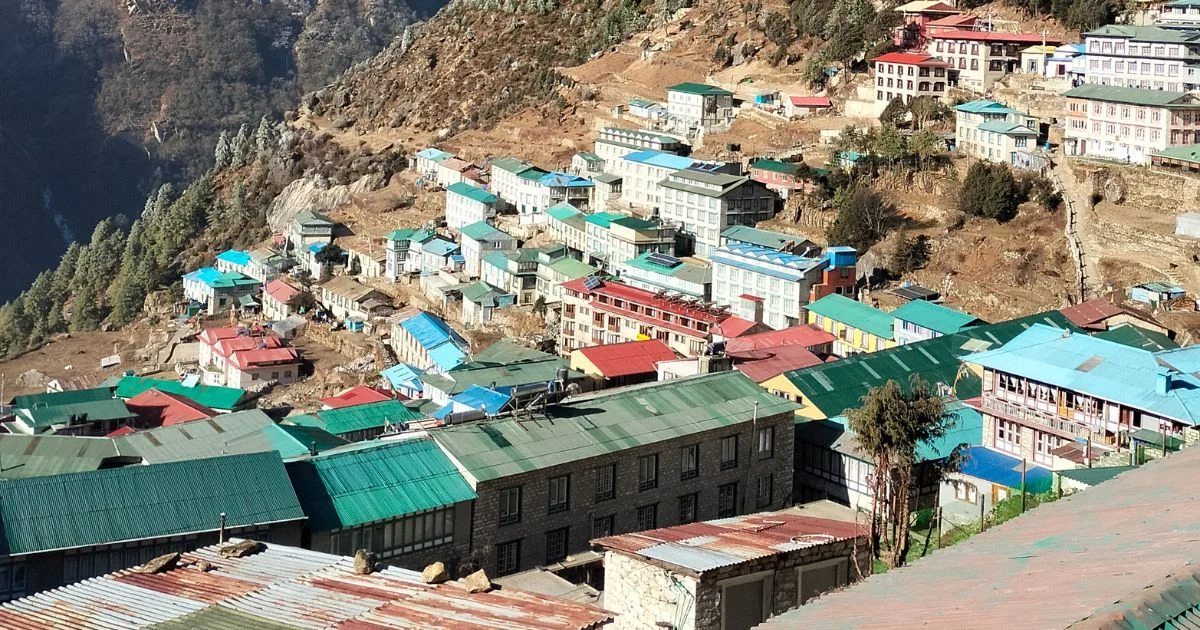
Namche Bazzar
Mountain Views in September
Visibility is the trade-off trekkers weigh most heavily against September's quieter trail and lower prices.
When Do the Skies Become Clear?
Cloud cover generally lifts in stages rather than all at once. Morning views are often possible even in the first two weeks; however, afternoon clouds tend to roll in and block the higher peaks until the monsoon retreat is fully underway.
Best Time for Everest, Ama Dablam and Lhotse Views
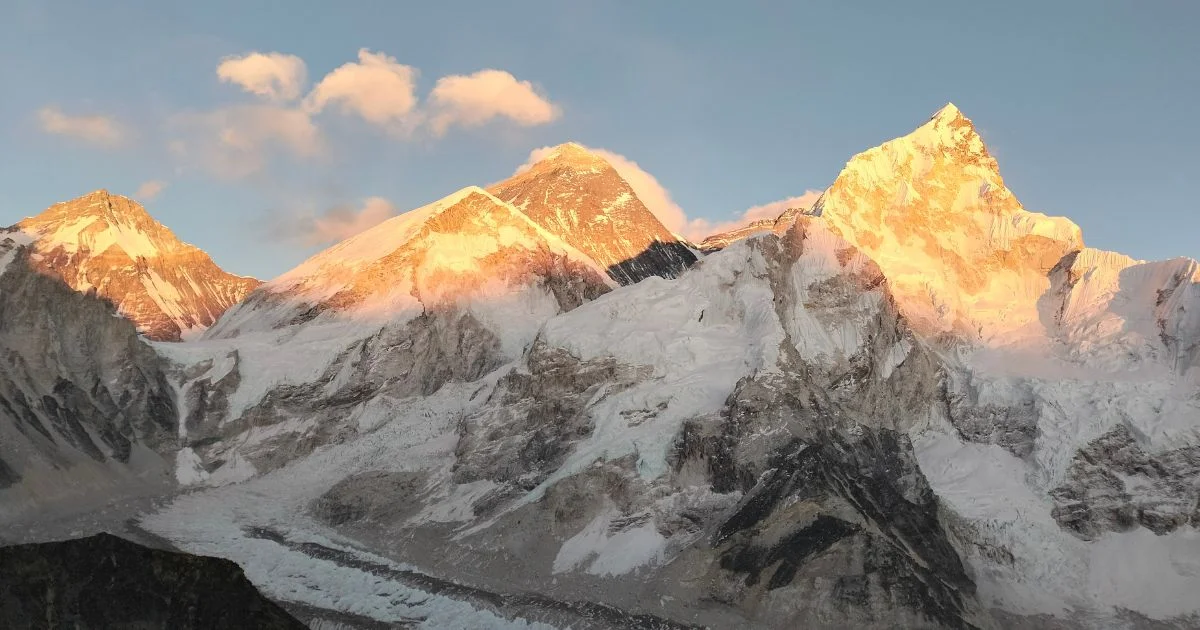
Once the skies open, views of Everest and the surrounding stretch of the Himalayas turn some of the sharpest of the year. Mount Everest, Ama Dablam, and Lhotse all show clean, dust-free outlines, since the recent rain has washed haze out of the air, something the drier late-autumn months cannot match. This is one of the reasons the best season for the Everest Base Camp Trek offers such rewarding mountain views, clear skies, and Himalayan visibility.
Photography Conditions Throughout September
The opening days: soft, moody light through cloud gaps, strong for atmospheric shots
Mid September: mixed light, occasional dramatic breaks in cloud
The month's final stretch: sharp, clean views with minimal haze
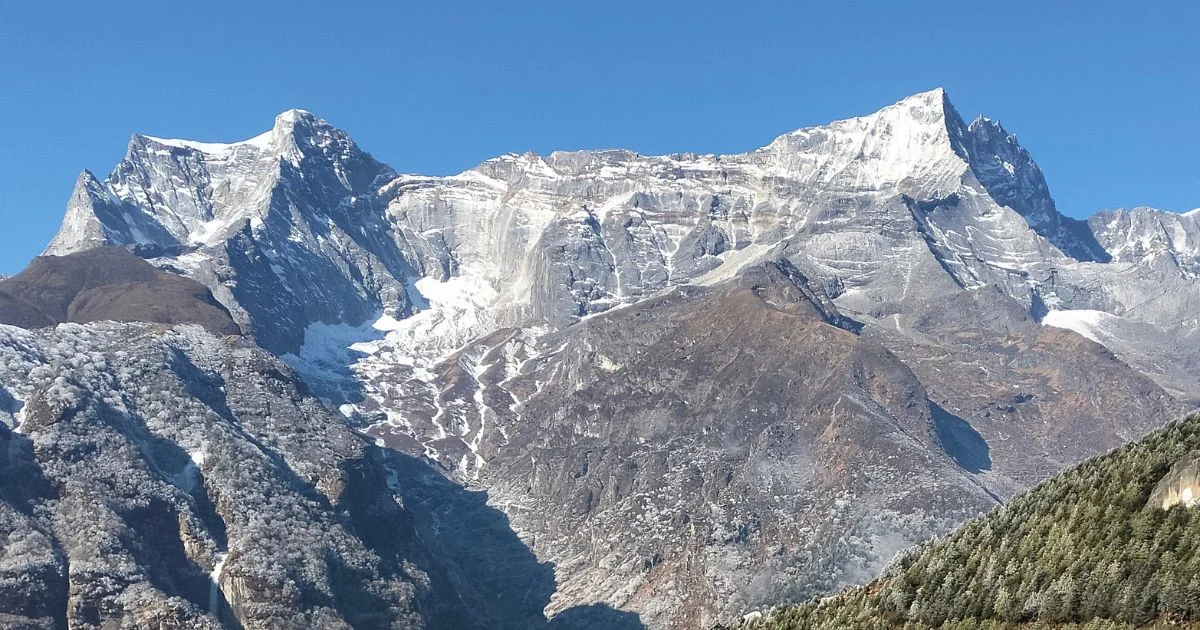
Mountain see from Namche Bazzar
Pros and Cons of Trekking to Everest Base Camp in September
A trek in September offers a genuine trade-off, so weighing both sides makes it easier to decide which week suits your plans.
Advantages
Less crowd on the trail compared to peak season months
Lush, green scenery not seen later in the year
Better accommodation availability without advance booking pressure
Waterfalls and rivers at their most dramatic
Disadvantages
Early September still carries real rain risk
Flight disruption into Lukla Airport is more likely in the first half
Muddy, slippery sections below Namche
Crowds and Accommodation in September
Trail traffic in September looks nothing like the packed dining rooms of peak autumn.
How Busy Is the Trail?
Because many trekkers wait for October, September is less crowded, particularly through the first three weeks. In fact, September is a great time to trek if a crowded trail and fully booked dining rooms are your biggest concern.
Availability of Teahouses and Lodges
Most lodge and guesthouse owners keep their properties open through September in anticipation of the coming rush, meaning rooms are rarely fully booked and walk-in availability stays high.
Factor
Early September
Late September
Room availability
High
Moderate
Advance booking needed
Rarely
Occasionally
Dining room crowding
Low
Low to moderate
Do You Need to Book in Advance?
Generally, no. However, if your travel dates fall in the final week of September, booking a night or two ahead is a reasonable precaution as the busier crowd begins arriving early.
Lukla Flights in September
Flights into Lukla are the most unpredictable part of any September departure, so trekking to EBC in September means planning around them rather than against them, treating the flight, not the trail, as the biggest wildcard.
Flight Delays and Cancellations
Delays and cancellations in September are more frequent in the first half of the month, when low cloud and unstable morning weather disrupt the schedule far more than in drier months. Once the rains ease in the third week, flight reliability improves noticeably, though it never reaches winter-level consistency.
Kathmandu vs Ramechhap Flights
During busier stretches of the year, flights are sometimes shifted to depart from Ramechhap instead of Kathmandu, adding a four to five hour drive before the flight. In September, this shift is less common than in October, though it can still happen with little notice.
How Many Extra Days Should You Keep?
Build in at least two buffer days for possible disruption on both ends of the trip
Early September travellers should lean toward three buffer days
Later travellers can often manage with two
Is September Safe for the Everest Base Camp Trek?
Safety in September comes down to two separate risks, weather and altitude, and both need honest planning.
Altitude Sickness
Altitude sickness risk does not change by month. It depends on pace and a steady climb rate, not the calendar. A gradual itinerary with rest days at Namche and Dingboche remains the single best protection against it, regardless of when you go, whether you are trekking at high altitude for the first time or you have handled it before.
Weather-Related Risks
Early September rain raises the chance of slippery trail sections, swollen river crossings, and the isolated landslide risk covered earlier. These risks fall away quickly as the month progresses and the trail dries out.
Tips for a Safe Trek
Whether this is your first trek to the base camp or a repeat visit, the same rules apply.
Choose a licensed trekking guide who tracks daily rain and trail updates, and understands permit rules for the sagarmatha national park entry checkpoint
Build acclimatisation days into your itinerary rather than rushing
Carry proper rain protection through the first half of the month
Keep two buffer days for Lukla flight uncertainty
What to Pack for an Everest Base Camp Trek in September
Packing essential for September means preparing for two different climates within one trek.
Clothing Checklist
Moisture-wicking base layers for humid, lower-altitude sections
Insulated mid-layer for cold evenings past Tengboche
Down jacket for Gorak Shep and Everest Base Camp itself
Waterproof, broken-in trekking boots
Rain Protection
Full waterproof jacket and trousers, essential for early September
Waterproof cover for your pack, since rain can appear with little warning
Quick-dry socks to manage constant lower-trail dampness
Trekking Gear
TrGaiters to protect lower legs from mud and leechesekking poles for muddy, uneven early-month sections
Gaiters to keep mud and leeches off lower legs
Headlamp with spare batteries for early starts
Electronics and Essentials
Power bank, since Lukla and higher-altitude charging can be unreliable
Water purification tablets or a filter
A basic first aid kit, including blister care and altitude medication
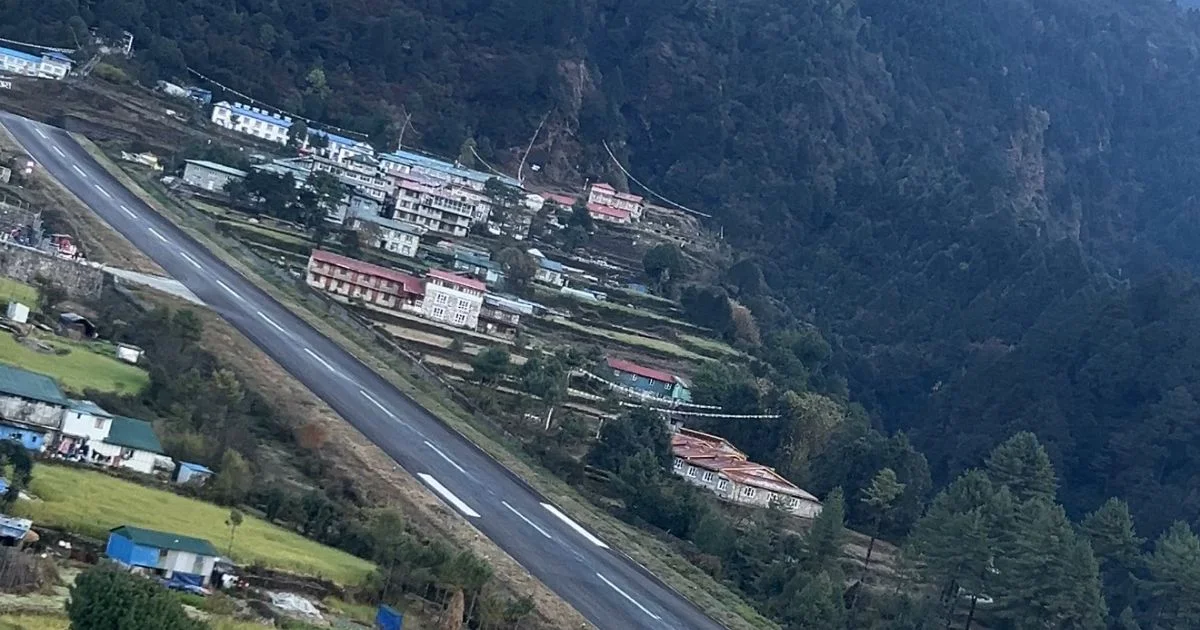
Lukla Airprot
Everest Base Camp Trek Itinerary for September
The classic Everest Base Camp trek route runs twelve to fourteen days, including acclimatisation. Below is a summarised version suited to a base camp in September 2026 departure.
Planning a September trek on a budget is easier than many assume, since costs during September tend to run slightly lower than the peak autumn months that follow.
Does September Cost More Than Summer?
September offers roughly the same pricing as summer for most operators, since demand only picks up meaningfully once October arrives. Discounts on guesthouse rooms are common through the first three weeks of the month.
Budget vs Standard vs Luxury Trek
Trek Type
Typical Daily Cost
What's Included
Budget
25-35 USD
Basic teahouses, shared bathrooms
Standard
45-65 USD
Guide, porter, better accommodation
Luxury
100 USD plus
Private rooms, upgraded meals, extra support
September vs October for the Everest Base Camp Trek
October is the busier, more established choice, but September still wins on a few fronts.
Factor
September
October
Weather
Wet early, clear late
Consistently dry
Visibility
Variable, strong late month
Reliable throughout
Crowds
Fewer crowds, quiet trail
Peak crowds, busy lodge rooms
Flights
More disruption risk early on
More stable overall
Prices
Lower, especially early
Higher across the board
Photography
Lush green, dramatic light
Crisp, classic open skies
Overall experience
Quieter, more unpredictable
Reliable, more crowded
Mt Everest see from Kalapatthar
Who Should Trek in September?
An Everest trek in September suits a wide range of travellers, though some will get more out of the month than others.
First-time trekkers: best suited to a late September start, once conditions stabilize
Photographers: early month for moody, green shots; the month's final stretch for open, bright views
Budget travellers: strong value throughout, especially the first three weeks
Experienced hikers: comfortable handling early-month mud and uncertainty
Luxury trekkers: late September offers comfort without October's crowding
Everest Base Camp Trek in September: Is It Worth It?
Choose the Everest Base Camp Trek in September if you want quieter trails and lower prices and do not mind a little early Septembermonsoon rain. Consider another month if you need guaranteed clear skies or cannot allow extra time for possible Lukla flight delays. For the best experience, start your trek after the 20th to enjoy clear weather, fewer crowds, and spectacular mountain views across the Everest region.
September rewards trekkers who read the calendar carefully rather than book on instinct. A departure timed to the back half of the month delivers a genuinely unforgettable Everest Base Camp experience, with green valleys, thinning crowds, and skies that clear just as you gain real altitude. Ultimately, the key to a successful trek in September 2026 comes down to flexibility around your start date and your flight buffer, not luck.
Trekkers who build in extra days and trust a guide who reads the rains closely tend to come away with the best of both worlds: quiet trails and open mountain views. If you are ready to plan a trek to Everest Base Camp around this window, Nepal Everest Base Camp tracks trail conditions closely each year. We can help time your itinerary around the clearest stretch of the month, so your trekking experience matches what you actually signed up for. Contact us to plan your September Everest Base Camp trek.
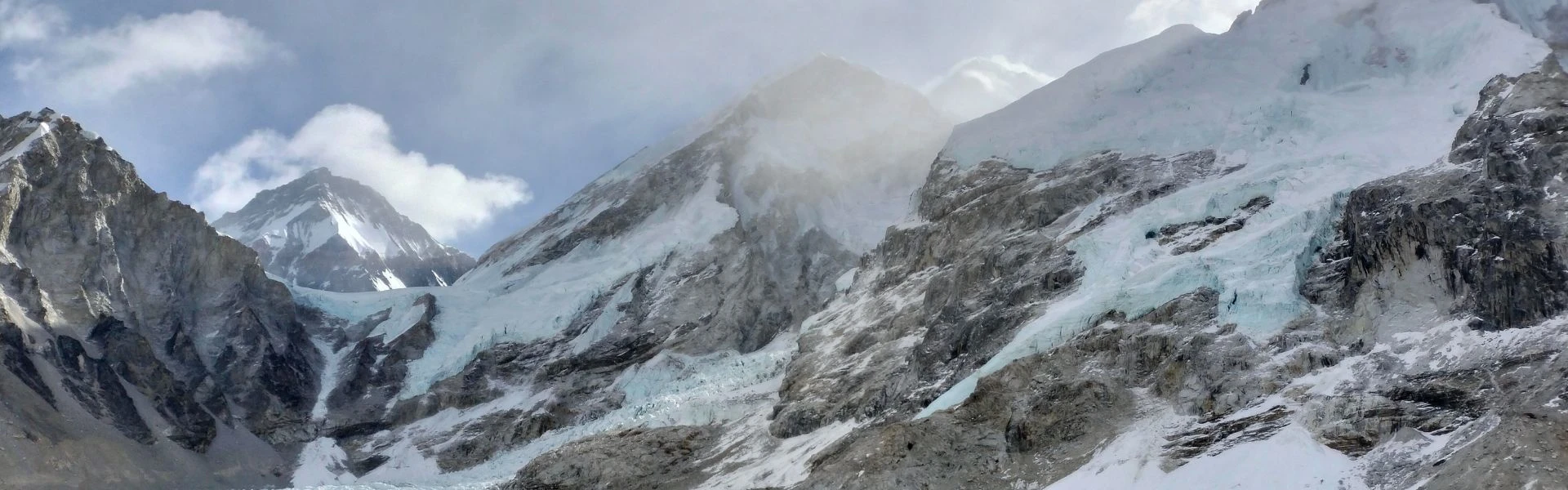
Everest base camp
Everest Base Camp Trek in September: FAQs
Is September a Good Time for the Everest Base Camp Trek?
Yes, particularly after the third week once the monsoon clears. Early September still carries rain and mud, so timing your start matters.
Does It Rain During the Everest Base Camp Trek in September?
Indeed, particularly during the first part of the month. Monsoon rain tapers off steadily, and by late September it becomes rare.
Are Lukla Flights Delayed in September?
Delays are common early in the month due to low cloud. Flight reliability improves once the monsoon retreat is confirmed, usually by the third week.
What Is the Temperature at Everest Base Camp in September?
Daytime highs sit around 3°C, while nighttime lows can drop to -17°C. Weather and temperature shift fast once you pass Dingboche.
Blending digital strategy with mountain passion, I help adventurers find their way to the Himalayas online. With hands-on experience in Nepal’s trekking trails and a role at Nepal Everest Base Camp Trekking Co., Thamel, I combine SEO expertise with true trail insight.