Summary:Island Peak vs Mera Peak comes down to technical skill versus altitude endurance. Island Peak (6,189 m) demands crampon and fixed-rope technique on a steep headwall, with a 65-70% success rate. Mera Peak (6,476 m) is technically easier but tests stamina over long summit-day glacier travel, achieving a 75-80% success rate, making it the better entry point for first-time trekking peak climbers. Both climb in spring or autumn from Lukla.
Island Peak vs Mera Peak. Which One Truly Fits Your Climbing Profile?
Choosing between Island PeakvsMera Peak is one of the most common questions among climbers heading to Nepal for the first time. Both sit above 6,000 metres. Both are in the Everest region, and both offer a serious taste of Himalayan climbing without requiring years of technical training. But they are very different mountains, and the wrong choice can cost you a summit.
This article compares Mera Peak vs Island Peak across difficulty, altitude, technical skills, cost, best season, views, and fitness requirements. Whether you are a first-time climber or a trekker stepping into real mountaineering, these comparisons will help you pick the right peak. You will find direct answers, honest assessments, and no fluff.
By the time you finish reading, you will know which peak matches your current experience level, your budget, and your goals. The differences are real, and they matter. Let this guide do the heavy lifting so you can focus on planning your adventure with Nepal Everest Base Camp Pvt. Ltd. with clarity and confidence.
Island Peak vs Mera Peak at a Glance
Here is a quick side-by-side look at both peaks before we go deeper.
Feature
Island Peak (Imja Tse)
Mera Peak
Altitude
6,189m
6,476m
Grade
Alpine PD (fairly difficult)
Alpine F (easy)
Technical Level
Moderate to high
Low to moderate
Best Season
Spring and Autumn
Spring and Autumn
Peak Permit Cost
USD 250
USD 125
Avg. Trek Duration
17–20 days
16–19 days
Summit Success Rate
~65–70%
~75–80%
Ideal For
Trekkers with some climbing background
First-time trekking peaks climbers
Route Start
Lukla
Lukla
Key Technical Feature
Steep headwall and fixed ropes
Long glacier approach, minimal technical sections
At 6,476 metres, Mera Peak is Nepal's highest trekking peak.Imja Tse, better known as Island Peak, sits at 6,189m and takes its name from its resemblance to an island rising like an island in a sea of glaciers when viewed from Dingboche. These are among the most famous trekking peaks in the world, and both attract climbers from every continent.
Island Peak vs Mera Peak Difficulty
Which Peak Is Technically Harder?
Island Peak is the more technical of the two. The upper section involves a steep headwall with a near-vertical crampon and rope ascent. You clip into fixed ropes, front-point up the ice, and pull through a rocky exit before reaching the summit ridge. That sequence demands both skill and nerve. Many climbers who manage the long trek to Island Peak base camp still turn back at the headwall because they are unprepared for the exposure.
Mera Peak, on the other hand, is largely a glacier walk at altitude. The angle stays manageable for most of the route. You still need crampons and ice-axe technique, and the crevasse fields demand steady footwork.
There is no technical headwall to negotiate, and rope work is generally unnecessary in the dry climbing season. However, during the snowy season, expedition teams may install fixed ropes on steeper sections, so having basic rope and harness skills is recommended for a safer summit ascent.
Which Peak Is More Physically Demanding?
Mera Peak is harder on the body, even though it is technically easier. The summit push from high camp is long, often eight to ten hours to the summit and back. The extra altitude compared to Island Peak means thinner air, colder temperatures, and a higher risk of exhaustion. Many climbers underestimate just how long that final day feels above 6,000m on a glacier.
Island Peak is shorter on summit day, typically six to eight hours from high camp. However, the technical sections slow you down and burn energy fast. So while the altitude is lower, the physical cost of navigating the headwall and the narrow summit ridge is significant.
Altitude Challenge and Summit Difficulty
Even though Mera Peak is technically easier, its altitude is the real test. At 6,476m, the air is noticeably thinner than at Island Peak's 6,189m. That 287-metre gap matters more than it sounds above 6,000 metres. Acclimatisation is critical on both peaks, but Mera Peak leaves less margin for error if you rush the itinerary.
The descent from the summit also deserves attention. On Island Peak, the downclimb on the headwall using fixed lines is the most dangerous moment of the day for many climbers. On Mera Peak, the long glacier descent tests tired legs on uneven ice.
Which Peak Is Harder Overall?
Island Peak is harder overall because of its technical demands. But Mera Peak challenges you at altitude in ways that a purely technical comparison misses. Your personal answer depends on whether your weakness is technical skill or altitude endurance.
Clipping and moving on fixed ropes using a jumar or ascender
Basic rope management and harness use
Crevasse awareness and crossing techniques on the lower glacier
You do not need to be an expert alpinist. But you do need basic mountaineering skills practised before arrival. A short pre-climb mountaineering course in Kathmandu or at Island Peak base camp is helpful, but it is not a substitute for prior experience on snow and ice.
Climbing Skills Needed for Mera Peak
Mera Peak climbing requires less technical preparation. Still, the following skills are essential:
Crampon use on moderate slopes and glacier terrain
Ice-axe arrest technique
Ability to move safely through crevasses and around glacier hazards
Physical endurance for long days at altitude
Most trekking peaks in Nepal at this grade allow confident, fit trekkers to climb Mera with a skilled guide and no prior rope experience. That is what makes Mera Peak climbing accessible to a wider audience.
Fixed Ropes, Glacier Travel, and Ice Sections
On Island Peak, fixed ropes cover the upper headwall and are set by expedition teams each season. You ascend these with a jumar clipped to a rope and crampons on a roughly 50-degree ice face. The fixed lines continue across the summit ridge to the top.
On Mera Peak, there are usually no fixed ropes on the standard route. The main challenge is glacier travel, long summit slopes, and extreme cold at altitude. However, when heavy snow or changing glacier conditions make the upper section more exposed, some expedition teams may install a short fixed rope above high camp.
In such conditions, climbers should have basic rope and harness skills, including clipping into a fixed line and moving safely while attached. Although these skills are not always required, having basic mountaineering skills improves safety and confidence on the summit climb.
Can Beginners Climb These Peaks?
Mera Peak is suitable for beginners with good fitness who have spent time trekking at altitude and trained for long mountain days. No prior mountaineering experience is technically required, though a reputable guide is essential.
Island Peak is not ideal for complete beginners. It asks for some prior exposure to crampon use and fixed-rope technique. A trekker with no snow experience who has only completed valley treks will find the upper section of Island Peak genuinely risky.
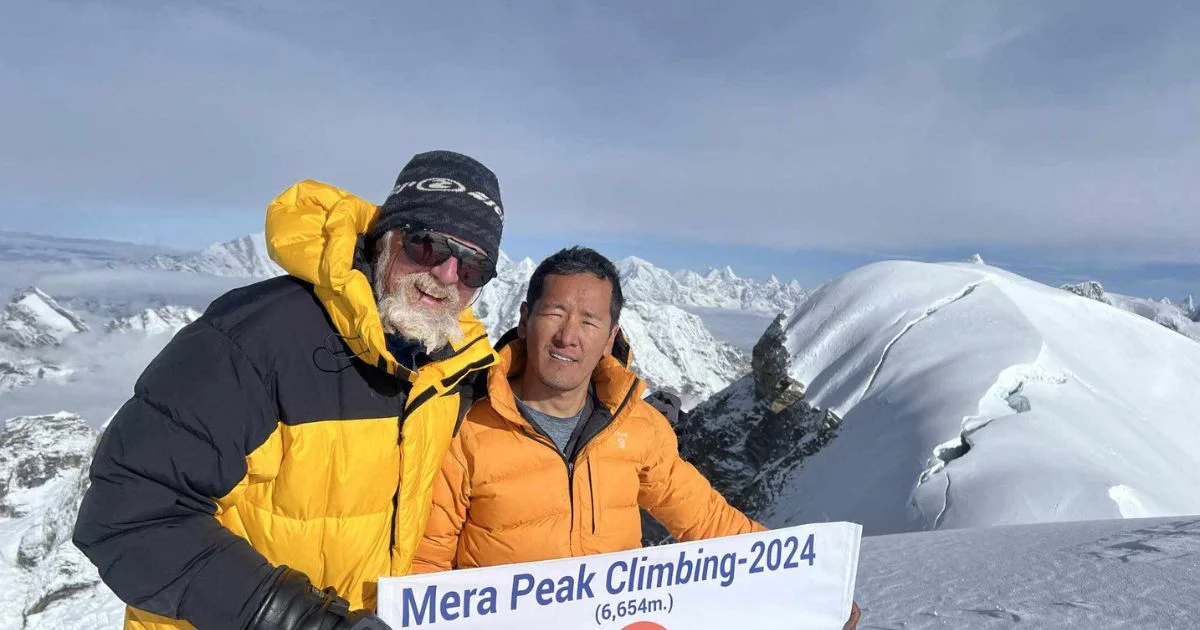
mera peak climbing 2024
Trekking Route and Overall Experience
Island Peak Route Through Everest Base Camp
The standard route to Island Peak follows the classic Everest Base Camp trek corridor from Lukla. You pass through Namche Bazaar, continue up to Dingboche, and then branch toward Chhukung and Island Peak base camp. Many teams combine this with an EBC visit, making it one of the most popular combined itineraries in the Everest region.
The trail is well-established and busy, particularly in spring. Tea houses are available almost the entire way. The trade-off is crowds in the popular sections between Lukla and Namche Bazaar.
Mera Peak Route Through the Hinku Valley
The Mera Peak route is quieter and more remote. Most teams fly to Lukla and then head south-east through the Hinku valley, passing villages like Chutanga and Tashing Ongma before reaching Khare, the last settlement before Mera base camp. Some teams start from Phaplu for an even longer approach with extra acclimatisation days.
The trail lacks the infrastructure of the EBC route. Tea houses are basic, and resupply is limited. But the sense of isolation is real. You can spend days on this route without seeing another climbing group.
Crowds, Trail Atmosphere, and Remoteness
Island Peak
Mera Peak
Trail Traffic
High (EBC corridor)
Low to moderate
Tea House Quality
Good to very good
Basic
Remoteness
Low to moderate
High
Village Culture
Rich Sherpa presence
Quiet, traditional
Wildlife Exposure
Moderate
Higher chance of remote fauna
Which Trek Feels More Scenic?
Both routes deliver serious Himalayan scenery. The Island Peak route rewards you with views of Lhotse, Ama Dablam, and the whole Khumbu wall as you gain elevation through the Everest region. The Mera Peak route, meanwhile, keeps you in deep valley terrain for much of the approach, then reveals an extraordinary panorama at the top.
If ridge and close-range mountain drama is what you want, the Island Peak route wins. If you want solitude and a genuine wilderness feel, Mera Peak is the better route.
Altitude, Acclimatisation, and Success Rate
Which Peak Has Greater Altitude Risk?
Mera Peak carries the higher altitude risk. At 6,476m, it sits in territory where altitude sickness can develop quickly if the itinerary is rushed. The standard peak itinerary allows for acclimatisation days at Khare before the summit push. Skipping those days, or moving too fast out of Lukla, is one of the most common reasons climbers fail.
Island Peak at 6,189m also carries real altitude exposure. However, the fact that many Island Peak teams acclimatise along the Everest Base Camp trek route, spending days above 4,000 m before the climb, gives climbers a reasonable altitude base before the summit push.
Acclimatisation Differences
Island Peak: Acclimatisation happens naturally along the EBC approach. By the time you reach Chhukung, most teams have had 10–14 days at altitude.
Mera Peak: The Hinku valley route is lower in elevation for longer. Teams must build in specific rest days at Khare (5,045m) before the lower base camp and high camp push.
Both peaks demand at least one acclimatisation rotation before the summit attempt. Skipping this is the most reliable way to fail.
Common Reasons Climbers Fail
Rushing the itinerary due to time pressure
Underestimating cold and wind at high camp
Poor crampon technique on Island Peak's upper section
Exhaustion from long summit days on Mera Peak
Bad weather closing the summit window
Inadequate sleeping bag warmth at altitude
Which Peak Has a Higher Success Rate?
Mera Peak carries the higher summit success rate, roughly 75–80% on guided expeditions. Island Peak sits closer to 65–70%. The technical demands of Island Peak account for a meaningful share of turnarounds, whereas Mera Peak turnarounds are more often weather or altitude-related.
Views and Mountain Scenery
Views From Island Peak
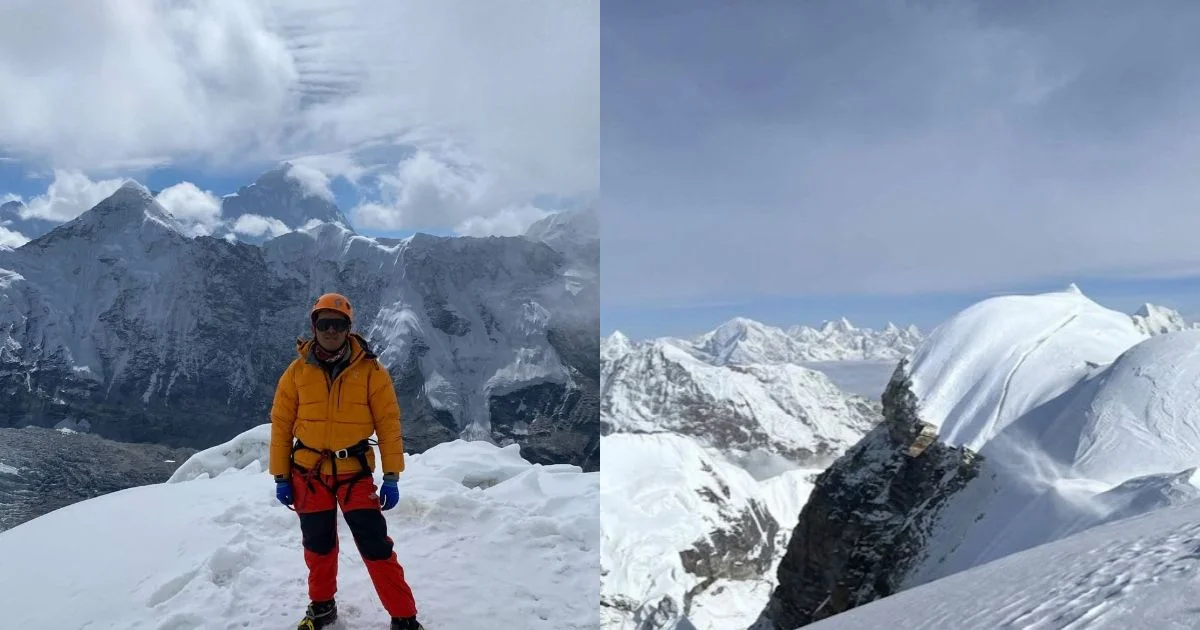
The summit of Island Peak delivers close-range drama. MountLhotse dominates the northern skyline. Ama Dablam rises sharply to the west. Makalu and Baruntse fill the eastern horizon. You are essentially inside the Everest region amphitheatre, surrounded by peaks in the Everest region on every side.
The narrow summit ridge adds an element of exposure that makes the views feel earned. On a clear day in spring, this is one of the finest vantage points available on any trekking peak in Nepal.
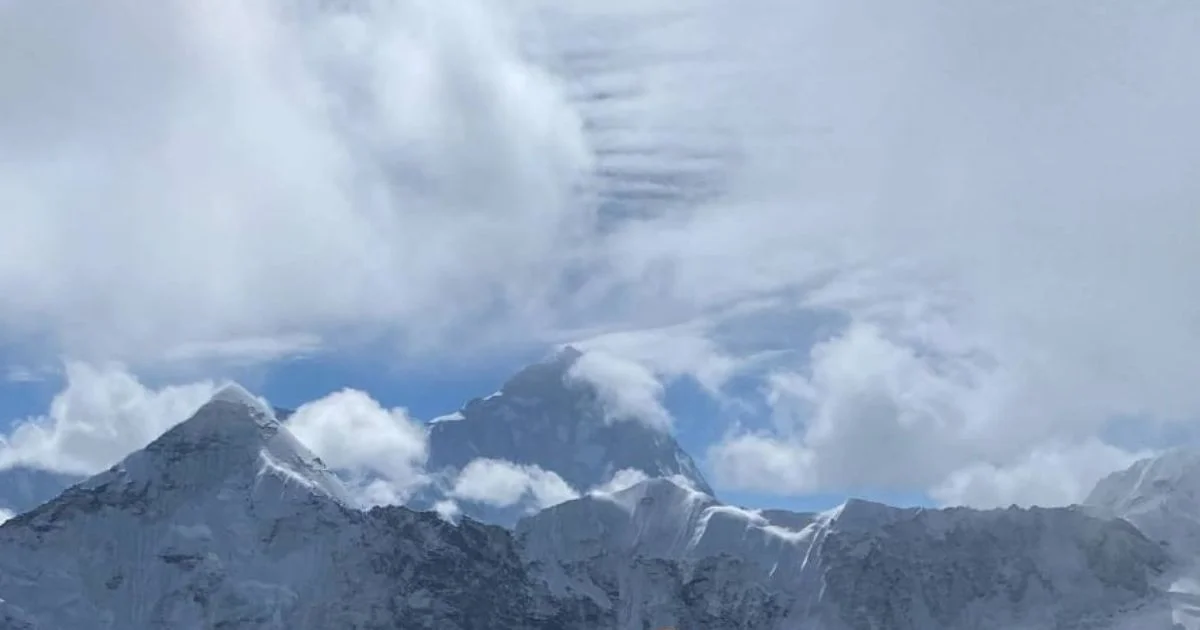
mountain view from island peak
Views From Mera Peak
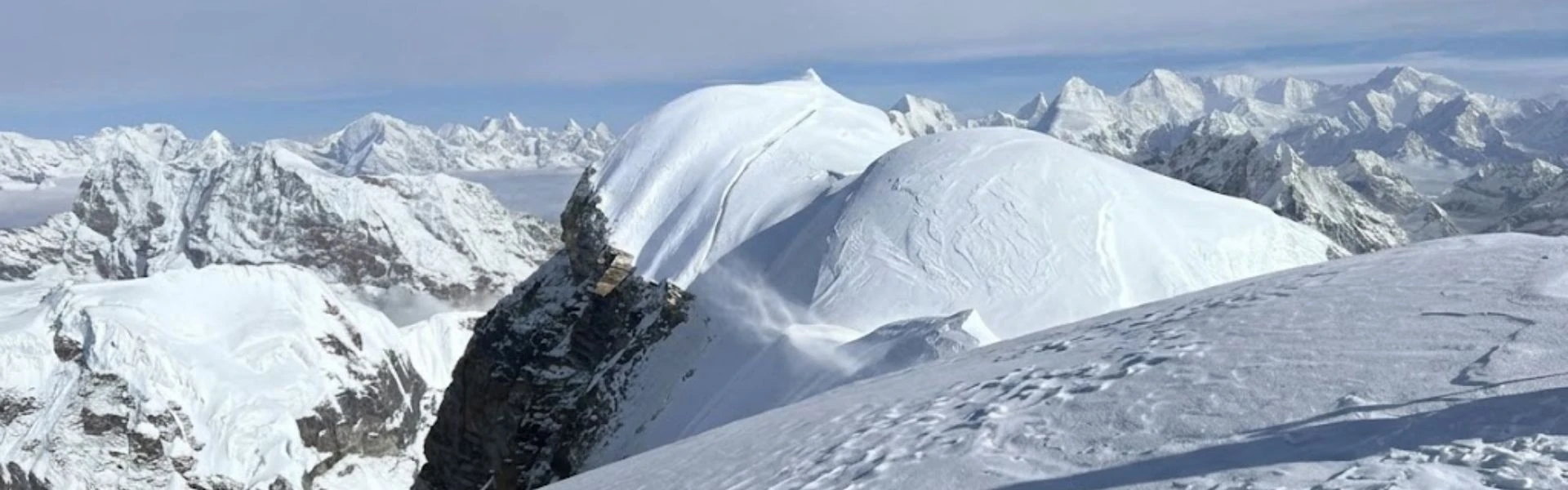
Mera Peak offers the widest panorama of any trekking peak in Nepal. From the summit, you can see five of the world's fourteen 8,000-metre peaks. MountEverest, Lhotse, Makalu, MountCho Oyu, and Kanchenjunga all appear in a single sweep. It is an extraordinary experience and one that no photograph quite captures.
The views are less dramatic up close than those from Island Peak, but the breadth is unmatched. Himalayan scale becomes very real when you can count five 8,000-metre giants from a single point.
Which Peak Has Better Panorama Views?
Island Peak
Mera Peak
Closest 8,000m Peak
Lhotse (direct face view)
Lhotse, Everest, and more
Panorama Width
Concentrated and dramatic
Vast, 360-degree sweep
Ama Dablam Visibility
Excellent
Moderate
Cho Oyu Visibility
Limited
Excellent
Makalu Visibility
Good
Excellent
Overall Verdict
Better for close-range drama
Better for panoramic breadth
Best Time to Climb Island Peak and Mera Peak
Spring vs Autumn Season
Both peaks share the same two time-to-climb windows: spring (March to May) and autumn (September to November). These are Nepal's two stable weather seasons in the Himalayas, bookending the summer monsoon.
Spring is slightly warmer at high camp and offers reliable summit windows in April and early May. The trails are busy, particularly on the Island Peak route through Namche Bazaar.
Autumn brings the clearest skies of the year. Visibility is exceptional, and the crowds thin out compared to spring, particularly on the Mera Peak route. However, nights at high camp get colder faster than in spring.
Spring (late April to mid-May) and autumn (early to mid-October) give the best summit windows for both peaks. Most experienced Himalayan operators schedule their expeditions around these windows. Planning a trek outside these dates significantly raises the risk of a weather-related turnaround.
Cost Comparison
Cost is a real factor when planning a trip to Nepal for either peak. Here is a realistic breakdown of what to expect.
Permit and Guide Costs
Cost Item
Island Peak
Mera Peak
Peak Permit
USD 250
USD 125
Sagarmatha National Park entry
USD 30
USD 30 (Makalu-Barun for Mera)
Licensed Guide
USD 50–70/day
USD 50-70/day
Porter
USD 20–30/day
USD 20–30/day
The peak permit difference reflects the higher technical grading of Island Peak. Both peaks require a licensed climbing guide. Going without one is illegal and genuinely dangerous on both routes.
Equipment and Rental Expenses
Crampons: USD 5–10/day rental in Kathmandu
Ice-axe: USD 3–8/day rental
Harness and ascender : USD 5–10/day
Sleeping bag (if renting): USD 3–8/day
Island Peak requires a harness, ascender, and belay device. Mera Peak does not. That additional gear adds to both the cost and the amount you carry.
Transportation and Flight Costs
Item
Cost (approx.) (per person)
Kathmandu to Lukla flight (one way)
USD 280-500
Lukla to Kathmandu (return)
USD 280-500
Helicopter cost KTM-Lukla (on a sharing basis for one way)
USD 500-1000
Both peaks begin with a flight to Lukla. Some Mera Peak teams opt for Phaplu to build in extra acclimatisation days on foot. This saves a little money but adds two to three days to the itinerary.
Total Budget Comparison
Budget Category
Island Peak (Full Package)
Mera Peak (Full Package)
Budget/basic
USD 1800–2700
USD 1800–2500
Mid-range
USD 3,000–3,800
USD 1900–2900
Full service/private
USD 4,000–5,500+
USD 3,500–4,500+
These figures cover flights, accommodation, food, guides, porters, permits, and equipment rental. They do not include international flights, travel insurance, or personal gear purchases. Budget trekkers who already own their gear can get close to the lower end. Private expeditions with dedicated Sherpa support sit at the top. (It will depend on final package deals.)
Fitness and Training Requirements
How Fit Do You Need to Be?
Both peaks demand good fitness and real cardiovascular endurance. Neither is a casual mountain walk. On Mera Peak, you need the stamina to cover six to eight hours of uphill glacier travel at altitude on summit day, often starting at 2am from high camp. On Island Peak, you also need upper body strength and core stability for the rope ascent on the headwall.
A general rule: if you can comfortably hike for six to eight hours a day with a loaded pack for five consecutive days, you have a reasonable base. If that sounds hard, you need more time training before planning to climb either peak.
Endurance vs Technical Preparation
Training Type
Island Peak
Mera Peak
Aerobic endurance
Essential
Essential
Crampon technique
Essential
Important
Rope and harness skills
Essential
Basic skills recommended
Ice-axe use
Essential
Essential
High-altitude exposure
Very helpful
Very helpful
Upper body strength
Important
Less critical
Recommended Training Before the Climb
Trail running or stair climbs with a weighted pack, 4–5 times per week
Day hikes of 6–8 hours, ideally at elevation where possible
Gym sessions focused on leg strength, core stability, and grip
Crampon practice on snow or a climbing wall before departure
For Island Peak: a basic mountaineering course with rope skills is strongly recommended
Most operators recommend at least three to four months of dedicated training before either climb. Mountaineering experience at any level, even a scrambling background, gives you a significant advantage on Island Peak specifically.
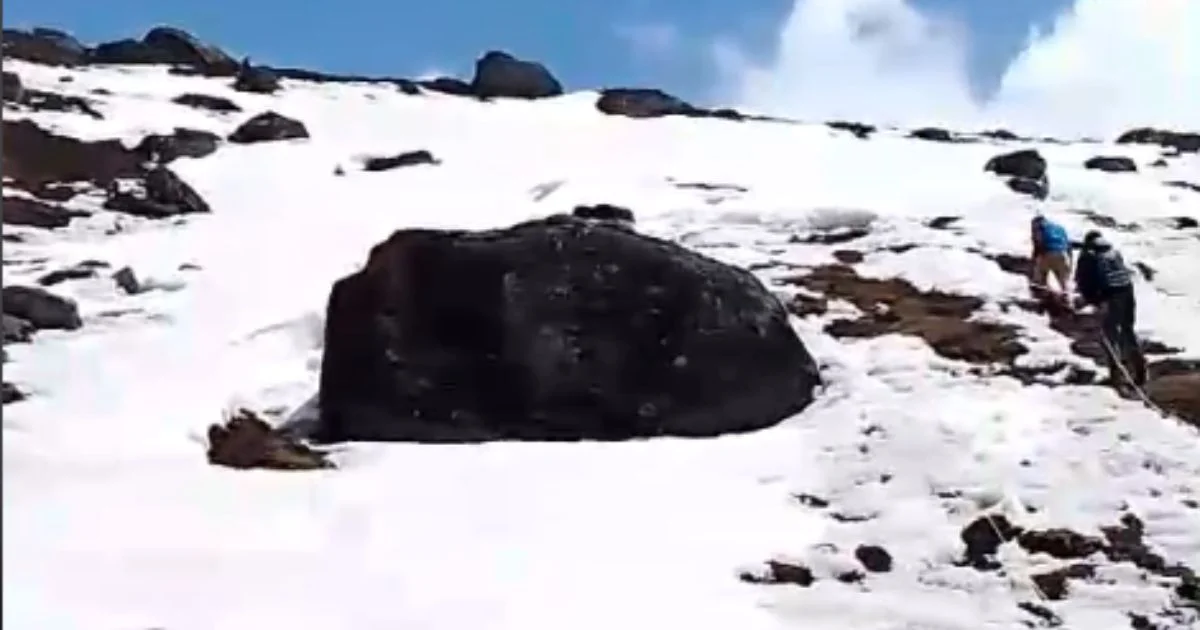
on the way to mera peak
Gear and Equipment Comparison
Essential Gear for Island Peak
The climb of Island Peak requires a more technical kit than Mera Peak. Below are the essentials.
Technical gear (Island Peak specific):
Harness and locking carabiners
Jumar/ascender for fixed ropes
Belay and abseil device
Crampon (12-point, step-in or hybrid)
Ice-axe with wrist leash
Helmet
General mountain gear (both peaks):
High-altitude sleeping bag rated to -20°C or below
Down jacket, fleece mid-layer, base layers
Waterproof shell jacket and trousers
Double mountain boots (compatible with your crampon system)
Trekking poles
Glacier goggles (100% UV protection)
Neoprene gloves plus outer mitts
Headlamp with spare batteries
Essential Gear for Mera Peak
Mera Peak does not require a harness or rope system on the standard route. But everything else from the general list above applies. Crampons and an ice axe are non-negotiable. Cold at high camp is severe, so a quality sleeping bag is essential.
Technical Equipment Differences
Equipment
Island Peak
Mera Peak
Harness
Required
Not required
Ascender/Jumar
Required
Not required
Crampon
12-point required
12-point required
Ice-axe
Required
Required
Helmet
Strongly recommended
Optional
Fixed rope system
Used on route
Basic skills recommended
If you are renting gear in Kathmandu or Lukla, confirm availability before you arrive. Quality rental gear moves fast in peak season.
mera peak mountain view
Island Peak vs Mera Peak for Beginners
Best Peak for First-Time Climbers
Mera Peak is the better peak for beginners. It is located in the Everest region, follows a relatively straightforward glacier approach, and rewards patient, fit trekkers who acclimatise properly. You do not need a technical climbing background. You need endurance, the right gear, a good guide, and a solid mountaineering foundation in crampon use and ice-axe technique.
Many first-time high-altitude climbers complete Mera Peak successfully each year. A beginner who has spent six months training and who builds the itinerary conservatively has a realistic shot at the summit.
Best Peak for Trekkers With No Climbing Experience
If you have trekked in Nepal before but have never been on a glacier or used a crampon, Mera Peak is the entry point. The Mera and Island combination is popular among those who want to step up in difficulty within a single expedition. You would complete Mera Peak first, use it as an acclimatisation and skills base, then move on to Island Peak. That combined route is demanding but well-tested.
Island Peak alone, with no prior climbing exposure, is a harder sell. The trekker who has never used fixed lines or front-pointed crampons on steep ice will find the headwall genuinely frightening. Some turn back there despite being physically capable of going further.
Which Peak Is Better for Future Mountaineering Goals?
Goal
Better Choice
First 6,000m peak in Nepal
Mera Peak
Building to technical alpine routes
Island Peak
Preparing for Ama Dablam or similar
Island Peak
Pure altitude acclimatisation
Mera Peak
Mera and island peak combination
Do Mera Peak first
6000-metre peak with minimal tech
Mera Peak
Island Peak is a better stepping stone if your long-term goal is technical mountaineering in the Himalayas. The skills you build on the headwall translate directly to harder routes on bigger peaks. Mera Peak, meanwhile, is the cleaner choice if your goal is reaching the summit of a serious Himalayan peak without a steep technical learning curve.
Mera peak and island peak each fill a different role in a climber's development. One is not better than the other in absolute terms. They serve different climbers at different stages.
Island Peak vs Mera Peak: Final Insights
Island Peak vs Mera Peak comes down to one honest question: are you more limited by technical skill or by altitude endurance? Island Peak tests your technique on a real headwall with fixed ropes and crampons on steep ice. Mera Peak tests your body over a long summit day at serious altitude. Both demands are legitimate. Both will expose any gaps in your preparation.
If you are planning a trip to Nepal and this is your first trekking peaks experience, start with Mera Peak. It rewards fitness, patience, and a good guide more than it rewards technical skill. Even though Mera Peak sits higher, it is the more manageable introduction to Himalayan climbing for most people. Build your altitude base, learn your crampon movement on real ice, and trust the process.
Island Peak will still be there. And when you are ready, it is a genuinely rewarding climb. The view from that narrow summit ridge, with Lhotse filling the sky ahead of you and Ama Dablam to your left, is worth every step of preparation. The right peak is simply the one that matches where you are right now. ContactNepal Everest Base Camp Pvt. Ltd to plan your Island Peak climb with experienced local guides.
Island peak Vs mera peak
Island Peak vs Mera Peak: FAQs
Is Mera Peak Easier Than Island Peak?
Yes, Mera Peak is easier from a technical standpoint. Island Peak involves a steep headwall, fixed ropes, and rope-climbing technique that Mera Peak does not require.
Do You Need Climbing Experience for Island Peak?
Yes, some prior experience is strongly recommended. Basic mountaineering skills, including crampon use and fixed rope technique, are essential before you attempt the upper headwall.
Which Peak Has a Higher Summit Success Rate?
Mera Peak has a slightly higher success rate, roughly 75–80% on guided expeditions. Island Peak sits closer to 65–70%, partly due to the technical demands of the upper climb.
Can Beginners Climb Mera Peak?
Yes. Mera Peak is suitable for beginners with good fitness who prepare properly and acclimatise well. A certified guide is essential, and at least three to four months of serious training is recommended before the trek.
Which Peak Has Better Everest Views?
Mera Peak offers a broader panorama, including Everest, Lhotse, Makalu, Cho Oyu, and Kanchenjunga from the summit. Island Peak gives you a more dramatic close-range view of Lhotse and Ama Dablam in the Khumbu amphitheatre.
Blending digital strategy with mountain passion, I help adventurers find their way to the Himalayas online. With hands-on experience in Nepal’s trekking trails and a role at Nepal Everest Base Camp Trekking Co., Thamel, I combine SEO expertise with true trail insight.