Nestled between India to the south and China (Tibet) to the north, this landlocked nation stands as a monument to nature's grandeur, home to some of the most breathtaking mountain ranges in Nepal. Stretching approximately 800 kilometres from east to west, it contains an extraordinary concentration of the highest peaks within the Great Himalayas. As a result, Nepal has earned a reputation as a paradise for mountaineers, trekkers, and nature enthusiasts.
Key Geographic Facts
Total area: 147,516 square kilometres
Elevation range: 60 metres (Terai plains) to 8,849 metres (Mount Everest, the highest mountain in the world)
Contains eight of the 14 highest mountain peaks (the so-called eight-thousanders, or peaks above 8,000m)
Over 1,310 peaks in Nepal exceed 6,000 metres
Approximately 414 peaks are open for climbing expeditions
Geological Formation and Significance
Notably, the Himalayan mountain range formed approximately 50 million years ago when the Indian tectonic plate collided with the Eurasian plate. Moreover, this collision continues today, with mountains rising approximately 5 millimetres annually. In addition, the Nepal and Tibet border roughly follows the crest of the Greater Himalayas, thereby creating a natural boundary between nations.
Watershed Importance
Mountains give birth to major river systems: Koshi, Gandaki, and Karnali
These rivers provide life-sustaining water to hundreds of millions downstream in India to the south and Bangladesh
Glaciers and snowfields serve as crucial water sources for South Asia
Furthermore, the range acts as a climate barrier, blocking Central Asian air masses
Cultural and Ecological Significance
Beyond physical magnificence, the mountains of Nepal hold profound spiritual significance for Buddhist and Hindu communities. In fact, many peaks are considered sacred, and climbers respect local beliefs by stopping short of summits. Additionally, the varied elevation zones support distinct ecosystems, providing habitat for endangered species including snow leopards, red pandas, Himalayan black bears, and numerous endemic bird species.
Cultural Communities
Sherpa: Renowned for mountaineering expertise and rich Sherpa culture
Tamang: Traditional farmers and artisans
Gurung: Historic traders and soldiers
Thakali: Trans-Himalayan merchants
Dolpo-pa: Preservers of ancient Tibetan Buddhist culture
Impressively, the Mahalangur Himal stands as the most famous mountain range in Nepal globally, containing some of the world's highest peaks, including Mount Everest, and stretching approximately 120 kilometres along the Nepal and Tibet border in eastern Nepal.
Subdivisions
Khumbu Mahalangur: Home to Mount Everest; Sagarmatha National Park (UNESCO World Heritage Site)
Barun Mahalangur: Features the Barun Valley; part of Makalu-Barun National Park
Makalu Mahalangur: Centres around Mount Makalu (8,485m), known for its distinctive pyramid shape
Notable Features
Contains four of the world's six highest mountain peaks
Khumbu Icefall: Treacherous section of Everest climbing route
Supports thriving Sherpa communities and tourism economy
Over 50,000 visitors annually to the Khumbu region
Kangchenjunga Himal (Sacred Eastern Range)
Remarkably, Kanchenjunga, meaning "Five Treasures of Snow", rises to 8,586 metres along the border between Nepal and India (Sikkim) as the world's third-highest mountain. Notably, local communities regard it as sacred, and climbing parties traditionally stop just short of the true summit out of respect.
Subranges
Northern Kanchenjunga: Features steep faces and massive glaciers
Kanchenjunga Massif: Five distinct peaks forming a massive mountain wall
Kumbhakarna Range: Includes Jannu (7,711m), one of the most technically difficult peaks
Ecological Features
Kanchenjunga Conservation Area protects unique biodiversity
23 species of rhododendrons
Over 250 bird species
Habitat for endangered species: red panda, snow leopard, Himalayan black bear
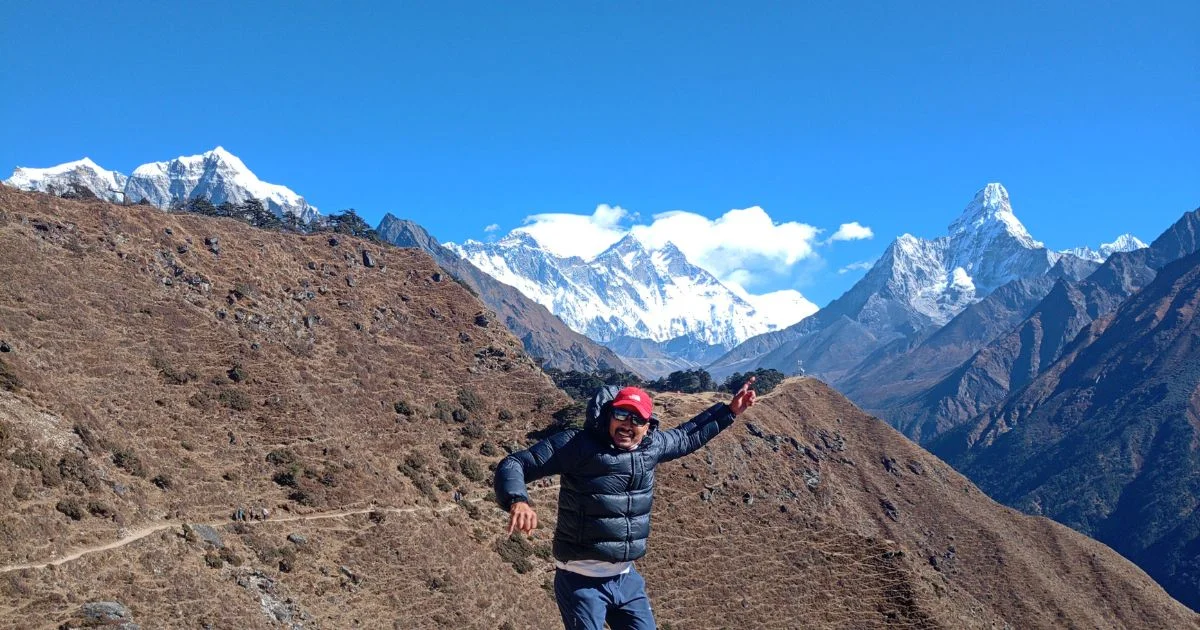
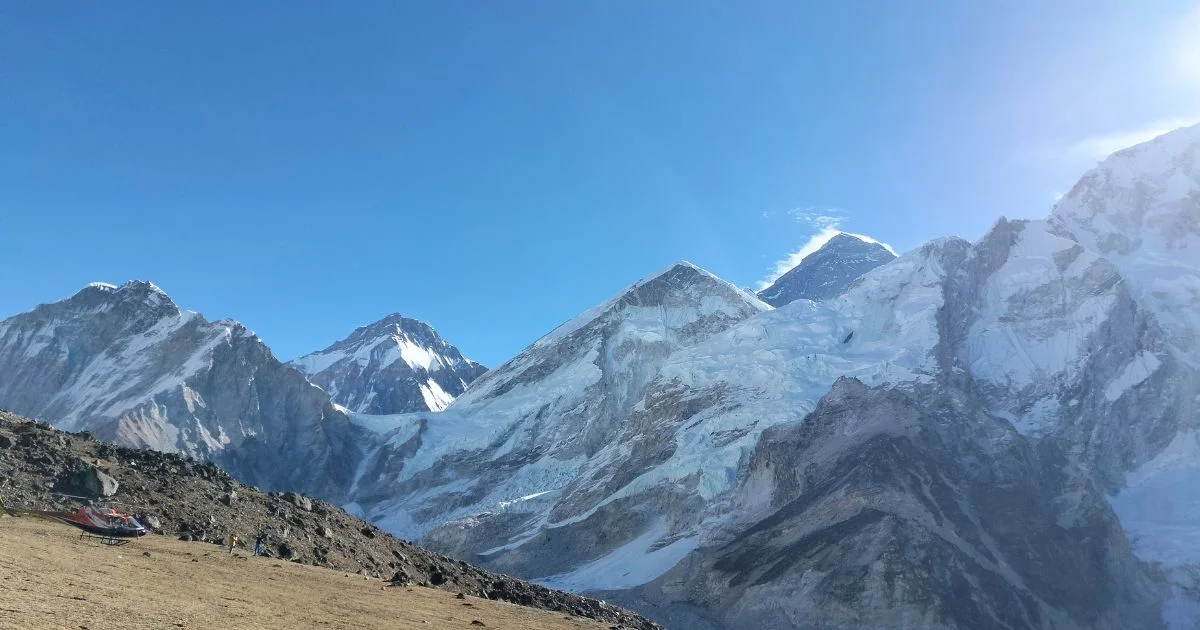
Mount Everest and Amadablam with other mountains
Dhaulagiri Himal (White Mountain Range)
Interestingly, Dhaulagiri translates to "White Mountain" in Sanskrit. Meanwhile, the Dhaulagiri range is located in central Nepal, extending through north-central regions, with Dhaulagiri I (8,167m) ranking as the world's seventh-highest mountain.
Geographic Features
Forms dramatic barrier between Kali Gandaki River valley and Dolpo region
Kali Gandaki Gorge: One of Earth's deepest gorges (5,500m vertical relief)
Offers challenging trekking circuits, including the Dhaulagiri Circuit
Remote and rugged terrain preserves pristine wilderness
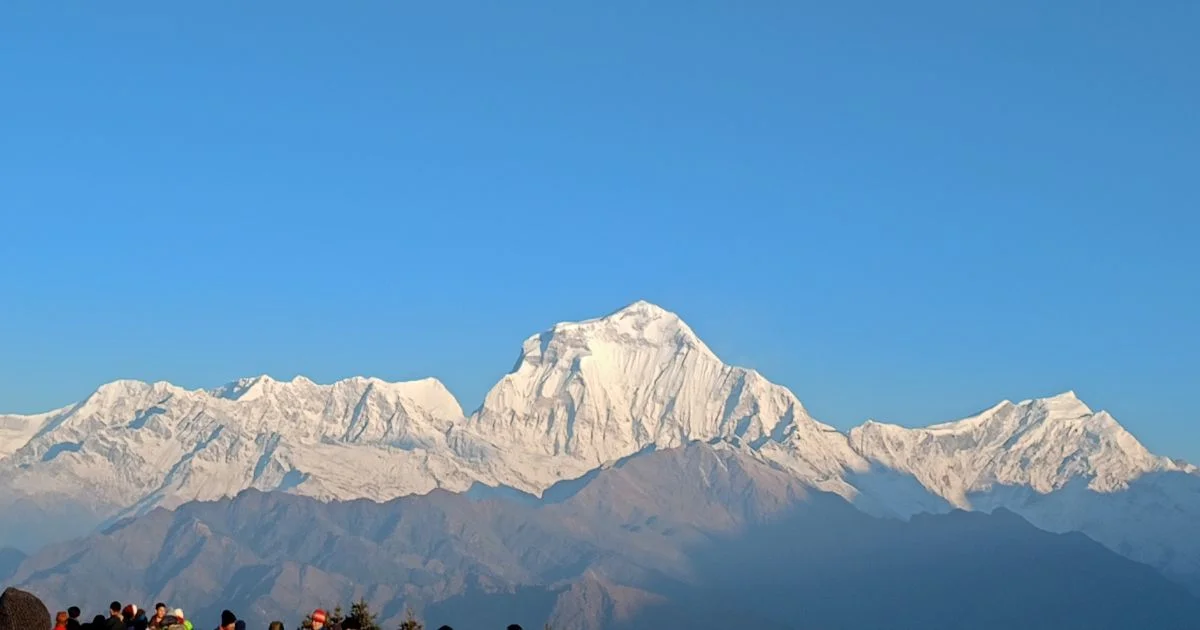
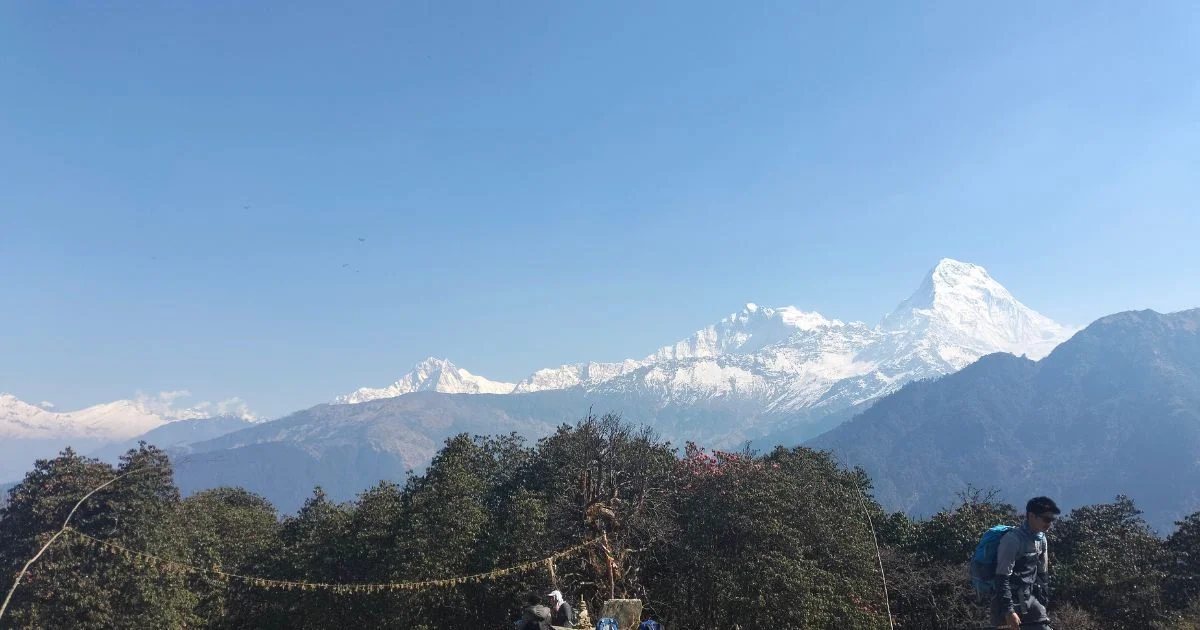
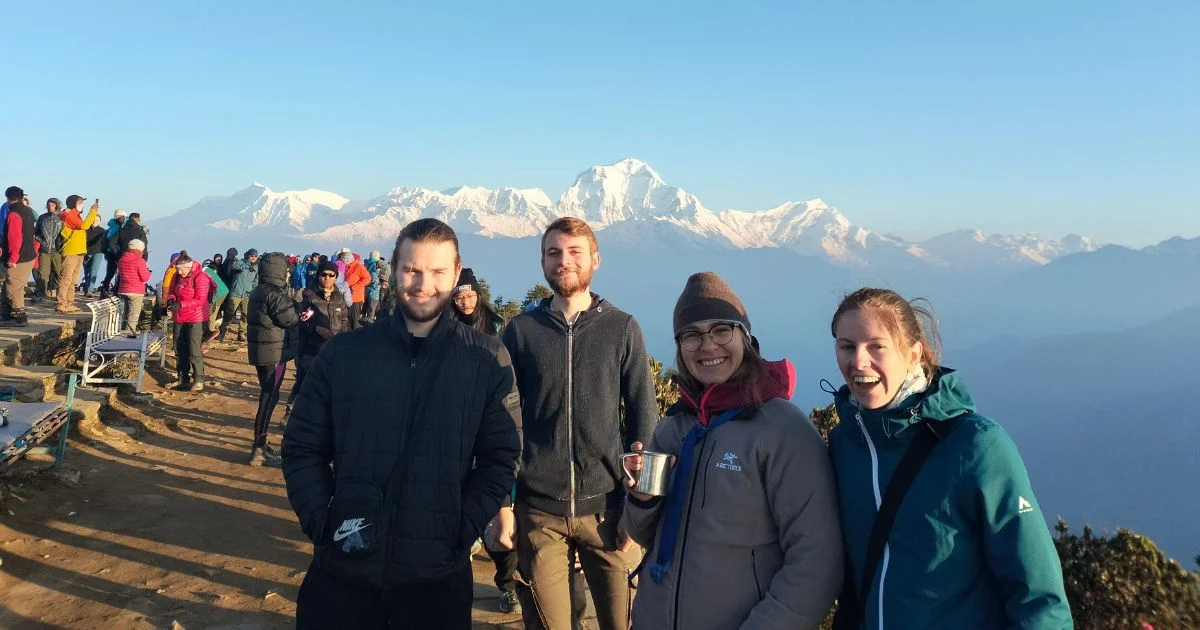
Dhaulagiri mountain Ranges see from Poon hill
Annapurna Himal (Most Popular Trekking Destination)
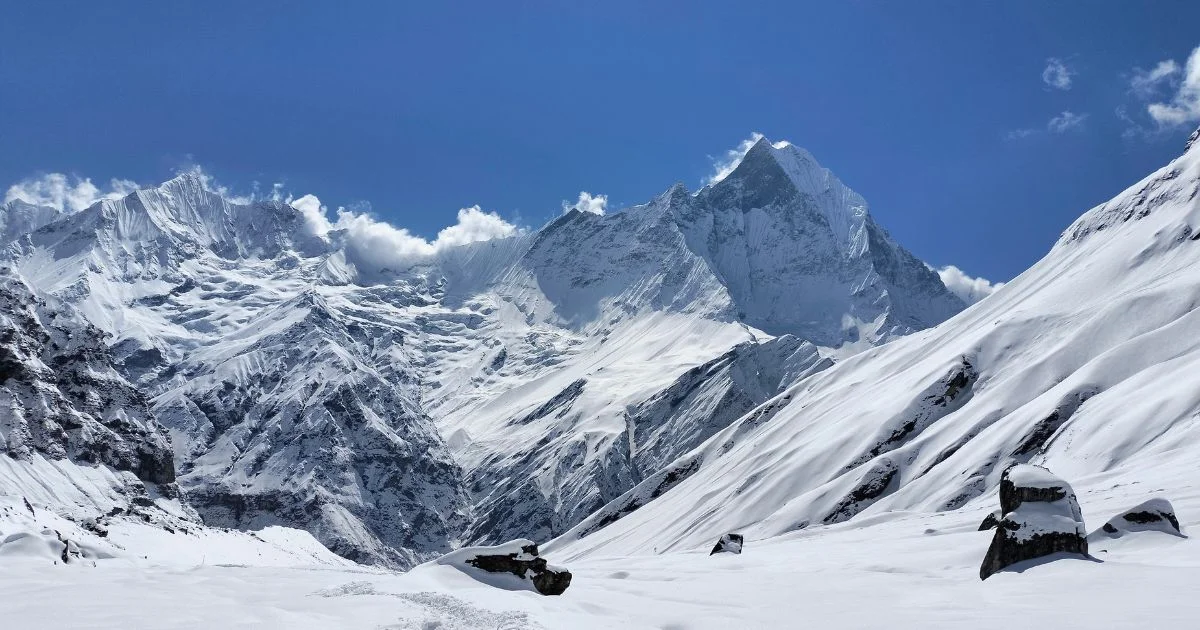
Undoubtedly, the Annapurna range arguably represents Nepal's most popular trekking destination. Significantly, Annapurna I (8,091m) was the first eight-thousander successfully climbed in 1950. Moreover, the Annapurna Circuit trek and Annapurna Base Camp treks are among Nepal's most celebrated journeys.
Pioneering conservation model emphasising sustainable tourism
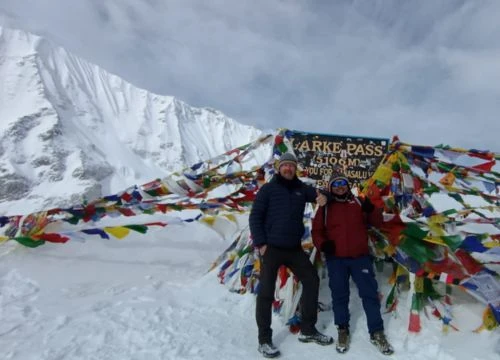
Annapurna Circuit: One of the world's great treks; crosses Thorong La pass (5,416m)
Annapurna Base Camp trek: Shorter route offering close views of the Annapurna range and stunning vistas of the surrounding towering peaks
Highest fatality rate (32%) among eight-thousanders
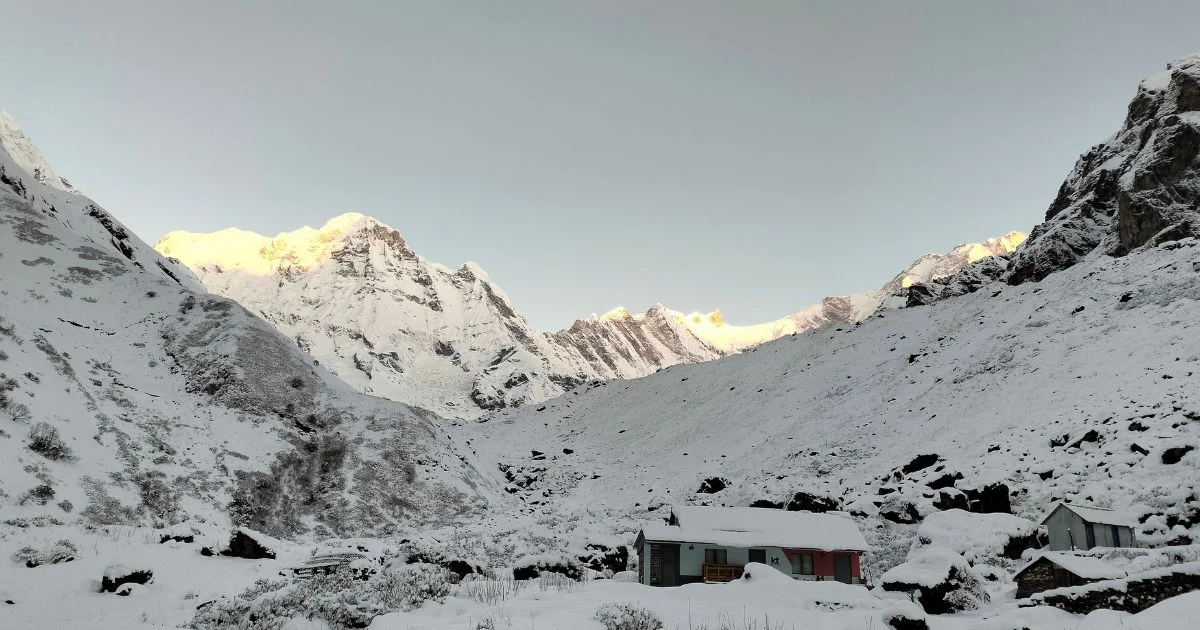
Mount Annapurna
Manaslu Himal (Mountain of the Spirit)
Significantly, Manaslu (8,163m), the world's eighth-highest peak in the world, derives its name from Sanskrit "Manasa," meaning "Mountain of the Spirit." Additionally, the Manaslu Conservation Area protects 1,663 square kilometres of diverse ecosystems.
Trekking Opportunities
Manaslu Circuit Trek: Popular alternative to the crowded Annapurna Circuit
Crosses Larkya La pass (5,106m)
Less-developed regions provide authentic cultural experiences
Increasingly popular for mountaineering training before Everest attempts
Ganesh Himal (Proximity to Kathmandu)
Conveniently, the Ganesh Himal range is located in central Nepal, north of Kathmandu Valley, and named after the Hindu elephant-headed deity. Meanwhile, Ganesh I (Yangra) reaches 7,422 metres as the highest peak.
Community Tourism
Ruby Valley trek: Community-based tourism initiative
Visitors experience authentic village hospitality
Supports local economies directly
Inhabited by Tamang and Gurung communities maintaining traditional lifestyles
Langtang Himal (Closest Major Range to Capital)
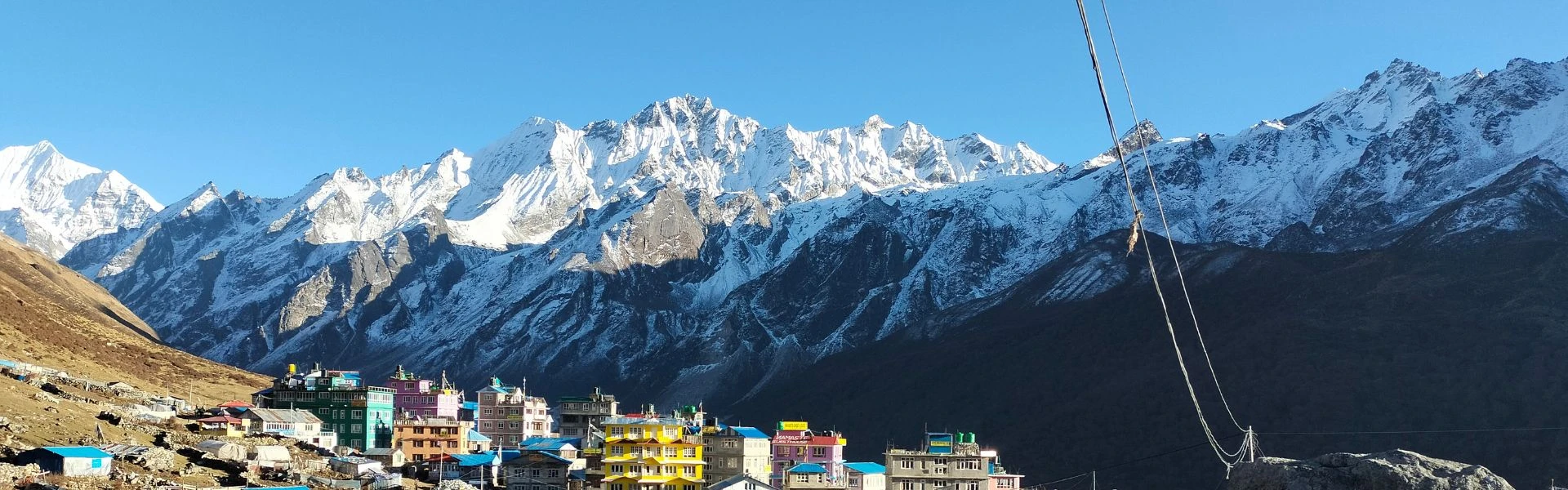
Notably, the Langtang Valley trek range is located approximately 60 kilometres north of Kathmandu, making it the closest major Himalayan range to the capital. Furthermore, Langtang Lirung (7,227m) dominates as the highest peak. Meanwhile, Langtang National Park protects 1,710 square kilometres of pristine Himalayan ecosystem.
2015 Earthquake Impact
Devastating earthquake killed hundreds in the valley
Reconstruction focused on sustainable rebuilding
Preservation of traditional architecture and culture
Habitat for red pandas and snow leopards
Rolwaling Himal (Remote Wilderness)
Similarly, the Rolwaling range stretches along the Nepal and Tibet border between Langtang and Mahalangur ranges. In addition, this remote region offers challenging trekking through pristine wilderness.
Notable Peaks
Gauri Shankar (7,134m)
Melungtse (7,181m)
Maintains reputation for difficult access and harsh conditions
Attracts experienced trekkers seeking solitude
Lesser-Known Ranges
Jugal Himal
Northeast of Kathmandu
Dorje Lakpa (6,966m) as highest peak
Training grounds for mountaineers
Janak Himal
Nepal and Tibet border in far eastern Nepal
Jongsong Peak (7,462m)
Part of Kanchenjunga Conservation Area
Kanjiroba Himal
Northwest Nepal
Contains Shey Phoksundo National Park (Nepal's largest)
Phoksundo Lake: The deepest lake in Nepal with breathtaking turquoise waters
Dolpo region maintains authentic Tibetan culture
Notable Peaks and Climbing History
Mount Everest (Sagarmatha/Chomolungma)
Undeniably, Mount Everest towers at 8,849 metres as the world's highest mountain, commanding unmatched reverence among climbers. Notably, the official height was jointly updated by Nepal and China in December 2020.
Climbing History
First successful ascent: May 29, 1953 (Edmund Hillary and Tenzing Norgay Sherpa)
Hundreds of climbers attempt annually during spring and autumn
Two main routes: Southeast Ridge (Nepal) and North Ridge (Tibet)
Death zone above 8,000m requires supplementary oxygen
Current Challenges
Environmental impact: Waste accumulation and human traffic congestion
Stricter regulations requiring climbers to return with waste
Limited permit numbers to control crowding
Commercialisation debates
Kanchenjunga (Five Treasures of Snow)
Elevation: 8,586 metres (World's 3rd highest)
Historically, the first ascent occurred May 25, 1955, by Joe Brown and George Band, who stopped just short of the summit out of respect for local spiritual beliefs. In fact, this tradition continues today.
Proportionally fewer fatalities than Everest or K2
Five distinct peaks form massive wall
Annapurna I (Deadliest Eight-Thousander)
Elevation: 8,091 metres (World's 10th highest)
Historically, this peak holds significance as the first eight-thousander successfully climbed by humans (June 3, 1950, by Maurice Herzog and Louis Lachenal).
Risk Profile
Highest fatality rate: approximately 32% of summiteers
Severe objective hazards: avalanches, seracs, extreme weather
South Face presents one of mountaineering's ultimate challenges
Nearly 3,000-metre wall of rock, ice, and snow
Trekking Peaks (Accessible Mountains)
Importantly, Nepal categorises peaks into Groups A, B, and C based on altitude and difficulty.
Features: Diverse landscapes from subtropical valleys to high-altitude deserts
Infrastructure: Teahouse accommodation throughout
Note: Road construction now permits shorter variations of the Circuit and Annapurna Base Camp routes, each offering stunning views of Annapurna and Dhaulagiri
Mount Annapurna ranges
Manaslu Circuit Trek
Duration: 18-24 days
Maximum elevation: Larkya La pass (5,106m)
Advantages: Less crowded than Annapurna; authentic cultural experiences
Requirement: Restricted area permit
Langtang Valley Trek
Duration: 7-10 days
Maximum elevation: 4,984 metres
Benefits: Accessible from Kathmandu; moderate difficulty
Recovery: Rebuilt after 2015 earthquake
Kanchenjunga Base Camp Trek
Duration: 20-25 days
Maximum elevation: 5,143 metres
Character: Remote, pristine wilderness
Limitation: Restricted area regulations limit permit numbers
Permit Requirements and Regulations
Climbing Permits
Specifically, permits are:
Issued by Nepal Mountaineering Association (trekking peaks)
Department of Tourism (expedition peaks)
Fees: Hundreds (trekking peaks) to tens of thousands (eight-thousanders)
Eight-thousanders: $11,000+ per person during spring season
Mandatory Requirements
Liaison officers for all expeditions
Accredited Sirdar (head guide/climbing leader)
Sufficient Sherpa support staff
Age restrictions: 16-75 years old for Everest
Environmental Regulations
Deposit bonds refundable upon returning with waste
Single-use plastics banned above base camps
Proper disposal of human waste mandatory
TIMS cards (Trekkers' Information Management System) required
Fauna: Tigers, rhinoceros, elephants in southern lowlands
Temperate Zone (1,000-3,000m)
Mixed deciduous and coniferous forests
Dominant species: Oak, rhododendron, fir
Wildlife: Red pandas, Himalayan black bears, numerous bird species
Subalpine Zone (3,000-4,000m)
Stunted birch and rhododendron forests
Musk deer, Himalayan tahr, high-altitude birds
Alpine Zone (4,000-5,000m)
Grasslands and herbaceous plants
Summer grazing for wildlife and livestock
Nival Zone (Above 5,000m)
Limited plant life
Snow leopard habitat
Unique invertebrate species survive above 6,000m; notably, even the highest ridges support microbial life
Protected Areas and Conservation
National Parks and Conservation Areas
Protected Area
Size (km²)
Established
Key Features
Sagarmatha National Park
1,148
1976
UNESCO World Heritage; Everest region
Annapurna Conservation Area
7,629
1986
Largest conservation area; community-managed
Makalu-Barun National Park
1,500
1992
Extreme elevation gradient; 3,000+ plant species
Langtang National Park
1,710
1976
Red panda habitat; close to Kathmandu
Shey Phoksundo National Park
3,555
1984
Nepal's largest, Phoksundo Lake
Kanchenjunga Conservation Area
2,035
1997
Sacred mountain protection
Conservation Success
Nepal protects approximately 23% of its territory
Community-based management approaches pioneered in Annapurna
Forest cover increasing despite population growth
Snow leopard conservation through community incentives
Climate Change and Environmental Threats
Glacial Retreat and Water Security
Climate Change Impacts
Himalayan glaciers losing mass at accelerating rates
Rising temperatures cause rapid glacier retreat
Affects river flows, thereby threatening water security for millions
Increased glacial lake outburst flood (GLOF) risks
Permafrost Degradation
Destabilises mountain slopes
Increases landslide and rockfall hazards
Changing precipitation patterns alter ecosystem dynamics
Vegetation zones shifting upward threatens high-altitude species
Tourism Impact
Environmental Pressures in Popular Regions
Waste accumulation and water pollution
Deforestation for firewood
Trail degradation from overuse
Helicopter traffic disturbs wildlife
Management Solutions
Sagarmatha Pollution Control Committee collects and processes waste
Awareness campaigns educate trekkers and communities
Deposit systems for waste removal
Teahouse regulations for environmental standards
Wildlife Conservation Challenges
Threats to Endangered Species
Poaching and illegal wildlife trade
Snow leopards face retaliatory killing after livestock predation
Medicinal plant harvesting (Cordyceps fungus, various herbs)
Habitat fragmentation from infrastructure development
Conservation Initiatives
Compensation programmes for livestock losses
Community-managed "snow leopard enterprises"
Reforestation projects creating employment
Climate change adaptation programmes
Regional Distribution and Significance
Eastern Nepal
Mountain Ranges
Mahalangur Himal (Everest)
Kangchenjunga Himal
Numerous lesser-known ranges
Regional Impact
Khumbu region attracts over 50,000 visitors annually
Sophisticated tourism infrastructure
Sherpa population achieves global recognition
Glaciers feed Koshi river system supporting millions
Central Nepal
Mountain Ranges
Annapurna
Manaslu
Langtang
Ganesh
Characteristics
Greatest concentration of popular trekking destinations
Proximity to Kathmandu ensures accessibility
Remarkable geological diversity
Kali Gandaki Gorge exposes ancient rock formations
Western Nepal
Mountain Ranges
Dhaulagiri
Kanjiroba
Portions of Annapurna massif
Features
More remote and less-visited
Preserves authentic traditional lifestyles
Tremendous potential for adventure tourism
Dolpo region maintains Tibetan cultural characteristics
Trans-Himalayan Region
Areas
Upper Mustang
Manang
Parts of Dolpo
Characteristics
North of main Himalayan crest
Tibetan cultural characteristics
Semi-arid climates in rain shadow
Ancient trade routes to Tibet
Specialised ecosystems adapted to extreme conditions
Indigenous Communities and Cultural Heritage
Sherpa People (Mountaineering Experts)
Notably, the Sherpa people of the Everest region have achieved global recognition for mountaineering expertise. Originally migrating from Tibet centuries ago, Sherpas developed sophisticated adaptation mechanisms for high-altitude living.
Cultural Characteristics
Buddhist traditions emphasise community solidarity
Environmental respect values
Successful mountain guiding and expedition support
Intimate knowledge of terrain invaluable to expeditions
Tamang Community (Mid-Elevation Inhabitants)
Importantly, one of Nepal's largest ethnic groups, Tamangs inhabit mid-elevation regions across eastern and central Nepal.
Cultural Features
Strong Tibetan cultural connections
Unique artistic traditions: distinctive music and dance
Traditional houses demonstrate ingenious construction for seismic hazards
Sustainable agricultural practices
Gurung and Thakali (Annapurna Region)
Historically, these communities dominate the Annapurna region, maintaining agricultural and trading traditions dating back centuries.
Historical Significance
Controlled trans-Himalayan trade routes
Accumulated wealth and cultural sophistication
Traditional social structures and resource management
Models for sustainable mountain development
Dolpo-pa (Far Western Inhabitants)
Remarkably, the Dolpo-pa maintain one of Earth's last authentic Tibetan Buddhist cultures, living at extreme elevations in harsh environments.
Cultural Preservation
Ancient traditions preserved through isolation
Sustainable agro-pastoral systems demonstrate resilience
Increasing contact presents cultural preservation challenges
Trans-boundary nature of Himalayan ecosystems requires regional frameworks
Hindu Kush Himalaya Assessment facilitates knowledge exchange
Global climate action essential for long-term success
Sustainable Tourism Development
Balancing Development and Conservation
Tourism contributes substantially to Nepal's economy
Sustainable livelihoods for mountain communities
Environmental protection and economic development can coexist
Controlled tourism preserves cultural integrity
Future Challenges
Managing increasing visitor numbers
Maintaining wilderness character
Ensuring equitable benefit distribution
Adapting to climate change impacts
Summary Table: All Ranges at a Glance
Range Name
Highest Peak
Elevation
Location
Best Season
Difficulty
Accessibility
Mahalangur Himal
Mt. Everest
8,849m
Eastern
Sep-Oct, Mar-May
Expert
High
Kangchenjunga Himal
Kangchenjunga
8,586m
Eastern
Sep-Oct, Mar-May
Expert
Medium
Janak Himal
Makalu II
7,678m
Eastern
Sep-Oct, Mar-May
Advanced
Low
Manaslu Himal
Mt. Manaslu
8,163m
Central
Sep-Oct, Mar-May
Advanced
Medium
Ganesh Himal
Ganesh I
7,422m
Central
Oct-Nov, Mar-Apr
Intermediate
Medium
Langtang Himal
Langtang Lirung
7,227m
Central
Oct-Nov, Mar-Apr
Beginner
High
Rolwaling Himal
Gauri Shankar
7,134m
Central
Oct-Nov, Mar-Apr
Intermediate
Low
Jugal Himal
Dhorje Lapcha
6,966m
Central
Oct-Nov, Mar-Apr
Beginner
Medium
Dhaulagiri Himal
Dhaulagiri I
8,167m
Western-Central
Sep-Oct, Mar-May
Expert
Medium
Annapurna Himal
Annapurna I
8,091m
Central
Oct-Nov, Mar-Apr
Expert
High
Peri/Larkya Himal
Larkya La
5,106m
Central
Aug-Sep, Mar-May
Intermediate
Low
Damodar Himal
Janakpur Peak
6,850m
Central
Sep-Oct, Mar-May
Beginner
Low
Sringi Himal
Sringi
7,187m
Central
Oct-Nov, Mar-Apr
Beginner
Low
Kanjiroba Himal
Kanjiroba
6,612m
Western
Sep-Oct, Mar-May
Intermediate
Low
Singalila Range
Sandakphu
3,636m
Southern
Oct-Dec, Mar-May
Beginner
High
Barun Himal
Barun Bhakaino
6,652m
Eastern
Sep-Oct, Mar-May
Intermediate
Low
Yoka Pahar/Api
Mt. Api
7,132m
Far Western
Sep-Oct, Mar-May
Advanced
Very Low
Closing Visions of Mountain Ranges in Nepal
Ultimately, the Nepal Himalayas and their majestic mountain ranges constitute one of Earth's most spectacular natural features. Indeed, the Himalayas offer breathtaking scenery, diverse ecosystems, and deep cultural significance across every region of Nepal. From towering peaks among the mountain ranges in the world to lesser-known ranges offering pristine wilderness, Nepal is home to unparalleled opportunities for mountain experiences. Indeed, this famous mountain range in Nepal region provides breathtaking views, breathtaking natural landscapes, and stunning mountain vistas that captivate visitors from around the globe.
Furthermore, these mountains profoundly influence regional climate, hydrology, and ecology while supporting diverse communities maintaining ancient traditions. Additionally, understanding the mountain ranges in Nepal requires appreciating both physical geography and cultural dimensions, recognising how communities have adapted to these extraordinary landscapes. In fact, the range is home to vibrant cultures, and each range lies within a specific ecological and cultural context. Moreover, the Nepal Himalayas truly offer experiences unlike anywhere else on Earth.
Certainly, the future faces challenges from climate change and development pressures, yet growing environmental awareness and improved conservation practices bring hope. Sustainable tourism models show how economic development and environmental protection can progress together when guided by responsible travel principles. By supporting sustainable practices, respecting cultural values, and addressing climate change, we ensure that future generations can experience Nepal’s mountains, including the Annapurna and Dhaulagiri mountain ranges, in their full splendour. To plan your responsible journey into the Himalayas, contact us at Nepal Everest Base Camp Co.
Mount Everest and ranges
Mountain Ranges in Nepal:FAQs
Which region of Nepal has the highest mountains?
Specifically, the eastern region contains Nepal's highest peaks, including Mount Everest (8,849m), Lhotse (8,516m), Makalu (8,485m), and Cho Oyu (8,188m). Additionally, central Nepal also features impressive heights with Dhaulagiri, Manaslu, and Annapurna. This list of mountains in Nepal demonstrates the country's extraordinary concentration of high mountain peaks.
How many 8,000-metre peaks are there in Nepal?
Remarkably, Nepal is home to eight of the world's 14 highest mountain peaks (the eight-thousanders): Everest, Kanchenjunga, Lhotse, Makalu, Cho Oyu, Dhaulagiri I, Manaslu, and Annapurna I. Additionally, some peaks straddle international borders with the Tibet Autonomous Region of China or Sikkim/India. This impressive list of mountains places Nepal at the centre of high-altitude mountaineering.
What is the easiest 8,000-metre peak to climb in Nepal?
Generally, Cho Oyu (8,188m) is recognised as the most accessible eight-thousander, with moderate technical difficulty on the standard northwest ridge route. However, "easiest" is relative; consequently, all eight-thousanders present extreme challenges requiring excellent conditioning and proper acclimatisation.
Which mountain in Nepal has the highest fatality rate?
Notably, Annapurna I maintains the highest fatality rate among eight-thousanders at approximately 32% of summiteers. In fact, extremely unstable weather, massive serac barriers, and avalanche-prone slopes contribute to its deadly reputation. Nevertheless, this part of the Himalayan mountain system continues to attract the world's most experienced climbers.
Are there climbing restrictions for Mount Everest?
Indeed, climbers require permits ($11,000+ during spring), must demonstrate previous high-altitude experience, and follow age restrictions (16-75 years). Furthermore, environmental regulations mandate waste removal and ban single-use plastics above base camps.
Which season is ideal for trekking in Nepal?
Generally, spring (March-May) and autumn (September-November) offer the best trekking conditions with stable weather and clear mountain views. Moreover, spring features blooming rhododendrons, while autumn provides crisp visibility after the monsoon. During these seasons, trekkers can enjoy breathtaking mountain vistas and views of the surrounding peaks.
When trekking in Nepal, do I need a guide?
Although not mandatory for most regions, hiring guides is highly recommended for safety, cultural insights, and supporting local economies. Moreover, some restricted areas require guides by regulation. Additionally, guides familiar with Sherpa culture and local traditions significantly enhance the trekking experience.
What altitude sickness precautions should trekkers take?
Importantly, proper acclimatisation through gradual elevation gain, staying hydrated, avoiding alcohol, and recognising symptoms early are essential. Furthermore, descend immediately if severe symptoms develop. Additionally, understanding your body's response to altitude is crucial for safety.
How long does it take to trek to Everest Base Camp?
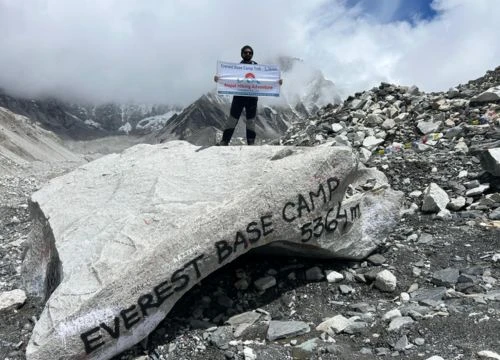
Typically, the standard Everest Base Camp trek requires 12-14 days, including acclimatisation days. However, rushing increases altitude sickness risks significantly. Nevertheless, this trek offers stunning views and breathtaking views that make the journey worthwhile.
What permits are needed for trekking in Nepal?
Generally, most treks require TIMS cards (Trekkers' Information Management System) and specific area permits. Additionally, restricted areas like Upper Mustang and Kanchenjunga require special permits with higher fees. Consequently, planning ahead ensures compliance with all regulations.
Blending digital strategy with mountain passion, I help adventurers find their way to the Himalayas online. With hands-on experience in Nepal’s trekking trails and a role at Nepal Everest Base Camp Trekking Co., Thamel, I combine SEO expertise with true trail insight.