Summary: The Nepal travel insurance guide explains that insurance is not required for entry but is essential for trekking. Choose a specialist policy with an altitude limit above 5,500 m, helicopter evacuation cover of at least USD 100,000 and named AMS coverage. Declare pre-existing conditions, get pre-authorisation for rescues, and read the full policy wording before you buy.
Nepal Travel Insurance Guide: Why It Matters
Travel insurance is not a formality in Nepal. The Nepal travel insurance guide makes it clear that it is a practical tool that covers you when the environment works against your plans. The mountains of Nepal sit above 5,000 metres in many trekking zones, and the healthcare infrastructure in those areas is limited by design. Hospitals, road access, and communication lines are sparse once you leave Kathmandu. That gap between risk and access is exactly where a solid insurance plan does its job.
Most travellers who visit Nepal are well-prepared for the physical side of trekking. They train, they pack carefully, and they book their permits in advance. What many underestimate, however, is the financial exposure that comes with a medical incident at altitude. A single helicopter rescue from Everest Base Camp or the Annapurna Circuit can cost between USD 3,000 and USD 8,000, depending on conditions. Without adequate cover, that bill lands directly on you or your family.
Nepal Everest Base Camp Co. has been organising treks across Nepal for over a decade, with itineraries covering the Everest, Annapurna, and Manaslu regions. The team works directly with trekkers to plan permits, accommodation, and safety logistics before departure. Part of that preparation includes helping clients understand what their travel insurance policy needs to cover at altitude. This guide reflects what the company has learnt from years of questions asked before trips and problems encountered during them.
Is Travel Insurance Mandatory for Nepal? Nepal Travel Insurance Guide
Travel insurance requirements in Nepal depend on your route and activity type. Here is a clear breakdown.
General Travel Rules:
Nepal does not require travel insurance as a condition of entry for most nationalities.
Standard tourist visas can be obtained without proof of insurance at the border or airport.
That said, many trekking companies and permit authorities strongly recommend it, and some routes require it.
Most registered trekking agencies affiliated with the Association of Nepal Trekking Bodies will ask you to provide proof of travel insurance before departure.
Peak climbing above 6,000 metres through the Nepal Mountaineering Association requires verified medical evacuation coverage.
Some international expedition operators will not proceed without written confirmation from your insurance provider.
Consequences of Travelling Without Coverage
You remain personally liable for all emergency medical costs, including hospital fees and rescue flights.
If you cannot pay, rescue teams in remote areas may delay their response pending a guarantee of payment.
The Nepal embassy in your home country and your country's embassy in Nepal cannot fund your evacuation. They can assist administratively, but the financial responsibility stays with you.
Why You Need Travel Insurance in Nepal
Travel insurance is essential in Nepal for reasons that go beyond standard trip protection. The risks here are specific, serious, and expensive to manage without cover.
High-Altitude Illness and Medical Risk
Acute Mountain Sickness (AMS) affects a significant percentage of trekkers above 3,500 metres.
More severe conditions, including High Altitude Pulmonary Oedema (HAPE) and High Altitude Cerebral Oedema (HACE), can develop rapidly and require immediate descent.
Emergency medical treatment at altitude often means air evacuation, not road transport.
Health insurance from your home country rarely covers high-altitude incidents outside your domestic network.
Limited Healthcare Access in Trekking Regions
Namche Bazaar has a basic health post. Beyond that, facilities thin out quickly.
The nearest well-equipped hospitals are in Kathmandu. For trekkers in remote zones, that is a helicopter flight away.
Trekking in the Himalayas means accepting that ground ambulances do not exist on most trails.
Consequently, travel health insurance that covers medical evacuation is the only realistic bridge between a remote incident and proper care.
Flight Delays and Cancellations at Mountain Airstrips
Lukla Airport operates under strict weather windows. Cancellations of two to five days are routine during monsoon and late autumn.
A travel delay at Lukla can cascade into missed international connections, extended hotel stays, and additional meal costs.
Travel insurance plans include trip delay benefits that cover these added expenses, provided you have the right policy.
Road travel in Nepal also carries real risk. Mountain roads are narrow, and landslide disruptions are common between June and September.
Loss, Theft, and Trip Interruption
Hotels in Nepal, particularly in busy trekking hubs, see regular reports of petty theft.
Trekking gear, cameras, and travel documents can be lost or damaged on trail.
Comprehensive travel insurance covers baggage loss and trip interruption if an emergency forces you to cut your trek short.
What Should Nepal Travel Insurance Cover?
A policy built for Nepal should go beyond the standard travel insurance package. Below are the key areas to check before you commit.
Emergency Medical Treatment
Your policy must cover inpatient and outpatient emergency medical costs at hospitals in Nepal.
Look for a minimum of USD 100,000 in medical coverage. Ideally, choose policies offering USD 200,000 or more.
Medical insurance that only covers treatment at home is not useful here.
High-Altitude Trekking Coverage Limits
Altitude
Standard Policy
Specialist Trekking Policy
Up to 3,000 m
Usually covered
Covered
3,000 m to 5,000 m
Often excluded
Covered
5,000 m to 6,000 m
Rarely covered
Covered with declaration
Above 6,000 m (climbing)
Not covered
Requires expedition add-on
Always check the altitude ceiling stated in your insurance policies. Many standard policies cap the cover at 3,000 to 4,000 metres.
Trekking in Nepal above 4,000 metres requires a policy that explicitly extends to that altitude.
Helicopter Evacuation and Rescue
Nepal has several dedicated helicopter services in Nepal operating rescue and evacuation flights across major trekking regions, including Fishtail Air, Simrik Air, and Air Dynasty.
Medical evacuation cover is the single most important feature for Nepal trekking.
Helicopter costs from high-altitude zones are not predictable. Storms, load restrictions, and landing site conditions all affect the final bill.
Your policy should cover helicopter evacuation costs directly, without requiring you to pay upfront and claim later, if at all possible.
Evacuation insurance should have a minimum limit of USD 100,000. Some policies set this limit separately from general medical cover.
Trip Cancellation and Interruption
Travel insurance to protect prepaid costs matters if a medical issue, family emergency, or natural disaster cancels your trip before departure.
Interruption cover kicks in if you need to leave Nepal mid-trip due to an emergency.
Check that your travel insurance plan covers cancellation for trekking-related incidents, not just generic travel disruptions.
Baggage and Gear Protection
Specialist trekking gear is expensive. Cameras, satellite devices, and technical clothing add up quickly.
Standard baggage limits are often too low for serious trekkers. Look for insurance policies that allow top-up cover for high-value items.
Flight insurance for internal flights within Nepal, including Kathmandu to Lukla, is worth checking separately.
Personal Liability
Travel insurance plans for Nepal should include personal liability coverage in case you cause injury or property damage.
This matters more than most trekkers realise. Incidents on crowded trails can involve other trekkers or local property.
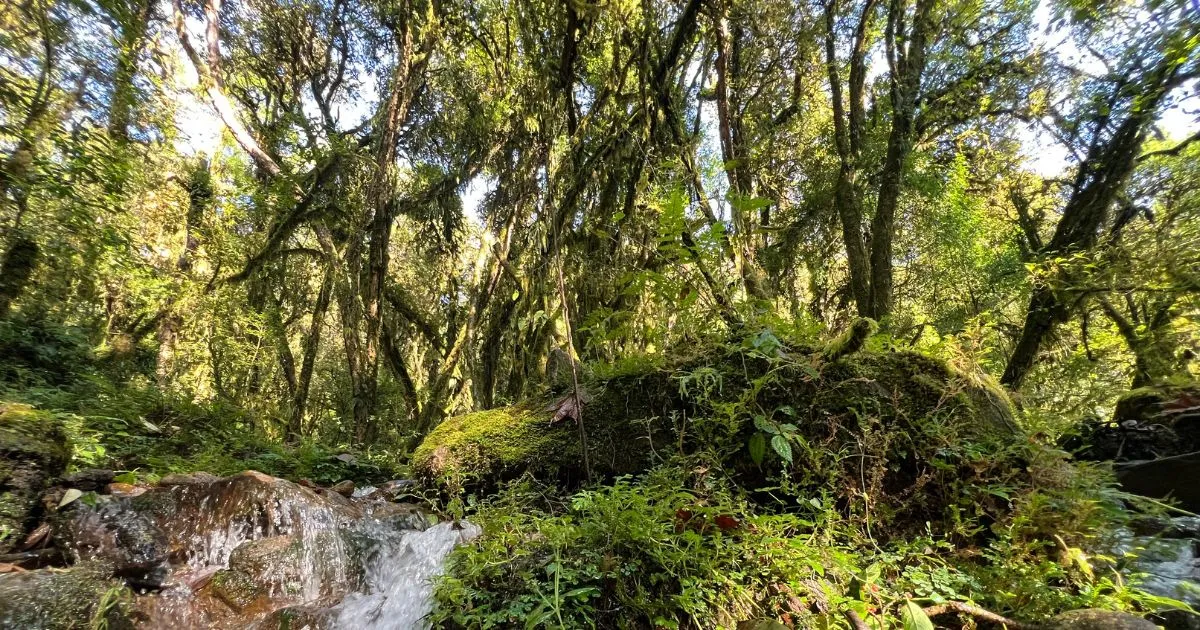
Walking through Green Valley during the trek
Trekking Insurance in Nepal Explained
Not all travel insurance products are built for the demands of trekking in Nepal. Understanding the difference between standard travel cover and specialist trekking cover can save you from a rejected claim.
Difference Between Standard and Trekking Coverage
Feature
Standard Travel Insurance
Trekking Insurance
Altitude limit
Often 3,000m or less
Up to 5,500m or 6,000m
Medical evacuation
Limited or excluded
Included as core benefit
AMS coverage
Excluded in many cases
Covered by reputable policies
Adventure activities
Often excluded
Covered under trekking category
Gear and equipment
Basic baggage limits
Higher limits, specialist items
Standard travel insurance policies are designed for beach holidays and city travel. They were not built with Himalayan conditions in mind.
Trekking insurance, by contrast, specifically accounts for altitude, remote terrain, and the physical demands of multi-day mountain routes.
Coverage for Everest, Annapurna, and Manaslu Regions
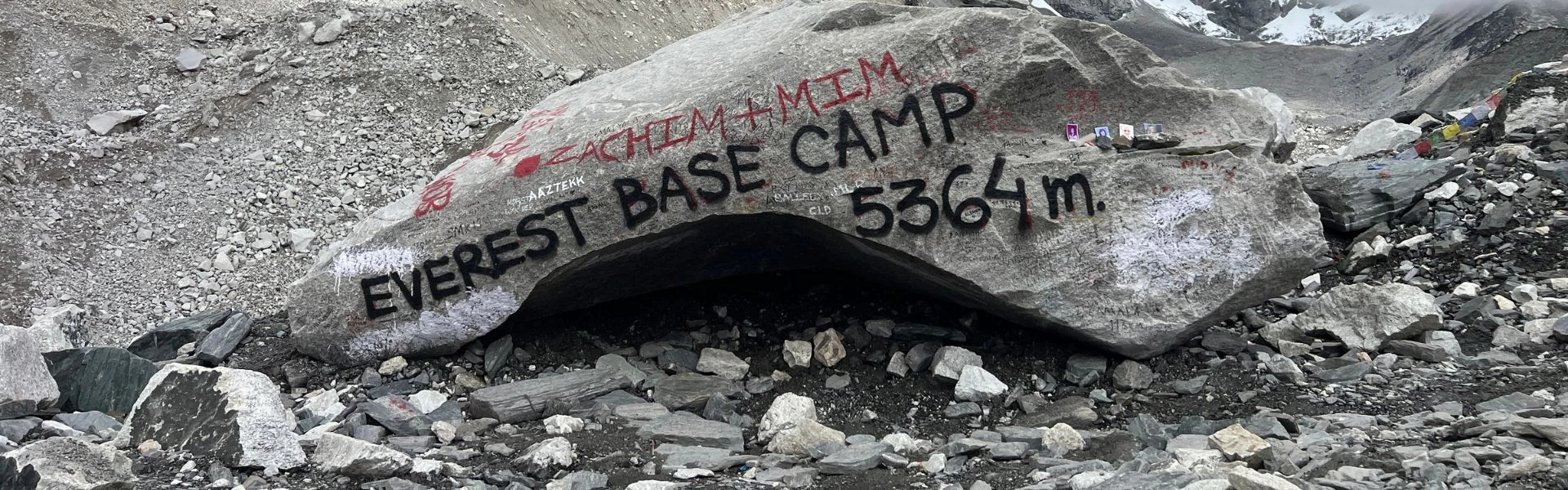
The Everest Base Camp route reaches 5,364 metres. As a result, any policy you carry must explicitly cover this altitude.
The Annapurna Circuit reaches Thorong La Pass at 5,416 metres. The same altitude rule applies.
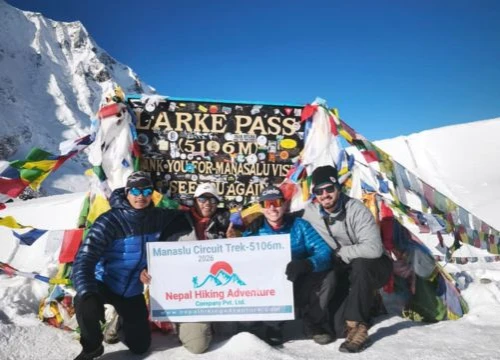
The Manaslu Circuit crosses Larkya La at 5,160 metres and is classified as a restricted area, which adds permit complexity.
Trekking in remote areas of these regions means slower rescue response times, which makes air evacuation cover even more critical.
Peak Climbing and Expedition Considerations
Mount Everest and any peak above 6,000 metres fall outside standard trekking insurance.
Climbers, therefore, need an expedition add-on or a dedicated mountaineering policy.
Travel insurance covers trekking routes but not technical climbing unless explicitly stated in the policy wording.
Guided Versus Independent Trekking
Guided trekkers through registered trekking companies often have a layer of logistical support if something goes wrong.
Independent trekkers carry the full coordination burden themselves during an incident.
Regardless of which option you choose, travel protection through your own policy remains your personal responsibility. A guide cannot file your claim or negotiate with your insurer.
Helicopter Rescue and Evacuation in Nepal
Helicopter rescue in Nepal is not a last resort. It is often the only realistic option when a trekker needs medical attention above 3,500 metres. Understanding how the process works before you need it is, therefore, worth the time.
How Rescue Operations Work in Remote Areas
Most rescues are coordinated through local trekking agencies, lodge owners, or guides who contact Kathmandu-based helicopter companies directly.
There is no centralised mountain rescue service in Nepal comparable to Alpine rescue systems in Europe.
Response times depend on weather conditions, helicopter availability, and whether your insurer can issue a guarantee letter quickly.
Many helicopter companies in Nepal will not lift off without a financial guarantee from a known insurance provider or a credit card hold for the estimated cost.
Typical Evacuation Costs
Evacuation Zone
Estimated Cost (USD)
Below 3,500m (general medical)
1,500 to 3,000
3,500m to 4,500m (mid-altitude)
3,000 to 5,500
4,500 m to 5,500 m (Everest/Annapurna high camps)
5,000 to 8,000+
Technical peak rescue
8,000 to 15,000+
These figures can rise further if weather delays the first flight attempt or if a second crew is needed.
The figures above represent standard evacuations. Complicated rescues involving multiple patients or night operations cost considerably more.
Why Coverage Limits Matter
A policy with a USD 25,000 medical evacuation limit may be insufficient for a complex high-altitude rescue plus subsequent hospital treatment in Kathmandu.
Always check whether evacuation costs are included within the overall medical limit or listed as a separate benefit.
Some travel insurance policies bundle evacuation into general medical cover, which can leave you underinsured if the medical bills also run high.
Common Claim Disputes and Verification Issues
Insurers frequently dispute claims where the rescue was not pre-authorised.
Travel insurance covers medical emergencies, but insurers expect you or your representative to contact them before authorising a rescue where possible.
Claims are also challenged when the trekker exceeded the altitude stated in their policy, was found to be trekking in remote areas of Nepal without a permit, or was under the influence of alcohol during the incident.
Keep all receipts, medical reports, and communication records. These documents are what your insurer will ask for first.
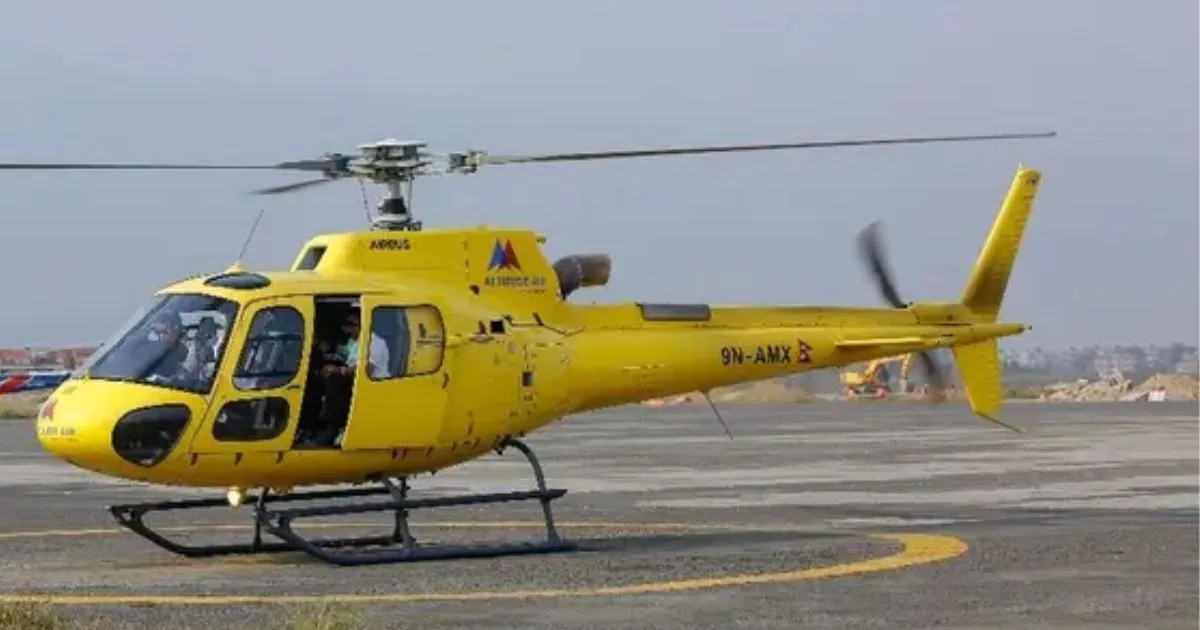
Helicopter evacuation during from high mountain
Best Travel Insurance Providers for Nepal
Choosing the best travel insurance for Nepal means comparing policies on features, not just price. Several insurance companies serve this market, and the differences in cover can be significant.
Key Features to Compare
Feature
What to Look For
Altitude limit
Minimum 5,500m for EBC or Annapurna routes
Medical evacuation limit
Minimum USD 100,000, ideally separate from medical cover
Emergency medical cover
USD 200,000 or more
Pre-authorisation requirement
24-hour assistance line accessible from Nepal
Policy wording on AMS
Explicitly includes altitude sickness
Claim process
Online or email-based, no postal-only claims
What Experienced Trekkers Prioritise
Trekkers with previous Nepal experience consistently prioritise evacuation cover and insurer response speed over premium price.
A policy that costs USD 20 more per week but includes direct billing with Kathmandu hospitals is, in most cases, worth the difference.
The ability to reach a 24-hour assistance line from a remote lodge with limited connectivity matters. Check that your insurer has a WhatsApp or email contact option, not just a toll-free number.
International Versus Regional Providers
World Nomads is frequently cited in travel insurance recommendations for adventure travellers. World Nomads travel insurance covers trekking activity and high altitudes, though policy limits and exclusions vary by your country of residence.
International providers generally offer stronger claim support infrastructure. However, regional providers in Nepal may have faster on-the-ground coordination with local hospitals and helicopter companies.
Some experienced travellers combine an international travel medical insurance policy with a local Nepali rescue membership for added logistical support.
Understanding Policy Wording
Travel insurance policies are legal documents. The plain-language summary on a provider's website is not the same as the policy wording.
Before you buy travel insurance, download and read the full policy document. Look specifically for the definitions of "adventure activity", "altitude limit", and "pre-existing condition".
If the wording is unclear, call the insurer before purchasing. A verbal confirmation is not binding, but it tells you whether the customer service team understands their own product.
Insurance products vary significantly in how they define what counts as trekking versus mountaineering. That line between those two categories directly affects your cover.
Cost of Travel Insurance for Nepal
Insurance cost varies considerably depending on your age, trip length, activity level, and the coverage limits you choose. Here is a practical breakdown.
Factors Affecting Pricing
Age: Premiums rise noticeably after 50 and again after 65.
Trip duration: A two-week trek costs less to insure than a six-week expedition.
Altitude declared: Policies that cover above 5,000 metres carry higher premiums than standard travel coverage.
Activity declared: Declaring trekking or mountaineering will increase your premium compared to a standard tourist policy.
Home country: Where you buy your policy affects the base price. The UK, Australian, and North American markets each have different pricing structures.
These are rough market ranges. Your actual premium will depend on the insurance provider and your personal profile.
Adding a cancel-for-any-reason upgrade will increase costs by 40 to 60 percent above the base premium.
Balancing Cost with Adequate Coverage
The cheapest travel insurance plan is rarely the right one for Nepal. A USD 40 policy that caps medical evacuation at USD 25,000 leaves you exposed in a serious incident.
Prioritise the evacuation and emergency medical limits first. Then adjust other benefits based on your budget.
Coverage for Nepal should not be treated like standard holiday insurance. The risk profile is genuinely different, and the policy should reflect that.
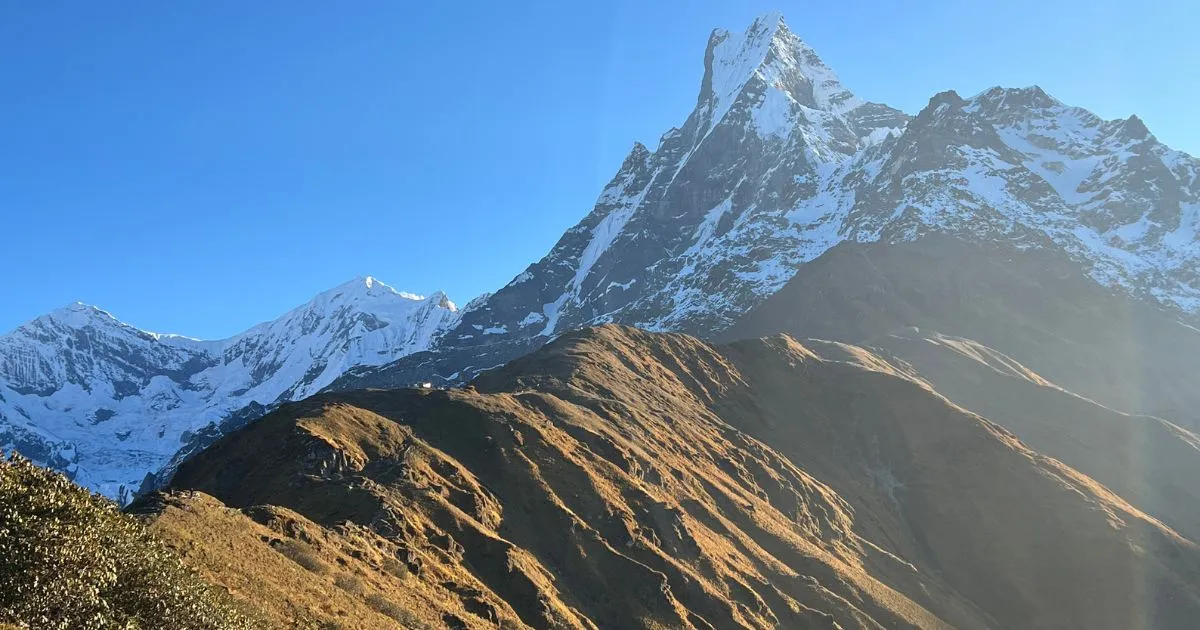
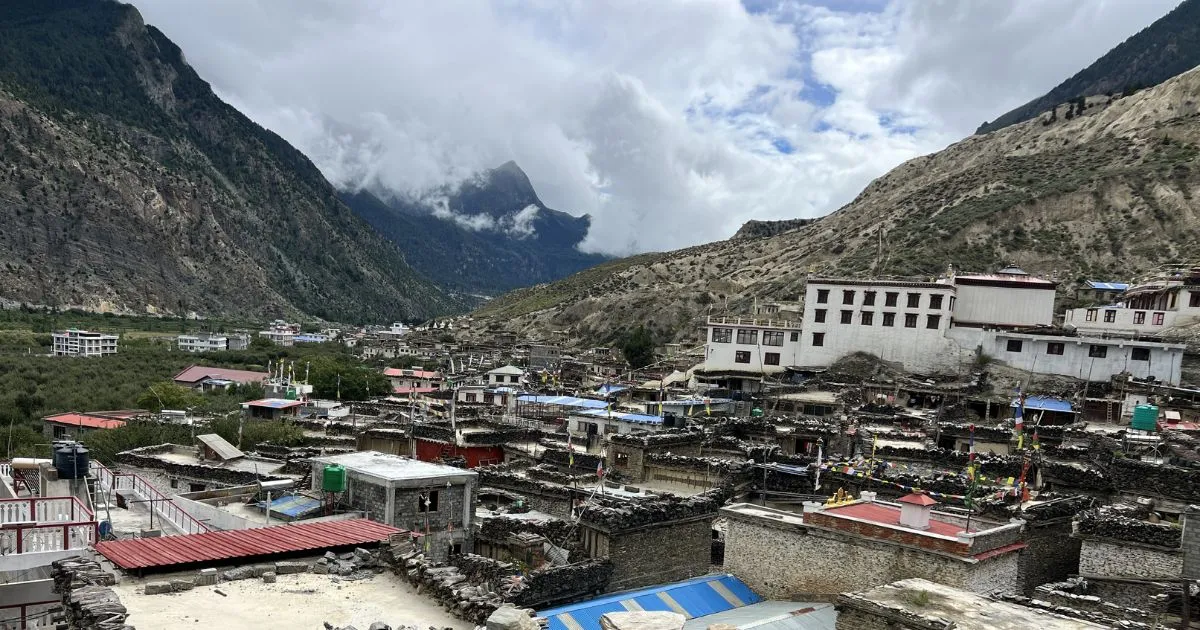
Trek in nepal Mardi himal trek
How to Choose the Right Policy
Selecting the right travel insurance plan for Nepal comes down to matching the policy to your actual itinerary and risk profile. The recommended travel insurance for most trekkers is a specialist policy that explicitly names trekking in Nepal as a covered activity and states a clear altitude ceiling above 5,000 metres. Before you finalise any insurance plan, confirm that the travel insurance policy covers the specific zones and altitudes on your route.
Matching Coverage to Your Itinerary
Map your route and note the highest altitude you will reach.
Check that your policy explicitly covers that altitude. Do not assume.
If your itinerary includes a restricted area like Upper Mustang or Manaslu, confirm that your policy covers trekking in permit-required zones.
International travel policies bought in your home country may use different altitude benchmarks than what you find marketed to Nepal visitors. Read carefully.
Warning Signs in Policies
Any policy that does not mention trekking in Nepal or adventure activities by name in its activity schedule is a risk.
Policies with a blanket exclusion for "mountainous terrain" or "activities at altitude" should be avoided.
If the insurance coverage document does not contain a clear definition of medical evacuation, that benefit is not reliably defined and may be disputed.
Policies that require pre-authorisation for every claim but offer only a daytime phone line are not practical for remote areas of Nepal.
Key Questions Before Purchase
What is the maximum altitude covered, and is it stated explicitly?
Is helicopter rescue and medical evacuation included as a named benefit?
Does the policy cover acute mountain sickness as a named condition?
What is the claims process, and can it be initiated from a remote location?
Are there exclusions for pre-existing conditions, and how broadly are they defined?
Final Checklist Before Buying
Altitude limit confirmed and matches your highest planned point
Emergency medical cover of at least USD 100,000
Medical evacuation cover of at least USD 100,000 (check if separate or combined)
24-hour assistance line accessible by phone or email from Nepal
AMS listed as a covered condition or not excluded
Trekking declared as a covered activity
Policy wording downloaded and reviewed, not just the summary page
Common Exclusions You Must Understand
Even the best travel insurance for Nepal comes with exclusions. Knowing them before you travel is what prevents a claim from being rejected.
Altitude Restrictions and Limits
Most standard travel insurance policies cap cover at 3,000 to 4,000 metres. Anything above that requires a specialist trekking policy or an altitude add-on.
If you trek above the altitude stated in your policy and require evacuation, your insurer can legally decline the claim.
Always check the fine print on altitude. Some policies state the limit in feet, not metres. 18,000 feet is roughly 5,486 metres. Know the conversion.
Pre-Existing Conditions
Most travel insurance policies exclude pre-existing medical conditions unless you declare them and pay an additional premium.
Heart conditions, respiratory issues, and diabetes all carry higher claim risk at altitude. Insurers know this and price accordingly.
Failing to declare a condition that later contributes to a claim gives the insurer grounds to refuse payment entirely.
Adventure Activity Exclusions
Standard insurance policies often list a blanket exclusion for adventure sports. Check whether trekking is classified as an adventure sport under your policy's definition.
Competitive trekking events, unsupported solo expeditions in extreme zones, and activities outside standard trekking routes may fall outside coverage.
If you want travel insurance that actually covers what you are doing, declare every activity, including acclimatisation hikes and peak permits.
Situations That Invalidate Claims
Situation
Why It Can Void a Claim
Trekking above the policy altitude limit
Breach of policy conditions
Trekking without a required permit
Non-compliance with local regulations
Alcohol or drug use at time of incident
Standard exclusion in most policies
Ignoring guidance or medical advice on descent
Contributory negligence argument
Failure to pre-authorise where required
Breach of claim conditions
How to Buy Travel Insurance for Nepal
The process of buying the right travel insurance for a Nepal trip is straightforward if you follow a clear sequence. Knowing when and where to purchase can also unlock additional benefits that are not available closer to departure.
Best Time to Purchase
Get your travel insurance as soon as you book your flights and accommodation. This activates trip cancellation cover immediately.
Buying within 14 days of your first deposit often unlocks additional benefits, such as pre-existing condition waivers with some providers.
Waiting until the week before departure means you miss cancellation cover for the entire pre-trip period.
Required Information and Documents
Your passport details and home country
Departure and return dates
Highest altitude you plan to reach
Activities you will undertake (trekking, climbing, peak permits)
Any pre-existing medical conditions
Total trip cost (for cancellation cover calculation)
Buying Online Versus Through Agents
Buy travel insurance online directly from the insurer if possible. This gives you the clearest documentation trail and direct access to the policy wording before purchase.
Travel insurance recommendations from your trekking agency should be treated as suggestions, not obligations. Agencies may earn commission on referrals.
If you use a comparison site, always click through to the insurer's own website to verify current policy terms before paying.
World Nomads and similar providers have fully online purchase systems that issue policy documents immediately. This is particularly useful if you are already visiting Nepal and realise your cover is inadequate.
Last-Minute Policy Options
If you need travel insurance after arriving in Nepal, some providers allow policy purchases from within the destination country, though terms and coverage may differ.
Nepal may restrict certain policy types purchased locally for non-residents. Confirm eligibility before purchasing from a provider based in Nepal.
Last-minute travel insurance plans are available but often carry waiting periods of 24 to 72 hours before cover activates.
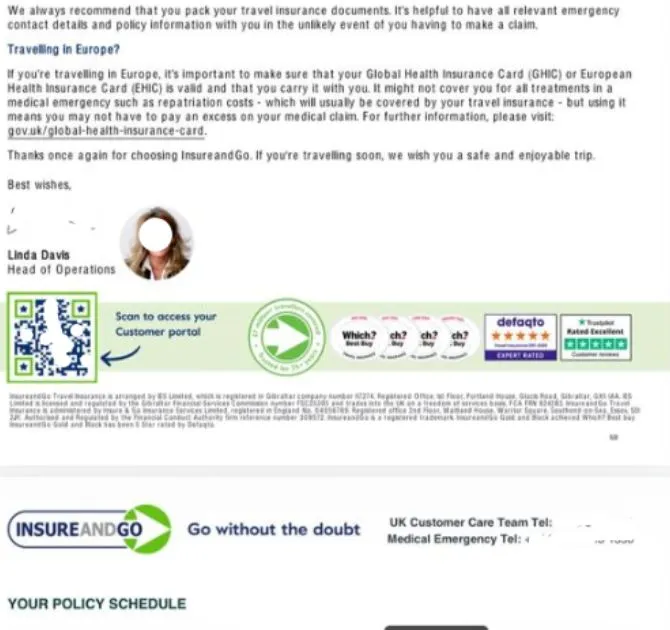
International Travel Insurance Policy/Company @insuranceandgo
How to Claim Travel Insurance in Nepal
A valid policy only works if you follow the correct claims process. Many rejected claims in Nepal result from procedural errors, not from the event being uninsured.
Step-by-Step Claim Process
Contact your insurer's 24-hour assistance line as soon as the incident occurs, or as soon as conditions allow.
Obtain pre-authorisation for any significant medical treatment or evacuation where required by your policy.
Collect all documentation at the point of treatment, including receipts, medical reports, and diagnosis records.
Keep records of all communication with your insurer, rescue teams, and medical providers.
Submit your claim with all supporting documents within the deadline stated in your policy.
Documents to Collect During Emergencies
Hospital admission and discharge reports
All payment receipts, including for medication and equipment hire
Helicopter or rescue flight receipts and confirmation
Trekking permit copies (proof you were trekking legally)
Travel documents such as your passport, visa, and entry records
A written incident report from your guide or the nearest trekking authority
Coordination with Hospitals and Rescue Teams
Kathmandu hospitals dealing with evacuation patients are experienced in working with international insurance companies. They will often ask for your insurer's guarantee letter before proceeding with treatment.
Insurance helps most when your insurer has a direct billing relationship with the treating hospital. Ask your insurer before you travel whether they have local Nepal partners.
Rescue teams in remote areas may work through specific agencies. Your guide should know the standard contacts. Having your insurer's emergency number accessible offline matters here.
Mistakes That Lead to Rejected Claims
Not contacting the insurer before authorising a major evacuation when pre-authorisation is required by your policy.
Failing to collect receipts or medical records at the point of treatment.
Submitting a claim beyond the stated deadline.
Providing incomplete or inconsistent information about the incident.
Using a policy that did not cover the altitude or activity involved. This is not a procedural error, but it is the most common reason claims fail in Nepal.
Practical Insurance Tips for Nepal Travel
These travel tips come from the patterns of what actually goes wrong on Nepal treks, not from a general checklist. Specifically, they address the gaps between what travellers plan and what international travel conditions in remote zones actually demand.
Tips Based on Real Trekking Conditions
Travel safety starts before you leave home. Carry a printed copy of your policy summary, emergency contact numbers, and your policy number separately from your phone.
Save your insurer's contact details in a way you can access offline. Screenshots, printed cards, or a note in your trekking journal all work.
Do not rely on your guide to initiate your insurance claim. The logistical support they provide is separate from the claims process with your insurer.
At high altitude, symptoms can progress quickly. Do not wait until a situation is critical to contact your insurer. Early communication gives them time to arrange guarantees before a helicopter is urgently needed.
Staying Compliant with Your Policy
Travel insurance that covers trekking usually requires that you are trekking within designated routes and with valid permits.
Stay on permitted trails. Going off-route into restricted zones without permits creates grounds for claim refusal.
If your guide suggests a route variation that takes you into a restricted area, confirm your permit status before agreeing.
Travel plans should be shared with your insurer if they include any peaks above your original declared altitude. Some policies allow mid-trip updates. Others do not.
Reducing Risk During Your Trip
Follow acclimatisation schedules seriously. Most high-altitude incidents that result in evacuation involve trekkers who ascended too quickly.
Know the symptoms of AMS, HAPE, and HACE. Treatment at altitude is limited. Descent and evacuation are the main responses.
Carry a personal supply of altitude medication if your doctor has approved it, but understand that medication does not replace proper acclimatisation.
Travel in Nepal involves physical exposure. Hydration, sleep, and pacing are your primary risk reduction tools.
What Guides and Agencies Expect
Most licensed guides in Nepal will ask to see your insurance details at the start of a trek. This is standard practice, not an intrusion.
Trekking companies that operate within the regulatory framework of the Association of Nepal Trekking Bodies are obligated to check that clients have adequate cover.
If an agency does not ask about your insurance, that is worth noting. It suggests lower standards in other areas too.
Insurance and travel planning are connected. An agency that treats insurance as an afterthought is not an agency that plans carefully for the rest of your trek either.
Nepal Travel Insurance Guide: Final Take for Trekkers
This Nepal Travel Insurance Guide covers the full scope of what you need as a trekker heading into the high-altitude zones. The country is physically demanding, logistically complex, and medically remote in ways that most travellers have never encountered before. Insurance provides a financial backstop against costs that most people could not absorb personally, and it does that job most effectively when you choose the right policy before you leave home.
The key points from this guide are worth carrying with you. Altitude limits in your policy must match your actual itinerary. Medical evacuation cover must be substantial, ideally USD 100,000 or more, and verified as a separate benefit. Pre-existing conditions must be declared. Claims must be pre-authorised where required. The time to read your policy wording carefully is before you are sitting in a lodge at 4,500 meters, trying to remember what your cover actually includes.
Visiting Nepal for a trek is one of the most rewarding decisions you can make as a traveller, and the preparation behind it determines whether you come home with a wonderful story or a very expensive problem. Travel insurance for Nepal is, simply put, the last thing you should try to save money on. Knowing you are covered changes how clearly you think during an emergency. Contact us at Nepal Everest Base Camp Co. to plan your trekking itinerary and make sure nothing is left unchecked before you leave.
Note: This guide covers travel insurance in Nepal for international travel involving treks, climbs, and extended visits. Information is general in nature. Always read your full policy wording and consult your insurer for advice specific to your trip.
Upper Mustang Trek in nepal
Nepal Travel Insurance: FAQs
Do I need travel insurance for trekking in Nepal?
Yes, travel insurance is effectively necessary for trekking in Nepal. You need a specialist trekking policy that explicitly covers your planned altitude, includes medical evacuation, and names trekking as a covered activity.
What altitude should my insurance cover?
Your insurance plan should cover at least the highest point on your planned route. For Everest Base Camp, that means 5,364 metres, and for Annapurna Circuit, it means 5,416 metres. Check the altitude limit in the actual policy document, not just the marketing page.
Does insurance include helicopter rescue in Nepal?
Most specialist trekking policies include helicopter rescue as part of their medical evacuation benefit. The critical details are the coverage limit, whether pre-authorisation is required, and whether your insurer has direct billing arrangements with helicopter companies in Nepal.
Can I travel in Nepal without insurance?
Legally, yes. Nepal does not require insurance for entry. Practically, travel to Nepal without adequate cover exposes you to five-figure evacuation bills and hospital costs that most travellers cannot absorb.
Which insurance is suitable for the Everest Base Camp trek?
The best travel insurance plan for the Everest Base Camp trek covers a minimum altitude of 5,500 metres, includes medical evacuation as a named benefit, and provides at least USD 100,000 in emergency medical cover. World Nomads and several specialist adventure insurance companies offer travel insurance plans for Nepal that meet these requirements.
What happens if I get sick at high altitude?
If you develop altitude sickness symptoms above 4,000 metres, the standard response is immediate descent to a lower altitude. If descent is not possible or the condition is severe, helicopter evacuation to Kathmandu is the next step, and your insurer's 24-hour assistance line should be contacted as early as possible.
Is there recommended travel insurance that covers Nepal trip cancellations?
Yes. The recommended travel insurance for Nepal trip cancellations is a policy that includes both pre-departure and mid-trip interruption coverage. You need insurance to cover cancellation costs caused by medical incidents, natural disasters, or family emergencies, not just airline-related disruptions. Confirm that the travel insurance policy covers cancellations specific to trekking routes, including permit-area closures.
Blending digital strategy with mountain passion, I help adventurers find their way to the Himalayas online. With hands-on experience in Nepal’s trekking trails and a role at Nepal Everest Base Camp Trekking Co., Thamel, I combine SEO expertise with true trail insight.