Summary:Mera Peak climbing difficulty comes mainly from altitude, not technical skill. At 6,476 m, the climb is graded Alpine PD and needs basic crampon and glacier skills, plus 3 to 6 months of training. Summit day takes 10 to 14 hours from high camp. Plan acclimatisation at Khare, hire an experienced guide, and carry high-altitude insurance.
Mera Peak stands tall at 6,476 metres, making it Nepal's highest trekking peak. Furthermore, Mera Peak is one of the most accessible 6,000-metre summits in the Himalayas, offering stunning panoramic views, including Mount Everest, Lhotse, and Makalu. Understanding the Mera Peak climbing difficulty is crucial before you book your flights and start packing your trekking gear, as this high-altitude trek presents unique challenges that differ from standard trekking routes.
This guide serves trekkers with moderate climbing experience who want to climb Mera Peak but need honest information about what the journey involves. You'll find practical advice based on real conditions, not marketing hype, drawing from the perspective of those who've guided hundreds of trekkers through the Mera Peak climbing journey. Moreover, you'll learn what it truly takes to stand on the summit of Mera Peak and whether this climbing journey matches your current abilities and goals, with detailed breakdowns of altitude challenges, technical requirements, and preparation strategies.
We've structured this resource to help both novice high-altitude trekkers and experienced mountaineers assess the difficulty of the Mera Peak route across ten comprehensive sections. Initially, start by reading the difficulty sections to understand physical and mental demands, then move to preparation chapters and route strategies to plan your approach. By the end, you'll know exactly what preparation, fitness, and mental readiness you need for a safe and successful Mera Peak expedition, with clear guidance on gear, acclimatisation, and summit tactics provided by Nepal Everest Base Camp Co
Overview of Mera Peak
Location and Geography
Mera Peak sits in the Sagarmatha Zone of eastern Nepal, within the Makalu-Barun National Park and Hinku Valley region. The peak lies south of Everest and west of Makalu, positioning it in one of the most spectacular mountain amphitheatres on Earth. Typically, access starts with a flight to Lukla, though alternative routes exist via Phaplu or Tumlingtar.
Key Geographic Features:
Three separate summits: Mera South (6,065 m), Mera Central (6,461 m), and Mera North (6,476 m)
Location in the Hinku and Hongu valleys, rich in Sherpa culture and Buddhist traditions
The trek and climb to Mera crosses Zatrwa La pass (4,610 m), adding valuable acclimatisation time
Relatively isolated from other major summits, creating unique weather patterns
Key Summits: North, Central, and South
Summit
Elevation
Difficulty
Typical Target
Route Characteristics
Mera North
6,476 m
Moderate-High
Advanced groups
Ridge traverse from Central, more exposure
Mera Central
6,461 m
Moderate
Most expeditions
Standard glacier route, straightforward
Mera South
6,065 m
Lower
Shorter itineraries
Alternative for time/health constraints
Mera Central represents the standard objective for most Mera Peak climb expeditions. Additionally, the route follows a straightforward glacier climb with one steeper section near the summit. Mera North adds approximately 15 metres and requires traversing from Central across a connecting ridge. Meanwhile, Mera South serves as an alternative for groups facing time constraints, though the peak is less frequented.
Trekking Peak Classification Explained
Nepal categorises mountains into different classes, with trekking peaks forming a specific category managed by the Nepal Mountaineering Association (NMA). Mera Peak holds the distinction of being the highest trekking peak in Nepal, which creates an interesting paradox. As a climbing peak, it attracts serious mountaineers while remaining technically accessible to well-prepared trekkers.
Classification Benefits:
Permits are easier to obtain and cheaper ($250-500 depending on the season)
Managed by NMA rather than requiring full expedition permits
Accessible to non-professional mountaineers with proper preparation
However, don't let the "trekking peak" label mislead you. At over 6,400 metres, this is a serious high-altitude climbing objective. Other trekking peaks in Nepal include Island Peak (6,189 m), Lobuche Peak (6,119 m), and Paldor Peak (5,896 m), each with different technical demands.
Seasonal Weather and Climbing Windows
The best season for climbing Mera Peak falls into two windows: pre-monsoon (April-May) and post-monsoon (October-November). Generally, spring provides warmer temperatures at high camp, while autumn brings crystal-clear views after the monsoon clears the atmosphere.
Seasonal Comparison:
Season
Months
Temperature
Visibility
Crowds
Best For
Pre-Monsoon
April-May
Warmer (-10 to -20°C)
Good
Moderate
Comfortable conditions
Post-Monsoon
Oct-Nov
Colder (-20 to -30°C)
Excellent
Higher
Photography, clarity
Winter
Dec-Feb
Extreme (-30°C+)
Stable
Very low
Experienced climbers
Monsoon
Jun-Sep
Variable
Poor
Minimal
Not recommended
The climbing season sees most expeditions in late October and early May. Specifically, the best time to climb Mera for photography and visibility falls in the autumn window, while the month to climb Mera Peak for warmth is definitely May. Weather can change rapidly at altitude, so building flexibility into your schedule increases success chances significantly.
Understanding Mera Peak Climbing Difficulty
Altitude Challenges and Acclimatisation
Altitude presents the primary challenge on Mera Peak. At 6,476 metres, you're operating at 40-50% of sea-level capacity at the summit. Importantly, high altitude affects everyone differently, regardless of fitness, making proper acclimatisation the critical success factor.
Altitude Impact and Management:
The standard approach trek takes 7-9 days to reach Mera base camp
Sleep at Khare (5,045 m) for 2-3 nights with acclimatisation hikes
Mera La pass crossing (5,415 m) provides valuable early-altitude exposure
Drink 4-5 litres water daily, eat regularly despite appetite loss
Severe: Confusion, inability to walk straight, fluid in lungs (requires immediate descent)
Between high camp and summit, you gain nearly 700 metres where symptoms can develop rapidly
Terrain and Technical Demands
The Mera Peak climbing route crosses varied terrain from forest trails to glacier ice. Technical sections remain moderate compared to Island Peak or other technical climb objectives. However, you'll need competence with basic mountaineering equipment.
Technical Requirements:
Glacier travel with rope teams navigating visible and hidden crevasses
Proper crampon technique and ice axe use for balance and self-arrest
Slopes rarely exceed 40 degrees, but altitude makes moderate angles feel steep
The final climb to the summit involves a long snow slope with increasing steepness
The pre-dawn summit push happens in darkness, adding navigation complexity
The level of technical climbing sits at Alpine grade PD (Peu Difficile), translating to moderate difficulty requiring basic competence but not advanced skills. Fixed ropes are sometimes placed on steeper sections, but teams may need to move simultaneously on the rope.
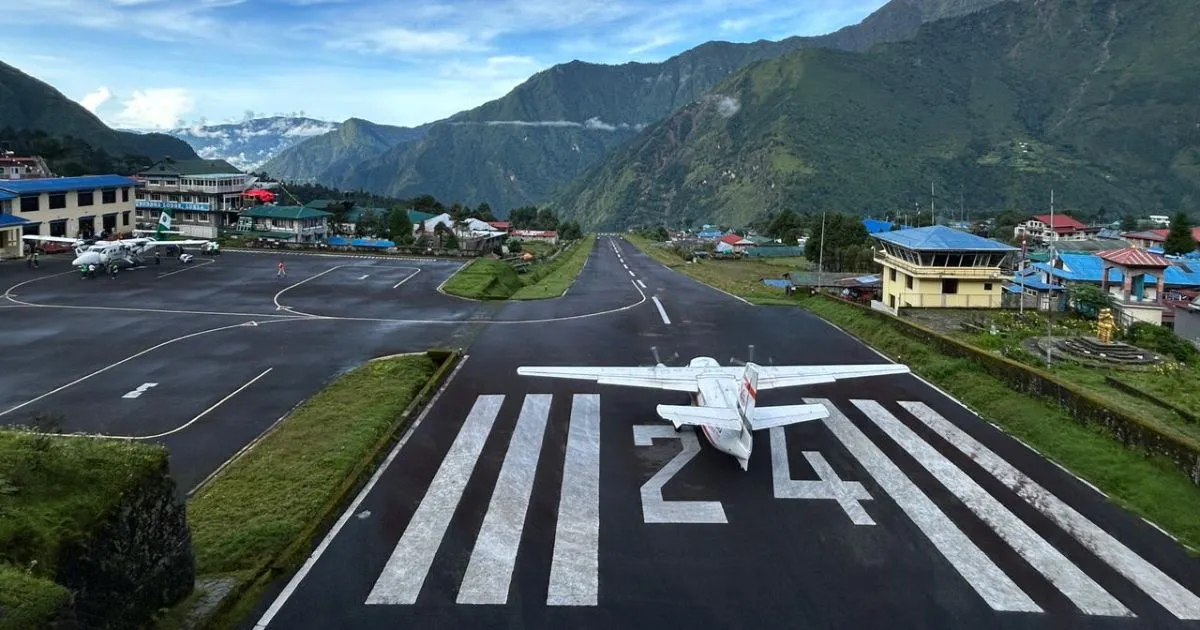
Flight to Lukla Airport
Physical Endurance and Fitness Requirements
Level of physical fitness matters enormously on Mera Peak, and proper preparation and training are essential. Summit day typically involves 8-12 hours of continuous effort, starting around midnight. Consequently, you'll climb roughly 700 vertical metres from high camp to summit, then reverse the route while exhausted. Building endurance and strength and practising altitude acclimatisation through trekking, long hikes with a loaded backpack, and cardio exercises will greatly improve your summit probability and reduce fatigue risk.
Training Focus Areas:
Cardiovascular endurance: 6-8 hour training days at least twice monthly for three months
Leg strength: Squats, lunges, and step-ups for continuous uphill effort
Core strength: Balance on uneven terrain, reduce injury risk
Mental endurance: Ability to keep moving when exhausted, cold, and altitude-affected
The approach trek is physically demanding before you even start the actual climb. You'll walk 5-7 hours daily for a week, carrying a daypack. Mental endurance proves as important as physical fitness, particularly on summit day.
Common Risks and Hazards
Challenges on Mera Peak extend beyond altitude and physical difficulty:
Primary Hazards:
Crevasses: Hidden under snow bridges, requiring roped team travel
Weather deterioration: Whiteout conditions make navigation extremely difficult
Altitude sickness: Can progress rapidly, particularly above high camp
Simple accidents: Twisted ankles or falls become serious emergencies at extreme altitude
Avalanche risk exists but is generally lower on Mera Peak than on steeper objectives. Fresh snowfall or warming temperatures can increase the difficulty and danger. Therefore, prevention through careful movement and good judgement remains your best protection.
Grading Mera Peak Difficulty
International Climbing Grades (Alpine PD)
The difficulty level of Mera Peak receives an Alpine grade of PD (Peu Difficile), translating to "a little difficult". This places it in the moderate category, above easy scrambles but well below seriously technical alpine routes.
What PD Grade Means:
Competent glacier travel and basic crampon and ice axe skills required
Ability to move efficiently on moderate snow slopes
No vertical ice sections, exposed ridge traverses, or complicated route-finding
Originally developed for Alpine peaks where altitudes rarely exceed 4,800 m
Doesn't fully capture altitude component at over 6,400 metres
British grading might list this as Alpine Grade 1 or 2, while some American guides describe it as Class 3-4 with glacier travel. The difficulty level of Mera Peak lies more in the altitude-endurance combination than in technical climbing demands.
Comparison with Other Nepalese Trekking Peaks
Peak
Elevation
Technical Grade
Key Difference
Best For
Mera Peak
6,476 m
PD (Alpine)
Highest, least technical
Altitude experience
Island Peak
6,189 m
PD+ (Alpine)
Steeper headwall section
Technical satisfaction
Lobuche Peak
6,119 m
PD+ to AD-
More technical, exposed ridge
Skill development
Pisang Peak
6,091 m
PD
Similar difficulty, less altitude
Alternative option
Mera Peak and Island Peak are frequently compared, as both attract similar trekker profiles. Island Peak climbing involves a steeper, more technical headwall with fixed ropes and requires better crampon technique. However, it sits 287 metres lower, which makes a substantial difference in altitude effects.
Lobuche Peak presents more technical challenges with exposed ridge sections and steeper ice. The peak requires greater climbing skills and confidence on steep terrain. Nevertheless, it tops out below Mera, which partly offsets the increased technical demands. Trekkers seeking technical challenges often prefer Lobuche, while those wanting altitude experience choose Mera, understanding that altitude makes any difficult climb exponentially harder.
The "easiest" trekking peak title is debatable. Mera has the least technical difficulty but most altitude. Others have more technical climb sections but less altitude impact. For preparing for a climb of 8,000-metre peaks, Mera's altitude exposure provides better preparation despite simpler climbing. The climb of Mera Peak serves as an excellent proving ground for high-altitude tolerance. Successfully summiting Mera Peak demonstrates your body can function above 6,400 metres, making it valuable preparation for bigger objectives, though peaks such as Island Peak offer different skill development opportunities.
Preparation for the Climb
Physical Training for Mera Peak
Training to climb Mera Peak requires 3-6 months of dedicated preparation. Focus on building cardiovascular endurance and leg strength specific to the demands you'll face.
Training Programme Essentials:
Frequency: At least 5 training days weekly
Endurance sessions: Two long sessions of 4-8 hours weekly
Specific training: Hill walking with weighted pack (8-12kg)
Strength work: Squats, lunges, step-ups for leg strength
Core training: Stability for uneven terrain, reduce back strain
Altitude training remains impossible for most people without access to altitude chambers. However, you can maximise natural acclimatization potential by arriving with excellent cardiovascular health. Practise crampon walking, ice axe techniques, and rope team travel before departing. The skills required for the climb aren't complex, but performing them efficiently while tired and oxygen-deprived demands familiarity.
Mental and Psychological Readiness
The challenging climb tests mental resilience as much as physical capacity. Summit day demands hours of uncomfortable effort while maintaining safety awareness.
Mental Preparation Strategies:
Accept discomfort as temporary, develop strategies to keep moving
Build self-awareness to recognize altitude impairment
Practice humility to trust guide's assessment over summit fever
Maintain team dynamics and positive attitude during challenging conditions
Visualisation techniques help some trekkers prepare mentally. Imagine yourself at high camp, cold and tired, starting the pre-dawn summit push. This mental rehearsal reduces anxiety about the unknown aspects of the climb.
Essential Gear and Equipment
Category
Essential Items
Quality Requirements
Footwear
Double mountaineering boots, approach shoes
-30°C rated, crampon compatible
Insulation
Down jacket/suit, layering system
-30°C rated, altitude-tested
Technical
Crampons (12-point), ice axe, harness
Professional grade, properly fitted
Protection
Goggles, glacier glasses, warm gloves (2 pairs)
High-quality, redundant backup
Sleep System
Sleeping bag, liner
-20°C comfort rating minimum
Essentials for trekking include double mountaineering boots rated to -30°C, which are non-negotiable. Your boots must accept step-in crampons and provide adequate insulation for pre-dawn summit temperatures. A high-quality down jacket or suit rated for extreme altitude is essential, as high camp temperatures regularly drop below -20°C. Proper trekking gear, including gloves, thermal layers, and head protection, ensures safety and comfort throughout the Mera Peak climb.
Additional Critical Gear:
Trekking poles for approach
Headlamps with spare batteries
50-60L backpack
Merino wool base layers
Waterproof shells
Health and Safety Preparations
Medical preparation starts months before departure with thorough health checks. Pre-existing conditions need evaluation and clearance from a doctor familiar with high-altitude medicine.
Vaccinations for Nepal typically include hepatitis A and B, typhoid, and routine boosters. Check current COVID-19 requirements before departure.
Climbing Routes and Strategies
Standard Route Overview
The direct route to Mera Peak begins with a flight from Kathmandu to Lukla (2,860 m), though alternative approaches exist via Phaplu or Tumlingtar.
Approach Trek Route:
Fly from Kathmandu to Lukla
Trek from Lukla to Chutok, then continue to Paiya and Panggom. Allow 4 to 5 days for this section
Cross Zatrwa La Pass (4,610 metres) for early altitude exposure
As you approach the Hinku Valley, you can clearly see Mera Peak
Trek to Khare (5,045 metres), the Mera Peak Base Camp
Spend two nights acclimatising at Khare with day hikes
Ascend from Khare to High Camp
Make a pre-dawn push to summit Mera Peak from High Camp
Descend back to Khare after the summit
Return to Lukla by following the same path across the Hinku Valley
Fly from Lukla to Kathmandu
Mera high camp sits at approximately 5,780 metres, typically located on the Mera La. Teams establish camp here, rest, and prepare for midnight or 1am departure. Subsequently, the route to Mera Peak summit follows the glacier northwest, gaining roughly 700 metres from high camp to summit in 5-7 hours up and 2-4 hours down.
Navigation becomes straightforward in good conditions, though pre-dawn darkness and potential whiteout conditions demand good guide experience. The Mera Peak climbing route provides one of the finest high-altitude experiences among peaks to climb in Nepal.
Alternative Routes and Their Challenges
Route Variations:
Hongu Valley route: More remote approach with spectacular scenery and fewer teahouses
Amphu Lapcha pass: Combines Mera with Island Peak, technical pass requiring glacier travel
Winter route adjustments: Changes based on snow conditions and crevasse formation
Some teams approach via the Amphu Lapcha pass (5,845 m), combining Mera with Island Peak in an ambitious circuit. This technical pass substantially increases expedition length and difficulty. Descent via the same ascent route remains standard practice for most commercial groups, providing the best balance of safety and acclimatization.
Base Camp to Summit Strategy
Two-Day Summit Push Timeline:
Phase
Duration
Elevation Gain
Key Activities
Khare to Mera Peak Base Camp
3 to 4 hours
Gradual ascent
Glacier approach, rope practice, final equipment checks
Mera Base Camp to Mera High Camp
4 to 6 hours
Steady climb
Snow and ice ascent, establish camp, rest and hydration
Mera High Camp to Summit Push
10 to 14 hours
Ascent and descent
Pre-dawn start, reach Mera Peak summit, descend back toward Khare
Summit Day Key Points:
Start around midnight or 1am for stable morning weather
Climb to the summit takes 5-7 hours typically
Rope team travel for crevasse sections
The steeper final section requires careful crampon placement
Reaching top of Mera Peak isn't the end; the descent is equally demanding
A total of 10-14 hours of effort, requiring pacing throughout
Role of Guides and Sherpas
Professional guides and Sherpas form the backbone of a successful climb. Their experience reading weather, navigating glaciers, and recognising altitude illness symptoms directly affects safety and success rates.
Guide Responsibilities:
Critical decisions about summit attempts and turnaround times
Route navigation and crevasse assessment
Altitude illness recognition and emergency response
Trail breaking in fresh snow, rope management
Optimal Guide Ratios:
Maximum 1:4 guide-to-client ratio for safety
Ideal 1:2 or 1:3 for better support
Sherpa climbing support establishes camps and manages ropes
Trust the guide's expertise, even when it means turning back short of the summit. Guides have seen countless altitude illness cases and weather changes. Their judgement exists to protect your safety and long-term health. Moreover, Sherpa teams deserve respect as professionals with exceptional skill, many having climbing experience far exceeding their clients.
Ideal Time to Climb Mera Peak
Best Months for Climbing
The best month to climb Mera Peak depends on priorities regarding weather, temperature, crowds, and visibility. The month to climb Mera Peak divides into two optimal windows with distinct characteristics.
Late October sees multiple expeditions simultaneously, sometimes creating bottlenecks. In contrast, April typically has fewer teams, though numbers have grown as Mera's popularity increases.
Seasonal Considerations and Weather Risks
Seasonal Risk Assessment:
Season
Weather Stability
Temperature
Recommended
Primary Risks
Spring (Apr-May)
Moderate
Comfortable
Yes
Late-season storms
Autumn (Oct-Nov)
High
Cold
Yes
Extreme cold, short days
Winter (Dec-Feb)
Stable
Extreme (-30°C+)
Experienced only
Severe frostbite risk
Monsoon (Jun-Sep)
Poor
Variable
No
Heavy snow, avalanches
The monsoon brings heavy rain at lower elevations and substantial snowfall higher up. Trails become muddy, flights cancel frequently, and avalanche risk increases substantially. Winter delivers stable weather but extreme cold, where temperatures at high camp regularly drop below -30°C.
Climate change has made patterns less predictable. Even during optimal months, expect 2-4 days of poor weather during your itinerary. Consequently, schedules need flexibility without creating dangerous pressure to climb in marginal conditions.
Summit of Mera Peak climbing
Tips for a Successful Summit
Pacing and Energy Management
Pacing separates successful summits from failures more than any other factor on Mera Peak. The temptation to climb quickly must be resisted, as rapid ascent dramatically increases altitude illness risk.
Pacing Strategies:
Maintain uncomfortably slow pace at lower elevations
Use pressure breathing: forceful exhalation, deep inhalation
Synchronize steps with breathing: step, breathe, step, breathe
Practice rhythm during training hikes
Energy Management Essentials:
Eat even when not hungry; appetite diminishes with altitude
Carbohydrate-rich foods provide ready energy
Hydration: 4-5 litres daily at high camp and above
Prepare summit gear afternoon before to preserve energy
Sleep quality at high camp affects performance; expect difficulty
Acclimatization Practices
Proper acclimatization means the difference between summiting Mera Peak and turning back with altitude illness. The principle "climb high, sleep low" applies throughout the approach trek.
Critical Acclimatisation Steps:
Take acclimatization hikes above sleeping elevation
Spend a minimum of two nights at Khare before base camp and high camp
Day hike toward Mera La or Mera base camp from Khare
Communicate honestly about symptoms with the guide
Recommending an extra acclimatization day could mean difference between success and illness
Medication like acetazolamide (Diamox) aids acclimatization for many people. Start 1-2 days before flying to Lukla to ensure tolerance. However, Diamox is no substitute for proper pacing and acclimatization days.
Dealing with Altitude Sickness
Altitude Sickness Recognition:
Severity
Symptoms
Action Required
Mild AMS
Headache, nausea, fatigue, sleep disruption
Monitor, hydrate, rest
Moderate AMS
Worsening symptoms, loss of appetite
Stop ascent, consider descent
Severe (HACE/HAPE)
Confusion, inability to walk, extreme breathlessness
A score above 6 total requires descent consideration
Treatment for mild AMS involves stopping ascent, resting, hydrating, and taking ibuprofen. If symptoms worsen, descent is the only reliable treatment. Descent of just 300-500 metres often produces remarkable improvement.
HACE (confusion, loss of coordination) and HAPE (extreme breathlessness, chest tightness, pink frothy cough) are medical emergencies requiring immediate descent and evacuation.
Post-Climb Insights
Summit Views and Rewards
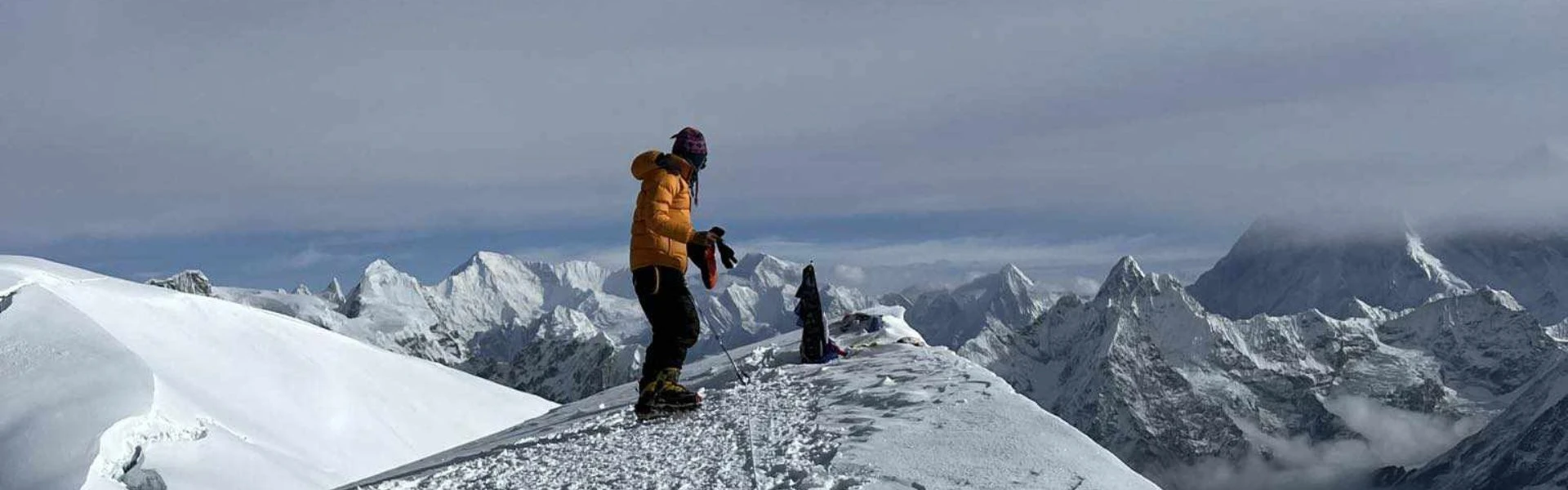
Standing on the summit of Mera Peak delivers views justifying every difficult moment of the climbing journey. Five 8,000-metre peaks are visible: Everest, Lhotse, MountMakalu, Mount Cho Oyu, and MountKangchenjunga. Additionally, you'll see Ama Dablam, Pumori, and dozens of other spectacular Himalayan summits.
Summit Experience:
The 360-degree panorama ranks among the finest in the Himalayas.
Altitude affects memory and brain function substantially
Most teams summit between 7am and 10am.
Cloud buildup often begins by midday
Descent from summit requires continued focus to prevent accidents
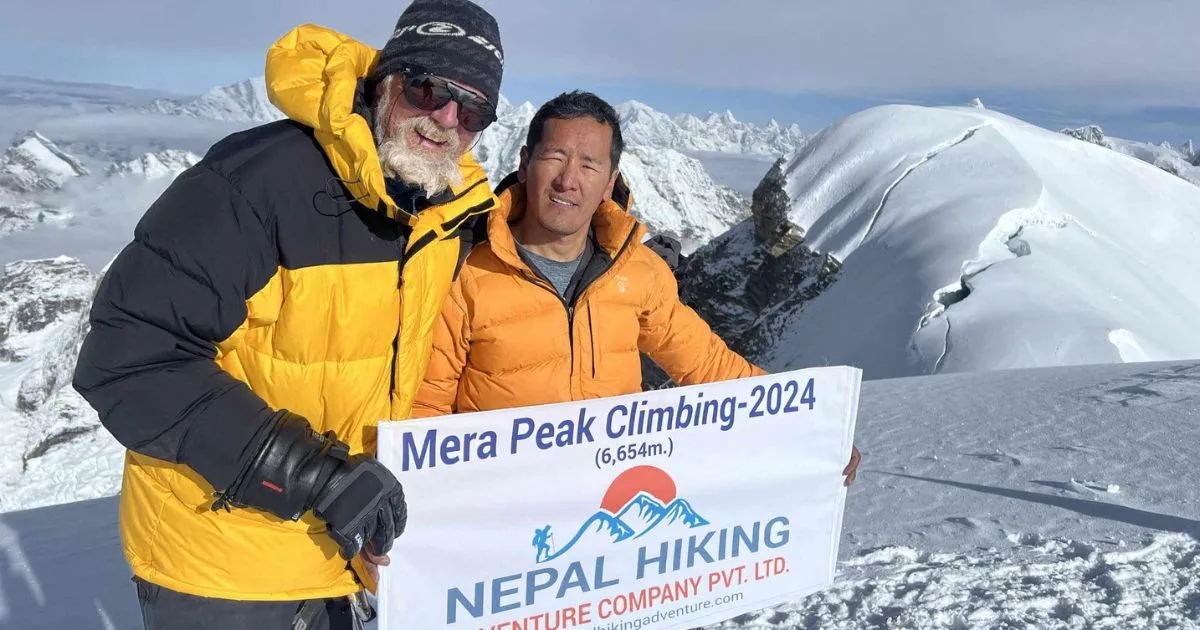
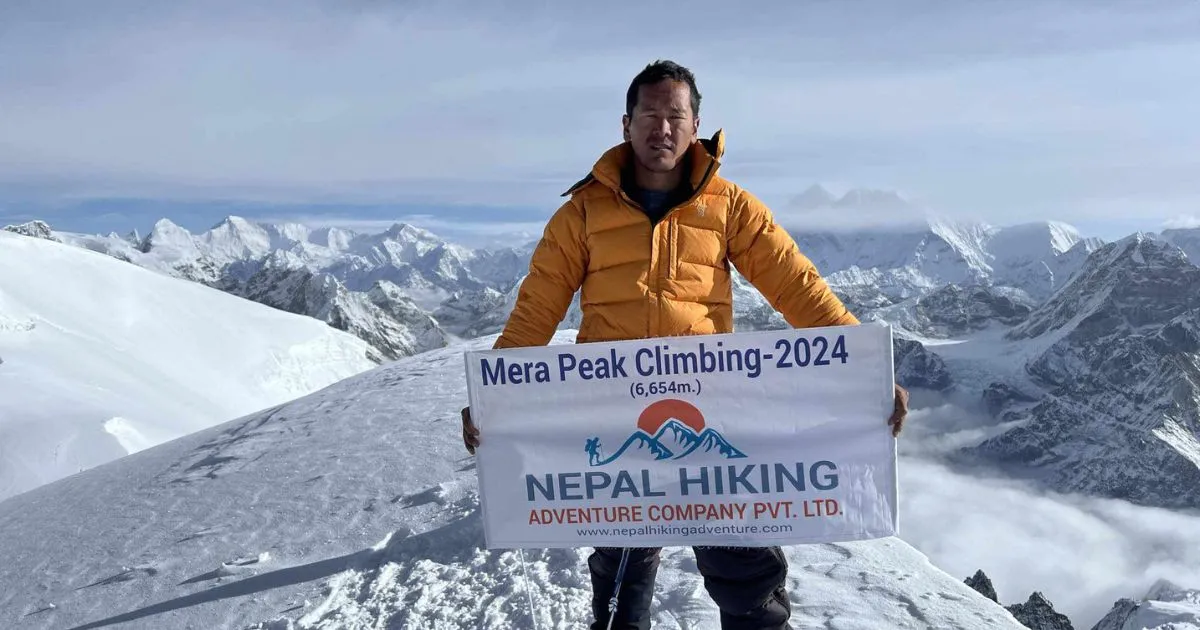
The Mera summit represents significant personal achievement regardless of mountaineering background. The satisfaction of summiting Mera Peak typically grows in the days after, once exhaustion fades.
Cultural and Local Experiences
The trek and climb provide rich cultural immersion in Sherpa Buddhist traditions beyond the peak itself.
Cultural Highlights:
Villages like Kothe maintain traditional lifestyles relatively unchanged
Mani walls, chortens, and prayer flags mark sacred spaces
Teahouse lodges offer glimpses into Sherpa hospitality
Dal bhat becomes staple meal, providing needed carbohydrates
Evening conversations create community and shared experience
Buddhist practices encountered daily through prayer wheels, monasteries, and local faith. Supporting local businesses through fair wages and purchasing handicrafts contributes positively to communities, making these adventures possible.
Next Steps for Advanced Climbers
Successfully summiting Mera Peak often ignites interest in bigger objectives, providing valuable data about high-altitude performance.
Progression Options:
Island Peak for a more technical challenge at a slightly lower altitude
Pisang Peak is a logical next step with mixed snow and ridge climbing
Chulu West for broader alpine experience and higher commitment
Yala Peak for sustained altitude travel in a less technical setting
Other ranges, such as Ecuador, Bolivia, and Tanzania for different mountain environments
The climbing journey begun on Mera can lead in many directions, depending on attraction to altitude, technical challenge, or experiencing beautiful mountains worldwide. The climbing adventure continues beyond this single peak.
Mera Peak Climbing Difficulty: Final Thoughts
Mera Peak presents moderate technical difficulty combined with significant altitude challenges, where the Mera Peak climbing difficulty stems primarily from extreme elevation rather than climbing complexity. Fitness, acclimatisation, and mental resilience matter more than advanced mountaineering skills, though basic competence with crampons, ice axes, and glacier travel remains essential for safe completion. Success rates for properly organised Mera Peak expeditions typically range from 60% to 85%, with most who don't summit turning back due to altitude sickness, unpredictable weather, or personal health issues rather than technical climbing difficulty, proving that how hard Mera Peak is depends entirely on your physical fitness, altitude tolerance, and mental toughness.
Choose your operator carefully based on guide qualifications, group size, itinerary quality, and safety record rather than price alone, as the cheapest expeditions often cut corners that reduce success rates and increase risk. Train seriously for at least three months before departure, practise all technical skills beforehand, and Mera Peak requires humility and willingness to turn around if conditions or health deteriorate, because summit fever kills people on mountains worldwide every year. Decide before you go that reaching the top of Mera Peak matters less than returning safely, as this mental framework helps you make good decisions when tired, cold, and altitude-affected, and remember that turning around isn't failure but mountaineering judgement.
Start planning 6–12 months before your intended departure to allow for training, gear acquisition, and booking with Nepal Everest Base Camp Co. while top dates are available. Obtain medical clearance early and begin altitude medication trials if using Diamox to ensure tolerance. Your Mera Peak journey starts the moment you commit, as preparation, anticipation, and proper fitness increase enjoyment and reduce risks. Attempting Mera Peak is a significant undertaking, but with realistic expectations, thorough preparation, and good judgement, it offers one of the most rewarding climbing experiences for non-professional mountaineers - contact us to start planning.
Mera Peak Climbing
Mera Peak Climbing Difficulty: FAQs
Is Mera Peak suitable for beginners?
Mera Peak isn't recommended for complete mountaineering beginners, though it's accessible to trekkers with basic high-altitude experience and previous multi-day trekking above 4,000 metres. The Mera Peak trek difficulty lies more in altitude endurance than technical complexity, but Mera Peak is difficult for true beginners because altitude affects everyone unpredictably, and managing equipment while oxygen-deprived demands familiarity with mountaineering basics.
Do I need technical climbing skills?
Basic climbing skills suffice for Mera Peak, specifically crampon walking, ice axe use, and rope team travel on glaciers, without requiring rock climbing ability or vertical ice experience. Most operators offer pre-climb training at base camp, but arriving with prior familiarity makes this refresher far more effective than learning from scratch at 5,000 metres, as the level of technical climbing Mera Peak demands is fundamental but must be performed efficiently at altitude.
What are the symptoms of altitude sickness?
Early altitude sickness symptoms include headache, nausea, fatigue, dizziness, and sleep disruption, which are common above 3,000 metres and don't necessarily prevent continued ascent if mild and stable. Severe altitude illness manifests as confusion, inability to walk straight, extreme breathlessness at rest, or coughing up fluid, representing medical emergencies at high altitude where prevention through proper acclimatisation is far preferable to treatment.
How long does the climb usually take?
The complete Mera Peak climbing itinerary typically requires 14-18 days from Kathmandu and back, including the approach trek, acclimatisation at Khare, the summit push, and descent. Summit day itself takes 10-14 hours from high camp to summit and back to Khare, with the climb up averaging 5-7 hours, while descent takes 2-4 hours depending on fitness and conditions.
What is the success rate of Mera Peak climbs?
Success rates for properly organised Mera Peak expeditions typically range from 60% to 85%, with higher rates correlating to longer itineraries and experienced guide teams. The primary reason people don't reach the top of Mera is altitude illness, followed by weather conditions, while groups that rush acclimatisation or climb during marginal weather have substantially lower success rates, proving individual altitude tolerance and fitness play major roles in whether you'll make the climb successfully. Furthermore, understanding how hard Mera Peak is before attempting it helps climbers prepare appropriately and increases their chances of standing on Mera Peak's summit alongside those who've completed the famous Everest Base Camp trek nearby.
Blending digital strategy with mountain passion, I help adventurers find their way to the Himalayas online. With hands-on experience in Nepal’s trekking trails and a role at Nepal Everest Base Camp Trekking Co., Thamel, I combine SEO expertise with true trail insight.