Understanding Everest Three Passes Trek Difficulty
The Everest Three Passes trek is widely regarded as one of the most physically demanding routes in the Khumbu region, and for good reason. Unlike a standard summit-approach itinerary, this route takes trekkers across three high mountain passes, each above 5,300 metres, in a single continuous circuit. The Everest Three Passes trek difficulty is not a matter of opinion. It is a measurable reality built from elevation, terrain, distance, and accumulated fatigue.
This guide exists to give serious trekkers a clear and honest breakdown of what to expect. Whether you are comparing this route against the Classic Everest Base Camp trek or deciding whether your current fitness level is adequate, the information here is specific, accurate, and drawn from real trail conditions in Nepal. Nothing has been softened to make the journey sound more accessible than it is.
If you are the kind of trekker who wants to understand the full picture before committing, this is the guide for you. From the rocky ascent of Kongma La to the glaciated crossing of Cho La and the long grind up to Renjo La, every section of this route demands preparation. By the end of this page, you will know exactly what you are taking on with Nepal Everest Base Camp Co.
Overview of the Route
Start and End Point: Lukla to Lukla
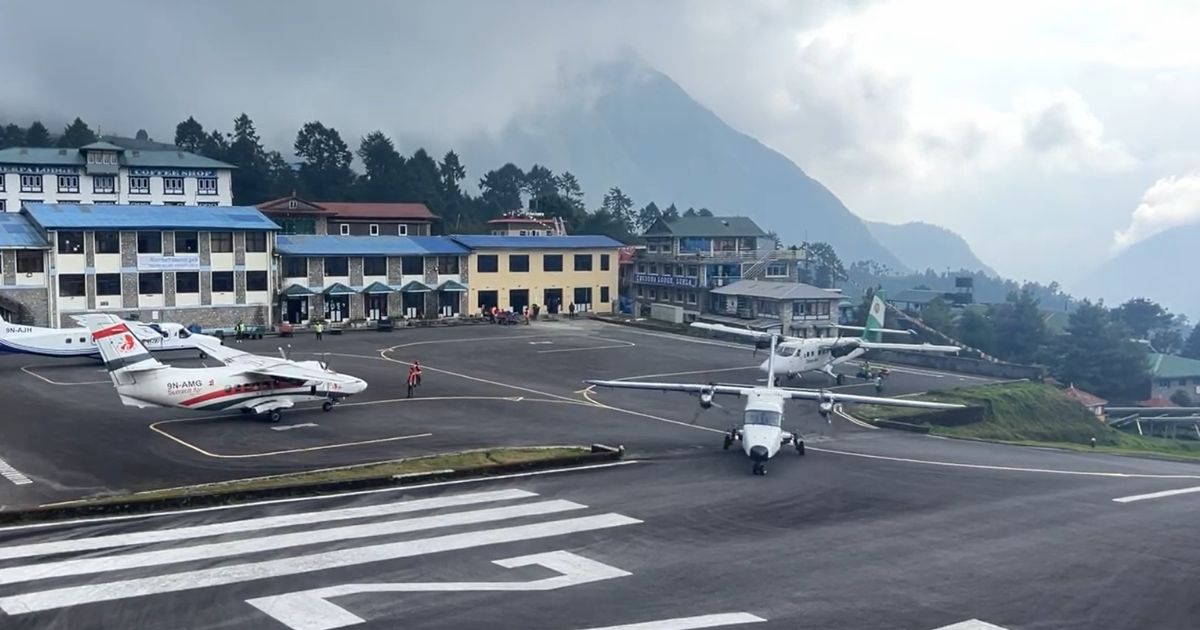
The trek route begins and ends in Lukla, the small mountain airstrip that serves as the gateway to the Everest region. Most trekkers fly into Lukla from Kathmandu, then proceed on foot through a circular circuit that covers the full breadth of the Khumbu. The loop format means there is no straight-line bailout. Once you are deep into the route, the most direct way out is forward.
Starting point: Lukla (2,860 m)
End point: Lukla (2,860 m)
Total circuit: Roughly 160 to 180 km depending on side trips
Typical duration: 18 to 21 days
Major Trail Sections
The trek moves through some of the most significant locations in the Everest region. Below is a summary of the major trail stages and what each section involves.
Clockwise vs Anticlockwise Routes and Difficulty Implications
The direction you travel this trek route has a real effect on how difficult each pass feels. Most guided trek itineraries run the circuit anticlockwise, meaning Kongma La is crossed first. This approach stages the difficulty progressively, allowing trekkers to encounter the hardest technical terrain after their bodies have partially adapted to altitude.
Anticlockwise (recommended):Kongma La first, then Cho La, then Renjo La. Acclimatisation builds naturally. Each pass is approached with more physiological preparation.
Clockwise:Renjo La first. Encountered earlier in the itinerary, before full acclimatisation, this order can increase the difficulty of the opening days considerably.
For most trekkers, the anticlockwise direction is the safer and more manageable choice.
What Are the Three High Passes
Kongma La Pass (5,535 m)
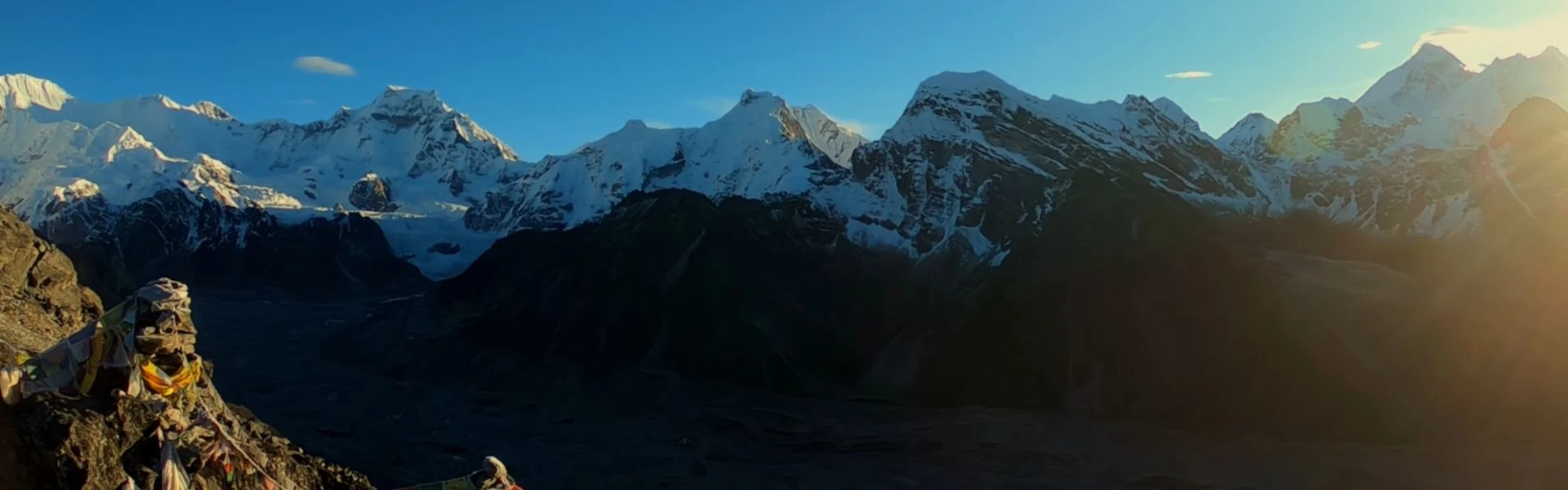
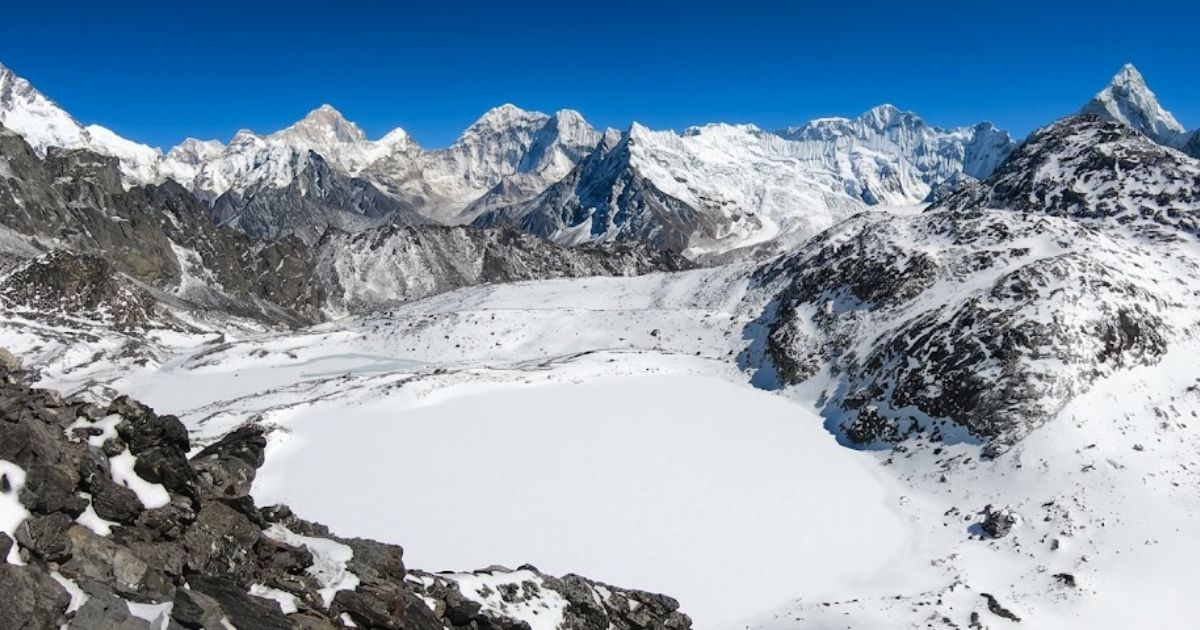
Kongma La Pass is the highest of the three high passes and, consequently, the most physically demanding. At 5,535 metres, it sits well into the zone where oxygen availability drops to roughly 50% of sea-level concentration. The ascent from Dingboche involves several hours of steep, rocky climbing on loose terrain. There is no glacier here, but the technical footing and exposure to altitude make it the most physiologically taxing of the three crossings.
Elevation: 5,535 m
Terrain: Rocky, scree-covered, no glacier
Key challenge: Altitude load and loose ground on descent toward Lobuche village
Kongma La Pass
Cho La Pass (5,420 m)
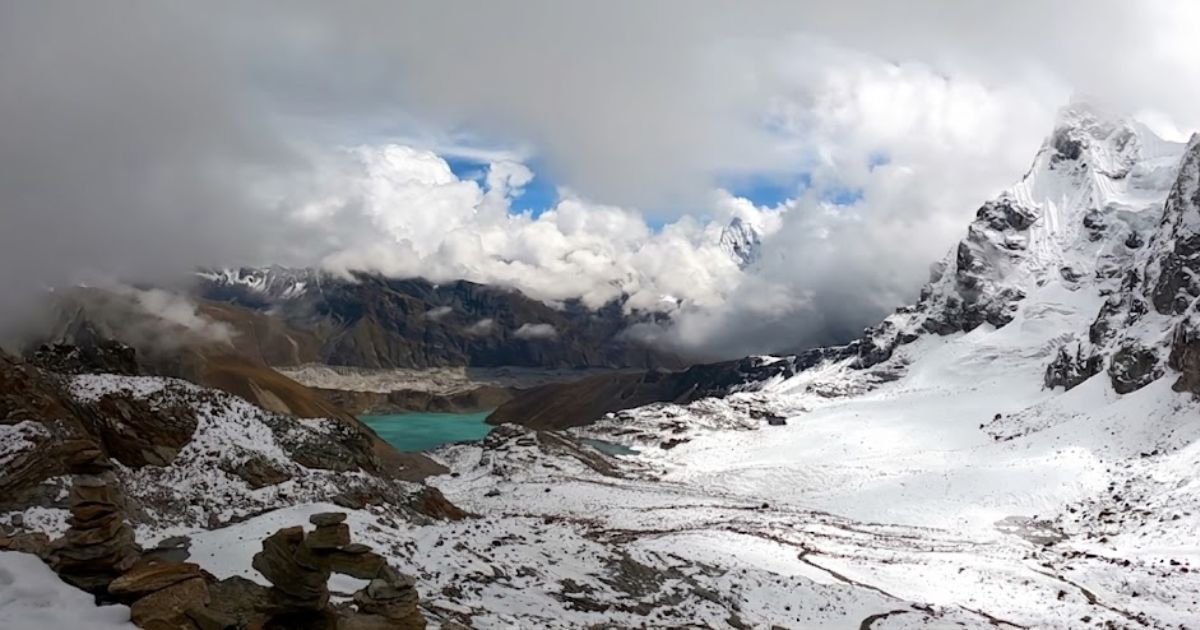
Cho La Pass is the most technically demanding pass on the route. While slightly lower than Kongma La, it involves a genuine glacier crossing with ice sections that require crampons in most conditions. The approach from Dzongla is steep, and the descent into the Gokyo valley involves navigating ice slabs and moraines. Weather can close this pass quickly, particularly in early spring or late autumn when ice formation is more unpredictable.
Elevation: 5,420 m
Terrain: Glacier, ice, steep rocky descent
Key challenge: Ice crossing and rapid weather change
Renjo La Pass (5,360 m)
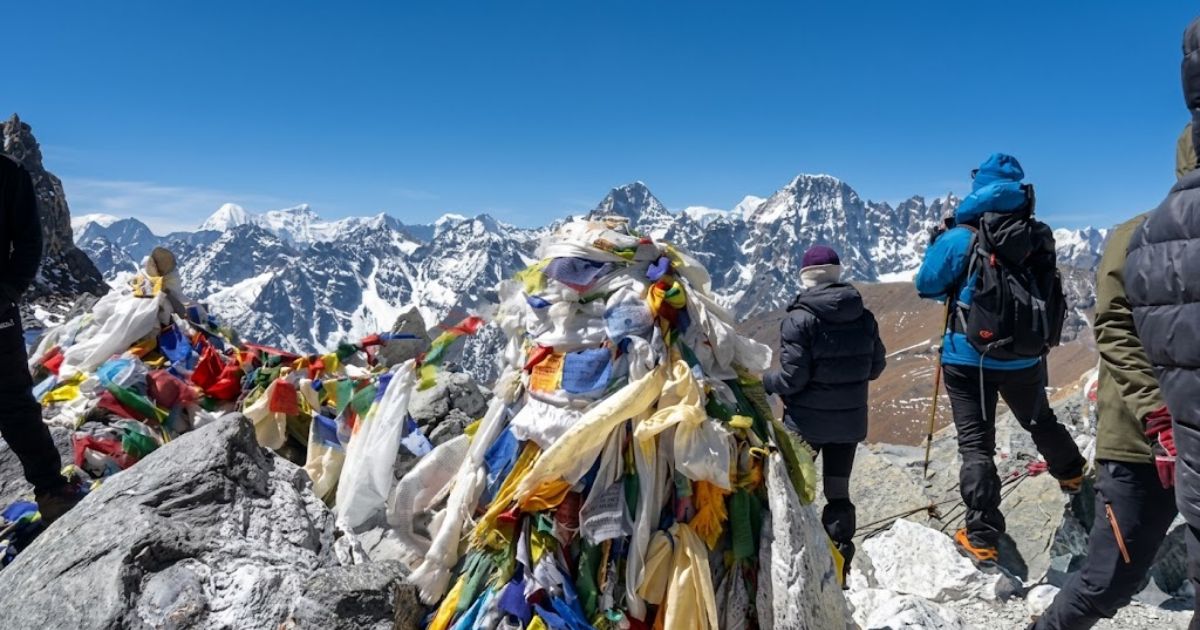
Renjo La Pass is the lowest of the three passes but should not be underestimated. The ascent from Lungden is long, the trail is exposed to wind, and by the time most trekkersreach the passes in this sequence, cumulative fatigue has already taken hold. The descent toward Thame is steep and rocky. The views from the top, including a direct sightline to Mount Everest, are among the most striking on the entire Everest circuit.
Key challenge: Endurance load and accumulated fatigue from earlier passes
Renjola Pass
How Each Pass Adds to Overall Challenge
Individually, each of these challenging passes would represent a significant day on its own. Together, however, they form a cumulative physical and psychological load that distinguishes this circuit from virtually every other trek in Nepal. The body does not fully recover between pass days. Fatigue compounds. That is the core difficulty of this route, and it is what trekkers must prepare for honestly.
Trek Difficulty Breakdown
Overall Difficulty Level: Strenuous to Challenging
The Everest Three Passes Trek falls in the very difficult range. Its trek difficulty level comes not only from the high passes but also from the steady effort needed over 18 to 21 days. It is one of the toughest non-technical trekking routes in Nepal, with long climbs, steep descents, and little rest at altitude. No ropes or climbing skills are needed, but a strong aerobic base and prior high-altitude experience are essential for safe and steady progress on this multi-pass circuit.
Altitude and Oxygen Levels
Elevation Zone
Oxygen Available
Risk Level
Up to 3,000 m
~90% of sea level
Low
3,000–4,000 m
~70–80% of sea level
Moderate
4,000–5,000 m
~55–65% of sea level
High
Above 5,000 m
~50% of sea level
Very High
Due to the high altitude of all three passes, trekkers spend multiple days operating at oxygen levels that make simple physical tasks feel considerably harder. The body's ability to process lactic acid slows, sleep quality degrades, and appetite often drops. These effects are not incidental. They are, in fact, central to understanding the high passes trek difficulty.
Terrain and Trail Conditions
The Three Passes Trail covers a wide variety of ground conditions. As a result, trekkers should expect the following:
Glacial moraine on the approach to Everest Base Camp
Ice and packed snow on Cho La (depending on season and weather)
Loose scree and boulder fields on Kongma La
Exposed ridge walking on Renjo La
Forested lower trails near Namche and Thame
Suspension bridges, stone stairways, and river crossings throughout
No single section is technically beyond a fit, experienced trekker. The cumulative variety of the trek trail, however, demands a level of physical adaptability that casual walkers will not have.
Weather Factors and Seasonal Impact
Weather is one of the least predictable variables on this route. Even during the reliable trekking seasons of spring and autumn, conditions can shift rapidly at altitude. Consequently, pass days carry specific weather risks that every trekker should understand before departure.
Season
General Conditions
Pass Risk
Spring (Mar–May)
Stable mornings, afternoon cloud build
Moderate. Cho La may still hold ice early
Autumn (Sep–Nov)
Clear skies, cold nights
Low to Moderate. Best overall window
Winter (Dec–Feb)
Extreme cold, heavy snow
High Passes may be closed
Monsoon (Jun–Aug)
Heavy rain, leeches, poor visibility
Very high. Not recommended
Daily Distance and Walking Hours
On a standard trek itinerary, trekkers cover between 10 and 18 kilometres per day depending on the stage. Pass days involve 6 to 9 hours of walking, often with full pack weight and no shelter until the destination teahouse is reached.
Average daily distance: 12–15 km
Pass day duration: 6–9 hours
Total trek distance: 160–180 km
Elevation gain on a pass day: 700–1,000+ metres
Mental and Endurance Challenges
The mental load of this challenging trek is frequently underestimated. Trekkers deal with pre-dawn starts on pass days, the psychological weight of being far from evacuation, and the compounding fatigue of nearly three weeks at altitude. Motivation dips between days 10 and 15 for many people. Knowing this in advance is, therefore, itself a form of preparation. A good trek guide will help manage pace, rest decisions, and morale across the full circuit.
Altitude Sickness and Acclimatisation
Why Altitude Sickness Is a Concern
Altitude sickness is the single most common reason trekkers are forced to abandon this route. Because the three high passes route keeps trekkers at elevations above 4,000 metres for the majority of the itinerary, the window for physiological adaptation is narrow. The body needs time to produce additional red blood cells and adjust its breathing response. Rushing that process, or ignoring early symptoms, can turn a manageable condition into a medical emergency.
Common Symptoms to Watch For
Mild AMS: Headache, fatigue, loss of appetite, disrupted sleep
Severe AMS (HACE/HAPE): Confusion, ataxia, breathlessness at rest, wet cough
Any moderate symptoms that do not improve with rest and hydration are a clear signal to descend. No summit, pass, or trek route objective is worth ignoring those signals.
Best Practices for Safe Acclimatisation
Proper acclimatisation planning is what separates a successful high-altitude trek from a dangerous one. The standard guidance applies here, but with greater urgency than on shorter routes.
Spend at least two days in Namche Bazaar before ascending further
Follow the "climb high, sleep low" principle wherever the itinerary allows
Build rest days into the schedule at Dingboche and Gokyo
Drink 3 to 4 litres of water per day throughout the trek
Avoid alcohol and sleeping medication at altitude
Carry a pulse oximeter and monitor blood oxygen daily
Physical Fitness and Preparation
Recommended Fitness Level
This route requires a strong aerobic base. Trekkers should be comfortable walking 6 to 8 hours per day on uneven ground for multiple consecutive days before starting the trek. If your current fitness does not include regular hill walking or endurance cardio several times a week, you will find the Everest Three Pass Trek difficulty significantly harder than expected. Proper preparation and training for trekking are essential. Essentially, a trek without adequate conditioning is a risk not worth taking on a circuit of this scale.
Fitness Category
Suitable for This Trek
Recreational walker (occasional)
No
Regular hiker (weekly, flat trails)
Unlikely without specific training
Experienced hill walker (regular elevation gain)
Yes, with 3–4 months' preparation
Endurance athlete or seasoned trekker
Yes
Training Tips Before You Go
Training should begin at least three to four months before the trek. A trek like this one rewards structured, progressive preparation above almost everything else. Focus on the following:
Cardiovascular base: Running, cycling, or rowing at moderate intensity, 4 to 5 days per week
Hill sessions: Loaded hill walks with a daypack, progressively increasing weight
Leg strength: Squats, lunges, step-ups, and single-leg exercises for descent strength
Multi-day conditioning: At least two back-to-back long hiking days before departure
Gear and Equipment Essentials
Gear choices directly affect how manageable this route feels. Poor footwear or an inadequate sleeping bag will increase the difficulty on pass days when conditions turn cold. Proper essentials for trekking, including reliable boots, layers, and sleeping gear, are critical for safety and comfort throughout the Everest Three Pass Trek.
Item
Specification
Boots
Waterproof, ankle-supporting, broken in
Sleeping bag
Rated to at least -15°C
Crampons
Microspikes minimum. Strap-on crampons for Cho La
Layering system
Base, mid, insulated, waterproof shell
Trekking poles
Essential for descent on all three trek passes
First aid kit
Include altitude medication (Diamox; discuss with doctor)
Weather and Seasonal Difficulty
Spring Trek Conditions
Spring is one of the two primary trekking seasons for this route. March through May offers relatively stable weather, warming temperatures, and rhododendron in bloom at lower elevations. However, Cho La may still have ice in April, and afternoon cloud buildup can impede sight on pass days. The best time to trek in spring is typically late April to mid-May.
Clear mornings are common but not guaranteed
Snow on Kongma La is possible in March
Permit queues and teahouse bookings fill quickly in peak weeks
Autumn Trek Conditions
Autumn, from September to November, is the most consistently reliable window for this circuit. Post-monsoon clarity brings exceptional visibility, stable weather patterns, and firm trail conditions on all three passes. October is broadly considered the best time to trek the three passes, offering the best balance of weather, trail condition, and daylight hours.
October is peak season. Book accommodation and guides early.
Temperatures drop sharply after mid-November.
Wind in the passes becomes more pronounced toward December.
Monsoon and Winter Challenges
Solo trekking in monsoon or winter carries risks that most experienced trekkers would not accept on this route. The monsoon brings trail washouts, leeches, persistent cloud cover, and a significantly increased risk of slipping on wet rock. Winter freezes the high mountain passes and can close Cho La entirely for weeks at a time. A trip to Everest during either of these seasons, particularly on a circuit that includes three crossings above 5,300 metres, is not recommended without specialist knowledge and substantial cold-weather gear. The route to Everest via this circuit is simply not forgiving in extreme seasonal conditions.
Detailed Pass-By-Pass Challenges
Kongma La Pass: Technical and Exposure Challenges
Kongma La demands the most from trekkers in terms of altitude load. At 5,535 metres, this pass sits higher than any point on the standard Everest Base Camp trek route, including Base Camp itself. The ascent from Dingboche begins before dawn on most itineraries. The trail gains roughly 1,100 metres through a mix of moraine, boulder fields, and steep grass slopes before the rocky ridgeline becomes visible.
Ascent time from Dingboche: 5 to 6 hours
Descent to Lobuche: 2 to 3 hours on loose, knee-taxing terrain
Primary hazard: Altitude, loose footing, and sudden weather change
Fitness demand: Very high. This is typically the first major pass in the anticlockwise sequence, encountered before full acclimatisation
Crossing the passes in this order means the Kongma La day serves as an early benchmark. Trekkers who struggle here significantly should, therefore, reassess the rest of the itinerary with their trek guide.
Cho La Pass: Glacier and Ice Sections
Cho La is where the Everest 3 Passes Trek becomes genuinely technical. The glacier section below the pass is not steep enough to require roped climbing, but it is icy, uneven, and exposed. Crampons are not optional here. Most guided groups carry them as a minimum. A slip on the upper glacier could have serious consequences.
Ascent from Dzongla: 3 to 4 hours
Glacier section: 45 minutes to 1.5 hours depending on conditions
Descent to Thagnak: 2 to 3 hours on the steep, rocky terrain
Primary hazard: Ice and weather. The pass can close within hours if clouds roll in
Note: Check conditions the evening before. Your guide's local knowledge is critical here
The Cho La pass crossing is where the distinction between this trek and the classic Everest Base Camp trek becomes clearest. No part of the standard EBC route involves this kind of technical terrain, which is precisely what makes Cho La the defining day for most trekkers on this circuit.
Renjo La Pass: Long Ascents and Views
Renjo La is approached from Lungden after the Gokyo Valley section. By this stage, trekkers on the anticlockwise route have already crossed two passes and spent the better part of two weeks at elevation. The high passes of Renjo La present less technical challenge than Cho La, but the accumulated fatigue makes the long ascent feel harder than the numbers suggest.
Ascent from Lungden: 4 to 5 hours
Descent to Thame: 3 to 4 hours
Primary hazard: Wind exposure and trekker fatigue
Reward: Summit views directly toward Mount Everest and Lhotse are exceptional on clear days
The Renjo La Pass crossing is the final significant challenge before the trek route descends to Namche Bazaar and returns to Lukla. Many trekkers describe it as emotionally powerful, largely because of where it falls in the journey.
Comparing Pass Difficulties
Pass
Elevation
Primary Challenge
Technical Level
Fatigue Factor
Kongma La
5,535 m
Altitude, loose terrain
Moderate
High (early in route)
Cho La
5,420 m
Glacier, ice, weather
High
High
Renjo La
5,360 m
Endurance, wind exposure
Low–Moderate
Very High (end of route)
Overall, Cho La is considered the hardest pass in terms of technical demand. Kongma La is the hardest in terms of altitude load. Renjo La, meanwhile, is the hardest in terms of sheer accumulated fatigue. Together, these multiple high passes form a challenge that no single day of the route can fully represent on its own.
Chola Pass
Common Mistakes and Risks
Underestimating the Trek
The most consistent error trekkers make is treating this as an extension of the Everest Base Camp experience rather than a fundamentally different undertaking. The Everest Three Pass Trek difficulty is not just incrementally harder than a standard itinerary. It is categorically more demanding in terms of terrain, duration, and cumulative physiological stress. Trekkers who arrive underprepared physically or mentally are the ones most likely to be evacuated before reaching the passes.
Do not compare this route to day hikes or short weekend treks
Do not assume that having completed EBC means this route is within easy reach
Do not underestimate the emotional difficulty of the middle weeks
Poor acclimatization plans
Cutting rest days to save time is the second most common mistake. A compressed schedule that skips acclimatisation stops at Namche Bazaar or Dingboche in order to shave a few days off the itinerary is a false economy. The body cannot be rushed due to the high altitude of this circuit. Skipping rest stops considerably increases the danger of altitude sickness, and a forced descent from high altitude will take much longer than a rest day.
Inadequate Gear or Physical Preparation
Arriving without crampons, with boots that have not been broken in, or with a sleeping bag rated for warmer conditions than the route demands will create avoidable suffering. Similarly, trekkers who have not trained specifically for multi-day elevation gain will find their knees, lungs, and morale failing on pass days. Gear and preparation are not areas where this demanding trek allows compromise.
How This Trek Compares to Everest Base Camp Trek
Duration and Altitude Differences
Factor
Everest Base Camp Trek
Everest Three Passes Trek
Duration
12–14 days
18–21 days
Maximum elevation
5,364 m (EBC)
5,535 m (Kongma La)
High passes crossed
None
Three (above 5,360 m)
Technical terrain
Minimal
Glacier, ice, scree
Daily effort
Moderate to High
High to Very High
Prior experience needed
Recommended
Required
Trekking Intensity and Experience Required
The Everest Base Camp Trek difficulty is high, which makes it a difficult hike in Nepal by any standard. It challenges your stamina, endurance, and ability to cope with high altitude while offering breathtaking views of the Himalayas. However, it follows a relatively linear route with predictable elevation gain and no technical terrain.
Treks in the Everest region that include the three passes introduce variables that the standard route simply does not have. Weather-dependent pass days, glacier crossings, and extended time at altitude make this a different category of trekking experience entirely. Consequently, prior exposure to high mountain environments is not just helpful here. It is genuinely necessary.
Why Three Passes Feels Harder
Even trekkers who completed Everest Base Camp comfortably frequently describe the Three Pass Trek circuit as significantly more demanding than they expected. The reasons are consistent:
Six additional days at altitude means greater accumulated fatigue
Three high-pass days are physically and mentally draining in a way that base camp days are not
The route offers fewer easy exit options if conditions deteriorate
This is not a reason to avoid the route. It is, rather, a reason to prepare for it honestly. The Everest region three pass trek rewards trekkers who arrive ready with one of the most complete Himalayan experiences available outside of technical climbing.
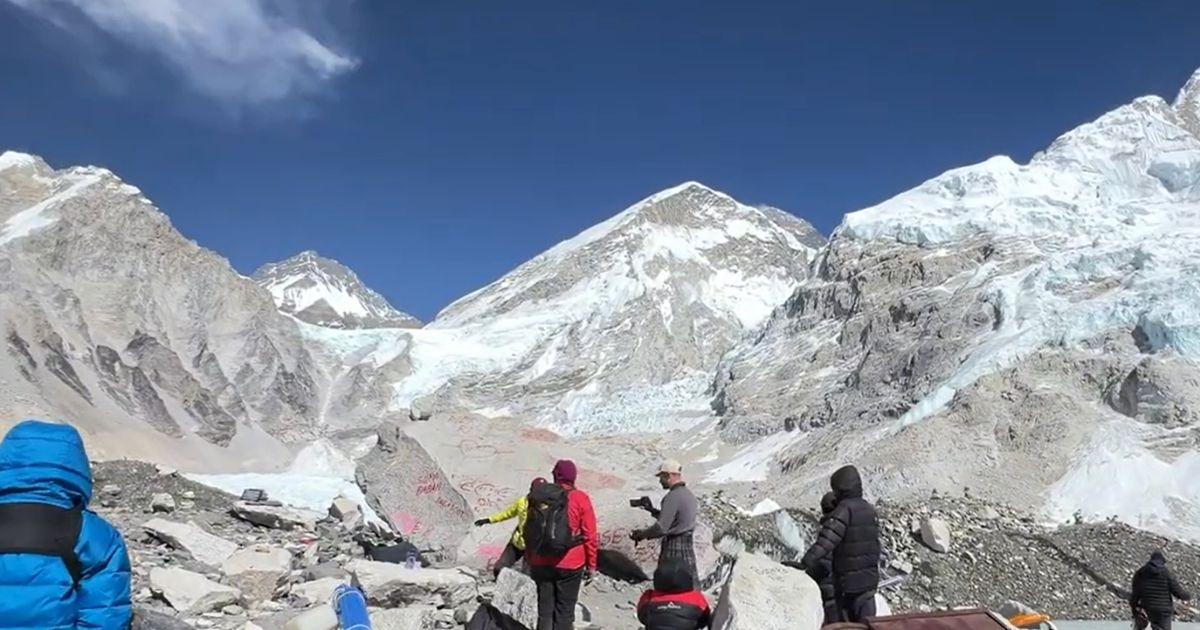
Everest Base Camp
Tips to Make the Trek Easier and Safer
Hiring Guides and Porters
Solo trekking this route is legal but carries significant risk. A licensed local trek guide brings trail knowledge, weather judgement, teahouse relationships, and emergency decision-making capability that no amount of personal research can replicate. For pass days especially, having someone who knows when to turn around is not a luxury. It is a safety system.
Hire through a registered Nepal trekking agency
Request a guide with specific experience on the three pass trek circuit
Consider a porter to reduce daily pack weight and protect your knees over 18+ days
The Three High Passes trek cost increases with a guide and porter, but the additional expense is one of the best risk-management decisions a trekker can make on this circuit.
Choosing Rest and Acclimatisation Days
Build rest days into your trek itinerary at these specific points:
Location
Recommended Rest
Purpose
Namche Bazaar
1 night
Initial acclimatisation to 3,440 m
Dingboche
1 night
Acclimatisation day hike above 4,900 m
Gokyo
1 night
Rest before Renjo La approach
Lobuche / Gorak Shep
1 night
Time at Everest Base Camp before continuing
Do not skip the Namche Bazaar stop. Two nights here, with a day hike to higher elevation, is the standard foundation for a safe ascent toward Everest and beyond.
Safety Advice for Pass Crossings
Begin all pass days before sunrise. Weather typically deteriorates by early afternoon.
Do not push through deteriorating conditions. Your guide's judgment on weather supersedes personal ambition.
Carry emergency supplies for the pass: extra layers, snacks, a headlamp, and a basic first-aid kit.
Know the descent route on the far side before committing to the ascent.
If a pass is closed by snow or ice overnight, convert the day to a rest day rather than attempt it in poor conditions.
Who Should Attempt This Trek
Experience and Fitness Expectations
The Himalayan high passes on this circuit require trekkers who are genuinely fit, genuinely experienced, and genuinely prepared to be uncomfortable for weeks at a time. This is not a route for people who are testing their limits for the first time. It is, instead, a route for people who have already found and exceeded earlier limits and are ready to operate at a higher level.
Suitable candidates:
Have completed at least one multi-day high-altitude trek (ideally above 4,000 m)
Can walk 6 to 8 hours per day on uneven terrain comfortably
Have trained specifically for this route in the preceding months
Understand and accept the risks of altitude, including the possibility of forced descent
Suitable for Trekking Enthusiasts vs First-Timers
Profile
Assessment
First-time trekker
Not suitable. Consider the Everest View Trek or EBC first.
Experienced hiker, no high-altitude experience
Borderline. Prior altitude exposure is strongly recommended.
Completed Everest Base Camp or Annapurna Base Camp
Good foundation. Three to four months' specific training is required.
Seasoned high-altitude trekker
Well suited. Focus preparation on pass-day specifics.
The demanding nature of this trek means that well-prepared trekkers with the right foundation will find it achievable, memorable, and deeply rewarding. Those who arrive undercooked, however, will find it dangerous.
Note. If you are in a strong physical condition and have no underlying health issues, you can attempt it with proper acclimatisation, a guided plan, and disciplined preparation.
Everest Three Passes Trek difficulty: Final Thoughts
The Everest Three Passes trek difficulty is real, measurable, and not to be taken lightly. This trek in the Himalayas crosses three passes above 5,300 metres, covers nearly 180 kilometres of varied terrain, and keeps trekkers at elevation for the better part of three weeks. It is, by any honest measure, a serious undertaking that belongs in a different category from the regular Everest Base Camp itinerary. At the same time, it is one of the most complete and satisfying circuits in the Everest region for trekkers who are ready for it.
The trekkers who succeed on this route are not necessarily the fittest or the most experienced. They are the ones who prepared honestly, chose a good guide, respected the acclimatisation schedule, and remained flexible when conditions required it. The Everest Three Passes trek will test your body, your patience, and your judgement. It will also give you an understanding of the Khumbu that very few people ever reach.
If you are ready to take on the three passes with the right preparation and the right support, this is the route that will deliver. Our team at Nepal Everest Base Camp has guided trekkers across this circuit in all conditions and all seasons. [Explore our Everest Three High Passes Trek itinerary] or [contact us] to build a plan that matches your fitness, your timeline, and your goals.
Lukla Airport
Everest Three Passes Trek difficulty: FAQs
What Makes the Three Passes Trek Harder Than EBC?
The Everest Three Passes trek difficulty exceeds that of Everest Base Camp primarily because of three high-altitude pass crossings, six additional days at elevation, and one glacier section on Cho La that has no equivalent on the standard route. Like Everest Base Camp, this trek demands strong acclimatisation, but the sustained effort across 18 to 21 days creates a cumulative physical and mental load that the 12-to-14-day EBC circuit does not replicate.
How Many Days Will It Take to Finish the Trek?
Most trekkers need 18 to 21 days to complete this circuit safely, including essential rest days at Namche Bazaar, Dingboche, and Gokyo. Compressing the trek itinerary below 18 days significantly increases the risk of altitude sickness and reduces the safety margin on pass days.
Can a Beginner Complete This Trek?
A first-time trekker is generally not suited to this route without prior experience above 4,000 metres. Beginners should consider the Everest Base Camp trek or Island Peak Base Camp as a preparatory trek before attempting the three high passes. If you are physically fit, it is possible, but only with proper acclimatisation, a guided plan, and strong discipline throughout the trek.
What Is the Best Time to Trek the Three Passes?
The best time to trek this circuit is October for autumn conditions or late April to mid-May for spring. October offers the most consistently clear weather and stable pass conditions, making it the preferred window for most Nepal trekking operators and independent trekkers alike.
Is Altitude Sickness Preventable on This Trek?
Altitude sickness cannot be fully prevented, but its risk can be substantially reduced through a well-paced trek itinerary, proper hydration, and built-in acclimatisation days. Carrying Diamox (acetazolamide) and a pulse oximeter provides an additional safety layer, but neither replaces the fundamental principle of ascending slowly.
Blending digital strategy with mountain passion, I help adventurers find their way to the Himalayas online. With hands-on experience in Nepal’s trekking trails and a role at Nepal Everest Base Camp Trekking Co., Thamel, I combine SEO expertise with true trail insight.